
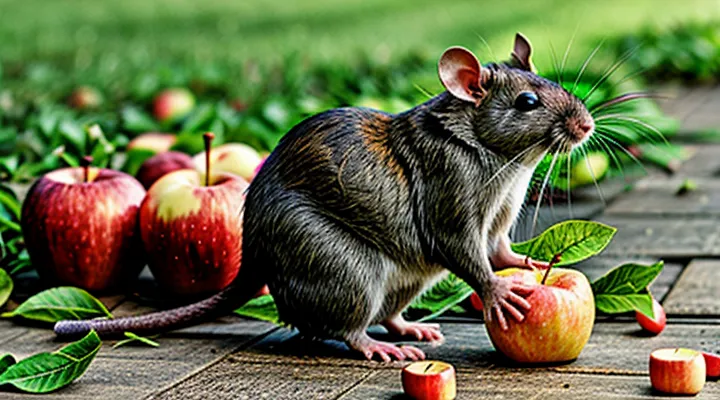
The Nutritional Value of Apples for Rats
Key Nutrients in Apples
Vitamins
Apples may be offered to rats as a supplemental food source, primarily for their vitamin composition.
- Vitamin C – antioxidant, supports immune function; concentration approximately 5 mg per 100 g fresh apple.
- Vitamin A (as β‑carotene) – contributes to visual health; present in modest amounts, roughly 54 µg Rae per 100 g.
- Vitamin K – involved in blood coagulation; about 2.2 µg per 100 g.
- Vitamin B‑complex (B1, B2, B3, B5, B6, B9) – participate in energy metabolism; each B vitamin appears in trace quantities.
Rats require dietary vitamin C, which they can synthesize endogenously; supplemental intake from apples does not create a deficiency risk. Vitamin A intake from apples remains well below the tolerable upper intake level for rodents, minimizing toxicity concerns. Vitamin K and B‑vitamins supplied by apples complement the base diet but should not replace fortified rodent chow that guarantees complete nutrient coverage.
A safe serving size consists of no more than one teaspoon of finely diced apple per 100 g body weight, offered no more than two to three times weekly. Excessive fruit consumption may displace essential protein and fat sources, potentially leading to nutrient imbalances.
When incorporating apples, ensure the fruit is washed, core and seeds removed, and the flesh is presented without added sugars or preservatives. Monitoring weight and overall health will confirm that vitamin intake from apples contributes positively to the animal’s nutritional status.
Minerals
Apples provide a modest mineral profile that can complement a rat’s diet when offered occasionally.
- Potassium: approximately 107 mg per 100 g, contributes to electrolyte balance.
- Phosphorus: about 11 mg per 100 g, supports bone mineralization.
- Calcium: roughly 6 mg per 100 g, lower than the levels required for optimal skeletal health.
- Magnesium: near 5 mg per 100 g, participates in enzymatic reactions.
- Iron: around 0.1 mg per 100 g, insufficient to meet daily needs.
- Zinc: trace amounts, below the threshold for physiological demand.
Rats require higher calcium and phosphorus ratios than apples supply; reliance on fruit alone would result in mineral deficiencies. Excess potassium from frequent apple consumption may disrupt renal function, especially in individuals with compromised kidney health.
Incorporating apples as a supplemental treat should not exceed 10 % of total caloric intake. Pairing fruit with a balanced pellet diet ensures adequate provision of essential minerals such as calcium, magnesium, and zinc. Monitoring for signs of mineral imbalance—such as altered coat condition or skeletal abnormalities—remains advisable.
Overall, apples contribute beneficial trace minerals but must be balanced with formulated feeds to satisfy the comprehensive mineral requirements of laboratory or pet rats.
Fiber Content
Apples contain a notable amount of dietary fiber, which influences gastrointestinal function in rodents. The fruit’s fiber is primarily soluble pectin, accompanied by a smaller proportion of insoluble cellulose.
- Approximate fiber content: 2.4 g per 100 g fresh apple.
- Soluble fiber (pectin) accounts for roughly 0.5 g.
- Insoluble fiber (cellulose, hemicellulose) makes up the remainder.
In rats, soluble fiber can promote the growth of beneficial gut bacteria, improve stool consistency, and aid nutrient absorption. Excessive insoluble fiber may accelerate intestinal transit, potentially leading to loose stools if introduced in large quantities.
To incorporate apples safely, limit portions to 5–10 g of fresh fruit per 100 g of body weight, offered no more than two to three times per week. Observe the animal for changes in fecal quality and adjust the serving size accordingly.
Potential Benefits of Feeding Apples to Rats
Hydration Support
Apples may serve as a source of additional moisture for pet rodents when offered in moderation. The fruit’s natural water content contributes to daily fluid intake, reducing the need for supplemental liquids during short feeding periods.
«Apples contain approximately 84 % water», providing a measurable amount of fluid per gram of edible flesh. A typical slice of apple (about 10 g) supplies roughly 8 ml of water, which can represent a noticeable portion of a rat’s total daily consumption of 30–40 ml. Excessive apple feeding may displace regular water sources, potentially leading to mild dehydration if fresh water is not constantly available.
Guidelines for maintaining proper hydration while incorporating apples:
- Offer apple pieces no larger than 1 cm³, limiting the portion to 5 % of the animal’s overall diet.
- Ensure a clean water bottle remains accessible at all times; monitor consumption after apple introduction.
- Observe urinary output and skin turgor for early signs of fluid imbalance.
- Rotate apple with other low‑sugar, high‑moisture foods (e.g., cucumber, celery) to prevent overreliance on a single source.
- Replace apple portions daily to avoid bacterial growth that could affect water quality.
Consistent access to fresh drinking water, combined with controlled apple portions, supports optimal hydration without compromising nutritional balance.
Dental Health Considerations
Apples can serve as a natural source of fiber and moisture for rats, yet their impact on dental health warrants careful assessment. Rat incisors grow continuously and require regular abrasion to prevent over‑growth; soft fruit flesh provides limited wear, while the crisp skin offers modest grinding action.
Key dental considerations include:
- High sugar concentration accelerates plaque formation, increasing the risk of enamel erosion.
- Organic acids present in the fruit lower oral pH, potentially weakening enamel if exposure is frequent.
- The firm skin may aid in shaping the edge of incisors, but excessive chewing of large pieces can cause micro‑fractures.
- Inadequate chewing stimulus from fruit alone may lead to malocclusion, especially if the diet lacks harder, fibrous materials.
Optimal practice involves offering small apple segments (no larger than a quarter of an inch) once or twice weekly, monitoring tooth length after each feeding, and pairing fruit with durable chew objects such as untreated wood blocks. Regular veterinary examinations remain essential to detect early signs of dental wear or decay.
Enrichment and Variety
Including fresh fruit in a rat’s diet contributes to environmental enrichment and dietary variety. Apples provide a crisp texture and a sweet flavor that differ markedly from standard grain‑based feeds, stimulating exploratory behavior and enhancing mental stimulation.
Nutritional benefits of apples include soluble fiber, vitamin C, and natural sugars that support energy metabolism. The fiber aids gastrointestinal motility, while the antioxidants help mitigate oxidative stress. These elements complement the protein‑rich components of a typical rodent pellet regimen.
Safe implementation requires attention to preparation and frequency:
- Remove core and seeds; seeds contain trace amounts of cyanogenic compounds that can be harmful in large quantities.
- Offer bite‑sized pieces no larger than a thumbnail to prevent choking.
- Limit servings to 1–2 grams per 100 g body weight, equivalent to a few small cubes for an adult pet rat.
- Introduce apple gradually, observing for signs of digestive upset such as diarrhea or reduced appetite.
Rotating apples with other fruits—such as berries, melon, or kiwi—maintains novelty and prevents palate fatigue. Variety in texture, color, and flavor encourages natural foraging instincts, reducing stereotypic behaviors and promoting overall welfare.
Risks and Precautions When Feeding Apples to Rats
The Danger of Apple Seeds
Cyanide Content
Apples contain a compound called amygdalin, which hydrolyzes into hydrogen cyanide when the seeds are crushed or chewed. The flesh of the fruit contains negligible amounts of this toxin, while the seeds concentrate it. Scientific analyses report cyanide concentrations in apple seeds ranging from 0.6 mg to 2.0 mg per gram of seed material.
Toxicological data for rodents indicate that the lethal dose (LD₅₀) of hydrogen cyanide is approximately 6 mg kg⁻¹ body weight when administered orally. Assuming an average laboratory rat weighs 250 g, the dose required to reach lethal toxicity is about 1.5 mg of cyanide. A single apple seed can release roughly 0.05 mg of cyanide; therefore, ingestion of 30–40 seeds could approach the LD₅₀ threshold for a rat of this size.
Practical implications for feeding rats apples are:
- Offer only the fruit flesh; remove all seeds before presentation.
- Limit the portion to a few thin slices to avoid excessive sugar intake.
- Monitor for signs of cyanide poisoning, such as rapid breathing, tremors, or loss of coordination.
Research on chronic exposure shows that repeated ingestion of small seed quantities does not accumulate cyanide in rodent tissues due to rapid metabolic detoxification. Nonetheless, consistent inclusion of seeds in the diet is discouraged because cumulative intake can exceed safe limits, especially in smaller or younger individuals.
In summary, the cyanide risk associated with apple consumption for rats originates exclusively from the seeds. Providing seed‑free apple flesh supplies a safe source of moisture and nutrients, while eliminating the potential for cyanide toxicity.
Proper Seed Removal
Apples represent a nutritious supplement for pet rodents when offered in moderation. The fruit’s flesh supplies carbohydrates, fiber, and vitamins, while the seeds pose a health risk that must be eliminated before consumption.
Apple seeds contain amygdalin, a compound that releases cyanide upon digestion. Even small quantities can cause metabolic stress in small mammals. Removing seeds eliminates this hazard and ensures that the nutritional benefits of the fruit are not outweighed by toxic exposure.
Procedure for safe seed removal
- Wash the apple under running water to eliminate surface pesticides and debris.
- Cut the fruit into manageable sections, exposing the core.
- Extract the central core entirely, discarding all seeds and surrounding fibrous tissue.
- Slice the seed‑free flesh into bite‑size pieces appropriate for the animal’s jaw capacity.
- Offer the pieces fresh; discard any leftovers after a few hours to prevent spoilage.
Frequency of apple supplementation should not exceed two to three small portions per week. Observe the animal for signs of digestive upset, such as diarrhea or reduced appetite, and adjust portions accordingly. Regular monitoring confirms that the fruit remains a safe and beneficial addition to the diet.
Pesticide Residues
Importance of Washing
Feeding apples to pet rodents requires thorough cleaning of the fruit before presentation. Residues from agricultural chemicals, surface microbes, and commercial waxes remain on the skin and can cause gastrointestinal upset or toxicity in small mammals.
Key reasons for washing include:
- Removal of pesticide particles that persist despite organic labeling.
- Elimination of bacteria such as Salmonella or E. coli that thrive on fruit surfaces.
- Stripping of wax coatings that impede digestion and mask underlying contaminants.
Effective washing procedure:
- Place the apple under cool running water.
- Rub the surface with a soft brush to dislodge adherent material.
- Rinse for at least thirty seconds, ensuring all crevices receive water flow.
- Pat dry with a clean cloth or paper towel before cutting into bite‑sized pieces.
Implementing these steps reduces health risks and supports optimal nutrition for rats consuming apple portions.
Organic Options
Rats may safely consume apples when the fruit is free from synthetic chemicals. Organic apples provide a pesticide‑free option, reducing exposure to residues that can irritate a rat’s gastrointestinal tract or disrupt its microbiome.
Organic apples retain the same vitamins, fiber, and antioxidants as conventional varieties, delivering nutritional benefits without the added risk of agrochemical contamination.
When choosing organic apples for rodent consumption, observe the following practices:
- Verify certification by a recognized organic authority.
- Inspect the skin for bruises, mold, or signs of decay; discard any damaged portions.
- Rinse the fruit under running water to remove dust and natural waxes; a brief soak in a mild vinegar solution (1 % acetic acid) enhances cleanliness.
- Remove the core and seeds; apple seeds contain amygdalin, a compound that can release cyanide when metabolized.
- Slice the flesh into bite‑size pieces appropriate for the animal’s size, then offer in moderation to prevent excess sugar intake.
Providing rats with certified organic apples, prepared according to these steps, ensures a safe, nutritious supplement to their regular diet.
Moderation is Key
Sugar Content Concerns
Apples contain natural sugars, primarily fructose, which can affect a rat’s diet when the fruit is offered as a treat.
Typical sugar concentration in fresh apples ranges from 10 % to 12 % by weight, translating to roughly 100 g of sugar per kilogram of fruit. A standard bite-sized piece (approximately 5 g) delivers about 0.5 g of sugar, a quantity that may appear negligible but contributes noticeably to the overall carbohydrate intake of a small rodent.
Rats metabolize fructose less efficiently than glucose; excessive consumption can lead to elevated blood glucose levels, increased adiposity, and heightened risk of diet‑induced diabetes. Laboratory studies demonstrate that diets rich in simple sugars accelerate weight gain and impair insulin sensitivity in rodents. One such investigation reports: «High fructose intake increases glucose intolerance in rodents».
Practical guidance for caretakers:
- Offer apple pieces no larger than 5 g per serving.
- Limit exposure to two servings per week at most.
- Prefer low‑sugar apple varieties (e.g., Granny Smith) when available.
- Monitor body weight and activity levels after introducing fruit.
- Combine occasional apple treats with a balanced diet low in added sugars.
Adhering to these limits minimizes the risk of sugar‑related health issues while allowing rats to enjoy the occasional natural flavor of apple.
Digestive Upset
Apples contain natural sugars and organic acids that may overwhelm a rat’s gastrointestinal system. Excessive fructose can draw water into the intestinal lumen, leading to loose stools and potential dehydration. The presence of malic acid may irritate the mucosal lining, increasing the risk of inflammation and abdominal discomfort.
Typical indicators of digestive disturbance after apple ingestion include:
- Watery or unformed feces
- Reduced appetite
- Lethargy or decreased activity
- Visible abdominal distension
Preventive measures involve offering only small, seed‑free apple pieces as occasional treats, monitoring for the listed symptoms, and providing immediate access to fresh water. If signs persist beyond 24 hours, veterinary evaluation is recommended to rule out secondary complications such as bacterial overgrowth or electrolyte imbalance.
Allergic Reactions and Sensitivities
Feeding rats fruit, including apples, can trigger immune responses similar to those observed in other species. Certain proteins in apple flesh may be recognized as allergens, leading to hypersensitivity reactions. The risk varies among individuals, with some rodents exhibiting tolerance while others develop pronounced symptoms.
Typical manifestations of an allergic reaction include:
- Itching or excessive grooming of the face and ears
- Swelling around the muzzle or paws
- Respiratory distress, such as rapid breathing or wheezing
- Diarrhea or vomiting
- Lethargy and loss of appetite
Sensitivity to apples may arise from factors unrelated to protein allergens. High sugar content can upset gastrointestinal flora, especially in rats prone to dysbiosis. Pectin, a soluble fiber, may cause bloating in animals with delicate digestive tracts. Residual pesticides or waxes applied during commercial processing present additional irritants; thorough washing or sourcing organic produce reduces exposure.
Practical measures to minimize adverse reactions:
- Introduce a tiny piece of peeled apple, observing the animal for at least 24 hours.
- Limit serving size to no more than 1 % of total daily intake, adjusting based on weight and health status.
- Provide a balanced diet rich in fiber and protein, ensuring the fruit portion remains supplemental.
- Consult a veterinarian if any signs of distress appear, especially respiratory or gastrointestinal symptoms.
By adhering to cautious introduction protocols and monitoring for specific clinical signs, owners can assess whether apples constitute a safe occasional treat for their rodents.
How to Properly Prepare Apples for Rats
Washing and Cleaning
When offering apples to pet rodents, the fruit must be free of pesticide residues, mold, and surface contaminants. Proper washing eliminates chemical traces and microbial hazards that could cause gastrointestinal upset in the animal.
A reliable cleaning routine includes:
- Rinse the apple under running potable water for at least 30 seconds.
- Apply a soft brush to the skin, moving in a circular motion to dislodge dirt.
- For organic produce, soak in a dilute vinegar solution (1 part white vinegar to 3 parts water) for 2–3 minutes, then rinse thoroughly.
- Pat dry with a clean, lint‑free cloth or paper towel before cutting.
After washing, remove the core and seeds. Apple seeds contain amygdalin, which can release cyanide when metabolized; even small quantities pose a risk to small mammals. Slice the fruit into bite‑size pieces to prevent choking and to facilitate even consumption.
Storage of washed apple pieces should be limited to one day in a sealed container kept at refrigeration temperature (4 °C). Extended storage encourages bacterial growth and reduces nutritional quality.
In summary, thorough rinsing, gentle scrubbing, optional mild acid soak, and prompt consumption are essential steps to ensure that apples become a safe, occasional treat for rats.
Peeling or Not Peeling
Feeding apples to rats raises the question of whether the skin should be removed. The decision impacts nutrient intake, safety, and digestive comfort.
Peeling the fruit eliminates surface contaminants. Residues of pesticides or waxes concentrate on the outer layer; removal reduces exposure to toxic chemicals. The skin also contains insoluble fibers that can increase the risk of gastrointestinal blockage in small rodents. Removing the peel yields a softer, more uniform texture, facilitating chewing and reducing the chance of choking.
Leaving the skin intact preserves certain nutrients. Apple peel provides a source of quercetin, a flavonoid with antioxidant properties, and additional dietary fiber that supports gut motility. The natural wax coating can protect the flesh from rapid oxidation, extending freshness. For rats accustomed to raw produce, the skin may enhance palatability by adding a mild tartness.
Practical guidance:
- Wash the apple thoroughly under running water; use a brush to dislodge visible debris.
- If pesticide use is unknown, peel the fruit before offering it to the rat.
- For organic apples, consider offering small, unpeeled pieces to benefit from the peel’s nutrients, monitoring for digestive tolerance.
- Cut the apple into bite‑size cubes, no larger than one centimeter, to minimize choking risk regardless of peel status.
In summary, peel when contamination risk is high or when the rat shows sensitivity to fiber; retain the skin for organic fruit to maximize nutritional value, always providing appropriately sized portions.
Cutting Techniques
Small Pieces
Rats can safely consume apple flesh when it is offered in appropriately sized portions. The fruit’s natural sugars and fiber provide a modest source of energy and digestive benefit, but excessive intake may lead to gastrointestinal upset.
Key considerations for serving apple to rats in small pieces:
- Cut the fruit into cubes no larger than ½ inch (≈1.3 cm) on each side. This size prevents choking and allows easy manipulation with the animal’s incisors.
- Remove the core, seeds, and stem entirely. Apple seeds contain amygdalin, a compound that can release cyanide when metabolized.
- Offer only a few cubes per feeding session, typically 1–2 grams for a standard laboratory‑bred rat. This quantity supplies nutritional value without overwhelming the animal’s caloric needs.
- Ensure the pieces are fresh and free of mold. Spoiled fruit can introduce harmful bacteria and toxins.
- Monitor the rat after ingestion. Signs of distress, such as excessive salivation, vomiting, or altered stool, require immediate removal of the fruit and veterinary assessment.
Small, seed‑free apple portions complement a balanced rodent diet that primarily consists of commercially formulated pellets, fresh water, and occasional vegetables. Regular inclusion of fruit should not exceed 5 % of total daily intake, preserving dietary stability while providing enrichment.
Choking Hazards
Apples can be offered to pet rodents, but the fruit presents specific choking risks that require careful preparation. Small, domesticated rats lack the ability to dislodge large, fibrous pieces from their throats, making size and texture critical factors.
- Whole apple cores contain dense tissue that can block the airway; removing the core eliminates this danger.
- Seeds are hard, oval objects that may lodge in the trachea; all seeds should be discarded before serving.
- Uncut wedges larger than a pea can become lodged in the esophagus; cutting the fruit into bite‑size cubes (approximately 0.5 cm) reduces this possibility.
- Skin, when left intact, may retain waxy residues that become slippery and increase the chance of aspiration; peeling the apple mitigates the risk.
Providing only fresh, seed‑free, appropriately sized pieces minimizes the potential for respiratory obstruction. Monitoring rats during the initial feeding session ensures that any signs of distress are identified promptly, allowing immediate intervention.
Alternative Fruits Safe for Rats
Berries
Rats that are offered fruit as a supplement often receive apples; evaluating berries provides an alternative source of vitamins and antioxidants.
Berries contain comparable levels of fiber, lower overall sugar, and higher concentrations of anthocyanins than most apple varieties. Their small size reduces the risk of choking, and the edible skins supply additional nutrients.
Safety considerations include the presence of seeds that may contain cyanogenic compounds, potential pesticide residues, and the need to introduce new foods gradually to avoid gastrointestinal upset.
Safe berry options:
- Blueberries (fresh or frozen, no added sugar)
- Strawberries (hull removed, cut into bite‑size pieces)
- Raspberries (moderate portion due to higher acidity)
- Blackberries (stem removed, offered in small amounts)
When feeding berries, wash thoroughly, serve in moderation (no more than 5 % of daily caloric intake), and monitor for adverse reactions. Substituting berries for apples can diversify a rat’s diet while maintaining nutritional balance.
Melons
Melons offer a source of hydration and vitamins that can complement a rat’s diet when apples are considered as a treat. The fruit’s high water content assists in maintaining fluid balance, while vitamin C and beta‑carotene contribute to immune function and vision health. Excessive sugar present in melons mirrors the concern associated with apples; limiting portion size prevents metabolic stress.
Key considerations for offering melons to rats:
- Serve only seed‑free flesh, cut into bite‑size cubes no larger than 0.5 cm.
- Introduce gradually, observing for signs of gastrointestinal upset.
- Frequency should not exceed two small servings per week, matching the recommended apple allowance.
- Store fresh pieces in the refrigerator, discard after 24 hours to avoid spoilage.
Comparative analysis indicates that melons provide comparable moisture and lower fiber than apples, while delivering a distinct profile of antioxidants. Balanced inclusion alongside other vegetables ensures nutritional diversity without overloading carbohydrate intake.
Bananas
When evaluating fruit options for laboratory or pet rodents, bananas merit separate consideration. The fruit supplies carbohydrates, dietary fiber, potassium, vitamin B6, and modest amounts of vitamin C. Energy density exceeds that of many common fruits, providing a rapid source of glucose for active individuals.
Potential advantages include support for glycogen replenishment after intensive activity and contribution to intestinal motility through soluble fiber. However, the high natural sugar concentration can provoke hyperglycemia in susceptible rodents, and excessive intake may lead to soft stools or diarrhea. Residual pesticides on the peel pose additional risk; thorough washing or peeling is required before offering the fruit.
Feeding recommendations:
- Offer no more than a quarter of a medium banana per 100 g of body weight per week.
- Provide only the flesh, discarding the peel and any bruised portions.
- Present the fruit in small, bite‑size pieces to prevent choking.
- Observe the animal for signs of gastrointestinal upset after initial exposure.
Compared with the commonly examined orchard fruit, bananas contain greater sugar and potassium levels but lower fiber. Both fruits should be treated as occasional treats rather than dietary staples. Balanced inclusion of banana pieces can diversify the diet without compromising health when administered within the outlined limits.
Signs of Adverse Reactions to Apples in Rats
Digestive Issues
Rats possess a relatively short gastrointestinal tract adapted for omnivorous diets, yet the introduction of high‑sugar fruit can challenge digestive equilibrium. When «apples» are offered, the rapid influx of fructose may exceed the absorptive capacity of the small intestine, leading to osmotic diarrhea. Excessive fiber from the fruit’s skin can accelerate transit time, reducing nutrient assimilation and causing loose stools.
Potential digestive complications include:
- Osmotic diarrhea caused by unabsorbed sugars.
- Fermentation of residual carbohydrates in the cecum, producing gas and abdominal discomfort.
- Irritation of the intestinal mucosa due to acidic pH of the fruit flesh.
- Exposure to cyanogenic compounds present in apple seeds, which may provoke gastrointestinal distress even at low concentrations.
To mitigate these risks, limit fruit portions to no more than 5 % of total daily intake, remove seeds entirely, and monitor fecal consistency after introduction. Gradual acclimation allows the microbial population to adjust, decreasing the likelihood of acute upset. Regular observation ensures that any persistent digestive irregularities are identified promptly, preventing long‑term health repercussions.
Behavioral Changes
Feeding apples to rats triggers measurable alterations in activity patterns, foraging behavior, and social interaction. When the fruit is introduced gradually, individuals typically display increased exploratory locomotion within the first few days, reflecting heightened curiosity toward the novel food source. This surge in movement often subsides as the rats become accustomed to the taste and texture.
Observed behavioral shifts include:
- Enhanced gnawing activity directed at the apple flesh, indicating a preference for the softer substrate.
- Temporary reduction in nesting material manipulation, suggesting distraction by the fruit’s scent and flavor.
- Elevated vocalization rates during feeding sessions, commonly interpreted as excitement or mild agitation.
- Minor changes in hierarchy dynamics, where dominant rats may monopolize the apple portions, prompting subordinate individuals to seek alternative food items.
Long‑term exposure to apple consumption can lead to a stable increase in reward‑seeking behavior, manifested by a higher frequency of approach to food bowls containing fruit compared with standard grain pellets. This adaptation does not inherently impair health, provided the fruit is offered in limited quantities to avoid excessive sugar intake.
When to Consult a Vet
Feeding apples to rats introduces sugars and fiber that can affect digestive health. Veterinary assessment becomes necessary when specific symptoms appear, indicating that the fruit may have caused a problem.
Signs that warrant immediate professional attention include:
- Persistent vomiting or regurgitation after apple consumption
- Diarrhea lasting more than 24 hours, especially if accompanied by blood or mucus
- Sudden weight loss or inability to maintain normal body condition
- Lethargy, reduced activity, or unresponsiveness
- Excessive drooling, facial swelling, or signs of oral irritation
- Respiratory distress, such as labored breathing or wheezing
Additional circumstances requiring consultation:
- Introduction of apples to a rat that has never consumed fruit before
- Observation of allergic reactions, including itching, swelling, or hives
- Presence of underlying health conditions (e.g., diabetes, gastrointestinal disorders) that could be exacerbated by sugar intake
When any of these indicators emerge, contact a veterinarian promptly. Early evaluation reduces the risk of severe complications and ensures appropriate treatment.
Integrating Apples into a Rat«s Diet
Frequency of Feeding
Apples supply rats with fiber, vitamin C, and natural sugars, but their high fructose content can cause digestive upset if offered too often.
Recommended feeding frequency:
- One to two small slices (approximately ½ cm thick) per week for an adult rat weighing 250–300 g.
- For juvenile rats, limit to a single slice every ten days to avoid excessive calorie intake.
- During temperature spikes or reduced activity periods, reduce apple portions by half to prevent weight gain.
Observe each animal after the first exposure; any signs of diarrhea or reduced appetite indicate that the interval should be extended. Adjust portions according to individual tolerance, maintaining a balanced diet of pellets, fresh water, and occasional fruits such as apple.
Consistent monitoring ensures that apple treats remain a safe supplement rather than a primary food source.
Portion Sizes
Apples can be included in a rat’s diet as an occasional treat, provided the portion is limited to avoid excess sugar and potential digestive upset.
Recommended portion sizes depend on the animal’s body weight and overall diet composition:
- Rats under 150 g: no more than ¼ cm³ of fresh apple flesh per day.
- Rats between 150 g and 250 g: up to ½ cm³ of fresh apple flesh per day.
- Rats above 250 g: a maximum of ¾ cm³ of fresh apple flesh per day.
Portion measurements refer to the edible flesh only; cores, seeds, and skin should be removed. The fruit should be cut into bite‑size cubes that a rat can handle without risk of choking.
Feeding should not exceed two days per week. Observe the animal for signs of diarrhea, reduced activity, or weight loss; adjust or discontinue apple provision if adverse effects appear. Regular monitoring ensures the treat remains a safe supplement rather than a dietary staple.
Combining with Other Foods
Apples provide rats with water‑rich flesh, simple sugars, fiber, and vitamins A and C. The fruit’s moisture content supports hydration, while the fiber aids gastrointestinal motility. However, the high sugar concentration requires careful integration with other dietary components to prevent metabolic imbalance.
Effective combinations include:
- Small apple cubes mixed with standard laboratory‑grade pellets, ensuring that the fruit contributes no more than 5 percent of total daily caloric intake.
- Apple slices paired with leafy greens such as kale or romaine, supplying complementary fiber and micronutrients.
- Apple pieces combined with protein sources like boiled egg white or low‑fat cottage cheese, delivering a balanced macronutrient profile.
Safety measures demand thorough washing to eliminate pesticide residues, removal of the core and seeds to avoid cyanogenic compounds, and observation for signs of diarrhea or weight gain. Frequency should be limited to two to three servings per week, with each serving sized to fit within a rat’s typical daily food allotment.