
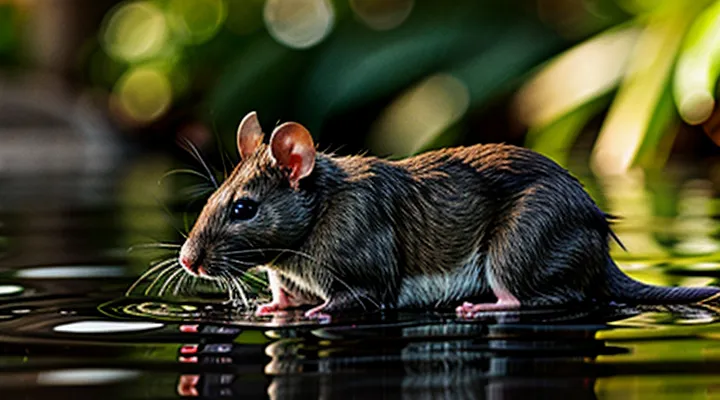
The Nature of Rats and Water
Natural Grooming Behavior
Rats maintain coat condition primarily through self‑grooming. Their routine includes licking, nibbling, and scratching with forepaws, which removes debris, distributes skin oils, and regulates temperature. Saliva contains enzymes that break down dirt and parasites, while the mechanical action of the teeth and claws detaches loose hair.
When external water is introduced, the natural process is disrupted. Immersion can strip the protective lipid layer, leading to increased evaporation and potential skin irritation. Additionally, rats often experience stress during forced bathing, which may suppress immune function and alter normal grooming patterns.
Key considerations for water exposure:
- Skin integrity – prolonged wetness weakens the epidermal barrier, raising infection risk.
- Thermoregulation – rats lose heat rapidly in water; without immediate drying, hypothermia can develop.
- Behavioral response – forced baths provoke avoidance behavior, reducing overall welfare.
- Alternative cleaning – spot cleaning with a damp cloth or using a pet‑safe dry shampoo preserves the lipid layer while addressing localized soiling.
In practice, allowing rats to perform their innate grooming activities provides the most effective coat maintenance. Supplemental cleaning should be limited to targeted, brief applications that do not interfere with the animal’s self‑care mechanisms.
Rats' Physical Adaptations
Rats possess a dense, water‑repellent coat composed of guard hairs and a soft underlayer that sheds moisture quickly, reducing the risk of prolonged skin saturation. Their skin contains sebaceous glands that secrete oils, further enhancing hydrophobic properties and protecting against bacterial invasion during brief exposure to water.
Thermoregulatory mechanisms enable rapid heat dissipation. Peripheral vasodilation expands blood flow to the skin, allowing excess heat to be released when the animal is wet. Simultaneously, the high metabolic rate maintains core temperature, preventing hypothermia during short immersions.
Musculoskeletal structure supports swift movement in slippery environments. Strong forelimb musculature and flexible ankle joints facilitate rapid crawling and climbing out of water, minimizing the duration of contact with wet surfaces.
Behavioral adaptations complement physical traits. Rats instinctively groom themselves after any wet encounter, using their incisors and forepaws to remove excess water and re‑apply fur oils, thereby restoring insulation and preventing skin irritation.
Key physical adaptations relevant to water exposure:
- Water‑repellent fur with oil‑secreting glands
- Efficient heat‑loss circuitry via peripheral vasodilation
- Elevated metabolic rate for temperature stability
- Robust limb mechanics for rapid egress from wet areas
- Self‑grooming behavior that restores coat integrity
Collectively, these characteristics allow rats to tolerate brief, controlled bathing without compromising health, provided that exposure is limited and the animal is promptly dried and kept warm afterward.
The Risks of Bathing Rats in Water
Stress and Trauma
Immersing laboratory rats in water, whether for hygiene or experimental manipulation, triggers an acute stress response. The sudden temperature change and loss of footing activate the hypothalamic‑pituitary‑adrenal axis, elevating corticosterone within minutes. Heart rate and respiration increase, indicating sympathetic arousal.
Repeated or prolonged exposure leads to trauma. Rats develop heightened vigilance, reduced exploration, and persistent avoidance of wet environments. Such behavioral alterations persist beyond the immersion episode, reflecting long‑term changes in neural circuitry associated with fear conditioning. These effects compromise animal welfare and can skew experimental outcomes that rely on baseline behavior.
To mitigate stress and trauma, implement the following measures:
- Limit water exposure to the shortest duration necessary for the specific procedure.
- Gradually acclimate individuals to brief, low‑temperature dips before any required immersion.
- Monitor physiological indicators (corticosterone, heart rate) during and after exposure.
- Replace routine bathing with dry cleaning methods or spot‑wise rinsing when possible.
- Provide a dry, warm recovery area immediately after immersion to reduce hypothermia risk.
Adhering to these practices reduces the physiological burden on rats, preserves behavioral integrity, and enhances the reliability of research data.
Health Concerns
Respiratory Issues
Bathing rodents in water poses a direct threat to their respiratory health. When a rat’s fur becomes saturated, the animal often inhales moisture, which can lead to aspiration of water into the lungs. This condition frequently results in bacterial pneumonia, characterized by labored breathing, nasal discharge, and reduced activity. Wet fur also lowers body temperature, causing the animal to shiver and breathe more rapidly, which further stresses the pulmonary system.
Key risks include:
- Aspiration – water entering the airway during submersion or vigorous shaking.
- Reduced nasal airflow – damp nasal passages become clogged with mucus, impeding oxygen exchange.
- Temperature‑induced bronchoconstriction – sudden cooling triggers constriction of airway muscles, limiting airflow.
- Secondary infection – moisture creates an environment conducive to bacterial growth, accelerating lung inflammation.
Preventive measures:
- Limit exposure to water to brief, targeted cleaning of the animal’s paws or tail.
- Use a damp cloth rather than full immersion to remove debris without saturating fur.
- Dry the rat immediately with a soft towel and provide a warm, draft‑free area.
- Monitor the animal for signs of respiratory distress (rapid breathing, wheezing, coughing) for at least 24 hours after any wetting event.
If respiratory symptoms appear, seek veterinary care promptly. Early treatment with antibiotics and supportive care can prevent progression to severe pneumonia and improve the likelihood of full recovery.
Skin and Coat Problems
Bathing rats in water can affect the health of their skin and coat. Direct exposure to water removes the protective lipid layer that shields the epidermis from dehydration and microbial invasion. Without this barrier, the integument becomes vulnerable to irritation, scaling, and secondary infections.
Common skin and coat issues associated with wetting rats include:
- Dryness and flaking caused by loss of natural oils.
- Redness or inflammation of the dermis due to prolonged moisture.
- Fungal or bacterial overgrowth in damp areas, especially around the tail and paws.
- Hair breakage and uneven shedding when the coat is not properly dried.
Preventive measures focus on minimizing water contact and supporting the skin’s natural defenses. Use a small amount of rodent‑specific shampoo only when necessary, rinse thoroughly, and towel‑dry the animal immediately. Follow with a brief period of low‑humidity air flow to ensure complete drying. Regular grooming with a soft brush distributes sebum evenly and removes loose fur, reducing the need for full baths.
Owners should limit full immersion to occasions when the rat is visibly soiled or has a diagnosed condition requiring it. Observe the animal after each wash for signs of irritation, excessive scratching, or coat thinning. If any symptoms persist beyond 24 hours, consult a veterinarian experienced with small mammals. Maintaining a dry, clean environment and providing regular grooming are the most effective strategies for preserving healthy skin and a glossy coat.
Hypothermia Risks
Rats lose body heat rapidly when submerged because their small mass and high surface‑area‑to‑volume ratio accelerate thermal exchange with water. Core temperature can drop several degrees within minutes, especially in cool or unheated water.
- Water temperature below 20 °C (68 °F) increases the likelihood of hypothermia.
- Exposure longer than 2–3 minutes accelerates core‑temperature decline.
- Young, elderly, or malnourished individuals have reduced thermoregulatory capacity.
- Wet fur impairs insulation, further hastening heat loss.
If hypothermia develops, symptoms appear as lethargy, shivering, and reduced responsiveness. Immediate intervention includes removing the animal from water, gently drying the fur, and providing a warm environment (e.g., heated enclosure set to 25–27 °C). Monitoring core temperature with a rectal probe ensures recovery; veterinary assistance is required for severe cases.
When a Bath Might Be Necessary
Extreme Soiling or Contamination
Rats that become heavily soiled or contaminated present specific health risks and practical challenges when water immersion is considered. Excessive dirt, fecal matter, or chemical residues can increase the likelihood of skin irritation, respiratory distress, and infection. Immersion in water may cause the contaminants to spread across the animal’s fur, compromising the barrier function of the coat and facilitating entry of pathogens.
Key considerations for handling severely soiled rodents:
- Remove loose debris manually before any water exposure to limit splatter and inhalation of particles.
- Use lukewarm water (approximately 30 °C) to avoid shock; cold water can induce hypothermia, while hot water may exacerbate skin damage.
- Apply a mild, veterinary‑approved cleanser designed for small mammals; harsh detergents can strip natural oils and worsen irritation.
- Rinse thoroughly to eliminate residual cleaning agents, then dry promptly with a low‑heat source or absorbent towels to prevent prolonged dampness.
- Monitor the rat for signs of distress, such as rapid breathing, vocalization, or loss of balance; intervene immediately if symptoms appear.
If contamination is extreme and includes toxic substances, consult a veterinarian before proceeding. In many cases, professional cleaning or euthanasia may be more humane than a bath that could further harm the animal.
Medical Necessity
Under Veterinary Supervision
Bathing a pet rat is a procedure that should be performed only under the direct guidance of a qualified veterinarian. Rodents possess a dense fur coat that provides insulation and protects skin; improper washing can cause hypothermia, skin irritation, or stress‑induced health issues.
A veterinarian will assess whether a bath is medically necessary—such as for removal of toxic substances, severe soiling, or treatment of dermatological conditions. The professional will select an appropriate temperature (typically 30–32 °C), choose a gentle, rodent‑safe shampoo, and monitor the animal’s vital signs throughout the process.
Key considerations for a supervised bath:
- Pre‑bath evaluation: Physical exam to detect underlying illness, dehydration, or respiratory problems.
- Environment control: Quiet, draft‑free area; non‑slippery container; immediate access to warm towels and a heating source.
- Technique: Wet fur gradually, apply minimal shampoo, avoid the face and ears, rinse thoroughly to prevent residue.
- Post‑bath care: Dry the animal with a low‑heat source or warm blankets, observe for shivering, lethargy, or respiratory distress for at least 30 minutes.
- Follow‑up: Schedule a check‑up to ensure recovery and address any skin lesions or infections identified during the bath.
If a rat exhibits signs of anxiety, excessive vocalization, or attempts to escape, the veterinarian may abort the procedure and recommend alternative cleaning methods, such as spot‑cleaning with a damp cloth or using a veterinary‑approved grooming wipe.
In summary, water immersion of rats is permissible solely when a veterinarian determines it is essential, implements strict temperature and hygiene controls, and provides continuous monitoring to mitigate risks.
Alternatives to Water Baths
Spot Cleaning
Rats maintain coat health through self‑grooming; a full immersion in water is generally unnecessary and can stress the animal. When a localized area becomes soiled—due to urine, feces, or spilled food—spot cleaning provides a safe, efficient solution.
Spot cleaning requires mild, rodent‑safe cleanser, warm water, and a soft cloth or cotton swab. The procedure includes:
- Dilute a few drops of unscented, pet‑approved soap in lukewarm water (approximately 30 °C).
- Moisten the cloth, then gently dab the dirty spot; avoid saturating the surrounding fur.
- Rinse the area with a second cloth dampened in clean water to remove soap residue.
- Pat dry with a lint‑free towel; keep the rat warm until the coat is completely dry.
Key considerations:
- Use only a minimal amount of liquid; excess moisture can lower body temperature and increase the risk of hypothermia.
- Perform the cleaning in a quiet environment to reduce stress.
- Limit spot cleaning to visible stains; routine grooming by the rat typically suffices for overall coat maintenance.
If a rat exhibits persistent odor or heavy soiling despite spot cleaning, consult a veterinarian before attempting a full bath, as underlying health issues may be present.
Damp Cloth Wipes
Rats tolerate occasional surface cleaning better than full immersion, which can cause stress and hypothermia. Damp cloth wipes provide a controlled alternative that removes dirt without submerging the animal.
A damp cloth wipe consists of a soft, non‑abrasive fabric saturated with a mild, rodent‑safe solution. The fabric retains enough moisture to loosen debris while preventing excess water from reaching the fur’s insulating layer.
- Removes visible soil and saliva residues.
- Reduces risk of skin maceration compared with soaking.
- Allows targeted cleaning of ears, paws, and tail.
- Requires minimal drying time; rats can be returned to the cage immediately.
Limitations include inability to eliminate heavy oil buildup, limited effectiveness on deep fur mats, and the need for regular replacement to avoid bacterial growth.
For optimal use:
- Prepare a cloth dampened with lukewarm water and a few drops of veterinary‑approved cleanser.
- Gently swipe each body region, avoiding pressure on delicate skin.
- Pat the fur dry with a separate absorbent towel.
- Monitor the rat for signs of discomfort; discontinue if excessive grooming or stress appears.
Sand or Dust Baths
Rats instinctively seek dry substrates for grooming and skin maintenance. In the wild, they roll in sand, dust, or fine ash to remove excess oils, parasites, and debris. This behavior reduces the need for immersion in liquid, which can stress the animal and increase the risk of hypothermia or skin irritation.
Providing a sand or dust bath replicates the natural cleaning process. Use a shallow tray filled with clean, fine, non‑clumping sand or commercial dust formulated for small mammals. The substrate should be dry, free of chemicals, and changed regularly to prevent bacterial growth. Place the tray in a quiet corner of the cage, away from food and water sources, to encourage voluntary use.
Benefits of a dry bath include:
- Removal of loose fur and skin oils.
- Mechanical dislodgement of ectoparasites.
- Stimulation of natural foraging and exploratory behavior.
- Decreased reliance on water immersion, which can be harmful if the rat is not accustomed to it.
When introducing a dry bath, observe the rat for signs of interest: sniffing, pawing, or rolling. If the animal shows no engagement after several days, adjust substrate depth (1–2 cm) or relocate the tray. Monitor for excessive digging that may lead to escape attempts, and ensure the bedding does not become compacted.
In summary, sand or dust baths fulfill the same hygienic function that water bathing would provide, while aligning with the species’ evolutionary preferences and minimizing health risks. Regular maintenance of the substrate ensures a safe, effective cleaning option for pet rats.
Professional Grooming Products for Small Animals
Rats tolerate brief exposure to lukewarm water, but prolonged immersion increases stress and risk of hypothermia. Professional grooming products designed for small mammals mitigate these risks by delivering mild cleansing without disrupting skin’s natural barrier.
Suitable products fall into three categories.
- Shampoos: pH‑balanced, fragrance‑free formulations that dissolve without aggressive surfactants.
- Conditioners: lightweight, non‑greasy agents that restore moisture after washing.
- Drying aids: low‑velocity blowers and absorbent towels that prevent chilling while removing excess water.
When selecting a product, verify the following attributes.
- Veterinary‑approved for rodents or other small pets.
- Absence of harsh chemicals such as sulfates, parabens, or alcohol.
- Inclusion of natural moisturizers (e.g., aloe, oat extract).
- Clear instructions for dilution and application volume.
Safe bathing protocol includes: water temperature between 30‑32 °C, exposure limited to 2‑3 minutes, immediate gentle drying with a soft towel, and optional low‑heat airflow for no longer than 30 seconds. After drying, apply a conditioner to prevent skin dryness. Regular use of specialized grooming wipes can reduce the need for full baths, maintaining coat cleanliness while minimizing stress.
Best Practices if Bathing is Unavoidable
Proper Water Temperature
When cleaning a pet rat, the temperature of the water is a critical factor for the animal’s welfare. Water that is too cold can cause rapid loss of body heat, leading to hypothermia; water that is too hot can cause burns and stress.
The recommended temperature range is 30 °C to 35 °C (86 °F‑95 °F). This range closely matches the rat’s normal body temperature of approximately 38 °C, providing a comfortable environment that minimizes thermal shock while allowing effective cleaning.
To achieve and maintain the proper temperature:
- Use a calibrated thermometer to measure water before each bath.
- Warm the water gradually; avoid direct heating sources that may create hot spots.
- Verify the temperature with the thermometer and, if necessary, adjust with small amounts of cool or warm water.
- Ensure the water does not exceed 38 °C (100 °F); temperatures above this level risk tissue damage.
- Limit exposure to a few minutes, then dry the rat thoroughly with a soft towel and keep it in a warm, draft‑free area.
Adhering to these parameters prevents stress, protects skin integrity, and supports the overall health of the animal during bathing procedures.
Gentle Handling Techniques
Gentle handling is essential when introducing a rodent to a water bath. Secure grip with fingertips, avoiding pressure on the spine or limbs. Support the animal’s torso and hindquarters simultaneously to prevent panic and maintain balance.
Effective techniques include:
- Pre‑bath acclimation – allow the rat to explore a shallow, warm container for a few minutes before full immersion.
- Controlled descent – lower the animal slowly, keeping its head above water until confidence is evident.
- Steady support – keep one hand under the chest, the other under the rear, maintaining a horizontal orientation.
- Calm voice – speak softly throughout the process to reduce stress signals.
After bathing, wrap the animal in a dry, lint‑free towel, pressing gently to absorb moisture. Continue to hold the rat until the fur is completely dry, then return it to its enclosure promptly. This sequence minimizes shock, preserves skin integrity, and ensures a safe cleaning experience.
Appropriate Soaps or Shampoos
When a rat requires a bath, the cleaning agent must match the animal’s delicate skin and fur. Select a product that is:
- Formulated for small mammals or laboratory rodents.
- Free of fragrances, dyes, and harsh detergents.
- pH‑balanced near neutral (6.5‑7.5).
- Low‑foam, easily rinsed, and non‑irritating to mucous membranes.
Avoid human shampoos, antibacterial soaps, and any solution containing sulfates, parabens, or essential oils. These ingredients can disrupt the natural oil layer, cause dermatitis, or be toxic if ingested during grooming.
A few commercially available options meet these criteria:
- Rodent‑specific grooming wash – mild, unscented, and approved for laboratory use.
- Veterinary‑grade feline shampoo – unscented, low‑pH, suitable for short‑haired rodents.
- Diluted baby shampoo (1 % solution) – only when no rodent‑specific product is accessible; ensure thorough rinsing.
If a homemade alternative is necessary, mix one part unscented, pH‑neutral liquid castile soap with nine parts distilled water. Test a small skin area first to confirm no adverse reaction.
After bathing, pat the rat dry with a soft towel, keep it warm, and allow it to groom naturally. Regular grooming with a fine comb reduces the need for water baths and maintains coat health.
Thorough Drying Procedures
Bathing rodents requires immediate and complete drying to prevent hypothermia, skin irritation, and respiratory complications. After exposure to water, the animal’s body temperature drops rapidly; thus, a systematic drying protocol is essential for recovery.
- Remove excess water by gently patting the fur with a soft, absorbent towel; avoid rubbing, which can cause matting and skin damage.
- Place the rat in a warm, draft‑free enclosure where ambient temperature ranges between 24 °C and 27 °C.
- Apply a low‑velocity, room‑temperature airflow using a quiet fan or a hair‑dryer set to “cool” and “no‑heat” mode; keep the device at least 30 cm from the animal to prevent stress.
- Monitor the fur for dryness by feeling the base of the tail and the hindquarters; continue airflow until the coat feels dry to the touch.
- Offer a warm, dry bedding area for the rat to curl into, allowing residual moisture to evaporate naturally while the animal rests.
- Observe the animal for signs of shivering, lethargy, or respiratory distress for at least 30 minutes; intervene with supplemental heat if body temperature remains below normal.
Document each step, noting duration of airflow and ambient temperature, to ensure repeatable outcomes and to facilitate veterinary assessment if complications arise.
Post-Bath Care
Monitoring for Stress or Illness
Bathing rodents requires systematic observation to detect stress or disease promptly.
Signs that a rat experiences stress during a water session include:
- rapid breathing or panting
- frantic attempts to escape the container
- excessive vocalization
- freezing or immobility followed by sudden agitation
- tail or whisker twitching
Indicators of illness that may emerge after exposure to moisture are:
- loss of appetite or reduced food intake
- lethargy or reluctance to move
- abnormal stool consistency or discoloration
- fur clumping, skin lesions, or persistent dampness
- weight loss measured over consecutive days
Effective monitoring combines direct visual checks with quantitative measures. Observe the animal before, during, and after the bath for the behaviors listed above. Record body weight daily, noting deviations greater than 5 % of baseline. Assess coat condition by running a fingertip through the fur; resistance or matting suggests dermatological issues. Measure water temperature with a calibrated probe; temperatures below 20 °C or above 30 °C increase physiological strain.
If any stress or illness signs appear, cease the bathing procedure immediately. Dry the rat with a low‑intensity heat source or soft towel, then place it in a warm, quiet environment. Consult a veterinarian if symptoms persist beyond 24 hours or if severe reactions such as respiratory distress occur. Regular documentation of observations creates a baseline that facilitates early detection of adverse responses in future grooming sessions.
Ensuring a Warm Environment
Bathing a rat requires a temperature‑controlled environment to prevent hypothermia. Water should be lukewarm, typically between 90 °F and 95 °F (32 °C‑35 °C). Use a thermometer to verify the temperature before immersion.
Maintain ambient warmth by placing a heating pad set to low beneath a dry towel or by positioning a small lamp at a safe distance. The surface must be dry, non‑slippery, and large enough for the animal to stand without touching cold metal.
During the bath, limit exposure to two minutes. Gently wet the fur with a cup, apply a mild rodent‑safe shampoo, and rinse promptly with lukewarm water. Immediately after rinsing, wrap the rat in an absorbent towel and press gently to remove excess moisture.
After the towel, transfer the animal to a pre‑warmed enclosure. Keep the enclosure temperature at or above 85 °F (29 °C) for at least 15 minutes. Provide a nesting material that retains heat, allowing the rat to self‑regulate body temperature.
Key steps for a warm bathing environment
- Verify water temperature (90‑95 °F).
- Prepare a dry, heated surface beneath the bath area.
- Limit immersion time to two minutes.
- Dry with a towel, then place in a pre‑heated enclosure.
- Supply warm bedding for continued heat retention.
Reassurance and Comfort
Bathing a rat can be safe and calming when the procedure respects the animal’s natural sensitivities. Proper preparation eliminates fear and prevents stress, allowing the animal to experience a brief, pleasant cleaning session.
To create reassurance and comfort during the bath, follow these steps:
- Use water at body‑temperature (approximately 37 °C/98 °F). Cold or hot water triggers anxiety.
- Limit exposure to one to two minutes. Prolonged immersion overwhelms the rat’s respiratory system.
- Hold the rat gently but firmly, supporting the body to prevent slipping.
- Speak in a low, steady tone. Familiar vocalizations reduce uncertainty.
- Offer a dry, soft towel immediately after removal. Warm the towel slightly to maintain body heat.
Observe the rat for signs of discomfort: rapid breathing, frantic attempts to escape, or excessive vocalization. If any appear, stop the bath, dry the animal, and allow recovery in a quiet area before attempting again.
Consistent, brief baths performed with the outlined precautions reinforce trust. The rat learns that water is not a threat, leading to a calmer response in future grooming sessions.