
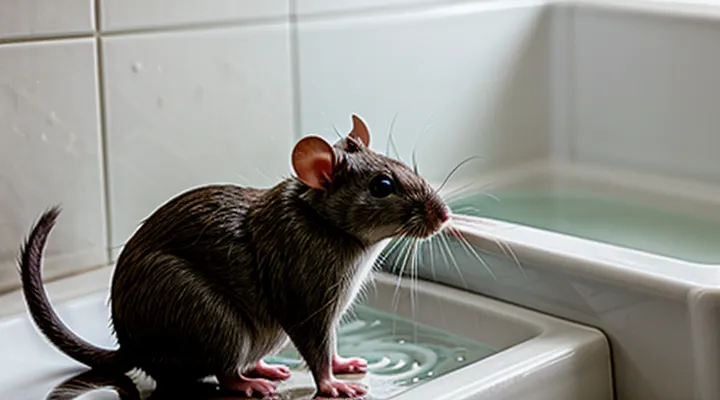
Understanding Rat Hygiene
Do Rats Need Baths?
Natural Grooming Habits
Rats maintain coat condition primarily through self‑grooming. Their front paws, equipped with sensitive whiskers, allow precise removal of debris and parasites. The process includes nibbling with incisors to detangle fur, licking to spread saliva— which contains natural enzymes that break down oils—and scratching with hind limbs to reach hard‑to‑access areas.
Key aspects of natural grooming:
- Frequency: Rats groom several times per hour, especially after eating or exploring dirty surfaces.
- Sequence: Initial paw cleaning, followed by head and facial licking, then full‑body licking, and concluding with a brief stretch to straighten the spine.
- Social component: Group‑living rats often engage in mutual grooming, removing loose fur and ectoparasites from each other’s backs and ears.
Because grooming supplies moisture and antimicrobial agents, external bathing is generally unnecessary. Introducing water can disrupt the skin’s lipid balance, lead to hypothermia, and cause stress. If a rat’s coat becomes excessively soiled, a brief, lukewarm sponge wipe with a rat‑safe, unscented solution is preferable to a full immersion. This approach respects the animal’s innate grooming mechanisms while preventing health complications.
When a Bath Might Be Necessary
Rats generally maintain clean fur through self‑grooming; however, certain situations demand a controlled bath to protect health and prevent injury.
A bath becomes necessary when:
- The animal has been exposed to toxic chemicals, oils, or adhesives that cannot be removed by grooming alone.
- Fur is heavily soiled with feces, urine, or food debris that causes matting, skin irritation, or odor.
- A veterinarian diagnoses a skin infection, dermatitis, or parasite infestation that requires topical treatment and thorough cleaning.
- The rat has suffered a spill of a substance that could be absorbed through the skin, such as cleaning agents or pesticides.
- The pet is part of a breeding program where precise hygiene standards are required for newborns or during quarantine periods.
In each case, the bath should be brief, use lukewarm water, and involve a mild, rodent‑safe shampoo. Dry the animal promptly with a soft towel and keep it in a warm, draft‑free environment until fully dry. Monitoring after the bath is essential to ensure the rat resumes normal activity and grooming behavior.
The Bathing Process
Preparing for the Bath
Gathering Supplies
When preparing to bathe a pet rat, assemble a limited set of items that ensure safety and effectiveness. Each component serves a specific purpose; omitting any can compromise the animal’s comfort or health.
- Small, shallow basin or sink that fits the rat without restricting movement
- Warm (not hot) water maintained at approximately 30‑32 °C (86‑90 °F)
- Pet‑approved, fragrance‑free shampoo formulated for small mammals
- Soft, lint‑free towel for drying and handling
- Disposable gloves to prevent accidental bites and maintain hygiene
- Non‑slip mat or silicone pad to line the basin, reducing stress from slipping
Additional tools may include a gentle brush for removing debris and a spray bottle for misting if a full immersion is unnecessary. Ensure all supplies are clean, free of residues, and stored in a location accessible for quick preparation. This systematic approach minimizes the time the rat spends in water, reduces stress, and supports a hygienic bathing routine.
Water Temperature Considerations
When cleaning a pet rat, water temperature directly affects comfort and health.
- Ideal range: 30 °C – 35 °C (86 °F – 95 °F).
- Slightly cooler water (25 °C – 30 °C) may be tolerated for brief rinses.
Water below 20 °C (68 °F) induces hypothermia, reduces circulation, and can cause shock. Water above 38 °C (100 °F) risks burns, accelerates skin irritation, and elevates core body temperature, potentially leading to heat stress.
Measure temperature with a calibrated thermometer before each bath. Adjust by adding warm tap water or mixing with cool water to remain within the recommended range. Verify that the surface temperature feels comfortably warm to the hand, not hot.
Limit exposure to 30–60 seconds; promptly dry the animal with a low‑heat hair dryer or soft towel to prevent lingering moisture. Continuous monitoring of the rat’s behavior—such as shivering or frantic movement—indicates temperature is outside safe limits and requires immediate correction.
Safe Bathing Techniques
How to Hold Your Rat
Handling a rat correctly reduces stress and prevents injury during grooming or bathing. Support the animal’s body with both hands, keep the head low, and maintain a calm grip.
- Place one hand under the chest, thumb on the spine, fingers wrapped around the ribcage.
- Use the other hand to cup the hindquarters, thumb against the tail base, fingers supporting the hips.
- Keep the rat’s head close to your palm; gently cradle the neck to control movement.
- Apply light, steady pressure; avoid squeezing, which can damage internal organs.
- If the rat struggles, pause, release briefly, then re‑establish the grip with a softer approach.
Practice the grip on a calm, familiar rat before attempting any cleaning procedure. Consistent handling builds trust and simplifies future care tasks.
Using Pet-Safe Shampoo
Pet-safe shampoo is the only suitable cleanser for rodents because their skin is thin and their fur provides limited protection against harsh chemicals. Formulations designed for dogs or cats often contain detergents, fragrances, or preservatives that can irritate a rat’s dermal barrier, leading to redness, itching, or systemic toxicity if ingested during grooming.
When selecting a cleanser, consider the following criteria:
- Mild surfactants: Sodium cocoyl isethionate or decyl glucoside provide gentle foaming without stripping natural oils.
- Absence of artificial dyes and strong fragrances: Rats have a keen sense of smell; strong odors can cause stress and respiratory irritation.
- pH balance: A pH between 6.5 and 7.5 matches the rodent’s skin, preventing disruption of the acid mantle.
- Veterinary endorsement: Products labeled “veterinary‑approved for small mammals” have undergone safety testing specific to species with similar physiologies.
Preparation and application steps:
- Fill a shallow basin with lukewarm water (approximately 30 °C). Water that is too hot can cause burns; water that is too cold may induce shock.
- Wet the rat’s fur gently, avoiding direct streams onto the face and ears.
- Dispense a few drops of shampoo onto the palm, rub to create a light lather, then massage onto the coat, focusing on the dorsal and ventral surfaces.
- Rinse thoroughly with clean, lukewarm water until no suds remain; residual detergent can cause skin dryness.
- Pat the animal dry with a soft, absorbent towel; avoid vigorous rubbing that could damage delicate hair follicles.
- Allow the rat to recover in a warm, draft‑free enclosure for several minutes before returning to its cage.
Frequency of bathing should remain low. Healthy rats typically require a bath only when they become visibly soiled, have an odor that cannot be removed by spot cleaning, or after exposure to substances that may be toxic on the skin. Over‑bathing strips protective oils and can lead to dermatitis; a schedule of once every two to three months is sufficient for most owners.
Monitoring after a bath is essential. Observe the animal for signs of distress, excessive grooming, hair loss, or skin discoloration. Any adverse reaction warrants immediate cessation of the product and consultation with a veterinarian experienced in exotic pet care.
After the Bath
Drying Your Rat Safely
After a bath, a rat must be dried quickly to avoid hypothermia and skin irritation.
Create a warm, draught‑free zone on a flat surface. Place a soft, absorbent towel within reach and set a hair dryer to the lowest heat and fan setting, positioned at least six inches from the animal.
- Gently pat the rat’s fur with the towel, removing excess water without rubbing.
- Hold the dryer at the recommended distance; move it continuously to prevent localized heating.
- Focus on the back, sides, and limbs; avoid the face and ears, which are sensitive.
- Observe the rat’s behavior; signs of distress or overheating require immediate cessation of airflow.
- Once fur feels dry to the touch, allow the rat to remain in the warm area for a few minutes to ensure residual moisture evaporates.
Maintain ambient temperature between 22 °C and 26 °C during the entire process. Clean the drying area regularly to prevent bacterial buildup. Proper drying supports the rat’s health and comfort after bathing.
Post-Bath Care
After a rat’s bath, immediate drying prevents hypothermia. Use a low‑heat hair dryer on a cool setting or gently pat the animal with a soft towel. Avoid high temperatures that could scorch the skin.
Inspect the fur for tangles or debris. A fine‑tooth comb removes residual shampoo and smooths the coat, reducing mat formation. If the rat appears stressed, limit handling to essential grooming only.
Provide a warm, draft‑free enclosure for at least one hour. Heated pads set to 30‑32 °C (86‑90 °F) maintain body temperature without overheating. Ensure the bedding remains dry; replace damp material to prevent fungal growth.
Monitor the rat’s behavior for the next 24 hours. Normal activity, eating, and drinking indicate successful recovery. Reduced appetite, lethargy, or respiratory signs require veterinary evaluation.
Maintain a regular cleaning schedule to minimize future baths. Spot‑clean cages daily, change bedding weekly, and use pet‑safe disinfectants. This reduces the need for full baths and supports overall health.
Potential Risks and Alternatives
Risks of Bathing Rats
Stress and Hypothermia
Bathing a rat introduces physiological stress. Handling, restraint, and exposure to water trigger a rapid increase in circulating glucocorticoids. The stress response activates the hypothalamic‑pituitary‑adrenal axis, elevating cortisol levels within minutes. Elevated cortisol impairs immune function and can alter behavior for several hours after the procedure.
Rats lose heat quickly in water. Their thin fur and high surface‑area‑to‑mass ratio facilitate rapid thermal conduction. Immersion in water below body temperature (≈38 °C) reduces core temperature by 1–2 °C within a few minutes. Prolonged exposure or failure to dry the animal can lead to hypothermia, manifested by lethargy, shivering, and, in severe cases, organ dysfunction.
Mitigation measures:
- Use water warmed to 30–32 °C; verify temperature with a calibrated thermometer.
- Limit immersion time to 30 seconds–1 minute, depending on the purpose of the bath.
- Dry the animal immediately with a soft, lint‑free cloth and place it in a warm environment (≥28 °C) until normal activity resumes.
- Acclimate the rat to handling and brief water exposure over several sessions before any extended bath.
- Monitor core temperature with a rectal probe or infrared sensor during and after the procedure.
Adhering to these protocols reduces stress‑induced hormonal spikes and prevents dangerous drops in body temperature, allowing safe and humane bathing when required for experimental or veterinary reasons.
Skin Irritation
Bathing a rat can disturb the delicate balance of its skin, leading to irritation. Water temperature that is too hot or too cold causes vasodilation or constriction, which damages the epidermal barrier. Detergents designed for humans contain surfactants that strip natural oils, resulting in dryness, redness, and micro‑abrasions.
Common signs of skin irritation after a wash include:
- Localized redness or pinkness
- Flaking or peeling of fur
- Scratching or excessive grooming
- Swelling around the ears, tail base, or abdomen
To minimise these effects, follow a strict protocol:
- Use lukewarm water (approximately 30 °C) and limit exposure to 30 seconds.
- Apply a fragrance‑free, pet‑specific cleanser in a diluted concentration; rinse thoroughly.
- Pat the animal dry with a soft, absorbent towel; avoid rubbing.
- Apply a thin layer of a veterinary‑approved moisturising ointment if the skin appears dry.
- Observe the rat for 24 hours; if irritation persists, consult a veterinarian for anti‑inflammatory treatment.
Repeated bathing without proper care can compromise the skin’s protective function, increase susceptibility to bacterial or fungal infections, and provoke chronic dermatitis. Consequently, bathing should be reserved for situations where it is medically necessary, not for routine grooming.
Alternatives to Full Baths
Spot Cleaning
Spot cleaning provides a practical alternative to full‑body baths for rodents that require occasional hygiene maintenance. A focused approach targets only the areas that become soiled, such as the tail base, hindquarters, or paws, reducing stress and preventing the removal of essential skin oils.
Effective spot cleaning follows a simple protocol:
- Prepare a shallow container with lukewarm water (approximately 30 °C).
- Dampen a soft, lint‑free cloth or cotton pad; avoid soaking the animal.
- Gently wipe the dirty region, applying minimal pressure to prevent skin irritation.
- Pat the area dry with a clean towel; allow the coat to air‑dry for a few minutes before returning the rat to its enclosure.
Key considerations include using only water or a rat‑safe, unscented cleanser, limiting exposure to less than one minute per session, and observing the animal for signs of discomfort. Regular spot cleaning maintains cleanliness without the physiological impacts associated with full immersion baths.
Dust Baths for Specific Cases
Dust baths serve as a natural grooming method for rodents that prefer to avoid water. In situations where a rat’s coat is excessively oily, or when a veterinary procedure requires a clean surface without moisture, providing a dust bath can be an effective alternative to a wet bath.
Specific circumstances that justify the use of dust baths include:
- Dermatological conditions – fungal or bacterial infections that worsen with moisture benefit from dry grooming, which removes debris and reduces humidity on the skin.
- Post‑surgical recovery – when sutures or bandages must remain dry, a dust bath prevents contamination while allowing the animal to maintain hygiene.
- Environmental stress – rats housed in high‑humidity enclosures may develop skin irritation; a dust bath lowers ambient moisture on the fur and skin.
- Behavioral preference – some individuals exhibit aversion to water; offering a dust bath satisfies their instinctual need to clean without causing distress.
Implementing a dust bath requires a container filled with fine, non‑toxic substrate such as chinchilla sand or specialized rodent dust. The material should be sifted to eliminate sharp particles, kept dry, and refreshed regularly to prevent bacterial growth. Monitor the rat during the session to ensure the animal does not ingest excessive dust, which could lead to gastrointestinal issues.
When water bathing is unsuitable, dust baths provide a hygienic, low‑stress solution that maintains coat condition and supports overall health. Use them judiciously, aligning the method with the animal’s medical needs and environmental factors.
Special Considerations
Elderly or Ill Rats
Bathing an older or sick rat requires careful assessment of health status and stress tolerance. Excessive moisture can exacerbate respiratory issues, skin infections, and thermoregulation problems common in geriatric or compromised animals. A veterinarian should evaluate whether a bath is medically necessary before proceeding.
If a bath is deemed essential—such as for severe soiling that threatens skin integrity—follow these precautions:
- Use lukewarm water (30‑32 °C) only for a brief immersion; limit exposure to 30 seconds.
- Apply a mild, rodent‑specific shampoo, avoiding products with fragrances, alcohol, or harsh detergents.
- Keep the head above water; protect ears and eyes with cotton swabs.
- Dry the rat immediately with a soft, low‑heat towel, then place in a warm, draft‑free enclosure until fully dry.
- Monitor respiration and body temperature continuously; discontinue if the animal shows signs of distress.
Alternative hygiene methods reduce risk:
- Spot‑cleaning with a damp cloth or unscented baby wipe for localized dirt.
- Regular grooming to remove loose fur and debris, minimizing the need for full immersion.
- Maintaining cage cleanliness to prevent buildup of waste that could contaminate the coat.
Overall, bathing should be a last resort for elderly or ill rats; preventive care, environmental hygiene, and veterinary guidance provide safer, more effective solutions.
Young Rats (Pups)
Young rats have delicate skin and a thin, insulating fur coat that provides limited protection against moisture. Their thermoregulation is immature; even brief immersion in water can cause rapid loss of body heat and increase susceptibility to hypothermia.
Direct bathing of pups carries several risks: temperature shock, stress‑induced respiratory distress, and potential skin irritation from detergents. Their immune system is still developing, so exposure to unsterile water may introduce pathogens.
When cleaning is unavoidable, follow a controlled protocol:
- Prepare water at 30‑32 °C (86‑90 °F); avoid any temperature fluctuation.
- Use a soft, lint‑free cloth dampened with the water; never submerge the animal.
- Gently wipe the fur, focusing on soiled areas; limit contact to 10–15 seconds.
- Immediately dry the pup with a clean, warm towel; monitor body temperature until it stabilizes.
- Apply a mild, rodent‑safe moisturizer only if the skin appears dry.
Routine hygiene for rat pups is better achieved through regular cage maintenance, provision of nesting material, and periodic dry brushing. These methods remove debris without exposing the animals to the hazards associated with water.
Rats with Skin Conditions
Rats suffering from dermatitis, fungal infections, or excessive oil buildup require special hygiene considerations. Wetting the fur can exacerbate irritation, strip natural oils, and introduce pathogens. Therefore, bathing should be limited to cases where topical treatment cannot be applied effectively.
When a bath is unavoidable, follow these steps:
- Use a gentle, rodent‑specific shampoo diluted to the recommended concentration.
- Maintain water temperature between 30‑32 °C to prevent shock.
- Limit exposure to 2–3 minutes, keeping the head above water.
- Rinse thoroughly to remove all soap residues.
- Dry the animal with a low‑heat hair dryer or soft towel, ensuring no moisture remains in skin folds.
If the rat’s condition involves open wounds, scabs, or severe inflammation, avoid immersion entirely. Apply prescribed ointments directly, keep the cage environment dry, and increase ventilation to reduce humidity. Regular grooming with a soft brush can remove debris without the risks associated with full baths.
Monitoring skin health includes checking for redness, hair loss, crust formation, and changes in behavior such as excessive scratching. Prompt veterinary assessment is essential for persistent or worsening symptoms, as professional treatment may involve systemic medication rather than topical cleaning.