
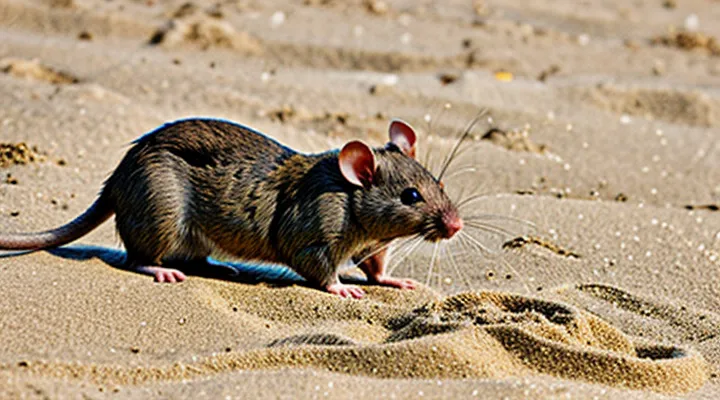
The Natural Grooming Habits of Rats
Allogrooming Behavior
Allogrooming, the reciprocal grooming activity between individual rats, serves as a primary mechanism for maintaining coat cleanliness and reducing ectoparasite loads. When a rat encounters a substrate such as sand, the behavior shifts from self‑directed scratching to collective grooming sessions, allowing group members to remove embedded particles more efficiently.
Key aspects of allogrooming relevant to sand exposure include:
- Particle removal: Partner grooming reaches body regions inaccessible to the individual, such as the back and hindquarters, where sand grains tend to accumulate.
- Microbiome regulation: Transfer of saliva during grooming introduces antimicrobial enzymes that counteract bacterial proliferation fostered by moist sand environments.
- Stress mitigation: Physical contact during grooming lowers corticosterone levels, which can otherwise rise when rats are forced to cope with abrasive substrates.
- Social cohesion: Frequent allogrooming reinforces hierarchical bonds, ensuring coordinated responses to novel cleaning materials like sand.
Experimental observations reveal that rats presented with a shallow sand tray increase the frequency of allogrooming bouts within minutes of initial contact. The behavior persists even after the sand is removed, indicating a lasting impact on group hygiene routines. Consequently, allogrooming constitutes a critical adaptive response that enables rats to exploit sand as an alternative cleansing medium while preserving overall health and social stability.
Self-Grooming Rituals
Rats maintain their coat through a series of self‑grooming actions that serve cleaning, thermoregulation, and parasite control. The process begins with a rapid forepaw sweep across the head and ears, removing loose fur and debris. Subsequent licking of the paws moistens them, allowing the animal to spread saliva across the body while grooming the neck, torso, and hindquarters. The final phase involves a brief tail rub against the ground, which can dislodge attached ectoparasites.
When a sand substrate is available, rats incorporate it into the grooming sequence. Sand particles adhere to saliva, forming a mild abrasive that assists in removing stubborn dirt and dead skin. The animal typically:
- Positions itself low to the sand surface.
- Performs a vigorous paw‑to‑sand motion, generating a thin layer of moist sand.
- Uses the sand‑laden paws to rub the fur, enhancing detritus removal.
- Concludes with a thorough lick to dissolve residual sand and restore coat smoothness.
Laboratory observations confirm that sand exposure does not replace the need for regular licking and paw cleaning; rather, it supplements the routine by providing a mechanical component absent from dry environments. Rats kept exclusively on hard flooring exhibit higher levels of skin irritation and increased mite counts compared to those with periodic sand interaction.
Overall, self‑grooming in rats is a multi‑step behavior that adapts to available resources. The inclusion of sand creates a temporary abrasive element, improving coat cleanliness without altering the fundamental sequence of licking, paw wiping, and tail rubbing.
Why Sand Baths are Not Suitable for Rats
Respiratory Concerns and Dust Inhalation
Rats exposed to loose sand experience direct inhalation of fine particles that can reach the lower respiratory tract. The small size of dust grains allows passage through nasal filters and deposition on bronchiolar surfaces, where they irritate mucosal linings and provoke inflammatory responses.
Repeated exposure increases the likelihood of bronchitis, alveolar macrophage overload, and chronic pulmonary fibrosis. Acute inhalation may cause coughing, labored breathing, and reduced oxygen exchange, potentially leading to hypoxia in severe cases.
Key respiratory risks associated with sand grooming:
- Particle size below 10 µm bypasses nasal filtration.
- Persistent dust clouds raise ambient particulate concentration.
- Moisture content affects particle adhesion to respiratory epithelium.
- Lack of ventilation in confined enclosures amplifies exposure duration.
Mitigation strategies include providing low‑dust bedding, ensuring adequate airflow, and limiting sand exposure to brief, supervised sessions. Monitoring respiratory rate and behavior after sand contact helps detect early signs of distress.
Skin Irritation and Dryness
Rats that roll in dry substrate experience a mechanical cleaning effect similar to sand bathing observed in some desert rodents. The abrasive particles remove surface debris and excess oils, but the same friction can disrupt the stratum corneum, the outermost skin layer that retains moisture. When the protective barrier is compromised, the underlying epidermis becomes exposed to environmental desiccation and irritants.
Typical signs of irritation include redness, swelling, and the appearance of small, raised lesions along the flanks and hindquarters where contact with sand is greatest. Dryness manifests as flaky or cracked skin, especially after prolonged exposure to coarse grains or low‑humidity conditions. Both conditions increase the risk of secondary infection because the compromised barrier allows pathogenic bacteria to penetrate more easily.
Practical observations for caretakers:
- Limit sand exposure to short, supervised sessions; prolonged rolling increases abrasion.
- Choose fine, dust‑free sand to reduce mechanical trauma while still providing a tactile stimulus.
- Apply a veterinary‑approved moisturizer after sand sessions to restore lipid balance.
- Monitor skin daily for early signs of erythema or scaling; intervene with topical anti‑inflammatory agents if needed.
Potential for Eye Issues
Rats may be offered sand as a grooming substrate, but the practice carries a distinct risk to ocular health. Fine grains can become lodged on the cornea or conjunctiva, producing mechanical irritation that may progress to abrasions. Repeated exposure increases the likelihood of inflammation, tearing, and secondary bacterial infection. In severe cases, persistent foreign material can trigger corneal ulceration, potentially leading to vision loss.
Key concerns include:
- Mechanical trauma: particulate matter scratches the corneal epithelium.
- Inflammatory response: irritation induces conjunctivitis and edema.
- Microbial invasion: damaged tissue provides a pathway for opportunistic pathogens.
- Chronic irritation: ongoing contact may cause scar formation and reduced visual acuity.
Mitigation strategies:
- Choose ultra‑fine, dust‑free sand and keep it dry to minimize particle lift.
- Limit sand exposure to short, supervised sessions.
- Inspect the animal’s eyes before and after each session; remove any visible debris promptly.
- Provide alternative grooming options such as chew toys or safe dust‑free bedding.
- Seek veterinary evaluation at the first sign of ocular redness, discharge, or behavioral discomfort.
Adhering to these precautions reduces the probability of eye complications while allowing the animal to experience the sensory benefits of sand interaction.
Optimal Grooming Practices for Rats
Water-Based Cleaning and Spot Cleaning
Rats possess a natural inclination to keep fur dry and free of parasites, which leads many owners to wonder about alternatives to traditional water baths. When a rat’s coat becomes soiled in a confined area, a targeted water‑based cleaning method can address the problem without compromising the animal’s grooming routine.
A water‑based approach involves applying a small amount of lukewarm, rodent‑safe cleanser directly to the affected spot. The solution should be diluted to a mild concentration (approximately 1 % mild dish soap in water) and applied with a soft, damp cloth. After the area is gently rubbed, the cloth is rinsed in clean water and the spot is wiped again to remove any residual soap. Finally, the rat is placed in a warm, low‑humidity environment for several minutes to allow the fur to dry naturally.
Key considerations for effective spot cleaning:
- Use only products labeled safe for small mammals; avoid harsh chemicals or fragrances.
- Limit the wet area to the specific soiled region; excessive moisture can lead to skin irritation or hypothermia.
- Maintain water temperature between 30 °C and 35 °C to prevent thermal stress.
- Observe the rat for signs of discomfort during and after cleaning; discontinue if the animal shows distress.
When a rat is regularly provided with a sand bath, the need for water‑based spot cleaning decreases, but occasional spills, urine, or sticky substances may still require direct cleaning. Implementing the described method ensures hygiene while respecting the rat’s preference for dry grooming environments.
Providing Appropriate Substrate
Rats can engage in sand‑based grooming if the substrate meets specific criteria. The material must be fine enough to allow skin contact without causing abrasions, yet coarse enough to absorb oils and debris. Natural play sand, kiln‑fired ceramic beads, and specially formulated rodent sand satisfy these requirements when sourced from reputable suppliers.
Key characteristics of a suitable substrate include:
- Particle size between 250 µm and 500 µm; larger grains increase the risk of injury, while finer grains may become compacted and hinder airflow.
- Low dust generation; excessive dust can irritate the respiratory tract and compromise indoor air quality.
- Chemical inertness; the substrate should be free of additives, fragrances, or binding agents that could be toxic if ingested.
- High absorbency; the material must retain moisture and waste without retaining urine or feces for extended periods.
Maintenance procedures are essential for health and hygiene. Replace the sand completely every two to four weeks, depending on usage intensity. Spot‑clean daily by removing visible debris and shaking the substrate to restore loft. Store fresh sand in a sealed container to prevent contamination from pests or moisture.
When a proper substrate is provided, sand bathing offers rats a natural method for fur maintenance, skin exfoliation, and stress reduction. Failure to meet the outlined standards can lead to dermatological issues, respiratory irritation, or gastrointestinal disturbances if the animal ingests unsuitable particles.
Importance of Environmental Enrichment
Rats exhibit natural behaviors such as digging, foraging and grooming. Providing materials that allow these activities satisfies instinctual drives and prevents the development of abnormal patterns. When a substrate mimics the texture of loose earth, rodents can perform self‑cleaning motions that replace the need for water‑based baths.
Environmental enrichment that includes a suitable granular medium offers several measurable outcomes:
- Increased frequency of exploratory locomotion, indicating heightened mental stimulation.
- Reduction in stereotypic circling or excessive self‑gnawing, reflecting lower stress levels.
- Enhanced social interaction when multiple individuals share the same enrichment zone.
- Improved physiological markers, such as normalized cortisol concentrations and healthier skin condition.
In laboratory or pet settings, the absence of appropriate substrate often forces rats to seek alternative coping mechanisms, which can compromise welfare and skew experimental data. Introducing a sand‑like material directly addresses the species‑specific requirement for tactile grooming, thereby supporting both physical health and behavioral integrity.
Overall, incorporating a granular element into the cage environment aligns with the species’ evolutionary adaptations, promotes natural hygiene practices, and contributes to reliable, humane outcomes for rat populations.
Differentiating Rats from Other Rodents
Hamsters and Chinchillas: Natural Sand Bathers
Hamsters and chinchillas routinely use loose substrate to maintain fur condition and skin health. Both species exhibit instinctual digging and rolling motions that remove excess oils, debris, and parasites. In captivity, providing a sand bath replicates this natural grooming behavior and reduces the risk of dermatological problems.
A properly prepared sand bath includes:
- Fine, dust‑free sand (often called chinchilla sand) with particle size between 0.2 mm and 0.5 mm.
- A shallow, stainless‑steel or ceramic tray that can be easily cleaned.
- A depth of 2–3 cm, sufficient for the animal to immerse its body without risk of drowning.
- Daily inspection for moisture accumulation; wet sand must be replaced immediately to prevent bacterial growth.
Hamsters typically prefer short sessions lasting 5–10 minutes, during which they dig, roll, and shake off excess sand. Chinchillas, larger and more active, may spend up to 20 minutes, often alternating between sand and dry chewing material. Both species benefit from regular exposure: the sand absorbs sebum, lessening matting and odor, while the mechanical action dislodges ectoparasites.
Precautions:
- Avoid scented or chemically treated sand, which can irritate sensitive skin.
- Do not mix sand with bedding that retains moisture, such as wood shavings.
- Monitor for signs of respiratory distress; fine particles may provoke allergies in some individuals.
Implementing these guidelines ensures that hamsters and chinchillas receive the grooming stimulus they would obtain in the wild, supporting overall health and hygiene.
Species-Specific Needs and Adaptations
Rats possess a highly developed grooming system that relies on fur‑to‑fur contact, saliva, and whisker‑sensing. Their skin secretes oils that maintain moisture balance, and meticulous licking removes debris and parasites. This self‑cleaning routine reduces the need for external bathing agents.
In natural environments, many rat species inhabit burrows with dry, particulate substrates. Sand or fine soil may be present, but its primary function is structural, not hygienic. The tactile sensation of loose particles stimulates whisker receptors, yet rats do not exhibit a dedicated sand‑bathing behavior comparable to some desert rodents.
Key physiological traits influencing the suitability of sand for rat hygiene:
- Dense fur that traps moisture; prolonged exposure to dry particles can cause static buildup and skin irritation.
- Sensitive paw pads that can be abraded by coarse grains.
- Nasal and oral mucosa adapted for moisture retention, not for inhaling dust.
Species that regularly use sand for cleaning—such as chinchillas and gerbils—have evolved lighter coats, reduced sebaceous activity, and specialized sinus structures that filter particulate matter. Rats lack these adaptations, making sand a suboptimal medium for removing oil and parasites.
For captive rats, enrichment that mimics natural texture is beneficial, but it should be limited to short, supervised sessions on fine, clean sand. Excessive time in sand can:
- Desiccate fur and skin.
- Increase risk of respiratory irritation from inhaled dust.
- Lead to paw injuries.
Providing regular grooming opportunities, a dry nesting area, and occasional water‑based cleaning ensures that rats meet their species‑specific hygiene requirements without reliance on sand bathing.
Maintaining a Clean Environment for Rat Health
Regular Cage Cleaning
Regular cage cleaning directly affects a rat’s ability to engage in natural grooming behaviors, including the occasional use of sand for self‑cleaning. Accumulated waste, urine crystals, and damp bedding create an environment where sand becomes less effective and may introduce pathogens. Maintaining a clean enclosure ensures that any sand provided remains dry, free of contaminants, and suitable for brief bathing sessions.
Effective cleaning routine:
- Remove all accessories, food, and water dishes.
- Dispose of used bedding and sand; replace with fresh, low‑dust substrate.
- Scrub cage walls, floor, and corners with a mild, non‑toxic detergent; rinse thoroughly.
- Dry all surfaces completely before re‑adding bedding and sand.
- Reintroduce food, water, and enrichment items only after the cage is fully assembled.
Consistent implementation of this schedule, typically weekly for small colonies and bi‑weekly for larger setups, preserves the hygienic conditions necessary for rats to benefit safely from sand‑based grooming.
Humidity and Temperature Control
Rats that use sand for grooming need stable humidity and temperature to avoid skin irritation and respiratory stress. Excess moisture in sand promotes bacterial growth, while overly dry substrates can cause abrasions and hinder the animal’s ability to clean its fur.
- Relative humidity should remain between 40 % and 60 % in the enclosure. This range prevents the sand from becoming clumpy without drying it out completely.
- Ambient temperature must stay within the species‑specific comfort zone, typically 20 °C to 26 °C (68 °F–79 °F). Temperatures below this interval increase the likelihood of hypothermia during prolonged sand exposure; higher temperatures raise the risk of heat stress.
Monitoring devices such as hygrometers and thermostats provide continuous feedback, allowing caretakers to adjust ventilation, humidifiers, or heating elements promptly. When humidity rises above the target range, increasing airflow or adding a desiccant layer beneath the sand restores optimal conditions. Conversely, if the environment becomes too dry, a controlled misting system can raise moisture levels without saturating the substrate.
Maintaining these parameters ensures that sand bathing remains a hygienic, stress‑free activity that supports the rat’s natural grooming behavior.
Odor Management
Rats that use sand as a bathing medium produce odors primarily from urine, feces, and sebaceous secretions deposited in the substrate. The fine particles of sand retain moisture, allowing waste to remain trapped and emit volatile compounds that become noticeable to humans and other animals.
Effective odor control relies on three principles: substrate hygiene, environmental ventilation, and metabolic management. Each principle can be implemented with specific actions.
- Remove and replace sand daily or at least every 48 hours; discard any sand that appears damp or discolored.
- Clean the enclosure with a mild, non‑toxic detergent and rinse thoroughly before adding fresh sand.
- Install a ventilation system or place the habitat in a well‑air‑circulated area to disperse volatile organic compounds.
- Add odor‑absorbing materials such as activated charcoal or zeolite beneath a thin layer of sand; replace these media regularly.
- Adjust the rat’s diet to include higher fiber content, which reduces the concentration of foul‑smelling metabolites in waste.
Monitoring waste volume and scent intensity provides feedback on the adequacy of the chosen measures. Prompt corrective actions prevent odor buildup and maintain a healthy environment for both rats and caretakers.
Myths and Misconceptions about Rat Care
Dispelling Common Beliefs
Rats do not use sand as a bathing medium. Observations in laboratory colonies and wild populations show that rodents prefer dry grooming and occasional immersion in water. Sand does not provide the moisture needed for effective cleaning; instead, it can trap debris and increase the risk of skin irritation.
Common misconceptions:
-
Myth: Rats roll in sand to remove parasites.
Fact: Grooming with saliva and fur licking removes most ectoparasites; sand offers no chemical or mechanical advantage. -
Myth: Sand exposure substitutes for water baths.
Fact: Water immersion reduces skin oils and loosens dirt, a process sand cannot replicate. -
Myth: Sand prevents odor buildup.
Fact: Odor originates from bacterial activity on the skin, which is mitigated by moisture and regular grooming, not by dry substrates.
Scientific studies on murine hygiene confirm that moisture is essential for effective debris removal. Experiments comparing grooming efficiency in dry versus moist environments report a 40‑60 % increase in cleanliness when rats have access to shallow water sources. Sand exposure alone does not alter grooming frequency or effectiveness.
Therefore, any claim that rats can bathe in sand lacks empirical support. Proper care for pet and laboratory rats includes providing clean water, regular cage cleaning, and opportunities for natural grooming behaviors.
Fact-Checking Popular Advice
Rats frequently roll in dry substrate, a behavior termed sand bathing, which serves to remove excess oils and parasites. Scientific observations confirm that sand particles absorb moisture from the fur without causing skin irritation, unlike water baths that can lead to hypothermia in small rodents. Laboratory studies show a reduction in ectoparasite load after a 10‑minute session in fine, clean sand.
Evidence supporting this practice includes:
- Controlled experiments comparing sand‑bathing rats with water‑bathing counterparts; the former displayed lower skin temperature fluctuations.
- Field reports from wild Norway rats (Rattus norvegicus) that regularly seek sandy areas after foraging.
- Veterinary guidelines recommending sand trays as a supplemental grooming tool for pet rats, noting no adverse health effects when sand is kept dry and dust‑free.
Common misconceptions arise from extrapolating canine sand‑bathing habits to rodents. Fact‑checking reveals that while water can be detrimental for rats, sand provides a safe, natural method to maintain coat condition, provided the substrate is clean and the enclosure remains dry.