
The Rabies Virus
Understanding Rabies Pathogenesis
Rabies virus enters the body through a breach in the skin, most commonly a bite. After inoculation, the virus binds to nicotinic acetylcholine receptors at the neuromuscular junction, then penetrates peripheral nerves. Replication occurs in local muscle tissue before the virus hijacks axonal transport mechanisms to travel retrograde toward the central nervous system.
Within the spinal cord and brain, the virus spreads trans‑synaptically, causing neuronal dysfunction and inflammation. The incubation period varies with inoculation site, viral load, and host immune status, typically ranging from weeks to months. Once the virus reaches the brain, clinical signs appear rapidly, progressing from agitation and hypersalivation to paralysis and death.
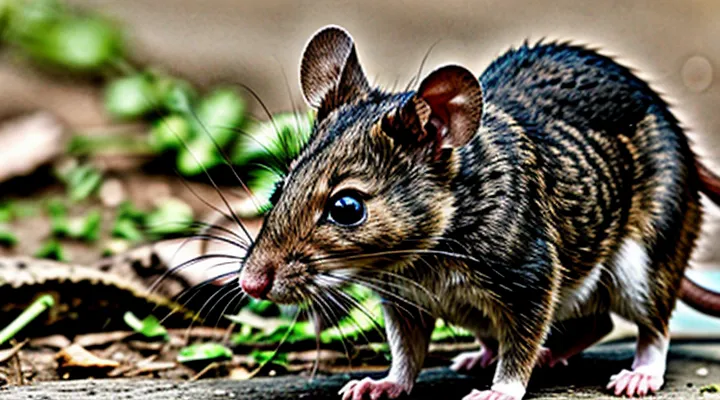
Rodent species, including laboratory mice, can be experimentally infected, but natural infection rates are extremely low. Mice lack the high viral shedding observed in primary reservoirs such as carnivores and bats. Consequently, their saliva contains insufficient viral titers to pose a realistic transmission risk to humans.
Current epidemiological data show no documented cases of rabies transmission from a mouse bite to a person. Risk assessments therefore consider mouse‑to‑human transmission via bite to be negligible. Preventive measures focus on avoiding bites from recognized reservoir species and ensuring prompt post‑exposure prophylaxis when exposure to high‑risk animals occurs.
Rabies in Wildlife «Reservoirs»
Rabies in Rodents and Lagomorphs
Rabies infection in small mammals such as mice, other rodents, and lagomorphs (rabbits, hares) is exceptionally uncommon. The virus circulates primarily among carnivores (e.g., raccoons, foxes, skunks) and bats; spill‑over events to non‑reservoir species occur only sporadically.
Evidence shows:
- Documented cases of rabies in rodents are limited to a few dozen worldwide, typically involving large, aggressive species (e.g., ground squirrels, woodchucks).
- Laboratory studies indicate that mice can be experimentally infected, yet natural infection rates remain near zero.
- Lagomorphs have produced isolated rabies reports, most often linked to exposure to rabid carnivores or bats; no sustained transmission cycles have been observed.
- Human rabies resulting from a bite by a mouse or rabbit has never been confirmed in modern surveillance data.
Clinical presentation in infected rodents or lagomorphs includes rapid onset of neurologic signs—agitation, paralysis, excessive salivation—followed by death within days. Because these animals seldom develop the disease, they are not considered primary vectors for human exposure.
Risk assessment:
- Bite from a healthy‑looking mouse or rabbit carries negligible rabies threat.
- Bite from an animal displaying abnormal behavior (e.g., aggression, disorientation) warrants veterinary evaluation and, if rabies cannot be excluded, post‑exposure prophylaxis for the victim.
Public‑health guidance recommends:
- Avoid handling wild rodents or lagomorphs without protective gloves.
- Report suspicious animals to local animal‑control or health authorities.
- Ensure domestic pets are vaccinated, reducing indirect exposure to wildlife carriers.
In summary, while rabies can infect rodents and lagomorphs under exceptional circumstances, the probability of transmission to humans through a mouse bite is vanishingly low.
Geographic Distribution of Rabies
Rabies persists worldwide, yet its prevalence varies markedly among regions. In the Americas, the virus remains endemic in Latin America, where canine rabies accounts for most human cases. North America reports occasional wildlife-associated infections, primarily in raccoons, skunks, bats, and foxes; domestic rodents are rarely implicated.
Europe exhibits a declining trend in canine rabies, with most human exposures linked to bat‑associated strains in Eastern and Southern countries. The United Kingdom, Ireland, and Scandinavia report negligible incidence.
Asia presents the highest human burden, especially in South and Southeast Asia. India, China, and the Philippines experience extensive canine transmission, while ferret‑badgers and bats contribute to wildlife cycles in China and Japan.
Africa endures widespread canine rabies, with the highest case numbers in sub‑Saharan nations such as Tanzania, Ethiopia, and the Democratic Republic of Congo. Bat‑related cases emerge sporadically in North Africa and the Middle East.
Oceania records minimal rabies activity; Australia remains free of the disease, whereas limited cases have occurred in Papua New Guinea, linked to canine vectors.
Key points on geographic distribution:
- Americas: Predominantly wildlife reservoirs; occasional canine cases in Latin America.
- Europe: Low incidence; bat‑associated strains in specific zones.
- Asia: Highest human incidence; extensive canine and wildlife cycles.
- Africa: Widespread canine transmission; occasional bat involvement.
- Oceania: Near‑absence of rabies; isolated canine cases in Papua New Guinea.
Understanding regional patterns informs risk assessments for all potential vectors, including the unlikely scenario of rodent‑to‑human transmission through bites.
Transmission Dynamics
Mode of Transmission «Bite Exposure»
Rabies transmission through a bite requires the presence of viable virus in the animal’s saliva, sufficient inoculum to breach the victim’s skin, and a pathway for the virus to travel to peripheral nerves. Mice are small rodents that rarely harbor the rabies virus in natural settings. Laboratory studies have demonstrated that mice can be infected experimentally, but the infection usually results in rapid disease progression and death before the animal can develop the high viral loads typical of natural reservoirs such as canids or bats.
Key factors limiting bite‑related transmission from mice to people:
- Low prevalence of rabies infection in wild mouse populations.
- Limited virus replication in mouse salivary glands, reducing viral concentration in saliva.
- Small bite wounds that may not deliver enough virus to initiate infection.
- Short lifespan of infected mice, decreasing the window for exposure.
Epidemiological records contain no confirmed cases of human rabies acquired from a mouse bite. Reported human rabies cases are overwhelmingly linked to bites from larger mammals known to maintain the virus in the environment. Consequently, the risk of acquiring rabies through a mouse bite is considered negligible, and public‑health guidelines prioritize exposure to recognized wildlife reservoirs.
Factors Influencing Transmission Risk
Viral Load and Saliva
Rabies virus replication occurs primarily in neuronal tissue, but the virus reaches the oral cavity through peripheral nerve transport. Saliva contains the infectious particles that are expelled during a bite, and the amount of virus present—viral load—directly influences transmission probability.
In rodents such as mice, experimental infection shows that viral titers in saliva are generally lower than in classic reservoirs (e.g., dogs, bats). Measured concentrations rarely exceed 10³–10⁴ plaque‑forming units per milliliter, whereas established vectors can reach 10⁶ PFU/mL. Low salivary viral loads reduce the likelihood that a single murine bite delivers an infectious dose to a human host.
Key factors affecting transmission risk include:
- Duration of infection – prolonged incubation allows higher viral accumulation in saliva.
- Bite depth and wound size – deeper punctures introduce more saliva into tissue.
- Host immune status – immunocompromised individuals may be susceptible to lower viral doses.
Current evidence indicates that, while mice can harbor rabies virus, the combination of modest salivary viral loads and typical bite characteristics makes direct transmission to humans via mouse bites exceedingly rare. Preventive measures focus on established reservoirs with higher salivary titers.
Depth and Location of Bite
The depth of a mouse bite determines the amount of saliva that can be introduced into the wound. A superficial puncture, limited to the epidermis, deposits only trace saliva, reducing the likelihood that any virus present reaches peripheral nerve endings. A deep puncture that penetrates the dermis and subcutaneous tissue creates a larger conduit for saliva and may damage small nerves, providing a more direct route for the virus to access the peripheral nervous system.
Location of the bite also influences risk. Bites on highly innervated areas—such as the hands, fingers, face, or near mucous membranes—place the virus in close proximity to abundant nerve fibers. Bites on the trunk or lower extremities, where nerve density is lower, present a comparatively reduced pathway for viral migration. Additionally, bites that breach the skin and enter muscle tissue can facilitate faster transport along motor nerves toward the central nervous system.
Key points for assessing bite-related risk:
-
Depth
- Superficial (epidermal) – minimal saliva transfer, low transmission potential.
- Deep (dermal/subcutaneous) – increased saliva volume, possible nerve involvement.
-
Location
- Highly innervated sites (hands, face, oral mucosa) – heightened exposure to peripheral nerves.
- Less innervated sites (torso, legs) – lower immediate access to nervous tissue.
-
Additional factors
- Presence of bleeding can carry virus deeper into tissue.
- Multiple punctures amplify exposure area and potential viral load.
Understanding both the penetration level and anatomical site of a mouse bite is essential for evaluating the plausibility of rabies transmission to humans. Immediate wound cleaning and professional medical assessment remain the primary defenses regardless of these variables.
Human Susceptibility to Rabies
Human susceptibility to rabies hinges on the presence of infectious virus in a bite wound, the quantity of virus introduced, and the timeliness of medical intervention. The virus is primarily maintained in carnivorous and chiropteran reservoirs; rodents such as mice rarely harbor the pathogen. Laboratory studies have shown that mice can be experimentally infected, yet natural infection rates in wild mouse populations are exceedingly low. Consequently, a bite from a mouse is an unlikely source of rabies exposure for a person.
Key factors that determine whether a human becomes infected after a bite include:
- Virus load in the animal’s saliva – high concentrations increase infection risk; mice typically exhibit minimal viral shedding.
- Depth and severity of the wound – deeper punctures provide a more direct route to peripheral nerves, facilitating viral transport to the central nervous system.
- Promptness of post‑exposure prophylaxis (PEP) – immediate wound cleaning and administration of rabies vaccine and immunoglobulin dramatically reduce susceptibility.
- Host immune status – immunocompromised individuals may have a reduced ability to contain the virus during the incubation period.
Epidemiological data support the conclusion that human cases resulting from rodent bites are virtually nonexistent. The overwhelming majority of documented rabies transmissions involve bites from dogs, bats, raccoons, skunks, and foxes. When a mouse bite occurs, standard wound care and assessment for PEP are still advisable, but the probability of rabies transmission remains negligible.
Rabies from Mice «Prevalence and Risk»
Documented Cases of Mouse-to-Human Transmission
Rarity of Mouse-Related Rabies
Rabies cases linked to rodents are exceptionally uncommon. Surveillance data from the United States, Europe, and Asia show that the majority of laboratory‑confirmed rabies infections involve carnivores (dogs, foxes, raccoons) and bats; rodents account for less than 0.1 % of all reported incidents.
Key points supporting the rarity:
- Host competence – Small rodents, including mice, rarely develop the high viral loads required for efficient transmission. Experimental infection often results in subclinical disease or rapid death without shedding virus in saliva.
- Exposure frequency – Human encounters with rabid rodents are infrequent. Bites from wild mice are generally superficial, and the probability of virus presence in the oral cavity is minimal.
- Documented cases – Worldwide literature records fewer than a dozen confirmed rabies infections in mice, and none have been directly linked to human transmission through a bite.
The low prevalence of rabies in mice reduces the risk of human infection via a mouse bite to a negligible level. Nonetheless, any bite from a wild animal with unknown health status should be evaluated by a medical professional, and post‑exposure prophylaxis considered if epidemiological evidence suggests rabies exposure.
Factors Contributing to Low Risk
Survival of Rabies Virus in Mice
Rabies virus persists in laboratory mice only for a limited period after experimental inoculation. Following peripheral administration, the virus replicates at the site of entry, travels via peripheral nerves, and reaches the central nervous system within 5–10 days. Viral titers peak in brain tissue, while peripheral organs contain low to undetectable levels. Once the mouse succumbs to the disease, viral particles remain viable in neural tissue for several days at ambient temperature, but lose infectivity rapidly when exposed to desiccation, ultraviolet light, or temperatures above 37 °C.
Key observations from controlled studies:
- Intracerebral inoculation yields 100 % mortality, confirming susceptibility of murine neuronal cells.
- Subcutaneous inoculation produces a dose‑dependent mortality rate, with a median lethal dose (LD₅₀) of approximately 10³ focus‑forming units.
- Post‑mortem brain homogenates retain infectivity for up to 72 hours when stored at 4 °C; storage at room temperature reduces viability to less than 24 hours.
- Saliva from infected mice contains negligible virus; detection requires highly sensitive assays, indicating minimal shedding in oral secretions.
These findings demonstrate that while the virus can survive within mouse neural tissue for a short window, the likelihood of transmission through a bite is constrained by low viral presence in saliva and rapid loss of infectivity outside the host. Consequently, the risk of a mouse bite delivering a viable rabies infection to a person is exceedingly low compared with established reservoirs such as carnivores and bats.
Immune Response in Rodents
Rodents possess a well‑characterized innate and adaptive immune system that shapes their response to rabies virus exposure. Upon entry, viral particles are detected by pattern‑recognition receptors, triggering production of type I interferons and inflammatory cytokines. These mediators limit early replication and recruit neutrophils and macrophages to the site of inoculation.
Adaptive immunity develops within 7–10 days. Dendritic cells present viral antigens to naïve T cells in draining lymph nodes, leading to expansion of CD4⁺ helper and CD8⁺ cytotoxic lymphocytes. Antibody‑producing B cells generate neutralizing IgM, followed by class‑switching to IgG subclasses that target the viral glycoprotein. Neutralizing titers correlate with protection against clinical disease in laboratory mice.
Key features of the rodent response relevant to the risk of transmission to humans include:
- Rapid clearance of virus from peripheral tissues reduces viral load in saliva.
- Low incidence of persistent infection limits shedding of infectious particles.
- High seroconversion rates after sublethal exposure confer herd immunity within colonies.
Experimental infection studies demonstrate that mice rarely develop detectable virus in salivary glands, even when peripheral infection is established. Consequently, the probability that a bite from a naturally infected mouse delivers viable rabies virus to a human host is exceedingly low. Nonetheless, detection of viral RNA in rare cases underscores the importance of surveillance in rodent populations that share habitats with domestic animals.
Clinical Manifestations in Humans
Rabies infection in humans follows a well‑defined clinical course, regardless of the animal source. A mouse bite that introduces the virus would initiate the same pathogenic sequence observed after exposure to more common vectors.
The incubation period varies from a few weeks to several months, influenced by bite location, viral load, and host factors. During this interval the patient remains asymptomatic.
- Prodromal stage: low‑grade fever, headache, malaise, and pain or paresthesia at the bite site.
- Furious form: marked agitation, irritability, hyperactivity, hypersalivation, hydrophobia, aerophobia, and seizures.
- Paralytic (dumb) form: progressive muscle weakness, flaccid paralysis beginning at the bite site and extending to the respiratory muscles, leading to respiratory failure.
- Autonomic disturbances: diaphoresis, tachycardia, hypertension, and cardiac arrhythmias.
- Terminal phase: coma, brainstem dysfunction, and death, typically within days of symptom onset.
Once neurological signs appear, mortality approaches 100 %. No specific antiviral therapy exists; management is limited to intensive supportive measures.
Prevention and Post-Exposure Prophylaxis
Bite Management and Wound Care
When a mouse bite occurs, prompt wound care reduces infection risk and determines the need for rabies prophylaxis. Immediate actions include applying pressure to stop bleeding, washing the site with running water for at least 15 minutes, and using soap to remove debris. After cleansing, irrigate with a sterile saline solution, then apply an antiseptic such as povidone‑iodine or chlorhexidine.
Following initial care, assess the exposure for rabies relevance. Obtain a detailed history of the animal’s health, environment, and any signs of illness. If the mouse was wild, found dead, or exhibited abnormal behavior, consult a healthcare professional without delay. The clinician will evaluate wound depth, consider tetanus status, and decide whether rabies post‑exposure prophylaxis (PEP) is warranted. PEP typically consists of wound cleaning, administration of rabies immune globulin around the bite site, and a series of rabies vaccine injections on days 0, 3, 7, 14, and 28.
Key steps for bite management and wound care:
- Apply direct pressure to control bleeding.
- Rinse with clean water for a minimum of 15 minutes.
- Clean with soap, then irrigate with sterile saline.
- Apply an appropriate antiseptic.
- Seek medical evaluation promptly.
- Provide animal exposure details to the clinician.
- Follow recommended tetanus and rabies prophylaxis protocols.
Rabies Post-Exposure Prophylaxis «PEP»
Vaccination Protocol
Rabies transmission through a mouse bite is exceptionally rare because mice rarely carry the virus. Nevertheless, any mammalian bite that could involve a rabid animal warrants immediate medical evaluation and, when indicated, administration of a rabies vaccination regimen.
Post‑exposure prophylaxis (PEP) follows a standardized schedule that combines passive and active immunization. The protocol includes:
- Rabies immune globulin (RIG): 20 IU/kg of body weight, infiltrated around the wound site; any remaining volume administered intramuscularly at a distant site.
- Rabies vaccine: Four doses of a licensed inactivated vaccine (e.g., human diploid cell vaccine or purified chick embryo cell vaccine) given on days 0, 3, 7, and 14. For immunocompromised patients, a fifth dose on day 28 is recommended.
Pre‑exposure vaccination (PrEP) is advised for individuals with occupational exposure to potentially rabid rodents. The regimen consists of three intramuscular doses on days 0, 7, and 21 or 28. Boosters are administered every 2–3 years for continued protection.
Key considerations for the protocol:
- Verify wound cleansing with soap and water before any injection.
- Document the bite circumstances, animal health status, and geographic rabies risk.
- Monitor for adverse reactions after each vaccine dose; manage fever or injection site inflammation according to standard guidelines.
- Ensure completion of the full series; incomplete PEP markedly reduces efficacy.
The described vaccination schedule aligns with World Health Organization recommendations and provides reliable protection against rabies following a potentially infectious mouse bite.
Rabies Immune Globulin «RIG»
Rabies Immune Globulin (RIG) supplies passive antibodies that neutralize virus particles at the wound site before the host’s immune system can mount a response. The preparation contains high‑titer anti‑rabies immunoglobulins derived from hyperimmunized human or equine donors. When administered promptly after a potentially infectious bite, RIG reduces the risk of viral entry into peripheral nerves.
The standard protocol for RIG includes:
- Infiltration of the entire wound volume with the calculated dose (20 IU per kilogram of body weight).
- Intramuscular injection of any remaining volume at a site distant from the vaccine administration area.
- Use of human‑derived RIG (HRIG) when available, as it carries a lower incidence of serum‑sickness compared with equine‑derived formulations (ERIG).
RIG effectiveness does not depend on the animal species that delivered the bite. Rodent bites, including those from mice, are considered low‑risk exposures because rodents rarely serve as rabies reservoirs. Nevertheless, if a mouse is known or suspected to have been infected, the same RIG regimen applies as for any mammalian bite.
The combination of RIG and a full course of rabies vaccine constitutes post‑exposure prophylaxis (PEP). RIG provides immediate neutralization, while the vaccine stimulates active immunity that persists for years. Failure to administer RIG when indicated markedly increases the probability of clinical rabies, a disease with near‑100 % fatality once symptoms appear.
Public Health Recommendations
Rabies transmission through a mouse bite is exceedingly rare; laboratory evidence shows that mice are not efficient reservoirs for the virus. Nonetheless, any rodent bite that penetrates the skin warrants a structured response to prevent potential infection and to address other bacterial risks.
- Clean the wound thoroughly with soap and running water for at least five minutes.
- Apply an antiseptic solution and cover the site with a sterile dressing.
- Obtain medical evaluation within 24 hours, even if the bite appears minor.
Healthcare providers should assess exposure risk based on the animal’s health status, geographic prevalence of rabies, and the circumstances of the incident. If the mouse originated from an area with documented rabies activity or displayed abnormal behavior, clinicians must consider rabies post‑exposure prophylaxis (PEP) in accordance with national guidelines. PEP includes wound cleaning, rabies immunoglobulin administration for severe exposures, and a series of rabies vaccines on days 0, 3, 7, 14, and 28.
Public health agencies should:
- Maintain a registry of rodent‑related bite incidents for epidemiological monitoring.
- Educate the public on safe handling of rodents and prompt reporting of bites.
- Promote integrated pest management to reduce human‑rodent contact in residential and occupational settings.
- Ensure that clinicians have ready access to current rabies vaccination protocols and that laboratories can rapidly test suspect animals when feasible.
Implementing these measures minimizes the already low risk of rabies transmission from mice while protecting against secondary infections and enhancing overall community health safety.