
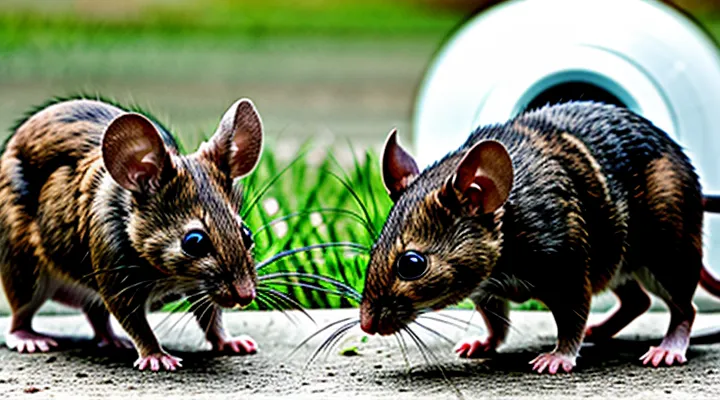
Understanding Rabies Transmission
The Rabies Virus
The rabies virus is a single‑stranded, negative‑sense RNA virus belonging to the genus Lyssavirus within the family Rhabdoviridae. Its bullet‑shaped virion encloses a nucleocapsid surrounded by a lipid envelope studded with glycoprotein spikes that mediate attachment to neuronal cells. Replication occurs in the cytoplasm of infected neurons, where the viral polymerase transcribes the genome into messenger RNA, leading to the production of viral proteins and assembly of new virions.
Transmission of rabies typically follows a bite or scratch from an infected mammal, introducing virus-laden saliva into peripheral nerves. The virus travels retrograde along axons to the central nervous system, where it replicates and eventually reaches the salivary glands, completing the cycle. While carnivores such as dogs, bats, and foxes dominate the epidemiology, the virus can infect a broad range of mammals, including rodents.
Key considerations regarding rodent involvement:
- Laboratory and field studies show that most rodent species, including common house mice (Mus musculus), develop subclinical infections when exposed experimentally.
- Natural infection in wild mice is rare; serological surveys rarely detect rabies antibodies in these populations.
- Even when infection occurs, viral loads in rodent saliva are generally insufficient to cause transmission to humans or larger mammals.
Consequently, the likelihood that small mammals such as mice serve as effective vectors for rabies is extremely low. Public health protocols prioritize monitoring of known reservoir species rather than focusing on rodents.
How Rabies Spreads
Primary Carriers
Mice are not recognized as significant vectors of the rabies virus. Laboratory studies show that Mus musculus can be experimentally infected, yet natural infection rates remain undetectable in field surveys. Consequently, public‑health guidelines do not list rodents as primary sources of human exposure.
The main species responsible for rabies transmission to humans and domestic animals include:
- Chiroptera (bats) – maintain endemic viral cycles, frequently transmit through bites.
- Canidae (dogs, wolves, foxes) – dominant reservoir in many regions, primary source of human cases worldwide.
- Mustelidae (skunks, martens) – frequent carriers in North America, implicated in wildlife‑to‑domestic spillover.
- Procyonidae (raccoons) – maintain regional enzootic cycles, especially in eastern United States.
These taxa sustain viral replication, develop sufficient viral loads in saliva, and exhibit behaviors that facilitate bite transmission. Surveillance data consistently identify them as the principal sources of rabies outbreaks.
Non-Primary Carriers
Mice are classified as secondary hosts for the rabies virus. Unlike carnivorous mammals that frequently serve as reservoirs, rodents rarely develop clinical rabies and are seldom implicated in transmission chains. Laboratory studies have shown that experimental infection can produce viral replication in mouse tissue, yet natural infection rates remain extremely low.
Evidence from surveillance programs indicates that confirmed rabies cases in mice constitute a minute fraction of all reported incidents. Most documented instances involve accidental exposure to infected carnivores rather than independent transmission. Consequently, the public health risk posed by mice is considered negligible compared to primary vectors such as foxes, raccoons, and bats.
Key characteristics of non-primary carriers include:
- Low susceptibility to sustained viral replication
- Minimal viral shedding in saliva
- Rare involvement in bite‑induced transmission events
- Predominant role as incidental victims of infected predators
Control strategies focus on minimizing contact between mice and known reservoir species. Measures such as sealing entry points, maintaining clean environments, and promptly addressing wildlife intrusions reduce the already limited chance of rodent‑associated rabies exposure.
Rabies in Small Rodents
Incidence in Mice
Historical Data
Historical records on rabies transmission by small rodents date to the early 1900s, when experimental inoculation of laboratory mice was first reported. Researchers such as Pasteur and his collaborators demonstrated that mice could develop rabies after direct intracerebral injection of the virus, confirming susceptibility but not natural vector capacity.
Epidemiological surveys from the 1920s through the 1960s examined rabid wildlife and domestic animals. None identified wild mice as a source of infection in reported outbreaks. Veterinary reports from Europe and North America consistently listed carnivores (dogs, foxes, raccoons) as primary reservoirs, with rodents mentioned only as incidental hosts.
Key historical observations:
- 1911 – French laboratory demonstrated mouse mortality following intracerebral inoculation; route of infection artificial.
- 1935 – United Kingdom field study of rabid foxes recorded no rabies-positive mice among captured rodents.
- 1954 – United States Department of Agriculture survey of rabies cases in agricultural regions found zero mouse-derived incidents.
- 1968 – Soviet research on wildlife rabies noted occasional seroconversion in mice after experimental exposure, but no transmission to other species.
The cumulative evidence from these decades indicates that mice can contract rabies under experimental conditions yet have never been documented as a natural transmitter. Historical data therefore support the conclusion that mice do not serve as a vector for rabies in natural settings.
Geographic Variations
Mice are rarely implicated in rabies transmission, yet the risk varies with geography. In North America, surveillance shows virtually no confirmed cases of rabid mice, and experimental infection studies indicate low susceptibility. Conversely, parts of Africa and Asia report occasional isolation of rabies virus from small rodents, including mice, in regions where endemic wildlife reservoirs—such as foxes, mongooses, or feral dogs—exhibit high prevalence. These areas often lack rigorous rodent control and have dense human‑wildlife interfaces, increasing the chance of incidental infection.
Key factors influencing regional differences:
- Reservoir density: High numbers of rabid carnivores or bats raise environmental viral load.
- Surveillance intensity: Countries with systematic testing of wildlife and domestic animals detect rodent cases more frequently.
- Climate: Warm, humid climates support larger rodent populations, potentially facilitating viral exposure.
- Human practices: Hunting, pet trade, and agricultural activities that bring mice into contact with infected carnivores elevate transmission opportunities.
Overall, geographic variation reflects the interaction of local reservoir ecology, monitoring programs, and environmental conditions rather than an inherent capacity of mice to serve as primary vectors.
Risk Factors for Mice
Exposure to Infected Animals
Mice are not recognized as natural reservoirs for the rabies virus. The virus is maintained primarily in carnivorous mammals and bats, where transmission occurs through saliva introduced into a wound or mucous membrane. Rodents, including mice, rarely develop clinical rabies, and documented cases of virus isolation from these species are exceptional.
Exposure to a rabid animal follows specific pathways:
- Bite or puncture wound caused by the animal’s teeth or claws.
- Scraping of skin that contacts infected saliva.
- Contact of mucous membranes (eyes, nose, mouth) with saliva or neural tissue.
- Direct inoculation of virus into a wound during laboratory handling.
When a mouse is known or suspected to be infected, the risk assessment must consider the low probability of viral shedding, the absence of aggressive biting behavior, and the short incubation period typical of rabies in mammals. Nevertheless, any breach of skin integrity that involves mouse saliva warrants immediate wound cleansing, thorough irrigation, and consultation with a medical professional for possible post‑exposure prophylaxis.
Preventive measures focus on minimizing contact with wild or feral rodents, using protective gloves during handling, and ensuring that all animal bites are evaluated for rabies risk regardless of species.
Urban vs. Rural Environments
Mice are not recognized as natural reservoirs for the rabies virus, yet occasional spill‑over events can occur when rodents encounter infected carnivores. In densely populated areas, the probability of such contact differs markedly from that in sparsely inhabited regions.
- Urban settings provide abundant food waste and shelter, attracting feral cats, raccoons, and stray dogs that frequently carry rabies. Mice sharing these habitats may ingest infected saliva or tissue, creating a limited pathway for transmission.
- Rural environments host larger populations of wildlife known to maintain rabies cycles, such as foxes, skunks, and bats. Open fields and barns expose mice to these species, but lower human density reduces the chance of direct human‑mouse encounters involving the virus.
Epidemiological surveillance consistently shows higher rabies incidence among carnivores in cities, while rural outbreaks involve wildlife reservoirs. Consequently, the risk of rodent‑mediated rabies exposure to humans remains low in both contexts, with urban areas presenting a marginally higher indirect risk due to greater interaction between mice and infected domestic animals.
Human Exposure and Prevention
What to Do After a Mouse Bite
Cleaning the Wound
A bite or scratch from a mouse that may carry rabies poses a direct risk of viral entry through the skin. Prompt wound care reduces that risk by removing virus particles and limiting tissue damage.
- Flush the wound with sterile saline or clean running water for at least 15 minutes. High‑volume irrigation physically dislodges saliva, blood, and debris.
- Apply a broad‑spectrum antiseptic (e.g., povidone‑iodine or chlorhexidine) after flushing. Allow contact time recommended by the product label before rinsing.
- Inspect the injury for depth, foreign material, and signs of infection. Deep punctures, especially those that penetrate muscle, require professional evaluation.
- Cover the cleaned area with a sterile, non‑adhesive dressing. Change the dressing daily or sooner if it becomes wet or contaminated.
- Seek immediate medical assessment for rabies post‑exposure prophylaxis, tetanus update, and possible antibiotic therapy. Document the incident, including the animal’s appearance and behavior, to aid clinical decision‑making.
Effective cleaning is the first barrier against rabies transmission after a rodent-related injury. Delays or inadequate irrigation increase the likelihood that the virus reaches peripheral nerves, which can lead to systemic infection.
Seeking Medical Advice
If a mouse bite or scratch raises concerns about rabies transmission, immediate professional evaluation is essential. The rabies virus is rarely associated with murine species, yet any potential exposure to saliva from a wild or unvaccinated rodent warrants clinical assessment.
First contact should be a licensed physician or an emergency department. Provide a clear description of the incident, including:
- Species involved and its apparent health status
- Date and time of exposure
- Location of the wound and any visible contamination
The clinician will determine whether rabies post‑exposure prophylaxis (PEP) is indicated. Decision factors include the animal’s behavior, local rabies prevalence, and whether the rodent can be captured for laboratory testing. If PEP is recommended, the regimen typically consists of a dose of human rabies immune globulin and a series of rabies vaccine injections on days 0, 3, 7, 14, and 28.
Do not delay wound cleaning. Irrigate the site with soap and water for several minutes before seeking care. Document the incident in writing, especially if the animal can be identified for health authorities.
Follow all medical instructions precisely. Completion of the full vaccine schedule is critical to ensure protection. If symptoms such as fever, headache, or neurological changes develop after exposure, report them immediately to a healthcare provider.
When to Be Concerned
Observable Mouse Behavior
Mice rarely serve as natural reservoirs for rabies, and documented infections are exceptional. When infection occurs, clinical manifestation follows the typical encephalitic course observed in other mammals, but the small size and nocturnal habits of mice often mask early signs.
Observable signs in a mouse suspected of rabies infection include:
- Uncharacteristic aggression toward conspecifics or humans, manifested by rapid lunges, biting attempts, or persistent gnawing.
- Excessive salivation, often evident as drooling around the mouth and whisker follicles.
- Disorientation, expressed by erratic locomotion, circling, or failure to navigate familiar tunnels.
- Hyperactivity interspersed with periods of lethargy, reflecting fluctuating neurological impairment.
- Muscular tremors or convulsive episodes, sometimes accompanied by loss of righting reflex.
These behaviors directly influence transmission potential because rabies virus is present in saliva during the symptomatic phase. Aggressive biting provides the primary route for virus transfer; however, the limited bite force of mice reduces the likelihood of deep tissue inoculation. Salivary droplets may contaminate surfaces or wounds, but environmental stability of the virus is low, further diminishing risk.
Consequently, observable aggression and salivation in a mouse constitute the principal indicators of a transmissible state. In the absence of such signs, the probability of a mouse acting as a vector remains negligible. Surveillance programs should prioritize behavioral assessment alongside laboratory diagnostics to evaluate rabies exposure in rodent populations.
Local Rabies Outbreaks
Rabies is a neurotropic virus transmitted primarily through the saliva of infected mammals. In most regions, wildlife reservoirs such as raccoons, skunks, foxes, and bats sustain the virus, leading to periodic local outbreaks that affect domestic animals and, occasionally, humans.
Evidence for mouse involvement in these outbreaks is limited. Experimental infection studies show that laboratory mice can develop rabies after direct intracerebral inoculation, but natural infection through bite exposure is rare. Field surveys consistently fail to isolate the virus from wild mouse populations, and epidemiological investigations of recent clusters have not identified mice as source species.
Key characteristics of local rabies clusters:
- Predominant reservoir species (e.g., raccoons, bats) identified through virus typing.
- High incidence in unvaccinated domestic dogs and cats residing near wildlife habitats.
- Seasonal peaks correlated with breeding periods of primary reservoirs.
- Human cases linked to direct contact with infected wildlife or their domestic pets.
Public‑health response focuses on rapid detection, wildlife vaccination where feasible, and mandatory immunization of pets in affected zones. Surveillance programs routinely test wildlife carcasses; inclusion of rodent specimens remains optional because of their negligible role in transmission.
General Rabies Prevention
Vaccinating Pets
Rabies is maintained in wildlife reservoirs; rodents such as mice are rarely infected and are not recognized as significant carriers of the virus. Nevertheless, domestic animals can acquire rabies from bites by infected wildlife, making vaccination a critical preventive measure.
Vaccination of dogs and cats creates a protective barrier that eliminates the most common source of human exposure. High immunization rates reduce the probability of virus circulation in the community and limit the need for post‑exposure treatment.
Key actions for pet owners:
- Administer a licensed rabies vaccine according to the schedule recommended by veterinary authorities (initial dose at three months of age, booster one year later, then every one to three years depending on the product).
- Keep vaccination records current and available for inspection by public health officials.
- Ensure that all household pets, including those kept indoors, receive the vaccine, as stray or feral animals may introduce the virus.
- Consult a veterinarian promptly after any bite or scratch from wildlife, even if the animal appears healthy.
Compliance with local regulations and regular veterinary visits sustain herd immunity and protect both pets and humans from rabies exposure.
Avoiding Wild Animals
Rabies is a neurotropic virus transmitted through the saliva of infected mammals. Documented cases involve primarily carnivores such as bats, raccoons, foxes, and skunks; laboratory and field studies show that rodents, including mice, rarely develop clinical rabies and are not recognized as significant reservoirs.
Reducing contact with wild fauna lowers the probability of encountering a rabid animal. Effective practices include:
- Securing food storage to prevent attracting rodents and larger wildlife.
- Maintaining barriers (screens, sealed doors, rodent‑proof fencing) around homes and laboratories.
- Wearing gloves and protective clothing when handling captured or trapped wildlife.
- Disinfecting surfaces and equipment after any exposure to wildlife droppings or saliva.
- Reporting unusual animal behavior to local animal control or public health authorities.
Although the likelihood of acquiring rabies from a mouse is negligible, the precautionary principle advises avoidance of all wild mammals to eliminate any residual transmission risk.