
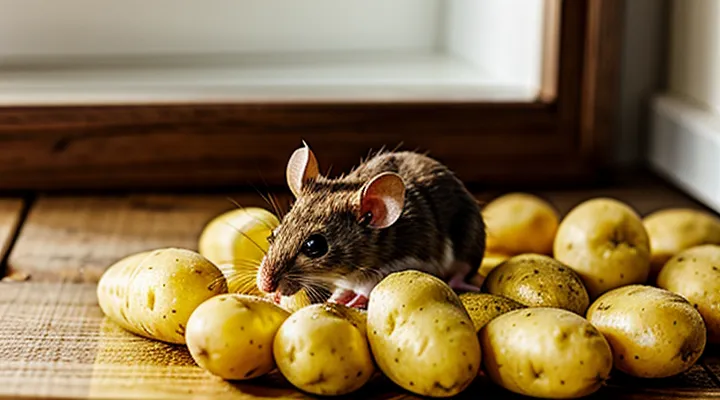
The Nutritional Composition of Raw Potatoes
Carbohydrates and Starches
Raw potatoes consist primarily of complex carbohydrates, chiefly starch, which accounts for 15‑20 % of fresh weight. Starch molecules are long chains of glucose that mice must hydrolyze into maltose and glucose before absorption. The mouse small intestine contains pancreatic amylase and brush‑border maltase, allowing efficient breakdown of digestible starch, but the enzyme profile differs from that of humans, resulting in slower starch utilization.
In addition to starch, raw potatoes contain soluble sugars (glucose, fructose) in low concentrations. These sugars are rapidly absorbed, providing a quick energy source. However, the overall carbohydrate profile is dominated by resistant starch, a fraction that escapes enzymatic digestion and reaches the colon where microbial fermentation produces short‑chain fatty acids. These metabolites can support gut health but may also cause gas and bloating if intake is excessive.
Potential concerns arise from two carbohydrate‑related factors:
- Solanine and chaconine: Glycoalkaloids concentrated in the tuber’s skin and sprouts. While not carbohydrates, they co‑occur with starch and are toxic to rodents at doses above 200 mg kg⁻¹. Proper removal of skin and sprouts reduces risk but does not eliminate glycoalkaloids entirely.
- High resistant‑starch load: Overconsumption can lead to gastrointestinal upset, reduced feed intake, and weight loss, especially in young or compromised mice lacking a fully developed microbiome.
Guidelines for incorporating raw potato carbohydrate content into a mouse diet:
- Limit raw potato inclusion to ≤5 % of total diet by weight.
- Remove skin and any sprouted areas to lower glycoalkaloid exposure.
- Monitor body condition and fecal consistency for signs of digestive disturbance.
- Provide a balanced commercial rodent feed that supplies essential nutrients alongside the occasional carbohydrate supplement.
When these precautions are observed, the carbohydrate and starch components of raw potatoes can be tolerated by mice without immediate toxicity. Nonetheless, raw potato should remain an occasional supplement rather than a staple, owing to the combined effects of glycoalkaloids and resistant starch on rodent physiology.
Vitamins and Minerals
Raw potatoes contain several micronutrients that influence rodent health. Vitamin C levels are modest; the compound is water‑soluble and degrades quickly when exposed to heat, making raw tubers a more reliable source. B‑vitamins, particularly B6 (pyridoxine) and niacin (B3), support metabolic pathways involved in protein synthesis and energy production. Minerals such as potassium, magnesium, and phosphorus are abundant, contributing to electrolyte balance, nerve function, and bone development.
Potential benefits for mice include:
- Enhanced antioxidant capacity from vitamin C, which can mitigate oxidative stress.
- Improved carbohydrate metabolism via B‑vitamins that act as co‑enzymes.
- Stabilized cellular function through potassium’s role in membrane potential regulation.
However, raw tubers also contain solanine, a glycoalkaloid concentrated in the skin and sprouts. Solanine interferes with acetylcholinesterase activity, leading to neuromuscular disturbances at doses as low as 20 mg kg⁻¹ body weight. Mice are particularly sensitive; ingestion of unpeeled or sprouted potatoes may cause lethargy, loss of coordination, or fatal outcomes. Cooking reduces solanine to negligible levels, but the process also diminishes heat‑labile vitamins.
In practice, providing raw potatoes to mice requires:
- Selecting tubers free of green discoloration and sprouts.
- Peeling to remove the majority of solanine.
- Limiting portions to less than 5 % of total daily caloric intake to avoid excess potassium and carbohydrate overload.
Balancing micronutrient intake with toxin avoidance is essential. Raw potatoes can contribute vitamins and minerals, but strict control of preparation and quantity is necessary to prevent adverse effects.
Antinutrients Present
Raw potatoes contain several naturally occurring compounds that interfere with nutrient absorption and can be toxic to small rodents. These substances, collectively termed antinutrients, remain at significant levels when the tuber is uncooked.
- Glycoalkaloids (solanine, chaconine) – membrane‑disrupting agents; concentrations above 200 mg kg⁻¹ fresh weight cause neurological signs and mortality in mice.
- Protease inhibitors – bind digestive enzymes, reducing protein breakdown and limiting growth.
- Lectins – bind intestinal epithelium, impairing carbohydrate absorption and potentially triggering inflammation.
- Phenolic acids (e.g., chlorogenic acid) – may reduce mineral bioavailability by forming insoluble complexes.
Mice are highly susceptible to glycoalkaloid toxicity because of their low body mass and rapid metabolic rate. Even modest portions of raw tuber can deliver a lethal dose of solanine, while protease inhibitors and lectins aggravate digestive stress. Consequently, raw potatoes are unsuitable as a regular dietary component for laboratory or pet mice without prior processing to remove or deactivate these antinutrients.
Solanine: The Toxic Compound in Potatoes
What is Solanine?
Solanine is a glycoalkaloid produced naturally by members of the nightshade family, including potatoes, tomatoes, and eggplants. The compound accumulates primarily in green skin, sprouts, and damaged tissue as a defense against pests and pathogens.
Key characteristics of solanine relevant to rodent consumption:
- Chemical nature: Steroidal alkaloid with a bitter taste; stable at room temperature.
- Toxic dose: Approximately 2 mg per kilogram of body weight can cause mild symptoms; 5 mg/kg may be lethal for small mammals.
- Physiological effects: Disrupts cell membranes, inhibits cholinesterase activity, and interferes with sodium-potassium pump function, leading to gastrointestinal distress, neurological disturbances, and respiratory failure.
- Absorption: Rapidly taken up in the gastrointestinal tract; peak blood concentration reached within 30 minutes.
- Metabolism: Primarily hepatic; metabolites excreted via urine and bile.
When evaluating the safety of offering uncooked potatoes to laboratory or pet mice, the presence of solanine must be considered. Even low levels can provoke vomiting, diarrhea, ataxia, and, in severe cases, death. Removing green areas, sprouts, and skin reduces solanine content dramatically, but residual amounts may still exceed the tolerable threshold for a mouse weighing 20–30 g. Consequently, raw potatoes are unsuitable as a regular dietary component for mice without extensive processing to eliminate the toxin.
How Solanine Affects Mice
Neurological Symptoms
Raw potatoes contain the glycoalkaloid solanine, which is absorbed rapidly in the gastrointestinal tract of rodents. Even modest quantities can elevate plasma solanine to neurotoxic levels.
Neurological signs observed after ingestion include:
- Tremors of the forelimbs and hind limbs
- Ataxia and loss of balance
- Hyperexcitability or seizures
- Paralysis progressing from distal to proximal muscles
- Reduced reflexes and eventual coma
Solanine interferes with acetylcholinesterase activity, leading to accumulation of acetylcholine at synaptic junctions. The resulting cholinergic overstimulation disrupts neuronal firing patterns, producing the symptoms listed above. Additionally, solanine binds to membrane cholesterol, compromising neuronal cell integrity and contributing to edema and necrosis in the central nervous system.
Preventive measures:
- Exclude raw tubers from mouse diets.
- If accidental exposure occurs, monitor for the onset of tremor, ataxia, or seizure within 30 minutes to 2 hours.
- Administer activated charcoal promptly to limit absorption; consider anticholinergic agents for severe cholinergic toxicity.
Observing the described neurological manifestations provides reliable evidence that raw potato consumption poses a significant health risk to mice.
Digestive Upset
Raw potatoes contain solanine and high levels of resistant starch, both of which can irritate the mouse gastrointestinal tract. When a mouse consumes uncooked tubers, solanine acts as a toxin, while resistant starch undergoes rapid fermentation by intestinal microbes.
Typical signs of digestive upset include:
- Diarrhea or loose feces
- Abdominal distension
- Excessive gas
- Reduced food intake
- Lethargy
The irritation stems from solanine’s direct damage to the mucosal lining and the osmotic load created by fermenting starch. Gas production increases intraluminal pressure, leading to bloating and discomfort. Prolonged exposure may progress to dehydration and weight loss.
Mitigation requires eliminating raw tubers from the diet. Cooking reduces solanine concentration and converts resistant starch into digestible forms. If raw potatoes have already been offered, observe the animal closely, provide fresh water, and replace the offending food with safe vegetables such as carrots or peas.
Professional guidance recommends reserving potatoes for occasional, fully cooked portions only. Consistent feeding of uncooked potatoes poses an unnecessary risk of gastrointestinal distress and should be avoided.
Lethal Dose Considerations
Raw potatoes contain glycoalkaloids, chiefly solanine, whose toxicity determines the risk of feeding them to laboratory mice. Solanine disrupts cellular membranes and inhibits cholinesterase activity, leading to neurological and gastrointestinal failure at sufficient concentrations.
The median lethal dose (LD₅₀) for solanine in rodents is reported between 45 mg kg⁻¹ and 60 mg kg⁻¹. A standard adult mouse (20 g) therefore reaches a lethal threshold at approximately 0.9 mg to 1.2 mg of solanine. This figure establishes the upper limit for safe exposure.
Typical solanine concentrations in raw tubers range from 5 mg kg⁻¹ in freshly harvested, unblemished potatoes to 30 mg kg⁻¹ in greening or sprouting specimens. Translating these values to the mouse model yields:
- 5 mg kg⁻¹ solanine → 0.1 mg solanine per 20 g mouse (well below lethal range)
- 15 mg kg⁻¹ solanine → 0.3 mg solanine per mouse (sub‑lethal, may cause mild symptoms)
- 30 mg kg⁻¹ solanine → 0.6 mg solanine per mouse (approaches toxic threshold)
These calculations assume homogenous distribution; actual intake varies with bite size and palatability. Greening, sprouting, or mechanical damage can raise solanine levels dramatically, narrowing the safety margin.
Key considerations for lethal dose assessment:
- Mouse body weight; small variations alter the absolute toxic dose.
- Solanine content; determined by cultivar, storage temperature, and exposure to light.
- Feeding method; whole tuber pieces deliver higher localized doses than finely minced material.
Because the lethal dose lies only a fewfold above the amount likely ingested from a modest portion of raw potato, the risk of accidental overdose is substantial. The prudent protocol excludes raw tuber material from mouse diets and substitutes cooked potatoes, where thermal processing reduces solanine to negligible levels.
Factors Influencing Solanine Levels
Green Potatoes
Green potatoes are tubers that have been exposed to light, causing chlorophyll formation and a concurrent increase in the glycoalkaloid solanine. Solanine concentrations rise sharply in the skin and just beneath it, reaching levels that are toxic to many mammals.
Rodents are sensitive to solanine; ingestion of 200 mg per kilogram of body weight can produce neurological and gastrointestinal disturbances. A typical laboratory mouse weighing 25 g would experience adverse effects after consuming only a few grams of green potato tissue.
Feeding raw potatoes to mice is safe only when the following conditions are met:
- All green areas are removed completely.
- The skin is peeled to eliminate residual chlorophyll and solanine.
- The remaining flesh is cooked, which reduces solanine content.
- Portion size does not exceed 1–2 % of the animal’s daily caloric intake.
When any green tissue remains, the risk of solanine poisoning outweighs nutritional benefits, and the potato should be excluded from the diet.
Sprouts and Eyes
Raw potatoes contain dormant buds known as eyes, from which sprouts emerge when the tuber is stored at temperatures above 45 °F (7 °C). Sprouts consist of rapidly dividing cells that produce solanine and chaconine, glycoalkaloid compounds concentrated in the bud tissue. The concentration of these toxins can exceed 200 mg per kilogram of fresh weight in fully developed sprouts, whereas the flesh of a fresh, unblemished tuber typically contains less than 20 mg kg⁻¹.
Mice are highly susceptible to glycoalkaloid poisoning. Clinical signs observed after ingestion of sprouted potato material include reduced locomotion, salivation, and gastrointestinal distress. Lethal dose estimates for solanine in rodents range from 30 to 50 mg kg⁻¹ body weight. Even small portions of sprouts can deliver a dose near this threshold, especially when multiple sprouts are consumed in a single feeding episode.
Safe handling of raw potatoes for rodent diets requires complete removal of all eyes and any visible sprouts. After excision, the remaining tuber should be inspected for green discoloration, another indicator of elevated glycoalkaloid levels. If the flesh is uniformly white and free of blemishes, a limited amount (no more than 5 % of total daily food mass) may be offered, provided that the mouse shows no adverse reaction.
Practical steps for owners:
- Cut away every eye and any sprout tissue with a sharp knife.
- Discard any tuber sections that appear green or softened.
- Offer only a small, measured portion alongside a balanced diet.
- Monitor the animal for signs of toxicity for at least 24 hours after the first exposure.
Potato Skin
Feeding raw potatoes to laboratory or pet mice raises concerns about the edible portion of the tuber, especially the peel. The skin contains dietary fiber, vitamin C, potassium, and trace minerals that could contribute to a balanced diet if presented safely.
However, the peel also concentrates glycoalkaloids, primarily solanine, which can reach toxic levels in raw potatoes. Solanine interferes with neuronal transmission and may cause gastrointestinal distress, lethargy, or mortality in small rodents. Concentrations are highest near the surface and increase when potatoes are exposed to light or stored for extended periods.
To mitigate risk, the following practices are recommended:
- Inspect potatoes for greening or sprouting; discard any with visible green patches.
- Peel the tuber thoroughly; remove any residual skin fragments.
- Cook the flesh (steaming or boiling) to reduce solanine content; avoid frying, which can add unnecessary fat.
- Offer cooked potato in small, measured portions (no more than 1 g per 10 g body weight per day).
- Observe mice for signs of distress after introduction; discontinue if symptoms appear.
When these precautions are applied, the nutritional benefits of potato tissue can be utilized without exposing mice to the hazards associated with raw peel consumption.
Risks Associated with Feeding Raw Potatoes to Mice
Digestive Issues
Indigestion
Feeding uncooked tubers to laboratory or pet rodents often leads to digestive upset. Raw Solanum tuberosum contains high levels of resistant starch and glycoalkaloids, both of which can irritate the gastrointestinal tract of mice.
Indigestion manifests as:
- Reduced food intake
- Soft or watery feces
- Abdominal swelling
- Lethargy
The resistant starch bypasses enzymatic breakdown in the small intestine, fermenting in the colon and producing excess gas. Glycoalkaloids, such as solanine, damage mucosal cells, increasing permeability and triggering inflammation. Together they impair nutrient absorption and provoke the symptoms listed above.
Preventive measures include:
- Cooking potatoes thoroughly to deactivate glycoalkaloids and gelatinize starch.
- Offering only small, occasional portions as a treat.
- Monitoring stool consistency and activity levels after introduction.
If signs of digestive disturbance appear, remove the raw tuber source immediately and provide a bland diet of cooked grains and water. Persistent symptoms warrant veterinary assessment to rule out secondary infections or severe mucosal injury.
Diarrhea
Raw potatoes contain solanine, a glycoalkaloid that irritates the gastrointestinal tract of rodents. Ingestion often results in watery stools, abdominal cramping, and rapid loss of fluids.
Solanine damages the mucosal lining, impairs nutrient absorption, and accelerates transit time through the intestines. The resulting imbalance triggers diarrhea, which can quickly lead to dehydration in small mammals.
Typical signs of diarrheal illness in mice include:
- Frequent, loose feces
- Wet bedding around nesting area
- Reduced activity or lethargy
- Sunken eyes and dry nose indicating fluid loss
- Noticeable weight decline over a few days
Immediate actions:
- Remove all raw potato material from the cage.
- Provide fresh water enriched with electrolytes or a low‑sugar rehydration solution.
- Offer easily digestible foods such as boiled rice or plain boiled potatoes (cooked thoroughly to destroy solanine).
- Monitor stool consistency and body condition for 24‑48 hours.
- Seek veterinary assistance if diarrhea persists beyond two days or if the mouse shows signs of severe dehydration.
Preventive measures focus on eliminating raw tuber exposure. Cooking potatoes at high temperatures deactivates solanine, making them safe in small quantities. Safer carbohydrate sources for rodents include cooked sweet potatoes, oats, or commercially formulated rodent pellets. Regularly inspect feed for spoilage and avoid introducing new foods without prior testing.
Potential for Toxicity
Acute Poisoning
Raw potatoes contain the glycoalkaloid solanine, a compound that exerts toxic effects on small mammals when consumed in its unprocessed form. In mice, ingestion of raw tuber tissue can trigger acute poisoning characterized by rapid onset of clinical signs.
Acute poisoning manifests within minutes to a few hours after exposure. The condition results from solanine’s interference with cellular membranes and inhibition of cholinesterase activity, leading to systemic dysfunction.
Typical signs include:
- Salivation and excessive drooling
- Tremors or muscle twitching
- Ataxia and loss of coordination
- Respiratory distress or shallow breathing
- Convulsions and possible coma
Lethal dose estimates for mice range from 30 to 50 mg solanine per kilogram of body weight. A single raw potato slice can supply enough glycoalkaloids to exceed this threshold in a standard laboratory mouse, especially if the skin or sprouted sections are consumed.
Immediate response involves:
- Removing the animal from the source of the toxin.
- Providing supportive care such as oxygen supplementation and fluid therapy.
- Monitoring neurological status and respiratory function continuously.
- Administering activated charcoal if ingestion occurred within the previous hour.
Prevention relies on eliminating raw potato material from the diet. Cooked potatoes, with reduced solanine content, present a safer alternative, but any green discoloration or sprouting indicates elevated toxin levels and should be avoided. Regular inspection of feed ensures that accidental exposure does not occur.
Long-Term Health Effects
Feeding uncooked tubers to laboratory mice introduces solanine, a glycoalkaloid that persists in the flesh and skin. Repeated ingestion can lead to cumulative toxicity because rodents metabolize solanine slowly, allowing the compound to accumulate in hepatic and neural tissue.
Long‑term exposure may produce:
- Chronic gastro‑intestinal irritation, manifested by reduced feed intake and persistent diarrhea.
- Neurological deficits, including tremors, ataxia, and impaired learning, linked to solanine’s interference with acetylcholine receptors.
- Reproductive disturbances, such as decreased litter size and lower pup survival, associated with endocrine disruption.
- Stunted growth and reduced body condition, resulting from both nutrient displacement by the potato and the metabolic cost of detoxifying glycoalkaloids.
Metabolic monitoring of mice on a raw‑potato regimen typically shows elevated liver enzymes, altered lipid profiles, and increased oxidative stress markers. These biochemical changes correlate with shortened lifespan and heightened susceptibility to secondary infections.
Given the documented adverse outcomes, raw tuber inclusion in rodent diets is contraindicated for chronic studies. Safer alternatives include cooked potatoes, which reduce solanine content, or nutritionally balanced commercial feeds that meet the species’ requirements without introducing toxic residues.
Safer Alternatives for Mice Diets
Recommended Vegetables and Fruits
Leafy Greens
When evaluating the suitability of uncooked potatoes for mice, the presence of leafy greens in the diet influences digestion, vitamin intake, and mineral balance.
Leafy greens contribute essential nutrients that raw tubers lack. They supply vitamin A, vitamin K, folate, and dietary fiber, while providing moderate calcium and potassium levels. Their high water content aids hydration and softens stool, which can counteract the dry texture of raw potatoes.
Safe leafy options include:
- Spinach (in limited amounts due to oxalates)
- Kale, young leaves only
- Romaine lettuce, core removed
- Swiss chard, stems trimmed
- Dandelion greens, freshly washed
Avoid greens with high oxalic or nitrile content, such as:
- Mature beet tops
- Wild mustard
- Large quantities of parsley
Feeding guidelines:
- Offer leafy greens as 10‑15 % of the total daily ration.
- Provide greens fresh, rinsed, and chopped into bite‑size pieces.
- Introduce greens gradually to monitor tolerance.
- Pair small portions of raw potato with greens to reduce the risk of gastrointestinal irritation and to supply complementary nutrients.
By integrating appropriate leafy vegetables, the overall diet remains balanced while addressing the specific concerns associated with feeding mice uncooked potatoes.
Carrots
Mice that are offered uncooked potatoes often experience gastrointestinal distress due to solanine, a glycoalkaloid present in raw tubers. Carrots provide a contrasting vegetable option because they contain no known toxic compounds for rodents.
Carrots supply beta‑carotene, vitamin A, fiber, and modest amounts of potassium. The fiber supports intestinal motility, while the vitamin A precursor contributes to visual health and immune function. Energy content remains low, preventing rapid weight gain when fed in moderation.
Safety profile: raw carrots are non‑toxic, digestible, and free of alkaloids. Unlike potatoes, they do not require cooking to reduce harmful substances. Over‑feeding may cause loose stools due to high fiber.
Feeding recommendations for laboratory or pet mice:
- Offer a single carrot slice (approximately 0.5 cm thick) 2–3 times per week.
- Ensure the slice is washed to remove pesticide residues.
- Monitor stool consistency; reduce frequency if diarrhea occurs.
- Combine with a balanced grain‑based diet to meet protein and caloric requirements.
Berries
Raw potatoes contain solanine, a toxin that can cause neurological symptoms in rodents. Even when peeled, the concentration remains sufficient to pose a health risk for laboratory or pet mice. Consequently, raw tubers are unsuitable as a primary component of a mouse diet.
Berries provide a low‑risk source of carbohydrates, vitamins, and antioxidants that can complement a balanced rodent feed. Suitable varieties include:
- Blueberries (fresh or frozen, no added sugar)
- Strawberries (hull removed, cut into bite‑size pieces)
- Raspberries (seedless portions preferred)
- Blackcurrants (whole, moderate portion)
When incorporating berries, observe the following guidelines:
- Limit intake to no more than 5 % of total daily calories to prevent digestive upset.
- Offer only fresh, pesticide‑free fruit; wash thoroughly before serving.
- Introduce new berries gradually, monitoring for signs of diarrhea or allergic reaction.
- Store leftovers in a refrigerator and discard after 24 hours to avoid mold growth.
Berries do not neutralize solanine present in raw potatoes; they merely serve as a safe supplemental treat. For optimal health, replace raw tubers with a formulated rodent diet and use berries as occasional enrichment.
Commercial Mouse Food
Commercial mouse food is formulated to meet the complete nutritional requirements of laboratory and pet rodents. Protein levels range from 14 % to 20 % of total calories, sourced from soy, casein, or fishmeal. Carbohydrate content consists of low‑glycemic grains such as wheat or corn, providing steady energy without spikes. Fiber is supplied by cellulose or beet pulp to support digestive health. Vitamin and mineral premixes include A, D, E, K, B‑complex, calcium, phosphorus, and trace elements, ensuring bone development and immune function.
Raw potatoes contain solanine, a glycoalkaloid toxic to rodents at concentrations above 0.1 %. Their starch is rapidly digestible, leading to hyperglycemia and potential obesity when offered as a sole food source. The low protein and essential fatty acid content of unprocessed tubers fails to satisfy the dietary profile required for optimal growth and reproduction.
Commercial diets address these deficiencies by:
- Providing balanced amino acid profiles for tissue repair.
- Including essential fatty acids (linoleic and α‑linolenic acids) for cellular membranes.
- Supplying calibrated calcium‑phosphorus ratios to prevent skeletal disorders.
- Incorporating antioxidants and prebiotic fibers to enhance gut flora.
When evaluating the suitability of raw potatoes for mice, the primary recommendation is to maintain a commercial feed as the base diet. Any occasional potato offering should be cooked, peeled, and limited to less than 5 % of total intake, with strict monitoring for adverse reactions. Reliance on commercial mouse food eliminates the risk of toxin exposure and guarantees consistent nutrient delivery.
Seed and Grain Options
Raw potatoes contain solanine, a toxin that can harm rodents; therefore, they should not be a staple in a mouse diet. Reliable carbohydrate sources come from seeds and grains, which provide energy without the risk of glycoalkaloid poisoning.
- Sunflower seeds – high in fat and protein; feed in limited quantities to prevent obesity.
- Millet – readily digestible, low in fat; suitable as a daily grain supplement.
- Oats – soluble fiber supports gut health; offer rolled or coarse form, avoiding excessive moisture.
- Barley – moderate protein and fiber; include as part of a mixed grain blend.
- Corn kernels – energy‑dense, but prone to spoilage; store in a cool, dry place and limit portion size.
- Safflower seeds – comparable to sunflower seeds with slightly lower fat; useful for variety.
When integrating seeds or grains, maintain a balanced ratio of 70 % commercial mouse pellets, 20 % fresh vegetables, and 10 % seed/grain mix. Ensure all dry components are fresh, free of mold, and provided in small, daily portions to prevent waste and contamination.
Preparing Potatoes Safely (If at All)
Cooking Methods to Reduce Solanine
Boiling
Boiling potatoes eliminates solanine, a glycoalkaloid that is toxic to rodents when present in raw tubers. Heat reduces the compound to safe levels, allowing the vegetable to serve as a source of carbohydrates and modest amounts of vitamin C.
To prepare boiled potatoes for laboratory or pet mice, follow these steps:
- Select fresh, firm tubers without green spots or sprouts.
- Peel the skins to remove surface solanine residues.
- Cut into uniform cubes of 5‑7 mm to ensure even cooking.
- Submerge in water, bring to a rolling boil, and maintain for 10‑12 minutes until the pieces are tender but not mushy.
- Drain, cool to room temperature, and serve in small quantities alongside a balanced rodent diet.
Do not add salt, butter, or seasonings; these additives can cause electrolyte imbalance or digestive upset. Excessive portions may lead to obesity or gastrointestinal disturbances, because mice have limited capacity to process starches.
Boiled potatoes may be incorporated as an occasional supplement, not as a staple. Monitoring body weight and behavior after introduction helps verify tolerance and detect any adverse reactions.
Baking
Raw potatoes contain solanine, a glycoalkaloid toxic to small mammals. Heating disrupts the compound’s structure, lowering its concentration in the flesh. Consequently, baking transforms a potentially lethal food into a less hazardous option for laboratory mice or pet rodents, provided the process follows precise parameters.
Baking guidelines:
- Preheat oven to 200 °C (392 °F).
- Peel potatoes to remove skin, where solanine accumulates.
- Cut flesh into uniform cubes, 1–2 cm in size, to ensure even heat penetration.
- Spread pieces on a single layer of a metal tray; avoid overlapping.
- Bake for 30–35 minutes, turning once at the midpoint.
- Verify internal temperature reaches at least 95 °C (203 °F) with a food‑grade probe.
Post‑baking assessment must confirm complete softening and absence of green patches. Even after thermal treatment, residual solanine may persist; therefore, limit portions to no more than 5 g per 10 g of body weight per day, and observe animals for signs of gastrointestinal distress.
Practical recommendations:
- Store baked portions in airtight containers at 4 °C; discard after 48 hours.
- Introduce gradually into the diet, mixing with standard rodent chow to monitor acceptance.
- Conduct periodic blood tests for biomarkers of glycoalkaloid exposure when using potatoes as a regular supplement.
Portions and Frequency
Raw potatoes contain solanine, a glycoalkaloid toxic to rodents when ingested in significant quantities. When they are included in a mouse’s diet, strict control of portion size and feeding intervals is mandatory.
- Recommended portion: no more than 0.5 % of the animal’s body weight per serving. For a typical 20‑gram mouse, this equals approximately 0.1 g of peeled, raw potato, finely diced.
- Maximum frequency: one serving per 5–7 days. Repeating the offering more often increases the risk of cumulative solanine exposure.
Portion measurement should be performed with a precision scale. The potato must be peeled to remove the skin, where solanine concentration is highest, and cut into pieces smaller than 2 mm to prevent choking. After each feeding, observe the mouse for signs of distress—reduced activity, salivation, vomiting, or gastrointestinal upset. If any adverse reaction occurs, discontinue raw potato provision immediately.
Because solanine levels vary between potato varieties and storage conditions, the safest practice is to treat raw potato as an occasional treat rather than a regular component of the diet. Regular dietary needs are met more reliably with commercially formulated mouse feed, which supplies balanced nutrition without the toxicity risk associated with uncooked tubers.
Monitoring for Adverse Reactions
Introducing uncooked tubers into a mouse diet requires continuous observation for negative health effects.
Key indicators of toxicity include:
- Vomiting or regurgitation
- Diarrhea or abnormal fecal consistency
- Lethargy, tremors, or loss of coordination
- Rapid weight loss or failure to gain expected weight
- Sudden death
Effective monitoring combines several procedures. Daily visual inspections record behavioral and physical changes. Body weight is measured at consistent intervals, preferably every 24 hours, to detect trends. Fecal samples are examined for blood or unusual content. Blood draws, when feasible, assess electrolyte balance, glucose, and markers of organ stress. Post‑mortem examination identifies lesions in the gastrointestinal tract, liver, and kidneys.
All observations are entered into a standardized log, noting time, animal identifier, and specific findings. If any adverse sign appears, raw potatoes are withdrawn immediately, supportive care is administered, and a veterinary professional is consulted. Documentation of the incident and corrective actions supports reproducibility and ethical compliance.
Expert Recommendations on Mouse Nutrition
Mice require a diet that supplies adequate protein, essential fatty acids, vitamins, and minerals while avoiding substances that can cause toxicity. Raw tubers contain solanine, a glycoalkaloid that interferes with neuronal function and can be lethal at low concentrations. Laboratory studies show that even small amounts of uncooked potatoes produce gastrointestinal irritation and reduced weight gain in rodents.
- Exclude uncooked potatoes from any mouse feeding regimen.
- Offer only commercially formulated rodent chow that meets established AIN‑93G nutrient specifications.
- Supplement with fresh vegetables low in glycoalkaloids, such as carrots, broccoli, and leafy greens, in moderation.
- Provide occasional protein sources (e.g., boiled egg, mealworms) to support growth and reproduction.
- Ensure continuous access to clean water; dehydration amplifies solanine toxicity.
If cooked potatoes are considered, they must be boiled until the flesh is soft, the skin removed, and the temperature reduced to ambient before serving. Cooking reduces solanine levels but does not eliminate the risk entirely; therefore, cooked potatoes should remain a rare treat, limited to less than 5 % of total caloric intake.
Regular health monitoring—body condition scoring, fur quality, and activity levels—allows early detection of dietary issues. Adjustments to the feed composition should be based on observed performance metrics rather than anecdotal preferences.