
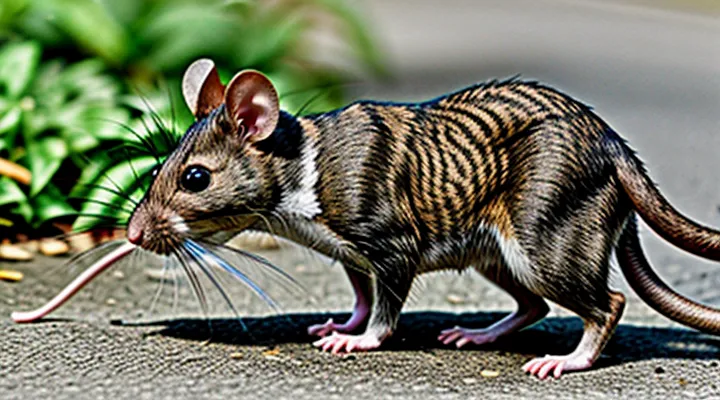
Understanding Rabies
What is Rabies?
Rabies is an acute, fatal encephalitis caused by members of the Lyssavirus genus. The virus infects the central nervous system, leading to progressive neurological dysfunction and death once clinical signs appear. Transmission occurs primarily through the saliva of infected mammals introduced into a fresh wound or mucous membrane.
Key characteristics of the disease include:
- Incubation period: typically 1–3 months, variable with site of entry and viral load.
- Prodromal phase: fever, headache, and malaise lasting 2–10 days.
- Neurologic phase: agitation, hypersalivation, hydrophobia, paralysis, and seizures.
- Terminal phase: coma and respiratory failure.
Diagnostic methods rely on detection of viral antigens in brain tissue (immunofluorescence) or nucleic acid in saliva, cerebrospinal fluid, or skin biopsies. Post‑exposure prophylaxis combines thorough wound cleansing, administration of rabies immune globulin, and a series of inactivated rabies vaccine injections; when given promptly, it prevents disease onset.
Domestic dogs, cats, and wild carnivores such as foxes, raccoons, and bats constitute the primary reservoir species. Rodents, including mice and rats, rarely develop rabies and are not considered significant reservoirs, although they can become infected through exposure to a highly infectious source. Consequently, the risk of rabies transmission from these rodents to humans or other animals remains extremely low.
How is Rabies Transmitted?
The Rabies Virus
The rabies virus is a single‑stranded, negative‑sense RNA virus of the family Rhabdoviridae. Its bullet‑shaped virion encloses a nucleocapsid surrounded by a lipid envelope studded with glycoprotein spikes that mediate cell entry. Replication occurs in the cytoplasm of neuronal cells, where the virus travels retrograde along axons to the central nervous system, causing fatal encephalitis.
Key biological features:
- Genome length ≈ 12 kb, encoding five proteins: nucleoprotein (N), phosphoprotein (P), matrix protein (M), glycoprotein (G), and RNA polymerase (L).
- Glycoprotein G determines host cell tropism and elicits neutralizing antibodies.
- High neurotropism; peripheral replication precedes central invasion.
Epidemiologically, the virus circulates primarily among carnivores (e.g., dogs, foxes, raccoons) and bats. These groups serve as reservoirs, maintaining endemic cycles. Transmission to other mammals occurs through saliva, most often via bites.
Rodent involvement:
- Laboratory studies show that mice and rats can be experimentally infected, but natural infection is rare.
- Wild rodents rarely develop clinical rabies; when infected, they usually die before transmitting the virus.
- Surveillance data from multiple countries report fewer than 0.1 % of rabies cases linked to murine species.
Risk assessment:
- Rodents are not considered primary reservoirs.
- Exposure risk to humans from mouse or rat bites is negligible compared to that from known reservoir species.
- Preventive measures focus on controlling wildlife reservoirs and vaccinating domestic animals.
Understanding the virus’s biology clarifies why small rodents play a minimal role in its natural maintenance, despite their susceptibility under laboratory conditions.
Modes of Transmission
Rodents such as mice and rats are not primary reservoirs of the rabies virus, yet they can become infected when exposed to a rabid predator or scavenged carcass. Once infected, they are capable of transmitting the virus through several well‑documented pathways.
- Bite wounds – saliva containing virus enters the victim’s tissue at the puncture site.
- Scratch injuries – contaminated claws or teeth introduce virus into superficial wounds.
- Mucosal exposure – infected saliva contacts eyes, nose, or mouth, allowing viral entry without a break in the skin.
- Aerosol inhalation – rare situations in confined, poorly ventilated spaces where viral particles become airborne from infected secretions.
- Ingestion of contaminated material – consumption of infected tissue can lead to viral replication in the gastrointestinal tract and subsequent spread.
Human or animal infection from these rodents occurs only when one of the above mechanisms is present, and the overall risk remains low because rodents rarely develop clinical rabies. Nevertheless, any bite, scratch, or mucosal contact with potentially infected rodent saliva warrants immediate medical evaluation and post‑exposure prophylaxis according to established guidelines.
Rabies in Rodents
Prevalence in Mice
Mice are infrequently identified as natural reservoirs of rabies. Surveillance reports from North America and Europe consistently show that fewer than 0.1 % of tested wild mice carry the virus. Laboratory investigations confirm that experimental infection in Mus musculus results in low viral replication and limited shedding, reducing the likelihood of transmission to other species.
Key findings from recent field studies:
- United States: 2 positive cases among 4,500 rodents sampled over a ten‑year period.
- United Kingdom: 0 detections in 3,200 specimens examined.
- Japan: 1 positive mouse out of 1,800 individuals tested during a rabies outbreak in raccoons.
These data indicate that, while infection is possible, the prevalence of rabies in mouse populations remains negligible. Consequently, routine testing of mice is not a standard component of rabies surveillance programs, and public health policies prioritize species with demonstrably higher infection rates.
Prevalence in Rats
Rats are frequently implicated in rabies surveillance because they inhabit urban environments where spillover from wildlife reservoirs occurs. Studies across North America, Europe, and Asia consistently report low detection rates of rabies virus in Rattus species. For example, a 2016 CDC review of 12,342 rat specimens submitted for testing identified only three positive cases (0.024%). A 2019 European monitoring program examined 8,517 rats from 15 countries and found a single rabies-positive animal, representing 0.012% prevalence. In Southeast Asia, where canine rabies remains endemic, a 2021 survey of 4,203 rats captured near human settlements reported two positive samples (0.048%).
Key factors influencing these figures include:
- Proximity to infected carnivores (e.g., foxes, feral dogs) that may transmit the virus through bites.
- Seasonal fluctuations in rodent population density, which affect exposure risk.
- Diagnostic sensitivity of the direct fluorescent antibody test, the standard method for confirming rabies infection.
Overall, the empirical evidence indicates that rats rarely harbor the rabies virus. When infection does occur, it typically reflects accidental exposure rather than sustained transmission within rodent populations. Consequently, the public health risk posed by rats as rabies vectors remains minimal compared with established reservoirs such as dogs, bats, and wild carnivores.
Why Rodents are Low Risk Carriers
Behavioral Factors
Rodents such as mice and rats exhibit behaviors that affect the likelihood of rabies exposure and transmission. Aggressive encounters, especially bites, create direct pathways for viral entry. In laboratory and field observations, male rats display higher rates of territorial aggression, increasing bite frequency compared with females.
Social grooming reduces surface contamination but does not eliminate virus present in saliva. Grooming contacts are typically brief and involve low‑risk mucosal exposure, making them a minor factor in rabies spread.
Foraging activities bring rodents into contact with infected wildlife, particularly raccoons, skunks, and foxes that serve as primary rabies reservoirs. Nighttime foraging aligns with peak activity periods of these carnivores, raising the probability of indirect exposure through contaminated food sources or carcasses.
Population density influences contact rates. High‑density colonies experience more frequent interactions, elevating the chance of a bite or saliva exchange. Conversely, solitary individuals encounter fewer conspecifics, reducing direct transmission opportunities.
Human‑rodent interactions depend on rodent habituation to built environments. Rats that have adapted to urban settings may enter homes and bite when threatened, providing a direct route for virus transfer to people or domestic animals.
Key behavioral factors:
- Territorial aggression (bite incidents)
- Grooming practices (limited saliva exposure)
- Nocturnal foraging near rabies‑competent wildlife
- Colony density (contact frequency)
- Urban habituation (human contact)
Understanding these behaviors clarifies why mice and rats are considered low‑risk carriers despite occasional exposure to the rabies virus.
Survival Rate of Infected Rodents
Laboratory experiments demonstrate that rabies infection dramatically reduces the lifespan of both mice and rats. In controlled inoculation trials, mortality typically occurs within 7–10 days after symptom onset, representing a survival rate of less than 5 % once clinical signs appear.
Key observations from peer‑reviewed studies:
-
Mice (Mus musculus):
• 90–95 % mortality within 4–6 days post‑incubation.
• Surviving individuals rarely exceed 10 % of the inoculated cohort, and those survivors often display persistent neurological deficits. -
Rats (Rattus spp.):
• 85–92 % mortality within 5–8 days after the prodromal phase.
• Survivors constitute 8–12 % of infected populations, with limited recovery of normal behavior.
Field data align with laboratory findings. Wild rodent populations exposed to rabies through bites from infected carnivores show rapid die‑off, with carcass recovery rates indicating a short window of infectiousness before death.
The brief survival window curtails the potential for long‑term viral shedding, yet the high lethality underscores the necessity for prompt control measures when rabies is confirmed in rodent colonies.
What to Do After a Rodent Bite
Assessing the Risk
Rodents, specifically house mice and common rats, are rarely identified as primary reservoirs of the rabies virus. Surveillance data from wildlife health agencies show that the majority of rabies cases involve carnivorous mammals such as bats, raccoons, foxes, and skunks. Documented infections in murine species are sporadic and usually result from direct exposure to a rabid predator rather than intrinsic viral maintenance.
Key factors influencing transmission risk include:
- Geographic prevalence of rabies‑positive wildlife in the surrounding environment.
- Frequency of predation or scavenging behavior that brings rodents into contact with infected carnivores.
- Presence of bite wounds or mucosal exposure to saliva from a confirmed rabid animal.
- Population density of rodents in urban or agricultural settings, which may affect encounter rates with infected vectors.
Mitigation strategies focus on minimizing rodent exposure to known rabies carriers, implementing prompt veterinary assessment of any bite incident, and maintaining vaccination programs for domestic animals that could act as intermediate hosts. Continuous monitoring of regional rabies reports allows health authorities to adjust risk communication and resource allocation for rodent‑related incidents.
Immediate First Aid
When a bite or scratch from a mouse or rat occurs, prompt first‑aid measures reduce infection risk and clarify the need for medical evaluation.
1. Wash the wound with running water for at least 30 seconds.
2. Apply mild soap, continue rinsing, and remove visible debris.
3. Disinfect with a 70 % iodine solution or an alcohol‑based antiseptic.
4. Apply a sterile, non‑adhesive dressing to control bleeding.
5. Seek professional medical care within 24 hours, regardless of the animal’s apparent health.
During the medical visit, provide details about the incident: species involved, location, and circumstances. Health professionals will assess rabies exposure risk, which is exceptionally low for these rodents, but they may still recommend post‑exposure prophylaxis if the animal cannot be observed or if local rabies prevalence is high.
If the animal is captured, place it in a secure container for veterinary examination. Do not attempt home euthanasia or release.
Document the event in a personal health record and inform local animal control agencies when required. Immediate and thorough first aid, combined with professional evaluation, ensures appropriate management of potential rabies exposure from small‑rodent encounters.
When to Seek Medical Attention
Mice and rats are rarely sources of rabies, yet a bite, scratch, or any contact with their saliva can pose a health risk. Prompt medical evaluation is essential when exposure meets any of the following criteria.
- The animal bit or scratched the skin, especially if the wound is deep, bleeding, or contaminated with saliva.
- The animal’s health status is unknown, wild‑caught, or exhibited abnormal behavior (aggression, lethargy, paralysis).
- The exposed individual has a compromised immune system, is pregnant, or has not completed the rabies vaccination series.
- The wound was not thoroughly cleansed within minutes of the incident.
Seek professional care immediately if any of these signs appear after exposure:
- Persistent pain, swelling, or redness around the wound.
- Fever, chills, or malaise developing within days.
- Neurological symptoms such as headache, confusion, muscle weakness, or difficulty swallowing.
Medical management includes wound irrigation with soap and water, assessment of rabies risk, and, when indicated, administration of rabies immunoglobulin and a series of rabies vaccines. Delaying treatment reduces the effectiveness of post‑exposure prophylaxis and increases the likelihood of severe outcomes.
If uncertainty exists about the animal’s infection status or the severity of the injury, err on the side of caution and obtain medical advice without delay.
Preventing Rabies
Vaccinating Pets
Rodents rarely serve as primary carriers of the rabies virus, yet they can act as incidental hosts and expose pets to infected saliva through bites or scratches. Vaccination of dogs and cats creates a protective barrier that stops the virus from moving from wildlife to humans.
Vaccination provides immunity by stimulating the production of neutralizing antibodies. The immunity persists for a defined period, after which booster injections restore protection. Failure to maintain up‑to‑date immunization leaves pets vulnerable to infection from any rabid animal, including occasional rodent cases.
Key points for pet owners:
- Initiate core rabies vaccination at the age recommended by veterinary guidelines (typically 12 weeks for dogs, 12‑16 weeks for cats).
- Follow the legally mandated schedule: first dose, booster after one year, then boosters every one to three years depending on the product and local regulations.
- Use vaccines approved by regulatory authorities; they contain inactivated virus and have an established safety profile.
- Keep vaccination records accessible for veterinary visits, travel, and compliance with public‑health laws.
- Combine rabies vaccination with other core vaccines (distemper, parvovirus, feline panleukopenia) to ensure comprehensive protection.
Veterinarians assess risk based on geographic location, prevalence of rabies in wildlife, and the pet’s outdoor exposure. In areas where rodent‑borne rabies incidents have been documented, stricter adherence to booster intervals reduces the likelihood of transmission. Maintaining herd immunity among domestic animals also protects the community by limiting potential spillover events.
Avoiding Wildlife
Rodents are not recognized as primary reservoirs for the rabies virus; the disease is most commonly maintained in carnivorous mammals such as bats, raccoons, skunks, and foxes. Laboratory studies show that infection in mice and rats is rare and usually results in rapid death, limiting the chance of onward transmission.
Because rabies exposure typically follows a bite or scratch from an infected animal, preventing contact with any wildlife—including rodents—remains a core preventive measure. Reducing opportunities for rodents to enter human environments lowers the already small risk of a bite and eliminates secondary hazards such as other pathogens carried by these animals.
Practical steps to minimize wildlife encounters:
- Seal gaps around doors, windows, and foundations; install mesh screens where appropriate.
- Store food in airtight containers; clean up spills and crumbs promptly.
- Remove debris, woodpiles, and dense vegetation that provide shelter.
- Use live traps or snap traps according to local regulations; dispose of captured animals safely.
- Wear thick gloves and protective clothing when handling potential rodent infestations.
- Ensure domestic pets are vaccinated against rabies and kept on leashes outdoors.
Adhering to these measures reduces the likelihood of rodent bites and limits exposure to the broader spectrum of zoonotic diseases. Although the probability that mice or rats transmit rabies is minimal, systematic avoidance of wildlife provides a reliable safeguard against infection.
Securing Your Home from Rodents
Rodents that enter homes pose a direct threat to human health and property. Their ability to transmit rabies‑related viruses, although rare, reinforces the need for rigorous exclusion measures.
Effective exclusion begins with sealing all potential entry points. Inspect the exterior for gaps larger than ¼ inch around foundations, utility penetrations, and door frames. Apply steel wool or metal flashing to cracks, and use weather‑resistant caulk to close seams. Install door sweeps on all exterior doors and ensure garage doors seal tightly when closed.
Maintain a clean interior environment to deter infestation. Store food in sealed containers, promptly clean crumbs, and keep trash in containers with tight‑fitting lids. Remove clutter that provides nesting material, especially in basements, attics, and crawl spaces.
Control outdoor conditions that encourage rodent activity. Trim vegetation away from the building, keep firewood stacked off the ground, and eliminate standing water. Position compost bins at least 10 feet from the structure and cover them securely.
Implement a monitoring and removal protocol:
- Place snap traps or electronic traps in high‑traffic zones such as kitchens, pantries, and utility rooms.
- Check traps daily; dispose of captured rodents according to local health regulations.
- Rotate trap locations every two weeks to prevent habituation.
- Consider professional pest‑control services for large or persistent populations.
Regularly inspect and maintain the building envelope. Schedule semi‑annual walkthroughs to verify that seals remain intact and that no new entry points have formed. Document findings and repairs to ensure accountability.
By integrating structural barriers, sanitation practices, habitat modification, and active monitoring, homeowners can effectively prevent rodent intrusion and reduce the associated risk of disease transmission.