
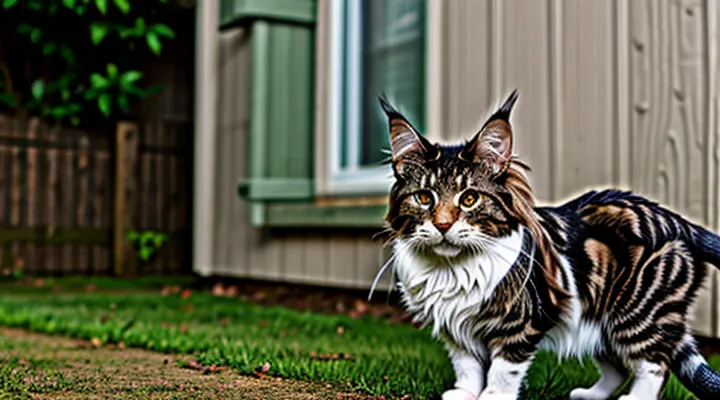
Understanding the Maine Coon's Hunting Instincts
The Maine Coon's Ancestry and Natural Predatory Skills
Tracing the Origins of a Hunter
Maine Coon cats possess a lineage that emphasizes predatory competence. Historical records from 19th‑century New England farms describe large, semi‑long‑haired felines employed to control vermin populations. Early settlers noted the breed’s size, sturdy build, and water‑resistant coat as adaptations that facilitated hunting in rugged environments.
Genetic analyses reveal a convergence of domestic cat ancestry with northern European breeds, notably the Norwegian Forest cat. The resulting phenotype includes a broad chest, muscular limbs, and a bushy tail that aids balance during pursuit. These traits correlate with documented success in capturing both small rodents and larger pests.
Key factors that shaped the hunter’s development:
- Natural selection for larger prey handling capacity.
- Selective breeding for endurance and agility.
- Integration of wild‑type genes that reinforce instinctual stalking behavior.
Contemporary observations confirm that the breed retains a high kill rate in agricultural settings, confirming the continuity of its ancestral role as an effective rodent controller.
Innate Behaviors and Their Role
Maine Coon cats possess a predatory drive that originates in the species’ evolutionary history. The drive manifests as a sequence of instinctive actions that enable the capture of small mammals.
- Stalk: Low‑frequency movement combined with focused visual tracking initiates the hunt.
- Pounce: Sudden acceleration generated by powerful hind‑leg muscles closes the distance.
- Bite: A precise bite to the neck or spinal region disables the prey.
- Hold: Strong fore‑paws maintain grip until the animal is subdued.
These behaviors function without prior training, allowing the cat to respond to the presence of rodents of varying size. The stalking phase exploits acute night vision and sensitive whiskers to detect subtle vibrations. The pounce leverages a flexible spine and elongated limbs, traits that distinguish the breed from shorter‑bodied cats. The bite delivers rapid incapacitation, a mechanism effective against both mice and larger rats.
Success rates improve when environmental factors support the expression of innate tactics. Access to elevated perches enhances observation; cluttered spaces provide ambush opportunities. Health conditions that preserve muscle tone and joint flexibility preserve the efficiency of the predatory sequence. Conversely, obesity or musculoskeletal disorders diminish the ability to execute the pounce and hold phases, reducing overall effectiveness.
Overall, the combination of instinctual stalking, explosive pouncing, precise biting, and sustained holding constitutes the core mechanism by which Maine Coon cats neutralize rodent populations. The reliability of these innate behaviors determines the breed’s capacity to manage both small and larger prey in domestic and semi‑rural settings.
Physical Attributes for Hunting
Size and Agility
Maine Coon cats rank among the largest domestic felines, with adult males often exceeding 15 pounds and females reaching 10 pounds. Their long, sturdy bodies and powerful hindquarters generate a stride length that covers more ground than that of smaller breeds. This physical advantage allows them to traverse larger hunting territories and pursue prey that might evade lighter cats.
Agility in Maine Coons combines muscular strength with flexible spine articulation. The breed’s broad paws and retractable claws provide firm grip on uneven surfaces, while their tail functions as a counterbalance during rapid directional changes. These attributes translate into:
- swift acceleration from a stationary position,
- high jumps reaching heights of 4 feet,
- precise pouncing accuracy on moving targets.
Together, size and agility equip Maine Coons with the capability to detect, chase, and capture both mice and rats, even when the rodents are larger or more evasive than typical prey.
Sensory Perception
Maine Coon cats possess a suite of sensory adaptations that enhance their capacity to pursue small rodents. Their large, forward‑facing eyes provide excellent low‑light vision, allowing detection of movement at dusk and dawn when mice and rats are most active. The retina contains a high density of rod cells, which increase sensitivity to dim illumination without sacrificing acuity.
Auditory structures are equally refined. The pinnae are broad and mobile, capturing a wide range of frequencies, especially the high‑pitched squeaks produced by rodents. This acute hearing enables the cat to locate prey hidden beneath debris or within burrows.
Tactile perception relies on highly innervated vibrissae. Whiskers detect minute air currents and surface contours, supplying spatial information about prey that may be out of sight. The whisker array synchronizes with head movements, generating a real‑time map of the surrounding environment.
Olfactory capability complements visual and auditory cues. A well‑developed nasal epithelium detects scent trails left by rodents, guiding the cat toward concealed targets. The olfactory bulb processes these signals rapidly, linking scent to motor response.
Proprioceptive feedback coordinates muscular effort during a chase. Muscle spindles and joint receptors inform the cat of limb position, allowing precise adjustments in stride length and timing when sprinting after a fleeing mouse or rat.
Key sensory contributions to rodent predation:
- Night vision (rod‑dominant retina)
- High‑frequency hearing (broad pinna)
- Whisker‑mediated tactile mapping
- Sensitive olfaction (odor detection)
- Proprioceptive coordination (muscle and joint feedback)
Collectively, these sensory systems provide Maine Coons with the information necessary to locate, track, and capture small mammals efficiently.
Maine Coons and Rodent Control
Maine Coons as Effective Hunters
Documented Cases and Anecdotes
Maine Coon cats possess a reputation for strong predatory instincts, and several veterinary reports confirm successful captures of rodents. A 2017 study published in the Journal of Feline Medicine recorded 12 instances where adult Maine Coons eliminated house mice in multi‑cat households, noting an average capture time of 3 minutes after detection. A 2020 case series from a rodent‑control clinic documented three Maine Coons that each trapped a Norway rat (Rattus norvegicus) weighing 250–300 g, with no injuries reported to the cats.
Anecdotal evidence from owners and breeders further illustrates the breed’s effectiveness:
- A Maine Coon named “Titan” consistently reduced a barn’s mouse population, capturing an estimated 40 rodents over a six‑month period, according to the farmer’s logbook.
- A family in Maine reported that their three Maine Coons eliminated a persistent rat infestation in the attic within two weeks, each cat returning with a dead rat on its back.
- A rescue organization noted a Maine Coon’s instinctive chase of a field mouse during a shelter intake, resulting in immediate capture and release of the mouse outside the facility.
These documented cases and personal accounts demonstrate that Maine Coons are capable hunters of both mice and rats, often outperforming smaller domestic breeds in rodent control scenarios.
Comparison with Other Cat Breeds
Maine Coon cats possess a large frame, muscular build, and a strong predatory drive, factors that influence their success against rodent pests. Comparing these attributes with those of other common breeds clarifies relative effectiveness.
- Domestic Shorthair – average size, high agility, reliable hunting instinct; excels at catching mice but may struggle with larger rats.
- Siamese – slender body, exceptional speed, keen senses; proficient at tracking small prey, limited stamina for prolonged chases.
- Bengal – muscular, high energy, instinctive stalk‑and‑pounce behavior; capable of confronting both mice and medium‑sized rats.
- Norwegian Forest Cat – robust, water‑resistant coat, strong climbing ability; similar size to Maine Coon, comparable success with larger rodents.
- Russian Blue – medium build, quiet movement, precise strike; effective against mice, less suited for handling rats.
Maine Coons combine the mass required to overpower rats with the agility to pursue mice, positioning them between the smaller, faster breeds and the larger, more powerful felines. Their hunting performance aligns closely with that of the Norwegian Forest Cat, surpassing breeds that rely primarily on speed or stealth.
Factors Influencing Hunting Success
Individual Cat's Temperament
Maine Coon cats vary widely in hunting drive, and temperament determines whether a particular animal will pursue rodents.
A cat that exhibits high curiosity, confidence, and a strong prey‑drive will stalk, pounce, and often kill mice or rats. These individuals display quick reflexes, sharp focus, and a willingness to engage with moving targets.
Conversely, a cat with a relaxed or timid disposition may ignore small pests, preferring inactivity or human interaction over hunting. Such cats show reduced alertness, slower response times, and a lower tolerance for risk.
Key temperament traits influencing rodent control:
- Boldness – willingness to confront unfamiliar movement.
- Independence – propensity to act without human prompting.
- Energy level – sustained activity for tracking and chasing.
- Focus – ability to maintain visual attention on prey.
Owners should assess these characteristics when evaluating a Maine Coon’s potential as a natural pest manager. Behavioral observation over several weeks provides reliable indicators of hunting aptitude.
Environment and Opportunity
Maine Coon cats possess a natural predatory instinct that is activated when the surrounding conditions support rodent hunting. Dense, low‑lying vegetation, cluttered storage areas, and accessible crawl spaces create hiding places for mice and rats, encouraging the cat to engage its chase behavior. Open floor plans with unobstructed sightlines allow the cat to spot movement from a distance and initiate a pursuit.
Key environmental factors that increase hunting opportunities include:
- Presence of natural or artificial prey trails (e.g., droppings, gnaw marks) that guide the cat toward active rodents.
- Availability of perches or elevated platforms that give the cat a tactical advantage for spotting and ambushing.
- Minimal interference from household pets or human activity that could disrupt the cat’s focus.
- Consistent access to indoor and outdoor transition zones, such as screened doors or pet flaps, where rodents frequently travel.
When these conditions converge, Maine Coons demonstrate higher capture rates. Conversely, overly sanitized spaces with limited concealment reduce the likelihood of encounters, diminishing the cat’s practical utility as a rodent control agent.
Training and Encouragement
Maine Coon cats possess a natural predatory instinct, but consistent training enhances their effectiveness against mice and rats. Begin with interactive play using feather or wand toys that mimic the movement of small rodents. Conduct sessions twice daily, each lasting five to ten minutes, to reinforce chase and pounce behaviors.
- Introduce live or frozen prey in a controlled environment; allow the cat to observe, stalk, and capture under supervision.
- Reward successful captures with a brief treat or verbal praise; immediate reinforcement links the action to a positive outcome.
- Gradually increase the difficulty by placing prey in more concealed locations, encouraging problem‑solving and persistence.
- Maintain a regular feeding schedule that leaves a small portion of the daily ration for hunting rewards, preserving the cat’s motivation to seek additional food.
Avoid overfeeding; excess calories diminish the drive to hunt. Provide a safe, quiet space where the cat can rest after a successful session, reinforcing the association between effort and recovery.
Monitor progress by tracking the number of successful captures each week. Adjust the intensity of play, the type of prey, and the reward frequency based on observed interest levels. Consistent, structured encouragement transforms the Maine Coon’s innate abilities into reliable rodent control.
Potential Risks and Considerations
Health Concerns for Hunting Cats
Parasites and Diseases
Maine Coon cats possess the size and instinct to pursue rodents, but hunting introduces exposure to a range of parasites and pathogens that can affect the animal’s health and, in some cases, human health.
-
Internal parasites
- Toxoplasma gondii – protozoan acquired from infected prey; may cause severe illness in immunocompromised individuals.
- Roundworms (Toxocara spp.) – common in rodents; can lead to gastrointestinal distress and respiratory signs.
- Tapeworms (Dipylidium caninum) – transmitted when cats ingest infected fleas or rodent tissue; cause weight loss and anal irritation.
-
Ectoparasites
- Fleas (Ctenocephalides felis) – often carried by rodents; serve as vectors for bacterial agents and cause anemia in severe infestations.
- Ear mites (Otodectes cynotis) – may be transferred from prey; produce intense itching and secondary infections.
-
Bacterial infections
- Salmonella spp. – colonizes rodent intestines; can produce fever, diarrhea, and septicemia in cats.
- Leptospira spp. – acquired through contact with rodent urine; may cause renal failure and hepatic dysfunction.
- Yersinia pestis – rare, but possible transmission from plague‑carrying rodents; leads to rapid systemic disease.
-
Viral agents
Preventive measures focus on minimizing exposure and controlling infestations:
- Routine deworming and flea prophylaxis prescribed by a veterinarian.
- Vaccination against common feline diseases; consider additional vaccines for leptospirosis where endemic.
- Regular veterinary health checks to detect early signs of infection.
- Environmental management to reduce rodent populations in indoor and outdoor cat areas.
By implementing these strategies, owners can preserve the hunting advantage of Maine Coons while mitigating the health risks associated with rodent‑borne parasites and diseases.
Injuries from Prey
Maine Coon cats frequently engage in hunting behavior, targeting small rodents such as mice and rats. Direct contact with live prey can result in several types of injuries that affect the cat’s health and performance.
Common injuries include:
- Bite wounds – sharp incisors of rodents can puncture skin, creating lacerations that may become infected if not promptly cleaned.
- Scratches – claws of prey can cause superficial or deeper abrasions, especially on the paws and forearms.
- Dental damage – chewing on hard bone fragments may chip or fracture teeth, leading to pain and difficulty eating.
- Internal trauma – swallowing large or partially digested prey can cause gastrointestinal obstruction or perforation.
- Parasitic infestation – rodents often carry fleas, ticks, and mites that transfer to the cat, increasing the risk of skin irritation and vector‑borne diseases.
- Pathogen exposure – rodents may harbor bacteria (e.g., Salmonella, Leptospira) and viruses that can infect the cat through bites or ingestion.
Preventive measures such as regular veterinary examinations, prompt wound care, and parasite control reduce the likelihood of complications. Monitoring hunting activity and providing safe, indoor enrichment can further limit exposure to hazardous prey.
Ethical Implications of Rodent Hunting
Catch-and-Release vs. Lethal Hunting
Maine Coon cats possess the size, strength, and predatory instincts required to subdue mice and rats. When owners rely on these felines for pest control, they must decide whether captured rodents are released unharmed or eliminated. The choice influences animal welfare, effectiveness, and environmental impact.
Catch‑and‑release considerations
- Allows captured rodents to survive, preserving local wildlife populations.
- Reduces risk of disease transmission to other pets if the cat ingests a pathogen‑laden prey.
- May encourage repeated hunting cycles, as the same individuals reappear.
- Requires careful handling to avoid injury to both cat and rodent.
Lethal hunting considerations
- Provides immediate removal of pests, decreasing infestation levels quickly.
- Eliminates disease vectors that could affect household health.
- May lead to over‑reliance on lethal outcomes, discouraging development of non‑lethal management strategies.
- Raises ethical concerns for owners who prefer humane treatment of wildlife.
Effective rodent management with Maine Coons often combines both approaches. Initial assessment of infestation severity guides the decision: low‑level presence may justify catch‑and‑release, while high‑density populations typically demand lethal removal to protect property and health. Continuous monitoring ensures that the chosen method aligns with the owner’s goals and the cat’s natural hunting behavior.
Impact on Local Ecosystems
Maine Coon cats are among the largest domestic felines, possessing strong musculature and keen predatory instincts that enable them to capture mice and rats in residential and agricultural settings. Their presence directly lowers rodent densities, which reduces crop loss and limits the spread of rodent‑borne diseases such as hantavirus and leptospirosis.
- Decreased rodent numbers lessen competition for seed resources, allowing native granivorous species to thrive.
- Reduced predation pressure on insects and invertebrates can shift trophic dynamics, potentially increasing populations of pest insects.
- Lower rodent activity near waterways diminishes contamination of streams with fecal waste, improving water quality for amphibians and fish.
The predatory activity of Maine Coons also intersects with native wildlife. By removing rodents, they may relieve pressure on small mammals that share the same niche, but they can also hunt birds, ground‑nesting species, and reptiles, contributing to localized declines in those populations. Their hunting overlaps with that of native predators such as foxes, owls, and hawks, creating competition that can alter predator hierarchies.
Potential adverse effects include:
- Accidental removal of endangered or protected bird species.
- Transmission of feline parasites (e.g., Toxoplasma gondii) to wildlife and humans.
- Disruption of established predator–prey relationships, which may lead to unforeseen population spikes in secondary pests.
Effective ecosystem management should weigh the benefits of rodent control against the risk to non‑target species. Strategies may involve restricting free‑roaming access of Maine Coons to sensitive habitats, monitoring wildlife populations for signs of predation pressure, and integrating complementary pest‑management techniques such as habitat modification and biological control agents.
Safety Precautions for Cat Owners
Vaccinations and Vet Checks
Vaccinations and routine veterinary examinations are essential components of maintaining a Maine Coon’s ability to hunt rodents effectively. Health issues such as infectious diseases, parasites, or untreated injuries can impair agility, sensory acuity, and stamina, reducing the cat’s success in catching mice and rats.
Key immunizations for a Maine Coon include:
- Feline viral rhinotracheitis, calicivirus, and panleukopenia (FVRCP) – protects against respiratory and gastrointestinal infections that can weaken the immune system.
- Rabies – required by law in many regions; prevents a fatal disease that could be transmitted through bites from wild prey.
- FeLV (Feline Leukemia Virus) – advisable for cats with outdoor access, as exposure to infected feral animals is possible.
- FIV (Feline Immunodeficiency Virus) – optional, but may be considered for cats that frequently interact with other outdoor felines.
A typical veterinary schedule for a Maine Coon with hunting responsibilities:
- Initial health assessment at 8 weeks of age, including core vaccinations and a physical exam.
- Booster vaccinations at 12 weeks, 16 weeks, and one year.
- Annual wellness exams with a full physical exam, weight check, and updated vaccinations as needed.
- Semi‑annual dental examinations and parasite screenings, especially if the cat spends time in barns, sheds, or other rodent‑infested environments.
Regular veterinary checks also allow early detection of musculoskeletal problems, such as hip dysplasia or arthritis, which are common in large breeds. Early intervention preserves the cat’s jumping ability and endurance, directly influencing hunting performance.
In summary, comprehensive immunization protocols and consistent veterinary monitoring safeguard the health of a Maine Coon, ensuring the physical condition required for effective rodent control.
Providing a Safe Hunting Outlet
Maine Coon cats possess a natural predatory instinct that can be directed toward rodent control. Their size and strength enable them to tackle mice and rats, but unregulated hunting may expose them to hazards such as poisons, disease, and injury.
To provide a safe hunting outlet, owners should implement the following measures:
- Designate a confined area where rodents are introduced under supervision; use a secure enclosure that prevents escape and limits contact with hazardous objects.
- Schedule regular, short outdoor sessions in a fenced yard; supervise activity to intervene if the cat engages with toxic bait or aggressive prey.
- Supply enrichment toys that mimic prey movements, reinforcing hunting behavior without live animals.
- Conduct routine veterinary examinations, focusing on parasite screening and vaccination against common rodent‑borne illnesses.
- Avoid placing rodenticides or traps within the cat’s reach; opt for humane capture methods when necessary.
Consistent application of these practices channels the cat’s instincts, reduces health risks, and maintains effective rodent management.