
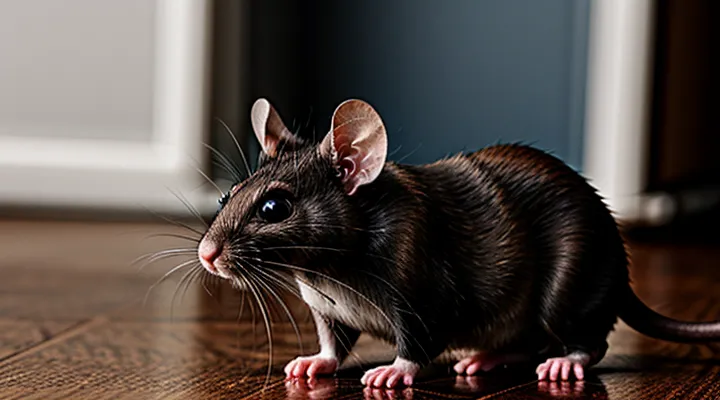
Understanding Fancy Rat Behavior
Natural Instincts and Defense Mechanisms
Fancy rats retain many of the wild mouse’s innate behaviors, even after generations of selective breeding for companionship. Their natural drive to explore, forage, and establish a personal space persists, shaping how they interact with humans.
Key defensive strategies include:
- Freezing – the animal remains motionless when startled, hoping to avoid detection.
- Fleeing – rapid movement toward an escape route, often under a piece of furniture or a cage corner.
- Warning bite – a brief, sharp nip delivered when retreat is impossible or when the rat perceives an immediate threat.
A bite typically follows a sequence: perception of danger → attempt to escape → escalation to a defensive bite if escape fails. This pattern reflects the animal’s hierarchy of responses, where biting is the final option.
Factors that increase the likelihood of a defensive bite:
- Sudden, unpredictable handling.
- Exposure to painful stimuli such as rough grooming or improper restraint.
- Lack of habituation to human presence, especially in rats raised without regular contact.
- Illness or injury that elevates irritability.
Mitigation relies on reinforcing the rat’s sense of safety:
- Introduce handling gradually, allowing the rat to approach the hand voluntarily.
- Provide consistent, gentle interaction to build trust.
- Monitor health regularly; address pain or discomfort promptly.
- Offer hiding places and escape routes within the enclosure to reduce chronic stress.
Understanding these instinctive defenses clarifies why a fancy rat may bite under specific conditions and guides owners in preventing such incidents.
Socialization and Temperament
Fancy rats vary in bite risk according to social experiences and innate temperament. Early handling reduces fear responses; pups handled daily from two weeks of age typically display gentle mouthing and accept human contact without aggression. Consistent, calm interaction teaches the rat that humans are non‑threatening, lowering the likelihood of defensive bites.
Temperament is partly hereditary. Breeds such as the Rex, Dumbo, and Standard Fancy often inherit a calm disposition, while some lines exhibit heightened skittishness. A rat that remains alert, retreats quickly, or shows rapid tail flicking signals a predisposition toward defensive biting when startled.
Key factors influencing bite propensity:
- Frequency of positive contact – regular, brief sessions build trust.
- Environment stability – minimal loud noises and sudden movements prevent stress‑induced aggression.
- Individual personality – observe each rat’s reaction to handling; temperament cannot be generalized across an entire cage.
- Health status – pain or illness can trigger unexpected bites regardless of socialization level.
Proper socialization combined with awareness of each rat’s temperament provides the most reliable method for predicting and preventing bites. Rats that are well‑socialized and possess a naturally calm temperament rarely bite, while poorly socialized or inherently nervous individuals may bite when threatened.
Why a Fancy Rat Might Bite
Fear or Stress Reactions
New Environments and Strangers
Fancy rats, also known as domesticated pet rats, display distinct reactions when placed in unfamiliar settings or introduced to unknown individuals. Their bite risk depends on several measurable factors.
In a novel environment, rats experience heightened sensory input. Elevated cortisol levels may cause defensive behavior. Indicators of potential aggression include:
- Rapid, erratic movement
- Stiffened posture
- Ears flattened against the head
- Teeth bared or clicking
When encountering a stranger, rats assess threat through scent, tone, and handling technique. A calm, slow approach reduces the likelihood of a nip. Direct, abrupt gestures often trigger a bite response.
Preventive measures focus on gradual exposure and consistent handling:
- Allow the rat to explore a clean, secure enclosure before human contact.
- Introduce the handler’s scent on a cloth placed in the cage for several days.
- Offer treats while the handler’s hand remains still, reinforcing a positive association.
- Increase interaction time incrementally, monitoring the animal’s body language.
If a bite occurs, immediate steps include cleaning the wound with mild antiseptic, applying pressure to stop bleeding, and seeking veterinary advice if symptoms worsen. Regular socialization and environmental enrichment lower stress, thereby decreasing bite incidents in new contexts.
Loud Noises or Sudden Movements
Fancy rats may respond to abrupt auditory or visual stimuli with defensive behavior. When exposed to sudden loud sounds, the animal’s startle reflex activates, increasing heart rate and releasing adrenaline. This physiological surge can prompt a quick bite if the rat perceives the source as a threat, especially if the noise occurs while the rat is handling or feeding.
Similarly, rapid movements within the rat’s field of vision trigger the same defensive circuitry. A swift hand motion, sudden approach, or unexpected shift in the environment can cause the rat to freeze, then lash out with a bite to protect itself. The likelihood of biting rises when the animal lacks a clear escape route or feels cornered.
Key factors influencing bite risk in these scenarios:
- Intensity of the sound (decibel level above 70 dB commonly elicits startle)
- Proximity of the movement (close range reduces reaction time)
- Prior handling experience (rats accustomed to gentle, predictable handling show lower bite incidence)
- Individual temperament (some rats exhibit higher baseline aggression)
Minimizing abrupt noises and smooth, deliberate motions reduces defensive biting in fancy rats. Consistent, calm interaction builds confidence and lowers the probability of a bite response.
Pain or Discomfort
Illness or Injury
Fancy rats are capable of delivering bites that may cause medical concerns. A bite can produce a puncture wound, bleeding, and tissue damage that requires prompt cleaning to prevent infection. Immediate irrigation with sterile saline, followed by antiseptic application, reduces bacterial colonization. If the wound is deep or shows signs of infection, professional medical evaluation is advisable.
Potential health risks associated with rat bites include:
- Bacterial infections – Streptobacillus moniliformis (rat‑bite fever) and Pasteurella species can cause fever, joint pain, and systemic illness.
- Staphylococcus aureus – may lead to cellulitis or abscess formation.
- Rat‑associated parasites – rare transmission of mites or fleas can occur if the animal carries ectoparasites.
Preventive measures focus on proper handling techniques, regular health checks of the pet, and maintaining clean living conditions. Vaccination status of the rat is irrelevant to bite‑related disease; however, ensuring the animal is free from overt illness minimizes the risk of pathogen transmission. If a bite occurs, document the incident, monitor for fever or swelling, and seek medical care without delay.
Rough Handling
Rough handling refers to applying excessive force, abrupt motions, or unpredictable grips when interacting with pet rats that have been selectively bred for appearance. Such treatment elevates cortisol levels, triggers a fight‑or‑flight response, and reduces the animal’s tolerance for close contact.
When a rat perceives a threat from sudden pressure on its body, it may deliver a defensive bite to protect vulnerable areas such as the head and neck. The bite is a reflexive response, not a sign of aggression inherent to the species, and it occurs more frequently under conditions of stress, pain, or perceived entrapment.
Preventive measures focus on minimizing stressors that provoke defensive biting:
- Approach the animal calmly, allowing it to see the hand before contact.
- Support the body evenly, avoiding pressure on the limbs or tail.
- Limit handling sessions to short intervals until the rat exhibits relaxed behavior.
- Observe body language—flattened ears, rigid posture, or rapid breathing indicate imminent bite risk.
Consistent gentle handling builds trust, reduces the likelihood of defensive bites, and promotes a cooperative relationship between caretaker and ornamental rat.
Hormonal Changes
Hormonal fluctuations significantly influence the likelihood of a pet rat displaying aggressive biting. Elevated testosterone levels, which rise during the breeding season, increase territorial and dominance behaviors. In male rats, testosterone peaks correspond with heightened aggression toward unfamiliar handlers or conspecifics, raising the probability of a bite.
Stress‑induced cortisol surges also affect bite risk. Acute stress triggers cortisol release, sharpening reflexes and promoting defensive actions. Rats experiencing sudden environmental changes—new cages, handling techniques, or exposure to predators—exhibit higher cortisol, which can manifest as sudden nips.
Key hormonal factors:
- Testosterone: amplifies dominance and territorial aggression, especially in intact males.
- Estrogen: modulates social tolerance; estrus cycles may temporarily reduce aggression in females.
- Cortisol: escalates defensive biting under stress or perceived threat.
- Oxytocin: promotes bonding and reduces aggression when consistently administered or naturally elevated through gentle handling.
Managing these hormonal influences—maintaining stable environments, limiting breeding cycles, and using gentle, predictable handling—reduces the incidence of biting in fancy rats.
Resource Guarding
Food
Fancy rats, commonly kept as pets, require a balanced diet to maintain health and reduce aggression. Nutritional adequacy supports proper dental wear, preventing overgrown incisors that can cause discomfort and increase the likelihood of defensive biting. A diet lacking essential nutrients may lead to stress, which can manifest as biting behavior.
Recommended food items include:
- Commercially formulated rat pellets, providing consistent protein, fat, and fiber ratios.
- Fresh vegetables such as broccoli, kale, and carrots, offering vitamins and minerals.
- Limited fruit portions (e.g., apple, berries) for natural sugars, administered sparingly to avoid obesity.
- Small amounts of protein sources like cooked egg, lean meat, or mealworms, introduced gradually.
Feeding schedule influences temperament. Offering food at regular intervals establishes routine, reducing uncertainty that can trigger defensive aggression. Clean water must be available at all times; dehydration can cause irritability and increase the risk of bites. Monitoring intake and adjusting portions according to weight and activity level ensures optimal health and minimizes undesirable biting.
Nesting Material
Nesting material provides a secure environment for fancy rats, allowing them to build burrows, regulate temperature, and exhibit natural grooming behavior.
When suitable material is scarce, rats experience heightened stress, which can manifest as defensive biting. Access to soft, absorbent fibers reduces anxiety and discourages aggressive responses.
To minimize bite incidents, furnish cages with the following options:
- Untreated cotton batting, shredded into small strips
- Paper-based nest pads, free of inks or fragrances
- Unbleached wood shavings, finely milled for gentle texture
- Hemp or linen fibers, cut into bite‑size pieces
Maintain cleanliness by replacing soiled material weekly and inspecting for mold or sharp edges that could provoke irritation. Regular renewal sustains comfort, supporting calm behavior and decreasing the likelihood of biting.
Accidental Nips
Exploring with the Mouth
Fancy rats possess incisors that continuously grow, requiring constant gnawing to maintain proper length. When a rat's teeth become misaligned or overgrown, the animal may experience discomfort, increasing the likelihood of a defensive bite. Proper diet, chew toys, and regular veterinary checks keep dental health optimal and reduce aggression.
Factors influencing bite risk include:
- Socialization – early, gentle handling builds trust and lowers defensive responses.
- Environment – cramped cages or sudden changes provoke stress, which can trigger biting.
- Health status – pain from dental problems, injuries, or illness often manifests as a bite.
- Individual temperament – genetics and personality vary; some rats are naturally more cautious.
Preventive measures focus on mouth health and behavioral conditioning. Provide safe chew items such as wooden blocks, mineral chews, or untreated apple branches. Observe signs of dental wear: uneven chewing, drooling, or reluctance to eat, and seek veterinary care promptly. Gradual acclimation to human contact, using treats and slow movements, reinforces positive associations and diminishes the chance of a bite.
In summary, the presence of a functional, well‑maintained mouth does not inherently predispose ornamental rats to bite. Bite incidents arise primarily from discomfort, fear, or inadequate handling. Maintaining dental health and fostering trust are essential to prevent unwanted mouth‑related behavior.
Mistaking Fingers for Food
Pet rats often explore with their mouths, especially when they associate a hand with treats. When a hand moves slowly or presents a warm, soft surface, the rat may interpret it as a food item and nibble. This behavior arises from the animal’s natural foraging instincts combined with learned feeding routines.
Signs that a rat is treating a finger as food include rapid chewing motions, a focused stare on the digit, and a lack of warning vocalizations. The bite is typically gentle, resembling a nibble, but can still cause puncture wounds or skin irritation.
Preventive actions:
- Offer food from a designated dish rather than directly from the hand.
- Keep fingers still and away from the rat’s mouth during handling.
- Train the rat to accept treats from a spoon or tweezers, reducing direct contact.
- Observe the rat’s body language; retreat when ears flatten or whiskers twitch.
If a bite occurs, wash the area with soap and water, apply an antiseptic, and monitor for infection. Seek veterinary advice if redness, swelling, or pain increases.
Preventing Bites
Proper Handling Techniques
Approaching a Rat
Pet owners often ask whether decorative rats are capable of biting. The answer depends on the animal’s perception of threat and the manner in which humans initiate contact.
Rats display specific signals before a bite. Flattened ears, rigid posture, rapid breathing, and a direct stare indicate heightened alertness. A sudden movement toward the animal can trigger a defensive response. Conversely, a relaxed body, slow blinking, and a gentle scent suggest willingness to interact.
Guidelines for safe approach:
- Move slowly, avoiding abrupt gestures.
- Extend a hand palm‑up, allowing the rat to sniff before contact.
- Offer a treat to create a positive association.
- Keep fingers together; avoid exposing nails or sharp objects.
- Observe the rat’s posture; pause if tension appears.
Consistent, calm handling reduces the likelihood of a bite. Proper exposure to human presence from an early age further diminishes defensive behavior.
Holding and Supporting
When handling ornamental rats, the risk of a bite depends largely on how the animal is held and supported. Proper grip minimizes defensive reactions and promotes trust.
- Position the rat upright, with its back against your palm and fingers gently cradling the hindquarters. This distributes weight evenly and prevents the animal from feeling trapped.
- Use the thumb and forefinger to steady the neck area without applying pressure to the throat. A secure yet relaxed hold discourages sudden lunges.
- Keep the rat’s claws and teeth away from exposed skin by maintaining a slight distance between its mouth and your hand. If the rat attempts to bite, a firm but calm repositioning of the grip redirects its focus.
- Support the tail lightly; excessive tension can signal danger and trigger a bite response.
Consistent, gentle handling conditions the rat to associate human contact with safety, reducing aggression. Even the most decorative breeds will bite if they perceive instability or restraint, making correct holding technique essential for safe interaction.
Building Trust and Bonding
Regular Interaction
Regular interaction with domesticated fancy rats shapes their biting behavior. Frequent, gentle handling teaches the animals to associate human contact with safety, reducing defensive bites. Consistency in routine—daily sessions of a few minutes, calm voice, and steady pressure—creates predictable expectations for the rat, which in turn lowers stress‑induced aggression.
Key factors influencing bite risk during everyday contact:
- Socialization age: rats handled before four weeks exhibit fewer bites.
- Handling technique: supporting the torso, avoiding sudden movements, and keeping claws away from the face prevent reflexive nipping.
- Environmental stability: quiet surroundings and a stable cage layout reduce anxiety that can trigger biting.
- Health status: dental problems or illness increase irritability; regular veterinary checks are essential.
Even well‑socialized fancy rats may bite if threatened or overstimulated. Recognizing warning signs—raised fur, rapid breathing, stiff posture—allows owners to pause interaction before a bite occurs. Maintaining a calm, predictable environment and applying proper handling methods keep bite incidents rare during routine engagement.
Positive Reinforcement
Positive reinforcement reduces the likelihood of bite incidents in decorative rats. When a rat receives a reward—such as a treat or gentle petting—for calm behavior, the animal learns to associate that behavior with a pleasant outcome. Repeated reinforcement strengthens the desired response, making aggressive or nipping actions less frequent.
Key elements of an effective reinforcement program:
- Provide immediate, high‑value rewards following non‑aggressive behavior.
- Keep training sessions short (5–10 minutes) to maintain focus.
- Use consistent cues (verbal or tactile) to signal the expected behavior.
- Gradually increase exposure to potential stressors (handling, new environments) while maintaining rewards.
Applying these principles creates a predictable environment where the rat understands that biting does not yield benefits. Over time, the animal’s motivation shifts toward cooperation, decreasing bite risk without resorting to punishment.
Creating a Safe Environment
Appropriate Cage Size and Enrichment
Adequate space reduces stress, a common trigger for defensive bites in fancy rats. A minimum floor area of 2 sq ft per pair of rats, with a height of at least 12 in, provides sufficient room for movement, nesting, and exploration. Larger enclosures—up to 4 sq ft for three or more rats—further diminish crowding and promote calm behavior.
Enrichment items must be safe, durable, and varied. Recommended components include:
- Multi‑level platforms or ramps to encourage climbing
- Hideaways such as PVC tubes, wooden houses, or ceramic caves
- Chewable objects like untreated wood blocks, cardboard, and natural mineral chews
- Foraging opportunities using shallow trays filled with shredded paper, oats, or vegetable bits
Regular rotation of these elements prevents habituation, sustaining mental stimulation. Replace worn or soiled items promptly to avoid injuries that could provoke aggression.
Cleaning routines influence bite risk as well. Spot‑clean daily, remove waste, and perform a thorough cage wash weekly with mild, unscented detergent. Ensure all surfaces are dry before re‑introducing enrichment to avoid slippery footing.
Monitoring cage conditions and enrichment usage allows early detection of stress signals—excessive grooming, reduced activity, or repeated biting. Adjust space, add new toys, or reconfigure the layout accordingly to maintain a secure, content environment for the rats.
Minimizing Stressors
Understanding bite risk in fancy rats requires attention to stress reduction. Stress triggers defensive behavior, increasing the probability of a bite. Managing environmental and handling factors directly influences the animal’s temperament.
Effective stress minimization includes:
- Providing a spacious cage with multiple levels and enrichment items.
- Maintaining a consistent temperature of 65‑75 °F (18‑24 °C) and humidity of 40‑60 %.
- Offering a regular schedule for feeding, cleaning, and interaction.
- Limiting sudden noises, bright lights, and rapid movements near the cage.
- Ensuring gradual introduction of new objects or companions.
When handling, adopt a calm approach. Approach the rat from the side, allow it to sniff your hand, and support its body fully. Avoid gripping, pulling, or restraining the neck. Short, positive sessions build trust and lower anxiety, thereby reducing bite incidents.
Recognizing Warning Signs
Piloerection
Piloerection, the involuntary erection of hair follicles, occurs when sympathetic nerves stimulate tiny muscles attached to each hair. In rats, the response is rapid, visible as a raised, bristled coat along the back and tail.
When a rat’s fur stands on end, the nervous system signals heightened arousal. This physiological state often coincides with defensive or territorial behavior, which can precede a bite. The same neural pathways that trigger piloerection also activate jaw muscles, increasing the likelihood of a snap.
Observable indicators of potential biting include:
- Bristled fur along the spine and tail
- Rigid posture with elevated shoulders
- Direct, unblinking stare at the perceived threat
- Rapid, shallow breathing
Owners should interpret these signs as a warning. Preventive actions consist of:
- Avoiding sudden movements near the animal
- Offering a secure escape route rather than confinement
- Reducing stressors such as loud noises or unfamiliar handling
Recognizing piloerection as a reliable predictor enables more accurate assessment of bite risk in domesticated rats.
Hissing or Squeaking
Fancy rats often communicate discomfort through vocalizations. A sharp hiss indicates heightened agitation and a readiness to defend, which frequently precedes a bite. The sound is produced by forcing air through the throat, creating a harsh, low‑frequency noise that alerts handlers to potential aggression.
A high‑pitched squeak conveys a different state. Rapid, repetitive squeaking usually reflects excitement, curiosity, or mild stress rather than an intent to bite. While the noise can be startling, it does not automatically signal a threat.
Key auditory cues to assess bite risk:
- Hissing: sudden, sustained, low tone; accompanied by bristled fur, flattened ears, and a defensive posture.
- Squeaking: short, repetitive, high tone; often paired with exploratory behavior, tail flicking, and relaxed body language.
Observing the combination of sound and body language provides reliable insight into whether a fancy rat is likely to bite.
Tail Wagging
Tail wagging in domesticated rats is a communicative gesture that conveys emotional state. When a rat moves its tail side‑to‑side in a relaxed, rhythmic pattern, the animal is typically calm or content. A rapid, stiff wag combined with elevated posture often signals heightened arousal, which may precede defensive actions.
Observations linking tail movement to bite risk include:
- Slow, loose wagging: low likelihood of biting; indicates curiosity or comfort.
- Quick, jerky wagging: moderate likelihood; suggests agitation or uncertainty.
- Tail flicks accompanied by teeth baring or lunging: high likelihood; denotes imminent defensive bite.
Veterinary studies show that bite incidents are rarely caused by tail wagging alone. Instead, tail behavior serves as an early warning sign that the rat perceives a threat or is experiencing stress. Handlers who recognize the transition from relaxed to tense tail motion can intervene—by reducing stimuli, offering a retreat route, or pausing interaction—to prevent escalation.
Therefore, tail wagging provides a reliable, observable cue for assessing the probability of a bite from a pet rat. Accurate interpretation of this cue enables owners to manage interactions safely and minimize defensive biting.
What to Do if Bitten
First Aid Measures
Cleaning the Wound
When a decorative rat delivers a bite, immediate wound care reduces infection risk. Rinse the area with clean, running water for at least 30 seconds to remove saliva and debris. Apply mild antiseptic solution—such as povidone‑iodine or chlorhexidine—using a sterile gauze pad. Pat the site dry with a clean towel; avoid rubbing, which can damage tissue.
- Inspect the wound for depth, swelling, or puncture marks.
- If bleeding persists after gentle pressure, elevate the limb and maintain pressure for several minutes.
- Cover the cleaned wound with a sterile, non‑adhesive dressing.
- Change the dressing daily or whenever it becomes wet or contaminated.
- Monitor for signs of infection: increased redness, warmth, swelling, pus, or fever. Seek medical attention if any of these symptoms appear.
Document the incident, noting the rat’s health status and any recent vaccinations, to provide accurate information to healthcare professionals if treatment escalates. Proper cleaning and vigilant observation are essential components of effective bite management.
Applying Antiseptic
Pet rats may bite, and a bite can introduce bacteria into the wound. Prompt antiseptic treatment reduces infection risk and promotes faster healing.
After a bite, follow these steps:
- Wash hands thoroughly before handling the wound.
- Rinse the bite with clean, lukewarm water for at least 30 seconds to remove debris.
- Apply a mild, alcohol‑free antiseptic solution (e.g., povidone‑iodine or chlorhexidine) using a sterile gauze pad.
- Cover the area with a sterile adhesive bandage if bleeding persists.
- Monitor the site for redness, swelling, or discharge; seek veterinary or medical care if symptoms develop.
Repeated exposure to rat bites can lead to sensitization. Maintaining proper hygiene and immediate antiseptic application are the most effective measures to prevent complications.
When to Seek Medical Attention
Deep Punctures
Fancy rats are capable of delivering bites that penetrate deeply into skin and underlying tissue. Their incisors, designed for gnawing, can create puncture wounds several millimeters in length, often extending into muscle or fascia.
A deep puncture from a rat bite exhibits specific characteristics:
- Small entry point, frequently less than 3 mm in diameter
- Minimal external bleeding despite extensive internal damage
- Rapid swelling and localized pain
- Possible bruising or discoloration around the wound
Medical concerns associated with such wounds include:
- Introduction of oral bacteria, leading to cellulitis or abscess formation.
- Damage to nerves or blood vessels, potentially causing numbness or compromised circulation.
- Increased risk of tetanus if immunization status is outdated.
Effective management follows a structured protocol:
- Immediate irrigation with sterile saline to reduce bacterial load.
- Debridement of devitalized tissue using sterile instruments.
- Administration of a broad‑spectrum antibiotic covering Streptococcus, Staphylococcus and Pasteurella species.
- Tetanus prophylaxis according to current vaccination guidelines.
- Monitoring for signs of infection, such as expanding erythema, fever, or purulent discharge, and adjusting treatment accordingly.
Preventive measures focus on minimizing exposure and controlling rat behavior. Secure cages, regular health checks, and proper handling techniques reduce the likelihood of aggressive bites that result in deep punctures.
Signs of Infection
When a pet rat punctures the skin, bacterial contamination can develop rapidly. Early detection of infection prevents tissue damage and systemic illness.
Typical indicators include:
- Redness extending beyond the bite margin
- Swelling that increases over hours
- Heat localized to the wound area
- Sharp or throbbing pain
- Purulent discharge or yellow‑white fluid
- Fever above normal body temperature
- Enlarged, tender lymph nodes near the site
Additional warning signs:
- Rapid spreading of redness or swelling
- Foul odor from the wound
- Persistent or worsening pain despite cleaning
- General malaise, chills, or fatigue
If any of these symptoms appear, professional evaluation is required. Prompt antimicrobial therapy and wound care reduce the likelihood of complications such as cellulitis, abscess formation, or systemic infection. Proper hygiene after a bite—immediate washing with soap and water, followed by antiseptic application—remains essential to minimize bacterial entry.
Addressing the Cause of the Bite
Behavioral Adjustments
Fancy rats rarely bite when their environment and handling practices align with their natural instincts. Bite incidents typically arise from stress, fear, or misinterpretation of social cues. Adjusting behavior to minimize aggression involves modifying both the rat’s surroundings and the caretaker’s approach.
Key adjustments that reduce biting risk include:
- Providing ample hiding spaces and enrichment objects to lower anxiety.
- Introducing gradual, gentle handling sessions that start with short contact periods and extend as the rat shows tolerance.
- Maintaining consistent daily routines to prevent sudden disruptions that can trigger defensive reactions.
- Monitoring body language—such as flattened ears, tail flicking, or rapid breathing—and ceasing interaction before escalation.
- Ensuring a balanced diet and regular health checks to avoid discomfort that may provoke aggression.
Implementing these measures creates a predictable, low‑stress environment, encouraging rats to view humans as safe companions rather than threats, thereby decreasing the likelihood of bites.
Veterinary Check-up
A veterinary examination of ornamental rats provides objective data that help evaluate bite risk. The clinician inspects the animal’s oral cavity, skin, and musculoskeletal system for conditions that can provoke aggression, such as dental overgrowth, injuries, or joint pain. Blood work identifies infections, metabolic disorders, or hormonal imbalances that may affect temperament.
Key components of the check‑up include:
- Visual assessment of teeth alignment and wear; abnormal growth often leads to discomfort and defensive biting.
- Palpation of limbs and spine to detect pain sources that trigger aggressive responses.
- Observation of behavior in the exam cage; signs of fear, startled reactions, or defensive posturing indicate a higher likelihood of biting.
- Laboratory analysis (CBC, chemistry panel) to rule out systemic illnesses that can alter behavior.
Veterinarians also advise owners on preventive measures. Regular trimming of incisors, a balanced diet rich in fiber, and enrichment that reduces stress lower the probability of defensive bites. If a bite occurs, the professional recommends immediate cleaning of the wound with antiseptic solution, monitoring for signs of infection, and a follow‑up visit to assess any underlying health issues.
Consistent health monitoring, combined with proper handling techniques, reduces the incidence of biting in pet rats and ensures both animal welfare and owner safety.