
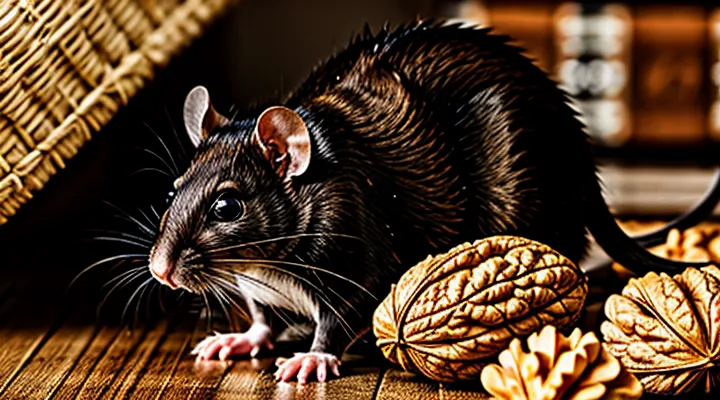
Nutritional Profile of Walnuts
Vitamins and Minerals
Walnuts may be offered to pet rats as an occasional treat, provided the nutritional contribution is understood. The nut supplies a range of micronutrients that support growth, coat health, and metabolic function.
Vitamins present in walnuts
- Vitamin E (tocopherol) – antioxidant, protects cellular membranes.
- B‑complex vitamins (B1, B2, B3, B5, B6) – co‑enzymes in energy metabolism.
- Folate – participates in DNA synthesis and cell division.
- Small amounts of vitamin A precursors – assist visual and immune processes.
Minerals supplied by walnuts
- Magnesium – stabilizes nerve transmission and muscle contraction.
- Phosphorus – essential for bone mineralization and ATP formation.
- Copper – component of enzymes involved in iron metabolism.
- Manganese – supports antioxidant enzymes and bone development.
- Potassium – regulates fluid balance and nerve signaling.
- Trace selenium – contributes to antioxidant defense.
When integrating walnuts, limit portions to less than 5 % of total daily caloric intake to avoid excess fat and calories. Offer finely chopped pieces to reduce choking risk. Monitor for signs of gastrointestinal upset, as the high oil content can provoke diarrhea in sensitive individuals. Replace walnuts with lower‑fat treats if weight gain becomes apparent.
Fats and Proteins
Walnuts provide a dense source of lipid and amino acid nutrients that affect the health of domesticated rats. The oil fraction consists mainly of polyunsaturated fatty acids, particularly alpha‑linolenic acid (omega‑3) and linoleic acid (omega‑6). These fats support cell membrane integrity and aid in thermoregulation. The protein component contains approximately 15 % complete amino acids, including lysine, methionine, and tryptophan, which contribute to tissue repair and neurotransmitter synthesis.
Key nutritional parameters of walnuts (per 100 g):
- Total fat: 65 g
- Saturated fatty acids: 6 g
- Polyunsaturated fatty acids: 47 g
- Monounsaturated fatty acids: 12 g
- Protein: 15 g
- Fiber: 7 g
- Caloric content: 654 kcal
Rats metabolize dietary fats efficiently but have limited capacity to process excessive calories. Introducing walnuts in small quantities (no more than 5 g per day for a 200‑g rat) supplies beneficial fatty acids without causing obesity. The protein level aligns with the species’ requirement of roughly 18–20 % of daily intake; however, the amino acid profile is incomplete, so walnuts should complement, not replace, a balanced rodent diet.
Potential concerns include:
- High caloric density leading to weight gain if overfed.
- Presence of phytic acid, which can bind minerals and reduce absorption.
- Occasional aflatoxin contamination; sourcing from reputable suppliers mitigates risk.
In practice, walnuts serve as a supplemental treat that enriches the diet with essential fats and proteins, provided portion size is controlled and the primary feed remains nutritionally complete.
Potential Benefits of Walnuts for Rats
Antioxidant Properties
Walnuts contain a high concentration of natural antioxidants, making them a candidate food for domesticated rats with selective breeding. The nut’s nutrient profile includes vitamin E, polyphenolic flavonoids, and selenium, each contributing to free‑radical scavenging activity.
- Vitamin E: lipid‑soluble antioxidant that protects cell membranes from peroxidation.
- Polyphenols (e.g., ellagic acid, catechins): neutralize reactive oxygen species and modulate signaling pathways linked to inflammation.
- Selenium: cofactor for glutathione peroxidase, an enzyme that reduces hydrogen peroxide in tissues.
In rats, these compounds can lower biomarkers of oxidative stress, support immune competence, and enhance recovery from metabolic challenges. Controlled incorporation of walnuts into a rat’s diet has been shown to increase plasma antioxidant capacity without adverse effects when portion sizes remain modest.
Potential drawbacks arise from the nut’s caloric density and fat content. Excessive intake may lead to weight gain, hepatic lipid accumulation, or gastrointestinal upset. Recommended practice limits walnut portions to 5 % of total daily calories, distributed across several feedings to avoid sudden spikes in fat consumption.
Overall, the antioxidant properties of walnuts provide measurable physiological benefits for pet rats, provided that dietary inclusion respects energy balance and individual health status.
Brain Health Considerations
Walnut consumption can affect the neurological function of ornamental rodents. The nuts contain polyunsaturated fatty acids, particularly alpha‑linolenic acid, which support membrane fluidity and neurotransmitter synthesis. Vitamin E and phenolic compounds act as antioxidants, reducing oxidative stress that impairs neuronal cells.
Key points for evaluating brain health when offering walnuts to pet rats:
- Omega‑3 content – promotes synaptic plasticity; excessive intake may lead to lipid imbalance, so limit to 5 % of daily caloric intake.
- Antioxidant supply – mitigates free‑radical damage; monitor for signs of deficiency if walnuts replace other sources of vitamin E.
- Caloric density – high fat contributes to weight gain, potentially increasing the risk of metabolic disorders that indirectly affect cognition.
- Mycotoxin risk – improperly stored walnuts may harbor aflatoxins, which are neurotoxic; use fresh, dry, and inspected nuts only.
- Allergic potential – rare but possible; observe for behavioral changes, such as reduced activity or tremors after introduction.
Research on murine models shows that moderate walnut supplementation improves maze performance and enhances hippocampal dendritic branching. However, studies also indicate that chronic overfeeding can elevate serum triglycerides, correlating with decreased spatial learning.
Practical recommendations:
- Introduce walnuts gradually, starting with a single half‑kernel per week.
- Rotate with other brain‑supportive foods (e.g., blueberries, salmon) to maintain nutrient diversity.
- Record body weight and activity levels weekly; adjust portions if weight exceeds 20 % of ideal.
- Conduct periodic veterinary examinations focusing on neurological reflexes and blood lipid profiles.
Following these guidelines ensures that walnut enrichment contributes positively to the cognitive health of fancy rats without introducing avoidable hazards.
Risks and Concerns of Feeding Walnuts to Rats
High Fat Content and Obesity
Walnuts contain approximately 65 % fat by weight, delivering about 650 kcal per 100 g. This concentration exceeds the typical dietary fat allowance for pet rats, whose daily caloric intake ranges from 15 to 30 kcal depending on size and activity level.
Elevated fat consumption raises the risk of adipose tissue accumulation in rats. Excess energy stores are deposited as body fat, leading to increased body mass index, reduced mobility, and heightened susceptibility to metabolic disorders such as insulin resistance.
To incorporate walnuts without compromising health, follow these guidelines:
- Limit servings to ½ gram (≈3 kcal) per rat, no more than twice weekly.
- Observe body condition scores weekly; reduce or discontinue if weight gain exceeds 5 % of baseline.
- Offer low‑fat alternatives—such as fresh vegetables or small pieces of fruit—to satisfy chewing behavior.
- Ensure a balanced base diet that meets protein, fiber, and micronutrient requirements before adding any high‑fat treat.
Adhering to restricted portions and regular weight monitoring mitigates obesity risk while allowing occasional walnut exposure for enrichment.
Choking Hazards and Shells
Walnuts can be offered to pet rats only after thorough preparation. The hard outer shell poses a mechanical choking risk; fragments larger than 2 mm may become lodged in the oral cavity or esophagus. Even small shell shards can irritate the mucosa and trigger inflammation.
Safe serving guidelines:
- Remove the entire shell, including the thin inner membrane.
- Cut the nut meat into pieces no larger than 5 mm in length and 2 mm in thickness.
- Offer a single piece per feeding session; monitor the animal for signs of distress.
- Discard any leftovers after 30 minutes to prevent prolonged exposure.
Veterinary recommendations emphasize that walnuts should remain an occasional supplement, not a staple, because the high fat content can lead to obesity and hepatic strain. Proper preparation eliminates the primary choking hazard while allowing rats to benefit from the nutrient profile of the nut meat.
Oxalates and Antinutrients
Walnuts are attractive, high‑fat treats for pet rats, but their nutritional profile includes compounds that can affect rodent health. The primary concern is the presence of oxalates, organic acids that bind calcium and form insoluble crystals in the urinary tract. Elevated oxalate intake may increase the risk of calcium oxalate stone formation, especially in rats prone to urinary calculi. Oxalates also reduce the bioavailability of dietary minerals by forming complexes with iron, magnesium, and zinc, potentially leading to suboptimal absorption.
Additional antinutrients in walnuts, such as phytic acid, chelate essential minerals and inhibit digestive enzymes. While phytic acid can be partially degraded by gut microbiota, excessive consumption may exacerbate mineral deficiencies.
Key points for safe inclusion of walnuts in a fancy rat’s diet:
- Limit walnut portions to no more than 5 % of total daily caloric intake.
- Offer fresh, unsalted walnuts; avoid roasted or flavored varieties that contain added salt or sugars.
- Monitor water intake and urine output; any signs of reduced urination or blood‑tinged urine warrant immediate veterinary assessment.
- Provide a balanced diet rich in calcium and low‑oxalate foods (e.g., leafy greens, carrots) to offset potential mineral losses.
- Rotate walnut treats with other low‑oxalate nuts (e.g., almonds) to diversify nutrient intake and minimize cumulative antinutrient exposure.
When administered within these parameters, walnuts can be a palatable supplement without posing significant oxalate‑related health risks. Regular veterinary check‑ups remain essential to detect early signs of urinary or mineral metabolism disturbances.
Potential for Mold or Spoilage
Walnuts offer protein and healthy fats, but their moisture content creates an environment where fungal growth can develop rapidly. When stored at room temperature, especially in humid conditions, the shells may retain enough humidity for Aspergillus or Penicillium spores to colonize the nut. Infected nuts emit a musty odor and can produce mycotoxins that are hazardous to small mammals.
Key factors influencing spoilage risk:
- Exposure to temperatures above 20 °C (68 °F) for extended periods.
- Storage in sealed containers without ventilation.
- Failure to inspect nuts for visible mold before offering them.
- Use of pre‑cracked or broken shells, which increase surface area for moisture absorption.
To minimize danger, keep walnuts in a cool, dry pantry, rotate stock weekly, and discard any pieces showing discoloration, slime, or odor. Offer only small, freshly inspected portions to pet rats, and monitor for signs of gastrointestinal distress after consumption.
Safe Feeding Practices
Preparation Guidelines
When offering walnuts to pet rats with a decorative appearance, preparation must eliminate hazards and preserve nutritional value.
Select raw, unsalted walnuts; avoid roasted or flavored varieties that contain added oils, sugars, or seasonings. Prior to serving, remove the outer shell and any remaining inner husk, as these fragments can cause choking or gastrointestinal injury. Cut the nut meat into pieces no larger than 0.5 cm to accommodate the animal’s small jaws and prevent excessive consumption in a single bite.
Rinse the walnut pieces under cool running water to eliminate dust and potential contaminants. Pat dry with a clean paper towel, then spread the pieces on a baking sheet and bake at 150 °C for 10 minutes. This brief, low‑temperature treatment reduces microbial load without degrading the beneficial fats and antioxidants. Allow the nuts to cool completely before storage.
Store the prepared walnuts in an airtight container within the refrigerator, limiting exposure to air and light, which can accelerate rancidity. Use a fresh batch within two weeks; discard any pieces that develop off‑odors or discoloration.
Feeding schedule should limit walnut intake to no more than 1 g per 100 g of body weight per week, ensuring the supplement does not displace the primary diet of balanced rodent pellets and fresh vegetables. Monitor each rat for signs of digestive upset after introduction and adjust the amount accordingly.
Portion Control
Feeding walnuts to pet rats requires strict portion management to avoid nutritional imbalance and digestive issues. Walnuts are high in fat and calories; a single rat should receive only a minimal amount. Recommended serving size is ¼ of a whole walnut, split into two equal pieces, given no more than twice per week. This limits excess fat intake while providing occasional enrichment.
Key considerations for portion control:
- Weight monitoring: Record the rat’s body weight weekly; adjust walnut portions if weight gain exceeds 5 % over a month.
- Caloric contribution: Treat walnuts as a supplement, not a staple; ensure the total diet supplies no more than 5 % of daily calories from nuts.
- Preparation: Remove the shell completely; offer only the edible kernel to prevent choking hazards.
- Observation: Watch for signs of gastrointestinal upset after each serving; discontinue if diarrhea or vomiting occurs.
Implementing these measures maintains a balanced diet while allowing occasional walnut treats for fancy rats.
Frequency of Feeding
Walnuts offer protein, omega‑3 fatty acids, and antioxidants, but their high fat and calorie content require controlled portions for ornamental rats.
- Offer walnuts no more than once or twice a week.
- Limit each serving to a single half‑walnut, roughly 2–3 grams.
- Observe the animal for signs of digestive upset; discontinue if loose stools or reduced appetite occur.
- Adjust frequency based on the rat’s overall diet, activity level, and body condition; leaner individuals may tolerate slightly more frequent, smaller portions.
Consistent monitoring of weight and health markers ensures that walnut supplementation supports enrichment without compromising nutritional balance.
Alternative Safe Treats
Fruits and Vegetables
Feeding walnuts to ornamental rats raises questions about how the nut fits into a diet that primarily consists of fruits and vegetables. Walnuts offer a high concentration of fat, protein, and antioxidants, but their nutrient balance differs markedly from that of typical rat produce.
The fat content of walnuts exceeds that of most fruits and vegetables, providing essential omega‑3 fatty acids and vitamin E. Excessive fat can lead to obesity and hepatic stress in small rodents, especially when combined with other high‑calorie foods. Protein levels in walnuts are comparable to those found in legumes, yet the amino‑acid profile is not optimized for rat metabolism. Fiber, a critical component of a rodent’s digestive health, is limited in walnuts; fruits and vegetables supply the bulk of necessary insoluble and soluble fiber.
When integrating walnuts into a rat’s fruit‑and‑vegetable regimen, adhere to the following principles:
- Limit walnuts to no more than one half‑chip per week for an adult fancy rat.
- Offer walnuts alongside a diverse selection of fresh produce to maintain fiber intake.
- Monitor body weight and coat condition after introducing walnuts; adjust portions if signs of excess weight appear.
Safe fruit and vegetable options that complement occasional walnut treats include:
- Apples (core removed, skin thinly sliced)
- Berries such as blueberries and raspberries
- Leafy greens: kale, romaine lettuce, spinach
- Root vegetables: carrots, sweet potato (cooked, unsalted)
Avoid citrus fruits, raw potatoes, and cruciferous vegetables in large quantities, as they can irritate the gastrointestinal tract. Provide fresh water at all times and observe for any adverse reactions after walnut exposure.
Commercial Rat Treats
Commercial rat treats are formulated to meet the nutritional requirements of domesticated rodents while offering palatable flavors. When evaluating the suitability of walnuts as an occasional supplement, consider the following factors:
- Fat content – Walnuts contain approximately 65 % fat, largely unsaturated. Excessive fat can lead to obesity and hepatic lipidosis in small mammals; commercial treats typically limit fat to 10–12 % of the formula.
- Aflatoxin risk – Improper storage may allow mold growth, producing aflatoxins that are hepatotoxic. Certified rat treats undergo rigorous testing to ensure aflatoxin levels remain below detectable limits.
- Fiber balance – Nut shells contribute insoluble fiber, which aids gastrointestinal motility. Commercial blends incorporate calibrated fiber ratios (3–5 % total dietary fiber) to prevent constipation without causing loose stools.
- Vitamin E – Walnuts are a natural source of tocopherols, supporting antioxidant defenses. Treat manufacturers often add synthetic vitamin E to achieve a consistent 50 IU/kg dosage, matching the rats’ dietary needs.
For pet rats that enjoy occasional walnut pieces, a recommended protocol includes:
- Verify that the walnut portion is unsalted, unseasoned, and free of shell fragments.
- Limit intake to no more than 5 % of the daily caloric budget, calculated on a per‑animal basis (approximately 0.2 g of walnut meat for a 150‑g rat).
- Supplement with a balanced commercial treat that provides essential amino acids, minerals, and vitamins absent in the nut.
Integrating walnuts into a diet that already contains a high‑quality commercial rat treat preserves nutritional equilibrium while satisfying the animal’s natural foraging instincts.
Observing Your Rat After Feeding
Signs of Digestive Upset
Feeding walnuts to pet rats may trigger gastrointestinal disturbance. Recognize the following indicators promptly:
- Loose, watery stools or sudden increase in stool frequency
- Soft, unformed feces with mucus or blood
- Abdominal swelling or palpable tension
- Reduced food intake and apparent thirst
- Lethargy, reluctance to move, or decreased grooming
- Unusual odor from the anal region or excessive licking of the perianal area
- Noticeable weight loss over a short period
Additional observations include frequent flatulence, vocalization during defecation, and a change in nesting behavior. Early detection allows swift dietary adjustment and veterinary intervention to prevent lasting harm.
Allergic Reactions
Feeding walnuts to pet rats can trigger immune-mediated responses in some individuals. Rodents possess IgE antibodies that recognize specific walnut proteins; binding initiates mast‑cell degranulation and the release of histamine, leukotrienes, and prostaglandins.
Typical manifestations include:
- Swelling of the facial region, particularly around the eyes and snout
- Redness and pruritus of the skin, sometimes progressing to ulceration
- Respiratory distress: rapid breathing, wheezing, nasal discharge
- Gastrointestinal upset: vomiting, diarrhea, loss of appetite
- Systemic signs: lethargy, tremors, collapse in severe cases
Incidence rates are low but not negligible; studies on laboratory rodents report allergic sensitization after repeated walnut exposure in 3‑5 % of subjects. Sensitization may develop after a single exposure in genetically predisposed lines.
Preventive measures:
- Conduct a gradual introduction trial: offer a minute piece of walnut and observe for 24 hours.
- Maintain a detailed health log documenting any adverse reactions.
- Provide alternative calcium‑rich treats (e.g., low‑fat cheese, fortified pellets) to meet nutritional needs without walnut exposure.
- Consult a veterinarian promptly if any of the listed symptoms appear; antihistamines or corticosteroids may be required.
When allergic reactions are identified, immediate removal of walnuts from the diet eliminates the trigger and reduces the risk of recurrent episodes. Continuous monitoring ensures the animal’s well‑being and informs future dietary decisions.