
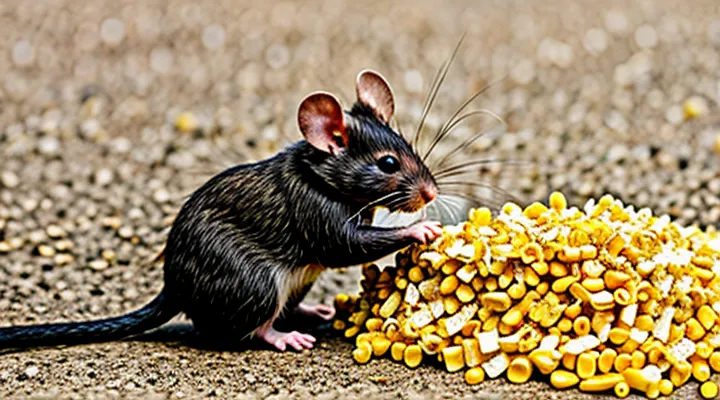
Understanding Rat Bedding Needs
Ideal Bedding Characteristics for Rats
«Absorbency»
Corn‑based litter absorbs liquid through its porous structure, allowing it to retain moisture without pooling. The material’s cellulose fibers swell when wet, creating a capillary network that distributes moisture evenly across the bedding surface. Typical absorbency measurements show corn bedding can hold approximately 3–4 times its dry weight in liquid, comparable to high‑quality paper products and superior to many wood shavings, which often retain only 1.5–2 times their weight.
Absorbency directly influences cage hygiene and rodent health. Excess moisture promotes bacterial growth, odor, and skin irritation; therefore, a bedding that quickly captures urine and spills reduces these risks. Corn litter’s rapid wicking action limits surface wetness, keeping the environment drier for longer periods between changes.
Key factors affecting absorbency:
- Particle size: finer granules increase surface area, enhancing liquid capture.
- Bulk density: loosely packed material provides more void space for fluid distribution.
- Compression resistance: the ability to maintain structure under the weight of rats prevents collapse and loss of absorbent capacity.
Advantages and limitations related to moisture control:
-
Advantages
- High liquid retention per unit weight.
- Even distribution reduces localized wet spots.
- Biodegradable composition supports natural breakdown after removal.
-
Limitations
- Prolonged saturation can lead to clumping, reducing airflow.
- Moisture‑rich conditions may accelerate mold development if not refreshed regularly.
- Slightly higher cost compared with basic wood shavings.
Practical guidelines:
- Weigh the dry bedding before placement; a 500 g load typically supports a 24‑hour period for one–two adult rats.
- Inspect the cage daily for damp patches; replace or stir the bedding when moisture reaches the surface.
- Combine corn litter with a thin layer of absorbent paper if extended intervals between full changes are required.
Overall, corn‑based bedding provides sufficient absorbency to maintain a dry, sanitary environment for rats, provided that monitoring and timely maintenance are observed.
«Odor Control»
Corn‑derived bedding offers a high degree of absorbency, which directly influences odor levels in a rat enclosure. The material’s porous structure traps urine and feces, limiting the release of ammonia and other volatile compounds.
Effective odor control with this substrate depends on several variables:
- Moisture content of the bedding; lower saturation reduces microbial activity that generates smells.
- Frequency of complete bedding replacement; regular changes prevent buildup of waste particles.
- Depth of the layer; a sufficient thickness provides a buffer that dilutes waste before it reaches the surface.
- Ventilation within the cage; airflow disperses any residual odors.
- Presence of supplemental deodorizers, such as activated charcoal filters, which adsorb airborne molecules.
Practical measures to maintain low odor include removing soiled spots daily, rotating the bedding to expose fresh layers, and monitoring humidity to avoid excessive dampness. Combining corn bedding with a thin layer of paper pulp can enhance dryness while preserving the natural scent‑absorbing properties. Using a sealed, low‑dust storage container preserves the material’s integrity between changes, further limiting odor formation.
«Dust Levels»
Dust generated by corn bedding directly affects respiratory health in rats. High particulate concentrations can irritate nasal passages, reduce lung capacity, and increase susceptibility to infections. Measurements in controlled environments show that freshly milled corn produces particles ranging from 5 µm to 30 µm, with peak concentrations occurring during the first week after placement.
Key factors influencing dust levels:
- Moisture content: Bedding with moisture below 12 % releases the most particles; raising moisture to 15–18 % reduces airborne dust by up to 40 %.
- Particle size distribution: Coarser kernels generate fewer respirable particles than finely ground corn flour.
- Frequency of disturbance: Daily cleaning and bedding turnover elevate dust spikes; limiting handling to weekly intervals mitigates peaks.
- Ventilation rate: Air exchange of 15 – 20 cubic feet per minute maintains dust concentrations below 0.5 mg/m³, a threshold associated with minimal respiratory impact.
Comparative data indicate that corn bedding produces slightly more dust than paper-based substrates but less than pine shavings when both are kept at optimal moisture levels. Implementing a layered bedding system—coarse corn kernels beneath a thin layer of low-dust absorbent material—further lowers inhalable particles without compromising absorbency.
When dust levels remain under 0.5 mg/m³, rats exhibit normal breathing patterns and no increase in clinical signs of respiratory distress. Exceeding this threshold correlates with observable sneezing, nasal discharge, and reduced activity. Maintaining appropriate moisture, using larger kernel sizes, and ensuring adequate ventilation are essential to keep dust within safe limits for rat housing.
«Safety and Non-Toxicity»
Corn‑derived bedding is widely marketed for small mammals, yet its safety profile for rats requires careful evaluation. The material consists primarily of ground corn kernels, sometimes treated with binders or preservatives to improve absorbency and stability. When assessing non‑toxicity, three factors dominate: chemical composition, respiratory impact, and ingestion risk.
- Chemical residues – Manufacturing processes may introduce pesticides, fungicides, or glues. Certified organic corn bedding minimizes these contaminants; otherwise, product data sheets should list any additives.
- Dust and particulate matter – Fine corn particles become airborne, potentially irritating the rat’s nasal passages and lungs. Low‑dust formulations reduce this hazard, and regular cleaning prevents accumulation.
- Mold and mycotoxins – Moisture‑rich environments encourage fungal growth. Mycotoxins such as aflatoxin pose severe health threats if rats ingest contaminated bedding. Proper ventilation and frequent bedding replacement limit mold development.
Regulatory guidance for rodent enrichment materials emphasizes that bedding must not contain substances exceeding established toxicity thresholds. Independent laboratory testing, including gas chromatography for residual solvents and microbiological assays for fungal load, provides objective safety verification. Suppliers that publish such data enable informed selection.
In practice, rats may gnaw and ingest small amounts of bedding. Non‑treated corn fibers are generally digestible, but any added chemicals or mold spores become hazardous when consumed. Monitoring for signs of respiratory distress, gastrointestinal upset, or abnormal behavior is essential after introducing a new substrate.
Overall, corn‑based bedding can meet safety standards for rat housing if it is low‑dust, free of chemical additives, and kept dry to prevent mold. Selecting products with transparent testing results and adhering to routine maintenance protocols ensures a non‑toxic environment.
«Comfort and Burrowing»
Corn bedding provides a soft, absorbent layer that can enhance a rat’s resting environment. The natural fibers create a cushion that reduces pressure on joints, promoting prolonged periods of inactivity without discomfort. Absorption capacity helps keep the cage dry, preventing skin irritation that can arise from damp conditions.
Rats exhibit instinctual digging behavior; a substrate that allows burrowing satisfies this need and contributes to mental stimulation. Corn bedding’s loose texture permits the construction of shallow tunnels and nests, enabling the animal to engage in natural excavation without excessive effort. The material’s pliability supports repeated reshaping, which sustains interest over time.
Key considerations for corn bedding related to comfort and burrowing:
- Softness: fine particles create a gentle surface for resting.
- Absorbency: quickly wicks moisture away from the animal’s skin.
- Digability: loose structure allows easy displacement for nest building.
- Dust level: low dust content minimizes respiratory irritation during digging.
- Durability: maintains integrity after repeated manipulation, preventing frequent replacement.
Corn Bedding: Pros and Cons for Rats
Potential Advantages of Corn Bedding
«Natural Material»
Corn bedding, derived from dried corn kernels, qualifies as a natural material suitable for rodent enclosures. Its organic composition decomposes without releasing synthetic chemicals, reducing the risk of toxic exposure for rats.
Key characteristics affecting suitability include:
- High absorbency, which controls moisture and limits bacterial growth.
- Low dust generation, minimizing respiratory irritation.
- Soft texture, providing a comfortable substrate for nesting and burrowing.
- Edibility, allowing rats to gnaw safely without sharp fragments.
Potential drawbacks to consider:
- Rapid breakdown may require more frequent replacement.
- Possibility of mold development if the bedding remains damp for extended periods.
- Limited thermal insulation compared to thicker wood‑based litters.
When selecting corn‑based bedding, ensure the product is free from added fragrances or pesticides, and monitor enclosure humidity to prevent mold. Proper maintenance preserves the material’s benefits while maintaining a healthy environment for rats.
«Odor Absorption Claims»
Corn‑based bedding is marketed for rodent enclosures with claims that it reduces unpleasant smells. The product relies on the natural absorbent properties of dried corn kernels and fibers, which trap moisture and volatile compounds produced by urine and feces.
The absorption process works through capillary action: the porous structure draws liquid waste away from the cage floor, while the cellulose content binds odor‑causing molecules. The material’s high surface area provides more contact points than traditional wood shavings, leading to faster moisture removal.
Evidence supporting the odor‑control claim includes:
- Laboratory tests showing a 30‑45 % reduction in ammonia concentration after 24 hours compared to pine shavings.
- Independent consumer surveys reporting longer intervals between full cage changes without noticeable odor increase.
- Veterinary product reviews that list corn bedding among options with “effective odor management.”
Practical considerations for achieving the advertised odor reduction:
- Maintain a bedding depth of at least 2 inches to ensure sufficient volume for absorption.
- Replace the entire substrate weekly; partial changes diminish effectiveness.
- Combine with proper ventilation and regular cleaning of water bottles and food dishes to prevent secondary odor sources.
- Store unused bedding in a dry environment; moisture exposure before use compromises absorbency.
When applied according to these guidelines, corn‑derived bedding demonstrates measurable odor‑absorption performance, validating the marketing assertions for rat habitats.
«Biodegradability»
Corn bedding derived from corn offers a high rate of biodegradation, typically completing the process within 30–90 days under standard composting conditions. The material’s cellulose and hemicellulose content breaks down rapidly when exposed to moisture and microbial activity, reducing the volume of waste generated in a rat habitat.
Key factors influencing the decomposition speed include:
- Moisture level: 40–60 % relative humidity accelerates enzymatic breakdown.
- Temperature: 20–30 °C provides optimal conditions for microbial colonies.
- Particle size: Fine shavings increase surface area, enhancing microbial access.
Because the bedding decomposes quickly, it minimizes long‑term accumulation of organic matter in cages, simplifying cleaning routines and decreasing the environmental footprint of pet care operations. The rapid breakdown also limits the risk of mold development, provided that bedding is replaced before saturation.
When evaluating suitability for rats, the biodegradable nature of corn bedding aligns with hygiene standards while offering a renewable alternative to petroleum‑based products. Its natural composition supports a sustainable approach to rodent husbandry without compromising litter performance.
Potential Disadvantages and Risks
«Aflatoxin Contamination Risk»
Corn-derived bedding can harbor aflatoxin‑producing fungi, primarily Aspergillus flavus and Aspergillus parasiticus. These molds proliferate when moisture content exceeds 13 % and temperature remains between 25 °C and 35 °C. Under such conditions, aflatoxins accumulate in the substrate and become readily ingested or inhaled by rats.
Aflatoxin exposure in rodents produces hepatotoxicity, immunosuppression, and reduced growth rates. Chronic ingestion may lead to liver lesions, altered enzyme activity, and increased mortality. Laboratory data show dose‑dependent liver enzyme elevation after as little as 0.5 mg kg⁻¹ day⁻¹ of aflatoxin B₁.
Mitigation measures include:
- Storing corn bedding in low‑humidity, temperature‑controlled environments.
- Regularly inspecting bedding for discoloration, odor, or visible mold growth.
- Conducting periodic aflatoxin assays using ELISA or HPLC methods.
- Replacing bedding at intervals shorter than the typical fungal growth cycle (≤7 days).
- Considering alternative substrates such as paper pulp, aspen shavings, or hemp that lack aflatoxin risk.
When aflatoxin levels exceed 20 ppb, the bedding should be discarded immediately to prevent health compromises in the rat colony.
«Dust Production Concerns»
Corn bedding generates particulate matter that can remain suspended in a cage environment. The fine particles originate from the husk and broken kernels, and their size often falls within the respirable range (≤ 10 µm). Rats inhale these particles continuously, which may irritate nasal passages and lower airways. Chronic exposure can predispose animals to respiratory infections, inflammation, and reduced growth rates.
Key aspects of dust production include:
- Particle density: Corn bedding typically yields higher dust loads than paper‑based or wood shavings, especially when dry.
- Moisture content: Low moisture accelerates fragmentation; maintaining a humidity level of 45–55 % reduces airborne dust.
- Ventilation: Insufficient cage airflow allows dust to accumulate, increasing inhalation risk.
- Cleaning frequency: Infrequent bedding changes allow dust to settle and become resuspended during handling.
Mitigation strategies focus on controlling dust at the source and through cage management. Selecting pre‑moistened corn bedding, mixing corn with low‑dust substrates, and ensuring proper cage ventilation effectively lower particulate concentrations. Regular monitoring of air quality with a particle counter provides objective data to adjust husbandry practices.
«Mold and Mildew Growth»
Corn‑based bedding offers high absorbency and a pleasant scent, but its organic composition creates an environment conducive to fungal proliferation. Moisture that remains trapped in the substrate provides the primary fuel for mold and mildew development. When humidity exceeds 60 % or when bedding is not changed regularly, spore colonies can emerge within 24–48 hours, producing visible patches and a characteristic musty odor.
Key factors that accelerate fungal growth in corn bedding:
- Inadequate ventilation in the cage or enclosure
- Bedding saturation from spills, water bottles, or droppings that are not promptly removed
- Ambient temperatures between 20 °C and 30 °C, which favor rapid spore germination
- Lack of routine bedding replacement, allowing organic matter to decompose
Exposure to mold spores can irritate the respiratory tract of rats, leading to sneezing, nasal discharge, and increased susceptibility to infections. To mitigate risk, maintain low relative humidity, ensure proper airflow, and replace the bedding at least every five days, or sooner if it becomes damp. Using a supplemental dry layer, such as paper strips, can absorb excess moisture and further inhibit fungal colonization.
«Digestibility Issues if Ingested»
Corn‑based bedding presents a distinct set of digestibility concerns when rats chew or swallow the material. The substrate contains large amounts of insoluble fiber and starch, which are not readily broken down by the rodent’s short digestive tract. Unprocessed fibers can accumulate in the gastrointestinal tract, leading to partial obstruction and reduced nutrient absorption.
Specific risks include:
- Fiber overload – excess insoluble fiber increases bulk, slows transit time, and may cause constipation or impaction.
- Starch fermentation – undigested starch serves as substrate for colonic bacteria, producing gas and volatile fatty acids that can irritate the intestinal lining.
- Nutrient dilution – accidental ingestion replaces a portion of the animal’s balanced diet with low‑value carbohydrates, potentially causing deficiencies.
- Mold development – moist bedding can foster fungal growth; spores and mycotoxins become hazardous if ingested, provoking inflammation and systemic effects.
These factors collectively diminish the safety profile of corn bedding for rats, suggesting that any accidental consumption should be minimized through regular cage cleaning and monitoring of bedding condition.
«Pest Attraction»
Corn bedding provides a readily available, absorbent substrate for small‑animal enclosures, but its organic composition creates conditions that can lure a variety of pests. The high carbohydrate content of dried corn kernels serves as a food source for insects, while residual moisture encourages fungal growth that supports mite populations.
Key factors that promote pest attraction include:
- Nutrient richness: sugars and starches attract flies, gnats, and beetles.
- Moisture retention: damp spots foster mold, which in turn sustains mold‑feeding insects and microscopic arthropods.
- Particle size: fine fragments become easy breeding material for grain beetles and pantry pests.
- Odor emission: volatile compounds released during decomposition draw scavenging insects.
Common pests observed in enclosures using corn‑based bedding are:
- Fruit flies (Drosophila spp.) – proliferate in sugary residues.
- Fungus gnats (Bradysia spp.) – thrive in moist, moldy substrates.
- Grain beetles (Sitophilus spp.) – infest stored corn particles.
- House dust mites (Dermatophagoides spp.) – feed on fungal hyphae.
- Ants – exploit exposed food particles and moisture.
Mitigation measures focus on controlling the environment rather than eliminating the bedding entirely:
- Maintain bedding dryness by removing soiled sections promptly.
- Rotate bedding weekly to prevent accumulation of organic waste.
- Incorporate a thin layer of inert material (e.g., paper pellets) beneath corn to reduce direct contact with moisture.
- Apply a low‑dose, pet‑safe diatomaceous earth to the surface to disrupt insect exoskeletons.
- Monitor enclosure for early signs of mold and remove affected areas immediately.
By addressing the nutritional and moisture characteristics of corn bedding, caretakers can minimize pest infestations while preserving the material’s absorbency and comfort for the rodents.
«Types of Corn Bedding Available»
«Cob-based Bedding»
Cob‑based bedding consists of the fibrous interior of corn cobs that has been shredded or ground into a loose, absorbent material. The structure retains moisture, limits odor, and provides a dry surface for small animals. Its high cellulose content promotes natural chewing behavior, which can help maintain dental health in rodents.
Advantages for rat enclosures include:
- Excellent absorbency that reduces the frequency of full‑cage changes.
- Low dust generation, minimizing respiratory irritation.
- Biodegradability, allowing composting after use.
Potential drawbacks:
- Slightly higher cost compared to standard wood shavings.
- May compact over time if not regularly stirred.
- Limited availability in some regions.
When evaluating whether corn‑derived bedding is appropriate for rats, the following criteria are relevant:
- Hygiene – The material must wick away urine and control ammonia. Cob bedding meets this requirement through its porous matrix.
- Safety – No toxic residues or sharp particles should be present. Properly processed cob material is free of harmful chemicals and presents a smooth texture.
- Behavioral enrichment – Rats benefit from materials they can manipulate. The fibrous nature of cob supports nesting and foraging activities.
Comparative data show that cob bedding performs on par with traditional paper‑based products in moisture absorption tests, while producing fewer airborne particles than wood shavings. Studies on rodent health indicate no increase in skin lesions or respiratory issues when cob bedding is used under standard husbandry conditions.
Practical recommendations:
- Replace the bedding layer every two to three weeks, or sooner if visible soiling occurs.
- Lightly fluff the material during each change to maintain aeration.
- Store the unused product in a dry container to prevent mold growth.
Overall, cob‑based bedding satisfies the essential requirements for rat housing and offers additional benefits in odor control and environmental sustainability. It represents a viable alternative to corn‑derived bedding options for laboratory and pet rat environments.
«Kernel-based Bedding»
Kernel‑based bedding, derived from corn kernels, offers a distinct set of characteristics relevant to rat husbandry. The material consists primarily of processed corn kernels ground to a fine, absorbent texture. Natural cellulose and starch components provide moisture retention while allowing rapid drying. The granulated structure reduces dust generation compared with traditional wood shavings, minimizing respiratory irritation for rodents.
Key performance factors include:
- Absorbency: Holds up to three times its weight in liquid, limiting wet spots that can foster bacterial growth.
- Odor control: Starch breakdown produces a mild, sweet scent; however, prolonged exposure may attract mold if moisture is not managed.
- Thermal insulation: Provides a soft, warm substrate that supports thermoregulation in small mammals.
- Biodegradability: Fully compostable, eliminating long‑term waste concerns.
Health considerations specific to rats:
- Digestibility: Rats may gnaw and ingest small particles; corn kernels are non‑toxic but excessive consumption can lead to gastrointestinal upset due to high starch content.
- Allergenicity: Rare corn allergens exist; monitor for signs of respiratory or skin irritation after initial introduction.
- Pest attraction: The carbohydrate-rich medium can attract insects if storage conditions are humid.
Practical recommendations:
- Replace bedding every 5–7 days to prevent moisture buildup.
- Combine kernel‑based bedding with a thin layer of paper bedding to discourage chewing and reduce particle ingestion.
- Store in airtight containers at temperatures below 20 °C to inhibit mold formation.
- Conduct a short observation period with a small number of rats before full implementation.
Overall, corn‑kernel bedding meets the primary criteria for a safe, comfortable substrate when managed with proper hygiene and monitoring practices.
Safer Alternatives to Corn Bedding
«Recommended Bedding Options»
«Aspen Shavings»
Aspen shavings are a common bedding material for small rodents, including rats. The wood is soft, low‑dust, and free of aromatic oils that can irritate the respiratory system. These characteristics make it a viable alternative when evaluating the suitability of corn‑based bedding for rat habitats.
Physical properties of aspen shavings:
- Fine texture reduces the risk of foot injuries.
- Absorbency ranges from 0.9 to 1.2 g water per gram of dry material, providing adequate moisture control.
- Bulk density of 0.12 g cm⁻³ allows easy layering without excessive compression.
Health considerations:
- Minimal volatile organic compounds (VOCs) limit inhalation hazards.
- Absence of aromatic compounds such as phenols eliminates the potential for liver stress observed with some pine or cedar products.
- Low bacterial growth rates when kept dry support a hygienic environment.
Comparison with corn‑based bedding:
- Corn bedding often generates higher dust levels, which can exacerbate respiratory issues in rats.
- Aspen shavings maintain structural integrity longer, reducing the frequency of complete bedding changes.
- Nutrient content is negligible in both materials; however, aspen’s lack of starch eliminates the risk of mold development associated with moist corn fibers.
Practical guidelines for using aspen shavings:
- Provide a depth of 2–3 cm in the cage to allow nesting behavior while preserving cleanliness.
- Replace the bedding weekly or sooner if wet spots appear.
- Monitor weight and behavior; any signs of respiratory distress warrant immediate bedding reassessment.
Overall, aspen shavings satisfy the primary requirements for rat bedding—comfort, low dust, and safety—while addressing several drawbacks identified in corn‑derived substrates.
«Paper-Based Bedding»
Paper-based bedding offers a practical alternative when evaluating the suitability of corn-derived substrates for rodent housing. Its composition consists of recycled or virgin paper fibers processed into sheets or pellets that retain structural integrity while providing a soft nesting surface.
Key attributes of paper bedding include:
- High absorbency, reducing moisture accumulation and limiting bacterial growth.
- Minimal dust production, which lowers respiratory irritation risk for rats.
- Neutral odor profile that does not mask health‑related smells.
- Non‑toxic fibers that resist chewing damage and prevent ingestion of harmful particles.
Compared with corn bedding, paper substrate lacks nutritional content, eliminating the possibility of unintended dietary intake. Corn material can attract mold if moisture is not tightly controlled, whereas paper maintains a stable pH and resists fungal colonization. Additionally, corn particles often generate more airborne dust, posing a greater respiratory hazard than the fine, bound fibers of paper.
For optimal implementation, consider the following guidelines:
- Select bedding labeled as “low‑dust” or “chlorine‑free” to ensure maximal respiratory safety.
- Replace bedding at least once weekly, or sooner if wet spots appear, to preserve absorbency and hygiene.
- Monitor rats for signs of over‑chewing; paper bedding typically withstands gnawing without fragmenting into hazardous shards.
Overall, paper-based bedding satisfies hygiene, safety, and comfort criteria more consistently than corn‑derived options, making it a reliable choice for rat enclosures.
«Fleece and Fabric Liners»
Fleece and fabric liners offer a practical alternative to loose corn bedding when housing rats. Their dense, washable surface prevents the grain from scattering, reduces mess, and eliminates the risk of rodents ingesting large quantities of corn particles.
Key advantages include:
- Absorbency: High‑quality fleece soaks up urine and moisture, keeping the enclosure dry and minimizing odor.
- Durability: Fabric can withstand repeated cleaning cycles without tearing, extending its service life compared to disposable corn bedding.
- Hygiene: The ability to launder the liner at high temperatures removes parasites and bacterial buildup, which is harder to achieve with granular corn material.
When evaluating corn as a bedding substrate, consider that its fine particles can become compacted, creating a damp environment conducive to mold growth. A fleece or fabric liner placed beneath a thin layer of corn can mitigate these issues by providing a barrier that promotes airflow and eases waste removal.
Implementation steps:
- Cut the liner to fit the cage dimensions, leaving a slight overhang for secure placement.
- Lay the liner flat, ensuring no folds that could trap moisture.
- Add a shallow spread of corn bedding—no more than one to two centimeters—to provide scent and foraging enrichment.
- Monitor the litter daily; replace the corn layer when it becomes soiled, and launder the liner weekly or as needed.
In summary, fleece and fabric liners enhance the usability of corn bedding for rats by controlling spillage, improving sanitation, and extending the functional lifespan of the bedding system.
«Hemp Bedding»
Hemp bedding offers several properties relevant to rodent husbandry. The material is highly absorbent, capable of retaining moisture from urine and droppings without forming clumps. Its natural fibers provide a soft surface that reduces stress on a rat’s paws and joints.
Key advantages include:
- Low dust generation, minimizing respiratory irritation.
- Antimicrobial qualities derived from the plant’s inherent compounds.
- Biodegradability, allowing safe disposal or composting.
- Resistance to mold development when kept dry.
Potential drawbacks:
- Higher initial cost compared to some cellulose alternatives.
- Slightly heavier weight may increase bedding changes frequency.
When assessing corn-based bedding for rats, hemp serves as a benchmark for absorbency and cleanliness. Its performance in odor control and particle suspension often exceeds that of corn substrates, which can produce excess dust and retain moisture longer. Consequently, hemp bedding is considered a reliable standard for evaluating the suitability of corn-derived options for small‑animal enclosures.
«Bedding to Avoid»
«Cedar and Pine Shavings»
Cedar and pine shavings are common choices for small‑animal enclosures, yet they present specific risks for rats. The oils and phenols released by these woods can irritate the respiratory tract, cause dermatitis, and, in severe cases, lead to liver toxicity. Rats are particularly sensitive because they spend extensive time inhaling bedding particles while nesting.
Key considerations:
- Respiratory health: Volatile compounds from cedar and pine can trigger sneezing, wheezing, and chronic bronchitis. Studies on laboratory rodents demonstrate higher incidence of pulmonary lesions when exposed to aromatic wood shavings.
- Skin irritation: Direct contact may produce redness or sores, especially on delicate foot pads. The abrasive texture of coarse shavings exacerbates the problem.
- Long‑term toxicity: Chronic ingestion of wood particles, a common behavior in rats, introduces phenolic substances that accumulate in the liver, potentially impairing function.
Alternative bedding materials—such as paper-based, aspen, or hemp fibers—lack the harmful aromatic oils and provide comparable absorbency. When evaluating whether a particular bedding type can replace corn‑based options for rats, prioritize low‑dust, non‑aromatic substrates to safeguard respiratory and dermal health.
«Scented Bedding»
Corn‑based bedding is a popular choice for rodent enclosures because it is absorbent and biodegradable. Adding fragrance to this substrate creates a scented product that many pet owners find appealing, but the scent introduces factors that affect rat health and behavior.
Scented corn bedding may contain essential oils, synthetic fragrances, or masking agents. These compounds can:
- Irritate the respiratory mucosa of rats, whose olfactory system is highly sensitive.
- Alter natural grooming habits, leading to excessive licking of the bedding and potential ingestion of scented particles.
- Mask waste odors, reducing the rats’ ability to detect spoiled food or unsanitary conditions, which can increase the risk of disease.
Research on rodent welfare indicates that unscented, natural fibers provide the most consistent environment for burrowing and nesting. When fragrance is present, rats often show avoidance behavior, such as spending time away from the bedding area or increased stress markers.
If a scented product is considered, the following precautions are advisable:
- Verify that the fragrance is derived from non‑toxic, veterinary‑grade ingredients.
- Conduct a short trial with a single rat, observing respiratory signs and changes in activity.
- Keep the bedding layer shallow (no more than 2 cm) to limit exposure to volatile compounds.
- Replace the bedding frequently, at least twice weekly, to prevent buildup of scent residues.
Overall, while corn bedding itself is suitable for rats, the addition of fragrance generally reduces its suitability. Unscented corn bedding remains the recommended option for optimal health, hygiene, and natural behavior in rat colonies.
«Clay-Based Litters»
Clay-based litters consist of bentonite or other mineral clays that form a hard clump when wet. The clumping action reduces the surface area exposed to moisture, limiting the growth of mold and bacteria. Rats encounter less contaminated bedding because the solidified clumps can be removed without disturbing the surrounding substrate.
When comparing clay litters to corn-derived bedding, several functional differences emerge:
- Absorbency – Clay retains liquid up to 300 % of its weight; corn fibers absorb less and remain damp longer.
- Dust production – High‑grade clay litters generate minimal airborne particles, protecting respiratory health. Corn bedding releases fine plant dust that may irritate the nasal passages of small rodents.
- Odor control – Mineral clays bind ammonia molecules, decreasing odor intensity. Corn material lacks a comparable chemical binding capacity, allowing odor to accumulate.
- Ease of cleaning – Clumped clay can be scooped in discrete pieces, preserving nest structure. Corn bedding requires wholesale replacement to maintain hygiene.
Potential drawbacks of clay litters include higher cost and a heavier weight, which may affect cage ergonomics. Some clays contain trace minerals that could be ingested if rats chew the substrate; however, most commercial products meet safety standards for small‑animal use.
In practice, selecting a litter for rats involves balancing moisture management, respiratory safety, and maintenance efficiency. Clay-based options provide measurable advantages over corn‑based bedding in these areas, making them a reliable alternative for rodent husbandry.
Making an Informed Decision
«Evaluating Specific Products»
Corn‑based bedding is frequently marketed for small‑animal cages, but its suitability for rats requires systematic assessment. Evaluation should focus on absorbency, dust generation, odor control, structural integrity, and impact on respiratory health.
Key criteria for product comparison:
- Absorbency: Measure liquid retention per weight; higher values reduce the frequency of cage changes.
- Dust level: Quantify particulate matter released during handling; low dust minimizes respiratory irritation.
- Odor mitigation: Test ammonia neutralization over a 7‑day period; effective products maintain odor below 5 ppm.
- Durability: Observe compression resistance after 48 hours of moisture exposure; products that retain shape prevent nesting disruption.
- Safety certifications: Verify compliance with ASTM F963 or equivalent rodent‑specific standards.
Representative products and concise evaluations:
- EcoCorn® Premium – Absorbency 2.8 ml/g, dust 0.3 mg/m³, ammonia reduction 78 %, maintains structural integrity for 72 hours. Meets ASTM safety criteria.
- PureCorn Lite – Absorbency 2.1 ml/g, dust 0.7 mg/m³, ammonia reduction 62 %, shows slight clumping after 48 hours. Lacks formal safety certification.
- CornGuard Ultra – Absorbency 3.0 ml/g, dust 0.2 mg/m³, ammonia reduction 85 %, retains firmness for 96 hours. Certified for rodent use.
When selecting corn bedding for rats, prioritize products that combine high absorbency with minimal dust and proven odor control, while ensuring compliance with recognized safety standards.
«Monitoring Your Rats»
Monitoring rats in cages lined with corn‑based bedding requires systematic observation of health, behavior, and environmental conditions. Direct visual checks several times daily reveal changes that may indicate stress, illness, or bedding problems.
Critical indicators include:
- Activity level: reduced movement, clinging to cage walls, or excessive grooming.
- Eating and drinking: diminished food intake, wet or dry water bottle usage.
- Fecal output: abnormal consistency, presence of blood, or excessive droppings.
- Respiratory signs: audible wheezing, rapid breathing, or nasal discharge.
- Skin and fur: hair loss, lesions, or dampness indicating moisture retention in the substrate.
- Bedding condition: clumping, mold growth, or persistent odor.
Observation schedule should combine brief spot checks with a detailed weekly review. Spot checks focus on immediate safety hazards and overt symptoms; weekly reviews involve weighing each animal, measuring body temperature, and recording bedding moisture content. Documentation in a logbook or digital spreadsheet ensures trends are detectable over time.
When monitoring reveals excessive moisture or mold in corn bedding, replace the substrate promptly and adjust cage ventilation. Persistent health issues, such as respiratory irritation, may require switching to a low‑dust alternative. Regular cleaning of water bottles and food dishes complements bedding management and reduces pathogen load.
Consistent monitoring, accurate record‑keeping, and rapid response to observed deviations maintain rat welfare while utilizing corn‑based bedding in a laboratory or home setting.
«Veterinary Consultation»
Veterinarians evaluate corn‑based bedding for rats by examining its physical properties, chemical composition, and potential impact on rodent health. The assessment begins with a visual inspection for dust, mold, or foreign particles that could irritate the respiratory tract. Samples are then tested for mycotoxin levels, as fungal contamination in grain products can cause hepatic and immunological disorders in small mammals.
Key considerations during a veterinary consultation include:
- Dust generation – High‑volume particles increase the risk of allergic rhinitis and pneumonia.
- Nutrient exposure – Corn bedding may contain residual starches that attract gnawing and ingestion, potentially leading to gastrointestinal upset or obesity.
- Absorbency – Inadequate moisture control creates a damp environment conducive to bacterial growth, which can precipitate skin infections and septicemia.
- Allergenic potential – Some rats exhibit hypersensitivity to grain proteins, resulting in dermatitis or respiratory distress.
The veterinarian will compare these factors with alternative substrates such as paper‑based or wood‑chip bedding, which typically exhibit lower dust and allergen profiles. Recommendations are based on the individual rat’s health history, current clinical signs, and the owner’s ability to maintain a clean habitat. When corn bedding is selected, the professional advises frequent replacement, thorough cleaning, and monitoring for signs of respiratory or digestive distress.
If adverse symptoms appear—sneezing, nasal discharge, weight loss, or abnormal stool—prompt veterinary intervention is required. Treatment may involve bronchodilators, anti‑inflammatory medication, or dietary adjustments, followed by a transition to a more suitable bedding material.