
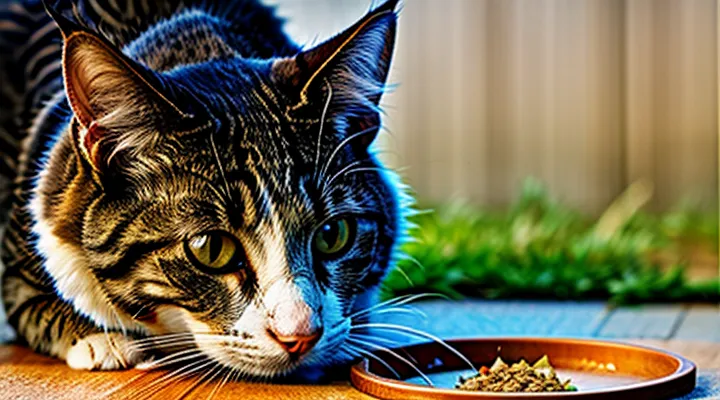
Feline Diet and Natural Instincts
The Carnivorous Nature of Cats
Cats belong to the order Carnivora, a group characterized by anatomical and physiological traits optimized for meat consumption. Their dentition includes sharp, shearing premolars and carnassial teeth that slice flesh efficiently. Digestive enzymes such as pepsin and high gastric acidity facilitate rapid breakdown of animal protein and the destruction of bacterial pathogens commonly found in prey.
Hunting behavior aligns with predatory instincts. Cats possess a keen visual system attuned to motion, acute auditory perception for detecting rustling sounds, and whisker sensitivity that gauges prey proximity. Muscular forelimbs generate explosive bursts of speed, allowing a swift pounce on small mammals.
Mice fall within the typical prey size range for domestic and wild felines. The following adaptations enable successful consumption of rodents:
- Sharp retractable claws that secure and immobilize the animal.
- Powerful jaw muscles that deliver a lethal bite to the neck or spinal cord.
- Rough tongue papillae that strip fur and skin, exposing edible tissue.
- Metabolic pathways that convert muscle protein into essential amino acids without reliance on plant-derived nutrients.
Observational studies record domestic cats capturing and ingesting mice with a frequency comparable to that of feral counterparts. Nutritional analyses confirm that mouse meat supplies the taurine, arachidonic acid, and vitamin A levels required for feline health, nutrients that cannot be synthesized internally.
Consequently, the carnivorous nature of cats inherently supports the ability to feed on mice, satisfying both instinctual hunting drives and dietary requirements.
Hunting Behavior and Prey Drive
Cats possess a strong predatory instinct that drives them to pursue small rodents. Visual cues, such as rapid movement, trigger the prey drive, while auditory signals, like squeaks, enhance focus. The typical sequence includes observation, stealthy approach, explosive pounce, and a bite to the neck that severs the spinal cord, ensuring rapid immobilization.
The hunting pattern relies on:
- Acute binocular vision for depth perception.
- Sensitive whiskers that detect airflow changes near the target.
- Flexible spine enabling sudden acceleration.
- Sharp retractable claws that provide grip and balance.
- Strong jaw muscles delivering a lethal bite.
Once captured, cats can ingest the mouse whole or in parts. Their digestive system processes muscle tissue, organs, and bone without difficulty. Nutrient absorption includes protein, taurine, and essential fatty acids, which contribute to feline health. However, wild rodents may carry parasites or toxins; regular veterinary checks are advisable for outdoor cats that frequently hunt.
Overall, the innate hunting behavior and prey drive equip cats with the capability to capture and consume mice, fulfilling both instinctual and nutritional needs.
Nutritional Aspects of Mice
Nutritional Composition of Mice
Proteins and Amino Acids
Mice provide a protein source that meets the dietary requirements of felines. Their muscle tissue contains high‑quality protein, offering a complete set of essential amino acids that cats cannot synthesize.
Key amino acids supplied by mouse meat include:
- Taurine – critical for retinal health and cardiac function.
- Arginine – supports the urea cycle and prevents hyperammonemia.
- Lysine – necessary for tissue growth and immune response.
- Methionine – contributes sulfur groups for metabolic processes.
- Histidine – involved in hemoglobin synthesis.
The protein efficiency ratio of mouse muscle exceeds that of many commercial cat foods, reflecting a favorable amino acid profile and digestibility. Cats, as obligate carnivores, require dietary sources rich in these nutrients; consuming whole prey delivers not only protein but also associated micronutrients such as vitamin A, B‑complex vitamins, and minerals like iron and zinc.
In practice, a diet based on whole rodents satisfies the minimal daily intake of 30 g of protein per kilogram of body weight and provides the 0.1 % taurine level recommended for adult cats. Therefore, mice constitute a biologically appropriate food item for feline nutrition.
Fats and Fatty Acids
Mice deliver a measurable amount of lipids that satisfy a cat’s requirement for energy and essential fatty acids. The average laboratory mouse contains approximately 5‑7 % total fat by wet weight, composed of saturated, monounsaturated, and polyunsaturated fatty acids.
Key fatty acids supplied by mouse tissue include:
- Palmitic acid (C16:0) – a primary saturated fatty acid used for membrane synthesis and energy storage.
- Oleic acid (C18:1 n‑9) – the predominant monounsaturated fatty acid, supporting skin health and cellular fluidity.
- Linoleic acid (C18:2 n‑6) – an essential omega‑6 fatty acid that cats cannot synthesize; required for prostaglandin production.
- Alpha‑linolenic acid (C18:3 n‑3) – an essential omega‑3 fatty acid, precursor to EPA and DHA, which are critical for retinal function and anti‑inflammatory pathways.
Cats lack the enzymatic capacity to produce arachidonic acid and docosahexaenoic acid from shorter precursors, making direct dietary intake essential. Mouse muscle and organ tissues contain measurable levels of these long‑chain polyunsaturated fatty acids, thereby contributing to the feline dietary quota without supplementation.
The lipid profile of mouse meat aligns with the feline requirement for a high‑fat, low‑carbohydrate diet. Consumption of whole prey provides not only caloric density but also the specific fatty acid composition needed for optimal growth, coat condition, and immune competence.
Vitamins and Minerals
Mice supply felines with a range of essential vitamins and minerals that support normal physiological functions. The muscle tissue of rodents is rich in vitamin A, a fat‑soluble nutrient required for vision, immune response, and epithelial health. Because cats lack the ability to convert β‑carotene to active retinol, dietary vitamin A from prey is critical.
B‑complex vitamins are abundant in mouse organs. Thiamine (B₁) and riboflavin (B₂) facilitate carbohydrate metabolism, while pyridoxine (B₆) participates in amino‑acid processing. Niacin (B₃) and pantothenic acid (B₅) aid energy production, and cobalamin (B₁₂) is necessary for red‑blood‑cell formation and neurological integrity. These vitamins are present in bioavailable forms that cats readily absorb.
Mineral content in rodents includes calcium, phosphorus, magnesium, iron, zinc, and copper. Calcium and phosphorus maintain skeletal structure and contribute to tooth mineralization; their ratio in mouse tissue approximates the feline dietary requirement. Iron supports hemoglobin synthesis, while zinc and copper function as cofactors for enzymatic reactions and immune competence.
Taurine, though not a vitamin or mineral, is an indispensable amino‑sulfonic acid found in high concentrations within mouse heart and skeletal muscle. Cats cannot synthesize taurine, making its presence in prey essential for retinal health and cardiac function.
A concise overview of the nutrient profile supplied by mice:
- Vitamin A – 150 µg/100 g muscle
- Thiamine – 0.3 mg/100 g liver
- Riboflavin – 0.5 mg/100 g liver
- Pyridoxine – 0.4 mg/100 g muscle
- Niacin – 6 mg/100 g muscle
- Cobalamin – 2 µg/100 g muscle
- Calcium – 10 mg/100 g muscle
- Phosphorus – 8 mg/100 g muscle
- Iron – 1 mg/100 g muscle
- Zinc – 0.8 mg/100 g muscle
- Copper – 0.1 mg/100 g muscle
- Taurine – 200 mg/100 g muscle
Overall, consuming mice delivers a comprehensive suite of vitamins, minerals, and taurine in forms that align with feline nutritional requirements, thereby fulfilling the dietary needs of domestic cats that hunt or are offered rodent prey.
Potential Deficiencies in a Mouse-Only Diet
Cats that rely exclusively on captured mice may encounter several essential nutrient gaps. Mice supply high‑quality protein and some taurine, yet their composition varies with species, age, and environment, making consistent intake of critical nutrients uncertain.
Typical shortfalls in a mouse‑only regimen include:
- Taurine – levels often insufficient for the feline requirement, risking retinal degeneration and cardiac dysfunction.
- Vitamin A – limited preformed retinol, leading to night‑blindness and skin disorders.
- Arachidonic acid – low omega‑6 fatty acid content, affecting skin health and inflammatory response.
- Calcium‑phosphorus balance – excess phosphorus relative to calcium can impair bone mineralization.
- Vitamin D – inadequate synthesis from dietary sources, potentially causing hypocalcemia.
- B‑complex vitamins – especially riboflavin and niacin, which may be scarce in wild prey.
Supplementing these nutrients or providing a balanced commercial diet is necessary to prevent clinical signs associated with the deficiencies listed above.
Risks and Benefits of Mice Consumption
Health Benefits for Cats
Natural Enrichment
Cats possess an innate predatory drive that shapes their behavior, sensory development, and physiological health. Natural enrichment replicates elements of hunting, allowing felines to engage muscles, reflexes, and cognition that are otherwise under‑stimulated in domestic environments.
When a cat captures and consumes a small rodent, the act supplies protein, taurine, and micronutrients that differ from commercial diets. The process also triggers hormonal responses linked to stress reduction and immune function, reinforcing the evolutionary link between prey intake and wellbeing.
Effective natural enrichment can be introduced without live prey through the following methods:
- Interactive toys that mimic the erratic movements of insects or rodents, such as feather wands and motorized mice.
- Puzzle feeders that require paw manipulation to release food, simulating the effort required to secure a catch.
- Scheduled play sessions that alternate between stalking, pouncing, and batting, mirroring the three phases of a hunt.
- Scent trails using safe, animal‑derived extracts to encourage tracking behavior.
For indoor cats, safety considerations include using non‑toxic materials, supervising play with small objects, and ensuring that any edible enrichment aligns with nutritional guidelines. Regular assessment of weight, coat condition, and activity level confirms that the enrichment supports health without introducing dietary imbalances.
Dental Health
Cats that capture and consume rodents experience direct mechanical impact on their teeth. The hard bone and flesh of a mouse create abrasive forces that naturally scrape plaque from the enamel surface, reducing the accumulation of bacterial biofilm that can lead to gingivitis. This action mimics the effect of dental chews used in domestic feline care.
- Plaque removal through chewing
- Stimulation of saliva flow, which buffers oral pH
- Wear of incisor edges that helps maintain sharpness for hunting
Conversely, the same chewing action introduces hazards. Rodent bones may fracture delicate premolars or cause micro‑cracks in the mandibular arch. Additionally, wild mice carry pathogens such as Salmonella and Toxoplasma gondii, which can infect oral tissues and precipitate periodontal inflammation. Persistent exposure to these microbes raises the risk of chronic gingivitis, alveolar bone loss, and eventual tooth loss.
Veterinary guidance recommends limiting prey consumption to occasional, small portions and supplementing with formulated dental diets that contain controlled abrasive agents. Regular dental examinations, including radiographic assessment of root health, remain essential for early detection of lesions caused by prey ingestion.
Health Risks Associated with Mice
Parasites and Pathogens
Felines that hunt and ingest wild rodents are directly exposed to a spectrum of parasites and pathogens carried by these prey animals. The biological load present in mice includes several helminths, protozoa, arthropods and microbial agents that can survive passage through the gastrointestinal tract of a cat and establish infection.
-
Helminths:
• Taenia taeniaeformis (tapeworm) – larvae develop in the cat’s intestines after ingestion of infected rodent tissue.
• Toxocara cati (roundworm) – eggs may be present in mouse feces and become part of the cat’s diet. -
Protozoa:
• Toxoplasma gondii – cysts within mouse muscle can infect cats, leading to systemic toxoplasmosis. -
Ectoparasites:
• Fleas (Ctenocephalides felis) – adult fleas may be present on the mouse’s fur and transfer to the cat during handling or consumption.
• Mites (Sarcoptes scabiei) – skin lesions can arise after direct contact. -
Bacterial agents:
• Salmonella spp. – colonize the mouse gut and may cause salmonellosis in cats.
• Escherichia coli (enteropathogenic strains) – can trigger severe diarrhea.
• Leptospira interrogans – shed in rodent urine, capable of inducing leptospirosis after oral exposure. -
Viral agents:
• Hantavirus – rodents serve as reservoirs; transmission to cats is documented but rare.
Health consequences for the cat range from transient gastrointestinal disturbance to chronic systemic disease, including hepatic lesions, respiratory complications and immunosuppression. In severe cases, infection may progress to fatal outcomes, particularly in young, immunocompromised, or poorly nourished animals.
Preventive strategies focus on minimizing rodent ingestion and controlling parasite loads. Routine anthelmintic treatment, regular flea and mite prophylaxis, and vaccination against relevant bacterial diseases reduce risk. Environmental management—securing food sources, limiting outdoor exposure during peak rodent activity, and promptly removing dead prey—further protects feline health.
Internal Parasites
Cats that capture and consume rodents are exposed to a range of internal parasites carried by their prey. These organisms can establish infection in the feline gastrointestinal tract, cause systemic disease, or be transmitted to humans through indirect contact.
Common internal parasites transmitted from mice to cats include:
- Toxoplasma gondii – a protozoan that forms tissue cysts in rodents; ingestion leads to feline toxoplasmosis, which may cause fever, lymphadenopathy, and ocular lesions.
- Taenia taeniaeformis – a tapeworm whose larval stage (Cysticercus fasciolaris) develops in mouse liver; adult tapeworms reside in the cat’s intestine, producing segments that may be observed in feces.
- Capillaria spp. – nematodes that infect the gastrointestinal tract of rodents; cats may acquire adult worms, resulting in diarrhea and weight loss.
- Hymenolepis nana – a dwarf tapeworm occasionally found in mice; infection in cats produces mild enteric symptoms.
Health effects for the cat can range from subclinical to severe, depending on parasite load and the animal’s immune status. Typical signs include:
- Weight loss despite adequate food intake
- Intermittent or chronic diarrhea
- Vomiting
- Anemia or pale mucous membranes
- Reduced appetite
Prevention strategies focus on minimizing raw rodent consumption and controlling parasite exposure:
- Dietary management – provide commercially prepared cat food; avoid feeding live or uncooked rodents.
- Regular deworming – administer broad‑spectrum anthelmintics according to veterinary recommendations.
- Environmental control – reduce rodent populations in indoor and outdoor areas where cats roam.
- Routine fecal examinations – detect and identify parasitic eggs or segments for timely treatment.
If infection is suspected, veterinary diagnosis typically involves fecal flotation, serologic testing for Toxoplasma, and imaging for hepatic cysts. Treatment protocols may include:
- Praziquantel for tapeworms
- Pyrantel pamoate or fenbendazole for nematodes
- Clindamycin or trimethoprim‑sulfonamide for toxoplasmosis, depending on severity
Effective control of internal parasites in predatory cats requires awareness of the parasite spectrum present in rodent prey, regular veterinary monitoring, and adherence to preventive measures. This approach protects feline health and reduces the risk of zoonotic transmission to humans.
External Parasites
Cats that capture and ingest rodents are exposed to a range of external parasites that attach to the host’s skin or fur. These organisms can be acquired directly from the prey’s body surface or indirectly when the cat handles a contaminated carcass.
- Fleas (Ctenocephalides spp.) often infest wild mice and may transfer to a cat during predation. Adult fleas feed on blood, causing irritation, anemia, and potential transmission of bacterial pathogens such as Bartonella.
- Ticks (Ixodidae) attach to mice in grassy habitats. When a cat drags a mouse across its coat, an attached tick can crawl onto the feline, leading to localized inflammation and risk of tick‑borne diseases like Anaplasma or Babesia.
- Mites, including Sarcoptes scabiei and Cheyletiella spp., may be present on rodent fur. Contact with an infested mouse can result in temporary mange or allergic dermatitis in the cat.
- Lice (Pediculidae) are less common but can be transferred from a mouse’s coat to a cat, causing pruritus and secondary skin infections.
Preventive measures focus on controlling external parasites in both the cat and its environment:
- Apply veterinarian‑approved topical or oral ectoparasiticides regularly to maintain protective coverage.
- Inspect the cat’s coat after hunting sessions; remove visible insects or engorged ticks promptly.
- Keep outdoor areas trimmed and free of tall vegetation where ticks and fleas thrive.
- Schedule routine veterinary examinations to detect early signs of infestation and initiate appropriate treatment.
Effective management reduces the likelihood that external parasites acquired from prey will compromise the cat’s health.
Toxins and Pesticides
Cats that hunt and ingest wild rodents are exposed to chemical residues accumulated in the prey’s tissues. Rodents frequently encounter insecticides, rodenticides, and environmental pollutants such as organophosphates, anticoagulant baits, and heavy metals. These substances persist in liver, kidney, and fat, creating a direct pathway for secondary poisoning when a cat consumes the animal.
Key risks include:
- Anticoagulant rodenticides: cause internal bleeding, may be lethal after a single dose.
- Organophosphate insecticides: inhibit acetylcholinesterase, leading to neurological dysfunction.
- Heavy metals (lead, mercury): accumulate over time, impair renal and neurological function.
- Pesticide formulations containing pyrethroids: produce tremors, seizures, or respiratory distress.
The severity of toxicity depends on several variables: the type and concentration of the chemical, the size and health of the mouse, the amount of meat ingested, and the cat’s metabolic capacity. Small doses of anticoagulant baits can produce subclinical effects that weaken clotting mechanisms, while repeated exposure can result in chronic coagulopathy. Organophosphate exposure may manifest within minutes as salivation, muscle twitching, and respiratory compromise.
Veterinary guidance recommends:
- Monitoring cats for signs of bleeding, lethargy, or neurological abnormalities after known rodent exposure.
- Conducting blood tests for clotting times and cholinesterase activity when poisoning is suspected.
- Reducing access to areas treated with rodenticides or using non‑chemical rodent control methods.
In summary, while felines naturally prey on mice, the presence of toxins and pesticides in the prey poses a measurable health threat that can range from mild physiological disruption to fatal poisoning. Effective risk mitigation requires awareness of local pest control practices and prompt veterinary assessment when exposure is suspected.
Injuries from Prey
Cats that hunt rodents frequently encounter physical risks inherent to live prey. Bite wounds from a mouse’s sharp incisors can puncture skin, leading to localized infection if not promptly cleaned. Scratches from a mouse’s hind limbs may damage soft tissue or introduce bacteria. Exposure to parasites is another concern; mice often carry fleas, ticks, and internal parasites such as tapeworms, which can be transferred to the cat during consumption. Additionally, rodents serve as vectors for zoonotic diseases, including hantavirus, leptospirosis, and salmonellosis, any of which may cause systemic illness in felines.
Typical injuries and health hazards include:
- Puncture wounds from teeth or claws
- Lacerations or abrasions from struggling prey
- Bacterial infection (e.g., Staphylococcus, Pasteurella)
- Parasitic infestation (fleas, tapeworms, roundworms)
- Viral or bacterial diseases transmitted by the mouse
Preventive measures involve regular veterinary examinations, appropriate deworming protocols, and prompt wound care after a hunt. Monitoring the cat’s behavior and health status after exposure to prey helps detect complications early and reduces the likelihood of severe outcomes.
Domestic Cats and Mouse Consumption
Wild vs. Domestic Cat Diets
Cats are obligate carnivores; their physiology requires nutrients that derive almost exclusively from animal tissue. Hunting behavior is innate, regardless of environment.
Wild felines obtain the majority of their calories from small vertebrates. Typical prey includes:
- Rodents (mice, rats) – 30‑45 % of intake
- Birds – 20‑30 %
- Insects and amphibians – 5‑10 %
- Occasionally larger mammals – 10‑15 %
Rodents supply high‑quality protein, taurine, arachidonic acid, and micronutrients essential for feline health. The composition of a mouse aligns closely with the dietary profile evolved for wild cats.
Domestic cats receive nutrition primarily from formulated dry or wet foods. These products are engineered to replicate the nutrient spectrum of natural prey, delivering precise amounts of protein, fat, vitamins, and minerals. Nevertheless, many pet cats retain predatory drive and may capture mice when access is available. Indoor‑only cats seldom encounter live prey, while outdoor or free‑roaming individuals often supplement their diet with captured rodents.
Comparative analysis shows:
- Protein source: wild diet = whole prey; domestic diet = isolated meat and plant‑derived additives.
- Taurine provision: wild mice deliver adequate levels; commercial foods include synthetic taurine to meet requirements.
- Pathogen exposure: wild hunting introduces parasites and viruses; commercial diets reduce such risks but may contain additives.
Owners who permit hunting should monitor for injuries, parasites, and ensure that the overall diet remains balanced. Commercial feeds remain the most reliable method to satisfy nutritional needs, while occasional mouse consumption does not conflict with feline physiology.
The Role of Commercial Cat Food
Cats possess a natural predatory drive toward small mammals, yet their overall health depends on a diet that supplies all essential nutrients in appropriate ratios. Commercial cat food delivers a precisely formulated blend of protein, fat, vitamins, and minerals that satisfies the nutritional standards set by veterinary authorities. This formulation eliminates the risk of deficiencies that can arise from a diet based solely on wild prey.
The presence of nutritionally complete kibble or wet food influences hunting behavior in several ways:
- Consistent access to balanced meals reduces the physiological need to seek additional protein sources.
- High palatability of commercial products satisfies taste preferences, decreasing the motivation to chase rodents.
- Controlled calorie content helps maintain optimal body condition, preventing the weight loss that might otherwise drive increased predation.
Nevertheless, the instinct to stalk and capture mice remains ingrained. Even well‑fed cats may engage in hunting for stimulation, territorial marking, or practice. Therefore, owners who aim to limit mouse casualties should combine reliable feeding schedules with environmental enrichment that mimics prey‑capture activities.
A practical approach includes:
- Providing measured portions of complete cat food at regular intervals.
- Offering interactive toys that encourage stalking, pouncing, and problem‑solving.
- Monitoring outdoor access and, when feasible, using enclosed outdoor enclosures to separate cats from wildlife.
By meeting dietary requirements through commercial products while addressing behavioral needs, owners can sustain feline health and mitigate the impact on rodent populations.
When to Be Concerned About Mouse Eating
Cats that catch and eat mice can appear healthy, but several situations warrant veterinary attention.
First, observe the mouse’s condition before consumption. If the rodent shows signs of disease—such as lethargy, abnormal posture, or visible parasites—risk of transmission increases. Ingesting a sick mouse may cause gastrointestinal upset, anemia, or secondary infections in the cat.
Second, monitor the cat’s behavior after the meal. Persistent vomiting, diarrhea, or loss of appetite within 24–48 hours suggests possible toxin exposure or intestinal blockage. Sudden lethargy, fever, or difficulty breathing also indicates a serious reaction.
Third, consider the environment where the mouse was captured. Mice living near agricultural chemicals, rodenticides, or heavy metals can carry toxic residues. Consumption of a poisoned mouse may result in:
- Neurological signs (tremors, seizures)
- Coagulopathy (unexplained bleeding)
- Organ dysfunction (elevated liver enzymes)
Fourth, evaluate the cat’s health history. Young kittens, pregnant or lactating females, and cats with pre‑existing kidney or liver disease have reduced capacity to detoxify harmful substances. Any adverse symptoms in these groups should trigger immediate veterinary consultation.
Finally, regular preventive measures reduce risk. Keep rodent control products out of reach, maintain up‑to‑date vaccinations, and provide a balanced diet that satisfies nutritional needs, decreasing the cat’s reliance on wild prey.
When any of the above indicators appear, contact a veterinarian promptly to assess potential complications and initiate appropriate treatment.
Mitigating Risks
Preventing Mouse Consumption
Cats instinctively hunt rodents, but owners can limit this behavior through environmental control, dietary management, and training. Adequate nutrition reduces the drive to chase prey, while secure indoor settings remove opportunities for capture. Consistent reinforcement discourages pursuit and redirects energy toward approved toys.
- Keep doors and windows fitted with screens; seal gaps beneath furniture.
- Provide balanced, protein‑rich meals multiple times daily to satisfy hunger.
- Offer interactive toys that mimic mouse movement; schedule regular play sessions.
- Use deterrent scents (e.g., citrus or eucalyptus) on areas where mice may appear.
- Apply positive‑reinforcement commands (“leave it,” “stay”) during outdoor excursions.
- Monitor outdoor access; consider a leash or a cat‑proof enclosure for supervised exposure.
Veterinary Consultation and Care
Deworming Protocols
Cats that hunt and consume rodents are exposed to a range of intestinal parasites, notably tapeworms (Taenia taeniaeformis) and roundworms (Toxocara cati). Effective deworming protocols mitigate health risks for the animal and reduce zoonotic transmission to humans.
A standard deworming regimen for rodent‑eating cats includes:
- Initial broad‑spectrum anthelmintic administered after the first confirmed ingestion of a mouse.
- Follow‑up dose 14 days later to eliminate larvae that may have matured after the first treatment.
- Monthly maintenance dose for six months, then quarterly administration for the cat’s lifetime.
- Additional targeted treatment if fecal examinations reveal specific parasites such as hookworms or heartworms.
Selection of anthelmintic agents depends on parasite spectrum and cat health status. Praziquantel effectively eradicates tapeworms; pyrantel pamoate covers roundworms and hookworms; milbemycin oxime or selamectin address heartworm and some external parasites. Dosage must be calculated per kilogram of body weight and administered according to product labeling.
Veterinary supervision is essential. A veterinarian should perform baseline fecal flotation, confirm parasite identification, and adjust the protocol based on age, weight, reproductive status, and any concurrent illnesses. Monitoring includes repeat fecal tests three weeks after each treatment cycle to verify clearance.
Proper hygiene complements pharmacologic control. Prompt removal of rodent carcasses, regular litter box cleaning, and limiting outdoor hunting where feasible reduce reinfection pressure. Combining preventive deworming with responsible feeding practices ensures the cat’s health while minimizing parasite transmission from captured prey.
Monitoring for Illness
Felines frequently capture and eat small rodents, a behavior that can introduce pathogens, parasites, and toxins. Continuous health surveillance after such meals reduces the likelihood of severe outcomes.
Observable indicators of a problem include:
- Lethargy or reduced activity
- Loss of appetite or difficulty eating
- Vomiting or diarrhea, especially with blood
- Respiratory distress, coughing, or wheezing
- Fever, measured above normal body temperature
- Unexplained weight loss
- Neurological signs such as tremors, ataxia, or seizures
If any of these signs appear, immediate veterinary assessment is required. Diagnostic steps typically involve physical examination, complete blood count, fecal analysis for parasites, and imaging to detect internal injuries. Preventive actions consist of regular deworming, vaccination updates, and limiting outdoor access during peak rodent activity seasons.