
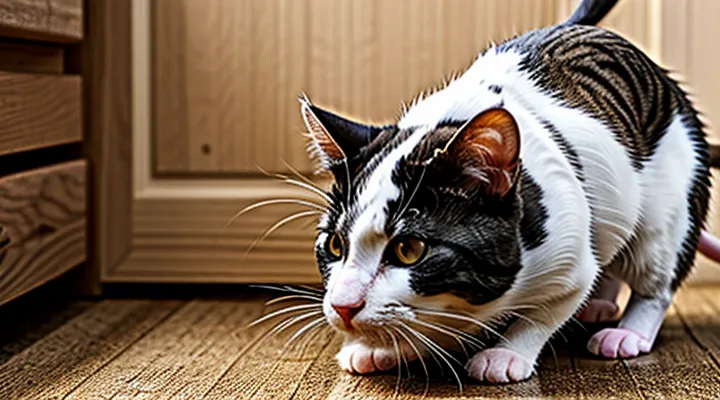
Understanding a Cat’s Natural Instincts
The Feline Predatory Drive
Hunting Behaviors in the Wild
Wild felids demonstrate a predictable sequence when confronting small mammals. The sequence begins with a low‑profile approach, proceeds to a rapid acceleration toward the target, culminates in a precise bite to the neck, and ends with a swift immobilization. This pattern minimizes energy expenditure while maximizing capture success.
Prey selection favors animals that match the predator’s size and agility. Rodents such as mice constitute a common target because their body mass allows a single bite to be lethal, and their erratic movements provide sufficient stimulus to trigger the cat’s chase instinct.
Domestic cats retain the same predatory circuitry. Presenting a live rodent can activate the innate chase‑kill routine, offering mental enrichment and physical exercise. However, several factors require careful assessment:
- Potential for injury to the cat from defensive bites or scratches.
- Risk of transmitting parasites or diseases from the prey.
- Ethical considerations regarding the welfare of the rodent.
- Legal restrictions in some jurisdictions governing the use of live animals for feeding.
Veterinary guidance recommends limiting live‑prey exposure to controlled environments, ensuring that the prey is disease‑free, and providing alternative enrichment that simulates hunting without endangering either animal. «Properly managed, live‑prey feeding can complement a cat’s natural behavior; otherwise, it poses significant health and ethical concerns.»
Prey Drive in Domestic Cats
Prey drive in domestic cats represents a genetically inherited hunting impulse that persists despite centuries of companionship with humans. This instinct manifests as stalking, pouncing, and capturing movements that mimic the behavior of wild felids when encountering potential prey.
Physiological components of prey drive include heightened visual acuity for detecting motion, acute auditory sensitivity to rustling sounds, and a finely tuned somatosensory system that registers subtle vibrations. Neurological pathways involving the hypothalamus and amygdala coordinate these sensory inputs, triggering motor patterns associated with predation.
Environmental factors shape the expression of prey drive:
- Access to outdoor environments that provide live targets.
- Exposure to play objects that simulate prey characteristics.
- Frequency of feeding schedules that either satisfy or prolong hunger cues.
- Human interaction that either reinforces hunting behaviors through play or suppresses them via consistent feeding.
When live rodents are offered as food, prey drive determines a cat’s willingness to engage with the animal. Cats with strong drive may successfully hunt and kill the mouse, fulfilling both nutritional and behavioral needs. Conversely, individuals with diminished drive may ignore the live prey, relying solely on processed diets.
Ethical considerations arise from the intersection of prey drive and feeding practices. Providing live mice can satisfy natural hunting urges but also introduces risks of injury to the cat, transmission of parasites, and welfare concerns for the prey. Alternatives such as interactive toys, puzzle feeders, and scent-enriched kibble aim to stimulate predatory instincts without exposing the cat to live animals.
Understanding the mechanisms and variability of prey drive enables owners and veterinarians to make informed decisions about diet, enrichment, and overall feline health.
Risks of Feeding Live Mice
Health and Safety Concerns for the Cat
Parasites and Diseases
Feeding live rodents to domestic felines introduces a direct pathway for parasites that normally inhabit small mammals. Mice commonly carry gastrointestinal nematodes such as Trichinella spiralis and Capillaria species; both can establish infection after ingestion of infected tissue. Ectoparasites, including Myobia musculi and Demodex mites, may transfer to the cat’s coat during handling or consumption. Flea larvae present on the mouse’s fur can also infest the cat, serving as vectors for additional pathogens.
Bacterial and viral agents present in live prey pose significant health threats. Salmonella serovars frequently colonize the intestinal tract of wild mice, leading to enteritis in cats that ingest contaminated meat. Yersinia pestis, the causative agent of plague, persists in rodent populations and can be transmitted through bite wounds or ingestion. Bartonella henselae, responsible for cat‑scratch disease, may be introduced via flea vectors residing on the mouse. Viral infections such as Hantavirus, though primarily a human concern, have been documented in felines exposed to infected rodents.
Fungal hazards include Dermatophytes (e.g., Microsporum canis) that colonize the skin and fur of mice, potentially causing dermatophytosis in cats after direct contact. Protozoan parasites like Giardia duodenalis and Toxoplasma gondii can be acquired from the ingested prey, resulting in gastrointestinal disturbances and systemic infection, respectively.
Mitigation strategies focus on eliminating the live‑prey variable. Options include providing pre‑killed, frozen, or commercially prepared rodent diets that undergo thorough parasite control. Regular deworming protocols and ectoparasite prevention treatments reduce the likelihood of secondary infestations. Veterinary screening of any captured rodents prior to feeding further diminishes disease transmission risk.
Injuries from Prey
Feeding domestic felines live rodents introduces a risk of physical trauma that can compromise health and welfare. When a cat captures a moving mouse, claws and teeth may become entangled in fur, limbs, or skeletal elements, leading to puncture wounds, lacerations, and bruising. The prey’s defensive actions—scratching, biting, and rapid thrashing—can produce deep scratches on the cat’s forepaws and muzzle, which may become infected if not promptly cleaned. Additionally, the presence of sharp bone fragments in the mouse’s body can cause oral injuries, including broken teeth or mucosal tears, during the act of killing and consumption.
Common injury types include:
- Puncture wounds on paws or face
- Lacerations from claws or teeth
- Bruising from impact and struggle
- Dental fractures from biting bone
- Oral mucosal tears
- Secondary infections from contaminated prey tissue
Prompt veterinary assessment is essential when any of these signs appear, as untreated injuries can progress to septic conditions or chronic pain. Preventive measures, such as providing pre‑killed, nutritionally balanced food, eliminate the physical hazards associated with live prey while still satisfying a cat’s predatory instincts.
Nutritional Imbalance
Feeding live rodents to felines provides protein but often fails to meet the complete nutritional profile required for optimal health. Commercial cat diets are formulated to supply precise ratios of macronutrients, whereas a single prey item delivers variable amounts of fat, carbohydrate, and essential amino acids.
- Protein content may be adequate, but essential fatty acids such as arachidonic acid can be insufficient without supplemental sources.
- Calcium‑phosphorus balance frequently skews toward excess phosphorus, raising the risk of skeletal disorders.
- Fiber intake remains minimal, potentially leading to gastrointestinal dysmotility.
Micronutrient considerations include:
- Vitamin A levels can fluctuate dramatically; deficiency may cause night blindness, while excess predisposes to hepatotoxicity.
- Taurine, an indispensable amino sulfonic acid, is present in prey but may degrade quickly after death, reducing bioavailability.
- Trace minerals such as zinc and copper often appear in suboptimal concentrations, compromising immune function and skin integrity.
Excess caloric density from unregulated prey consumption can promote obesity, insulin resistance, and related metabolic syndromes. Additionally, the unpredictable nutrient composition of wild-caught mice introduces the possibility of toxin exposure, further destabilizing metabolic equilibrium.
Balanced nutrition for domestic cats is achieved through diets meeting established AAFCO nutrient profiles, supplemented as needed to address any gaps inherent in live‑prey feeding.
Ethical Considerations
Animal Welfare of the Mouse
Feeding a domestic cat live rodents raises significant concerns for the mouse’s welfare. Capture, transport, and exposure to a predator provoke acute stress responses, characterized by elevated cortisol and heart‑rate levels. Immediate threat perception causes hyper‑vigilance, loss of coordination, and rapid exhaustion.
Physical injury occurs when a cat attacks. Bites inflict puncture wounds, crushing of skeletal structures, and potential internal hemorrhage. Strangulation or suffocation may follow as the mouse struggles, leading to prolonged suffering before death.
Legal frameworks in many jurisdictions classify the intentional provision of live prey to pets as animal cruelty. Regulations often require that prey be rendered unconscious or deceased prior to presentation, thereby reducing avoidable pain.
Practical alternatives that preserve feline predatory instincts while protecting rodent welfare include:
- Commercially prepared cat food formulated to mimic prey texture and flavor.
- Frozen or chilled mice that are thawed and rendered insensible before feeding.
- Synthetic meat‑based diets designed to satisfy nutritional needs without live prey.
Recommendations for responsible cat owners emphasize humane handling of any prey item, use of pre‑killed rodents when live feeding is unavoidable, and adherence to local animal‑protection statutes. Prioritizing these measures minimizes distress and aligns feeding practices with established welfare standards.
Desensitization and Behavioral Issues for the Cat
Feeding live prey to domestic cats triggers instinctual hunting responses that can conflict with household behavior standards. When a cat encounters a moving mouse, the sudden stimulus may produce heightened arousal, leading to aggression, excessive stalking, or uncontrolled pouncing. Such reactions often translate into undesirable conduct, including furniture damage, vocal outbursts, and unpredictable biting toward humans or other pets.
Effective desensitization reduces the intensity of these responses. The process involves gradual exposure to prey-like cues while controlling the cat’s ability to act on the impulse. Recommended steps:
- Introduce recorded sounds of small rodents at low volume; increase intensity only after the cat remains calm for several minutes.
- Present inert mouse replicas or toys that mimic movement; allow interaction without granting the opportunity to capture.
- Pair exposure sessions with positive reinforcement, such as treats delivered immediately after the cat observes the stimulus without reacting aggressively.
- Extend session duration incrementally, monitoring physiological signs of stress (pupil dilation, tail twitching, ear flattening).
Consistent application of these measures diminishes hyper‑reactivity and fosters a more manageable response to live prey scenarios. Owners who choose to provide live rodents must assess the cat’s baseline temperament, implement structured desensitization, and remain vigilant for persistent behavioral issues that could compromise safety and welfare.
Alternatives to Live Prey
Commercially Prepared Diets
Nutritional Completeness
Feeding live rodents to domestic felines mimics the diet of wild ancestors, yet the nutritional adequacy of such a practice requires careful assessment.
Protein and fat supplied by a mouse align with feline requirements. A single adult mouse provides approximately 8 % of the daily protein need and a proportionate amount of essential fatty acids, delivering moisture that satisfies a significant portion of daily water intake.
Key nutrients delivered by whole prey include:
- Taurine, indispensable for retinal and cardiac health.
- Arachidonic acid, the sole dietary source of certain eicosanoids.
- Vitamin A, preformed and readily absorbable.
- B‑complex vitamins (B1, B2, B6, B12) supporting metabolism.
- Minerals such as phosphorus, potassium, and magnesium in bioavailable forms.
Potential deficiencies arise from the limited size and composition of a mouse:
- Calcium‑phosphorus ratio often skews toward excess phosphorus, risking skeletal imbalances.
- Vitamin D content remains low, necessitating external supplementation for optimal calcium metabolism.
- Trace elements (e.g., zinc, copper) may fall short of established feline thresholds.
- Variation among wild‑caught versus laboratory‑raised mice introduces unpredictable nutrient levels.
Reliance solely on live mice does not guarantee «complete nutrition». Supplementary feeding with formulated diets or targeted additives ensures that all essential nutrients meet or exceed recommended allowances, while also mitigating health risks associated with raw prey.
Specialized Formulas
Specialized nutritional formulas provide a controlled alternative to offering live rodents to felines. These products are engineered to replicate the protein profile, amino acid balance, and micronutrient density found in natural prey. By delivering essential taurine, arachidonic acid, and vitamin A in bioavailable forms, the formulas support ocular health, cardiac function, and coat condition without the risks associated with live prey handling.
Key characteristics of premium cat formulas include:
- High-quality animal protein sources, such as chicken, turkey, or fish meal, refined to achieve a minimum of 40 % crude protein.
- Inclusion of balanced omega‑3 and omega‑6 fatty acids, derived from fish oil and plant oils, to promote inflammatory regulation.
- Fortification with minerals (calcium, phosphorus) and trace elements (zinc, selenium) calibrated to feline dietary requirements.
- Absence of fillers, artificial colors, and preservatives, reducing gastrointestinal irritation and allergenic potential.
When selecting a specialized formula, consider the following criteria:
- Verification of compliance with the Association of American Feed Control Officials (AAFCO) nutrient profiles for growth, maintenance, and reproduction.
- Presence of a guaranteed analysis that specifies minimum levels of taurine and vitamin D3, critical for feline metabolism.
- Manufacturing processes that ensure batch‑to‑batch consistency, demonstrated through third‑party testing and certification.
Feeding specialized formulas eliminates the ethical and safety concerns linked to live prey, while delivering comparable nutritional benefits. Integration of these diets into a cat’s feeding regimen can be achieved by gradual transition, mixing incremental portions of the formula with existing food until full adoption occurs. Continuous monitoring of body condition score and health markers ensures the diet meets individual physiological needs.
Enriching the Cat’s Environment
Interactive Toys and Play
Interactive toys provide stimulation that mimics natural hunting sequences, offering cats an outlet for predatory instincts without requiring actual prey. Structured play sessions with wand devices, laser pointers, and motorized mice create visual and tactile cues that trigger chase, pounce, and capture behaviors. Regular engagement with such toys can diminish the urgency to seek live rodents, aligning with veterinary recommendations for enrichment.
Key categories of interactive toys include:
- Wand toys with feather or fabric attachments, allowing precise control of movement patterns.
- Laser pointers that generate unpredictable trajectories, encouraging rapid sprints and abrupt stops.
- Battery‑operated small‑animal replicas that move erratically, simulating the escape responses of real prey.
- Puzzle feeders that require manipulation to release food, combining mental challenge with physical activity.
Research demonstrates that consistent use of these devices reduces the frequency of attempts to hunt living mice, supporting responsible pet ownership while preserving feline welfare.
Puzzle Feeders
Puzzle feeders provide a structured method for presenting live prey to domestic felines. By enclosing a mouse within a compartment that requires manipulation, the device reproduces the chase and capture phases of natural hunting while limiting direct contact with the animal’s teeth and claws. This design reduces the risk of injury to both predator and prey, offers mental stimulation, and encourages proper bite force development.
Key advantages of using such devices include:
- Controlled exposure to movement, which satisfies predatory instincts without unrestricted access.
- Adjustable difficulty levels, allowing gradual acclimation to handling live prey.
- Easy cleaning and disassembly, ensuring hygienic conditions for repeated use.
Implementing puzzle feeders aligns feeding practices with ethical considerations, supporting feline health and behavioral welfare while maintaining safety standards.
Supervised Hunting Simulation
Supervised hunting simulation provides a controlled environment in which domestic felines can engage with live prey without unrestricted exposure. The approach combines physical barriers, timed release mechanisms, and real‑time monitoring to replicate natural predatory behavior while minimizing risk to the animal and the prey.
Implementation begins with a secure enclosure that isolates the cat from direct contact with the mouse. A transparent partition allows visual and auditory cues, followed by a remote‑activated gate that releases the mouse for a brief, observable chase. Sensors record movement patterns, latency to attack, and stress indicators in both participants. Data collected supports assessment of instinctual drive, skill development, and potential behavioral issues associated with feeding live rodents.
Ethical considerations focus on humane treatment of the mouse and prevention of injury to the cat. Protocols require immediate cessation of the chase if excessive aggression or injury occurs, and post‑session veterinary evaluation of the feline. The mouse is either euthanized according to approved standards or returned to a refuge, depending on regulatory guidelines.
Benefits include reduction of uncontrolled predation, opportunity for behavioral enrichment, and empirical insight into the suitability of live‑prey diets for individual cats. Limitations involve resource investment, need for trained supervision, and compliance with local animal‑welfare legislation.
Alternative enrichment methods—interactive toys, puzzle feeders, and scent‑based stimulation—may complement or replace live‑prey simulations when constraints prevent safe execution.
Overall, supervised hunting simulation offers a structured, data‑driven solution for evaluating and satisfying predatory instincts while adhering to ethical standards.