
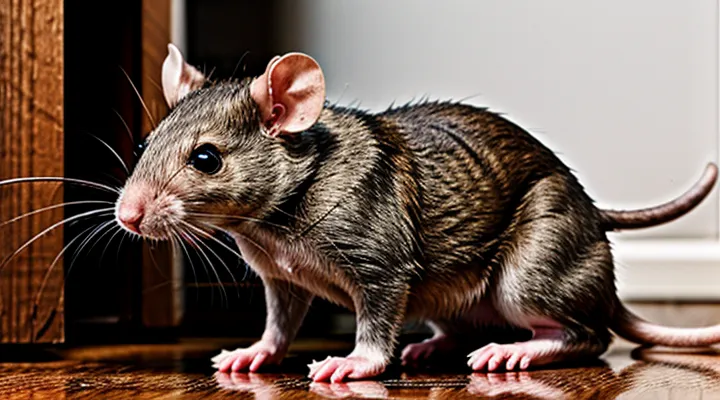
Understanding Rat Intelligence and Social Structures
Cognitive Abilities of Rats
Rats possess a neocortex that supports complex information processing, enabling rapid learning of spatial cues, object discrimination, and operant tasks. Laboratory studies demonstrate that rats acquire maze solutions after a few trials, indicating robust short‑term memory and the capacity to form enduring representations of their environment.
Evidence of long‑term memory appears in delayed‑match‑to‑sample experiments, where rats retain stimulus associations for weeks. Problem‑solving abilities emerge in puzzle boxes that require sequential actions, confirming flexible cognition rather than reflexive behavior.
Social cognition is evident in ultrasonic vocalizations that convey distress, dominance, and affiliation. Rats differentiate between familiar and unfamiliar conspecifics, and they display empathy‑like responses when cage‑mates receive mild shocks, suggesting an awareness of others’ emotional states.
Physiological markers, such as elevated corticosterone and heart‑rate variability, accompany exposure to a human that previously delivered aversive stimuli. Behavioral indicators—avoidance, reduced grooming, and diminished exploration—appear when the same individual interacts with the rat, reflecting a negative affective state directed toward that person. These responses imply that rats can experience displeasure toward a caretaker who has acted inconsistently or harshly, influencing the quality of the human‑rat relationship.
Social Hierarchy and Interactions in Rat Colonies
Rats organize themselves into linear dominance structures where each individual occupies a relatively stable rank. The highest‑ranking rat monopolizes access to preferred nesting sites, food resources, and grooming opportunities, while subordinate members defer to the dominant individual during feeding and territorial disputes. Dominance is established through brief aggressive encounters, such as biting, chasing, and postural displays, and is reinforced by regular reaffirmation behaviors, including scent marking and ultrasonic vocalizations.
Within a colony, social bonds develop between individuals of adjacent ranks. Affiliative interactions—mutual grooming, huddling, and low‑intensity vocal exchanges—strengthen these connections and reduce stress. Subordinates often form coalitions to challenge an overbearing leader, and successful challenges result in rapid reordering of the hierarchy. The fluidity of rank ensures that rats remain responsive to changes in group composition and resource distribution.
These innate social mechanisms shape how rats perceive and react to humans. A rat that has experienced consistent, predictable handling typically incorporates the caretaker into its social network, treating the person as a benign, high‑ranking member. Conversely, irregular handling, sudden removal of food, or unexpected restraint can be interpreted as a breach of the established order, prompting avoidance or brief aggression. Such responses mirror the colony’s internal conflict resolution strategies rather than an emotional judgment unique to the human‑rat relationship.
Key points linking colony dynamics to caretaker interactions:
- Stable rank → predictable behavior toward familiar handlers.
- Frequent affiliative contact → reduced fear and increased tolerance.
- Disruption of routine → heightened vigilance, possible brief aggression.
- Positive reinforcement aligned with the rat’s dominant cues → stronger bond.
Understanding the hierarchical framework of rat societies provides a practical basis for interpreting a rat’s apparent dissatisfaction with its owner and for designing handling practices that respect the animal’s social expectations.
Can Rats Experience «Upset» Emotions?
Defining «Upset» in an Animal Context
Defining “upset” for a non‑human animal requires translating human emotional terminology into observable behavioral and physiological states. In scientific literature, “upset” corresponds to a negative affective condition characterized by heightened arousal, reduced reward processing, and the activation of stress pathways.
Key indicators of an upset state in rodents include:
- Increased locomotor activity or frantic pacing.
- Vocalizations of higher frequency or longer duration than baseline.
- Withdrawal from social interaction, including avoidance of the caretaker.
- Elevated cortisol or corticosterone levels measurable in blood or saliva.
- Altered grooming patterns, such as excessive or diminished self‑cleaning.
These markers arise from the amygdala‑hypothalamic‑pituitary‑adrenal (HPA) axis, which governs the organism’s response to perceived threat or frustration. When the axis is activated, the animal experiences a state that aligns with the human concept of being upset: a combination of stress, displeasure, and reduced motivation for positive stimuli.
Applying this framework to pet rats shows that they possess the neurobiological substrates necessary for such affective responses. Observable behaviors listed above have been documented after inconsistent handling, abrupt environmental changes, or the removal of a preferred companion. Consequently, a rat can exhibit an upset condition toward its human caregiver when the caregiver’s actions trigger the rat’s stress circuitry.
Recognizing Signs of Discomfort or Stress in Rats
Rats possess a capacity for negative affect that can manifest when their needs are unmet or when they perceive threats from their caretaker. Recognizing discomfort or stress is essential for maintaining a healthy relationship and preventing harmful behaviors.
- Flattened or hunched posture, ears pressed back against the head
- Reduced activity, frequent hiding, or retreat to corners of the cage
- Excessive grooming that leads to hair loss or skin irritation
- Audible squeaks, chattering, or sudden silence in normally vocal individuals
- Aggressive lunges, bites, or avoidance of direct contact
Behavioral shifts often accompany physiological changes. A rat that suddenly refuses food, shows weight loss, or produces abnormal droppings may be experiencing chronic stress. Increased urination or defecation outside the designated area can indicate anxiety. Elevated heart rate and rapid breathing, observable during handling, also signal distress.
Owners should monitor these indicators daily, adjust the environment to reduce stressors, and provide enrichment such as tunnels, chew toys, and regular social interaction. Consistent handling techniques that avoid sudden movements and allow the rat to approach voluntarily reduce fear responses. Persistent signs of discomfort warrant veterinary evaluation to rule out illness or injury.
Factors Influencing Rat Behavior Towards Owners
Impact of Handling and Socialization
Handling and socialization shape a rat’s emotional relationship with the person who cares for it. Repeated gentle contact builds trust; irregular or rough handling creates uncertainty and can trigger defensive reactions.
Effective handling includes:
- Light, steady grip that supports the body without restriction.
- Short sessions at first, gradually extending as the rat shows comfort.
- Consistent timing, so the animal learns to anticipate interaction.
- Calm voice and minimal sudden movements.
Socialization extends beyond direct touch. Regular exposure to the caretaker’s scent, presence, and routine activities reduces fear of unfamiliar stimuli. Providing a stable cage environment, predictable feeding times, and opportunities for exploration reinforces a sense of safety.
When handling and socialization are insufficient, rats often display avoidance, vocalizations, or brief bouts of aggression toward the caretaker. These behaviors indicate a negative affective state rather than a simple preference for solitude. Conversely, well‑socialized rats readily approach, accept petting, and exhibit relaxed postures, showing a positive association with their human companion.
Environmental Stressors and Their Effects
Rats perceive changes in their surroundings through sensory systems that are highly attuned to temperature, lighting, odor, and acoustic cues. When these variables deviate from the conditions to which the animal is accustomed, physiological pathways activate stress responses that alter behavior.
Key environmental stressors include:
- Temperature fluctuations – rapid shifts trigger hypothalamic activation, raising cortisol levels and prompting avoidance of the source.
- Inconsistent lighting cycles – disruption of circadian rhythms leads to increased agitation and reduced exploratory activity.
- Unfamiliar odors – exposure to predator scents or strong chemicals stimulates the amygdala, causing heightened vigilance and reduced social interaction.
- Noise spikes – sudden loud sounds elevate heart rate and produce startle responses that can generalize to other stimuli.
The cumulative effect of these stressors manifests as changes in grooming, feeding, and social engagement. Rats subjected to chronic stress display reduced sucrose preference, increased self‑directed biting, and a tendency to withdraw from human contact. These behaviors can be interpreted as signs of displeasure toward the caretaker when the owner unintentionally creates or neglects to mitigate the stressors.
Mitigation strategies that reduce environmental strain improve welfare and foster positive human‑rat relationships:
- Maintain a stable ambient temperature within the species’ thermoneutral zone.
- Provide a consistent light‑dark schedule, preferably 12 hours of light followed by 12 hours of darkness.
- Use bedding and enclosure materials that minimize strong or novel odors.
- Limit exposure to abrupt or loud noises; employ sound‑absorbing substrates if necessary.
By addressing the identified stressors, owners can prevent the emergence of negative affective states in their rats, thereby decreasing the likelihood that the animal will exhibit behaviors indicative of upset or aversion toward its caretaker.
Changes in Routine and Rat Reactions
Rats rely heavily on predictable daily patterns; disruptions in feeding time, handling schedule, or cage cleaning can trigger stress responses. When an owner alters these routines without gradual adjustment, the animal may interpret the shift as a loss of security, leading to behavioral changes that indicate displeasure.
Typical reactions include:
- Reduced grooming and a dull coat
- Increased hiding or avoidance of interaction
- Vocalizations such as high‑pitched squeaks when approached
- Aggressive bites or lunges during handling
- Elevated activity in the night cycle, often manifested as frantic running on the wheel
Mitigation strategies focus on consistency and gradual transition. Maintain fixed feeding intervals, limit sudden changes in handling duration, and introduce new elements (e.g., toys, bedding) progressively over several days. Monitoring the rat’s body language—ears flattened, tail tucked, pupils dilated—provides immediate feedback on its emotional state, allowing the caretaker to restore a stable environment promptly.
Interpreting Rat Communication Cues
Body Language and Vocalizations
Rats can exhibit clear signs of displeasure toward a caretaker. Body language provides the most reliable indicators. A lowered or tucked tail, flattened ears, and a hunched back signal anxiety or irritation. Rapid, erratic movements, avoidance of eye contact, and retreat to hidden corners further demonstrate discomfort. Excessive grooming, especially of the same area, may reflect stress.
Vocalizations complement visual cues. Short, high‑pitched squeaks often accompany sudden agitation. Continuous, low‑frequency chattering can indicate defensive arousal. Audible teeth grinding, especially when the animal is otherwise awake, suggests frustration or fear.
Typical behavioral and acoustic markers of rat displeasure
- Tail tucked close to the body
- Ears pressed flat against the head
- Back rounded, posture lowered
- Sudden darting or retreat to secluded spots
- Repetitive grooming of a single region
- Sharp, brief squeaks
- Persistent low‑tone chattering
- Audible teeth grinding while awake
Interpreting these signals allows owners to recognize when a rat is upset and adjust handling, environment, or routine to reduce stress. Consistent observation of both visual and auditory cues yields the most accurate assessment of the animal’s emotional state.
Behavioral Changes Indicating Distress
Rats can exhibit signs of distress that suggest displeasure toward a caretaker. Recognizing these signals allows owners to adjust handling practices and improve welfare.
- Reduced exploration of the cage or avoidance of the owner’s presence.
- Decreased grooming, leading to a rough or unkempt coat.
- Increased vocalizations such as high‑pitched squeaks when approached.
- Aggressive bites or lunges directed at the handler.
- Repetitive pacing or stereotypic movements, especially after handling sessions.
- Loss of appetite or refusal to accept treats offered by the owner.
These behaviors typically emerge after repeated negative experiences, such as rough handling, inadequate housing, or inconsistent feeding schedules. A sudden shift from normal activity to any of the listed patterns warrants immediate evaluation of the rat’s environment and interaction style. Adjustments may include gentler handling, enrichment enrichment, and consistent routine to restore a positive relationship.
Building and Maintaining a Positive Rat-Owner Relationship
Strategies for Trust Building
Rats can experience frustration when their caretaker behaves unpredictably or applies pressure that conflicts with the animal’s natural instincts. Consistent, respectful interaction reduces the likelihood of such negative reactions and establishes a reliable relationship.
Effective trust‑building measures include:
- Daily handling sessions of short duration, gradually extended as the rat shows comfort.
- Immediate reward (food treat or gentle petting) following calm behavior, reinforcing desired responses.
- Observation of ear, whisker, and body posture to detect early signs of stress; pause interaction when tension appears.
- Maintenance of a stable cage environment—regular cleaning, predictable feeding times, and unchanged layout—to prevent anxiety.
- Provision of enrichment items (tunnels, chew toys, climbing structures) that allow the rat to explore safely and express natural behaviors.
- Avoidance of abrupt movements, loud noises, and sudden hand gestures that may startle the animal.
- Respect for the rat’s personal space; allow retreat to a hideaway when the animal seeks solitude.
Applying these practices consistently creates a predictable context in which the rat perceives the caretaker as a source of safety rather than threat, thereby minimizing the chance of displeasure.
Addressing Behavioral Issues and Misunderstandings
Rats are highly social mammals that develop attachments to their caretakers; they can also display frustration when expectations are unmet. Recognizing the signs of discomfort prevents misinterpretation of their behavior.
Typical indicators of distress or misunderstanding include:
- Sudden aggression toward hands or cages
- Persistent avoidance of interaction
- Decreased grooming or abnormal grooming patterns
- Excessive vocalizations such as high‑pitched squeaks
- Changes in feeding habits or weight loss
Effective responses focus on environmental stability and positive reinforcement:
- Maintain a consistent daily schedule for feeding, cleaning, and handling
- Provide nesting material, tunnels, and chewable objects to satisfy exploratory needs
- Use gentle, slow movements when approaching; reward calm behavior with treats
- Limit loud noises and abrupt lighting changes that can startle the animal
- Monitor health parameters; consult a veterinarian if behavioral shifts persist
Owners should observe each rat’s individual cues, adjust handling techniques accordingly, and ensure the living space meets species‑specific requirements. Proactive management reduces the likelihood of negative emotional states and strengthens the human‑rat bond.
Common Misconceptions About Rat Emotions
Anthropomorphism vs. Scientific Observation
Anthropomorphic descriptions often portray rats as feeling resentment toward human handlers, a narrative driven by human tendency to project emotions onto non‑human animals. Such language can shape public perception but does not constitute empirical evidence.
Scientific studies assess rat affect through measurable indicators: physiological stress markers, behavioral changes, and neurochemical profiles. Observed signs of negative affect include:
- Elevated corticosterone levels in blood or saliva.
- Increased occurrence of freezing or avoidance of the handler’s presence.
- Reduction in exploratory behavior during open‑field tests.
- Preference for solitary nesting over communal arrangements when offered a choice.
These data derive from controlled experiments that isolate variables such as handling frequency, environmental enrichment, and predictability of care. Results consistently show that rats respond to perceived threats or inconsistent treatment with stress responses, not with complex emotions analogous to human anger.
The contrast between anthropomorphic narratives and scientific observation reveals that while rats can exhibit distress toward a caretaker, the experience is best characterized as a stress reaction rather than a moralized feeling of being upset. Interpretation of rat behavior must therefore rely on quantifiable metrics rather than human‑centric language.
Distinguishing Instinct from Emotional Responses
Rats respond to caretaker actions through a combination of innate survival mechanisms and learned affective states. Determining whether a rat feels displeasure toward its owner requires separating reflexive stress responses from genuine emotional reactions.
Physiological measurements provide the first line of discrimination. Elevated corticosterone levels, increased heart rate, and heightened respiration indicate a stress axis activation that can occur without conscious affect. In contrast, prolonged changes in baseline hormone concentrations, coupled with alterations in dopamine turnover, suggest a shift in affective tone.
Observable behavior refines the interpretation. Immediate escape, freezing, or aggressive bites after a specific interaction are typical defensive instincts. Persistent avoidance of the caretaker’s presence, reduced grooming, and altered social play patterns point toward a sustained negative affective state. Consistency across multiple sessions strengthens the emotional inference.
Learning history shapes the transition from instinct to emotion. Repeated negative experiences—such as rough handling or unpredictable feeding—lead the rat to form associative memories linking the caretaker with aversive outcomes. This conditioning process generates anticipatory anxiety, a hallmark of affective displeasure.
Experimental protocols that isolate variables clarify the distinction. Typical designs include:
- Baseline recording of hormone levels before any caretaker contact.
- Introduction of a neutral stimulus followed by a controlled negative event.
- Post‑event monitoring of physiological and behavioral markers over several days.
- Comparison with a control group receiving only neutral interactions.
When physiological stress peaks are brief and behavior normalizes quickly, the response is likely instinctual. When markers remain elevated and avoidance persists, the evidence supports an emotional reaction. This framework allows researchers and owners to assess rat welfare with precision, distinguishing reflexive stress from genuine upset toward the caretaker.