
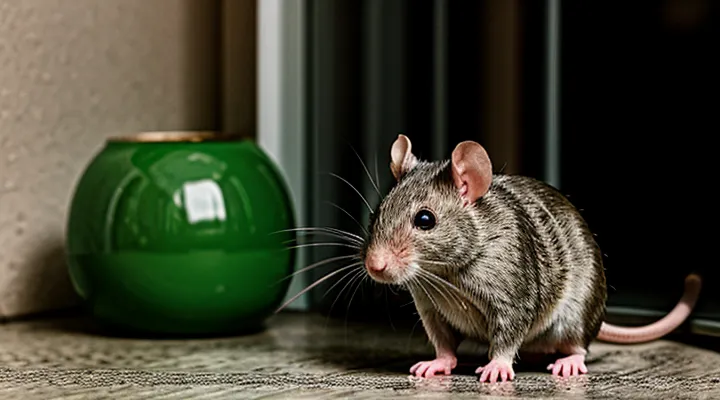
The Social Nature of Rats
Rats as Social Animals
Wild Rat Colonies
Wild rat colonies thrive on complex social networks that regulate access to food, shelter, and breeding opportunities. Individuals isolated from these networks experience elevated corticosterone levels, reduced immune function, and altered feeding behavior. Research on Rattus norvegicus and Rattus rattus demonstrates that prolonged separation from conspecifics leads to:
- Chronic stress responses measurable through hormone assays.
- Decreased body weight and impaired wound healing.
- Higher susceptibility to opportunistic pathogens.
Field observations confirm that solitary rats have lower survival rates than those embedded in stable groups. Mortality in isolated individuals often results from a combination of stress‑induced physiological decline and increased predation risk, as solitary animals lack the vigilance provided by group members. Laboratory studies corroborate these findings, showing that rats housed alone exhibit shorter lifespans than those housed in pairs or larger cohorts, even when food and water are abundant.
The evidence indicates that social deprivation can be a direct contributor to death in wild rat populations, primarily through stress‑related health deterioration rather than the absence of external resources.
Domestic Rat Behavior
Domestic rats are highly social mammals; they form stable hierarchies, groom each other, and share nesting spaces. Continuous interaction satisfies their need for tactile and olfactory contact, which underpins normal physiological regulation.
Extended solitary confinement triggers chronic stress. Corticosterone levels rise, leading to immunosuppression, impaired wound healing, and increased susceptibility to opportunistic infections. Long‑term stress correlates with reduced body weight, diminished reproductive output, and shortened lifespan, establishing a direct link between isolation and mortality risk.
Observable signs of severe loneliness include:
- Persistent vocalizations without response
- Self‑directed grooming or excessive scratching
- Loss of appetite and weight decline
- Withdrawal from environmental enrichment
- Aggressive or apathetic demeanor toward humans
Preventive measures focus on maintaining group housing of compatible individuals, providing nesting material, tunnels, and chewable objects, and ensuring regular handling to supply tactile stimulation. When solitary housing is unavoidable, daily interaction of at least 15 minutes, supplemental scent exchange, and visual barriers that allow limited peer observation can mitigate stress effects.
In summary, domestic rats deprived of conspecific contact experience physiological dysregulation that can culminate in fatal outcomes. Proper social environment and enrichment are essential to preserve health and longevity.
The Impact of Isolation on Rats
Psychological Effects of Loneliness
Stress Response
Rats subjected to prolonged social isolation exhibit a pronounced activation of the hypothalamic‑pituitary‑adrenal (HPA) axis. Corticotropin‑releasing hormone (CRH) is released from the hypothalamus, stimulating adrenocorticotropic hormone (ACTH) secretion, which in turn prompts the adrenal cortex to produce glucocorticoids. Elevated glucocorticoid levels trigger a cascade of physiological changes that compromise health.
Key elements of the stress response in isolated rats include:
- Increased circulating corticosterone.
- Suppression of immune cell proliferation and antibody production.
- Heightened oxidative stress and lipid peroxidation.
- Dysregulation of glucose metabolism leading to hyperglycemia.
- Altered heart rate variability reflecting autonomic imbalance.
These alterations impair wound healing, reduce resistance to infections, and accelerate neurodegeneration. Experimental data show that rats housed singly for several weeks develop cardiac fibrosis, reduced hippocampal volume, and a higher incidence of spontaneous mortality compared with group‑housed controls. The mortality risk correlates with the magnitude and duration of corticosterone elevation.
Therefore, the physiological stress induced by chronic loneliness can directly contribute to fatal outcomes in rats. Mitigating social deprivation, either by providing companionship or environmental enrichment, normalizes HPA activity and lowers the probability of death.
Behavioral Changes
Social isolation triggers a distinct pattern of behavioral alterations in laboratory rats, measurable within days of separation from conspecifics.
- Decreased locomotor activity in open‑field tests, indicating reduced exploratory drive.
- Heightened thigmotaxis and reduced time spent in central zones, reflecting increased anxiety‑like responses.
- Excessive self‑grooming or, conversely, neglect of grooming, signifying stress‑induced compulsivity or apathy.
- Diminished interaction with novel objects or unfamiliar rats, demonstrating impaired social motivation.
- Altered feeding patterns, including hypo‑ or hyperphagia, that disrupt energy balance.
These changes correspond with elevated corticosterone levels, disrupted hypothalamic‑pituitary‑adrenal axis function, and impaired immune parameters. Chronic stress hormones suppress cellular immunity, increase oxidative damage, and impair wound healing, factors that collectively raise the probability of premature death.
Empirical studies report that isolated rats exhibit shorter lifespans compared with group‑housed controls, a correlation attributed to the cumulative effect of the described behavioral and physiological disturbances.
Understanding these behavioral markers provides a reliable framework for assessing the health risks associated with prolonged loneliness in rodent models and highlights the necessity of social enrichment to mitigate mortality risk.
Cognitive Decline
Research on laboratory rodents demonstrates that prolonged social isolation produces measurable deficits in cognitive function. Rats housed individually for several weeks exhibit reduced performance on spatial learning tasks, indicating impaired memory processing.
Neurobiological assessments reveal several alterations associated with isolation:
- Decreased hippocampal volume and synaptic density
- Suppressed adult neurogenesis in the dentate gyrus
- Elevated circulating corticosterone and disrupted hypothalamic‑pituitary‑adrenal axis activity
These changes correlate with slower acquisition of maze navigation strategies and increased error rates in object‑recognition tests. The deficits persist after re‑introduction to a group environment, suggesting lasting impairment.
Cognitive decline influences overall health outcomes. Impaired learning and memory reduce a rat’s ability to locate food, avoid predators, and maintain thermoregulation, thereby heightening mortality risk. Studies report higher death rates in isolated cohorts compared with socially enriched controls, with statistical models attributing a portion of the excess mortality to neurocognitive deterioration.
Collectively, empirical evidence links chronic loneliness in rats to a cascade of neural, behavioral, and physiological disturbances that culminate in accelerated cognitive decline and an elevated probability of premature death.
Physiological Consequences of Isolation
Weakened Immune System
Loneliness triggers physiological stress in rats, which directly compromises immune function. Chronic social deprivation elevates cortisol levels, suppresses lymphocyte proliferation, and reduces natural‑killer cell activity. The resulting immunosuppression lowers resistance to bacterial, viral, and fungal pathogens.
Key consequences of a weakened immune system include:
- Increased susceptibility to opportunistic infections such as Staphylococcus spp. and Pseudomonas spp.
- Delayed wound healing and higher mortality after minor injuries.
- Heightened inflammatory responses that can damage organ tissue.
When immune defenses are insufficient, infections that would normally be cleared become lethal. Experimental data show that isolated rats experience higher mortality rates after exposure to common pathogens compared with socially housed counterparts, confirming that severe loneliness can indeed lead to death through immune impairment.
Cardiovascular Issues
Research on laboratory rodents shows that prolonged social isolation triggers measurable changes in cardiovascular function. Isolated rats exhibit elevated systolic and diastolic blood pressure compared with group‑housed controls. Heart rate variability, a marker of autonomic balance, declines markedly, indicating reduced parasympathetic tone and heightened sympathetic activity.
The physiological cascade linked to isolation includes:
- Activation of the hypothalamic‑pituitary‑adrenal axis, resulting in chronic cortisol elevation.
- Increased circulating catecholamines, which raise vascular resistance and promote cardiac remodeling.
- Endothelial dysfunction manifested by reduced nitric oxide availability and heightened oxidative stress.
- Hyperlipidemia and altered glucose metabolism, contributing to atherosclerotic lesion formation.
When these mechanisms converge, rats develop hypertension, left‑ventricular hypertrophy, and arrhythmogenic substrates. Severe cases progress to heart failure or sudden cardiac death, demonstrating that loneliness can indeed be lethal through cardiovascular pathways.
Reduced Lifespan
Loneliness triggers physiological changes that shorten the life expectancy of laboratory rats. Chronic social isolation elevates corticosterone levels, suppresses immune function, and increases oxidative stress, all of which accelerate age‑related decline.
Key effects documented in peer‑reviewed research:
- Higher mortality rates in singly housed rats compared with group‑housed controls.
- Accelerated tumor growth and reduced tumor‑free survival under isolated conditions.
- Greater incidence of cardiovascular abnormalities, including hypertension and cardiac hypertrophy.
- Impaired neurogenesis and increased depressive‑like behavior, linked to shorter overall survival.
Mechanistic pathways involve the hypothalamic‑pituitary‑adrenal axis, inflammatory cytokine release, and dysregulated autonomic nervous system activity. Interventions that restore social interaction or mimic its neurochemical signals—such as environmental enrichment or oxytocin administration—consistently mitigate these adverse outcomes and extend lifespan.
The evidence indicates that the absence of companionship is a critical determinant of reduced longevity in rodent models, underscoring the biological cost of social deprivation.
Evidence and Case Studies
Laboratory Studies on Social Deprivation
Laboratory investigations have repeatedly shown that prolonged isolation profoundly alters rat physiology and behavior. Experiments typically separate weanlings or adults from conspecifics for periods ranging from days to several months, using individually housed cages that prevent visual, olfactory, and tactile contact.
Key outcomes of social deprivation include:
- Elevated corticosterone levels, indicating chronic stress.
- Suppressed immune function, manifested by reduced lymphocyte proliferation and increased susceptibility to infections.
- Disrupted thermoregulation, leading to hypothermia during the inactive phase.
- Decreased food intake and body weight loss exceeding 20 % of baseline in extreme cases.
- Accelerated onset of neurodegenerative markers, such as hippocampal neuronal loss and reduced synaptic density.
Mortality rates rise sharply when isolation exceeds three weeks in adult rats, with deaths attributed to a combination of hypothermia, severe weight loss, and opportunistic infections. Juvenile rats exhibit even higher vulnerability; mortality can reach 40 % after six weeks of solitary housing.
Mechanistic explanations focus on the loss of social buffering, which normally attenuates hypothalamic‑pituitary‑adrenal axis activation. Absence of social cues eliminates the release of oxytocin and other affiliative neuropeptides, further amplifying stress responses. The resulting cascade destabilizes metabolic homeostasis and impairs wound healing, creating conditions under which death becomes likely.
These findings underscore that extreme social deprivation is not merely a behavioral concern but a lethal stressor in rodent models. The evidence aligns with the broader hypothesis that chronic loneliness can directly threaten survival in rats.
Anecdotal Evidence from Rat Owners
Pet owners frequently report that solitary rats display rapid weight loss, reduced grooming, and diminished activity. Several owners describe sudden death after weeks of isolation, attributing the outcome to chronic stress and immune suppression.
Common themes emerge across submissions:
- Rats kept alone for longer than two weeks often develop anorexia and lethargy.
- Owners note excessive vocalizations and stereotypic pacing, suggesting heightened anxiety.
- Necropsies frequently reveal gastrointestinal ulcers and opportunistic infections, conditions linked to prolonged stress.
These observations indicate that prolonged social deprivation can trigger physiological decline severe enough to cause mortality in laboratory and companion rats.
Mitigating Loneliness in Pet Rats
Importance of Companionship
Keeping Multiple Rats
Rats are highly social mammals; isolation can trigger chronic stress, suppress immune function, and accelerate disease progression. Studies on laboratory and pet populations show that solitary individuals exhibit higher corticosterone levels, reduced weight gain, and increased mortality compared with conspecific groups. Consequently, maintaining a cohort of compatible rats mitigates the physiological impact of loneliness and supports longer, healthier lives.
When housing multiple rats, consider the following guidelines:
- Provide a minimum of two animals of the same sex or a neutered pair to prevent breeding.
- Ensure cage size allows at least 200 cm² per rat, plus additional space for enrichment.
- Supply nesting material, tunnels, and chewable objects to promote natural behaviors.
- Monitor group dynamics daily; separate individuals displaying persistent aggression.
- Rotate enrichment items regularly to prevent boredom and stress.
Proper social housing directly addresses the risk that extreme solitude poses to rat welfare, reducing the likelihood that loneliness contributes to fatal outcomes.
Human Interaction
Human contact provides rats with environmental enrichment that reduces stress‑induced physiological changes. Direct handling, gentle voice, and regular cage cleaning introduce tactile and auditory cues that stimulate the nervous system and maintain normal cortisol levels.
When rats lack such stimulation, they exhibit stereotypic behaviors, reduced grooming, and weight loss. Chronic isolation can lead to immunosuppression, making individuals more vulnerable to infections that may become fatal.
Practical measures to ensure adequate human interaction:
- Daily brief handling sessions (2–3 minutes per animal) to deliver tactile stimulation.
- Routine verbal communication at a consistent volume to supply auditory input.
- Periodic cage rearrangement to present novel objects, encouraging exploration.
- Observation of social cues (e.g., vocalizations, posture) to adjust interaction frequency.
Implementing these practices sustains physiological homeostasis and minimizes the risk that loneliness contributes to mortality in laboratory and pet rats.
Creating an Enriching Environment
Cage Size and Setup
Rats housed in enclosures that are too small experience chronic stress, which can suppress immune function and increase mortality risk. A cage that provides sufficient floor space, vertical climbing structures, and hiding spots allows natural behaviors and reduces the perception of isolation.
Key dimensions and features for a healthy environment include:
- Minimum floor area of 0.5 m² per adult rat, with additional space for each additional animal.
- Vertical space of at least 30 cm to accommodate climbing and nesting.
- Multiple levels or platforms connected by ramps to promote exploration.
- Solid bedding material at a depth of 5 cm for burrowing and comfort.
- Secure, ventilated lids that prevent escape while allowing airflow.
Proper arrangement of these elements encourages social interaction, even when rats are kept singly for experimental reasons. When an individual rat can retreat to a nest box, investigate elevated platforms, and manipulate objects, the psychological impact of solitude diminishes.
Neglecting these standards often leads to heightened cortisol levels, reduced appetite, and susceptibility to disease, all of which can culminate in premature death. Ensuring adequate cage size and enrichment therefore serves as a critical preventative measure against the fatal consequences of prolonged loneliness.
Toys and Stimulation
Providing rats with appropriate objects and opportunities for interaction mitigates the health risks associated with prolonged isolation. Physical and mental engagement through enrichment reduces stress hormones, supports immune function, and encourages natural foraging and exploratory behaviors that sustain physiological balance.
Effective enrichment includes:
- Chewable items such as wooden blocks, untreated cardboard tubes, and natural fiber toys that satisfy gnawing instincts and protect dental health.
- Manipulable puzzles like treat-dispensing shells or maze tubes that require problem‑solving and prolong activity periods.
- Tactile substrates, for instance shredded paper or nesting material, that enable burrowing and nest‑building, replicating wild habitats.
- Auditory and olfactory stimuli, including safe scent pads or low‑volume recordings of conspecific vocalizations, which stimulate sensory perception without causing distress.
Regular rotation of these items prevents habituation, ensuring sustained interest and continual mental challenge. Monitoring individual preferences allows caretakers to tailor enrichment, optimizing welfare outcomes and reducing the likelihood that solitary conditions become fatal.
Ethical Considerations
Animal Welfare in Research
Laboratory rats are inherently social; prolonged solitary housing disrupts normal behavior, elevates stress hormones, and impairs immune function. Studies demonstrate that isolated rodents exhibit higher corticosterone levels, reduced grooming, and increased susceptibility to infections, conditions that can accelerate mortality. Evidence shows that chronic loneliness can be a contributing factor, though not the sole cause, of death in rats under experimental conditions.
Regulatory guidelines mandate social housing for species with known affiliative needs. The Guide for the Care and Use of Laboratory Animals, the European Union Directive 2010/63/EU, and national animal welfare statutes require investigators to provide appropriate companionship or justify single housing with scientific justification and mitigation strategies. Institutional Animal Care and Use Committees (IACUCs) evaluate protocols for compliance, ensuring that isolation is minimized.
Effective mitigation combines environmental enrichment with structured social interaction. Recommended practices include:
- Group housing of compatible individuals whenever experimental design permits.
- Provision of nesting material, tunnels, and chewable objects to reduce stress.
- Regular health monitoring focused on weight, coat condition, and behavioral indicators of distress.
- Documentation of any single‑housing justification, accompanied by a plan for periodic social exposure.
Adherence to these standards lowers the risk that loneliness contributes to premature death, aligns research with ethical obligations, and improves data reliability by reducing stress‑related confounding variables.
Responsible Pet Ownership
Rats are highly social mammals; isolation can trigger chronic stress, suppress immune function, and increase mortality risk. Owners who fail to meet these social requirements expose their pets to preventable health decline.
Effective stewardship includes:
- Housing at least two compatible rats to ensure mutual grooming and play.
- Providing daily interaction through gentle handling, enrichment toys, and tunnels that encourage exploration.
- Monitoring behavior for signs of withdrawal, reduced appetite, or abnormal grooming, which indicate emotional distress.
- Scheduling regular veterinary examinations to detect physiological consequences of prolonged loneliness, such as weight loss or respiratory issues.
Environmental complexity reduces boredom and promotes natural foraging behavior, mitigating the adverse effects of solitary confinement. When a single rat is unavoidable, extended supervised sessions and rotating companion animals can partially offset the lack of a permanent partner.
By addressing social, environmental, and health dimensions, responsible caretakers eliminate the primary factor that makes loneliness a lethal condition for rats.