
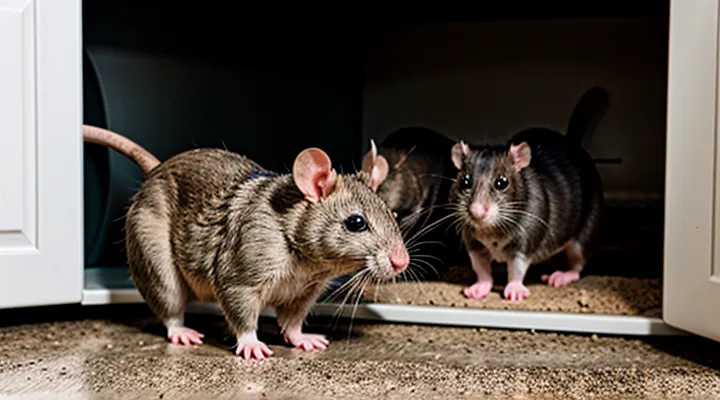
Rat Physiology and Habits
Natural Instincts
Rats possess innate behaviors that directly influence their willingness to adopt a designated elimination area. Their natural tendency to separate living and waste zones creates a foundation for successful litter training.
Key instinctive patterns include:
- Den preference – Rats construct nests away from soiled material, seeking dry, secure locations.
- Burrowing drive – Continuous digging behavior encourages interaction with substrate that can absorb waste.
- Scent marking – Urine and feces serve as territorial signals; rats avoid contaminating areas already marked as clean.
- Hygiene instinct – Individuals instinctively keep their immediate environment free of debris to reduce disease risk.
Applying these instincts requires strategic environmental setup:
- Place a shallow tray filled with absorbent, fine-grained bedding in a corner that mimics a natural burrow site.
- Ensure the tray remains dry and free of food residue; replace bedding regularly to maintain a clean scent profile.
- Position the tray near, but not within, the nest area to respect the rat’s instinct to keep waste separate from living space.
- Observe the rat’s behavior; reinforce consistent use by rewarding the animal immediately after elimination in the tray.
When the environment aligns with these natural drives, rats reliably adopt the designated litter area, reducing accidents elsewhere in the cage.
Waste Elimination Patterns
Rats exhibit distinct waste elimination patterns that influence the feasibility of litter‑box training. They typically deposit feces and urine in discrete locations, often clustering deposits near the corners of a cage or along the perimeter. This behavior stems from a natural instinct to keep living areas clean and to establish scent markers for territory.
Key characteristics of rodent elimination:
- Nocturnal activity: Peak excretion occurs during the dark phase, aligning with heightened foraging and movement.
- Preference for solid surfaces: Rats favor firm, textured substrates for urination, while softer bedding is preferred for defecation.
- Scent marking: Urine is used to delineate boundaries; repeated deposits reinforce familiar zones.
- Spatial consistency: Individuals develop routine sites, returning to the same spots across days.
Understanding these tendencies enables effective litter‑box implementation. Providing a low‑profile tray with an absorbent, unscented medium satisfies the demand for solid urination surfaces. Placing the tray in a corner replicates the animal’s natural preference for peripheral zones. Introducing the tray during the active period encourages immediate association between the designated area and waste elimination. Consistent reinforcement—removing alternative sites and maintaining a clean tray—strengthens the learned behavior, resulting in reliable use of the litter box.
Preparing for Litter Training
Choosing the Right Litter Box
Choosing a litter box that matches a rat’s size and behavior increases the likelihood of successful training. A box that is too large may discourage use, while one that is too small can cause discomfort and spillage.
- Dimensions: interior length and width should be at least 4–5 inches, providing enough space for the rat to turn without excess room.
- Height: walls 1–1.5 inches high prevent litter from being pushed out yet allow easy entry.
- Material: smooth, non‑porous plastics or glazed ceramics resist chewing and simplify sanitation.
- Entry style: low‑profile openings or removable lids enable quick access without forcing the animal to climb.
- Stability: a weighted or rubber‑sheathed base prevents wobbling when the rat moves inside.
- Cleaning: removable trays or modular sections facilitate daily removal of waste and weekly deep cleaning.
For practical use, shallow plastic containers with snap‑on lids work well because they combine durability with low cost. Ceramic dishes offer superior odor control but are heavier and can break if the rat attempts to gnaw. Reusable silicone mats placed beneath the box catch stray litter and protect flooring.
Selecting a box that meets these specifications supports consistent litter habits, reduces mess, and streamlines maintenance throughout the training process.
Selecting Appropriate Litter Materials
When choosing litter for a rat’s training area, prioritize safety, absorbency, and odor control. Materials must be non‑toxic, low in dust, and free of strong fragrances that could deter the animal.
Key characteristics to evaluate:
- Absorbency – quickly captures urine to keep the surface dry and reduce bacterial growth.
- Dust level – minimal particles prevent respiratory irritation.
- Texture – fine enough for the rat to dig comfortably but not so loose that it clumps excessively.
- Scent – unscented formulations avoid masking the rat’s natural cues.
- Chemical composition – avoid litters containing aromatic oils (e.g., cedar, pine) that can be harmful when inhaled.
Commonly recommended options:
- Paper pellets or shredded paper – high absorbency, virtually dust‑free, biodegradable.
- Aspen shavings – soft, low‑aroma wood, safe for small rodents.
- Coconut husk (coir) – natural, absorbent, low dust, inexpensive.
- Recycled wood pellets – compact, effective moisture control, minimal scent.
Materials to exclude:
- Clumping clay litters – contain silica dust and chemicals that may irritate lungs.
- Scented litters – artificial fragrances can discourage use and cause stress.
- Cedar or pine shavings – contain phenols that are toxic to rodents.
Maintenance considerations:
- Replace litter entirely every 1–2 weeks, or sooner if heavily soiled.
- Spot‑clean daily by removing solid waste to maintain hygiene and encourage continued use.
- Store unused litter in a sealed container to preserve dryness and prevent mold growth.
Selecting a litter that meets these criteria supports consistent use of the training box, promotes health, and simplifies cleaning for the caretaker.
Optimal Litter Box Placement
Effective placement of a litter box greatly influences a rat’s willingness to use it during training. Position the box where the animal naturally spends time, such as near food, water, or a favorite nesting area, but avoid direct proximity to the food source to prevent contamination.
- Choose a quiet corner with low foot traffic; rats prefer secluded spots for elimination.
- Ensure the box rests on a stable, non‑slipping surface to prevent tipping.
- Keep the entrance low enough for a rat to enter comfortably but high enough to discourage other pets.
- Place the box on a washable or disposable mat to simplify cleaning and control odors.
- Avoid locations near heating vents or drafts that could disturb the rat’s comfort.
Maintain a consistent location throughout the training period. Relocating the box creates confusion and reduces the likelihood of successful habituation. Regularly inspect the area for debris, replace soiled bedding, and keep the surrounding environment clean to reinforce the desired behavior.
The Training Process
Initial Steps and Observation
Begin by choosing a shallow, sturdy container that fits the rat’s size; a plastic tray with low sides works well. Fill the tray with a thin layer of absorbent, non‑clumping material such as paper bedding or wood shavings. Place the box in a quiet corner of the cage where the rat already spends time, avoiding areas near food or water dishes. Introduce the rat to the new object by allowing brief, supervised exploration, then retreat to let the animal become familiar with the scent and texture.
Observe the rat’s movements for signs of natural elimination patterns. Typical indicators include squatting, a brief pause, and a distinctive scent. When these behaviors occur near the box, reinforce them by gently guiding the rat onto the tray and offering a small treat immediately after completion. Record the time of each successful event to identify peak activity periods; adjust the box’s position if the rat consistently avoids it. Maintain a consistent cleaning schedule—remove waste daily and refresh the bedding—to keep the environment attractive and hygienic.
Positive Reinforcement Techniques
Positive reinforcement shapes a rat’s litter‑box behavior by pairing the desired action with an immediate, valued reward. The process relies on three core principles: timing, specificity, and consistency.
- Immediate reward: Deliver a treat or a brief session of gentle petting within one to two seconds of the rat eliminating in the designated area. Delayed reinforcement weakens the association between the action and the incentive.
- Distinct cue: Use a unique sound, such as a soft click, or a verbal marker (“good”) each time the rat uses the box. The cue signals that the behavior has been recognized and will be rewarded.
- Consistent schedule: Apply the reward every time the behavior occurs during the initial training phase. Gradually shift to a variable schedule once the habit is established to maintain performance without over‑reinforcement.
Training sessions should be brief, lasting no more than five minutes, and conducted several times daily after meals, when rats naturally seek to eliminate. Position the litter box in a quiet corner with low‑grade paper or wood shavings, and avoid placing food or water nearby to prevent confusion.
If the rat misses the box, do not punish. Instead, return the animal to the box promptly, allowing a chance to correct the mistake, then reward any successful attempt. Over time, the rat learns that the litter box is the reliable source of positive outcomes, resulting in consistent use without coercion.
Addressing Common Challenges
Training a rat to use a litter box presents several predictable obstacles. Recognizing and counteracting these issues increases the likelihood of success.
- Reluctance to enter the box – Place the enclosure on a stable surface, keep it free of strong odors, and introduce it gradually by allowing the rat to explore without litter. Once the animal shows comfort, add a thin layer of safe, absorbent material.
- Inconsistent elimination locations – Observe the rat’s preferred spots and relocate the box nearby. Use a small amount of the same substrate from the original site inside the box to create familiarity.
- Chewing or destroying the box – Choose a sturdy container made of plastic or metal. Provide ample chew toys elsewhere to satisfy the animal’s natural gnawing behavior.
- Messy deposits outside the box – Clean any accidents promptly with mild, unscented soap and water. Consistent cleaning reduces the rat’s inclination to repeat the behavior in the same area.
- Stress from handling – Limit direct contact during the training period. Allow the rat to approach the box voluntarily, rewarding calm behavior with treats.
Patience, consistency, and environmental adjustments form the core strategy for overcoming these challenges. Regular reinforcement of desired actions solidifies the habit, resulting in a tidy, self‑contained living space.
Troubleshooting and Patience
Training a rat to use a litter box requires systematic problem solving and sustained calm. Rats often resist new habits because they associate the box with unfamiliar scents or uncomfortable surfaces. Identify the source of resistance before adjusting the environment.
- Observe the rat’s behavior for signs of avoidance (e.g., frequent escape attempts, rapid retreat from the box).
- Verify that the litter material is safe, odor‑free, and textured enough for the animal’s paws.
- Ensure the box is appropriately sized; a cramped space discourages use.
- Place the box in a low‑traffic area where the rat feels secure but can still access food and water nearby.
- Clean accidents promptly with mild, unscented solution to prevent reinforcement of the wrong spot.
Patience governs the pace of progress. Expect incremental improvements rather than immediate success. Consistency in routine and reinforcement consolidates the desired behavior.
- Maintain a fixed schedule for feeding and cleaning; predictability reduces stress.
- Reward each successful use with a small treat delivered immediately after the act.
- Allow setbacks without punishment; reset the training environment and resume observation.
- Track each session’s outcomes in a simple log to detect patterns and adjust tactics accordingly.
Through methodical troubleshooting and unwavering patience, a rat can develop reliable litter box habits.
Benefits and Considerations
Advantages of Litter Training
Training a rat to use a litter box yields several practical benefits.
- Improved hygiene: Waste is confined to a designated area, reducing odor and preventing contamination of food and bedding.
- Simplified cage maintenance: Spot cleaning becomes unnecessary; a routine change of the litter tray suffices, saving time and labor.
- Enhanced health monitoring: Regular observation of excreta in a single location facilitates early detection of digestive issues, parasites, or infections.
- Reduced stress for the animal: Consistent elimination sites create a predictable environment, decreasing anxiety associated with accidental soiling.
- Greater suitability for communal housing: When multiple rats share a habitat, a trained litter box prevents cross‑contamination and promotes orderly behavior.
Overall, litter training optimizes cleanliness, health surveillance, and caretaker efficiency while supporting the rat’s welfare.
Potential Drawbacks
Training rats to use a litter box can introduce several practical and behavioral challenges.
- Inconsistent use: Rats may abandon the designated area when disturbed, leading to scattered waste.
- Health risks: Exposure to accumulated urine and feces can increase the likelihood of respiratory irritation or bacterial growth.
- Stress response: The confinement of a specific toileting spot may trigger anxiety, manifesting as excessive grooming or aggression.
- Maintenance demands: Frequent cleaning of the box and surrounding enclosure is necessary to prevent odor buildup and contamination.
- Time investment: Consistent reinforcement over weeks is required; interruptions in the training schedule often result in regression.
- Space constraints: Small cages limit the placement of a suitable box, forcing compromises that reduce effectiveness.
These considerations suggest that owners must evaluate the balance between convenience and the additional responsibilities associated with litter‑box training for rats.
Maintaining a Clean Environment
Training a rat to use a litter box directly influences the cleanliness of its habitat. A well‑maintained enclosure reduces odor, limits the spread of disease, and simplifies routine care.
Key practices for a hygienic environment:
- Choose a low‑dust, absorbent substrate that encourages the rat to eliminate in the designated area.
- Position the litter box in a quiet corner, away from food and water dishes, to prevent cross‑contamination.
- Clean the box daily by discarding soiled material and replenishing fresh substrate.
- Perform a full enclosure cleaning weekly: remove all items, wash surfaces with a mild, non‑toxic disinfectant, rinse thoroughly, and dry before returning the rat.
- Monitor the rat’s behavior; adjust box size or placement if avoidance occurs, as reluctance can lead to accidental messes.
Consistent application of these measures maintains a sanitary space, supports the rat’s health, and reinforces the training goal.