
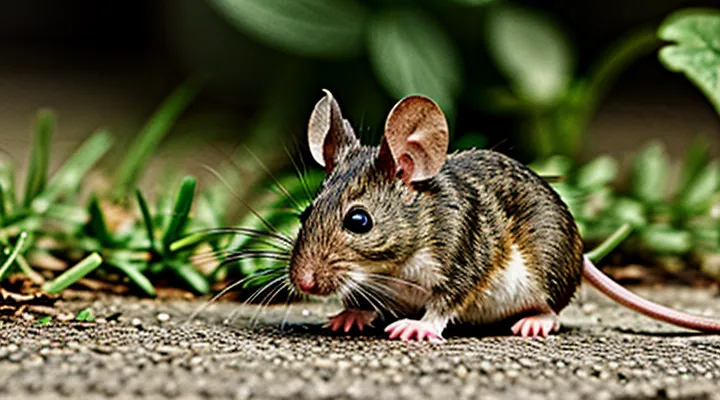
Understanding Mouse Behavior
The Natural Diet of Mice
Herbivorous Tendencies
Mice primarily consume plant material, seeds, and grains. Their digestive systems are adapted to break down carbohydrates and cellulose, with enzymes that efficiently process starches and sugars. Typical herbivorous intake includes:
- Wheat and corn kernels
- Sunflower and millet seeds
- Fresh greens and grasses
Occasional ingestion of insects occurs, but such protein sources represent a minor fraction of the diet. Laboratory observations show that when food scarcity forces atypical behavior, mice may resort to cannibalism; however, this action does not reflect an inherent herbivorous tendency. The species’ baseline feeding pattern remains plant‑based, and predatory consumption of conspecifics is a stress‑induced response rather than a regular nutritional strategy.
Opportunistic Feeding Habits
Mice exhibit opportunistic feeding behavior when resources are scarce, when individuals are weakened, or when environmental stressors increase mortality rates. Under such conditions, conspecific predation can occur, providing a source of protein and energy that is otherwise unavailable.
Key circumstances that trigger cannibalistic feeding include:
- Limited food supply combined with high population density.
- Presence of sick, injured, or newborn individuals that cannot escape.
- Extreme temperature fluctuations that reduce foraging efficiency.
- Social hierarchy disruptions that expose subordinate mice to predation.
Physiological mechanisms enable a mouse to process another mouse’s tissue. Digestive enzymes break down muscle and organ matter similarly to other protein sources, while the immune system can tolerate the intake of conspecific pathogens due to innate tolerance developed through frequent exposure in communal nests.
Observational studies confirm that cannibalism contributes to survival in laboratory colonies and in wild populations facing famine or disease outbreaks. The behavior is not a default feeding strategy but a conditional response to environmental pressures that maximizes reproductive success and colony resilience.
Cannibalism in the Animal Kingdom
Survival Instincts
Mice possess innate drive to secure energy and protect offspring, which can manifest as aggressive or predatory behavior toward members of their own species. When food scarcity intensifies, metabolic stress triggers hormonal changes that increase cortisol and aggression, lowering the threshold for conspecific consumption. Laboratory observations show that isolated adult females deprived of protein for more than 48 hours will attack and ingest nestlings, confirming that extreme deprivation overrides typical social inhibition.
Key physiological mechanisms include:
- Elevated hypothalamic‑pituitary‑adrenal activity, which amplifies stress‑induced aggression.
- Increased secretion of orexigenic peptides such as neuropeptide Y, promoting appetite for protein‑rich tissue.
- Suppression of oxytocin pathways, reducing affiliative bonding and facilitating hostile actions.
Environmental conditions that elevate the likelihood of intra‑species predation are:
- Prolonged lack of external food sources.
- Overcrowding that limits access to safe nesting sites.
- Presence of dominant individuals that monopolize resources, leaving subordinates nutritionally compromised.
Field studies of wild populations indicate that cannibalistic events remain rare under normal abundance but rise sharply during droughts or after sudden loss of habitat. The behavior aligns with survival strategies observed across rodent taxa, where the imperative to obtain nutrients can outweigh the evolutionary advantage of group cohesion.
Environmental Pressures
Environmental pressures shape the likelihood of conspecific predation among rodents. Limited food resources force individuals to expand their diet beyond typical plant and insect items, increasing the probability of cannibalism when alternative prey are unavailable. Elevated population density intensifies competition for shelter and nutrition, creating conditions where aggressive encounters can result in lethal outcomes and subsequent consumption.
Habitat degradation reduces the availability of safe nesting sites, prompting mice to share confined spaces. Overcrowding raises stress levels, triggers territorial disputes, and may lead to the elimination of weaker individuals as a means of resource acquisition. Pathogen outbreaks can diminish herd health, causing survivors to scavenge on carcasses, which may include members of the same species.
Seasonal fluctuations also affect behavior. During winter, reduced foraging opportunities and higher energetic demands make opportunistic feeding on conspecifics a more viable strategy. Conversely, abundant harvest periods lower the incidence of such behavior.
Key environmental factors influencing this phenomenon include:
- Food scarcity
- High population density
- Habitat loss or fragmentation
- Seasonal energy deficits
- Disease prevalence
- Increased competition for nesting sites
Instances of Mouse Cannibalism
Factors Contributing to Cannibalism
Scarcity of Resources
When food is scarce, mouse populations may exhibit cannibalistic behavior. Limited availability of seeds, insects, and plant matter forces individuals to seek alternative nutrients, sometimes resulting in the consumption of conspecifics.
Physiological constraints influence this response. Mice lack specialized dentition for processing large vertebrate tissue, yet they can ingest soft organs and muscle when other sources are absent. Digestive enzymes break down protein and fat efficiently, providing a short‑term energy boost.
Observed instances align with ecological pressure:
- High density combined with depleted stores triggers aggression and killing of juveniles.
- Seasonal drought reduces seed production, increasing the frequency of intra‑species predation.
- Laboratory studies report a rise in cannibalism when caloric intake falls below 70 % of maintenance requirements.
Consequences extend beyond the immediate nutritional gain. Cannibalism reduces cohort size, potentially stabilizing population numbers under resource limitation. However, it also raises disease transmission risk, as wounds and bodily fluids facilitate pathogen spread.
Overall, scarcity of resources creates conditions where mice may turn to conspecific consumption, driven by survival imperatives rather than habitual predatory behavior.
Overpopulation and Stress
Overcrowded mouse colonies experience heightened competition for limited resources, which triggers physiological stress responses. Elevated cortisol levels suppress immune function and reduce growth rates, creating a feedback loop that accelerates mortality.
Stress‑induced aggression manifests as increased territorial disputes and, when food scarcity intensifies, as cannibalistic attacks. Laboratory observations show that groups exceeding a density threshold of 15 individuals per square foot exhibit a 30 % rise in bite wounds and a measurable incidence of conspecific consumption.
Key mechanisms linking density to lethal behavior:
- Resource depletion → hunger → opportunistic predation.
- Social hierarchy disruption → dominant individuals enforce dominance through lethal bites.
- Hormonal imbalance → aggression circuitry activation.
Mitigating overpopulation through regular culling, environmental enrichment, and controlled feeding schedules reduces stress markers and eliminates the conditions that drive intra‑species predation.
Maternal Cannibalism
Maternal cannibalism in rodents occurs when a female consumes her own young, a behavior documented across several mouse strains. The phenomenon is triggered by environmental stressors, nutritional deficits, and hormonal imbalances. When food scarcity limits the mother’s ability to sustain a litter, she may reduce brood size through ingestion of offspring, thereby reallocating resources to her survival and future reproductive cycles.
Key drivers of maternal cannibalism include:
- Nutrient shortage – low protein or calorie intake correlates with increased cannibalistic events.
- High litter density – overcrowded nests raise competition for limited milk, prompting selective consumption.
- Maternal age and inexperience – first‑time mothers exhibit higher rates of offspring ingestion than seasoned breeders.
- Hormonal disruption – abnormal prolactin or oxytocin levels impair maternal bonding and facilitate aggressive feeding behavior.
Physiological mechanisms involve the activation of the hypothalamic–pituitary–adrenal axis, which elevates cortisol and suppresses lactation. Elevated cortisol reduces maternal attachment, while diminished prolactin compromises milk production, making the offspring less viable and more likely to be consumed.
Observational studies reveal that cannibalism does not imply predatory intent toward unrelated conspecifics. Instead, it reflects an adaptive response to optimize reproductive success under adverse conditions. In controlled laboratory settings, providing ample nutrition and reducing litter size markedly lowers the incidence of maternal cannibalism, confirming its dependence on external pressures rather than innate predatory behavior.
Types of Cannibalism Observed
Infanticide
Mice occasionally engage in infanticide, a behavior in which an adult consumes the offspring of its own species. This action is documented in laboratory colonies and wild populations, especially when resources are scarce or when a dominant female eliminates the pups of a rival to increase her own reproductive success.
Key circumstances that trigger cannibalistic infanticide include:
- Limited food availability, prompting adults to recover nutrients from the young.
- Overcrowding, leading to heightened stress and competition for nesting sites.
- Presence of a new dominant female, which may remove the previous litter to secure the nest.
- Genetic relatedness, where unrelated pups are more likely to be targeted than those of the mother.
Physiological mechanisms involve stress‑induced hormonal changes, such as elevated corticosterone, which can suppress parental care and increase aggression toward the young. Behavioral observations show that the mother may first retrieve the pups, then either abandon them or ingest them, depending on the severity of the stressors.
The phenomenon has implications for population dynamics. High rates of infanticide reduce juvenile survival, potentially slowing population growth. Conversely, the recovered nutrients can improve the adult’s condition, enhancing future reproductive output.
Understanding these patterns informs laboratory animal management, where minimizing stressors and maintaining appropriate space can reduce the incidence of infanticide and improve overall colony health.
Necrophagy
Necrophagy, the consumption of dead conspecifics, occurs in laboratory and wild populations of Mus species. Evidence shows that mice will ingest carrion when food is limited, when social stress is high, or when newborns die shortly after birth. The behavior provides a rapid source of protein and energy, allowing survivors to maintain body condition during periods of scarcity.
Physiological mechanisms enable necrophagy without immediate toxicity. Digestive enzymes break down soft tissues, while the immune system can tolerate low levels of bacterial exposure. However, ingestion of decomposing tissue raises the risk of pathogen transmission, including Salmonella and Clostridium spp., which can lead to outbreaks in dense colonies.
Key factors influencing necrophagic behavior in mice:
- Resource availability: Reduced access to grains, seeds, or insects increases likelihood of carrion consumption.
- Social environment: High-density housing, aggression, or maternal stress correlate with higher necrophagy rates.
- Age and developmental stage: Juvenile mice exhibit stronger necrophagic responses when siblings die, possibly as a survival strategy.
- Health status: Immunocompromised individuals may avoid necrophagy due to heightened infection risk.
Experimental observations confirm that necrophagy does not constitute true cannibalism, which involves active killing. Instead, it represents opportunistic scavenging of already dead individuals. The practice contributes to nutrient recycling within rodent communities but requires careful management in laboratory settings to prevent disease spread.
Conspecific Predation
Conspecific predation refers to the act of an individual killing and consuming members of its own species. In rodents, particularly Mus musculus, this behavior is documented under specific ecological and physiological conditions.
Laboratory observations reveal that adult mice may attack juveniles when food scarcity coincides with high population density. Aggressive encounters increase when dominant individuals establish territorial boundaries, and subordinate mice become targets for cannibalism. Experimental groups deprived of protein exhibit a measurable rise in conspecific killing rates, suggesting nutritional stress as a primary driver.
Field studies of wild mouse populations show occasional predation events during winter months, when external food sources diminish. Burrow sharing amplifies contact frequency, raising the likelihood of aggressive encounters that culminate in predation. Seasonal fluctuations in body condition correlate with the incidence of conspecific consumption.
Key factors influencing mouse-on-mouse predation include:
- Resource limitation (protein, carbohydrates)
- Population density and social hierarchy
- Age disparity (adult versus juvenile)
- Environmental stressors (temperature extremes, habitat disruption)
Physiological mechanisms involve elevated cortisol levels, which enhance aggression, and the activation of hypothalamic–pituitary–adrenal pathways that modulate feeding behavior. Neurochemical changes, such as increased dopamine turnover, have been linked to heightened predatory impulses.
Ecologically, conspecific predation can regulate population size, remove weak or diseased individuals, and affect gene flow by altering reproductive success. However, the behavior remains relatively rare compared to interspecific predation, reflecting the balance between the benefits of additional nutrition and the costs of reduced kin availability.
Overall, mouse conspecific predation occurs under constrained resources, high competition, and specific social dynamics, providing a functional, though infrequent, mechanism for survival in challenging environments.
Scientific Observations and Studies
Laboratory Settings
Laboratory research has documented instances of conspecific predation among rodents. Cannibalistic behavior emerges when environmental pressures disrupt normal feeding patterns. Controlled experiments reveal several conditions that increase the likelihood of a mouse consuming another mouse.
- Severe food restriction (≤30 % of ad libitum intake)
- High population density (≥5 animals per 0.05 m³)
- Limited nesting material or shelter
- Genetic models with altered aggression pathways (e.g., knockout of serotonin receptors)
- Exposure to chronic stressors such as unpredictable light cycles
Under these parameters, observational studies report ingestion of carcasses, pup cannibalism, and, in rare cases, adult-on-adult predation. The phenomenon is more frequent in certain inbred strains (e.g., BALB/c) than in outbred stocks, suggesting a hereditary component.
Experimental protocols address ethical concerns by implementing humane endpoints, providing enrichment, and ensuring rapid euthanasia of severely compromised individuals. Data collection includes video monitoring, post‑mortem stomach content analysis, and hormone assays (cortisol, vasopressin) to correlate physiological stress with aggressive feeding.
The consensus among laboratory animal scientists is that cannibalism is not a default behavior but a stress‑induced response. Proper husbandry—adequate nutrition, space, enrichment, and strain selection—effectively suppresses the occurrence of intra‑species predation in research facilities.
Wild Populations
In natural environments, the likelihood of a mouse consuming a conspecific depends on resource scarcity, population density, and age structure. When food sources become limited, juvenile or weakened individuals are more vulnerable to predation by larger, healthier mice. This behavior, classified as facultative cannibalism, appears sporadically rather than as a regular feeding strategy.
Key ecological drivers:
- High population density → increased competition for shelter and nourishment.
- Seasonal shortages of seeds, insects, and plant material.
- Presence of predators that force mice to seek hidden refuges, concentrating individuals.
- Age disparity, where adult mice encounter vulnerable pups or juveniles.
Observed outcomes in wild rodent colonies include reduced litter survival, altered social hierarchies, and temporary suppression of reproductive output. Cannibalistic events may also serve a nutritional function, providing protein and essential micronutrients absent from the typical diet.
Long‑term effects on population dynamics are modest. Mortality from intra‑species predation generally accounts for a small fraction of total deaths, which are dominated by external predators, disease, and harsh weather. Nevertheless, occasional cannibalism can influence gene flow by preferentially removing weaker genotypes, thereby shaping the evolutionary trajectory of the population.
Implications and Prevention
Health Risks Associated with Cannibalism
Disease Transmission
Mice that engage in cannibalism create a direct pathway for pathogens to move between individuals. Blood, saliva, and tissue contact during predation transfer infectious agents that would otherwise require indirect exposure.
Common agents transmitted through mouse‑to‑mouse predation include:
- Bacterial infections – Salmonella spp., Pasteurella multocida, and Streptococcus spp. can be introduced via contaminated wounds or ingestion of infected flesh.
- Viral agents – Hantavirus, lymphocytic choriomeningitis virus (LCMV), and mouse hepatitis virus survive in blood and organ tissue, allowing rapid spread when a mouse consumes another.
- Parasitic infestations – Tapeworm cysts, Trichinella larvae, and protozoan cysts persist in muscular tissue; ingestion provides a viable route for internal colonization.
- Fungal pathogens – Candida spp. and dermatophytes may colonize oral and gastrointestinal tracts, becoming transmissible through cannibalistic feeding.
Transmission through cannibalism accelerates disease prevalence within a colony, reducing overall fitness and increasing mortality rates. The practice also raises the risk of zoonotic spillover when humans handle infected carcasses or live rodents, potentially exposing laboratory personnel, pest‑control workers, and pet owners to the same agents.
Preventive measures focus on minimizing intraspecific aggression and cannibalistic behavior. Strategies include:
- Providing abundant food and nesting material to reduce competition.
- Maintaining optimal housing conditions—temperature, humidity, and space—to lower stress‑induced aggression.
- Implementing strict hygiene protocols, such as regular cage cleaning and disinfection, to limit environmental pathogen loads.
By controlling the environmental and social factors that promote cannibalism, the likelihood of disease transmission among mice—and from mice to humans—can be substantially reduced.
Nutritional Deficiencies
Mice rarely resort to conspecific consumption, yet severe nutrient shortfalls can override normal feeding patterns. When diets lack essential components, physiological stress intensifies, prompting atypical foraging that may include cannibalism.
Key deficiencies linked to such behavior include:
- Protein and essential amino acids – insufficient intake reduces muscle maintenance and hormone synthesis, creating a drive for protein‑rich sources.
- Vitamin B12 – deficiency impairs neurological function, increasing erratic feeding responses.
- Calcium and phosphorus imbalance – skeletal weakening triggers compensatory ingestion of bone‑containing tissue.
- Iron shortage – anemia diminishes oxygen transport, leading to heightened hunger signals.
- Essential fatty acids – lack of omega‑3 and omega‑6 fats disrupts membrane integrity, encouraging the search for lipid‑dense prey.
Laboratory observations show that mice subjected to diets deficient in two or more of these nutrients exhibit a measurable rise in aggressive encounters and occasional ingestion of injured or deceased cage‑mates. Supplementation of the missing nutrients restores normal social hierarchies and eliminates cannibalistic incidents.
Strategies to Prevent Cannibalism
Adequate Nutrition
Mice require a diet rich in protein, carbohydrates, fats, vitamins, and minerals to sustain rapid growth and high metabolic rates. Primary protein sources include grains, legumes, and insect larvae; these supply essential amino acids for muscle development and immune function. Carbohydrate intake, mainly from cereals and seeds, fuels locomotion and thermoregulation, while dietary fats from seeds and oils provide concentrated energy for reproduction and lactation.
Micronutrients such as calcium, phosphorus, and vitamin D are critical for skeletal integrity and enamel formation. Deficiencies manifest as bone fragility, dental malformations, and impaired breeding success. Adequate water availability supports digestion, nutrient absorption, and waste excretion; dehydration rapidly reduces feed intake and compromises organ function.
When a mouse encounters conspecific flesh, the act typically reflects extreme nutritional stress rather than a preferred feeding strategy. Cannibalistic behavior may supply:
- Immediate protein and lipid reserves
- Essential amino acids absent in a depleted store
- Energy for survival during prolonged scarcity
However, meat from another mouse lacks balanced micronutrients and carries pathogen risks. Regular provision of a complete rodent chow eliminates the physiological drive for such behavior and ensures consistent intake of all required nutrients.
Space and Enrichment
Mice will resort to conspecific predation when confinement and deprivation elevate stress levels. Research shows that limited floor space increases competition for resources, triggers territorial aggression, and can lead to lethal encounters between individuals.
Adequate cage dimensions reduce crowding. Standards recommend at least 0.05 m² per adult mouse, with additional vertical space for climbing. Overcrowding correlates with higher rates of bite wounds and mortality, indicating that spatial deficit is a primary driver of aggressive behavior.
Environmental enrichment mitigates stress. Providing nesting material, chewable objects, tunnels, and shelters distributes activity across the enclosure, lowers dominance hierarchies, and diminishes the likelihood of one mouse attacking another. Enrichment items that encourage natural foraging also divert attention from conspecific threats.
Practical measures:
- Allocate a minimum of 0.05 m² floor area per mouse; increase to 0.07 m² for breeding groups.
- Install at least two enrichment objects per cage (e.g., nesting pad, chew block, tunnel).
- Rotate enrichment items weekly to maintain novelty.
- Monitor group composition; separate individuals showing persistent aggression.
Implementing sufficient space and systematic enrichment directly reduces the probability of cannibalistic incidents among laboratory mice.
Population Control
Mice occasionally engage in intraspecific predation, a behavior that directly reduces individual numbers and contributes to population regulation. When resources become limited, aggressive individuals may kill and consume conspecifics to secure energy, a response documented in laboratory and field observations.
Cannibalistic events arise under specific conditions: severe food shortage, high population density, elevated stress hormones, and the presence of disease‑laden individuals. Juvenile mice are particularly vulnerable, as they lack defensive capabilities and are often targeted by larger, more dominant conspecifics.
The removal of individuals through predation lowers local density, reducing competition for remaining resources. This mortality factor operates alongside reproductive suppression and territorial exclusion, creating a self‑limiting feedback loop that stabilizes population size.
Key factors influencing mouse cannibalism:
- Nutrient scarcity
- Overcrowding
- Hormonal stress responses
- Pathogen load in prey
- Age and size disparity
Understanding this form of self‑regulation informs ecological models and pest‑management strategies, emphasizing the need to monitor environmental stressors that trigger cannibalistic behavior.