
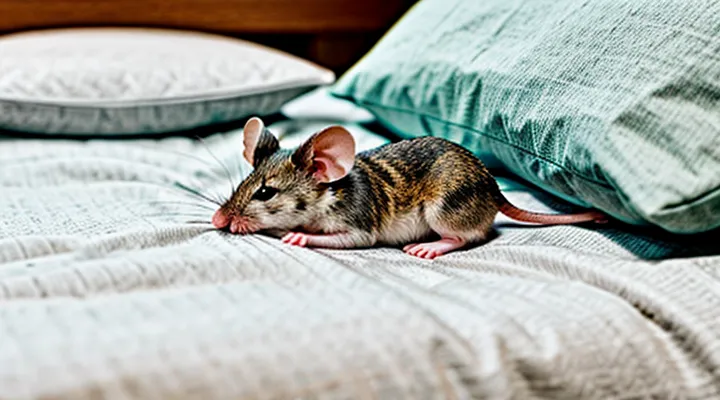
Understanding Mouse Behavior
Factors Influencing Mouse Activity
Nocturnal Habits
House mice (Mus musculus) become active shortly after dusk and remain so throughout the night, retreating to concealed nests before daylight. Their activity peaks during the first few hours of darkness, when they forage for food, explore territory, and communicate with conspecifics through scent and ultrasonic vocalizations.
Mice feed on grains, seeds, and stored food, rarely seeking protein from vertebrate sources. They avoid direct confrontation, relying on rapid escape when threatened. Biting is generally a defensive response, triggered by handling or perceived predation, not by hunger.
Factors that could lead to a bite while a person is asleep include:
- Sudden disturbance of a nest or food cache near the sleeper
- Presence of strong odors that attract mice to the bedding area
- Prior conditioning that associates humans with food access
Mice possess keen whisker and auditory senses that operate effectively in low‑light environments, allowing them to navigate around a sleeping individual without contact. The probability of a nocturnal mouse delivering a bite to an unconscious person is therefore low, unless the animal is provoked or cornered in close proximity to the sleeper.
Proximity to Food Sources
Mice approach sleeping humans only when a food source is close enough to justify a bite. Their natural foraging instinct drives them to investigate any scent or visible morsel within arm’s reach, regardless of the host’s state of consciousness.
Proximity to edible material determines the likelihood of an encounter. When crumbs, spilled cereal, or unsecured snacks lie on a bed or nightstand, a mouse can reach the source with minimal movement. In the absence of such attractants, the animal typically avoids contact, preferring to remain hidden.
- Uncovered food containers on bedside tables
- Open bags of chips, cookies, or candy within a few inches of the sleeper
- Crumbs or spills on sheets, pillows, or blankets
- Pet food dishes placed near the sleeping area
Each item creates a direct path for the rodent to obtain nourishment, increasing the probability of a bite. Removing or sealing these attractants reduces the risk to negligible levels.
Types of Mouse-Human Interactions
Accidental Encounters
Mice are nocturnal foragers that may enter a bedroom while a person sleeps. Their primary motivation is food, shelter, or a warm environment; they do not seek out humans as prey. A bite can occur if the rodent feels threatened, is startled, or is handling food that the sleeper inadvertently blocks.
Key circumstances that increase the likelihood of an unintended bite include:
- Presence of accessible food crumbs or pet food on the floor or nightstand.
- Cluttered bedding or storage that provides hiding spots.
- Open windows, cracks, or gaps in walls that allow entry.
- Illness or injury in the mouse that makes it more defensive.
When a mouse bites a sleeping individual, the injury is usually minor: a puncture wound of 1–3 mm, often painless due to the animal’s small teeth and the sleeper’s reduced sensory perception. However, bites can introduce pathogens such as Streptobacillus moniliformis (rat‑bite fever) or Leptospira spp. The risk of infection rises if the wound is not promptly cleaned.
Preventive actions are straightforward:
- Eliminate food sources: store snacks in sealed containers, clean crumbs nightly.
- Reduce clutter: keep bedding and night‑stand surfaces clear of fabric piles.
- Seal entry points: use steel wool or caulk around gaps, install door sweeps.
- Employ traps or humane catch‑and‑release devices if activity is detected.
In summary, accidental mouse bites during sleep are possible but uncommon. The primary trigger is a sudden encounter caused by attractants or shelter opportunities, not predatory intent. Proper sanitation and exclusion measures markedly reduce the chance of such incidents.
Intentional Nibbling
Mice rarely exhibit deliberate biting behavior toward unconscious humans. Their natural foraging strategy focuses on seeds, crumbs, and soft plant material; animal tissue is not a primary food source. When a mouse encounters a sleeping person, it may investigate out of curiosity or seek shelter, but purposeful nibbling requires a specific stimulus, such as perceived threat or extreme hunger.
Key determinants of intentional nibbling:
- Hunger level – only severely starved rodents might consider mammalian flesh.
- Species – house mice (Mus musculus) lack the dentition and predatory instinct for bite attacks; larger rodents, such as rats, show higher aggression.
- Environmental stress – overcrowding, lack of nesting material, or exposure to predators increase defensive biting.
- Human odor – sweat and skin oils can attract mice, yet they do not provoke biting unless the mouse feels threatened.
Physiological constraints limit bite severity. A mouse’s incisors are adapted for gnawing, not tearing flesh; any contact with human skin typically results in a light nip that may break the epidermis but rarely penetrates deeper layers. Even when a mouse attempts to bite, the reflexive movement of a sleeping person (muscle tone, breathing) often deters prolonged contact.
Preventive measures focus on habitat control rather than personal protection:
- Seal entry points (gaps under doors, utility conduits).
- Eliminate food residues and store provisions in airtight containers.
- Maintain low clutter to reduce nesting sites.
- Use traps or humane catch‑and‑release devices to monitor population levels.
In summary, intentional nibbling by a mouse on a sleeping individual is highly unlikely under normal conditions. Only extreme deprivation, species with greater predatory capacity, or severe environmental stress could produce a brief, superficial bite. Effective rodent management eliminates the residual risk.
Assessing the Risk of Mouse Bites
Reasons a Mouse Might Bite
Self-Defense
A rodent may bite a sleeping individual if it perceives a threat, feels startled, or encounters food. The bite itself is a physical act, not a deliberate attack, but it can trigger a self‑defense response from the victim once awakened.
Legal self‑defense permits reasonable force to neutralize an imminent threat. In the case of an unexpected bite, the appropriate reaction is to stop the animal’s access, protect the wound, and avoid excessive harm. The law distinguishes between defensive measures that prevent further injury and actions that constitute cruelty or unnecessary violence toward the animal.
Preventive strategies reduce the likelihood of a nocturnal bite. Secure food storage, seal entry points, and maintain a clean sleeping environment. If a mouse enters the bed area, the immediate response should be to remove the animal safely, using a container and release method, rather than striking it.
Key considerations:
- Assess the bite’s severity; apply first‑aid if needed.
- Use minimal force to detach the animal and prevent additional bites.
- Report severe injuries to medical professionals promptly.
- Implement environmental controls to eliminate rodent access during sleep.
Confusion or Curiosity
The idea that a small rodent might bite a person who is asleep generates both puzzlement and interest. Many imagine a mouse seeking food or shelter and accidentally encountering a motionless body, prompting questions about the animal’s motives and the likelihood of a bite.
Mice possess sharp incisors designed for gnawing plant material, seeds, and occasional insects. Their natural behavior emphasizes avoidance of larger organisms; they flee when threatened and rarely initiate aggression toward mammals. When food is scarce, a mouse may explore confined spaces, but it typically tests objects with its whiskers before any contact. Biting occurs primarily when the animal feels trapped or is defending a nest.
Human sleepers present a stationary, warm surface that emits carbon dioxide and body odor, both attractive cues for rodents searching for shelter. However, the lack of movement reduces perceived threat, and the presence of clothing or blankets creates a physical barrier. The probability of a bite increases only if the mouse becomes confined between the sleeper and a hard surface, perceiving compression as danger.
Key points influencing the confusion or curiosity surrounding this scenario:
- Mouse instinct to avoid predators outweighs any desire to bite.
- Dental structure suited for gnawing, not for penetrating thick human skin.
- Sleep environment offers warmth and scent but limited access to vulnerable tissue.
- Bite risk rises when the animal is trapped or provoked by sudden pressure.
The prevailing curiosity stems from anecdotal reports and media portrayals that exaggerate mouse aggression. Scientific observation shows that, under normal circumstances, a sleeping person is unlikely to be bitten by a mouse.
Seeking Sustenance
Mice are opportunistic feeders that prefer seeds, grains, and small insects. Their incisors are adapted for gnawing, not for penetrating thick skin. When a mouse encounters a sleeping human, the most likely motivations are warmth, shelter, or curiosity rather than hunger. A mouse’s diet provides sufficient protein and calories; a human’s skin offers negligible nutritional value compared to natural food sources.
Key factors influencing a potential bite:
- Energy requirements: Mice consume 10‑15 % of their body weight daily, satisfied by readily available plant material.
- Sensory cues: Lack of movement and low scent emission reduce a mouse’s perception of a viable food source.
- Dental structure: Incisors can cut soft tissue but are inefficient for breaking through the protective outer layers of human skin.
- Risk assessment: Biting a large, immobile animal poses a threat of retaliation; mice typically avoid such encounters.
Consequently, a mouse is unlikely to bite a sleeping person for sustenance. The behavior would be an anomaly, possibly triggered by extreme starvation or a misdirected defensive response, rather than a normal feeding strategy.
Conditions That Increase Risk
Presence of Food in Bed
Food left in bed creates an attractant that draws mice into the sleeping area. Crumbs, crumbs, or leftover snacks provide a scent trail that mice follow to locate a source of nourishment. When a mouse reaches the bed, it may investigate the food with its whiskers and teeth, increasing the likelihood of physical contact with the sleeper.
The presence of food also raises the probability of a bite for several reasons:
- Food odors mask the sleeper’s natural scent, making the mouse less cautious.
- Hungry mice are more aggressive in defending a discovered food source.
- Chewing on food items can trigger a reflex bite if the mouse perceives a threat.
Eliminating food from the sleeping surface removes the primary incentive for a mouse to approach, thereby reducing the risk of a nocturnal bite.
Unsanitary Living Conditions
Unsanitary living conditions create environments where rodents thrive, directly influencing the likelihood of a mouse biting a person who is asleep. Accumulated food waste, clutter, and inadequate waste disposal provide shelter and nourishment, encouraging mouse populations to infiltrate sleeping areas.
Key factors that elevate bite risk:
- Open food containers or crumbs on floors and beds.
- Unsealed entry points such as gaps around pipes, doors, and windows.
- Damp insulation or piled cardboard that offers nesting material.
- Lack of regular pest‑control measures or monitoring.
When these conditions persist, mice may explore bedding for warmth and food, increasing contact with sleeping occupants. Bites are rare but can occur if a mouse feels threatened or is startled during nocturnal activity. Maintaining cleanliness, sealing structural openings, and implementing routine extermination reduce the probability of nocturnal mouse encounters and associated injuries.
Infestation Severity
Infestation severity determines the likelihood of a mouse encountering a sleeping individual. Low-level infestations involve occasional sightings, limited food sources, and few nesting sites. In such environments, mouse activity remains peripheral to human sleeping areas, reducing bite risk.
Moderate infestations feature multiple entry points, abundant food debris, and established nests within walls or attics. Mice regularly traverse interior spaces, increasing the chance of accidental contact with a person at rest, especially if bedding materials are compromised.
High-level infestations present dense populations, extensive tunnel networks, and pervasive contamination. Mice frequently occupy bedrooms, bedding, and furniture. Under these conditions, a sleeping person is exposed to frequent rodent movement, making a bite plausible if the animal feels threatened or startled.
Factors influencing severity include:
- Structural gaps (cracks, vents, utility openings)
- Food availability (unsecured pantry items, pet food)
- Sanitation levels (clutter, spilled waste)
- Seasonal temperature shifts driving indoor migration
Assessment of infestation severity guides preventive measures, such as sealing entryways, eliminating food sources, and implementing professional rodent control. Reducing severity lowers the probability of a mouse bite while a person is asleep.
Likelihood of a Bite Occurring
Rarity of Incidents
Mice rarely bite people who are asleep. Laboratory and field studies report fewer than one bite per million nocturnal encounters, and most documented cases involve children or individuals with compromised immunity. The low incidence reflects mice’s natural avoidance of large mammals and their preference for foraging over aggressive behavior.
- Reported bites on sleeping adults: <0.001 % of all mouse‑human interactions.
- Hospital records: fewer than five cases per year in regions with dense rodent populations.
- Primary risk factors: open wounds, severe malnutrition, or extreme infestation levels.
When bites occur, they are typically superficial, caused by a startled mouse defending its nest. The probability of severe infection remains minimal, provided standard wound care is applied promptly.
Specific Scenarios
Mice will bite a sleeping individual only when specific conditions create opportunity and motivation. The following situations illustrate when such an encounter is plausible:
- Food remnants in the bed – crumbs, spilled cereal, or sugary snacks left on sheets provide an attractant that draws a mouse close enough to investigate and potentially bite if startled.
- Pet food left unattended – bowls or kibble placed on a nightstand increase rodent activity near the sleeping area, raising the likelihood of accidental contact.
- Open windows or gaps – unsealed openings allow mice to enter the bedroom, especially during warm weather when they seek shelter, and they may explore the mattress or pillows.
- Cluttered bedding – piles of blankets, pillows, or stuffed toys create hiding spots where a mouse can conceal itself and inadvertently bite when the sleeper shifts.
- Presence of nesting material – shredded paper, fabric scraps, or insulation placed near the bed can attract mice looking to build a nest, leading to close proximity and possible biting.
- Medical conditions – individuals with reduced sensation or neuropathy may not perceive a small bite, allowing a mouse to bite unnoticed during sleep.
In each scenario, the bite risk correlates with the availability of food, shelter, or entry points that bring a mouse into direct contact with a person who is unconscious and unable to react. Eliminating these factors—by maintaining a clean sleeping environment, sealing entryways, and storing food securely—removes the conditions under which a mouse could bite a dormant person.
Health Implications of Mouse Bites
Potential Diseases Transmitted by Mice
Hantavirus
A nocturnal mouse can bite an unconscious person, but the health threat depends on the pathogens it carries. Hantavirus, a single‑stranded RNA virus, is maintained in wild rodent populations, especially deer mice, and can cause hantavirus pulmonary syndrome (HPS) in humans.
Transmission occurs primarily through inhalation of aerosolized rodent urine, droppings, or saliva. Direct bite exposure is documented but rare; viral particles must be introduced into the bloodstream for infection to develop. The probability of acquiring HPS from a single bite is low compared with inhalation routes.
If infection occurs, incubation lasts 1–5 weeks. Early signs include fever, muscle aches, and fatigue; rapid progression to respiratory distress follows, with a mortality rate of 30–40 % despite intensive care.
Preventive actions:
- Seal entry points to eliminate rodent access to sleeping areas.
- Store food in sealed containers; avoid leaving crumbs.
- Use gloves when cleaning areas with rodent droppings; disinfect surfaces with bleach solution.
- If a bite is suspected, clean the wound promptly with soap and water, then seek medical evaluation for possible antiviral therapy and monitoring.
Understanding the limited role of bite transmission helps focus on the most effective control measures against hantavirus exposure.
Salmonellosis
Salmonellosis is a bacterial infection caused primarily by Salmonella species, which can be transmitted through the saliva of rodents when they bite. A bite from a sleeping individual’s mouse may introduce the pathogen directly into the skin, creating a portal for infection. The bacteria multiply in the gastrointestinal tract, leading to systemic involvement if untreated.
Typical manifestations appear within 12–72 hours and include abdominal cramps, diarrhea, fever, and nausea. In severe cases, bacteremia, septicemia, or focal infections such as osteomyelitis may develop, especially in immunocompromised hosts. Laboratory confirmation relies on stool culture or blood culture for Salmonella isolation.
Management follows established antimicrobial protocols:
- Empiric therapy with fluoroquinolones or third‑generation cephalosporins for invasive disease.
- Oral rehydration and electrolyte replacement for uncomplicated gastroenteritis.
- Duration of treatment adjusted according to infection severity and patient response.
Preventive measures focus on minimizing rodent exposure and prompt wound care:
- Secure food storage and eliminate attractants to deter mice.
- Inspect sleeping areas for signs of infestation and seal entry points.
- Clean bite wounds immediately with antiseptic, apply sterile dressing, and seek medical evaluation within 24 hours.
Understanding the link between rodent bites and salmonellosis informs risk assessment for individuals who may be vulnerable while unconscious, guiding both clinical response and public‑health strategies.
Leptospirosis
A bite from a sleeping rodent can introduce Leptospira bacteria into human tissue. The pathogen resides in the urine of many mammals, including mice, and can survive in moist environments for weeks. When a mouse’s teeth puncture skin, especially if the wound is contaminated with urine or contaminated surfaces, the bacteria may enter the bloodstream.
Typical manifestations appear within 5–14 days and include fever, headache, muscle pain, and abdominal discomfort. In severe cases, jaundice, renal failure, and pulmonary hemorrhage develop. Early diagnosis relies on serologic testing or polymerase chain reaction performed on blood or urine samples.
Key preventive measures:
- Keep sleeping areas free of rodent infestations by sealing entry points and maintaining cleanliness.
- Use traps or professional pest control to reduce mouse populations.
- Inspect skin for bite marks after waking in environments with known rodent activity.
- Clean any wound promptly with soap and water; apply an antiseptic.
- Seek medical evaluation if symptoms develop, especially after a known bite.
Treatment consists of intravenous doxycycline or penicillin G administered for 7–10 days. Prompt therapy reduces the risk of complications and mortality. Awareness of the transmission route clarifies that a mouse bite, even during sleep, poses a legitimate infection risk through Leptospira exposure.
Rat-Bite Fever
Rat‑Bite Fever (RBF) is a bacterial infection transmitted primarily through the bite or scratch of rodents, including mice. The disease is caused by Streptobacillus moniliformis in North America and Spirillum minus in Asia. An unconscious individual who is bitten while asleep is at risk because the lack of defensive reflexes increases the likelihood of deep puncture wounds and delayed wound cleaning.
Typical clinical presentation appears 2–10 days after exposure and includes fever, chills, headache, myalgia, and a maculopapular or petechial rash. Joint pain and swelling develop in up to half of cases. Severe complications may involve endocarditis, meningitis, or septic arthritis if treatment is delayed.
- Blood culture or PCR for the causative organism
- Serologic testing for specific antibodies
- Imaging for joint involvement when indicated
Effective therapy consists of a 10‑day course of doxycycline or a 7‑day regimen of penicillin G. Early administration reduces morbidity and prevents systemic spread. Supportive care addresses fever and pain.
Prevention focuses on rodent control, proper handling of animals, and immediate wound irrigation with antiseptic solution after any bite. Protective clothing and gloves are advisable for individuals who work with or encounter rodents. Regular cleaning of living spaces minimizes rodent infestations and the associated infection risk.
Symptoms of a Mouse Bite
Localized Pain and Swelling
A mouse may bite a person who is asleep if it feels threatened or is startled. The bite typically penetrates only the superficial skin layers, creating a pinpoint wound that triggers immediate, sharp pain localized to the entry point. The pain originates from nerve endings disturbed by the puncture and may last from a few minutes to several hours, depending on the depth of the bite and individual pain tolerance.
Swelling appears within minutes as the body’s inflammatory response releases histamine and other mediators. The affected area becomes firm, reddened, and mildly warm to the touch. Swelling may extend a few centimeters beyond the bite site, reflecting fluid accumulation in the surrounding tissue. In most cases, the edema subsides within 24–48 hours without medical intervention.
Key considerations for managing localized pain and swelling include:
- Cleaning the wound with mild soap and water to reduce infection risk.
- Applying a cold compress for 10–15 minutes, repeated every hour, to limit edema.
- Using an over‑the‑counter analgesic, such as ibuprofen, to alleviate pain and inflammation.
- Monitoring for signs of infection—increasing redness, pus, or fever—and seeking professional care if they develop.
Redness and Infection
A mouse can bite a person who is asleep, creating a puncture wound that often appears as a small, reddish mark. The redness results from the body’s immediate inflammatory response, characterized by vasodilation and increased blood flow to the site. Swelling may accompany the discoloration, and the area can feel warm to the touch.
The bite introduces oral bacteria, most commonly Pasteurella multocida, Streptococcus spp., and Staphylococcus aureus. These organisms can multiply within hours, producing symptoms that extend beyond the initial redness. Typical signs of infection include:
- Expanding erythema beyond the original puncture
- Purulent discharge or drainage
- Increasing pain or tenderness
- Fever or chills
- Lymph node enlargement near the bite
If any of these indicators develop, prompt medical evaluation is required. Initial care consists of thorough irrigation with sterile saline, removal of visible debris, and application of an antiseptic. Empirical antibiotic therapy, such as amoxicillin‑clavulanate, is frequently prescribed to cover the most common pathogens; alternative agents are selected for patients with penicillin allergy.
Failure to address infection can lead to cellulitis, abscess formation, or systemic spread (sepsis). Early intervention reduces the likelihood of complications and promotes faster healing.
Systemic Symptoms
A bite from a small rodent while the person is asleep can introduce pathogens that trigger systemic manifestations beyond the local wound. Once the oral flora or external contaminants enter the bloodstream, the body may respond with fever, chills, and generalized malaise. These signs often appear within 24–48 hours and indicate an inflammatory response that extends throughout the circulatory system.
Common systemic conditions linked to such bites include:
- Hantavirus infection: fever, myalgia, headache, and, in severe cases, pulmonary edema.
- Leptospirosis: high fever, jaundice, muscle pain, and potential kidney involvement.
- Rat‑bite fever (Spirillum minus): abrupt fever, severe chills, vomiting, and lymphadenopathy.
- Allergic or anaphylactic reaction: rapid onset of hives, swelling, hypotension, and respiratory distress.
If the immune response becomes dysregulated, sepsis can develop, characterized by tachycardia, hypotension, altered mental status, and organ dysfunction. Prompt medical evaluation is essential to identify the causative agent and initiate targeted antimicrobial or supportive therapy. Early intervention reduces the risk of long‑term complications such as chronic arthritis, neurological deficits, or organ failure.
When to Seek Medical Attention
Signs of Infection
A bite from a rodent while a person is asleep can introduce bacteria into the skin. The wound may appear minor, yet infection can develop rapidly if untreated.
Typical indicators of infection include:
- Redness spreading beyond the bite margin
- Swelling that increases in size
- Warmth around the area
- Pain that intensifies rather than subsides
- Pus or clear fluid discharge
- Fever exceeding 38 °C (100.4 °F)
- Swollen lymph nodes near the bite site
If any of these signs emerge, seek medical evaluation promptly. Treatment often involves thorough wound cleaning, tetanus prophylaxis, and a course of antibiotics targeting common rodent‑borne pathogens such as Staphylococcus aureus and Streptococcus species. Early intervention reduces the risk of complications, including cellulitis, abscess formation, and systemic infection.
Unknown Mouse History
Mice have coexisted with humans for millennia, yet documented instances of nocturnal bites remain scarce. Archaeological sites reveal rodent remains alongside human settlements, indicating proximity but not aggressive interaction. Historical medical texts from the 12th to 19th centuries contain occasional references to “small rodents” causing skin punctures, often attributed to fleas or other insects rather than direct bites.
Key points from the limited records:
- Medieval chronicles mention “tiny creatures” found on sleeping chambers, but descriptions focus on disease transmission, not biting.
- 18th‑century veterinary notes describe mice gnawing on fabrics and food stores; direct contact with human skin is noted as rare.
- 19th‑century epidemiological reports list mouse‑related wound cases, typically involving exposed limbs during nighttime activities, not unconscious individuals.
Behavioral studies of Mus musculus show a diet centered on grains, seeds, and occasional insects. Aggressive biting is reserved for territorial defense or predation on smaller arthropods. When confronted with a stationary, sleeping host, the mouse’s sensory response prioritizes escape over attack, reducing the likelihood of a bite.
Consequently, while isolated historical anecdotes exist, the prevailing evidence suggests that a mouse biting a person who is asleep is an extremely uncommon event, rooted more in myth than in documented mammalian behavior.
Allergic Reactions
A mouse bite occurring while a person is asleep introduces saliva, urine and dander directly into the skin, creating a potential trigger for hypersensitivity reactions.
Immediate hypersensitivity to rodent proteins can manifest within minutes. IgE antibodies bind the allergen, causing mast‑cell degranulation and the release of mediators that produce systemic effects. Delayed reactions develop over hours to days, driven by T‑cell activation and resulting in localized inflammation.
Typical presentations include:
- Localized erythema, swelling, and pain at the bite site
- Urticaria or angioedema spreading beyond the wound
- Respiratory distress, wheezing, or bronchospasm
- Hypotension, tachycardia, and loss of consciousness indicative of anaphylaxis
Increased susceptibility correlates with documented rodent exposure, a personal history of atopic disease, or prior sensitization to mouse allergens. Absence of these factors does not eliminate risk, as first‑time exposures can still provoke severe responses.
Emergency response should follow a structured protocol:
- Verify airway patency and breathing; provide supplemental oxygen if needed.
- Administer intramuscular epinephrine (0.01 mg/kg, up to 0.5 mg) immediately upon signs of systemic involvement.
- Give antihistamines (e.g., diphenhydramine 1 mg/kg) and corticosteroids to mitigate secondary inflammation.
- Monitor vital signs continuously; prepare for advanced airway management.
- Contact emergency medical services without delay.
Preventive strategies focus on eliminating rodent access to sleeping areas, sealing entry points, and maintaining rigorous sanitation. For individuals with documented rodent allergy, allergen‑specific immunotherapy may reduce future reaction severity.
Preventing Mouse Bites
Rodent Control Measures
Sealing Entry Points
Mice can infiltrate sleeping areas by exploiting gaps in a building’s envelope. Sealing entry points removes the pathways that enable rodents to reach human bedding, thereby reducing the chance of a bite during rest.
Effective sealing follows a systematic approach:
- Inspect the exterior for cracks larger than ¼ inch around foundations, windows, doors, and utility penetrations.
- Apply steel wool or copper mesh to gaps before using caulk, expanding foam, or concrete to create a durable barrier.
- Install door sweeps and weatherstripping on all exterior doors to block low‑level access.
- Cover ventilation openings with fine mesh screens that can withstand gnawing.
- Repair damaged roofing, soffits, and eaves to eliminate attic entry routes.
Inside the dwelling, focus on potential internal pathways:
- Seal gaps around pipes, cables, and conduit passes with silicone sealant or metal plates.
- Close openings around HVAC ducts using metal tape and reinforced sealing compounds.
- Use rodent‑resistant materials for floor and wall penetrations, such as metal flashing or heavy‑duty plaster.
Regular maintenance is essential. Re‑inspect sealed areas quarterly, especially after severe weather, and address any new cracks immediately. By eliminating all viable entry routes, the likelihood of a rodent reaching a sleeping individual diminishes dramatically.
Eliminating Food Sources
Eliminating food sources reduces the probability that a rodent will approach a sleeping individual. Mice are opportunistic feeders; they are drawn to accessible nutrients, especially grains, crumbs, and pet food left uncovered. When such attractants are removed, the incentive to explore a bedroom or other sleeping area diminishes sharply.
Key actions for depriving mice of sustenance:
- Store all dry goods in airtight containers made of metal or heavy‑wall plastic.
- Clean surfaces nightly to remove spills, crumbs, and residue.
- Seal pet food in sealed containers; dispense only the portion needed for each feeding.
- Dispose of garbage in bins with tight‑fitting lids and empty them regularly.
- Repair leaks and eliminate standing water, which can serve as a secondary food source for insects that attract mice.
Environmental management also includes limiting access points. Sealing gaps around doors, windows, and utility penetrations prevents mice from entering spaces where food might be present. Regular inspection of storage areas for signs of gnawing or droppings helps identify breaches before rodents can establish a foothold.
By systematically removing edible material and restricting entry, the likelihood of a mouse encountering a sleeping person drops to a negligible level. This preventative strategy addresses the root cause—food availability—rather than relying on reactive measures after an encounter.
Trapping and Extermination
Mice rarely attack sleeping humans. Their natural diet consists of grains, seeds, and occasional insects; they lack the predatory drive to seek out a dormant host. Even when a mouse comes into contact with a person in deep sleep, the most likely outcome is avoidance rather than a bite. Nevertheless, the presence of rodents in bedrooms poses hygiene risks and can trigger allergic reactions, making control measures essential.
Effective control relies on two complementary strategies: live capture and lethal extermination. Live capture reduces the population without chemicals, while lethal methods provide rapid reduction of infestation levels. Both approaches require proper placement, monitoring, and disposal to prevent re‑entry.
- Snap traps: spring‑loaded devices positioned along walls, behind furniture, and near known activity zones. Bait with high‑fat foods (peanut butter, cheese) enhances success. Check daily; dispose of carcasses in sealed bags.
- Glue boards: adhesive surfaces placed in concealed areas. Suitable for secondary infestations; handle with gloves to avoid skin contact with trapped rodents.
- Electronic traps: battery‑powered units delivering a quick, humane shock. Require regular cleaning and battery replacement.
- Live‑catch traps: cage‑style devices that close when the mouse enters. Release captured individuals at least 2 km from the residence to prevent immediate return.
- Rodenticides: anticoagulant baits formulated for indoor use. Deploy in tamper‑resistant stations, following label instructions to protect children and pets. Rotate active ingredients to mitigate resistance.
Extermination must be paired with preventive actions: seal entry points, maintain low food availability, and reduce clutter that offers shelter. Regular inspection of bedding, closets, and storage areas identifies early signs of activity, allowing prompt intervention before a mouse encounters a sleeping occupant.
Personal Protection While Sleeping
Maintaining Cleanliness
A sleeping individual can become a target for a rodent bite when the environment provides food, shelter, and access points. Cleanliness eliminates the incentives that draw mice into bedrooms and reduces the likelihood of an encounter during sleep.
Regular removal of food residues, spilled liquids, and crumbs prevents rodents from locating a reliable food source. Prompt disposal of garbage in sealed containers stops odor cues that attract foraging mice. Maintaining dry surfaces discourages nesting, as moisture promotes the growth of insects and fungi that serve as supplemental nutrition for rodents.
- Store all food in airtight containers.
- Sweep and mop floors daily, focusing on corners and under furniture.
- Empty trash cans each night and use bins with tight‑fitting lids.
- Seal cracks, gaps, and openings around walls, windows, and utility lines.
- Keep bedding and clothing off the floor; use storage boxes with lids.
- Inspect and clean behind appliances, especially refrigerators and stoves.
Implementing these measures creates an inhospitable habitat, limiting rodent movement and preventing accidental bites while a person is asleep. Clean, well‑maintained spaces directly reduce the risk of nocturnal rodent encounters.
Securing Food Items
Securing food sources is the primary method for preventing rodents from approaching sleeping individuals. Food left exposed or stored in compromised containers creates an olfactory trail that draws mice into sleeping areas, increasing the risk of a bite. Effective control begins with airtight containers made of metal or heavy‑wall plastic; these materials resist gnawing and maintain freshness.
All crumbs, spills, and residues must be removed immediately after meals. Vacuuming or wiping surfaces eliminates trace nutrients that would otherwise signal a food source. Waste should be placed in bins equipped with tight‑fitting lids and emptied regularly to avoid accumulation.
Structural measures complement storage practices. Seal gaps around pipes, vents, and baseboards with steel wool or silicone caulk to block entry points. Install door sweeps and screen windows to deter infiltration.
Key actions for food security
- Store dry goods in sealed, rodent‑proof containers.
- Refrigerate perishable items promptly; do not leave them on countertops.
- Clean kitchen surfaces after each use; sweep floors and mop to remove debris.
- Use trash cans with locking lids; dispose of waste daily.
- Inspect and repair building openings; apply durable sealants where needed.
Consistent implementation of these protocols reduces attractants, limits mouse activity near sleeping spaces, and minimizes the likelihood of nocturnal encounters.
Using Protective Bedding
Protective bedding reduces the likelihood that a sleeping individual will be bitten by a rodent.
Tightly woven cotton or polyester sheets, mattress encasements with reinforced seams, and metal‑mesh covers create a barrier that rodents cannot penetrate. These products eliminate gaps around the sleeper and resist gnawing, preventing direct contact with teeth.
Key selection criteria include:
- Fabric density of at least 300 threads per inch
- Seam stitching reinforced with double or triple rows
- Full‑wrap design that encloses the mattress and pillow
- Easy‑to‑launder material that retains integrity after repeated washes
Proper maintenance extends protection. Inspect seams weekly for tears, wash bedding at 60 °C to remove scent trails, and replace items after six months of heavy use or visible wear.
Field reports from pest‑control professionals indicate that households employing certified rodent‑proof bedding experience a marked decline in bite incidents during sleep, often eliminating the problem entirely.
Implementing these measures provides a reliable, low‑maintenance solution for anyone concerned about nocturnal rodent encounters.
General Hygiene Practices
Hand Washing
Hand washing prevents the transfer of microorganisms that rodents can carry to humans. When a rodent contacts a person’s skin, saliva or feces, pathogens such as hantavirus, leptospira or salmonella may be deposited. Immediate cleansing of the hands removes these agents before they enter the body through the mouth, eyes or cuts.
Effective hand hygiene follows a defined sequence:
- Wet hands with clean, running water; temperature is irrelevant to efficacy.
- Apply enough soap to cover the entire surface of both hands.
- Scrub for at least 20 seconds, ensuring coverage of palms, backs, between fingers, under nails and wrists.
- Rinse thoroughly under running water to eliminate residual soap and contaminants.
- Dry with a disposable paper towel or a clean cloth; avoid shared air dryers that can re‑aerosolize particles.
In environments where rodents are present—such as basements, attics, storage rooms, or laboratories—hand washing after any contact, cleaning, or disposal activities reduces the likelihood of infection. Consistent practice of the steps above provides a reliable barrier against diseases associated with rodent bites.
Proper Waste Disposal
Proper waste management directly reduces the likelihood of rodents entering living spaces. When refuse is stored in sealed containers, odors that attract mice diminish, lowering the chance that a sleeping individual will be bitten by a rodent.
Key practices for effective waste disposal:
- Use trash cans with tight‑fitting lids; replace damaged seals promptly.
- Separate organic waste from other refuse; compost in enclosed bins to prevent scavenging.
- Empty indoor trash daily; transport it to outdoor bins that are raised off the ground.
- Keep outdoor dumpsters clean; inspect for holes or gaps and repair them immediately.
- Dispose of food scraps in sealed bags before placing them in collection containers.
Implementing these measures eliminates food sources that draw mice into bedrooms. Consequently, the risk of an unconscious bite incident declines markedly. Proper waste disposal therefore serves as a practical preventive strategy.