
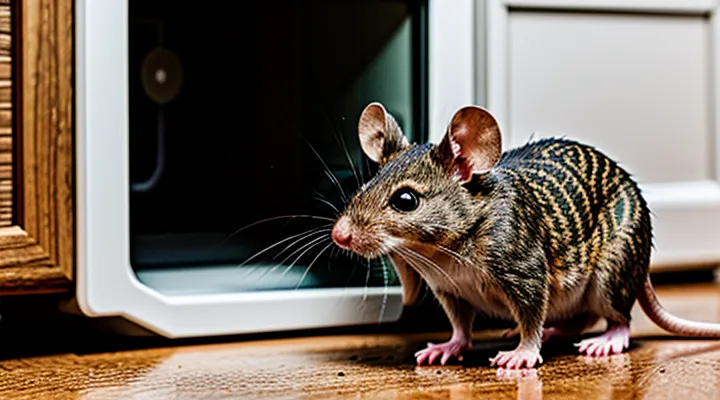
Understanding Mouse Behavior
Mouse Physiology and Natural Instincts
Size and Physical Limitations
Mice typically measure 6–10 cm in body length, with a tail adding another 5–10 cm. Their mass ranges from 15 to 30 g, far below the weight of an average adult human (≈70 kg). This disparity limits the force a mouse can generate; bite forces rarely exceed 0.5 N, insufficient to penetrate human skin beyond superficial layers.
Physical constraints further reduce the likelihood of a successful attack:
- Limited muscular strength restricts the ability to lift or drag a human body part.
- Short, delicate limbs provide minimal leverage for delivering impactful strikes.
- Sensory orientation favors evasion and foraging rather than aggressive pursuit of large organisms.
- Skeletal structure supports rapid, agile movement but lacks the rigidity needed for sustained combat.
Collectively, size and biomechanical factors render a mouse incapable of inflicting serious injury on a human through direct assault. Any harm that does occur generally results from secondary effects, such as allergic reactions to bites or contamination of food supplies.
Fear and Self-Preservation
Mice respond to perceived threats with rapid activation of the hypothalamic‑pituitary‑adrenal axis, producing cortisol and adrenaline that mobilize escape mechanisms. When a human approaches unexpectedly, the animal’s primary objective is to distance itself from the source of disturbance, not to initiate aggression.
Key elements of rodent self‑preservation:
- Immediate flight response triggered by auditory and tactile cues.
- Freezing behavior employed to reduce detection before fleeing.
- Use of burrows or concealed spaces as refuge points.
- Release of pheromones that signal danger to conspecifics.
Aggressive actions, such as biting, occur only under conditions of extreme duress: confinement, direct provocation, or competition for scarce resources. In such scenarios, the bite serves as a defensive deterrent rather than an offensive predation attempt. The force generated by a mouse’s jaw is limited; penetration depth rarely exceeds the superficial skin layer, and the likelihood of serious injury to a human remains minimal.
Overall, fear drives mice to prioritize evasion over confrontation. Human encounters that respect the animal’s need for space and avoid sudden movements substantially diminish any risk of a bite.
Common Scenarios of Mouse-Human Interaction
Accidental Encounters
Accidental encounters with house mice occur most frequently in residential kitchens, pantry shelves, and storage areas where food residues attract foraging rodents. In these environments, mice exploit gaps in building envelopes, travel along utility lines, and enter through openings as small as a quarter‑inch. The presence of unsecured food sources increases the likelihood that a mouse will come into direct contact with a human occupant.
When a mouse feels threatened, its primary defensive response is to flee; however, cornering or handling can provoke a bite. Bites are typically shallow, targeting fingers or hands, and may introduce pathogens such as Streptobacillus moniliformis or hantavirus. Although the probability of severe injury remains low, documented cases confirm that mouse bites can lead to infection if left untreated.
Preventive actions focus on eliminating attractants and sealing entry routes:
- Store food in airtight containers; clean spills promptly.
- Repair cracks in walls, foundations, and around utility penetrations.
- Install door sweeps and screen vents to block rodent ingress.
- Employ snap traps or electronic devices in areas of known activity; avoid glue boards that may cause prolonged suffering.
Understanding mouse behavior clarifies that aggression is not typical; rather, bites result from defensive reactions during unintended human contact. Prompt wound care and medical evaluation reduce health risks associated with these sporadic interactions.
Nuisance Behavior
Mice exhibit «nuisance behavior» when their activities intersect with human environments. This pattern includes gnawing of structures, contamination of food supplies, and persistent presence in living spaces. Such actions generate health risks and property damage without requiring direct aggression.
Typical manifestations of nuisance behavior involve:
- Chewing of electrical wiring, increasing fire hazard.
- Accumulation of droppings, fostering bacterial growth.
- Intrusion into stored provisions, leading to spoilage.
- Repeated entry into occupied rooms, causing stress and sleep disturbance.
Although mice rarely deliver bites that resemble attacks, their opportunistic foraging can trigger defensive responses if humans handle them improperly. The primary concern lies in indirect harm rather than overt aggression.
Effective control measures focus on habitat modification and population reduction:
- Seal entry points larger than a quarter inch to prevent ingress.
- Store food in airtight containers and maintain rigorous sanitation.
- Reduce clutter and eliminate nesting sites such as piles of paper or fabric.
- Deploy snap traps or humane live‑capture devices in areas of activity, following local regulations.
Implementing these steps diminishes the frequency of nuisance behavior, thereby lowering associated health and safety risks.
When Might a Mouse «Attack»?
Defense Mechanisms of Mice
Biting as a Last Resort
Mice bite humans only when other defensive tactics fail. The action occurs after prolonged restraint, severe injury, or direct threat to the animal’s vital areas. In such scenarios the rodent resorts to a rapid, forceful bite to escape or protect itself.
- Sudden capture or confinement in a small space
- Physical injury that impairs escape routes
- Direct handling of the head, neck, or limbs with force
- Exposure to unfamiliar predators or aggressive stimuli
Bite wounds are typically shallow punctures, but they can introduce bacteria such as Streptococcus or Staphylococcus species. Immediate cleaning with soap and water reduces infection risk; medical evaluation is advised if redness, swelling, or fever develop. Rodents are not common carriers of rabies, yet local wildlife regulations may require reporting of the incident.
Factors Triggering Defensive Actions
Mice react defensively when they perceive danger, and such responses can affect human‑mouse encounters. Understanding the triggers of these actions clarifies why a mouse might appear aggressive toward a person.
- «Perceived predator presence» – sudden movements, shadows, or the scent of a predator activate innate escape‑or‑fight circuits.
- «Territorial intrusion» – entry into a nest site or food cache prompts protective behavior to safeguard resources.
- «Physical restraint» – handling that restricts mobility induces stress, leading to biting or scratching as a last‑ditch effort to free the animal.
- «Environmental stressors» – extreme temperatures, loud noises, or unfamiliar vibrations heighten arousal levels, increasing the likelihood of defensive outbursts.
- «Health status» – illness or injury reduces tolerance for disturbance, causing heightened reactivity.
Recognition of these factors enables more effective prevention strategies, such as minimizing sudden motions, securing food sources, and avoiding direct confinement, thereby reducing the chance of a mouse delivering a defensive bite.
Risks Associated with Mouse Bites
Disease Transmission
Mice frequently harbor pathogens capable of infecting humans, especially when aggressive contact occurs. Bite wounds, scratches, and contaminated saliva provide direct routes for disease transmission.
- «Hantavirus» – causes severe respiratory illness; infection often follows exposure to aerosolized rodent excreta, but bites increase viral entry.
- «Leptospira interrogans» – responsible for leptospirosis; bacteria enter through breaks in skin, including those produced by mouse bites.
- «Salmonella enterica» – gastrointestinal infection; bacteria may be transferred from oral flora to human tissue during a bite.
- «Streptobacillus moniliformis» – agent of rat‑bite fever, also reported in mouse‑bite cases; produces fever, rash, and arthritis.
- «Bartonella spp.» – associated with cat‑scratch disease, occasional mouse‑bite transmission; leads to lymphadenopathy and fever.
Transmission mechanisms extend beyond direct trauma. Rodent urine, feces, and fur contaminate surfaces; humans touching these materials and then contacting broken skin may acquire infection. Airborne particles from dried droppings can deposit on mucous membranes, presenting an additional risk.
Risk levels rise in environments with high mouse density, inadequate sanitation, and limited pest control. Occupations involving close contact with stored grain, laboratory work, or field research face heightened exposure. Immunocompromised individuals experience more severe outcomes.
Preventive actions include regular rodent monitoring, sealing entry points, maintaining clean storage areas, and using protective gloves when handling materials. Immediate wound cleaning with antiseptic reduces bacterial load; medical evaluation following a bite ensures timely antibiotic therapy or antiviral treatment when indicated. Vaccination against specific rodent‑borne diseases, where available, further mitigates health threats.
What to Do After a Bite
A mouse bite requires prompt attention to prevent infection and complications. Immediate cleaning removes contaminants and reduces bacterial load.
- Rinse the wound thoroughly with running water for at least one minute.
- Apply mild soap around the area, avoiding direct contact with the puncture.
- Pat dry with a clean towel or gauze.
Next, apply an antiseptic solution such as hydrogen peroxide or povidone‑iodine. Cover the site with a sterile bandage to protect against further exposure.
Observe the injury for signs of infection: increasing redness, swelling, warmth, pus, or fever. If any of these symptoms appear, seek medical evaluation without delay.
Medical consultation is advisable even in the absence of obvious infection. Professionals may prescribe antibiotics, administer a tetanus booster if immunization status is uncertain, and assess the need for rabies prophylaxis based on local wildlife regulations.
Document the incident: note the date, time, location, and circumstances of the bite. Reporting to local health authorities or pest‑control services supports public‑health monitoring and helps prevent future encounters.
Finally, implement preventive measures. Seal entry points, store food in sealed containers, and maintain a clean environment to discourage rodent activity within living spaces.
Preventing Mouse Encounters
Rodent Control in Homes
Exclusion Techniques
Exclusion remains the most reliable method for preventing mouse encounters that could lead to bites or disease transmission.
Effective exclusion begins with a thorough inspection of a building’s envelope. Identify every gap larger than 3 mm, including cracks around foundations, utility penetrations, and openings around doors and windows. Seal identified openings with steel wool, copper mesh, or silicone‑based caulking; install door sweeps and weather‑stripping to block low‑lying entry points.
Maintain the surrounding environment to discourage rodent attraction. Store all food in airtight containers, eliminate standing water, and keep waste in sealed receptacles. Trim vegetation at least 30 cm from the building’s exterior to reduce shelter and foraging routes.
Apply physical barriers to vulnerable openings. Fit ventilation ducts with fine‑mesh screens, cover crawl‑space openings with heavy‑duty hardware cloth, and install rodent‑proof lids on trash bins.
Implement a schedule of regular monitoring and repair.
- Conduct monthly visual checks of seals and barriers.
- Repair any compromised material within 24 hours of discovery.
- Replace worn mesh or weather‑stripping annually.
Consistent application of these exclusion techniques eliminates access routes, reduces attractants, and sustains a protective barrier against potential mouse aggression.
Sanitation Practices
Sanitation directly influences the likelihood of rodents exhibiting aggressive behavior toward people. Poor waste management creates abundant food sources, encouraging mice to explore human habitats and increase contact frequency. Regular removal of garbage, sealing of containers, and prompt cleaning of spills eliminate attractants that drive rodents to seek nourishment in occupied spaces.
Effective sanitation includes:
- Daily disposal of food waste in sealed bins.
- Immediate cleaning of crumbs, spills, and pet food residues.
- Routine inspection and repair of structural gaps that permit entry.
- Use of rodent‑proof containers for stored grains, cereals, and dry goods.
- Maintenance of outdoor areas to prevent accumulation of debris and vegetation that shelter mice.
Consistent application of these measures reduces the availability of resources that motivate mice to approach humans, thereby decreasing the chance of defensive bites or attacks.
Coexisting with Wildlife
Respecting Animal Boundaries
Mice act on instinctual survival drives; when humans encroach on their nests, feed them, or handle them without caution, the animals may respond defensively. Respect for animal boundaries reduces the likelihood of bites or aggressive encounters and promotes coexistence.
Practical measures for maintaining appropriate distance:
- Observe signs of agitation, such as rapid breathing, tail flicking, or sudden movement.
- Avoid reaching into concealed spaces where rodents may hide.
- Use tools (tongs, traps) instead of direct hand contact when relocating or removing mice.
- Provide secure food storage to eliminate attractants that draw rodents into human dwellings.
- Allow sufficient recovery time after a mouse has been startled before attempting further interaction.
Implementing these practices reinforces natural deterrence mechanisms, limits stress on the animal, and safeguards human health without resorting to lethal control.
Education and Awareness
Education about rodent behavior reduces the likelihood of harmful encounters. Knowledge of mice’s natural tendencies, such as foraging in cluttered environments and reacting defensively when cornered, equips individuals to recognize early warning signs.
Key instructional components include:
- Identification of habitats where mice concentrate, especially near food storage, waste containers, and structural gaps.
- Implementation of sanitation practices that eliminate attractants, like timely removal of spilled grains and sealed garbage bins.
- Installation of physical barriers, for example weather‑stripping doors and sealing cracks with steel wool.
- Development of response protocols, such as safe capture techniques and immediate reporting to pest‑control professionals.
Community programs amplify awareness by distributing concise fact sheets, organizing workshops on exclusion methods, and providing contact information for local expertise. Schools incorporate age‑appropriate modules that teach children how to avoid startling rodents and how to alert adults when a mouse is observed in an unusual location.
A recent advisory from a regional health department states: «Proper education and prompt action prevent escalation of mouse‑related incidents». This guidance underscores the practical value of informed vigilance in protecting public health.