
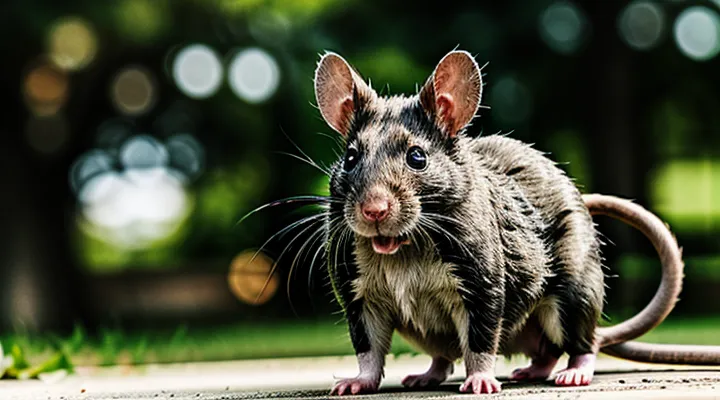
Understanding Rabies in Animals
What is Rabies?
The Rabies Virus
The rabies virus is a neurotropic, enveloped RNA virus belonging to the genus Lyssavirus. It replicates primarily in neuronal tissue, traveling from peripheral entry sites to the central nervous system via retrograde axonal transport. After reaching the brain, the virus spreads centrifugally to salivary glands, enabling transmission through saliva.
Key biological features include:
- Incubation period: typically 2‑8 weeks in mammals, but can vary from days to months depending on wound severity and proximity to the brain.
- Clinical phases: prodromal signs (behavioral changes, fever), furious phase (agitation, hypersalivation, hydrophobia), and paralytic phase (muscle weakness, respiratory failure).
- Diagnosis: direct fluorescent antibody test on brain tissue; ante‑mortem methods involve PCR on saliva, cerebrospinal fluid, or skin biopsies.
- Post‑exposure prophylaxis (PEP): immediate wound cleansing, administration of rabies immunoglobulin, followed by a series of rabies vaccine doses.
Domestic rats rarely exhibit rabies because the virus prefers carnivorous hosts such as dogs, bats, and raccoons. Experimental infections have shown low susceptibility; natural cases are virtually nonexistent. Nevertheless, rodents can act as mechanical carriers if they bite an infected animal and acquire the virus in oral secretions.
Prevention strategies for pet rats focus on minimizing exposure to known rabies reservoirs:
- Keep rats indoors, away from wildlife and stray animals.
- Ensure all household pets are up‑to‑date on rabies vaccination.
- Avoid handling wild rodents; if a bite occurs, clean the wound thoroughly and seek medical evaluation promptly.
- Maintain a clean environment, reducing the likelihood of indirect contact with contaminated saliva.
Understanding the virus’s transmission dynamics clarifies why the risk of rabies in a domestic rat is negligible, yet standard preventive measures remain essential to protect both the animal and its human caretakers.
Transmission Methods
Rats can acquire rabies only through direct exposure to the virus present in infected saliva, neural tissue, or brain material. The virus does not survive long outside a host, so indirect contact poses minimal risk.
- Bite from a rabid animal delivers virus directly into muscle tissue.
- Scratch contaminated with infected saliva introduces the pathogen into superficial wounds.
- Ingestion of infected tissue, such as when a rat consumes carrion from a rabid source, can lead to infection.
- Contact with mucous membranes (eyes, nose, mouth) after handling a rabid specimen allows viral entry.
Transmission requires the virus to reach peripheral nerves and travel to the central nervous system. Prompt isolation of any suspect animal and immediate veterinary assessment reduce the likelihood of spread.
Rabies in Rats
Can Domestic Rats Carry Rabies?
Domestic rats are not recognized as natural reservoirs for the rabies virus. Scientific surveillance consistently identifies carnivores such as dogs, raccoons, skunks, and bats as primary hosts. Laboratory studies have shown that laboratory‑bred rats can develop clinical rabies after experimental inoculation, but spontaneous infection in pet rats is exceedingly rare.
The low incidence results from several factors. Rats possess a high body temperature that hinders viral replication, and their typical environments limit exposure to infected wildlife. Documented cases of rabies in pet rats are limited to isolated incidents involving direct contact with a rabid animal, usually a bat that entered the household.
Nevertheless, the theoretical risk persists whenever a rat encounters a rabid predator or contaminates its environment with infected saliva. Owners should therefore adopt preventive measures:
- Keep cages sealed to exclude wild mammals and birds.
- Inspect the home for gaps that allow bats or rodents to enter.
- Avoid feeding raw meat or wildlife carrion that could harbor the virus.
- Promptly isolate any rat showing neurological signs such as tremors, excessive salivation, or aggression.
- Consult a veterinarian immediately if exposure to a potentially rabid animal is suspected; post‑exposure prophylaxis may be recommended for the owner and the animal.
Vaccination of domestic rats against rabies is not standard practice, as commercial vaccines are unavailable for this species. The most effective strategy remains environmental control and rapid veterinary assessment when abnormal behavior appears.
Incidence of Rabies in Rodents
Rodents are rarely diagnosed with rabies, and epidemiological surveys confirm a markedly lower incidence compared to carnivores such as dogs, bats, and raccoons. Surveillance data from the United States between 2000 and 2022 recorded fewer than 20 confirmed rabid rodent cases nationwide, representing less than 0.01 % of all animal rabies reports. Similar patterns appear in Europe, where the European Centre for Disease Prevention and Control notes sporadic rabies detections in wild rodents, primarily in regions with endemic fox rabies.
The low prevalence reflects several biological factors:
- Rodents possess a high metabolic rate and short lifespan, limiting the window for virus replication and transmission.
- Their immune response typically clears the virus before clinical signs develop.
- Rabies virus preferentially infects species with neural pathways conducive to rapid central nervous system invasion; rodents lack the requisite neuroanatomical pathways.
When rabies does occur in rodents, it is usually associated with exposure to a known rabid predator or scavenger, rather than spontaneous infection. Documented cases often involve species that act as prey for rabid carnivores, such as ground squirrels, prairie dogs, and, rarely, domestic rats that have been bitten.
Preventive measures focus on minimizing contact with potentially infected wildlife and maintaining up‑to‑date vaccination programs for domestic animals that could transmit the virus to rodents. For owners of pet rats, the most effective risk reduction strategies include:
- Keeping the animal indoors and away from wild mammals.
- Avoiding the introduction of wild rodents into the household environment.
- Ensuring that cats, dogs, and ferrets are vaccinated against rabies according to local regulations.
Overall, the probability that a pet rat will acquire rabies is exceedingly small, but vigilance remains essential because any exposure to a rabid animal, however unlikely, poses a public health concern.
Factors Influencing Rabies Risk in Rats
Rats contract rabies primarily through exposure to infected saliva, most often via bites from wildlife carriers such as raccoons, skunks, foxes, or bats. The probability of transmission increases when rats share habitats with these species or when they are kept in environments lacking proper barriers.
Key elements that affect a rat’s rabies risk include:
- Geographic prevalence of rabies – regions with high wildlife rabies incidence present greater danger.
- Contact with wild animals – outdoor access, open cages, or proximity to feral populations raise exposure chances.
- Vaccination status of surrounding fauna – unvaccinated wildlife or domestic pets can act as vectors.
- Health and immune condition of the rat – stressed or immunocompromised individuals are more susceptible to infection after exposure.
- Sanitation and biosecurity measures – regular cleaning, pest control, and secure enclosure designs reduce pathogen presence.
Mitigating these factors involves restricting outdoor access, maintaining robust cage security, implementing rigorous hygiene protocols, and monitoring local wildlife rabies activity. Regular veterinary consultation ensures early detection of symptoms and appropriate preventive actions.
Risks Associated with Rabid Rats
Symptoms of Rabies in Rats
Behavioral Changes
Rabies infection in a pet rat often manifests through sudden alterations in normal behavior. A previously docile animal may become unusually aggressive, snapping or biting without provocation. Conversely, the rat may exhibit pronounced lethargy, refusing to move or explore its environment, and may display difficulty swallowing, leading to drooling or foam at the mouth.
Other observable signs include:
- Disorientation or circling motions, indicating loss of coordination.
- Unsteady gait, frequent stumbling, or falling from elevated surfaces.
- Excessive vocalization or high‑pitched squeaking, reflecting irritation of the nervous system.
Immediate isolation of the affected rat and consultation with a veterinarian are essential. Vaccination of household pets, strict control of rodent exposure to wildlife, and proper handling practices reduce the probability of transmission. Prompt medical evaluation of any rat showing these behavioral shifts is critical to protect both the animal and human caretakers.
Physical Manifestations
Rabies infection in a pet rat produces distinct clinical signs that differ from typical rodent illnesses. Early neurological changes appear within days of viral exposure and progress rapidly.
- Aggressive or uncharacteristically bold behavior
- Excessive salivation, frothy discharge at the mouth
- Difficulty swallowing, leading to apparent choking
- Tremors or uncontrolled shaking of limbs
- Unsteady gait, frequent falling, or inability to maintain balance
- Paralysis beginning in the hind limbs and advancing forward
- Sudden death without preceding illness
These manifestations reflect the virus’s effect on the central nervous system. Observation of any combination of the listed signs warrants immediate isolation of the animal and urgent veterinary consultation. Diagnostic confirmation requires laboratory testing of brain tissue, and post‑exposure prophylaxis should be considered for humans and other pets who have had contact. Prompt action reduces the risk of further transmission.
Transmission to Humans and Pets
Bite and Scratch Risks
Domestic rats can transmit rabies through saliva introduced into broken skin. A bite creates a direct pathway for the virus, while a scratch may become a conduit if the rat’s claws are contaminated with saliva or blood. Both injuries require prompt medical evaluation because rabies incubation can be brief in small mammals, and the disease is uniformly fatal once symptoms appear.
Key considerations for bite and scratch exposure:
- Depth and location – deeper punctures, especially on the hands or face, increase viral entry risk.
- Presence of saliva – visible drooling or fresh blood on the wound suggests higher contamination.
- Rat health status – animals showing neurological signs, excessive aggression, or paralysis are more likely to be infected.
- Time since injury – the sooner post‑exposure prophylaxis is administered, the greater the chance of preventing disease.
Veterinarians recommend washing the wound with soap and water for at least 15 minutes, applying an antiseptic, and seeking immediate professional care. If the rat’s vaccination history is unknown or the animal exhibits abnormal behavior, a full rabies post‑exposure protocol, including immunoglobulin and vaccine series, should be initiated without delay.
Indirect Exposure
Indirect exposure refers to contact with infectious material without a direct bite or scratch from a rabid animal. In the case of a pet rat, the exposure pathway includes contaminated bedding, feeding dishes, cage accessories, and the hands of a caretaker who has handled a potentially infected animal.
Rats can encounter rabies virus through saliva, nervous tissue, or brain material deposited on surfaces. A caretaker who has touched a wild animal with rabies and then handles the rat’s environment may transfer the virus. Shared cages or equipment that have not been disinfected after contact with a rabid animal also constitute a risk.
The probability of transmission via indirect routes is lower than that of a direct bite, yet documented cases demonstrate that the virus can survive in moist environments for several hours. Failure to decontaminate surfaces increases the chance that a rat will ingest or inhale viral particles.
Prevention measures:
- Isolate new rats for a minimum of 30 days before introducing them to existing colonies.
- Clean and disinfect cages, water bottles, and feeding trays with a 1 % sodium hypochlorite solution after any potential exposure.
- Use disposable gloves when handling wild rodents or cleaning enclosures that have housed unknown animals.
- Restrict rats’ access to outdoor areas where they might encounter wildlife.
- Ensure that household pets are up‑to‑date on rabies vaccination; vaccinated pets reduce the likelihood of bringing the virus into the home.
- Monitor rats for signs of neurological illness and seek veterinary assessment immediately if symptoms appear.
Prevention and Safety Measures
Protecting Your Domestic Rat
Indoor vs. Outdoor Environment
Domestic rats kept exclusively indoors face minimal exposure to rabies‑carrying wildlife. Controlled access prevents contact with bats, raccoons, skunks, and foxes, the primary reservoirs of the virus. Routine cleaning, sealed cages, and restricted entry of stray animals create a barrier that eliminates the primary transmission route.
Rats housed outdoors encounter a broader range of potential vectors. Open enclosures allow entry by rodents, feral cats, and insects that may transport rabies‑infected saliva. Exposure to contaminated water or feed increases the likelihood of indirect transmission. Outdoor settings also facilitate encounters with wildlife that can bite or scratch a rat during foraging or territorial disputes.
Key differences can be summarized:
- Exposure level: Indoor – negligible; Outdoor – moderate to high.
- Vector access: Indoor – none; Outdoor – multiple species (bats, raccoons, feral cats).
- Preventive actions: Indoor – maintain sealed housing, regular disinfection; Outdoor – install predator‑proof fencing, use mesh covers, limit free‑range time, vaccinate surrounding wildlife where feasible.
- Monitoring: Indoor – visual inspection of cage integrity; Outdoor – regular checks for breaches, stray animal activity, and signs of wildlife intrusion.
Implementing strict containment for indoor rats and reinforcing barriers for outdoor enclosures reduces rabies risk substantially. Regular health assessments and prompt veterinary consultation remain essential regardless of the environment.
Vaccination Considerations for Exotic Pets
Domestic rats can contract rabies, a fact that influences how owners approach immunization for all exotic companions. When evaluating vaccines for non‑traditional pets, the primary objective is to minimize disease transmission while respecting species‑specific health parameters.
- Identify species with proven susceptibility to rabies or related viral agents.
- Confirm that the chosen vaccine is licensed for the target animal or approved for off‑label use by a qualified veterinarian.
- Verify regional regulations that may restrict or require specific immunizations for exotic species.
- Adjust dosage according to body weight and metabolic rate; standard canine or feline formulations often require modification.
- Establish a vaccination schedule that aligns with the animal’s age, exposure risk, and booster intervals recommended by veterinary guidelines.
- Monitor for adverse reactions immediately after administration and during the post‑vaccination period; document any signs of inflammation, lethargy, or behavioral changes.
- Maintain detailed health records, including vaccine batch numbers and dates, to support traceability and future medical decisions.
Effective prevention relies on integrating these considerations into a comprehensive health plan tailored to each exotic pet’s biology and environment.
Regular Veterinary Check-ups
Regular veterinary examinations are essential for identifying health threats in pet rats, including the possibility of rabies exposure. Veterinarians can assess vaccination status, evaluate bite histories, and perform diagnostic tests when symptoms appear. Early detection reduces the chance of disease transmission to humans and other animals.
Key functions of routine check‑ups:
- Confirmation that the rat is up‑to‑date with recommended vaccinations or documented as unvaccinated, which influences quarantine and treatment decisions.
- Physical inspection for signs such as excessive salivation, neurological changes, or unusual behavior that may indicate viral infection.
- Review of the animal’s environment and interaction with wildlife, allowing the vet to advise on habitat modifications that lower exposure risk.
- Documentation of any recent injuries, especially bites from unknown animals, to guide post‑exposure protocols.
Veterinary records provide a reliable reference if a rat displays rabies‑compatible symptoms. Prompt consultation enables the practitioner to administer appropriate supportive care, recommend humane euthanasia when necessary, and coordinate public health notifications. Consistent appointments also create a partnership between owner and clinician, ensuring that preventive measures—such as secure housing and avoidance of contact with stray mammals—are consistently applied.
Protecting Yourself and Your Family
Safe Handling Practices
Domestic rats can carry the rabies virus; proper handling reduces the likelihood of transmission.
Safe handling requires consistent, measurable actions.
- Wash hands with soap and water before and after each interaction.
- Wear disposable gloves when handling unfamiliar or stressed rats.
- Avoid direct contact with saliva, blood, or urine; use a towel or barrier when cleaning cages.
- Prevent bites and scratches by restraining rats gently and never forcing movement.
- Quarantine new arrivals for at least two weeks, observing for neurological signs such as excessive aggression or paralysis.
- Schedule veterinary examinations quarterly; request rabies testing if exposure is suspected.
- Disinfect cages, feeding equipment, and surfaces with a 1% bleach solution weekly.
If a bite or scratch occurs, cleanse the wound immediately with antiseptic, apply a sterile dressing, and seek medical evaluation for post‑exposure prophylaxis. Report the incident to local public‑health authorities to enable trace‑back and monitoring.
Adhering to these practices maintains a low risk environment for both pet owners and their rats.
Awareness of Wild Rodent Encounters
Domestic rats are vulnerable to pathogens introduced by wild rodents that may enter a home environment. When a pet rat encounters a wild counterpart—directly, through shared food, or via contaminated bedding—the risk of disease transmission rises sharply. Rabies, although rare in rodents, can be carried by bats or other wildlife that interact with feral rats, creating a potential indirect exposure for domestic animals.
Recognizing signs of wild rodent activity prevents accidental contact. Typical indicators include gnaw marks on structures, droppings in hidden corners, and unexplained food depletion. Regular inspection of basements, crawl spaces, and storage areas reduces the chance that a wild rat will infiltrate a pet’s habitat.
Preventive actions should be systematic:
- Seal all entry points larger than a quarter‑inch; use steel wool and caulking for gaps around pipes and vents.
- Store pet food in airtight containers; discard leftovers promptly.
- Maintain a clean environment by removing debris, compost, and standing water that attract wild rodents.
- Install snap traps or live‑capture devices in peripheral zones, away from the pet’s enclosure, to control external populations.
- Schedule veterinary examinations at least twice yearly; request rabies serology if local wildlife reports indicate increased exposure.
Education of household members reinforces vigilance. Children and visitors should be instructed not to handle unfamiliar rodents and to report any sightings immediately. By integrating these measures, owners minimize the probability that a domestic rat will be exposed to rabies‑bearing wildlife, thereby safeguarding both animal health and public safety.
Pet Vaccinations
Pet vaccinations form the primary barrier against infectious diseases that could affect a household rodent. Rabies vaccines are licensed for dogs, cats, and ferrets; no rabies vaccine is approved for rats, and the species is not a common natural host for the virus. Consequently, vaccinating a domestic rat against rabies is not a viable preventive measure.
Instead, owners should focus on broader immunization strategies for cohabiting pets:
- Ensure dogs, cats, and ferrets receive the full rabies vaccination series according to local regulations.
- Maintain up‑to‑date core vaccines for these animals (distemper, parvovirus, feline calicivirus, etc.).
- Verify that vaccination records are readily accessible for veterinary review.
Preventing rabies exposure for rats relies on environmental control rather than direct immunization:
- Restrict rats to indoor enclosures that prevent contact with wildlife known to carry rabies, such as bats, raccoons, and foxes.
- Secure all entry points to the home to eliminate accidental ingress of stray animals.
- Supervise any interaction between rats and other pets; even vaccinated dogs and cats can transmit injuries that may lead to secondary infections.
Regular veterinary check‑ups for the rat remain essential. While specific rabies vaccination is unavailable, a veterinarian can assess overall health, recommend parasite control, and advise on safe handling practices that reduce the likelihood of disease transmission from other household animals.
What to Do If Bitten or Scratched
Immediate First Aid
If a pet rat shows signs that may indicate rabies exposure—such as sudden aggression, excessive salivation, or neurological abnormalities—prompt first‑aid measures can reduce transmission risk and protect handlers.
- Isolate the animal in a secure, well‑ventilated enclosure away from other pets and people.
- Wear disposable gloves and, if available, a face shield to avoid contact with saliva or urine.
- Avoid direct handling; use a towel or trap to move the rat only if necessary.
- Disinfect any surfaces or objects the rat touched with a 1 % sodium hypochlorite solution or an EPA‑registered disinfectant effective against viruses.
- Contact a licensed veterinarian or local animal health authority immediately; provide a detailed description of the rat’s behavior and exposure history.
- Follow professional instructions regarding quarantine duration, testing, and potential euthanasia.
- After professional guidance, wash hands thoroughly with soap and water for at least 20 seconds, even if gloves were worn.
These steps prioritize safety for humans and other animals while awaiting definitive veterinary assessment.
When to Seek Medical Attention
If a pet rat shows signs that could indicate rabies exposure, prompt medical evaluation is essential. Delay increases the risk of severe neurological complications and reduces the effectiveness of post‑exposure prophylaxis.
Seek professional care immediately when any of the following occur:
- Unexplained aggression, such as biting or lunging, especially toward familiar humans.
- Sudden changes in behavior, including extreme fearfulness, agitation, or paralysis.
- Unusual drooling, foaming at the mouth, or difficulty swallowing.
- Fever, lethargy, or loss of coordination that develops within days of a bite or scratch.
- A known bite or scratch from a wild animal, or from a rat that has been in contact with wildlife.
Contact a healthcare provider or emergency department even if symptoms are mild but a potential exposure is suspected. The provider will assess the situation, document the incident, and determine whether rabies post‑exposure prophylaxis (vaccination and immunoglobulin) is required. Early administration of prophylaxis is the only proven method to prevent the disease after exposure.
If the rat bite or scratch is superficial and the animal appears healthy, still report the incident to local animal control or public health authorities. They can evaluate the rat’s vaccination status, health history, and risk factors, which informs the medical decision.
In all cases, clean the wound thoroughly with soap and running water for at least five minutes before seeking care. This basic step reduces viral load and supports subsequent treatment.
Reporting Incidents to Authorities
When a domestic rat shows signs that could indicate rabies, immediate notification of the appropriate authorities is essential to protect public health and to facilitate proper diagnostic procedures.
The first point of contact should be the local public health department, followed by animal control services and the veterinarian who provided care for the rat. These agencies have the legal mandate and expertise to assess the situation, arrange quarantine, and coordinate laboratory testing.
Key details to convey include:
- Owner’s name, address, and phone number.
- Species, age, and sex of the rat.
- Description of observed symptoms (e.g., aggression, excessive salivation, paralysis).
- Date and time of symptom onset.
- Any recent bites or scratches inflicted on humans or other animals.
- Vaccination history, if any, and recent travel or exposure to wildlife.
After the report, authorities will issue instructions for safe handling, isolate the animal if possible, and arrange for a post‑mortem examination. Documentation of the incident must be retained for future reference and compliance with local regulations. Prompt, accurate reporting reduces the risk of transmission and supports effective disease surveillance.