
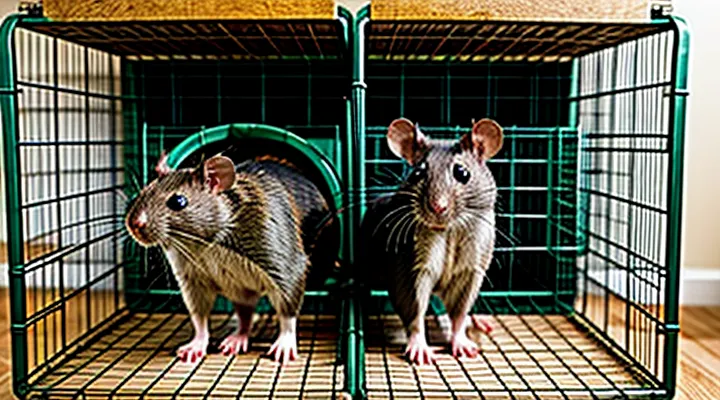
Why Two Rats Need a Special Cage
Social Needs of Rats
Rats are highly social mammals; a pair requires an environment that supports interaction, hierarchy, and mutual grooming. An enclosure that restricts visual contact or limits movement can cause stress, aggression, or depression, undermining health and lifespan.
Key social requirements include:
- Continuous access to a shared space where both animals can see and touch each other.
- Sufficient vertical and horizontal room for climbing, nesting, and establishing separate resting zones.
- Enrichment items that encourage cooperative play, such as tunnels, chew toys, and platforms.
- Stable temperature and lighting to prevent territorial disputes triggered by environmental fluctuations.
When selecting a housing unit for two rats, prioritize models that provide at least 1 ft² (0.09 m²) per animal, with multiple levels and removable barriers for cleaning. Wire cages with solid flooring reduce injury risk, while acrylic or glass panels allow observation without disturbing the pair. Ensure the door mechanism opens outward to prevent one rat from blocking access for the other.
Ventilation must be adequate to maintain air quality, yet drafts should be avoided to prevent chill. A secure latch prevents escape, a common source of anxiety for social rodents. Regularly rotate enrichment and monitor behavior; signs of dominance, such as one rat monopolizing food or space, may indicate the need for additional hiding spots or a larger enclosure.
By meeting these social criteria, the chosen habitat promotes natural behavior, reinforces the bond between the two rats, and supports overall well‑being.
Preventing Conflicts and Stress
When housing a pair of rats together, the primary goal is to minimize aggression and reduce stress. Provide a spacious enclosure that allows each animal to establish a personal zone. A minimum floor area of 1,200 cm² per rat, with multiple levels, prevents crowding and encourages natural climbing behavior.
Separate feeding stations and water bottles eliminate competition over resources. Place food dishes at opposite ends of the cage; ensure water bottles are reachable from each side. Consistent placement of these items helps the rats recognize safe zones and reduces territorial disputes.
Enrichment items must be abundant and varied. Include chewable materials, tunnels, hammocks, and hideouts in sufficient quantity so that both rats can access them simultaneously. Rotate objects regularly to maintain novelty and prevent boredom, which can trigger irritability.
Key practices for conflict prevention:
- Observe interactions daily; intervene only if persistent fighting occurs.
- Keep the cage clean; remove waste and soiled bedding at least once a week to avoid odor buildup that can heighten tension.
- Maintain a stable temperature (18‑24 °C) and low noise levels to create a calm environment.
- Provide a balanced diet with adequate protein and fiber; nutritional deficits can increase irritability.
Social harmony also depends on proper introduction. Allow a neutral space for initial meetings, supervise the first 48 hours, and gradually increase unsupervised time as the rats display calm behavior. By adhering to these guidelines, the pair can coexist peacefully, exhibiting natural social activities without chronic stress.
Essential Cage Requirements for Two Rats
Minimum Size and Dimensions
Floor Space per Rat
Adequate floor area directly influences a pair of rats’ health, activity level, and social behavior. A minimum of 0.5 square feet (approximately 46 in²) per animal is the baseline for short‑term housing; for long‑term use, aim for at least 0.75 square feet (≈ 69 in²) per rat. Multiply the per‑rat figure by two to determine the total floor space required for a duo.
Key considerations for calculating usable floor area:
- Cage dimensions: Measure interior length and width; multiply to obtain square footage. Subtract space occupied by feeding dishes, water bottles, and enrichment items.
- Vertical space: While floor space is primary, additional levels increase usable area without expanding the footprint. Each platform adds its own floor area to the total.
- Bar spacing: Bars that are too close reduce effective floor space because rats cannot comfortably traverse the gaps. Maintain a minimum bar spacing of ½ inch.
- Cleaning access: Ensure sufficient clearance around the cage base for routine maintenance; cramped setups hinder thorough cleaning.
When selecting a cage, verify that the total usable floor area meets or exceeds the calculated requirement. A cage providing 1 square foot (≈ 144 in²) or more of unobstructed floor space comfortably accommodates two adult rats and allows for enrichment without crowding.
Height for Climbing
When evaluating a cage intended for a pair of rats, the vertical dimension directly influences climbing behavior and overall well‑being. Sufficient height allows rats to use ladders, ramps, and multi‑level platforms, which reduces stress and encourages natural activity patterns. A cage that is too low restricts movement, leading to muscle under‑use and potential aggression as animals compete for limited space.
Recommended minimum interior height:
- 12 inches (30 cm) for standard wire cages with basic accessories.
- 16 inches (40 cm) for cages equipped with multiple platforms or a hammock.
- 20 inches (50 cm) or more for designs that include vertical climbing structures such as rope nets or wooden branches.
Additional considerations:
- Height should be measured from the floor to the lowest point of any overhead obstruction, not to the cage’s outer frame.
- Transparent side panels aid monitoring without disturbing the animals; ensure they do not limit vertical clearance.
- Materials must support the weight of two adult rats plus any climbing equipment; stainless steel or reinforced plastic provide durability and safety.
Bar Spacing Considerations
Safety from Escaping
When selecting a cage for a pair of rats, preventing escape is a non‑negotiable requirement. Secure construction, reliable closures, and appropriate dimensions directly influence the animals’ safety and the owner’s peace of mind.
Key factors that ensure escape resistance:
- Locking mechanisms – double‑latch doors or spring‑loaded locks that cannot be opened by small paws or teeth.
- Bar spacing – horizontal and vertical gaps no larger than ½ inch (12 mm) to block passage of a rat’s head and body.
- Sturdy frame – metal or reinforced plastic that resists bending or breaking under pressure.
- Secure corners and joints – welded or bolted connections that eliminate loose panels or removable screws.
- Floor design – solid base or fine mesh that prevents digging through substrate and does not shift under weight.
Additional considerations:
- Test all closures repeatedly before introducing the animals.
- Inspect the cage weekly for signs of wear, rust, or loose fittings.
- Choose a model that allows easy removal of the door for cleaning without compromising the lock’s integrity.
By adhering to these specifications, a cage will reliably contain two rats, eliminating the risk of escape and associated health hazards.
Preventing Injuries
When selecting an enclosure for a pair of rats, prioritize features that reduce the risk of cuts, fractures, and dental injuries. Choose a cage with smooth, rounded corners and bars spaced no wider than 0.75 in (1.9 cm) to prevent escape and entrapment. Ensure the material is sturdy enough to resist gnawing without splintering.
Implement the following safety measures:
- Install a solid, chew‑resistant base to avoid sharp edges from broken flooring.
- Provide a deep layer of bedding that supports natural digging while cushioning falls.
- Use chew‑proof accessories such as food dishes, water bottles, and tunnels; replace any worn items promptly.
- Secure all doors and latches with a reliable locking mechanism to prevent accidental openings.
- Conduct a weekly inspection for loose wires, rusted bars, or cracked plastic that could cause injury.
Maintain a clean environment by removing debris and droppings daily. Replace worn bedding and damaged cage components regularly to preserve structural integrity and prevent hidden hazards.
Material and Construction Quality
Rust-Resistant Metals
When choosing a double‑rat enclosure, the metal’s resistance to corrosion determines longevity and hygiene. Rust‑resistant alloys prevent deterioration caused by urine, droppings, and cleaning agents, ensuring a safe environment for the animals.
Key materials:
- Stainless steel (grade 304 or 316): Forms a passive oxide layer that blocks rust. Grade 316 offers superior resistance to chloride exposure, useful in humid rooms. The surface tolerates high‑temperature sanitizing cycles and resists scratching.
- Powder‑coated steel: Steel core covered with a polymer coating that shields the base metal from moisture. The finish is available in various colors, does not chip easily, and simplifies cleaning.
- Aluminum alloys (e.g., 6061): Naturally form an oxide film that protects against corrosion. The metal is lightweight, easy to handle, and does not rust, though it may dent under heavy impact.
- Galvanized steel: Zinc coating provides a sacrificial barrier; the metal corrodes preferentially to the steel underneath. Suitable for moderate humidity, but the coating can wear over time.
Selection criteria:
- Corrosion grade: Verify the specific alloy or coating rating; higher grades sustain longer exposure to moisture.
- Surface finish: Smooth, non‑porous finishes prevent bacterial buildup and simplify disinfection.
- Structural strength: Ensure the frame supports two adult rats without bowing; thickness of at least 1 mm for steel and 2 mm for aluminum is typical.
- Maintenance requirements: Materials that tolerate dishwasher‑safe temperatures or chemical disinfectants reduce cleaning effort.
- Cost versus durability: Stainless steel carries a premium price but offers the longest service life; powder‑coated alternatives balance affordability with adequate protection.
By prioritizing these rust‑resistant metals, the enclosure remains functional, sanitary, and safe for a pair of rats throughout its lifespan.
Chew-Proof Components
Chew‑proof components protect the cage’s structure, prevent escape, and reduce health hazards caused by gnawed wires or plastic. Selecting materials that resist rodent incisors ensures long‑term durability and maintains a safe environment for two rats.
Key chew‑resistant elements include:
- Metal bars made from hardened steel or stainless steel, with a minimum thickness of 1 mm.
- Polycarbonate or acrylic panels, at least 5 mm thick, that cannot be punctured by strong bites.
- Reinforced hinges and latches constructed from brass or stainless steel, featuring secure locking pins.
- Wire mesh with a gauge of 1 mm or smaller aperture size, welded at all seams to eliminate weak points.
When evaluating a cage, verify that each component meets the following criteria:
- Material hardness rated above 60 Rockwell B for metal parts.
- Panel thickness sufficient to withstand repeated gnawing without cracking.
- Locking mechanisms that require a two‑step operation, preventing accidental opening.
- Certification from a recognized pet‑product safety standard, confirming resistance to rodent chewing.
Regular inspection of chew‑proof areas identifies wear before failure. Replace any compromised part promptly to preserve structural integrity and animal welfare.
Types of Cages Suitable for Two Rats
Wire Cages
Advantages of Wire Cages
Wire cages offer superior airflow, preventing the buildup of humidity and odors that can compromise rodent health. The open mesh design allows constant circulation, reducing the risk of respiratory problems and keeping the enclosure dry between cleanings.
Visibility is another benefit; transparent bars let owners monitor activity without disturbing the animals, facilitating early detection of illness or injury. Quick visual checks also aid in evaluating enrichment usage and social interaction among the pair.
Cleaning efficiency improves with wire construction. Food debris and waste fall through the mesh, collecting on a removable tray that can be emptied and sanitized with minimal effort. This reduces the time required for deep cleaning and limits exposure to harmful bacteria.
Durability contributes to long‑term cost savings. Galvanized steel or stainless‑steel frames resist rust and chewing, maintaining structural integrity even with persistent gnawing. The robust material endures repeated disassembly for maintenance without warping or breaking.
Safety considerations include the absence of sharp edges and the ability to secure lockable doors that prevent escape while allowing easy access for handling. The sturdy bars also support the addition of accessories such as climbing ropes, tunnels, and feeding stations without compromising stability.
Key advantages summarized:
- Continuous ventilation and humidity control
- Unobstructed observation of behavior
- Streamlined cleaning through waste‑draining trays
- Long‑lasting construction resistant to chewing and corrosion
- Secure, lockable access points for safe handling
These attributes make wire cages a practical choice when selecting housing for two rats, ensuring health, hygiene, and convenience for both owners and pets.
Disadvantages of Wire Cages
Wire cages often appear attractive because of their low cost and easy cleaning, but they introduce several significant drawbacks for a pair of rats.
- Limited ventilation control; gaps allow drafts that can lower body temperature, especially for young or ill animals.
- Sharp edges or protruding wires can cause paw injuries, facial cuts, or damage to whiskers, leading to stress and infection.
- Minimal enrichment options; the open design hinders attachment of platforms, tunnels, or chew toys, reducing opportunities for natural foraging and climbing behaviors.
- Poor odor containment; open mesh permits scent diffusion, making the cage difficult to keep smelling fresh in a shared living space.
- Structural instability; repeated chewing can weaken the frame, creating collapse risk and compromising safety.
These issues compromise welfare, increase veterinary expenses, and may shorten the lifespan of the rodents. Selecting an enclosure with solid walls, secure latches, and ample space for enrichment mitigates these risks and promotes healthier, more active rats.
Multi-Level Cages
Benefits of Multiple Levels
Multiple-level cages expand usable area without increasing floor footprint, allowing two rats to occupy distinct zones simultaneously. This separation reduces competition for resources, such as food bowls and nesting spots, and supports natural hierarchy behaviors.
- Vertical platforms provide climbing opportunities, promoting muscular development and joint health.
- Elevated runways create additional pathways, encouraging exploration and reducing boredom.
- Separate levels enable placement of enrichment items (toys, tunnels, chew blocks) in varied locations, stimulating cognitive activity.
- Height variations allow owners to position water bottles and feeders at convenient heights, improving accessibility while keeping the cage organized.
- Multi-tier designs facilitate cleaning; debris can be isolated to specific levels, shortening maintenance time.
Overall, a cage with several tiers maximizes space efficiency, enhances physical well‑being, and supports the social dynamics of a pair of rats.
Considerations for Ramp Design
When selecting a cage that will accommodate a pair of rats, the ramp is a critical element that influences accessibility, comfort, and hygiene. Design choices affect the animals’ ability to move between levels and the owner’s capacity to maintain a clean environment.
- Width should exceed the shoulder span of the larger rat, typically at least 3 inches (7.5 cm), to prevent bottlenecks and allow simultaneous passage.
- Incline must stay below 30 degrees; steeper angles increase the risk of slips and place undue strain on the rats’ joints.
- Surface material needs to be non‑slip and chew‑resistant. Textured plastic, stainless steel, or coated wood provide grip while withstanding gnawing.
- Stability requires secure attachment to both platforms. Reinforced brackets or screw‑in fittings eliminate wobble and reduce stress on the cage frame.
- Cleaning considerations include removable sections or smooth, seamless joints that prevent debris accumulation. Detachable ramps simplify weekly wash cycles.
- Compatibility with the cage’s overall dimensions ensures the ramp does not obstruct water bottles, food dishes, or ventilation openings.
- Safety features such as rounded edges and covered fasteners eliminate sharp points that could injure the rats.
A well‑designed ramp integrates these factors, supporting natural climbing behavior while simplifying upkeep. Ignoring any single aspect can compromise animal welfare and increase maintenance effort.
DIY Cage Options
Safety and Materials for DIY Cages
When building a cage for a pair of rats, safety begins with the choice of materials. Rodents chew constantly; any component must resist gnawing and avoid sharp edges that could cause injury.
- Frame: Use stainless steel or powder‑coated steel. Both resist rust and are difficult for rats to bite through. Avoid untreated wood, which can splinter and harbor bacteria.
- Flooring: Provide a solid, non‑porous base such as tempered glass or acrylic. If using a wire mesh, ensure the spacing does not exceed ½ inch to prevent paws from slipping through.
- Lining: Choose a washable, low‑dust substrate like paper‑based bedding. Avoid pine or cedar shavings, which release volatile oils harmful to respiratory systems.
- Fasteners: Select stainless‑steel screws or bolts. Regularly inspect for loosening, as loose hardware can become a choking hazard.
- Ventilation: Incorporate adjustable vents made from metal mesh. Ensure airflow without creating drafts that could lower the cage temperature excessively.
Safety checks should be performed weekly. Examine all joints, replace any worn or chewed sections immediately, and clean the interior with a mild, non‑toxic detergent. By adhering to these material standards, a DIY enclosure will provide a secure, hygienic environment for two rats.
Customization for Rat Enrichment
When selecting a cage for a pair of rats, customization directly influences enrichment quality and overall wellbeing. Tailoring the interior to the animals’ natural behaviors encourages activity, reduces stress, and promotes healthy development.
Key customization elements include:
- Multi‑level platforms – Provide vertical space for climbing and nesting; secure each tier with sturdy brackets.
- Modular accessories – Detachable tunnels, ropes, and chew blocks allow rearrangement to keep the environment dynamic.
- Material choice – Use untreated wood, stainless steel, or safe plastics; avoid toxic paints and coatings.
- Hideouts and shelters – Incorporate closed and semi‑open compartments to satisfy privacy and exploration needs.
- Feeding stations – Separate water bottles and food dishes prevent contamination; consider weighted bowls to reduce spillage.
Safety considerations remain paramount. All components must be free of sharp edges, securely fastened, and easy to clean. Non‑porous surfaces simplify disinfection, while removable trays facilitate waste removal.
Integrating these customizable features creates a habitat that mirrors a rat’s natural habitat, supports social interaction, and enhances mental stimulation. The result is a functional, adaptable enclosure that meets the specific requirements of two companion rodents.
Key Features and Accessories
Adequate Ventilation
Air Circulation Importance
Effective airflow is a non‑negotiable factor when selecting a dual‑rat enclosure. Poor ventilation leads to rapid moisture buildup, which fosters bacterial growth and respiratory problems. Fresh air exchange dilutes ammonia from urine, reduces odor, and maintains a stable temperature, preventing overheating in confined spaces.
Key reasons to prioritize ventilation:
- Respiratory health: Constant replacement of stale air lowers the concentration of irritants that can cause sneezing, wheezing, or pneumonia.
- Odor management: Adequate airflow disperses ammonia and other waste gases, keeping the habitat pleasant for both pets and owners.
- Thermal stability: Air movement eliminates hot spots, ensuring the cage interior remains within the optimal temperature range for rats (18‑24 °C).
- Humidity control: Exchange with drier ambient air prevents condensation on cage walls, which otherwise promotes mold and fungal spores.
When evaluating cage models, verify the following specifications:
- Bar spacing and material: Metal bars should be wide enough to allow unrestricted airflow while preventing escape; stainless steel or coated wire resists corrosion that could obstruct vents.
- Vent placement: Openings positioned near the top and bottom create a natural convection current, promoting continuous circulation without drafts.
- Adjustable vents: Removable panels or mesh sections enable owners to modify airflow according to seasonal climate changes.
- Compatibility with accessories: Ensure that bedding, hideouts, and food dishes do not block vent pathways; low‑profile items preserve the flow pattern.
Implementing these criteria guarantees a healthy, odor‑free environment, supporting the well‑being of two rats sharing a cage.
Avoiding Drafts
Rats are highly sensitive to temperature fluctuations; exposure to cold drafts can lead to respiratory infections, reduced immune function, and decreased activity. A well‑chosen enclosure must protect the animals from moving air while still providing adequate ventilation.
- Position the cage away from open windows, doors, and HVAC vents that generate direct airflow.
- Use a solid back panel or a thick, insulated material on the side most exposed to external currents.
- Install a draft shield, such as a low‑profile acrylic or wooden barrier, that blocks wind without obstructing the cage’s ventilation openings.
- Ensure the room’s ambient temperature remains within the optimal range for rats (18‑24 °C) to reduce the need for strong heating or cooling that could create drafts.
Maintain a consistent environment by checking for gaps around the cage base, sealing cracks in the floor or wall behind the enclosure, and monitoring seasonal changes. Regularly inspect bedding for moisture, as damp material can amplify the chilling effect of any residual airflow.
Secure Locking Mechanisms
When selecting a cage for a pair of rats, the locking system determines safety, hygiene, and ease of maintenance. A reliable lock prevents escape, protects against accidental opening, and limits exposure to contaminants.
Key characteristics of an effective lock include:
- Positive engagement – the mechanism must hold the door closed without relying on friction alone.
- Tamper resistance – components should be made of sturdy metal or reinforced polymer, resisting gnawing and clawing.
- One‑hand operation – caregivers can secure the cage quickly, reducing stress for the animals.
- Corrosion resistance – exposure to urine and cleaning agents should not degrade the lock’s functionality.
- Compatibility with cleaning – the lock should release smoothly for thorough disassembly and reassembly.
Common locking designs:
- Latch with spring‑loaded catch – simple, reliable, and easy to inspect for wear.
- Push‑button latch – allows rapid release; ideal for frequent cleaning cycles.
- Sliding bolt with locking pin – provides extra security for larger cages or environments with other pets.
- Key‑operated lock – offers controlled access, useful in research facilities where unauthorized opening must be prevented.
When evaluating a cage, verify that the lock engages fully across the entire door width, that the closing force exceeds the typical bite strength of a rat, and that the mechanism can be opened without excessive force that could cause injury. Regular inspection for cracks, rust, or loosened screws should be part of routine cage maintenance. Selecting a lock that meets these criteria ensures a secure habitat for two rats while simplifying caretaker tasks.
Accessibility for Cleaning
Removable Trays
When selecting a housing unit for a pair of rats, the design of the removable tray directly influences hygiene and maintenance efficiency. A tray that can be detached without tools simplifies daily cleaning, reduces the risk of contaminating the cage interior, and minimizes stress for the animals during upkeep.
Key attributes to evaluate:
- Material composition – non‑porous plastics such as high‑density polyethylene resist odors and are dishwasher‑safe; stainless steel offers durability but may require manual scrubbing.
- Dimensions – the tray should cover at least 70 % of the cage floor, providing sufficient space for bedding while allowing easy removal.
- Edge profile – smooth, rounded rims prevent injuries to the rodents when the tray is lifted.
- Locking mechanism – snap‑fit or slide‑in systems hold the tray securely during use yet release effortlessly for cleaning.
- Compatibility – verify that the tray matches the cage’s grid spacing and overall footprint to avoid gaps where waste could escape.
Regular replacement of the tray is advisable when scratches or cracks appear, as these can harbor bacteria. Pairing a removable tray with a suitable bedding substrate enhances odor control and supports the rats’ natural digging behavior.
By prioritizing these characteristics, the removable tray becomes a functional component that contributes to a healthy, low‑maintenance environment for two rats.
Large Doors
When a cage is intended for two rats, the entry opening must accommodate both occupants comfortably and allow routine maintenance without stress.
- Door height of at least 12 cm (≈ 5 in) enables upright standing and easy climbing.
- Width of 15–20 cm (≈ 6–8 in) provides sufficient clearance for simultaneous entry and exit.
- Clear opening without obstructive bars reduces the risk of injury during movement.
Metal mesh or polycarbonate panels combine strength with visibility. Stainless‑steel frames resist corrosion and withstand chewing. Reinforced hinges prevent sagging under repeated use.
Secure latching mechanisms lock from both the inside and outside. Double‑locking clips or sliding bolts keep the door sealed while permitting quick release for cleaning.
Large openings simplify spot‑cleaning, bedding replacement, and health checks. A removable tray or hinged panel attached to the door allows direct access to the cage interior without dismantling the entire structure.
The door dimensions must align with the overall cage size. A cage with a footprint of 40 × 30 cm (≈ 16 × 12 in) typically pairs with a door that occupies no more than 25 % of the side wall, preserving structural integrity and adequate wall space for climbing structures.
Enrichment Items
Hiding Spots and Hammocks
When selecting a cage for a pair of rats, providing secure hiding spots and comfortable hammocks is essential for health and behavior. Hiding places should be enclosed, ventilated, and made from chew‑resistant materials such as untreated wood or thick plastic. Position them at varying heights to allow the animals to retreat from each other if needed, and ensure at least one shelter per rat to prevent competition.
Hammocks serve as resting platforms that reduce pressure on joints and encourage natural climbing. Choose hammocks made from sturdy fabric or woven rope that can withstand constant gnawing. Attach them to the cage’s upper bars, keeping them at a height that is easily reachable but away from feeding zones to maintain cleanliness.
Key considerations for integrating these features:
- Minimum of two separate shelters, each with an entry size of 2–3 inches.
- Hammocks large enough for a rat to stretch, typically 8–10 inches in diameter.
- Materials free of toxic coatings or dyes.
- Easy removal for cleaning without dismantling the entire cage.
Chewing Toys
Chewing toys are essential for the dental health of a pair of laboratory or pet rats. Continuous tooth growth requires a reliable source of gnawable material; without it, incisors may overgrow, leading to pain and infection. When evaluating a cage, include an assessment of the available chewing options rather than treating them as an afterthought.
Select toys made from safe, untreated wood, such as apple or willow, because these materials are both durable and palatable. Avoid products containing paint, varnish, or synthetic fibers that could splinter or release toxins. Toys should be large enough to prevent accidental ingestion of small fragments; a minimum dimension of 5 cm per side reduces this risk.
Consider the following criteria when choosing chewing accessories for a dual‑rat enclosure:
- Material safety: natural, non‑treated wood or hemp; no chemicals or adhesives.
- Durability: resistance to constant gnawing for at least six months under normal use.
- Size and shape: dimensions that accommodate two rats simultaneously without causing crowding.
- Attachment method: secure mounting to bars or cage walls to prevent displacement.
- Cleaning ease: smooth surfaces that can be sterilized without degrading.
Integrating a variety of textures—hard branches, softer twine, and flexible rope—encourages natural foraging behavior and reduces boredom. Rotate toys regularly to maintain interest and to avoid wear patterns that could compromise safety.
Overall, the presence of appropriate chewing implements directly influences the welfare of two rats sharing a habitat. Their inclusion should be factored into the cage selection process alongside space, ventilation, and enrichment considerations.
Ladders and Ramps
When selecting a cage for a pair of rats, the inclusion of ladders and ramps directly influences the animals’ ability to explore vertical space and move between levels without injury. Properly designed climbing aids must match the cage dimensions, provide stable footing, and allow easy cleaning.
Key specifications for ladders and ramps:
- Material: non‑toxic, chew‑resistant plastics or untreated hardwood; metal components should be powder‑coated to prevent rust.
- Width: minimum 2 inches (5 cm) to accommodate two rats side‑by‑side; wider options reduce bottlenecks.
- Angle: ramps should not exceed 30°; steeper inclines increase slip risk.
- Surface texture: textured or ribbed finish enhances grip, especially on smooth plastics.
- Attachment: secure mounting brackets or built‑in slots prevent wobble; detachable designs simplify disassembly for hygiene.
- Modular design: interchangeable sections enable configuration changes as the rats grow or as the cage layout evolves.
Installation guidelines:
- Position ladders and ramps to connect all levels, ensuring each route offers an alternative path.
- Verify that the top of each ladder aligns with a solid platform or ledge, avoiding overhangs that could cause falls.
- Test stability by applying pressure equal to the combined weight of two adult rats; any movement indicates inadequate fastening.
- Clean components weekly with mild soap and water; avoid abrasive cleaners that could degrade surface texture.
By adhering to these criteria, the cage will support natural climbing behavior, promote exercise, and reduce stress for both rats.
Placement of the Cage
Temperature and Humidity
Maintaining stable temperature and humidity inside a double‑rat enclosure is essential for health, reproduction and behavior. Rats thrive when ambient temperature stays between 68 °F and 75 °F (20 °C–24 °C); temperatures below this range increase metabolic demand, while higher temperatures risk heat stress. Relative humidity should be kept between 40 % and 60 %; lower levels cause respiratory irritation, and higher levels promote mold growth and bacterial proliferation.
Monitoring devices and corrective actions include:
- Digital thermometer with probe placed at cage floor level to capture the microclimate experienced by the animals.
- Hygrometer calibrated for the 30 %–70 % range, positioned away from direct airflow to avoid skewed readings.
- Adjustable heating pad or ceramic heater with thermostat set to maintain the lower bound of the temperature window.
- Small humidifier or dehumidifier, controlled by a hygrometer‑linked humidistat, to keep humidity within target limits.
- Ventilation slots or fan set on low speed to promote air exchange without creating drafts.
When temperature or humidity deviates from the recommended intervals, adjust heating, cooling, or ventilation promptly. Record daily measurements to identify trends and prevent long‑term fluctuations that could compromise welfare. Regular cleaning of bedding and cage walls reduces moisture buildup, supporting consistent humidity control.
Noise and Activity Levels
When evaluating a habitat for a pair of rats, noise generation and capacity for movement are decisive factors. Metallic frames transmit squeaks from chewing and climbing, whereas solid‑plastic constructions dampen sounds. A cage with smooth, sealed joints reduces rattling caused by metal bars striking each other.
Rats are crepuscular; they become most active at dawn and dusk. The enclosure must accommodate rapid locomotion without restricting sprinting or vertical exploration. Provide at least 1.5 square feet of floor space per animal and install multiple levels or platforms spaced 6–8 inches apart.
Key points to assess:
- Material: plastic or coated metal for low acoustic output.
- Bar spacing: ½‑inch openings prevent escape while allowing ventilation without excessive clatter.
- Level design: sturdy platforms, ladders, and tunnels that support vigorous climbing.
- Floor texture: solid base or thick bedding to absorb footfalls and chewing noises.
Selecting a cage that minimizes auditory disturbance and supports high activity levels promotes health, reduces stress, and maintains a tranquil environment for both the rodents and their owners.
Safety from Other Pets
When two rats share a habitat, the enclosure must protect them from interference by other household animals. The cage’s location should be out of reach of cats, dogs, or larger rodents that could stress or injure the rats. Choose a spot on a stable surface, away from high‑traffic areas, and ensure the floor can support the cage’s weight without wobbling.
Materials matter. Metal bars with a spacing of no more than ½ inch prevent claws from slipping through and stop larger pets from reaching inside. Acrylic or polycarbonate panels add an extra barrier, especially useful if a cat tends to jump onto furniture near the cage. Verify that the latch mechanism is pet‑proof; a spring‑loaded lock or a double‑bolted latch resists tampering by curious dogs.
Ventilation and visibility are essential, but they must not compromise safety. Mesh panels provide airflow while maintaining a solid barrier; avoid open‑wire designs that allow a cat’s paw to slip through. If the cage includes a top cover, ensure it is securely fastened and cannot be lifted by a dog’s nose.
Consider the following checklist when evaluating a double‑rat enclosure for protection against other pets:
- Bar spacing ≤ ½ inch, preferably ¼ inch for added security.
- Reinforced latch system with at least two locking points.
- Solid side panels or thick acrylic walls on the side facing other animals.
- Stable base that prevents tipping when a pet bumps the cage.
- Elevated placement on a sturdy table or stand, at least 2 feet off the ground.
Regular inspection helps maintain safety. Check hinges, latches, and bar integrity weekly for signs of wear or damage. Replace compromised components promptly to avoid accidental openings.
By selecting a cage with tight bar spacing, secure locking, and sturdy construction, and by positioning it strategically, the rats remain insulated from the hazards posed by other pets while retaining adequate ventilation and visibility. This approach ensures a stable, secure environment for the pair of rats.
Preparing the Cage for New Arrivals
Initial Setup and Bedding
When preparing a habitat for a pair of rats, start by positioning the cage on a stable, level surface away from direct sunlight, drafts, and loud appliances. Ensure the enclosure is securely assembled, with all doors and latches functioning smoothly to prevent escapes.
Select bedding that absorbs moisture, controls odor, and is safe if ingested. Recommended options include:
- Paper‑based pellets (e.g., Carefresh, Kaytee Clean & Cozy) – low dust, biodegradable.
- Aspen shavings – low allergen potential, moderate absorbency.
- Hemp bedding – high absorbency, natural antimicrobial properties.
Avoid pine or cedar, which contain aromatic oils that can irritate respiratory passages.
After the cage is positioned, lay a uniform layer of the chosen bedding, typically 2–3 inches deep, to provide a comfortable substrate for nesting and digging. Add a corner of nesting material such as shredded tissue or untreated cotton for the rats to construct nests. Verify that the cage’s ventilation openings remain unobstructed and that the floor is solid or equipped with a suitable wire grid to prevent foot injuries.
Food and Water Stations
When selecting a cage for a pair of rats, the design of food and water stations determines hygiene, accessibility, and durability. Choose feeders that attach securely to the cage side or ceiling, preventing tipping when the animals climb. Prefer stainless‑steel or heavy‑gauge plastic models; these resist gnawing and are easy to sanitize. Ensure the feeder’s opening is wide enough for standard rat chow but small enough to limit spillage.
Water dispensers should deliver a continuous supply while preventing leakage. Bottle‑type systems with metal caps provide leak‑free operation and allow precise monitoring of consumption. Sipper tubes made of polycarbonate or stainless steel are alternatives for cages with high ventilation; they require regular cleaning to avoid biofilm buildup. Position the water source opposite the food dispenser to encourage balanced movement within the enclosure.
Key considerations for both stations include:
- Capacity: select containers that hold at least 250 ml of water and enough dry food for several days, reducing refill frequency.
- Accessibility: place stations at a height reachable for both adult rats, avoiding corners that become inaccessible as the cage fills.
- Maintenance: opt for components that disassemble without tools, facilitating daily cleaning and weekly deep sanitation.
- Compatibility: verify that the chosen stations fit the cage dimensions and mounting points; mismatched accessories can create gaps that allow escape or contamination.
Integrating robust food and water stations into a double‑rat habitat supports stable nutrition, minimizes waste, and prolongs the lifespan of the enclosure. Regular inspection for wear, cracks, or rust ensures the system remains safe and functional.
Common Mistakes to Avoid
Overcrowding the Cage
Overcrowding occurs when the available floor area, vertical space, or enrichment elements cannot accommodate the natural activity patterns of two rats. Insufficient room limits exploration, hampers exercise, and increases stress, leading to health problems such as obesity, respiratory issues, and aggression.
Guidelines for adequate space:
- Minimum floor area: 1 ft² (≈ 0.09 m²) per rat; for a pair, at least 2 ft² (≈ 0.18 m²).
- Height: 12 in (≈ 30 cm) or higher to allow climbing and vertical enrichment.
- Additional space for tunnels, hideouts, and wheels should be counted separately from the base area.
Typical signs of overcrowding:
- Repetitive pacing or stereotypic behavior.
- Frequent fighting or dominance displays.
- Reduced grooming and increased grooming of cage mates.
- Diminished food and water consumption.
To prevent overcrowding when selecting an enclosure for a pair of rats, consider the following criteria:
- Verify that the total usable floor space meets or exceeds the 2 ft² minimum.
- Ensure the cage height allows installation of multiple levels or platforms.
- Choose models with removable bars or large openings for easy cleaning and rearrangement of accessories.
- Prefer cages constructed from solid, non‑toxic materials that resist chewing and provide a stable structure.
Proper sizing eliminates competition for resources, supports natural behaviors, and promotes long‑term wellbeing.
Inadequate Cleaning Practices
When selecting a double‑rat enclosure, cleaning procedures directly affect animal health, odor control, and cage durability. Inadequate cleaning allows ammonia buildup from urine, which can irritate respiratory passages and weaken immune defenses. Accumulated debris also creates breeding grounds for parasites and pathogenic bacteria, increasing the risk of disease transmission between cage mates.
Common shortcomings include:
- Skipping daily spot‑cleaning of soiled bedding and droppings.
- Using harsh chemicals that leave residues harmful to rodents.
- Allowing wet bedding to remain for extended periods, promoting mold growth.
- Neglecting to disinfect cage components such as water bottles, food dishes, and tunnels during weekly deep cleans.
Effective hygiene practices require:
- Removing visibly soiled material at least once a day.
- Replacing the entire bedding substrate weekly or sooner if moisture is evident.
- Applying a rodent‑safe disinfectant to all removable parts, rinsing thoroughly, and allowing complete drying before reassembly.
- Inspecting the cage for hidden debris in corners, wire mesh, and attachment points during each cleaning cycle.
Failure to adhere to these standards compromises the suitability of any chosen enclosure for two rats, regardless of size, material, or design features. Consistent, thorough cleaning safeguards the well‑being of the animals and preserves the investment in the cage.
Neglecting Enrichment
Enrichment supplies mental stimulation, promotes natural behaviors, and reduces stress for a pair of rats. A cage lacking tunnels, climbing structures, chewable objects, or foraging opportunities deprives the animals of essential activities.
Without enrichment, rats may develop repetitive movements, aggression, or health issues such as overgrown teeth and weakened immune systems. Social interaction alone does not compensate for the absence of environmental complexity.
When evaluating a cage, verify that the design includes multiple levels, detachable platforms, and secure attachment points for accessories. Materials should be safe, chew‑resistant, and easy to clean to maintain hygiene while allowing manipulation.
- Provide at least two climbing ladders or ramps.
- Include a hideout for each rat, preferably with separate entrances.
- Offer chewable items (wood blocks, untreated cardboard) that can be rotated regularly.
- Add foraging toys (plastic tubes, treat‑dispersing puzzles) to encourage problem‑solving.
- Ensure the cage dimensions allow at least 0.5 m² of floor space per animal, with vertical space for climbing.