
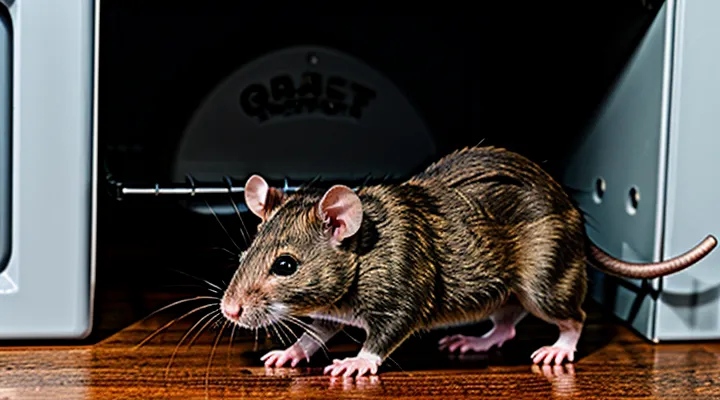
Understanding the Need for a Rat Trap
The Dangers of Rat Infestations
Health Risks Posed by Rats
Rats carry pathogens that can cause serious illness in humans; understanding these hazards guides the selection of an effective control device.
Key diseases transmitted by rats include:
- Leptospirosis, spread through urine‑contaminated water or surfaces.
- Hantavirus pulmonary syndrome, linked to inhalation of aerosolized droppings.
- Salmonellosis, resulting from consumption of food tainted by feces.
- Plague, transmitted by flea bites that have fed on infected rodents.
- Rat‑bite fever, caused by direct bites or scratches.
Transmission occurs via inhalation of dust containing dried droppings, direct contact with urine or feces, bites, and contamination of stored food. These routes create immediate health risks in kitchens, storage areas, and any space where rodents are active.
When choosing a rodent control solution, prioritize models that prevent direct handling of the animal and contain the carcass securely. Sealed snap traps, electronic devices that immobilize instantly, and catch‑and‑release cages equipped with lockable lids reduce exposure to bodily fluids and aerosolized particles.
Implement disposal procedures that avoid contact with contaminated material: wear disposable gloves, place trapped rodents in sealed bags, and disinfect surrounding surfaces with an EPA‑approved disinfectant. Selecting a trap that integrates safety features and supports proper disposal minimizes the likelihood of disease transmission.
Property Damage Caused by Rats
Rats gnaw through electrical wiring, plumbing, insulation, and structural wood, creating fire hazards, water leaks, reduced energy efficiency, and compromised building integrity. Their saliva contaminates food supplies and surfaces, leading to health risks and costly sanitation measures.
Typical damage includes:
- Cut or exposed wires that can spark or short‑circuit.
- Burrowed holes in walls, floors, and foundations that weaken support.
- Chewed pipes that cause leaks, mold growth, and water waste.
- Destroyed insulation, raising heating and cooling expenses.
- Contaminated storage areas, requiring replacement of goods and thorough cleaning.
Understanding these impacts guides the selection of a trap that minimizes collateral damage. A device with a sealed capture chamber prevents escape and reduces the chance of rats scattering debris. Models featuring a trigger mechanism that activates only under sufficient pressure lower the risk of accidental activation near fragile materials. Choosing a trap constructed from non‑conductive, rust‑resistant materials avoids additional damage to surrounding structures.
When evaluating options, prioritize:
- Safety features that isolate the rodent from the environment.
- Build quality that resists corrosion and mechanical stress.
- Ease of disposal to prevent secondary contamination.
By addressing the specific ways rats harm property, buyers can identify a trap that protects both the premises and occupants while eliminating the source of damage.
Why Safety is Paramount in Rat Control
Protecting Children and Pets from Traps
When purchasing a rat capture device for a home with children or pets, prioritize models that eliminate accidental contact. Look for traps with sealed chambers, non‑triggered entry points, and mechanisms that release the animal without exposing the user to the bait or the kill zone.
Key safety characteristics include:
- Fully enclosed capture area – prevents fingers or paws from entering the trap.
- Secure locking latch – keeps the door closed until the trap is deliberately opened.
- Bait compartment isolation – stores attractant away from the exterior, reducing the chance of ingestion.
- Clear, tactile release handle – allows adult users to open the trap without reaching inside.
- Compliance with safety standards – verify certification from recognized consumer‑product safety agencies.
Installation guidelines further reduce risk. Place the trap at least three feet above floor level, away from pathways frequented by children or animals. Use a protective cover or a dedicated bait station that restricts access to the trigger mechanism. Regularly inspect the device for wear, and replace any damaged components immediately.
When disposing of captured rodents, follow local regulations for humane euthanasia or professional pest‑control services. Maintaining a secure environment requires consistent supervision, proper trap selection, and adherence to safety protocols throughout the entire process.
Minimizing Harm to Non-Target Animals
When purchasing a rodent control device, prioritize designs that prevent accidental capture of birds, pets, or wildlife. Selecting a trap that isolates the target species reduces ecological disruption and protects household companions.
Key attributes to evaluate:
- Enclosed or tunnel‑style mechanisms that require specific entry size and behavior.
- Adjustable trigger sensitivity calibrated for the weight range of rats.
- Transparent or clear housing that allows visual inspection of captured animals.
- Non‑lethal options such as catch‑and‑release models, which facilitate immediate release of unintended catches.
Implementing safeguards further minimizes unintended harm:
- Position traps away from pathways frequented by non‑target animals, such as near food bowls, bird feeders, or garden edges.
- Use bait that attracts only rats, avoiding highly fragrant or sweet substances that draw other species.
- Check traps at regular intervals—at least twice daily—to release non‑target captures promptly.
- Seal any gaps around the trap with mesh or barriers that block larger animals while permitting rat entry.
Routine maintenance, including cleaning, trigger testing, and component replacement, ensures consistent performance and limits the risk of malfunction that could endanger unintended victims. By adhering to these criteria and practices, the selected device delivers effective rodent control while safeguarding surrounding fauna.
Types of Rat Traps and Their Safety Features
Traditional Snap Traps
Design Considerations for Safer Snap Traps
When evaluating snap‑type traps, the first design element that reduces accidental injury is a guarded trigger. A spring‑loaded bar should be concealed behind a plastic or metal shield that opens only when a rodent applies pressure to a designated bite plate. This barrier prevents fingers or pets from contacting the spring before activation.
Materials influence both durability and safety. High‑strength steel provides reliable snap force, while a non‑corrosive coating resists rust that could compromise the mechanism. The housing should be constructed from rigid, impact‑resistant polymer to contain the bar’s motion and to minimize breakage if the trap is dropped.
Ergonomic features improve handling and reduce misuse. A textured grip allows precise placement without excessive force. A release latch that requires a two‑step motion—pressing the latch and then lifting the cover—adds a deliberate action before the trap can be set, lowering the chance of accidental snap.
Compliance with regulatory standards ensures that the trap meets accepted safety criteria. Look for certifications such as UL, CE, or equivalent national approvals, which verify that the product has undergone independent testing for hazard reduction.
Key design considerations for safer snap traps:
- Guarded trigger mechanism with a protective shield
- High‑grade steel spring and rust‑resistant coating
- Rigid polymer housing to contain snap motion
- Textured, non‑slip grip and two‑step release latch
- Certification from recognized safety bodies
Selecting a model that incorporates these elements provides a reliable, low‑risk solution for rodent control while protecting users and non‑target animals.
Proper Placement to Enhance Safety
When installing a rat trap, location determines both effectiveness and safety. Position the device away from areas where children or pets roam. Secure the trap on a flat surface to prevent tipping, which could expose the spring mechanism.
Key placement principles:
- Target active rodent pathways such as walls, behind appliances, and near food storage.
- Keep the trap at least 12 inches from any reachable surface, including countertops and low furniture.
- Use a sturdy, non‑slip backing (e.g., rubber mat) to stabilize the trap and reduce accidental movement.
- Avoid placing traps near electrical outlets or water sources to eliminate fire or short‑circuit hazards.
- Ensure clear visibility of the trap’s trigger; concealment may lead to unintended contact.
After placement, inspect the area daily. Replace or relocate the trap promptly if signs of interference appear. Proper positioning minimizes risk while maintaining control over rodent activity.
Live-Catch Traps
Advantages of Humane Trapping
Humane traps capture rodents without lethal injury, allowing release away from the property. This approach eliminates the ethical concerns associated with snap or poison devices and aligns with animal‑welfare regulations in many jurisdictions.
- Minimal physical trauma: smooth interiors and gentle closing mechanisms prevent bruising or broken bones.
- Reduced disease risk: live capture avoids the spread of pathogens that can occur when dead animals decompose in the home.
- Reusability: sturdy construction permits repeated use, lowering long‑term expenses compared with disposable poisons.
- Targeted control: traps can be placed in specific entry points, limiting non‑target catches and preserving beneficial wildlife.
- Legal compliance: many municipalities restrict or ban lethal traps; humane devices satisfy those requirements without additional permits.
- Monitoring capability: visual inspection of the trap interior provides immediate confirmation of capture, facilitating timely intervention.
Choosing a humane option contributes to responsible pest management while maintaining safety for occupants and surrounding ecosystems.
Releasing Captured Rats Safely and Ethically
When a trap captures a rat, the next responsibility is to release the animal without causing injury, disease spread, or ecological disruption. Follow a systematic approach that respects both public health and animal welfare.
First, verify local regulations. Many jurisdictions prohibit releasing rodents into residential neighborhoods, public parks, or agricultural areas. Identify an authorized wildlife sanctuary, pest‑control facility, or a rural location at least several miles from homes and food sources. Documentation of the release site can protect against legal disputes.
Second, prepare protective equipment. Wear disposable gloves, a mask, and long sleeves to prevent bites and limit exposure to pathogens such as leptospirosis or hantavirus. Disinfect gloves and any tools after handling the animal.
Third, assess the trap’s condition. Ensure the device is clean, free of sharp edges, and does not trap the rat in a way that could cause injury during release. If the trap’s design poses a risk, transfer the rat to a humane container with ventilation before transport.
Fourth, transport the rat safely:
- Place the rat in a breathable, escape‑proof carrier.
- Keep the carrier upright and secure to avoid sudden movements.
- Limit travel time to the minimum required to reach the release site.
Fifth, conduct the release:
- Open the carrier in an open field or designated wildlife area.
- Allow the rat to exit voluntarily; avoid forcing it out.
- Observe from a distance to confirm the animal leaves the carrier uninjured.
Finally, decontaminate all equipment. Wash the trap with a disinfectant solution, rinse thoroughly, and dry before future use. Dispose of gloves and other disposable items according to local biohazard guidelines.
By adhering to these steps, the handler minimizes health hazards, complies with legal requirements, and upholds ethical standards for dealing with captured rodents.
Electronic Traps
How Electronic Traps Work
Electronic rat traps operate by delivering a rapid, high‑voltage shock that instantly incapacitates the target. The core components include a power source (usually a rechargeable battery or mains adapter), a control circuit, a detection sensor, and a metal enclosure that forms the shock chamber. When a rodent enters the chamber and contacts the sensor plates, the circuit closes, triggering a capacitor to discharge through the animal’s body. The resulting electrocution is immediate, preventing suffering and eliminating the need for poisons or manual disposal.
Safety mechanisms are integral to the design. Most models incorporate a double‑trigger system: the first contact activates a light or audible alert, while a second, sustained touch initiates the shock. This prevents accidental activation by non‑target objects. Insulated housing and sealed wiring protect users from exposure to the high‑voltage components. Some units feature a built‑in timer that disables the circuit after a set period, reducing the risk of unattended operation.
When evaluating electronic traps, consider the following criteria:
- Voltage output (typically 2,000–5,000 V) sufficient to ensure rapid incapacitation.
- Power supply type and battery life if cordless; look for models with low‑power standby mode.
- Size of the capture chamber relative to the expected rodent size; larger openings reduce escape risk.
- Indicator lights or sound alerts that confirm activation and successful capture.
- Reset procedure; a simple lever or button allows quick reuse without disassembly.
- Compliance with safety standards such as UL or CE certification, confirming tested electrical isolation.
Understanding the operational principle and safety features enables informed selection of a trap that minimizes hazards to humans and pets while delivering effective rodent control.
Safety Mechanisms in Electronic Traps
Electronic rat traps rely on built‑in safety mechanisms to protect users and non‑target animals. When evaluating a purchase, examine the specific features that prevent accidental discharge and ensure controlled operation.
Key safety components typically include:
- Insulated housing that isolates the high‑voltage circuit from the exterior surface.
- Lockout or safety‑switch that disables the trap while loading or cleaning.
- Motion‑sensor or infrared detector that activates the shock only when a rodent is correctly positioned.
- Delayed activation timer that gives a brief window before the voltage is applied, allowing the user to step back.
- Audible or visual warning signal that alerts the operator to imminent activation.
- Automatic shut‑off after a set number of captures or a period of inactivity, conserving battery life and reducing risk.
- Tamper‑resistant latch that prevents children or pets from opening the unit while powered.
These mechanisms work together to minimize the chance of unintended contact with the electric shock source. Selecting a model that incorporates all of the above features provides a higher level of protection during handling, placement, and maintenance.
Before finalizing the purchase, verify that the manufacturer supplies clear documentation on each safety function and that the trap complies with relevant electrical safety standards. This due diligence ensures the device operates reliably while safeguarding users and by‑standers.
Poison Baits (and why to avoid them for safety)
Risks of Secondary Poisoning
When selecting a rodent control device, secondary poisoning presents a significant hazard. Poison‑based traps can leave toxic residues that persist after a rat is captured, creating a pathway for non‑target animals to ingest the poison indirectly.
The risk materializes when a predator or scavenger consumes a poisoned rat, or when a pet or child contacts bait or contaminated surfaces. Toxins may also leach into soil or water, affecting wildlife and domestic animals beyond the immediate trap area.
Common consequences of secondary poisoning include:
- Acute organ failure in predators such as hawks, owls, and feral cats.
- Chronic neurological damage in mammals that ingest sublethal doses.
- Death of household pets that investigate trap sites or chew discarded bait.
- Contamination of groundwater and garden soil, leading to broader ecological impact.
To minimize these dangers, prioritize traps that:
- Use mechanical capture without chemical attractants.
- Feature enclosed bait chambers that prevent access by non‑target species.
- Are constructed from materials that do not retain toxic residues after disposal.
- Include clear labeling of hazardous components and recommended safe‑handling procedures.
Choosing a non‑poisonous, self‑contained trap reduces the probability of secondary exposure and aligns with responsible pest management practices.
Environmental Impact of Rodenticides
Rodenticides, commonly used as an alternative to mechanical traps, introduce several ecological concerns that influence the selection of a humane trapping solution.
First, toxic compounds disperse through soil and water systems. Residues persist in groundwater, affecting non‑target organisms such as amphibians, fish, and beneficial insects. Second, secondary poisoning occurs when predators or scavengers consume poisoned rodents, leading to population declines in birds of prey and mammals that contribute to pest control. Third, rodenticides can accumulate in the food chain, creating long‑term contamination that may affect biodiversity and ecosystem resilience.
When evaluating trap options, consider the following environmental criteria:
- Absence of chemical agents that can leach into the environment.
- Minimal risk of accidental ingestion by pets, children, or wildlife.
- Reusability and durability, reducing waste compared with disposable poison baits.
- Compatibility with integrated pest‑management practices that emphasize prevention and non‑lethal control.
Choosing a mechanical trap that meets these standards eliminates the hazards associated with rodenticides, safeguards surrounding habitats, and aligns with responsible pest‑control policies.
Key Factors When Choosing a Safe Rat Trap
Material and Durability
Non-Toxic Materials for Trap Construction
Non‑toxic components are essential for a rat trap that protects humans, pets, and the environment. Materials that avoid chemical hazards reduce the risk of accidental poisoning and simplify disposal after capture.
- Food‑grade silicone for trigger mechanisms and seals
- Stainless steel for springs, hinges, and cage frames
- BPA‑free polyethylene or polypropylene for housing and bait compartments
- Natural wood treated with non‑reactive oil for external panels
When evaluating these options, consider durability, resistance to corrosion, and ease of cleaning. Stainless steel maintains structural integrity under repeated use, while silicone tolerates temperature fluctuations without degrading. Polyethylene and polypropylene resist cracking and can be sterilized with hot water or mild detergents. Wood provides aesthetic appeal but must be sealed to prevent moisture damage.
Compliance with safety standards, such as those set by the Consumer Product Safety Commission, ensures that the trap meets regulatory requirements for non‑toxic construction. Verify that manufacturers list material certifications and provide safety data sheets.
Choosing a trap built from the listed non‑toxic substances delivers reliable performance while minimizing health hazards for occupants and wildlife.
Weather Resistance for Outdoor Use
When purchasing a rat trap for exterior placement, the ability to endure weather conditions directly impacts performance and longevity. Materials that resist corrosion, moisture infiltration, and ultraviolet degradation maintain structural integrity and trapping efficiency throughout seasonal changes.
Key material considerations include:
- Stainless steel or coated aluminum frames to prevent rust.
- High‑density polyethylene or polypropylene housings that repel water.
- UV‑stabilized plastics that resist cracking under sunlight exposure.
Design features that enhance outdoor resilience are:
- Sealed joints and gasketed openings that block rain and snow.
- Drainage channels preventing water accumulation inside the trap.
- Reinforced hinges and latches that operate reliably despite temperature fluctuations.
Look for products bearing independent durability certifications, such as IP‑rating or ASTM standards for outdoor equipment. Regular inspection for wear, cleaning of debris, and occasional re‑application of protective sprays prolong service life and preserve safety.
By focusing on material composition, sealed construction, and verified durability, buyers secure a trap that remains effective and safe despite exposure to rain, heat, and frost.
Ease of Use and Setup
Simple Trigger Mechanisms
Simple trigger mechanisms determine how quickly a trap reacts and how safely it can be handled. When evaluating options, focus on the method that releases the capture force and the degree of user control it offers.
- Snap trigger – a hinged bar holds tension until a baited platform releases, causing an instant closure. Requires minimal force to set, provides rapid action, and isolates the spring mechanism from the user's hand.
- Lever trigger – a lever arm pivots when the rodent applies pressure, activating a latch. Allows adjustable sensitivity, useful for varied rodent sizes, and keeps moving parts enclosed.
- Pressure‑plate trigger – a flat plate depresses under weight, releasing a catch that drops the trap door. Offers low‑profile design, easy bait placement, and reduces accidental activation.
- Spring‑loaded trigger – a coil spring stores energy that is released by a simple pull or push. Delivers consistent strike force, easy to reset, and typically includes a safety shield.
Safety assessment should include:
- Required activation force – lower values reduce risk of accidental snap.
- Reset procedure – tool‑free, one‑hand operation limits exposure to the spring.
- Child‑proof features – lockable mechanisms prevent unintended triggering.
- Material safety – non‑corrosive components avoid toxic residue.
Choose a trap whose trigger aligns with the intended environment, the size of the target pest, and the need for minimal handling risk. Prioritize models that combine quick release with secure housing for the spring or latch, ensuring reliable performance while protecting users.
Hygienic Disposal of Captured Rodents
After a trap catches a rodent, the next critical task is hygienic disposal. Proper handling prevents disease transmission, eliminates odors, and reduces the risk of attracting additional pests.
Safe disposal procedure
- Wear disposable gloves and, if available, a face mask.
- Place the trapped animal in a sealed, puncture‑resistant bag.
- Seal the bag tightly, then double‑bag for added containment.
- Dispose of the sealed bags in a trash container with a tight‑fitting lid; ensure collection occurs within 24 hours.
- Clean the trap with a disinfectant approved for rodent control, rinse thoroughly, and dry before storage or reuse.
Alternative methods
- Burial: Dig a hole at least 12 inches deep, place the sealed bag inside, cover completely, and mark the site for future reference.
- Professional removal: Contact a licensed pest‑management service to handle large captures or when local regulations require specialized disposal.
Adhering to these steps guarantees that captured rodents are eliminated without compromising health or safety.
Trap Size and Species Targeting
Matching Trap Size to Rat Species
Choosing a trap that fits the target rat species maximizes capture rates and reduces the risk of injury to the animal and to humans. Different rats vary in body length, weight, and behavior; the trap must accommodate these factors.
- Norway (brown) rat – average body length 20‑25 cm, weight 250‑300 g. Minimum interior width 10 cm, length 15 cm, height 8 cm.
- Roof (black) rat – average body length 16‑20 cm, weight 150‑250 g. Minimum interior width 8 cm, length 12 cm, height 6 cm.
- Polynesian rat – average body length 13‑15 cm, weight 80‑120 g. Minimum interior width 6 cm, length 10 cm, height 5 cm.
Measure the rat’s body from nose to base of the tail and add at least 2 cm to each dimension. Select a trap whose cage exceeds these measurements; excess space should not be so large that the rat can avoid the trigger mechanism. Ensure the trigger sensitivity matches the species’ strength: larger rats require a stronger spring, while smaller rats need a lighter trigger.
Confirm that the chosen trap complies with local regulations, features a secure containment door, and includes a humane release option if live capture is intended. Matching trap size to rat species eliminates ineffective attempts and supports safe, responsible pest control.
Preventing Accidental Trapping of Larger Animals
When choosing a rodent trap, verify that the trigger mechanism is calibrated for small mammals. Traps designed for rats typically activate with minimal pressure; larger animals may not generate enough force to set the device, reducing the risk of accidental capture.
Select models that feature size‑specific bait compartments and entrance openings. A narrow tunnel limits access to animals larger than the intended target, while a separate bait holder prevents non‑target species from being attracted.
Implement these safeguards:
- Measure the entrance gap; keep it no larger than 2 cm (¾ in) to exclude squirrels, rabbits, or birds.
- Choose traps with adjustable sensitivity settings, allowing you to raise the activation threshold above the weight of larger fauna.
- Place traps away from known wildlife paths, using barriers such as mesh or fences to channel rats toward the device.
- Inspect the area regularly; remove any trapped animal promptly to avoid distress to unintended victims.
Finally, read product specifications for “non‑target protection” features and verify compliance with local wildlife regulations. This approach ensures effective rodent control while minimizing harm to larger animals.
Indicator Mechanisms
Visual Cues for Trap Activation
When evaluating a rodent‑control device, visual indicators provide the quickest assessment of safety and functionality.
Key visual features to inspect include:
- Transparent or semi‑transparent trigger compartment that reveals the bait and the spring mechanism.
- Colored safety lock that moves from red (armed) to green (disarmed) when the trap is set correctly.
- Clearly marked release lever with a contrasting background, allowing users to see the exact position of the trigger.
- Audible click window that aligns with a visible indicator, confirming that the spring has been tensioned.
- Warning labels positioned on the outer surface, using bold typography and high‑contrast colors for immediate recognition.
A trap that incorporates these cues reduces the risk of accidental activation during handling. Verify that the indicators are durable, not prone to fading, and that the mechanism returns to a neutral visual state after each use. Selecting a model with reliable visual feedback ensures consistent safety throughout the trapping process.
Remote Notifications for Electronic Traps
When selecting an electronic rodent trap, the ability to receive remote alerts is a decisive safety feature. Alerts inform the owner that a capture has occurred, that battery power is low, or that the device has malfunctioned, allowing immediate response without entering the trap area.
Key benefits of remote notifications include:
- Immediate awareness of trap activation, reducing the risk of exposure to trapped animals.
- Early detection of power loss, preventing missed captures.
- Real‑time status updates that support scheduling of maintenance visits.
- Integration with smartphones or central monitoring systems for centralized control.
When evaluating models, consider the following criteria:
- Communication protocol: Wi‑Fi, Bluetooth, or cellular. Wi‑Fi suits indoor use; cellular provides coverage in remote sheds or barns.
- Notification format: Push notification, SMS, or email. Choose the method that aligns with personal workflow.
- Customizable thresholds: Ability to set alerts for specific events, such as multiple captures within a short period.
- Security measures: Encryption and password protection to prevent unauthorized access to the trap’s control interface.
- Battery monitoring: Built‑in reporting of remaining charge and automatic low‑battery alerts.
Installation steps for reliable remote alerts:
- Position the trap within the range of the chosen network.
- Pair the device with the companion app, following the manufacturer’s pairing guide.
- Configure alert preferences, selecting preferred channels and thresholds.
- Test the system by triggering a simulated capture or using the app’s test function.
- Verify that alerts are received on the intended device before regular use.
By prioritizing remote notification capabilities, purchasers ensure continuous oversight of electronic traps, minimize direct contact with captured rodents, and maintain operational efficiency throughout the trapping process.
Best Practices for Safe Rat Trap Deployment and Maintenance
Strategic Placement of Traps
Identifying Rat Runways and Entry Points
When evaluating a rat control solution, pinpointing the pathways rats use to travel and the openings they exploit is a prerequisite for effective trap placement. Observation of gnaw marks, droppings, and fresh soil disturbances reveals the most active routes. Follow these steps to locate runways and entry points:
- Inspect walls, baseboards, and cabinets for smooth, well‑worn lines; these indicate frequent traffic.
- Examine exterior walls, foundation cracks, and utility penetrations for gaps larger than a quarter‑inch.
- Check under sinks, behind appliances, and within crawl spaces for accumulated debris or shredded material.
- Use a flashlight to trace the direction of droppings; they align with the direction of movement.
- Place a piece of cardboard or paper near suspected openings; fresh gnaw marks or urine stains confirm usage.
After identification, prioritize sealing gaps with steel wool, caulk, or metal flashing before deploying traps. Securing entry points reduces the chance of accidental contact with non‑target animals and limits the need for multiple devices. Accurate mapping of rat routes therefore enhances safety and improves the efficiency of any trapping strategy.
Securing Traps to Prevent Movement
Securing a rat trap after placement prevents accidental displacement, protects non‑target animals, and reduces the risk of injury to people handling the device. A stable trap remains effective, maintains its bait position, and complies with safety standards that many manufacturers require.
- Anchor the trap to a solid surface using built‑in mounting brackets or a sturdy strap.
- Place the device on a non‑slip mat or rubber pad to increase friction.
- Use a weighted base or attach a sandbag to low‑profile models that lack built‑in weights.
- Verify that the trigger mechanism is locked in the “armed” position before securing any additional restraints.
When selecting a trap, prioritize models that offer integrated securing features such as detachable clamps, reinforced hinges, or compatible mounting kits. Check product specifications for load‑bearing capacity and ensure that any added restraints do not interfere with the trigger. Confirm that the design complies with local pest‑control regulations and that the manufacturer provides clear instructions for safe anchoring.
Regular Trap Inspection and Servicing
Checking Traps Frequently
When you acquire a rodent trap, regular inspection is the most reliable method to maintain safety and effectiveness. Each check confirms that the device is still functional, that bait remains fresh, and that no unintended capture has occurred.
A practical inspection routine includes:
- Verify trap placement each morning and evening.
- Examine the trigger mechanism for wear or damage.
- Replace bait when it shows signs of spoilage.
- Empty and clean the trap after any capture, then reset it.
Frequent monitoring prevents accidental contact with non‑target animals and reduces the risk of disease transmission. It also allows early detection of malfunction, ensuring the trap continues to operate as designed.
Documenting inspection times and observations creates a clear record of maintenance, supporting compliance with health and safety standards. This systematic approach maximizes the trap’s performance while protecting household members and pets.
Cleaning and Sanitizing Traps
Cleaning a newly purchased rat trap is essential for safe, effective operation. Residual chemicals, debris, or previous catch material can compromise performance and pose health risks. Proper sanitation eliminates pathogens and prevents cross‑contamination in the home or workplace.
- Disassemble the trap according to the manufacturer’s instructions.
- Rinse all components with warm water to remove visible debris.
- Apply a non‑abrasive detergent; scrub with a soft brush to reach crevices.
- Rinse thoroughly to eliminate soap residue.
- Soak metal parts in a diluted bleach solution (1 part bleach to 9 parts water) for 10 minutes to disinfect.
- Rinse again with clean water and dry completely with a lint‑free cloth or air dryer.
After cleaning, select a sanitizing agent compatible with the trap’s material. Alcohol‑based sprays (minimum 70 % isopropyl) work well on plastic and metal surfaces, evaporating quickly without leaving residues. For wooden components, use a food‑grade hydrogen peroxide solution (3 %) to avoid corrosion while achieving microbial kill. Apply the sanitizer evenly, allow the recommended contact time, then wipe off excess liquid.
Maintain a regular schedule: inspect traps after each use, clean and sanitize weekly, and replace worn parts promptly. Consistent upkeep preserves trap integrity, ensures humane capture, and protects occupants from disease exposure.
Safe Disposal of Rodents
Protective Gear for Handling Rodents
When selecting a rat trap that minimizes health risks, appropriate protective equipment is essential. Proper gear prevents bites, scratches, and exposure to disease‑carrying fluids, ensuring the trapping process remains safe for the handler.
- Heavy‑duty disposable gloves (nitrile or latex) – resist punctures and chemicals.
- Long‑sleeved, tightly woven work shirt and trousers – reduce skin contact.
- Protective eyewear or face shield – guard against splashes from trapped rodents.
- Respirator with particulate filter – filter dust and aerosolized pathogens.
- Leather or reinforced boots – shield feet from accidental contact.
Choose gear that matches the trap’s design and the expected environment. Verify that gloves fit snugly to maintain dexterity while handling the device. Ensure eyewear meets ANSI Z87.1 standards for impact resistance. Select a respirator rated for the specific contaminants present, such as dust or rodent droppings. Replace disposable items after each use and sanitize reusable components according to manufacturer instructions. This systematic approach to protective equipment supports a safe, effective rodent control strategy.
Recommended Disposal Methods
When a rat trap has served its purpose, the disposal process must protect humans, pets, and the environment. Follow established protocols to avoid accidental exposure to disease‑carrying rodents or harmful chemicals.
First, secure the captured rodent. Place the trap in a sturdy, sealable plastic bag, then add a second bag and seal both tightly. This double‑bagging prevents leakage and contains any odors.
Next, choose an appropriate waste stream. In most jurisdictions, a dead rodent is classified as regular household waste, provided it is fully contained. Verify local regulations; some areas require disposal through a licensed animal carcass service. If a municipal facility accepts the material, deposit the sealed bags in the regular trash bin, ensuring they are not accessible to children or animals.
If you prefer a more controlled method, consider the following steps:
- Contact a professional pest‑control company for pick‑up and disposal.
- Use a certified biohazard disposal container available at veterinary clinics or animal shelters.
- For large quantities, arrange collection by a hazardous‑waste carrier authorized to handle animal remains.
After disposal, clean the trap according to the manufacturer’s instructions. Use a disinfectant solution (e.g., a 1% bleach mixture) and rinse thoroughly. Allow the trap to dry completely before storage or reuse.
Maintain a log of disposal dates and methods. Documentation assists in compliance audits and helps track the effectiveness of pest‑management practices.
Storing Traps Safely
Keeping Traps Out of Reach
When selecting a rat trap, securing the device away from unintended contact is essential for household safety. Position the trap where children and pets cannot reach it, such as on a sturdy surface at least three feet above the floor or behind a barrier that prevents accidental handling. Ensure the area around the trap is clear of clutter to avoid accidental bumps that could dislodge the device.
Key practices for keeping traps out of reach:
- Mount the trap on a wall or shelf using brackets designed for the specific model. Verify that brackets are firmly anchored into studs or solid supports.
- Install a lockable cage or enclosure around the trap. Choose a design with a secure latch that only adults can open.
- Use a tamper‑resistant cover if the trap includes a removable bait compartment. The cover should snap shut and require a tool to open.
- Mark the zone with a visible warning sign. Prefer high‑contrast symbols that convey danger without relying on text.
- Conduct a routine inspection after each use. Confirm that the trap remains stable, the enclosure is intact, and no new access points have emerged.
Store any unused traps in a locked cabinet or a high shelf, separate from everyday items. Keep the bait material sealed in its original packaging until deployment to prevent accidental ingestion. By following these measures, the risk of accidental contact is minimized while maintaining effective rodent control.
Proper Storage Conditions to Maintain Trap Efficacy
Proper storage directly affects a rat trap’s reliability and lifespan. When a trap is kept under unsuitable conditions, its mechanical components can corrode, springs may lose tension, and bait effectiveness can diminish, leading to reduced capture rates.
Maintain a stable environment. Store traps in a location where temperature stays between 50 °F and 80 °F (10 °C–27 °C). Avoid exposure to extreme heat, which can warp plastic housings, and prevent freezing temperatures that make metal parts brittle. Relative humidity should not exceed 60 %; excess moisture accelerates rust and encourages mold growth on bait compartments.
Use original packaging or airtight containers. Seal each trap in a plastic bag with a desiccant packet to control moisture. Keep containers off the floor to protect against accidental spills and pest access. Label containers with the purchase date to track age.
Inspect and rotate stock regularly. Conduct a visual check quarterly for signs of corrosion, cracked components, or degraded bait. Replace any trap showing wear before it is deployed.
Key storage practices
- Temperature: 50 °F–80 °F (10 °C–27 °C)
- Humidity: ≤ 60 % relative humidity
- Moisture control: airtight containers + desiccant
- Protection: elevate containers, avoid direct sunlight
- Monitoring: quarterly inspection, replace compromised units
Adhering to these conditions preserves spring tension, maintains bait potency, and ensures the trap functions as intended when needed.