
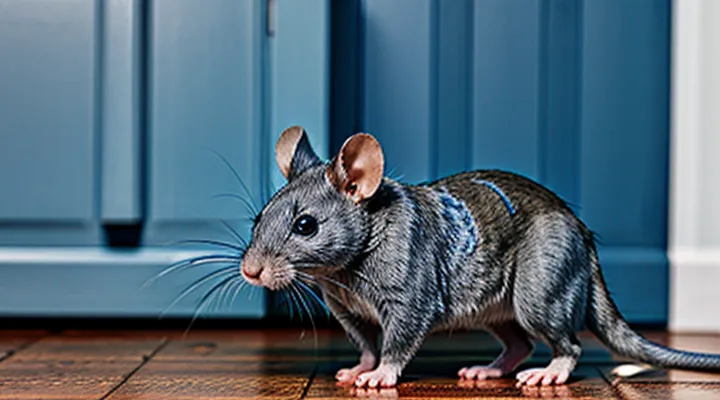
The Blue Domestic Rat: An Overview
Origins and History
Development of the Blue Variety
The blue coat in domestic rats emerged from selective breeding aimed at amplifying a recessive dilution gene that reduces melanin production, resulting in a slate‑gray to steel‑blue appearance. Early 20th‑century breeders observed spontaneous blue litters in mixed‑color colonies and isolated the trait through repeated backcrossing with black or agouti lines. By the 1950s, dedicated breeding programs in Europe and North America established a stable blue line, confirming homozygosity for the dilution allele through pedigree analysis.
Key milestones in the variety’s development include:
- Identification of the dilution gene (d) and its inheritance pattern (autosomal recessive).
- Creation of a pure‑bred blue strain by successive brother‑sister matings to eliminate carriers of competing color genes.
- Introduction of the blue line into standard laboratory rat stocks, allowing researchers to study coat color genetics without affecting physiological traits.
- Refinement of breed standards that define acceptable shade range, eye color (typically pink or red due to lack of pigment), and fur texture.
Breeders maintain the blue phenotype by:
- Testing breeding pairs for the presence of the dilution allele using coat color as a phenotypic marker or DNA analysis.
- Avoiding outcrosses with non‑blue individuals unless the goal is to re‑introduce genetic diversity while preserving the blue allele.
- Monitoring for associated health issues; the dilution gene itself does not predispose rats to specific disorders, but inbreeding can increase the risk of hereditary conditions, necessitating regular health screenings.
The development of the blue variety illustrates how targeted genetic selection can produce a distinct, reproducible phenotype while preserving the overall health and vigor of the domestic rat population.
Popularity and Recognition
The blue‑coated domestic rat enjoys widespread acceptance among hobbyists and professional breeders. Registrations with major societies consistently place the variety among the top three color groups, reflecting steady demand in pet stores and specialty breeders.
Official recognition stems from several leading organizations. The National Fancy Rat Society lists the blue coloration as a distinct category in its breed standards, granting eligibility for championship titles. The American Rat Society includes the hue in its competitive classes, and the United Kingdom Rat Fancy Association awards points for conformation and coat quality. These endorsements enable owners to present blue rats at national shows and secure pedigree documentation.
Media exposure contributes to public awareness. Appearances in veterinary journals, pet‑care magazines, and online forums highlight the breed’s temperament and health profile, encouraging prospective owners to consider the blue variant. Retail chains feature the color in promotional displays, reinforcing its market presence.
Key recognitions:
- Inclusion in NFS breed standards with a dedicated judging rubric
- Eligibility for ARS championship awards
- Recognition by UK Rat Fancy Association for show competition
- Featured in veterinary and pet‑industry publications as a model color variety
Physical Characteristics
Coat and Coloration
Shades of Blue
The blue domestic rat exhibits a range of coat colors that fall within the blue spectrum, each defined by specific genetic expressions and recognized by breed standards. The primary shade, often termed “standard blue,” presents a uniform, medium‑depth gray‑blue hue that covers the entire body, including the ears, tail, and whisker pads. This coloration results from the dilution of the black pigment (agouti) by the b gene, producing a consistent, solid appearance.
Variation within the blue palette includes several distinct tones:
- Pale blue – a lighter, almost silvery gray that appears when the dilution effect is intensified.
- Deep blue – a darker, richer shade nearing charcoal, indicating a stronger expression of the black base before dilution.
- Silver‑blue – a metallic sheen overlaying the standard blue, caused by the presence of the silver (Z) gene.
- Mottled blue – irregular patches of lighter and darker blue, reflecting uneven distribution of pigment during development.
Breeders assess these shades against the breed standard, which specifies acceptable hue intensity, uniformity, and the absence of stray coloration such as brown or red patches. Genetic testing can confirm the presence of the b gene and any modifying alleles, ensuring that the offspring will display the desired blue coloration within the defined parameters.
Coat Types
The blue domestic rat exhibits three recognized coat varieties, each defined by texture and sheen.
- Standard coat – dense, short hair with a smooth, matte finish. The fur lies flat against the body, providing the classic appearance associated with the breed.
- Satin coat – slightly longer hair with a glossy, reflective surface. The coat catches light, giving a subtle sheen while maintaining the breed’s compact density.
- Rex coat – short, wavy hair that creates a plush, velvety feel. The curls produce a textured look distinct from the other two types.
Coat type influences grooming requirements. Standard and satin coats demand regular brushing to remove loose hairs and prevent matting. Rex coats benefit from gentle handling to preserve curl integrity and reduce breakage. All varieties share the breed’s characteristic blue coloration, which results from a dilution gene affecting black pigment.
Body Structure
Size and Weight
The Blue Domestic Rat, a color form of the domesticated Norway rat, displays a consistent range of dimensions that distinguishes it from other variants. Adult body length, measured from nose to the base of the tail, typically falls between 20 and 25 cm (7.9–9.8 in). Tail length generally matches or slightly exceeds body length, ranging from 18 to 24 cm (7.1–9.4 in). Overall weight stabilizes within a narrow band; mature individuals commonly weigh 300–500 g (10.6–17.6 oz).
Key measurements:
- Body length: 20–25 cm (7.9–9.8 in)
- Tail length: 18–24 cm (7.1–9.4 in)
- Weight: 300–500 g (10.6–17.6 oz)
These parameters reflect the breed’s genetic selection for a compact, robust physique while maintaining the characteristic blue coat coloration.
Ears and Eyes
The ears of a blue-colored domestic rat are small, rounded, and lie flat against the skull. Their cartilage is firm, providing protection while allowing sufficient mobility for sound localization. The fur covering the ear margins matches the overall coat hue, ranging from slate to deep navy, and may exhibit a slight sheen. Auditory sensitivity is comparable to that of other laboratory strains, with a frequency response optimal for detecting high‑pitched noises in a typical household environment.
The eyes are prominent, set laterally, and display a dark brown to black iris that contrasts with the light‑colored sclera. Pupils are round and dilate rapidly in low‑light conditions, reflecting the species’ crepuscular activity pattern. Visual acuity is moderate; rats rely on motion detection and contrast rather than fine detail. The ocular surface is protected by a thin tear film, and the eyelids close fully during sleep.
Key health considerations for ears and eyes include:
- Regular inspection for crusting, redness, or discharge; these signs may indicate infection or mite infestation.
- Maintenance of a dry environment; excessive humidity can promote bacterial growth in the ear canal.
- Monitoring for cataract formation or corneal opacity, especially in older individuals; early detection facilitates veterinary intervention.
- Avoidance of abrasive bedding materials that could damage the delicate skin around the ears or irritate the eyes.
Proper grooming, environmental control, and routine veterinary checks support optimal auditory and visual function in blue domestic rats.
Distinguishing Features
Comparison with Other Colors
The blue domestic rat distinguishes itself from other color morphs through several measurable traits.
- Coat hue: The blue phenotype results from a dilution gene that reduces black pigment, creating a uniform slate coloration. Black rats retain full eumelanin, producing a deep, glossy coat. Agouti rats display a banded hair pattern with alternating dark and light sections, while chocolate rats exhibit a reduced pheomelanin concentration, yielding a warm brown shade.
- Genetic inheritance: The blue allele is recessive; two carriers are required for expression. In contrast, black is dominant, and agouti follows an incompletely dominant pattern. Chocolate is also recessive but involves a separate pigment pathway.
- Market preference: Breeders report higher demand for blue rats in show circuits due to their distinct appearance. Black and agouti varieties dominate the pet market because of broader recognition and lower breeding complexity.
- Health considerations: No color-linked health issues are documented for blue rats. Black and chocolate rats share similar health profiles, while certain agouti lines may carry a predisposition to skin lesions linked to the agouti gene.
Overall, the blue rat’s visual uniformity, recessive genetics, and niche popularity set it apart from other colored domestic rats without affecting vitality or care requirements.
Breed Standards
The breed standards for the blue domestic rat define the ideal physical and phenotypic traits recognized by specialty clubs and show judges. Measurements focus on proportion, coat quality, and coloration, while disqualifying deviations that compromise the breed’s distinct appearance.
- Size: adult weight 300–500 g; body length 20–25 cm, excluding tail.
- Coat: dense, short, glossy fur without gaps or excessive shedding.
- Color: uniform slate‑blue hue covering the entire body, including ears, tail, and whisker pads; no patches of other colors permitted.
- Head: rounded skull with a smooth, straight profile; muzzle short and broad, aligning with the eyes.
- Ears: small, thin, set low on the skull, fully covered by fur.
- Eyes: bright, medium‑sized, dark brown or black; clear cornea and no cataract formation.
- Tail: slender, slightly longer than the body, covered in fine hair; no scaly or bare segments.
- Feet and paws: well‑arched, with dark pads matching the overall coloration; nails trimmed to a uniform length for show.
Any breach of these criteria—such as inconsistent coloration, excessive body length, or coat irregularities—results in a non‑compliant classification. Breeders must maintain meticulous records of lineage and health to ensure adherence to the established standards.
Temperament and Behavior
Social Nature
Interaction with Humans
The blue domestic rat readily forms bonds with people, showing a propensity for close contact and mutual responsiveness. When handled regularly, individuals of this coloration often exhibit reduced fear responses and increased willingness to approach caretakers.
Social behavior includes vocalizations such as soft squeaks and gentle teeth‑chattering, which signal contentment and invite interaction. Eye contact and whisker movements serve as non‑verbal cues that owners can interpret to gauge the animal’s emotional state.
Typical human‑rat engagements are:
- Hand‑feeding of fresh vegetables, fruits, or formulated pellets, which reinforces trust and encourages positive association.
- Gentle petting along the back and neck, preferred over abdominal contact to avoid defensive reactions.
- Training sessions using clicker cues or target sticks, enabling the rat to perform simple tasks like navigating mazes or retrieving objects.
- Enrichment activities such as tunnel exploration, climbing structures, and puzzle feeders, fostering mental stimulation and strengthening the caretaker‑animal relationship.
Consistent, low‑stress handling combined with a varied environment promotes a cooperative temperament, allowing the blue domestic rat to serve effectively as a companion animal.
Interaction with Other Rats
The blue domestic rat exhibits a distinct social pattern when housed with conspecifics. Individuals quickly establish a hierarchy based on age, size, and temperament, with dominant rats asserting priority over food and sleeping sites. Subordinate members accept the hierarchy, reducing overt aggression once the order is clear.
Interaction dynamics include:
- Grooming: Mutual grooming reinforces bonds and lowers stress levels.
- Play behavior: Young rats engage in chasing, wrestling, and gentle bites, which develop motor skills and social competence.
- Territorial marking: Rats deposit scent from flank glands to delineate personal space; frequent marking indicates confidence in the group structure.
Compatibility varies among strains; blue-colored rats tend to be more tolerant of unfamiliar companions when introduced gradually. A recommended protocol involves a neutral enclosure for initial contact, followed by monitored cohabitation for 48–72 hours before permanent merging. Continuous observation of bite wounds, vocalizations, and feeding patterns ensures early detection of incompatibility.
Intelligence and Trainability
Problem-Solving Abilities
The blue-colored domestic rat exhibits a cognitive profile comparable to other laboratory‑bred strains, with a pronounced capacity for solving novel tasks. Behavioral studies consistently record rapid acquisition of maze routes and efficient adaptation to changing reward locations, indicating strong spatial memory and flexible reasoning.
Key problem‑solving behaviors include:
- Rapid identification of escape routes in complex labyrinths.
- Successful manipulation of puzzle boxes to obtain food rewards after minimal trial exposure.
- Ability to discriminate between multiple visual cues to select the correct lever for reinforcement.
These capabilities reflect a high level of neural plasticity, which demands enriched environments to prevent stagnation. Providing varied objects, obstacle courses, and interactive feeders sustains mental agility and reduces stress‑related behaviors. Breeders aiming for robust offspring should prioritize early exposure to problem‑solving challenges, as proficiency develops during the juvenile period and persists into adulthood.
Learning Tricks
Blue domestic rats with a blue coat respond well to structured training, making them suitable candidates for learning a variety of tricks. Consistent sessions, positive reinforcement, and clear signals create reliable behavior patterns.
- Sit: Hold a treat above the nose, move it backward so the rat’s hindquarters lower, then reward immediately.
- Spin: Use a small, circular cue (e.g., a fingertip motion) while offering a treat; repeat until the rat completes a full rotation.
- Target touch: Place a colored dot on a stick, guide the rat’s nose to contact it, and deliver a reward.
- Retrieve: Toss a lightweight object, encourage the rat to pick it up and bring it back, reinforcing each successful return.
Training guidelines
- Keep sessions under five minutes to maintain focus.
- Use high‑value treats such as small pieces of fruit or specialized rodent snacks.
- Mark each successful action with a distinct verbal cue (“sit,” “spin,” etc.) followed by a reward.
- Gradually increase the distance or complexity once the basic response is stable.
- Record progress to adjust timing and cue strength.
Health considerations
- Ensure the rat is in good physical condition; avoid excessive jumps or twists if joint issues are present.
- Provide fresh water after each session to prevent dehydration.
- Monitor for signs of stress, such as excessive grooming or refusal to eat, and pause training if observed.
Regular practice reinforces neural pathways, improves mental stimulation, and strengthens the bond between rat and caretaker. Consistency, clear signals, and immediate reinforcement constitute the core methodology for teaching tricks to blue‑coated domestic rats.
Activity Levels
Playfulness
The blue-colored domestic rat displays a high level of playfulness that distinguishes it from many other pet rodents. Observations confirm frequent engagement in activities that promote physical coordination and mental stimulation.
Typical playful behaviors include:
- Chasing lightweight objects such as plastic balls or crumpled paper.
- Navigating complex tunnel systems and climbing structures.
- Performing rapid, unpredictable darting motions across open floor space.
- Interacting with humans through gentle nudges, pawing, and brief bouts of tugging on soft toys.
Owners can enhance this trait by providing varied enrichment items, rotating toys regularly, and incorporating short, supervised free‑run sessions. Consistent interaction reinforces the rat’s willingness to explore and maintain an active lifestyle, contributing to overall health and social confidence.
Sleeping Habits
The blue domestic rat typically sleeps 12–14 hours per day, divided between several short bouts rather than a single prolonged period. Sleep occurs primarily during the dark phase of its circadian cycle, aligning with the species’ nocturnal activity pattern.
Key characteristics of the sleeping behavior include:
- Duration: Individual sleep episodes range from 30 minutes to 2 hours, with total daily sleep accumulating to roughly half of the rat’s waking time.
- Position: Rats adopt a curled posture, tucking their hind limbs beneath the body and covering the nose with a forepaw. This configuration conserves heat and reduces exposure to predators.
- Location: Preferred sleeping sites are quiet, low‑traffic areas of the cage such as the back of a hideaway or a corner of a nesting box. Soft bedding material enhances comfort and supports proper posture.
- Environmental cues: Light exposure, temperature, and noise levels directly influence sleep onset and continuity. Stable, dim lighting and a temperature range of 20–24 °C promote uninterrupted rest.
- Physiological markers: During sleep, the rat’s heart rate and respiration slow, and muscle tone decreases. Rapid eye movement (REM) phases are observable as brief twitching of whiskers or paws.
Maintaining optimal sleep conditions involves providing adequate hideaways, consistent lighting schedules, and a stable ambient temperature. Monitoring sleep patterns can reveal health issues; deviations such as excessive fragmentation or prolonged wakefulness may indicate stress, illness, or environmental disturbances.
Care and Maintenance
Housing Requirements
Cage Size and Setup
A blue domestic rat requires a cage that provides ample horizontal space for exploration and exercise. The minimum floor area should be 24 inches (61 cm) wide by 36 inches (91 cm) deep for a single adult; each additional rat adds at least 12 inches (30 cm) of width. Height of 12 inches (30 cm) or more prevents escape and allows the installation of climbing structures.
The cage floor must be solid and non‑slippery. Wire mesh floors cause foot injuries and should be avoided. Use a thin sheet of stainless steel, acrylic, or a thick, chew‑proof plastic base. Cover the base with a layer of high‑quality paper bedding, aspen shavings, or kiln‑dried pine; avoid cedar or pine with strong oils that can irritate respiratory systems.
Enrichment elements are required for mental and physical health. Provide:
- Multiple levels or platforms secured to the cage walls
- A solid climbing ladder or rope made of untreated natural fibers
- Hideouts such as wooden houses or PVC tunnels
- Chew toys constructed from safe hardwoods or mineral blocks
Ventilation must be continuous without creating drafts. Position the cage away from direct sunlight, heaters, and air vents. Clean the enclosure weekly, replacing bedding and sanitizing surfaces with a mild, rodent‑safe disinfectant.
Regular inspection of the cage structure ensures durability. Check for loose bolts, worn mesh, and damaged chew surfaces; replace compromised components promptly to maintain a safe environment.
Bedding and Enrichment
The blue domestic rat requires a substrate that absorbs moisture, controls odor, and allows natural digging behavior. Suitable materials include:
- Paper‑based bedding (e.g., shredded paper, cellulose pellets) – low dust, easy to replace.
- Aspen shavings – soft, non‑aromatic, safe for chewing.
- Coconut fiber – excellent absorbency, provides texture for burrowing.
Avoid cedar or pine, which contain aromatic oils that may irritate the respiratory system.
Enrichment promotes mental stimulation and physical health. Effective options are:
- Multi‑level platforms and tunnels – encourage climbing and exploration.
- Chewable items such as untreated wood blocks, natural twine, and mineral chews – support dental wear.
- Interactive toys with hidden treats – stimulate problem‑solving skills.
- Rolling balls or wheels designed for small rodents – provide safe aerobic activity.
Regularly rotate and clean bedding to prevent bacterial growth. Replace soiled substrate at least twice weekly, and sanitize enrichment objects with mild soap and water weekly. Monitor for wear; discard any damaged items that could cause injury.
Diet and Nutrition
Recommended Foods
The blue domestic rat requires a diet that supplies protein, fiber, vitamins, and minerals in balanced proportions. Commercial rodent pellets formulated for rats form the nutritional foundation and should be offered daily. Pellets provide consistent nutrient levels and reduce the risk of deficiencies.
- High‑quality rat pellets (standard or grain‑free, depending on health considerations)
- Fresh vegetables: leafy greens (kale, romaine lettuce), bell peppers, carrots, broccoli
- Fresh fruits in moderation: apple slices (no seeds), blueberries, banana chunks
- Cooked lean proteins: boiled chicken breast, scrambled egg, low‑fat cottage cheese
- Whole grains: cooked quinoa, brown rice, oats (unsalted, unflavored)
Fresh water must be available at all times, changed daily, and provided in a bottle to prevent contamination. Portion sizes should be adjusted to maintain a healthy body condition: approximately 1 ½ – 2 cups of pellets per rat per day, supplemented with ¼ – ½ cup of mixed vegetables and a small fruit piece two to three times weekly. Protein sources are limited to 10–15 % of total calories.
Occasional treats, such as small amounts of unsalted nuts or dried insects, can enrich enrichment but must not exceed 5 % of the overall diet. Calcium supplementation is unnecessary if the diet includes adequate leafy greens; however, a vitamin D supplement may be required for rats kept without natural sunlight exposure. Regular monitoring of weight and coat condition helps confirm dietary adequacy.
Foods to Avoid
Blue domestic rats with a blue coat have specific dietary sensitivities. Certain foods can cause digestive upset, dental problems, or long‑term health issues. Owners should eliminate these items from the rat’s diet.
- High‑fat meats (bacon, sausage, processed deli cuts)
- Sugary treats (candied fruit, chocolate, honey‑glazed biscuits)
- Citrus fruits and juices (oranges, lemons, grapefruits)
- Raw potatoes and green parts of nightshades (tomato vines, eggplant skin)
- Dairy products (milk, cheese, yogurt) – rats lack lactase and may develop diarrhea
- Salty snacks (chips, pretzels, seasoned nuts)
- Caffeinated or alcoholic beverages (coffee, tea, beer)
Avoiding these foods reduces the risk of obesity, gastrointestinal disturbances, and metabolic disorders, supporting optimal coat quality and overall vitality. Regularly providing a balanced mix of high‑quality rodent pellets, fresh vegetables, and occasional protein sources ensures nutritional adequacy for blue‑coated rats.
Health Considerations
Common Ailments
The blue-colored domestic rat is prone to several health problems that owners should monitor closely. Respiratory infections frequently arise from Mycoplasma pulmonis or viral agents, presenting with sneezing, nasal discharge, and labored breathing. Prompt veterinary assessment and appropriate antimicrobial or supportive therapy are essential to prevent progression.
Skin conditions are common, especially ulcerative dermatitis and fungal infections such as ringworm. Lesions often appear on the tail, ears, or ventral area; regular grooming and maintaining a dry environment reduce risk. Topical antifungal or antibacterial treatments, applied under veterinary guidance, expedite healing.
Dental disease, including overgrown incisors and malocclusion, occurs due to the species’ continuously growing teeth. Signs include difficulty eating, drooling, and facial swelling. Regular dental checks and provision of chewable objects help maintain proper tooth length.
Gastrointestinal disturbances, such as diarrhea or constipation, may result from dietary imbalances, stress, or parasitic infestation. Symptoms include abnormal stool consistency, weight loss, and reduced activity. Adjusting fiber content, ensuring clean water, and administering deworming medication when indicated address most cases.
Common ailments
- Respiratory infections (Mycoplasma, viral)
- Skin disorders (ulcerative dermatitis, ringworm)
- Dental problems (overgrowth, malocclusion)
- Gastrointestinal issues (diarrhea, constipation, parasites)
Preventive Care
Preventive care for the blue-colored domestic rat focuses on maintaining health through regular veterinary oversight, environmental management, and targeted husbandry practices. Routine examinations should occur at least twice yearly, allowing early detection of respiratory, renal, or neoplastic conditions common in this strain. Blood work and fecal analysis provide baseline data for future comparisons.
A comprehensive preventive program includes the following components:
- Vaccination: Administer a single dose of a murine-specific vaccine against Mycoplasma pulmonis, followed by a booster after four weeks; repeat annually.
- Parasite control: Apply a veterinarian‑approved ectoparasiticide monthly; conduct fecal exams quarterly to identify internal parasites and treat with a praziquantel‑based dewormer as needed.
- Dietary management: Offer a balanced pellet diet supplemented with fresh vegetables; limit high‑fat treats to reduce obesity and associated cardiovascular strain.
- Dental health: Provide chewable enrichment items to promote natural tooth wear; schedule dental checks during each physical exam to prevent malocclusion.
- Housing hygiene: Clean cage bedding weekly, replace it entirely bi‑weekly, and disinfect accessories with a dilute bleach solution; maintain temperature between 18‑24 °C and humidity below 60 % to discourage respiratory pathogens.
- Stress reduction: Ensure consistent handling routines, avoid sudden environmental changes, and provide nesting material to support natural behaviors, thereby lowering cortisol‑related immunosuppression.
Adhering to this regimen minimizes disease incidence, prolongs lifespan, and sustains the characteristic blue coat quality of the breed.
Ethical Considerations
Responsible Breeding
Genetic Health
The blue domestic rat exhibits a distinct coat coloration caused by a recessive dilute gene that reduces melanin production. This genetic modification does not inherently increase disease susceptibility, yet breeders should monitor several health aspects linked to the breed’s genetic profile.
Common hereditary concerns include:
- Progressive retinal degeneration – rare but documented in some lines carrying the rd1 mutation; early ophthalmic examinations can detect onset.
- Dental malocclusion – a trait influenced by craniofacial genetics; regular bite checks prevent overgrowth.
- Respiratory susceptibility – certain alleles may predispose to chronic rhinitis; environmental control and health screening reduce risk.
Genetic testing services now offer DNA panels for the dilute gene and associated mutations. Incorporating these tests into breeding programs enables selection against carriers of deleterious alleles while preserving the blue phenotype.
Breeding recommendations:
- Pair a blue-coated individual with a non‑carrier of known harmful mutations to minimize the probability of affected offspring.
- Perform health assessments—ophthalmic, dental, and respiratory—on breeding stock before mating.
- Maintain detailed pedigree records to track inheritance patterns and identify emerging health trends.
Overall, the breed’s genetic health can be sustained through proactive screening, strategic pairings, and diligent record‑keeping.
Avoiding Inbreeding
Inbreeding within the blue rat breed increases the likelihood of recessive genetic disorders, reduces overall vitality, and can compromise reproductive performance.
Health complications commonly linked to close‑line breeding include respiratory problems, dental malocclusions, and compromised immune function. Population diversity declines as identical alleles become more prevalent, limiting the breed’s capacity to adapt to environmental stressors.
Effective measures to prevent inbreeding:
- Pair individuals with unrelated pedigrees, confirmed through documented lineage charts.
- Introduce genetic material from external lines that meet breed standards for coat color and temperament.
- Conduct routine health screenings, focusing on hereditary conditions identified in prior generations.
- Collaborate with reputable breeders who maintain transparent breeding records and adhere to ethical selection practices.
Continuous monitoring of breeding outcomes, coupled with meticulous record‑keeping, ensures that genetic variation remains sufficient to sustain the breed’s characteristic traits while safeguarding long‑term health.
Adoption and Rescue
Finding a Reputable Source
When researching the blue variety of the domestic rat, credible information is essential for accurate breed description. Reliable sources reduce the risk of misinformation that can affect care decisions and breeding practices.
- Verify the credentials of authors; prioritize veterinarians, certified breeders, or researchers affiliated with recognized institutions.
- Consult official rat‑keeping clubs or societies; their publications often undergo peer review and reflect consensus standards.
- Access peer‑reviewed journals or academic databases for studies on genetics, health, and behavior specific to the blue coat coloration.
- Examine breeder websites for transparency: detailed health screening protocols, documented lineage, and references to veterinary oversight indicate professionalism.
- Use government or university extension resources; these entities typically provide fact‑checked animal husbandry guidelines.
- Cross‑reference multiple sources; consistency across independent publications strengthens reliability.
When evaluating a source, assess its publication date, citation frequency, and the presence of verifiable data such as genetic test results or health records. Preference should be given to materials that include empirical evidence rather than anecdotal accounts.
By adhering to these criteria, researchers and enthusiasts can assemble a trustworthy foundation for describing the blue domestic rat breed.
Supporting Rat Welfare
The blue domestic rat, noted for its distinctive coat coloration and calm temperament, requires specific welfare measures to thrive. Proper housing includes a spacious cage with solid flooring, adequate ventilation, and secure bedding that absorbs moisture without causing respiratory irritation. Temperature should remain within 18‑24 °C, and lighting cycles should mimic natural daylight to support circadian rhythms.
Nutrition must be balanced: a high‑quality commercial rat pellet forms the staple, supplemented with fresh vegetables, limited fruit, and occasional protein sources such as boiled egg or lean meat. Water should be provided in a sipper bottle, cleaned daily to prevent bacterial growth.
Enrichment and social interaction are essential for mental health. Rats are highly social; keeping them in compatible pairs or small groups reduces stress and prevents stereotypic behaviors. Rotate toys, tunnels, and chewable objects weekly to stimulate exploration and prevent boredom.
Key welfare practices:
- Daily health checks for signs of respiratory distress, skin lesions, or abnormal behavior.
- Regular veterinary examinations, including dental assessments and parasite control.
- Clean cage environment: spot‑clean waste each day, fully replace bedding weekly.
- Safe handling techniques: support the rat’s body, avoid sudden movements, and respect its stress signals.
Adhering to these guidelines promotes longevity, reduces disease incidence, and enhances the overall quality of life for blue domestic rats.