
General Description and Taxonomy
What is a «Black Water Rat»?
The black water rat (Nectomys squamipes) is a semi‑aquatic rodent native to the riparian zones of eastern South America. It belongs to the family Cricetidae, subfamily Sigmodontinae, and is closely related to other neotropical water‑associated mice.
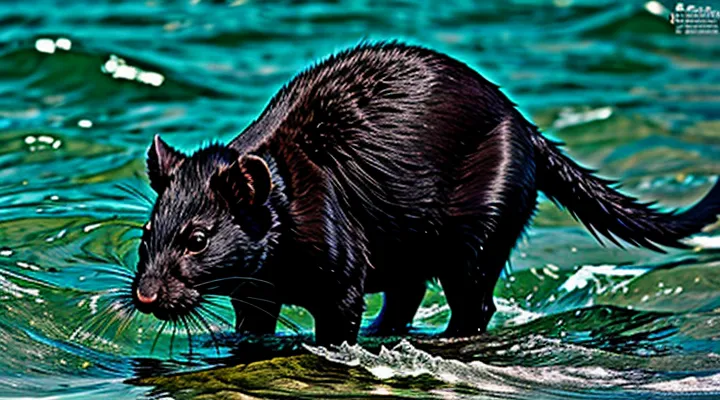
Physically, the species displays a dark, glossy coat that blends with the murky waters of its habitat. Adults reach a head‑body length of 15–20 cm, with a tail of similar length that is partially webbed. The hind feet are broad, equipped with dense, water‑repellent fur and strong claws for swimming and climbing among submerged vegetation.
Key biological attributes include:
- Habitat preference: Lowland streams, flooded forest floors, and swamp margins up to 1,000 m elevation.
- Diet: Omnivorous; consumes aquatic insects, crustaceans, seeds, and fallen fruit.
- Reproduction: Breeding occurs year‑round in tropical regions; litters average three to five young, with a gestation period of about 23 days.
- Behavior: Primarily nocturnal; constructs burrows with entrances near water, exhibits strong swimming ability, and can remain submerged for several minutes.
- Conservation status: Classified as Least Concern by the IUCN, though habitat degradation and water pollution pose localized threats.
The black water rat serves as an indicator species for freshwater ecosystem health, reflecting changes in water quality and habitat integrity. Its adaptations to a semi‑aquatic lifestyle make it a distinctive component of South American wetland fauna.
Scientific Classification
Kingdom
The black water rat is classified within the Kingdom Animalia, a group encompassing multicellular, eukaryotic organisms that obtain nutrients through ingestion. Members of this kingdom exhibit specialized tissues, a defined nervous system, and the capacity for locomotion at some life stage.
Key attributes of Animalia relevant to the black water rat include:
- Heterotrophic metabolism, requiring organic matter for energy.
- Development from a blastula during embryogenesis.
- Presence of differentiated cells forming organs and organ systems.
- Ability to respond to environmental stimuli via nervous and sensory structures.
Being part of Animalia places the species among vertebrates that share a common evolutionary lineage, skeletal support, and complex organ systems, distinguishing it from other biological kingdoms such as Plantae, Fungi, Protista, Archaea, and Bacteria.
Phylum
The Black Water Rat belongs to the phylum Chordata, a group defined by the presence of a notochord, a dorsal hollow nerve cord, pharyngeal slits, an endostyle, and a post‑anal tail at some stage of development. These structural features distinguish chordates from other animal groups and provide the foundational framework for vertebrate anatomy.
Members of Chordata exhibit bilateral symmetry, a segmented body plan, and a well‑developed circulatory system. In vertebrates, the notochord is replaced by a vertebral column, which supports the body and protects the spinal cord. The dorsal nerve cord evolves into the central nervous system, enabling complex sensory processing and motor coordination.
Key characteristics relevant to the Black Water Rat include:
- Vertebral column: Provides structural support for terrestrial locomotion and aquatic maneuvering.
- Complex brain: Facilitates advanced foraging behavior and social interactions.
- Closed circulatory system: Ensures efficient oxygen transport, essential for the species’ active lifestyle.
Understanding the phylum’s defining traits clarifies the anatomical and physiological basis for the Black Water Rat’s adaptations to its semi‑aquatic habitat.
Class
The black water rat is classified within the class Mammalia, a group distinguished by the presence of mammary glands, hair, and a highly developed brain. Members of this class maintain a constant internal temperature through metabolic heat production and give birth to live young that are nourished with milk.
Key mammalian traits evident in this species include:
- Endothermy, allowing activity in cool aquatic environments.
- Fur covering the body, providing insulation and water resistance.
- Presence of three middle ear bones, enhancing auditory perception underwater.
- Four-chambered heart, supporting efficient circulation during swimming.
These characteristics define the broader taxonomic category to which the black water rat belongs, linking its ecological adaptations to the fundamental features of mammals.
Order
The black water rat belongs to the order Rodentia, the most diverse mammalian order. Rodentia encompasses species with continuously growing incisors, a dental formula typically of 1/1, 0/0, 0/0, 3/3, and a skull adapted for gnawing. Members exhibit a high reproductive rate, a wide range of body sizes, and habitats ranging from arboreal to aquatic environments.
Key attributes of Rodentia relevant to the black water rat include:
- Incisor morphology: enamel on the outer surface only, producing a self‑sharpening edge.
- Masticatory musculature: powerful masseter muscles enabling efficient processing of plant material and invertebrate prey.
- Sensory adaptations: well‑developed vibrissae and auditory bullae for detecting predators and prey in dense vegetation and water.
- Reproductive strategy: short gestation periods and large litters, facilitating rapid population turnover.
Within Rodentia, the black water rat is classified under the family Muridae, subfamily Murinae, which groups it with other Old World rats and mice. This placement reflects shared genetic markers, cranial features, and ecological niches that differentiate it from other rodent families such as Sciuridae or Cricetidae.
Family
The Black Water Rat belongs to the family Muridae, the largest rodent family, encompassing over 700 species worldwide. Members of Muridae share a set of anatomical and genetic traits that distinguish them from other rodent families.
Key characteristics of Muridae include:
- Dental formula of 1/1 incisors, no canines, 0/0 premolars, and 3/3 molars, adapted for gnawing and grinding.
- Highly developed auditory bullae, providing acute hearing essential for predator detection.
- Tail length typically equal to or exceeding body length, facilitating balance in arboreal and semi‑aquatic habitats.
- Presence of a well‑developed masseter muscle, enabling powerful chewing motions.
Within Muridae, the subfamily Murinae comprises the Old World rats and mice, to which the Black Water Rat is assigned. This subfamily exhibits:
- Preference for moist environments, often near streams, marshes, or flooded forest floors.
- Semi‑aquatic locomotion, with webbed hind feet and dense, water‑repellent fur.
- Omnivorous diet, ranging from aquatic invertebrates to plant material.
Genetic analyses place the Black Water Rat in close relation to other Southeast Asian murines, confirming its evolutionary lineage within the Muridae family. The family's broad distribution and ecological versatility have allowed its members to occupy diverse niches, from deserts to rainforests, underscoring the adaptive success of this taxonomic group.
Genus
The black water rat is classified in the genus Nectomys, a group of semiaquatic rodents within the family Cricetidae. Members of Nectomys share a suite of morphological and ecological traits that distinguish them from other murid genera.
Key characteristics of the genus include:
- Robust, elongated bodies adapted for swimming.
- Dense, water‑repellent fur with a dark, often brownish coloration.
- Large, partially webbed hind feet and partially fringed tails that enhance propulsion.
- Prominent vibrissae and a keen sense of smell for detecting prey underwater.
- Dental formula typical of Cricetidae, with high‑crowned molars suited for grinding aquatic invertebrates.
The genus comprises several species distributed across tropical South America, inhabiting riverbanks, swamps, and forested floodplains. All Nectomys species display a strong association with freshwater habitats, relying on riparian vegetation for shelter and foraging. Their range extends from the Amazon basin to the Atlantic coastal forests, reflecting adaptability to diverse humid environments while maintaining a consistent reliance on aquatic resources.
Species
The black water rat (Nectomys squamipes) belongs to the family Cricetidae, subfamily Sigmodontinae. It is a Neotropical rodent native to southeastern Brazil, Paraguay, Uruguay, and northeastern Argentina. Its range follows low‑land river basins and floodplain forests, where permanent water bodies provide suitable habitat.
Physical traits include a robust body, dense waterproof fur, and partially webbed hind feet. Adult weight ranges from 150 to 250 g, and head‑body length averages 120 mm. The dorsal coat shows dark brown to black coloration, while the ventral side is lighter, often grayish. Large, rounded ears and a blunt snout support its semi‑aquatic lifestyle.
Key ecological attributes:
- Preference for slow‑moving streams, swamps, and marshes with abundant vegetation.
- Primarily nocturnal activity; foraging occurs both on land and in water.
- Diet consists of aquatic insects, crustaceans, seeds, and occasional small vertebrates.
- Breeding season peaks during the rainy months; litter size typically 2–4 pups.
- High reproductive potential offsets predation pressure from birds of prey, snakes, and carnivorous mammals.
Conservation assessments list the species as Least Concern due to its wide distribution and adaptability to altered waterways. Nevertheless, habitat degradation from dam construction, pollution, and deforestation poses localized threats, prompting monitoring of population trends in affected basins.
Physical Characteristics
Size and Weight
The black water rat (Nectomys squamipes) is a semi‑aquatic rodent inhabiting tropical riverbanks and forest streams. Its physical dimensions distinguish it from other murids adapted to wet environments.
- Head‑body length: 150–210 mm
- Tail length: 130–190 mm, typically longer than the body and covered with dense, water‑repellent fur
- Hind foot: 30–35 mm, equipped with partially webbed toes for swimming
Adult individuals weigh between 120 and 210 g, with males generally at the upper end of the range. Seasonal fluctuations in body mass correspond to water availability and food abundance, but the species maintains a relatively narrow weight spectrum compared with terrestrial counterparts.
Fur Color and Texture
The black water rat exhibits a uniformly dark pelage, ranging from deep chocolate brown to almost black, with occasional grayish undertones on the ventral surface. This coloration provides effective camouflage in the dimly lit, turbid waterways it inhabits, reducing detection by predators and prey alike.
The coat consists of two distinct layers. The outer guard hairs are coarse, slightly raised, and densely packed, forming a protective barrier against water penetration. Beneath them, a soft undercoat of fine, silky fibers supplies insulation, maintaining body temperature during prolonged immersion in cool streams. The combination of coarse and fine fibers yields a sleek, water‑repellent surface that dries quickly after submersion.
Key characteristics of the fur include:
- Length: Guard hairs measure 12‑15 mm; undercoat fibers are 4‑6 mm.
- Density: Approximately 1,500 hairs per square centimeter, ensuring continuous coverage.
- Texture: Guard hairs are stiff, with a slight curvature; undercoat fibers are pliable and lie flat against the skin.
- Seasonal variation: Winter coats become marginally longer and denser, enhancing thermal retention; summer coats retain the same coloration but exhibit reduced thickness.
Sexual dimorphism in fur texture is minimal; however, juveniles display a lighter, softer pelage that darkens and coarsens as they mature. The structural composition of the fur contributes to the species’ ability to navigate aquatic environments while remaining concealed within its habitat.
Distinctive Features
Tail
The tail of the black‑water rat exhibits a combination of structural and functional traits that support its semi‑aquatic lifestyle. It is exceptionally long, typically extending beyond the body length by 30–40 %, and possesses a dense covering of overlapping scales that reduce drag during swimming. The vertebral column is elongated, providing flexibility for rapid lateral undulations, while the musculature is reinforced to generate powerful thrusts in water.
Key morphological features include:
- A laterally compressed cross‑section that streamlines the body and enhances maneuverability.
- A high density of mechanoreceptors along the dorsal surface, allowing precise detection of water currents and obstacles.
- A pronounced prehensile ability, with the distal third capable of grasping submerged vegetation and aiding in climbing among riverbank vegetation.
- A rich vascular network beneath the skin, contributing to thermoregulation by dissipating excess heat during prolonged aquatic activity.
Behavioral observations confirm that the tail functions as both a propulsive organ and a sensory appendage. During swimming, coordinated wave-like motions of the tail generate thrust comparable to that of other aquatic rodents. On land, the tail serves as a counterbalance when navigating steep banks, and its prehensile capacity assists in stabilizing the animal while foraging on floating debris.
In reproductive contexts, the tail displays seasonal variation in length and muscle mass, reflecting increased demands for territorial displays and mate competition during breeding periods. These adaptations underscore the tail’s integral role in locomotion, environmental perception, and social interactions for this water‑associated rodent.
Ears
The black water rat possesses distinctive auditory anatomy that reflects its semi‑aquatic lifestyle. Each ear is small, rounded, and recessed within the skull, minimizing water resistance while maintaining sound capture efficiency. The pinna is reduced to a thin, flexible rim, allowing the animal to keep the ear openings closed during submersion and to open them rapidly when surfacing.
Key ear characteristics:
- Auditory canal length: Short, positioned laterally; reduces drag and prevents debris entry.
- Eardrum thickness: Thin yet reinforced, enables detection of low‑frequency ripples generated by prey.
- Cochlear specialization: Extended basal turn enhances sensitivity to high‑frequency vibrations associated with insect movement.
- Neural innervation: Dense auditory nerve fibers provide rapid signal transmission, supporting swift predator avoidance.
These adaptations collectively afford the species acute underwater hearing, enabling precise localization of prey and effective communication across turbulent river habitats.
Eyes
The black water rat possesses distinctive ocular adaptations that support its semi‑aquatic lifestyle. The eyes are positioned high on the skull, granting a wide field of view above the water surface while the animal remains submerged. A specialized nictitating membrane shields the cornea from debris and water, yet remains transparent enough to maintain visual acuity.
Key characteristics of the visual system include:
- Large, rounded pupils that dilate rapidly in low‑light conditions, enhancing nocturnal hunting efficiency.
- Retinal composition rich in rod cells, providing heightened sensitivity to dim illumination typical of murky habitats.
- A reflective tapetum lucidum that redirects light onto photoreceptors, improving image formation in twilight environments.
These features collectively enable the rat to detect prey, predators, and obstacles both underwater and on land with consistent precision.
Teeth
The black water rat possesses dentition adapted for an omnivorous diet in aquatic environments. Its incisors are robust, chisel‑shaped, and continuously grow to compensate for wear caused by gnawing on vegetation, shells, and soft prey. The molars exhibit a brachydont structure with low crowns and rounded cusps, facilitating the grinding of seeds, insects, and small crustaceans. Enamel thickness exceeds that of related terrestrial rodents, providing resistance to abrasion in water‑borne food sources.
Key dental characteristics:
- Upper and lower incisors: large, forward‑projecting, with a pronounced enamel ridge on the outer surface.
- Premolars: reduced in number, positioned between incisors and molars, serving as transitional grinding surfaces.
- Molars: four‑cusped, arranged in a transverse row, allowing efficient mastication of mixed diets.
- Root system: shallow, enabling rapid tooth replacement and maintaining functional occlusion throughout the animal’s lifespan.
These features collectively support the species’ ability to exploit diverse food resources in its semi‑aquatic habitat.
Habitat and Distribution
Preferred Environments
The black water rat inhabits freshwater ecosystems where slow‑moving or stagnant water provides abundant cover and foraging opportunities. It is most frequently recorded in low‑gradient streams, marshes, and the margins of ponds that contain dense emergent vegetation such as cattails, reeds, and sedges. These plants supply both shelter from predators and a substrate for building nests.
Preferred environmental conditions include:
- Water depth ranging from 10 cm to 1 m, allowing easy access to both surface and submerged zones.
- Soft, silty or muddy substrates rich in organic matter, facilitating burrow construction and food extraction.
- Water temperatures between 15 °C and 28 °C, supporting metabolic activity and reproductive cycles.
- Slightly acidic to neutral pH (5.5–7.0), typical of peat‑influenced wetlands.
- Presence of fallen logs, root mats, or dense leaf litter, offering additional refuge and pathways for movement.
Populations thrive in regions where seasonal flooding expands the available habitat, creating temporary pools and expanding vegetative cover. Conversely, rapid water flow, high turbidity, or extensive shoreline development reduces suitability, limiting distribution to more pristine wetland complexes.
Geographic Range
The black water rat inhabits the low‑land riverine and flood‑plain environments of Southeast Asia. Its distribution extends from the Mekong basin in Thailand and Laos through the Chao Phraya watershed in central Thailand, reaching the coastal mangroves of Vietnam and the lower reaches of the Irrawaddy in Myanmar. Populations are also recorded on the island of Borneo, primarily in the peat swamp forests of Kalimantan and Sabah, and on the island of Sumatra where the species occupies the Sumatran lowlands.
Key aspects of its range include:
- Preference for permanently moist habitats such as swamps, marshes, and slow‑moving streams.
- Presence at elevations from sea level up to approximately 300 m, rarely exceeding 500 m.
- Occurrence in protected areas like Khao Sok National Park (Thailand) and Tonle Sap Biosphere Reserve (Cambodia), which support stable local populations.
The species’ range is fragmented by agricultural expansion and urban development, resulting in isolated subpopulations that rely on remaining wetland corridors for dispersal. Conservation assessments emphasize the need for habitat connectivity to maintain genetic flow across its distribution.
Adaptations to Aquatic Life
The black water rat displays a suite of morphological, physiological, and behavioral traits that enable sustained activity in freshwater habitats. Dense, water‑repellent fur minimizes drag and preserves body heat, while a laterally flattened tail functions as a powerful rudder during swimming. Hind limbs possess partially webbed digits, increasing thrust and maneuverability in currents.
Physiologically, the species stores oxygen in hemoglobin and myoglobin at higher concentrations than terrestrial relatives, allowing dives of up to several minutes. Blood vessels in peripheral tissues constrict during submersion, redirecting circulation to vital organs and reducing metabolic demand. The renal system efficiently concentrates urine, conserving water while excreting excess salts absorbed during foraging.
Key adaptations include:
- Locomotor specializations – webbed hind feet, muscular tail, flexible spine for rapid undulation.
- Thermal regulation – oily fur coating, subcutaneous fat layer, counter‑current heat exchange in extremities.
- Respiratory efficiency – elevated hemoglobin affinity, enlarged lung capacity, bradycardic response during immersion.
- Sensory modifications – highly sensitive vibrissae for detecting water movement, enhanced low‑light vision adapted to turbid streams.
- Foraging behavior – opportunistic diet of aquatic insects, crustaceans, and small fish, captured using swift underwater lunges and precise paw coordination.
Collectively, these adaptations confer a competitive advantage in riparian environments, allowing the black water rat to exploit niches inaccessible to less specialized rodents.
Behavior and Diet
Daily Activity Patterns
The black water rat exhibits a primarily nocturnal schedule, emerging from burrows at twilight and maintaining peak activity throughout the night. Foraging bouts concentrate on the early hours of darkness, when insects and small aquatic organisms are most abundant. Swimming sessions follow feeding, allowing the animal to transport captured prey back to its nest and to patrol the surrounding waterway. Rest periods occur during daylight, with individuals sheltering in burrows lined with vegetation and mud, positioned within a few meters of the riverbank to facilitate rapid re‑entry into the water.
Key components of the daily routine:
- Crepuscular emergence – exit from burrow at dusk, close to sunrise for nocturnal individuals.
- Nighttime foraging – active hunting and gathering for 4–6 hours, targeting insects, crustaceans, and plant material.
- Aquatic locomotion – intermittent swimming for 1–2 hours, used for prey transport and territory inspection.
- Social interaction – brief vocal and scent‑marking exchanges during night, reinforcing dominance hierarchies.
- Daytime refuge – prolonged sheltering in burrows, with occasional surface checks for predator presence.
Seasonal shifts may extend activity periods in warmer months, while colder periods compress foraging windows and increase reliance on stored food within burrow chambers.
Social Structure
The black water rat lives in loosely organized colonies that fluctuate with seasonal water levels. Adult females dominate breeding sites, each maintaining a home range of 0.5–1.2 km² that overlaps with several males. Males patrol the perimeters of these ranges, defending access to multiple females while avoiding direct confrontations with rivals. Juveniles remain within the maternal territory until they reach sexual maturity, after which they disperse to establish independent ranges.
Social interactions are mediated by scent marking, vocalizations, and tactile signals. Scent glands located on the flanks release chemical cues that identify individual identity, reproductive status, and territorial boundaries. Short, high‑frequency chirps accompany aggressive encounters, whereas low‑frequency clicks accompany affiliative behaviors such as grooming. Physical contact during grooming reinforces hierarchical bonds and reduces stress within the group.
Key characteristics of the colony structure include:
- Multiple breeding females per colony, each with an exclusive core area.
- Overlapping male territories that provide access to several females.
- Seasonal adjustments in group size driven by water availability and food resources.
- Hierarchical relationships reinforced through chemical and acoustic communication.
Feeding Habits
Omnivorous Diet
The black‑water rat maintains a flexible omnivorous diet that enables survival across fluctuating wetland environments. Primary food sources include:
- Aquatic insects and larvae (e.g., mosquito, mayfly)
- Small crustaceans such as freshwater shrimp
- Seeds and soft fruits fallen into water
- Fallen leaves and detritus rich in microorganisms
- Occasionally carrion or small vertebrates when available
Seasonal shifts dictate proportion changes; spring floods increase access to insect larvae, while dry periods elevate reliance on plant material. Foraging occurs both on the water surface and along submerged vegetation, employing tactile whiskers to detect prey in low‑visibility conditions. Digestive physiology features a moderately long intestine, allowing efficient extraction of nutrients from both animal protein and plant fiber. This dietary adaptability reduces competition with specialist species and contributes to nutrient cycling within riparian ecosystems.
Foraging Techniques
The black water rat exploits a range of foraging strategies that reflect its semi‑aquatic lifestyle and opportunistic diet. It searches for food both on the water surface and along riparian vegetation, employing tactile and olfactory cues to locate prey. Primary techniques include:
- Surface skimming: The animal glides just beneath the water, using its whiskers to detect vibrations from aquatic insects, small crustaceans, and fish eggs. Rapid forward thrusts of the hind limbs generate brief bursts of speed, allowing capture of prey before it can escape.
- Vegetation probing: When foraging among reeds and submerged roots, the rat inserts its elongated snout into tight spaces, extracting larvae, worms, and seeds. Strong forelimb muscles facilitate precise digging motions.
- Burrow foraging: During low‑water periods, the rat enters shallow burrows and tunnels to retrieve stored seeds and fallen insects, relying on a keen sense of smell to differentiate edible items from detritus.
- Opportunistic scavenging: The species will consume carrion or discarded material found near human activity, demonstrating flexibility in resource use.
Seasonal shifts affect prey availability, prompting adjustments in technique. In the wet season, surface skimming dominates as water levels rise and insect emergences peak. During dryer months, vegetation probing and burrow foraging become more prevalent, compensating for reduced aquatic prey. The rat’s dense, water‑repellent fur and partially webbed hind feet enhance maneuverability in both environments, supporting efficient exploitation of diverse food sources.
Reproduction and Life Cycle
Mating Season
The black water rat initiates reproductive activity during the wet season, typically from November to February in its native Southeast Asian range. Elevated water levels and abundant food resources trigger hormonal changes that synchronize ovulation among females.
Males establish temporary territories along riverbanks and floodplain edges. They patrol boundaries, emit high‑frequency vocalizations, and engage in brief chases with rival males. Courtship consists of scent marking with glandular secretions, followed by direct contact in which the female inspects the male’s fur and whiskers before accepting copulation.
Key aspects of the breeding period include:
- Timing: peak mating aligns with the onset of heavy rains.
- Frequency: females may experience up to two estrous cycles per season.
- Gestation: lasts approximately 28 days.
- Litter size: averages three to five offspring, each born with dense waterproof fur.
- Parental care: mothers construct nests of vegetation and reeds, providing exclusive care until weaning at about three weeks.
Successful reproduction depends on the availability of shallow, vegetated waterways that support both nesting sites and a steady supply of aquatic insects, the primary diet of the species during this critical phase.
Gestation Period
The gestation period of the black‑water rat averages 21–23 days, a duration consistent with other semiaquatic murids. Embryonic development proceeds rapidly:
- Implantation occurs within 48 hours after fertilization.
- Organogenesis is completed by day 12, after which fetal growth accelerates.
- Parturition typically takes place in concealed burrows near water sources, providing immediate access to aquatic habitat for the newborns.
Litters consist of 3–6 pups, each weighing approximately 2.5 g at birth. Neonates are altricial, relying on maternal care for thermoregulation and nourishment during the first two weeks. The short gestation aligns with the species’ high reproductive turnover, facilitating population stability in fluctuating wetland environments.
Litter Size
The black water rat typically produces small litters, with the average number of offspring ranging from two to four per reproductive event. Field observations across its distribution indicate that litter size can fluctuate according to resource availability and seasonal conditions, occasionally reaching a maximum of six young in exceptionally favorable environments.
Key factors influencing litter size include:
- Food abundance: Increased access to aquatic insects and seeds correlates with larger broods.
- Maternal body condition: Females in optimal health tend to invest in more offspring.
- Habitat quality: Stable, vegetated riparian zones support higher reproductive output than degraded waterways.
Reproductive timing aligns with the wet season, when water levels rise and food resources peak. Gestation lasts approximately 23–25 days, after which the newborns remain in the nest for about ten days before gaining independence. The combination of short gestation, modest litter size, and seasonal breeding enables the species to maintain stable populations despite fluctuating environmental pressures.
Parental Care
The black‑water rat exhibits a highly developed system of parental investment that ensures offspring survival in the species’ aquatic habitats. Females reach sexual maturity at approximately six months and enter a breeding season that coincides with peak water levels, optimizing access to food and shelter for newborns.
Gestation lasts 23–25 days, after which litters of two to five pups are born underground in chambers lined with shredded vegetation and soft mud. The mother immediately seals the nest, maintaining a stable microclimate and protecting the young from predators and fluctuating temperatures. Within the first 24 hours, she initiates a nursing routine, delivering milk rich in lipids and antibodies that support rapid growth.
Maternal duties extend beyond nourishment:
- Continuous grooming to remove debris and stimulate circulation.
- Periodic excavation of fresh tunnel sections to improve ventilation.
- Defensive aggression toward intruders, employing vocalizations and swift lunges.
Paternal involvement is minimal; males typically vacate the nesting area after copulation and do not participate in direct care. Nevertheless, territorial males defend the broader riparian zone, indirectly reducing predator presence and preserving the integrity of the mother’s foraging grounds.
Weaning occurs at 18–20 days, when pups transition to solid food sourced from aquatic insects and small crustaceans. The mother gradually reduces nursing frequency, encouraging independent foraging while maintaining proximity for occasional guidance. By 30 days, juveniles are fully capable of self‑sustenance and disperse to establish their own territories.
Overall, the reproductive strategy of this semi‑aquatic rodent combines intensive maternal provisioning with habitat‑specific adaptations, resulting in high juvenile survival rates despite the challenges of a fluctuating wetland environment.
Lifespan
The black‑water rat typically lives 2–3 years in its natural habitat. Captive individuals often reach 4–5 years when provided with stable nutrition and protection from predators.
Factors influencing longevity include:
- Food availability: Consistent access to aquatic insects and small crustaceans reduces stress and disease risk.
- Habitat quality: Clean, slow‑moving water limits exposure to pollutants and parasites.
- Temperature stability: Moderate climates prevent metabolic strain associated with extreme heat or cold.
- Predation pressure: Lower predator density correlates with higher survival rates.
Comparative data show that this semi‑aquatic rodent outlives many terrestrial murids of similar size, whose wild lifespans rarely exceed 18 months, yet remains shorter‑lived than larger beaver species, which can survive over a decade.
Conservation Status and Threats
Population Trends
The black water rat exhibits distinct demographic patterns across its range. Historical surveys from the 1970s recorded stable populations in lowland riverine habitats, with estimated densities of 12–15 individuals per hectare. Subsequent monitoring in the 1990s revealed a gradual decline of 3–5 % per decade, coinciding with increased agricultural runoff and habitat fragmentation.
Recent census data (2015‑2023) indicate accelerated reductions in several key regions:
- Southeastern floodplains: average density fell to 6 individuals per hectare, a 48 % decrease relative to the 1990 baseline.
- Northern wetland complexes: population numbers remained relatively constant, fluctuating within a 2 % margin, suggesting localized resilience.
- Coastal mangrove zones: counts dropped by 22 % over eight years, reflecting rising salinity and sea‑level encroachment.
Long‑term trend analysis attributes the overall downward trajectory to three primary drivers: loss of riparian vegetation, water pollution, and competition with invasive rodent species. Population models project a further 15 % decline by 2035 if current land‑use practices continue unchanged.
Conservation programs targeting habitat restoration and water‑quality improvement have produced measurable effects in pilot sites. In restored floodplain sections, density increased from 7 to 10 individuals per hectare within three years, demonstrating the species’ capacity for rapid recovery when environmental conditions are ameliorated.
Main Threats
Habitat Loss
The black water rat depends on permanent, shallow water bodies with dense vegetation. When these habitats disappear, the species experiences a cascade of biological consequences.
Loss of riparian wetlands reduces the availability of foraging grounds. The rodent’s diet, which consists mainly of aquatic insects, small crustaceans, and plant material, becomes limited, leading to lower body condition and reduced reproductive output. Fragmented water corridors impede movement between suitable sites, isolating populations and decreasing genetic diversity.
Key impacts of habitat loss include:
- Decline in population density due to reduced shelter and food resources.
- Increased predation risk as individuals are forced into open or suboptimal areas.
- Disruption of breeding cycles because nesting sites in dense emergent vegetation become scarce.
- Elevated mortality from exposure to pollutants that concentrate in remaining water bodies.
Primary drivers of habitat degradation are:
- Agricultural expansion that drains or diverts wetlands.
- Urban development that replaces natural floodplains with impermeable surfaces.
- Infrastructure projects such as roads and dams that fragment aquatic networks.
- Climate‑induced alterations in precipitation patterns, causing prolonged droughts and reduced water levels.
Mitigation measures focus on preserving existing wetlands, restoring degraded floodplain habitats, and maintaining connectivity between water bodies. Effective implementation of these actions sustains the ecological niche of the black water rat and safeguards the species’ characteristic adaptations to a semi‑aquatic lifestyle.
Predation
The black water rat inhabits riparian zones and low‑lying wetlands where it encounters a diverse suite of predators. Aquatic and terrestrial threats shape its foraging patterns, activity cycles, and population dynamics.
Primary predators
- Large piscivorous fish (e.g., barramundi, catfish) that capture individuals during swimming or surface foraging.
- Wading birds such as herons and egrets, which exploit shallow water to ambush prey.
- Mammalian carnivores including foxes, feral cats, and small mustelids that hunt along riverbanks and vegetation edges.
- Reptilian hunters, notably water snakes and monitor lizards, which seize rats while they navigate submerged routes.
Anti‑predator adaptations
- Dense, water‑repellent fur reduces detection by visual hunters and provides thermal insulation while submerged.
- Highly developed whiskers and auditory acuity enable rapid detection of approaching threats in turbid water.
- Muscular hind limbs generate swift, erratic swimming bursts, increasing escape success against fish and snakes.
- Camouflaged dorsal coloration blends with murky substrates, diminishing visibility to aerial predators.
Behavioral defenses
- Nocturnal activity limits exposure to diurnal birds and many mammals.
- Preference for densely vegetated microhabitats creates physical barriers that impede predator access.
- Use of burrows with narrow entrances restricts entry of larger carnivores while offering refuge during flood events.
- Group foraging in small, loosely associated units enhances vigilance; individuals emit alarm calls that trigger immediate retreat to water.
Human Impact
Human activities alter the environments where the black water rat lives, directly affecting its survival and biological traits. Urban expansion and agricultural development convert riparian zones into impermeable surfaces, reducing shelter and foraging areas. Water extraction for irrigation lowers stream levels, limiting the shallow, vegetated channels the species prefers for nesting and feeding. Pollution from industrial discharge introduces heavy metals and toxins into waterways, compromising the animal’s health and reproductive success. Introduction of non‑native predators, such as domestic cats and invasive fish, increases mortality rates, especially for juveniles. Climate‑induced changes in precipitation patterns intensify flood and drought cycles, destabilizing the habitat’s structural complexity.
Key human‑driven pressures can be summarized as:
- Habitat fragmentation caused by infrastructure and land‑use change.
- Water quality degradation from chemical runoff and waste discharge.
- Altered hydrology due to dam construction and water withdrawal.
- Increased predation pressure from introduced species.
- Climate variability affecting water availability and vegetation cover.
Mitigation measures include protecting floodplain corridors, enforcing strict water‑quality standards, restoring native vegetation along streams, and monitoring population trends to inform adaptive management. Effective policies reduce anthropogenic stressors, supporting the species’ ecological functions and preserving its distinctive adaptations.
Conservation Efforts
The black‑water rat faces rapid habitat loss, water pollution, and competition from invasive species, prompting targeted conservation programs across its range.
Current initiatives focus on three core components:
- Habitat protection and restoration – designating riparian reserves, re‑vegetating degraded banks, and implementing buffer zones to reduce sediment influx.
- Population monitoring – deploying camera traps, conducting live‑capture surveys, and applying genetic barcoding to track demographic trends and identify isolated subpopulations.
- Community engagement – training local stakeholders in sustainable land‑use practices, providing incentives for habitat stewardship, and integrating traditional knowledge into management plans.
Legislative measures include the inclusion of the species in national endangered‑species lists, the enforcement of water‑quality standards, and the restriction of drainage projects within critical catchments.
Research collaborations between universities and NGOs aim to clarify the rat’s ecological niche, assess the efficacy of corridor designs, and develop captive‑breeding protocols for potential re‑introduction.
Collectively, these actions create a coordinated framework intended to stabilize existing populations, expand viable habitats, and mitigate the principal threats to the species’ long‑term survival.