
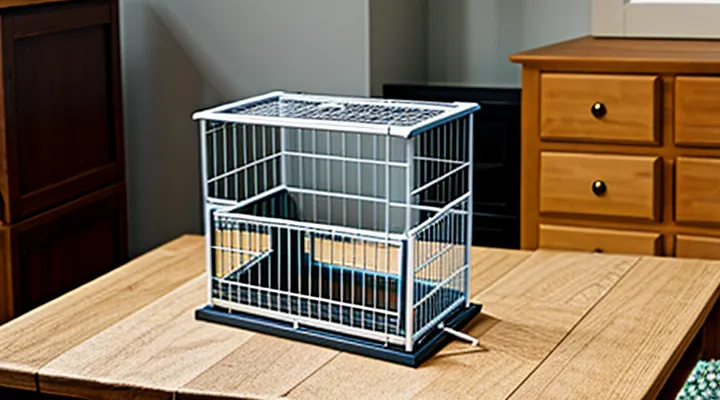
Choosing the Right Rat Cage: Key Considerations
Size and Space Requirements
Minimum Dimensions
When evaluating top rat cage options, the smallest acceptable enclosure size is a critical specification. Minimum interior dimensions ensure adequate movement, exercise, and environmental enrichment, directly influencing health and welfare.
- Floor area: at least 2 sq ft (≈ 0.19 m²) per adult rat; larger space is preferable for multiple occupants.
- Length: no less than 18 in (≈ 45 cm).
- Width: no less than 12 in (≈ 30 cm).
- Height: minimum 12 in (≈ 30 cm) to accommodate climbing structures and bedding depth.
Each measurement serves a distinct function. Sufficient floor area prevents overcrowding and reduces stress‑related behaviors. Length and width provide horizontal space for tunnels, wheels, and foraging activities. Height accommodates vertical enrichment, such as platforms and hammocks, which are essential for natural climbing instincts.
Designs that meet or exceed these thresholds comply with established laboratory animal guidelines and align with best‑practice recommendations for pet rat husbandry. Selecting cages that satisfy the minimum dimensions eliminates the need for supplemental enclosures and supports long‑term animal health.
Bar Spacing
Bar spacing refers to the distance between adjacent horizontal or vertical bars that form the enclosure walls of a rat cage. Precise measurement of this gap determines whether a rat can squeeze through, how easily waste can be removed, and how airflow circulates within the habitat.
The generally accepted range for safe bar spacing lies between 0.5 in (12.7 mm) and 0.75 in (19.0 mm). Gaps smaller than 0.5 in restrict airflow and complicate cleaning, while openings larger than 0.75 in increase the risk of escape and injury. Manufacturers that target laboratory‑grade cages often adopt the tighter 0.5 in standard; pet‑oriented models commonly use the broader 0.75 in specification.
Bar spacing directly influences rat welfare. A gap that meets the recommended range prevents accidental entrapment of limbs, reduces the likelihood of tail injuries, and ensures sufficient ventilation to control humidity and odor. Conversely, non‑conforming spacing can lead to increased stress, higher incidence of respiratory issues, and frequent cage breaches.
Recommended bar spacing by cage category
- Laboratory cages: 0.5 in (12.7 mm)
- Premium pet cages: 0.55 in–0.65 in (14–16.5 mm)
- Budget pet cages: 0.70 in–0.75 in (17.8–19 mm)
Adhering to these measurements provides a consistent benchmark for evaluating rat cage models and supports reliable comparison across product reviews.
Material and Durability
Wire Cages
Wire cages dominate the market for laboratory and pet rats because they provide unobstructed airflow, easy visual inspection, and straightforward cleaning. The primary construction material is stainless‑steel or coated steel wire, offering corrosion resistance and durability under frequent wash cycles. Gauge thickness typically ranges from 0.7 mm to 1.2 mm; thicker gauges prevent chewing damage while maintaining sufficient ventilation.
Key dimensions affect animal welfare. Floor area must exceed 0.05 m² per adult rat to allow natural movement, while height should be at least 30 cm to accommodate climbing behavior. Multi‑level designs increase usable space without enlarging the cage footprint, but each tier requires secure ladders or ramps to prevent falls.
Safety considerations focus on wire spacing and edge treatment. Openings larger than 0.5 cm permit escape and pose a choking hazard; most quality cages limit spacing to 0.3 cm. Rounded or coated edges eliminate sharp points that could injure the rats’ paws and whiskers.
Maintenance efficiency stems from removable trays and hinged doors. Trays collect waste for quick disposal, and hinged doors enable full‑cage access without dismantling the structure. Compatibility with standard cage washers streamlines disinfection protocols.
Typical specifications for a high‑quality wire cage include:
- Stainless‑steel wire, 0.9 mm gauge, 0.3 cm spacing
- Floor area ≥ 0.06 m², height ≥ 35 cm
- Removable waste tray with sloped bottom
- Hinged front door with lockable latch
- Rounded edges and coated corners
When selecting a wire cage, verify compliance with these parameters to ensure optimal ventilation, durability, and animal safety.
Plastic Components
Plastic components dominate the structural and functional aspects of premium rat cages. Manufacturers select polymers for durability, weight reduction, and ease of sanitation. Polypropylene provides high impact resistance and tolerates repeated cleaning cycles without cracking. Acrylonitrile‑butadiene‑styrene (ABS) offers rigidity and a smooth surface that discourages gnawing and bacterial buildup. Polyethylene terephthalate (PET) delivers clarity for visual inspection of interior conditions while maintaining strength.
Key performance criteria for plastic cage elements include:
- Chemical inertness: resistance to disinfectants and urine‑derived acids.
- Thermal stability: retention of shape at temperatures ranging from 0 °C to 40 °C.
- Structural integrity: ability to support wire mesh, feeding trays, and accessories without deformation.
- Weight: lightweight construction facilitates transport and repositioning.
- Surface finish: smooth finishes reduce injury risk and simplify cleaning.
Integration of plastic parts influences overall cage hygiene. Smooth interiors prevent residue accumulation, allowing quick rinsing with hot water or veterinary‑grade cleaners. Rounded edges on plastic frames diminish stress points where rats might become trapped or injured. Modular plastic panels enable quick disassembly for deep cleaning or component replacement, extending product lifespan.
Models that prioritize high‑grade plastics typically feature:
- Seam‑welded polypropylene corners that lock securely without metal fasteners.
- ABS‑reinforced door hinges that resist warping after repeated opening.
- PET viewing windows that maintain clarity after exposure to UV light.
Selection of plastic materials therefore shapes durability, safety, and maintenance efficiency in the most effective rat cages on the market.
Chew-Proof Features
Chewing poses a constant threat to cage integrity; selecting models with verified chew‑proof features protects both the animal and the owner’s investment.
Materials that resist gnawing include:
- Reinforced polycarbonate panels, tested to withstand prolonged bite pressure without cracking.
- Powder‑coated steel wire mesh, with a minimum gauge of 18 AWG, preventing wire deformation.
- High‑density polyethylene (HDPE) baseboards, offering resistance to sharp teeth while remaining easy to clean.
Design elements that further deter chewing:
- Seamless joins where panels interlock, eliminating exposed edges that attract gnawing.
- Rounded corners on all plastic components, removing pinch points that encourage bite attacks.
- Integrated lock mechanisms that use metal pins rather than plastic clips, reducing weak points.
Durability testing standards involve:
- Daily bite simulations using calibrated rat‑size force applicators for a minimum of 2,000 cycles per surface.
- Exposure to abrasive bedding and nesting material for 30 days, followed by structural integrity inspection.
Maintenance considerations focus on regular inspection of wire mesh tension and panel seals; any loss of tension indicates potential compromise and should trigger immediate replacement.
Implementing these chew‑proof criteria ensures long‑term cage performance, minimizes repair costs, and maintains a safe environment for the rodents.
Design and Accessibility
Door Size and Latches
Door size and latch design determine cage accessibility, security, and ease of cleaning. A well‑proportioned opening allows adult rats to enter and exit without stress, while preventing escapes. Latch mechanisms must hold the door firmly closed under repeated use and resist gnawing.
Typical door dimensions for high‑quality rat cages include:
- Height: 6–8 in (15–20 cm) to accommodate full‑size rats standing upright.
- Width: 4–6 in (10–15 cm) for comfortable entry and for inserting cleaning tools.
- Clearance: at least 0.5 in (1.3 cm) of free space around the frame to avoid binding.
Latch considerations focus on durability and safety:
- Spring‑loaded or push‑button locks that snap shut with minimal force.
- Rounded edges and recessed handles to prevent injuries.
- Materials such as stainless steel or reinforced polymer to resist chewing.
- Simple release mechanisms that allow quick access for cleaning without compromising closure strength.
Selecting doors that match these dimensions and latches that meet the durability criteria ensures reliable containment and straightforward maintenance across the reviewed rat cage models.
Multi-Level Platforms
Multi-level platforms provide vertical space that expands the usable area inside a rat cage without increasing its footprint. By stacking platforms, owners can simulate a natural environment where rats navigate height as well as ground, encouraging climbing, perching, and nesting behaviors.
Key design attributes include:
- Material strength – platforms constructed from stainless steel or reinforced acrylic resist gnawing and maintain structural integrity under repeated weight.
- Load capacity – each level should support at least 1 kg, allowing multiple rats to occupy the same tier safely.
- Attachment method – secure bolts or lock‑in brackets prevent wobble and eliminate gaps where rats could become trapped.
- Surface texture – matte finishes or brushed surfaces provide grip, reducing slipping during active play.
- Cleaning access – removable trays or hinged panels enable routine sanitation without disassembling the entire cage.
When evaluating cage models, consider how platform height aligns with the overall cage dimensions. A common configuration places the lowest platform 3–4 inches above the base, the middle tier at 7–9 inches, and the top level within 12–14 inches of the cage ceiling. This spacing accommodates adult rats while preserving headroom for ventilation and accessory installation.
Integration with enrichment items—such as tunnels, hammocks, and chew toys—benefits from modular platform designs. Adjustable brackets allow repositioning of accessories, facilitating rotation of stimuli to prevent habituation.
Safety considerations extend to edge design. Rounded corners and covered bolts eliminate sharp points that could injure delicate paws or tails. Openings between tiers must be no larger than ¼ inch to prevent escape or entrapment.
Overall, multi-level platforms enhance cage capacity, promote natural locomotion, and support environmental enrichment when incorporated with robust materials, secure mounting, and easy‑clean features.
Cleaning Convenience
When assessing top rat cages, cleaning convenience directly influences animal health and owner workload. Efficient cleaning reduces exposure to waste, limits odor buildup, and minimizes the time required between cage changes.
Key design elements that enhance cleaning ease include:
- Removable bottom trays that slide out without disassembly, allowing rapid waste removal.
- Modular panels secured with snap‑fit or quick‑release latches, enabling swift access to interior surfaces.
- Components made from dishwasher‑safe polymer, permitting thorough sanitation without manual scrubbing.
- Integrated water bottle and food dish holders that detach in one motion, preventing residue accumulation.
- Smooth, rounded edges on all interior parts to avoid debris traps and simplify wipe‑down.
Models featuring these characteristics typically require fewer steps per cleaning cycle, lower water usage, and reduce the risk of contamination. Selecting a cage with such attributes improves routine maintenance efficiency while supporting a healthier environment for the rodents.
Essential Cage Accessories
Food and Water Bowls
Food and water bowls directly affect hygiene, nutrition, and overall health of pet rats. Selecting appropriate bowls requires attention to material, capacity, stability, and ease of maintenance.
- Material: Stainless steel and high‑grade ceramic resist corrosion, are dishwasher‑safe, and do not retain odors. Plastic bowls are lightweight but may leach chemicals and scratch, creating bacterial niches.
- Capacity: A 2‑oz water bottle supplies a single adult rat for 24 hours; larger cages housing multiple rats benefit from dual bottles or a 4‑oz capacity to prevent frequent refills. Food dishes should hold at least ¼ cup of dry mix to accommodate daily consumption without spillage.
- Stability: Wide‑base designs prevent tipping when rats climb or chew. Bowls with non‑slip silicone pads adhere to cage flooring, reducing mess.
- Mounting options: Clip‑on water bottles attach securely to cage bars, preserving floor space. Freestanding bowls fit cages with open‑bottom designs but require a weighted base.
- Cleaning: Smooth interior surfaces enable rapid rinsing and sterilization. Bowls with removable lids simplify disassembly and reduce residue buildup.
Compatibility with the cage model influences placement. Bowls should be positioned away from heating elements and bedding to avoid contamination. When evaluating rat cage systems, prioritize bowls that meet the criteria above to ensure consistent water intake and clean feeding conditions.
Bedding and Substrate
Bedding selection directly affects hygiene, odor control, and the comfort of laboratory and pet rats. High‑quality materials absorb moisture, limit ammonia buildup, and resist compaction, allowing rats to dig and nest without frequent replacement. When evaluating cage models, confirm that the interior dimensions accommodate at least 1‑2 inches of bedding depth without restricting movement or ventilation.
Recommended substrates include:
- Aspen shavings – low dust, moderate absorbency, biodegradable; suitable for most cage designs.
- Paper pulp bedding – ultra‑low dust, excellent absorbency, easy to dispose of; ideal for sealed or partially sealed cages.
- Coconut husk fibers – natural texture encourages nesting, moderate odor control; compatible with cages offering adequate airflow.
- Recycled wood pellets – high absorbency, minimal dust, compactable; best for cages with removable trays for easy cleaning.
Key maintenance considerations:
- Replace bedding every 5–7 days or when wet spots appear, regardless of substrate type.
- Use a liner that fits the cage floor to prevent material loss through ventilation slots.
- Avoid cedar or pine shavings, as volatile oils can irritate respiratory systems.
- Monitor weight of the bedding layer; excessive moisture increases cage weight and may strain support structures.
Choosing an appropriate substrate aligns with the overall performance criteria of top-rated rat cages, ensuring a stable environment that supports animal welfare and simplifies caretaker responsibilities.
Hiding Spots and Toys
When assessing premium rat enclosures, the inclusion of effective hiding spots and engaging toys directly influences animal welfare and cage usability.
-
Hiding spots
• Solid, opaque tubes or PVC pipes sized 2–3 inches in diameter, providing darkness and security.
• Small wooden houses with removable lids for easy cleaning and inspection.
• Fabric hammocks or fleece nests suspended from the cage roof, offering elevated retreat areas.
• Clay or ceramic caves with smooth interior surfaces to prevent injury. -
Toys
• Chewable wooden blocks or untreated willow branches, supporting dental health.
• Wire ladders and climbing ropes, encouraging vertical movement and muscle development.
• Puzzle feeders with adjustable openings, promoting problem‑solving behavior.
• Rolling balls with perforated shells, allowing safe navigation without escape risk.
Proper placement of these elements—alternating concealment zones with activity stations—creates a balanced environment that reduces stress and stimulates natural exploratory instincts. Regular rotation of toys and periodic cleaning of hiding structures maintain hygiene and prevent habituation.
Exercise Wheels (Rat-Safe)
Exercise wheels designed for rats must meet specific size, material, and safety criteria to support natural running behavior without causing injury. A wheel that is too small forces the animal to arch its back, leading to spinal strain; a diameter of at least 12 inches (30 cm) provides a comfortable curvature for an adult rat. The interior surface should be smooth, non‑slippery, and constructed from solid plastic, metal mesh, or reinforced wood, avoiding wire grids that can trap paws. Weight limits are typically 1 lb (0.45 kg) per wheel; exceeding this limit may cause the wheel to wobble or detach from the cage frame.
Key features to evaluate:
- Mounting system: Brackets that bolt directly to the cage sidebars or a universal clip that fits standard cage dimensions.
- Locking mechanism: Spring‑loaded latch or screw‑tightened clamp that prevents accidental release during vigorous running.
- Noise reduction: Silicone inserts or rubberized bearings that minimize rattling, important for multi‑cage setups.
- Cleaning protocol: Removable hub and detachable outer ring allow thorough washing with mild detergent; materials must resist corrosion and retain structural integrity after repeated cleaning cycles.
Compatibility considerations include measuring the cage’s interior height and sidewall spacing. Most commercial rat cages provide a 2‑inch clearance between the wheel’s outer rim and the cage wall; insufficient clearance can restrict movement and increase stress on the wheel’s mounting points. When selecting a wheel, verify that the manufacturer lists the wheel’s dimensions and recommended cage models, ensuring a proper fit.
Maintenance recommendations:
- Inspect the wheel weekly for cracks, worn bearings, or loose bolts.
- Clean the wheel at least once a month; soak removable parts for 10 minutes, rinse, and dry completely before reassembly.
- Lubricate bearings with a non‑oil, pet‑safe silicone spray to maintain smooth rotation and reduce wear.
By adhering to these specifications, an exercise wheel contributes to a rat’s physical health, encourages voluntary activity, and integrates seamlessly with high‑quality cage systems.
Top Rat Cage Models Reviewed
Model A: «Critter Nation Double Unit»
Key Features
The analysis concentrates on the essential characteristics that distinguish high‑performance rat enclosures. These attributes determine animal welfare, owner convenience, and overall durability.
- Dimensions and Space Allocation – Minimum floor area of 450 sq in per rat; height of at least 12 in to allow vertical activity; modular extensions for group housing.
- Ventilation System – Continuous airflow through multiple perforated panels; mesh size of 1 mm to prevent escape while ensuring adequate oxygen exchange.
- Material Composition – Powder‑coated steel frame for corrosion resistance; chew‑resistant, BPA‑free plastic components; seamless joints to eliminate sharp edges.
- Cleaning Mechanism – Removable tray with drainage holes; smooth interior surfaces compatible with disinfectants; quick‑release latch for hassle‑free disassembly.
- Security Features – Double‑locking doors with reinforced hinges; tamper‑proof latch design; lockable side panels to prevent escape during handling.
- Accessibility – Wide front opening for easy handling; low‑profile base to reduce lifting effort; integrated feeding and watering stations that attach without tools.
- Modularity and Expandability – Interlocking connectors for adding tunnels, levels, or additional cages; compatibility with standard accessory kits.
- Noise Reduction – Solid base and insulated walls to minimize vibration and external sounds; silent hinge mechanisms.
These components collectively define the functional benchmark for premium rat housing solutions.
Pros
Top-rated rat enclosures offer several distinct advantages that directly affect animal welfare and owner convenience.
- Durable construction – High‑grade plastic or stainless‑steel frames resist chewing and corrosion, extending the cage’s lifespan and reducing replacement costs.
- Enhanced ventilation – Multiple air holes and mesh panels provide continuous airflow, preventing humidity buildup and maintaining a healthy environment.
- Ample floor space – Dimensions meet or exceed recommended square‑inch per rat standards, allowing natural movement, nesting, and exercise.
- Modular design – Interchangeable sections enable expansion, customization, and easy reconfiguration for breeding or multi‑rat households.
- Simplified cleaning – Removable trays, smooth surfaces, and sealed joints facilitate quick debris removal and thorough disinfection.
- Safety features – Secure latch mechanisms and chew‑resistant bars eliminate escape risks while protecting rats from sharp edges.
- Enrichment integration – Built‑in platforms, tunnels, and attachable accessories encourage exploratory behavior and mental stimulation.
- Observation capability – Transparent panels or windows allow continuous monitoring without disturbing the occupants.
Collectively, these strengths improve health outcomes for rats and streamline routine maintenance for caregivers.
Cons
When assessing the disadvantages of leading rat enclosures, several recurring issues emerge.
- Limited ventilation in some models restricts airflow, potentially increasing humidity and odor levels.
- Plastic components may crack under repeated cleaning or exposure to chewing, reducing structural integrity.
- Certain designs lack modular accessories, making expansion or customization difficult without purchasing separate kits.
- Heavy construction can impede relocation, especially in multi‑room setups where frequent movement is required.
- Some cages feature narrow bar spacing that complicates cleaning of corners and hampers access for larger rats.
These drawbacks affect maintenance efficiency, durability, and adaptability across various household environments.
Ideal For
The following models excel in specific environments and purposes:
- Model A – optimal for multi‑rat households; provides separate compartments that prevent territorial disputes.
- Model B – suited for limited space; compact footprint and stackable levels maximize usable area.
- Model C – designed for breeding programs; includes removable breeding boxes and adjustable ventilation.
- Model D – ideal for single, senior rats; low‑step entry and soft flooring reduce strain on joints.
- Model E – best for owners seeking easy sanitation; all components detach for quick cleaning and dishwasher‑safe trays.
Choosing the appropriate cage depends on the number of rats, available space, breeding intentions, health considerations, and maintenance preferences. Aligning these factors with the model’s strengths ensures a safe, comfortable habitat.
Model B: «Prevue Hendryx Black Feisty Ferret Cage»
Key Features
The assessment of leading rat cages concentrates on measurable attributes that determine functionality and longevity.
- Interior dimensions: provide sufficient floor space for two adult rats, measured in cubic inches, with a minimum of 1,200 in³ per animal.
- Material composition: constructed from high‑density polyethylene or powder‑coated steel, ensuring resistance to gnawing and corrosion.
- Ventilation system: incorporates multiple air holes or mesh panels positioned to promote airflow while preventing escape.
- Escape prevention: features lockable latches, reinforced bars, and smooth interior surfaces that eliminate footholds.
- Cleaning ease: includes removable trays, slide‑out floors, and smooth surfaces that allow rapid removal of waste and disinfectant application.
- Modular accessories: supports attachment of tunnels, feeding stations, and enrichment platforms via standardized brackets.
- Durability: rated for continuous use over several years, with warranty coverage reflecting material fatigue resistance.
- Weight: balances stability with portability, typically ranging from 8 to 12 lb for medium‑sized models.
These characteristics form the basis for comparing cage models and inform selection decisions.
Pros
The evaluation identifies several practical advantages that distinguish the leading rat cages on the market.
- Multi‑level design maximizes usable floor space while preserving a compact footprint.
- Transparent panels provide continuous visual monitoring without disturbing the animals.
- Modular components allow rapid reconfiguration to accommodate growth or behavioral enrichment.
- Integrated ventilation system ensures consistent airflow, reducing humidity and odor buildup.
- Secure latch mechanisms prevent escapes and simplify daily cleaning routines.
- Durable, chew‑resistant materials extend product lifespan and maintain structural integrity.
These features collectively enhance animal welfare, streamline caretaker tasks, and support long‑term cost efficiency.
Cons
When assessing the drawbacks of the leading rat cages, several recurring issues emerge across the reviewed models.
- Limited ventilation in some designs reduces airflow, creating potential humidity buildup.
- Heavy construction materials increase the cage’s weight, complicating relocation and cleaning.
- Complex assembly requirements demand additional tools and time, raising the barrier for inexperienced owners.
- Small entry openings restrict easy access, making routine health checks more cumbersome.
- Certain models lack secure locking mechanisms, increasing the risk of escapes during handling.
- Interior flooring options may be thin or non‑detachable, hindering thorough sanitation.
- Price points for premium features exceed typical budget constraints for hobbyists.
These factors should be weighed against the benefits of each cage to determine suitability for specific needs.
Ideal For
When selecting a rat enclosure, matching the cage’s design to the owner’s situation maximizes welfare and convenience.
- Compact wire cage with a detachable tray – Ideal for apartments with limited floor space; easy to clean without removing the entire unit.
- Large modular plastic cage with stacked levels – Ideal for breeders or hobbyists who need separate zones for breeding, weaning, and adult housing.
- Ventilated glass aquarium with a secure lid – Ideal for owners who prefer a clear view of activity and require a sealed environment to prevent escape.
- Hybrid cage combining metal bars and a solid base – Ideal for rats that chew heavily; metal bars resist gnawing while the solid base supports heavy bedding.
- Portable travel cage with fold‑flat construction – Ideal for veterinary visits or temporary relocation; lightweight and quick to assemble.
Choosing the cage that aligns with space constraints, breeding plans, durability needs, or transport requirements ensures optimal conditions for the rodents and simplifies caretaker responsibilities.
Model C: «Kaytee My First Home Deluxe Multi-Level Pet Home»
Key Features
When evaluating premium rat enclosures, several technical characteristics determine suitability for long‑term use.
- Construction material – Durable, non‑toxic polymers or powder‑coated steel provide resistance to gnawing and corrosion while preventing odor absorption.
- Ventilation system – Integrated mesh panels or adjustable airflow vents maintain consistent air exchange, reducing humidity and limiting respiratory risk.
- Interior dimensions – Minimum floor area of 2 sq ft per adult rat and a height of at least 12 in enable climbing and nesting; multi‑level platforms increase usable space without enlarging the footprint.
- Modular design – Interlocking sections allow expansion, rearrangement, or conversion into separate habitats for quarantine or breeding.
- Cleaning accessibility – Removable trays, sliding doors, and smooth interior surfaces simplify debris removal and disinfectant application.
- Safety features – Rounded edges, secure latch mechanisms, and chew‑resistant locks prevent accidental escapes and injury.
- Accessory compatibility – Standardized attachment points for wheels, hammocks, and hideouts support enrichment without compromising structural integrity.
These specifications collectively define the functional performance of leading rat cages and guide informed selection.
Pros
The advantages of leading rat cage models focus on functionality, animal welfare, and owner convenience.
- Sturdy construction resists gnawing and prevents escape.
- Multi‑layer ventilation maintains air quality while limiting drafts.
- Removable trays and smooth surfaces simplify cleaning and reduce pathogen risk.
- Transparent panels allow constant visual monitoring without disturbing the occupants.
- Modular designs accommodate growth, enable expansion, and support varied habitat configurations.
- Secure latch mechanisms protect against accidental opening.
- Compact footprints fit standard shelving or cages, optimizing space in laboratory or home settings.
- Cost‑effective materials deliver long‑term value compared with disposable alternatives.
Cons
The assessment of leading rat cages revealed several recurring drawbacks.
- Limited ventilation in some models restricts air flow, increasing humidity and odor buildup.
- Wire spacing that is too wide poses a risk of paw injury or escape for smaller rodents.
- Heavy construction makes relocation difficult, especially for multi‑level designs.
- Plastic components can crack under repeated cleaning, leading to sharp edges.
- Elevated price points reduce accessibility for hobbyists on a budget.
- Certain designs lack removable trays, complicating waste removal and sanitation.
- Floor surfaces made of untreated wood may splinter, creating hazards over time.
These issues should be weighed against the benefits when selecting an optimal cage for laboratory or pet use.
Ideal For
The following models excel in specific environments and purposes.
- Model A – suited for limited living spaces; compact footprint, easy to clean, accommodates up to two medium‑sized rats.
- Model B – designed for breeding programs; multiple chambers, separate nesting areas, reinforced flooring for frequent handling.
- Model C – optimal for rescue facilities; sturdy construction, high ventilation, removable tray for swift sanitation.
- Model D – ideal for hobbyists who showcase rats; transparent panels, elevated platforms, secure locking mechanisms.
- Model E – appropriate for research laboratories; modular design, standardized dimensions, compatible with cage‑rack systems.
Each cage aligns with distinct requirements, allowing owners to match the product to their specific rat‑keeping scenario.
Model D: «MidWest Homes for Pets Ferret Nation Single Unit»
Key Features
The evaluation of leading rat cage models focuses on functional elements that directly affect animal welfare and caretaker efficiency.
- Modular construction allows rapid assembly, disassembly, and reconfiguration to accommodate different enclosure sizes.
- Transparent panels provide constant visual monitoring while maintaining structural integrity.
- Ventilation systems incorporate adjustable airflow channels, ensuring consistent air exchange without creating drafts.
- Flooring options include removable trays and solid platforms, facilitating cleaning and preventing waste buildup.
- Locking mechanisms feature tamper‑resistant hinges and secure latches that prevent accidental escapes.
- Integrated enrichment accessories, such as chew bars and climbing structures, are mounted without compromising cage stability.
Durability is achieved through powder‑coated metal frames that resist corrosion and withstand repeated cleaning cycles. Compatibility with standard cage racks enables efficient space utilization in laboratory or home environments. The combination of these features defines the performance standards for top‑rated rat cages.
Pros
The advantages of leading rat cage models are summarized below.
- Sturdy construction using powder‑coated metal or reinforced plastic prevents breakage and extends product lifespan.
- Multi‑level platforms increase usable floor space, allowing more activity area within a compact footprint.
- Ventilation panels positioned on all sides promote airflow, reducing humidity and odor accumulation.
- Removable trays and slide‑out floors simplify cleaning, minimizing labor and exposure to waste.
- Secure locking mechanisms prevent escapes while permitting quick access for feeding and health checks.
- Modular components enable customization of cage size and layout to accommodate growing colonies or specific research requirements.
- Integrated water bottle holders and food hoppers reduce clutter and maintain consistent supply.
These features collectively enhance animal welfare, streamline maintenance, and support reliable experimental conditions.
Cons
The following points outline the drawbacks identified for several leading rat cage designs.
-
Model A
-
Model B
- Heavy frame complicates relocation within a home.
- Mesh panels are prone to rust when exposed to moisture.
- Lack of built‑in shelving reduces usable floor space.
-
Model C
- Elevated cost does not proportionally improve durability.
- Floor grid spacing is too wide, allowing rats to slip through.
- Assembly instructions omit torque specifications for bolts, leading to loose joints.
-
Model D
-
Model E
- Transparent walls expose rats to constant light, potentially disrupting circadian rhythms.
- Limited accessory compatibility restricts enrichment options.
- Base material reacts with certain cleaning agents, causing discoloration.
Ideal For
When evaluating top-rated rat cages, the most practical criterion is the environment each model best supports. The following list pairs each cage with its optimal application, allowing owners to match design features to specific needs.
- Model A – Compact Wire Habitat – Ideal for single‑rat households or limited‑space apartments; its slim footprint and easy‑access doors facilitate daily cleaning.
- Model B – Multi‑Level Plastic Enclosure – Ideal for breeding programs; stacked platforms provide separate zones for nesting, feeding, and exercise, reducing territorial disputes.
- Model C – Modular Glass Tower – Ideal for display purposes and research facilities; transparent walls enable observation without disturbance, while interchangeable shelves accommodate varying group sizes.
- Model D – Heavy‑Duty Metal Cage with Wire Mesh – Ideal for active rats requiring extensive climbing; reinforced bars support large wheels and tunnels, and the sturdy frame withstands vigorous chewing.
- Model E – Portable Soft‑Floor Carrier – Ideal for veterinary transport and short‑term relocation; padded base and secure latch minimize stress during movement.
Selecting a cage based on these intended uses ensures that the rat’s welfare, behavioral enrichment, and caretaker convenience are maximized.
Model E: «You & Me Rat Manor»
Key Features
When assessing premium rat enclosures, focus on the attributes that directly affect animal welfare, owner convenience, and long‑term durability.
- Dimensions and interior volume – Sufficient floor space prevents overcrowding; a minimum of 2 sq ft per adult rat is recommended, with a height that allows climbing and nesting.
- Material composition – Powder‑coated steel or heavy‑gauge aluminum provides structural strength; chew‑resistant plastic components reduce damage and odor retention.
- Ventilation system – Adjustable mesh panels or perforated sides ensure continuous airflow, lowering humidity and limiting ammonia buildup.
- Secure locking mechanism – Double‑locking latches prevent escape while allowing quick access for cleaning and feeding.
- Modular design – Interchangeable sections enable expansion, tiered levels, or integration with tunnels and accessories without compromising stability.
- Cleaning features – Removable tray or slide‑out bottom simplifies waste removal; smooth interior surfaces resist staining and facilitate disinfectant application.
- Safety coatings – Non‑toxic, rust‑inhibiting finishes protect both rodents and handlers from harmful chemicals.
- Weight capacity – Reinforced frames support multiple occupants and added enrichment items without deformation.
Pros
The leading rat cage evaluations highlight several advantages that distinguish premium models from basic enclosures. Robust construction, typically featuring powder‑coated steel frames and reinforced wire mesh, ensures long‑term stability and resistance to gnawing. Integrated ventilation systems maintain consistent airflow, reducing humidity and odor buildup. Spacious floor plans, measured in square inches per animal, accommodate natural foraging and climbing behaviors, supporting overall health. Modular designs allow easy expansion or reconfiguration, facilitating adjustments as colonies grow.
- Heavy‑duty materials prevent escape and extend lifespan.
- Removable trays and hinged doors simplify cleaning, minimizing labor and exposure to waste.
- Transparent panels enable continuous observation without disturbance.
- Secure latch mechanisms provide reliable containment while allowing quick access for handling.
- Adjustable height levels create vertical enrichment, encouraging exercise and mental stimulation.
- Competitive pricing delivers cost‑effective solutions relative to durability and feature set.
These attributes collectively enhance welfare, streamline caretaker responsibilities, and represent sound investments for both hobbyists and professional facilities.
Cons
The following points outline the drawbacks identified in the comparative analysis of leading rat cages.
- Limited ventilation in several models leads to higher humidity, increasing the risk of respiratory problems.
- Heavy construction materials make cleaning and relocation cumbersome, especially for larger enclosures.
- Small access doors restrict rapid handling of multiple rats, complicating health checks and feeding.
- Some designs lack secure lock mechanisms, allowing escape attempts by more agile rodents.
- Plastic components in certain cages become brittle over time, resulting in cracks that compromise structural integrity.
- Inadequate modularity prevents easy expansion or reconfiguration as a colony grows.
- Elevated cost of premium cages does not always correspond with proportionally better durability or functionality.
Ideal For
The rat cage review aligns each model with the specific circumstances or owner requirements it best accommodates.
- EcoTerrace 30‑inch enclosure – Suitable for breeders managing multiple litters, provides ample floor space and modular expansion for growing colonies.
- Habitrail 4‑Level Tower – Ideal for hobbyists with limited floor area, offers vertical climbing opportunities while maintaining a compact footprint.
- Midwest 5‑Level Wire Cage – Fits owners seeking easy cleaning and ventilation, includes removable trays and a sliding front for quick access.
- Ferplast Rat Habitat Deluxe – Appropriate for pet owners prioritizing enrichment, features built‑in tunnels, chew toys, and a separate nesting compartment.
- Exo Terra Glass Habitat – Designed for exhibitors requiring visibility, offers clear walls for observation and a secure locking mechanism for transport.
Each model’s design elements correspond to distinct user priorities such as space constraints, breeding scale, maintenance efficiency, enrichment focus, or presentation needs.
Maintaining a Healthy Rat Environment
Daily Cleaning Routines
Maintaining a clean environment is essential for the health of pet rats and the longevity of high‑quality cages. Daily cleaning should focus on removing waste, refreshing bedding, and inspecting structural components for wear or damage. Begin each routine by emptying the droppings tray or spot‑cleaning the floor area, using a small scoop or handheld vacuum to prevent residue buildup. Replace soiled bedding with a fresh layer of absorbent material, ensuring the depth remains sufficient to absorb moisture but not so thick that it hinders movement.
- Remove uneaten food and discarded toys; discard in a sealed container.
- Wipe interior surfaces with a diluted, non‑toxic disinfectant; avoid harsh chemicals that could irritate the rats’ respiratory system.
- Check cage doors, locks, and ventilation openings for obstruction; tighten any loose screws.
- Inspect water bottles and food dishes for cracks; clean with warm, soapy water and rinse thoroughly.
Concluding the routine, refill water bottles, replenish fresh food, and re‑arrange enrichment items to stimulate activity. Performing these steps each day reduces odor, prevents bacterial growth, and supports the overall performance of premium rat enclosures reviewed in this guide.
Weekly Deep Cleaning
Weekly deep cleaning is a critical maintenance routine for any high‑quality rat cage system. It removes accumulated waste, biofilm, and odors that simple spot cleaning cannot address, thereby preserving cage durability and supporting rodent health.
A systematic weekly deep‑cleaning protocol includes the following steps:
- Disassemble all removable components (bedding trays, food dishes, water bottles, and enrichment items).
- Rinse each part with warm water to eliminate loose debris.
- Submerge components in a solution of mild detergent and water; soak for 5–10 minutes.
- Scrub surfaces with a non‑abrasive brush, paying special attention to corners, hinges, and mesh panels.
- Rinse thoroughly with clean water to remove any detergent residue.
- Disinfect using a rodent‑safe sanitizer (e.g., a 1‑part diluted hydrogen peroxide solution) for the manufacturer‑recommended contact time.
- Air‑dry all parts completely before reassembly to prevent moisture‑related mold growth.
- Re‑fill the cage with fresh bedding, replace food and water supplies, and reposition enrichment items.
Consistent weekly deep cleaning extends the lifespan of premium cage models, maintains structural integrity, and ensures a hygienic environment for rats. It should be integrated into the overall evaluation criteria when comparing top cage designs, as maintenance demands directly affect long‑term user satisfaction.
Cage Location and Ventilation
When selecting a rat cage, the placement within the living area directly influences animal welfare and maintenance efficiency. Position the cage on a stable, level surface away from direct sunlight, drafts, and extreme temperature fluctuations. A location near a wall reduces the risk of accidental tipping while allowing easy access for cleaning and feeding.
Effective ventilation prevents the buildup of ammonia, humidity, and odors, which can cause respiratory issues. Continuous airflow should move across the cage without creating strong gusts that could stress the animals. Mesh panels or perforated sides provide passive ventilation; supplemental fans can be installed when ambient air exchange is insufficient.
Key ventilation considerations:
- Minimum air exchange rate of 10 – 15 cubic feet per minute per cage.
- Mesh openings no larger than 1 mm to block escape while allowing airflow.
- Adjustable vent openings to adapt to seasonal humidity changes.
- Placement of vents at the upper rear corner to promote upward air movement and prevent bedding disturbance.
Regular inspection of ventilation components ensures unobstructed pathways. Replace worn mesh and clean vent filters weekly to maintain consistent air quality. Proper cage location combined with reliable ventilation creates a stable environment that supports healthy rat behavior and simplifies caretaker duties.
Enrichment and Socialization
Enrichment and socialization are primary criteria when evaluating rat cage models. Effective enrichment promotes natural foraging, climbing, and chewing behaviors, while socialization supports group dynamics and reduces stress.
Key enrichment elements to assess:
- Multi‑level platforms that allow vertical movement.
- Interconnected tunnels and hideaways for exploration.
- Removable chew blocks made of safe, durable materials.
- Adjustable feeding stations that prevent contamination of bedding.
- Easy‑to‑clean surfaces that maintain hygiene without removing toys.
Socialization considerations focus on space and visibility:
- Minimum floor area of 2 sq ft per adult rat, with additional height for climbing.
- Transparent front panels that enable observation without disturbance.
- Separate but adjacent compartments for introducing new rats or separating individuals during illness.
- Secure, lockable doors that allow quick access for handling and cleaning while preventing escapes.
Models that combine these features provide a balanced environment, encouraging activity and facilitating healthy group interactions. Selecting cages with built‑in enrichment accessories and ample, adaptable space directly supports the well‑being of pet rats.