
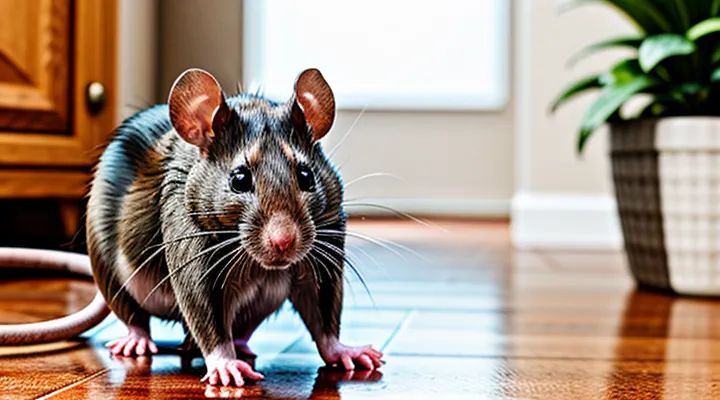
Understanding Rodent Infestations
Identifying the Presence of Rodents
Detecting rodent activity precedes any control intervention. Early identification limits damage and improves the efficacy of subsequent measures.
Common indicators of infestation include:
- Fresh droppings, typically dark, pellet‑shaped, and found along walls, behind appliances, or in stored food containers.
- Gnawed surfaces, such as chewed wood, plastic, or wiring, often exhibiting clean, crescent‑shaped bite marks.
- Nests constructed from shredded paper, fabric, or insulation, located in hidden corners, attics, or crawl spaces.
- Audible noises, especially scratching or scurrying sounds occurring at night within walls, ceilings, or ducts.
- Visible tracks or tail marks, especially in dusty areas, along baseboards, or on low‑traffic floors.
- Distinct musky odor, resulting from urine and glandular secretions, noticeable in confined spaces.
Systematic inspection techniques enhance reliability. Conduct a thorough visual sweep using a high‑intensity flashlight to illuminate concealed zones. Deploy passive monitoring devices, such as grease boards or sticky pads, to capture movement footprints. Install infrared or motion‑activated cameras in suspected pathways for continuous observation. Examine exterior perimeters for entry points, focusing on gaps around utility lines, vents, and foundation cracks.
Professional assessment may involve specialized detection equipment, including ultrasonic scanners and scent‑tracking dogs, to locate concealed colonies. Combining these methods with targeted control solutions maximizes the likelihood of successful eradication.
Risks Associated with Rodents
Rodents pose significant health, safety, and economic threats that justify the selection of effective control solutions.
Disease transmission is a primary concern. Rats and mice carry pathogens such as hantavirus, leptospirosis, salmonella, and plague, which can contaminate food, water, and surfaces through urine, feces, and saliva. Direct contact or inhalation of aerosolized particles from dried droppings can lead to acute or chronic illnesses in humans and domestic animals.
Structural damage results from gnawing behavior. Rodents compromise insulation, wiring, and plumbing by chewing on cables, pipes, and building materials. Damaged electrical wiring increases the risk of short circuits and fires, while compromised plumbing can cause leaks and mold growth.
Food safety is jeopardized by contamination. Rodents infiltrate storage areas, chew packaging, and deposit waste, rendering food supplies unsuitable for consumption and prompting costly recalls.
Economic loss extends beyond direct damage. Infestations reduce property values, increase insurance premiums, and necessitate professional extermination services. Businesses experience production downtime, inventory loss, and reputational harm when rodent presence becomes public knowledge.
Allergic reactions and asthma exacerbations are linked to rodent allergens. Proteins present in dander, urine, and droppings trigger immune responses in sensitive individuals, leading to respiratory distress and increased medical expenses.
Mitigating these risks requires the deployment of proven rodent control products that combine baiting, trapping, and exclusion techniques. Selecting solutions with documented efficacy and safety profiles reduces the likelihood of disease spread, property damage, and financial impact.
Types of Rodent Control Products
Baits and Rodenticides
Safety Considerations for Baits
Safety considerations for rodent bait products focus on preventing accidental exposure, minimizing environmental impact, and ensuring compliance with regulatory standards.
All bait formulations contain toxic agents that can affect non‑target species. Labels must be read in full before use; active ingredients, concentration levels, and specific hazards are listed for each product.
Placement guidelines require baits to be positioned out of reach of children, pets, and wildlife. Recommended locations include sealed bait stations, wall voids, or elevated platforms that prevent direct contact. Bait stations should be locked or tamper‑resistant, and only a limited amount of bait should be placed inside each unit.
Personal protective equipment (PPE) is essential during handling. Gloves, goggles, and disposable clothing reduce the risk of dermal or ocular absorption. Hands and tools must be washed thoroughly after each application.
Storage protocols demand cool, dry conditions away from food items and living areas. Containers should remain sealed, and excess bait must be disposed of according to local hazardous waste regulations.
A concise checklist of safety measures:
- Verify product registration and approval by relevant authorities.
- Read and follow all label instructions without deviation.
- Install bait in tamper‑proof stations placed beyond the reach of non‑target organisms.
- Wear appropriate PPE during mixing, placement, and removal.
- Store unused bait in a locked, labeled container separate from consumables.
- Record application details, including date, location, and product batch number, for traceability.
Adhering to these practices protects human health, domestic animals, and the surrounding ecosystem while maintaining effective rodent management.
Different Formulations of Baits
Effective rodent control relies on selecting the appropriate bait formulation for the target species and environment. Different formulations offer distinct advantages in terms of placement, durability, and palatability.
- Block baits provide a stable, long‑lasting source that can be concealed in walls, burrows, or underground stations. Their dense matrix reduces moisture loss, extending active period in humid conditions.
- Pellet baits present a compact, easily distributed option for indoor use and trap stations. Small size facilitates placement in tight spaces and reduces exposure to non‑target animals.
- Liquid baits allow rapid absorption by rodents through licking or drinking. Suitable for bait stations equipped with wicking mechanisms, they deliver high concentrations of active ingredient quickly.
- Granular baits disperse over large outdoor areas, targeting foraging trails and open fields. Their coarse texture resists rapid degradation, making them effective for seasonal applications.
- Gel baits combine the consistency of liquid with controlled release, offering a moderate shelf life and flexible placement in indoor corners or behind appliances.
Formulation choice should align with infestation severity, environmental conditions, and safety considerations for humans and pets. Proper deployment of each type maximizes consumption rates while minimizing unintended exposure.
Traps
Snap Traps
Snap traps rely on a spring‑loaded bar that releases instantly when a rodent contacts the trigger, delivering a lethal blow. The design eliminates the need for chemicals and provides immediate verification of capture.
Various constructions exist. Wooden traps offer low cost and classic appearance; plastic models reduce weight and resist moisture; heavy‑duty steel versions withstand larger rats. Some units incorporate a shield to protect non‑target animals while maintaining a sensitive trigger.
When selecting a snap trap, assess the following attributes:
- Trigger sensitivity: ensures activation by small mice and larger rats.
- Kill force: measured in ounces; higher values guarantee rapid mortuary.
- Safety features: guard plates or sealed chambers reduce accidental contact.
- Size of the kill plate: accommodates different rodent dimensions.
- Ease of setting and disposal: hinged bars and removable cages simplify maintenance.
Effective placement maximizes contact with rodent pathways. Position traps along walls, behind appliances, and near burrow entrances. Align the trigger edge perpendicular to the expected travel route. Maintain a clean environment to avoid bait contamination; a small piece of peanut butter or dried fruit often suffices as attractant.
Recommended models for reliable rodent control:
- «Victor® Classic Wood Snap Trap» – wooden body, 100‑oz kill force, low cost.
- «Tomcat® Heavy Duty Snap Trap» – steel construction, 140‑oz kill force, safety shield.
- «JT Eaton® Plastic Snap Trap» – moisture‑resistant, 80‑oz kill force, compact size.
- «Judas Mouse Trap®» – plastic, 70‑oz kill force, ergonomic arm for quick setting.
Properly maintained snap traps deliver consistent results, reduce population pressure, and limit exposure to poisons.
Live Traps
Live traps capture rats and mice without lethal force, allowing release at a distance from the infestation site. The device typically consists of a sturdy cage, a trigger mechanism, and a secure door that closes automatically once an animal enters.
Advantages include humane treatment, avoidance of poison hazards, and the ability to monitor capture rates directly. Traps can be reused repeatedly, reducing long‑term expenses compared to disposable snap devices.
When selecting a live trap, consider the following criteria: cage size adequate for target species, sensitivity of the trigger to prevent missed catches, ease of cleaning, and secure locking to prevent escape. Durable construction and weather resistance are essential for indoor and outdoor deployment.
Recommended models:
- «Havahart 1010» – 10‑inch cage, spring‑loaded door, rust‑proof coating.
- «CaptSure Small Rodent Trap» – 5‑inch cage, lightweight plastic, transparent lid for visual monitoring.
- «Kness Snap‑Free Live Trap» – 8‑inch cage, adjustable trigger, built‑in ventilation holes.
Glue Traps
Glue traps represent a passive, adhesive‑based approach to rodent management. The device consists of a flat board coated with a non‑toxic, high‑strength resin that immobilizes rats and mice upon contact. Placement near established pathways maximizes capture rates, as the sticky surface does not require active triggering mechanisms.
The adhesive formulation remains effective in temperatures ranging from ‑10 °C to +35 °C, allowing use in both indoor and sheltered outdoor environments. Boards are typically manufactured from cardboard, plastic, or metal, each offering varying durability and resistance to moisture. Replacement intervals depend on infestation intensity; a single board can capture multiple individuals before loss of tackiness.
Advantages include:
- Immediate immobilization without reliance on bait consumption.
- Low visual profile, reducing disturbance to occupants.
- Minimal maintenance; disposal involves sealing the board in a plastic bag before removal.
Limitations encompass:
- Potential for non‑target capture, necessitating strategic placement away from pets and children.
- Residual odor may persist after capture, requiring thorough cleaning of the surrounding area.
- Ineffectiveness against highly active rodents that avoid contact with the adhesive surface.
When selecting a glue trap, prioritize the following attributes:
- Resin strength certified to retain rodents of up to 200 g.
- Board material resistant to humidity, suitable for basements and crawl spaces.
- Packaging that includes clear instructions for safe deployment and disposal.
Proper implementation involves positioning boards along walls, behind appliances, and near entry points, with a minimum of 10 cm clearance from obstacles. Regular inspection, at least once daily, ensures timely removal of captured rodents and maintains trap efficacy.
Electronic Traps
Electronic traps provide a rapid, electric shock that kills rodents instantly, eliminating the need for baits that attract non‑target species. The devices consist of a sealed chamber with a high‑voltage grid, a sensor that detects entry, and a battery or mains power source. When a rat or mouse enters, the sensor triggers a discharge of approximately 2,000–3,000 volts, delivering a lethal shock within milliseconds.
Key characteristics of effective electronic traps include:
- Immediate lethality – shock voltage ensures instant death, preventing prolonged suffering.
- Safety features – insulated outer casing and automatic shut‑off prevent accidental contact with humans and pets.
- Ease of disposal – dead rodents fall into a removable tray, allowing hygienic removal without handling the animal.
- Reusable power – rechargeable batteries or plug‑in operation reduce ongoing costs compared to disposable traps.
- Non‑chemical control – absence of poisons avoids secondary poisoning risks and eliminates the need for regular bait replacement.
Maintenance requirements are minimal. After each catch, the trap must be emptied, the interior cleaned with a mild disinfectant, and the power source checked for proper operation. Most models display a low‑battery indicator or a self‑test function that confirms circuit integrity.
Among widely recognized models, the following stand out for reliability and user feedback:
- Victor® Electronic Rat Trap – 2,200‑volt discharge, 1‑year warranty, includes a 12‑month battery pack.
- Rat Zapper™ Pro – dual‑sensor entry detection, detachable waste tray, compatible with both AC and DC power.
- Ketch‑It® UltraShock – compact design for tight spaces, built‑in LED indicator, rechargeable lithium‑ion battery.
«Electronic traps deliver rapid, humane elimination while minimizing environmental impact», making them a preferred choice for indoor basements, garages, and commercial kitchens where chemical baits pose health concerns. Their reliability, safety mechanisms, and low‑maintenance design position them as essential tools in modern rodent management strategies.
Repellents
Ultrasonic Repellents
Ultrasonic repellents emit high‑frequency sound waves that rodents find uncomfortable, prompting them to vacate the treated area. Frequencies typically range from 20 kHz to 65 kHz, a band beyond human hearing but audible to rats and mice. Devices are powered by mains electricity or rechargeable batteries, allowing placement in kitchens, basements, attics, and garages.
Effectiveness depends on several factors. Continuous operation creates a constant deterrent zone; intermittent cycles reduce exposure time and may allow rodents to acclimate. Coverage area varies by model, with most units specifying square‑foot ratings based on sound propagation and obstacle penetration. Solid walls and dense furniture diminish reach, so strategic positioning near entry points maximizes impact.
Safety considerations include low electromagnetic emissions and the absence of chemicals, making ultrasonic units suitable for households with pets and children. However, some animal species, such as dogs, cats, and small mammals, may react negatively to the frequencies, requiring placement away from their resting areas.
Common limitations involve reduced efficacy in open spaces and the possibility of rodents developing tolerance after prolonged exposure. Combining ultrasonic devices with exclusion methods—sealing gaps, removing food sources, and setting traps—enhances overall control.
Typical choices regarded as reliable for rodent deterrence:
- Pest Reject Pro Ultra: coverage up to 1,800 sq ft, 24‑hour timer, adjustable frequency range.
- Neatmaster Ultrasonic Repeller: dual‑frequency emitters, battery‑backup, compact design.
- Victor PestChaser Plus: integrated LED indicator, child‑proof plug, 1,200 sq ft coverage.
- T3-R Triple‑Frequency Repeller: three selectable frequencies, wall‑mountable, 1,500 sq ft area.
When selecting a unit, verify the specified coverage, power source, and frequency options. Ensure the device complies with local safety standards and includes a warranty for long‑term reliability. Integrating ultrasonic repellents into a broader rodent management plan provides a non‑toxic, low‑maintenance component for effective pest control.
Natural Repellents
Natural repellents provide a non‑chemical alternative for managing rodent activity in residential and commercial settings. These substances create an environment that rodents avoid, reducing the likelihood of infestation without relying on poisons or traps.
- Peppermint oil – high concentration applied to cotton balls or spray bottles; strong scent disrupts rodent olfactory cues.
- Eucalyptus oil – similar application method; volatile compounds act as deterrents.
- Citronella – effective when diffused or mixed with water for surface treatment; repels both rats and mice.
- Ammonia – placed in sealed containers; vapor creates an inhospitable atmosphere.
- Predator urine (e.g., fox, ferret) – applied near entry points; mimics presence of natural enemies.
Effectiveness depends on proper placement, regular reapplication, and adequate concentration. Repellents should be refreshed every few days, especially in high‑traffic areas such as kitchens, basements, and attics. Combining multiple scents can enhance coverage and reduce habituation.
Safety considerations include keeping oils away from children and pets, using airtight containers for volatile substances, and ensuring adequate ventilation. Natural repellents complement, rather than replace, structural exclusion measures such as sealing cracks and installing door sweeps. Together, they form a comprehensive strategy for rodent control without resorting to toxic chemicals.
Exclusion Products
Sealants and Fillers
Sealants and fillers provide a physical barrier that blocks entry points commonly exploited by rats and mice. By sealing cracks, gaps around pipes, and openings in foundations, these materials prevent rodents from accessing indoor spaces and reduce the likelihood of infestation.
Key categories include:
- Silicone‑based sealants: flexible, weather‑resistant, suitable for small gaps around windows and doors.
- Polyurethane sealants: high adhesion, effective on porous surfaces such as concrete and wood.
- Expanding foam fillers: rapid expansion fills irregular voids, creates a tight seal around utility penetrations.
- Cementitious fillers: durable, ideal for large cracks in masonry and foundation walls.
Application steps:
- Identify all potential entry points through a thorough inspection of the building envelope.
- Clean surfaces to remove debris, dust, and loose material, ensuring optimal adhesion.
- Apply the chosen sealant according to manufacturer instructions, maintaining a continuous bead that fully contacts the substrate.
- Allow the product to cure for the recommended period before exposing the area to moisture or traffic.
Safety measures:
- Use protective gloves and eye protection to avoid skin contact and splashes.
- Ensure adequate ventilation when applying solvent‑based products.
- Store sealants in a cool, dry location to preserve efficacy.
Recommended products for rodent barrier solutions:
- «SiliconeGuard 3000» – high‑flexibility silicone, UV‑stable, remains elastic after temperature fluctuations.
- «PolySeal Pro» – polyurethane formula with superior bond strength on wood and concrete.
- «FoamBlock Max» – low‑expansion foam designed for tight sealing around pipes without over‑pressurizing.
- «CementLock 5» – cementitious filler with reinforced fibers for long‑term durability in foundation repairs.
Barriers and Mesh
Barriers and mesh constitute essential physical exclusion tools in any comprehensive rodent‑control strategy. By sealing entry points, they prevent rats and mice from accessing buildings, storage areas, and food‑handling zones, reducing the need for chemical interventions.
Effective barriers rely on durable materials such as stainless steel, galvanized steel, or heavy‑duty PVC. Stainless steel offers corrosion resistance, making it suitable for outdoor installations exposed to moisture. Galvanized steel provides a cost‑effective alternative with adequate strength for indoor applications. Heavy‑duty PVC delivers flexibility for irregular openings while maintaining resistance to gnawing.
Mesh selection follows precise criteria. The most reliable specifications include:
- Aperture size not exceeding ¼ inch (≈ 6 mm) to block the smallest common rodent species.
- Gauge of 18–20 for steel mesh, ensuring resistance to biting and tearing.
- Coating of zinc or epoxy to extend lifespan in humid environments.
Installation demands meticulous sealing of all potential gaps. Steps for successful deployment are:
- Identify every opening greater than the mesh aperture, including gaps around pipes, vents, and door frames.
- Cut mesh to fit each opening, allowing a minimum overlap of 2 inches (≈ 5 cm) on all sides.
- Secure mesh with stainless‑steel screws or heavy‑duty staples, ensuring a tight fit without sagging.
- Apply weather‑resistant sealant around perimeter joints to eliminate micro‑cracks.
Routine inspection preserves barrier integrity. Check for rust, corrosion, or damage after severe weather events, and replace compromised sections promptly. Regular cleaning removes debris that could create leverage points for gnawing. When combined with trapping or baiting programs, barriers and mesh provide a reliable, long‑term solution for managing rodent populations.
Choosing the Right Product for Your Situation
Factors to Consider
Severity of Infestation
Understanding infestation severity is essential for selecting appropriate rodent control solutions. Low‑level presence typically involves occasional sightings, limited droppings, and minimal damage. Medium severity includes frequent activity, noticeable gnaw marks, and spreading contamination across multiple rooms. High severity is characterized by pervasive nesting, extensive structural damage, and significant health risks due to widespread disease vectors.
Key indicators of each level:
- Frequency of sightings – occasional, regular, or constant.
- Extent of damage – isolated gnawing, multiple compromised surfaces, or structural failure.
- Sanitation impact – minor droppings, widespread contamination, or hazardous bio‑load.
- Population density – few individuals, moderate colony, or dense infestation.
Choosing a product aligns with these metrics. For low‑level cases, bait stations with low‑dose anticoagulants provide targeted action while minimizing non‑target exposure. Medium infestations benefit from a combination of bait and snap traps, supplemented by sealant applications to block entry points. High‑severity situations require comprehensive strategies: professional‑grade bait formulations, multiple trap types, and extensive sealing of structural gaps, often accompanied by professional pest‑management services.
Monitoring progress involves regular inspection of activity indicators. A decline in sightings, reduced droppings, and repaired damage confirm effective control. Persistent signs after several weeks suggest escalation of the infestation level and necessitate adjustment of the control regimen.
Location of Infestation
Identifying the precise area where rats or mice are active determines the effectiveness of any rodent‑control solution. Accurate location assessment allows selection of the appropriate product type, concentration, and placement strategy, reducing waste and accelerating eradication.
Typical infestation sites include:
- Attic insulation and joists
- Crawl spaces beneath foundations
- Wall cavities and baseboards
- Kitchen cabinets, pantry shelves, and food storage areas
- Garages, sheds, and outdoor utility structures
- Sewer and drainage pipes, especially in basements
Placement guidelines for top rodent‑control solutions:
- In attics, disperse bait stations along the ridge line and near entry points, ensuring they are out of reach of children and pets.
- Within crawl spaces, position rodenticide blocks against the perimeter walls, focusing on gaps around vent openings.
- For wall cavities, insert gel or foam formulations into drilled holes at the base of the wall, targeting known travel routes.
- In kitchens, distribute snap traps or electronic devices on countertops, under sinks, and along the perimeter of cabinets where droppings are observed.
- In garages and sheds, set multiple snap traps near stored items and apply granular repellents around door thresholds.
- Near sewer lines, use sealed bait stations designed for moist environments and position them a few inches above the pipe opening to avoid flooding.
Targeted deployment based on these locations maximizes product performance and minimizes collateral exposure.
Presence of Pets or Children
When rodents threaten a household that also houses pets or children, product selection must prioritize safety for non‑target occupants.
Toxic bait stations present a direct ingestion risk; accidental contact can lead to severe poisoning. Consequently, formulations that rely on poisoned food are unsuitable for environments with vulnerable individuals.
Safe alternatives include:
- Snap traps equipped with protective shields that prevent accidental closure.
- Electronic devices delivering a rapid, humane kill without chemicals.
- Ultrasonic emitters that deter rodents through high‑frequency sound, leaving no residue.
- Natural repellents based on peppermint oil or citrus extracts, applied to entry points and perimeters.
Placement of any device should avoid reachable heights and be secured behind furniture or within sealed compartments. Regular inspection ensures traps remain functional and that no bait or carcass becomes accessible.
Choosing non‑chemical, mechanically based control methods eliminates the primary hazard to pets and children while maintaining effective rodent management.
Environmental Impact
Effective rodent control solutions must be evaluated for their ecological footprint. Chemical rodenticides introduce toxic compounds into ecosystems, often persisting in soil and water. Non‑target wildlife, including predatory birds and beneficial insects, can suffer secondary poisoning when consuming contaminated prey. Bioaccumulation concerns arise with anticoagulant agents, leading to long‑term ecosystem disruption.
Mechanical traps, such as snap devices and live‑capture cages, generate solid waste composed of metal or plastic components. Disposal of captured rodents requires proper sanitation to prevent disease spread. Production of trap materials consumes energy and raw resources, contributing to carbon emissions throughout the supply chain.
Eco‑friendly alternatives prioritize reduced toxicity and minimal waste. Bait stations employing low‑dose, biodegradable attractants limit exposure to non‑target species. Integrated pest management (IPM) strategies combine habitat modification, sanitation, and selective trapping, decreasing reliance on chemical interventions. Devices made from recycled polymers further lower the environmental burden.
Key environmental considerations:
- Toxicity to non‑target organisms
- Persistence of active ingredients in soil and water
- Resource consumption during manufacturing
- Waste generation at end‑of‑life disposal
- Potential for bioaccumulation and secondary poisoning
Adopting low‑impact products and IPM practices aligns rodent management with broader sustainability goals, ensuring effective control while preserving ecological integrity.
Integrated Pest Management Approaches
Integrated Pest Management (IPM) provides a systematic framework for reducing rodent activity while minimizing reliance on chemicals. The approach combines accurate monitoring, precise identification, preventive measures, targeted control actions, and continuous evaluation to achieve sustainable results.
- Monitoring: regular placement of tracking stations, visual inspections, and activity logs.
- Identification: distinguishing species, assessing infestation level, and recognizing signs of nesting.
- Prevention: eliminating food sources, sealing entry points, and maintaining clutter‑free environments.
- Control: deploying approved traps, bait stations, and exclusion devices according to infestation data.
- Evaluation: reviewing trap counts, bait consumption, and habitat changes to adjust tactics.
Product selection within this framework prioritizes efficacy, safety, and regulatory compliance. Traps with proven capture rates, bait formulations meeting EPA standards, and exclusion materials resistant to gnawing are preferred. Compatibility with monitoring data ensures devices are placed where activity is highest, reducing waste and exposure.
Implementation follows a logical sequence. Initial inspection identifies vulnerable zones; sanitation removes attractants; structural repairs block ingress; strategically positioned devices address residual populations; periodic reassessment confirms effectiveness and informs adjustments.
The IPM model delivers reduced pesticide use, lower risk to non‑target organisms, and alignment with public‑health guidelines. Long‑term rodent suppression results from the integration of environmental management and judicious product deployment.
Safe and Effective Product Application
Proper Placement of Baits and Traps
Effective rodent management depends on strategic positioning of baits and traps. Placement should target high‑activity zones while minimizing exposure to non‑target animals and humans.
Identify primary pathways by observing droppings, gnaw marks, and run‑in tracks. Position baits along walls, behind appliances, and near concealed entry points such as gaps around pipes. Traps function best when set perpendicular to these routes, with the trigger side facing the expected direction of travel. Secure devices to stable surfaces to prevent displacement by curious pets or children.
Key considerations for optimal placement:
- Locate baits at least 2 – 3 feet from food preparation areas to reduce contamination risk.
- Place traps a few inches from walls, ensuring the latch aligns with the rodent’s natural tendency to follow edges.
- Avoid areas with high foot traffic; use tamper‑resistant stations when placement near human activity is unavoidable.
- Rotate bait stations every 3 – 4 days to maintain freshness and deter bait shyness.
- Monitor and record capture locations daily to refine future placement strategies.
Environmental factors influence effectiveness. Moisture‑prone zones, such as basements and crawl spaces, require waterproof bait containers. Outdoor setups should be sheltered from rain and direct sunlight, preserving attractant potency.
Proper spacing enhances coverage. Distribute baits at intervals of 10 – 15 feet in dense infestations; increase distance to 20 – 30 feet in low‑level situations. For traps, a single device per 15 square feet typically yields reliable results, adjusting density based on observed activity.
Consistent inspection, timely replenishment, and adherence to placement guidelines ensure maximal impact of control products while safeguarding health and safety.
Handling and Storage Precautions
Effective rodent control solutions contain chemicals or mechanical components that require strict handling procedures. Improper use can cause skin irritation, respiratory distress, or accidental ingestion. Observe the following precautions during application.
- Wear chemical‑resistant gloves and safety goggles.
- Use a mask rated for particulate or vapor protection, depending on the product type.
- Apply only in well‑ventilated areas; avoid confined spaces.
- Keep children, pets, and non‑target wildlife away from the treatment zone.
- Follow the recommended dosage; excess amounts increase health risks.
Storage requirements prevent degradation of active ingredients and reduce accidental exposure. Implement these measures in the storage area.
- Store in a locked cabinet, out of reach of unauthorized personnel.
- Maintain a temperature range specified on the label, typically between 10 °C and 30 °C.
- Ensure the container is tightly sealed after each use.
- Separate from food, feed, and cleaning agents to avoid cross‑contamination.
- Label the container with the product name, hazard symbols, and expiration date; replace damaged labels promptly.
Compliance with handling and storage guidelines safeguards users and preserves product efficacy. «Always read the safety data sheet before use».
Disposal of Rodents and Products
Effective disposal of captured rodents and the associated control devices is essential for preventing disease transmission and maintaining a sanitary environment. Proper handling reduces the risk of re‑infestation and complies with health regulations.
Key steps for rodent disposal include:
- Place each deceased animal in a sealed, leak‑proof bag.
- Submerge the bag in a disinfectant solution for at least 10 minutes.
- Transfer the bag to a licensed waste container designated for biohazard material.
- Arrange collection by an authorized disposal service within 24 hours.
Guidelines for disposing of control products such as traps, bait stations, and electronic devices:
- Remove all residual bait or carcasses before discarding.
- Deactivate electronic units by disconnecting power sources and removing batteries.
- Package items in sturdy, puncture‑resistant containers.
- Label containers with «hazardous rodent control waste» and submit to a certified hazardous‑waste facility.
Documentation of disposal activities, including dates, quantities, and carrier information, supports regulatory compliance and facilitates audit trails. Regular training of personnel ensures consistent application of these procedures.
Prevention Strategies
Sanitation and Food Storage
Effective rodent management begins with rigorous sanitation and proper food storage. Eliminating accessible food sources and nesting sites reduces the likelihood of infestation, allowing control products to function with greater efficiency.
- Remove food debris from countertops, floors, and equipment immediately after use.
- Clean spills promptly; moisture attracts rodents and supports bacterial growth.
- Dispose of garbage in sealed containers; replace liners regularly.
- Maintain a schedule for deep cleaning of storage areas, including shelving and pallets.
Secure food storage practices further limit rodent access:
- Store dry goods in airtight, rodent‑proof containers made of metal or heavy‑wall plastic.
- Position containers off the floor, preferably on shelves with a minimum clearance of six inches.
- Label and rotate inventory to prevent prolonged exposure of stale products.
- Install door sweeps and seal cracks around entry points to block ingress.
When sanitation and storage protocols are consistently applied, the efficacy of top rodent control solutions improves, leading to sustained reduction of rat and mouse activity.
Home Maintenance and Sealing Entry Points
Sealing potential entry points forms the foundation of any effective rodent‑control strategy. Without eliminating access routes, traps and baits lose efficiency and infestations persist.
Typical ingress locations include gaps around utility pipes, cracks in foundation walls, unsealed vent openings, damaged weatherstripping on doors, and openings beneath crawl‑space doors. Even small openings as narrow as a quarter‑inch can admit mice and rats.
Inspection should begin at the exterior perimeter, progressing inward to interior walls and ceilings. Use a flashlight to reveal hidden cracks, and employ a smoke pencil or incense stick to detect airflow through minute gaps. All identified openings require immediate remediation.
Recommended sealing materials:
- Steel‑wool bundles combined with expanding polyurethane foam for irregular gaps around pipes.
- Cement‑based mortar for foundation cracks exceeding one‑inch width.
- Metal flashing or hardware cloth (mesh size ≤¼ inch) for vent covers and soffit openings.
- Silicone‑based sealant for gaps around windows and door frames.
- Weatherstripping strips with compression fit for exterior doors.
Application steps:
- Clean surface of debris and moisture.
- Insert steel‑wool into the gap, then apply expanding foam to fill remaining space.
- Allow foam to cure, then trim excess flush with the surrounding surface.
- For larger cracks, embed mortar and smooth to match the wall texture.
- Install metal flashing over vent openings, securing with corrosion‑resistant screws.
- Apply silicone sealant around window frames, smoothing with a putty knife for a continuous barrier.
- Replace or reinforce weatherstripping, ensuring a tight seal when the door closes.
Regular maintenance includes quarterly visual inspections and prompt repair of any new damage caused by weather, settlement, or pest activity. Consistent sealing reduces reliance on chemical controls and enhances the overall efficacy of rodent‑management products.
Regular Monitoring
Regular monitoring is essential for maintaining an effective rodent‑control program. Consistent observation identifies activity patterns, confirms product performance, and reveals emerging infestations before they spread.
Key elements of a monitoring routine include:
- Visual inspections of trap locations, bait stations, and potential entry points at least weekly.
- Recording of capture counts, bait consumption, and any signs of gnawing or droppings.
- Comparison of data against baseline levels to assess reduction trends.
- Adjustment of product placement or type when capture rates plateau or increase.
Documentation of findings supports timely decision‑making and optimises the selection of control solutions, ensuring sustained suppression of rats and mice. Regular data review also facilitates compliance with health‑safety regulations and reduces the risk of costly re‑infestations.