
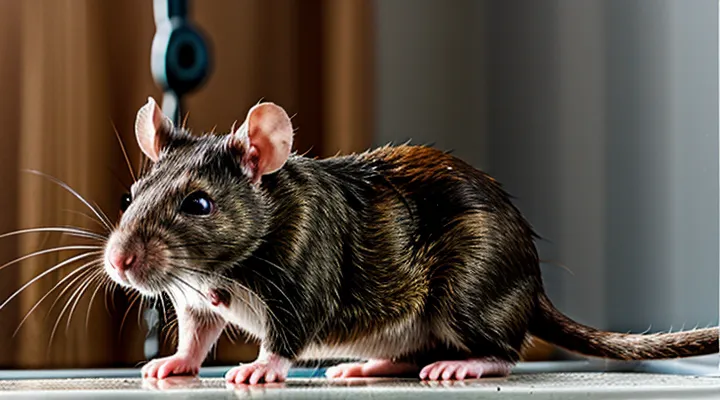
Understanding Rat Dental Anatomy
Why Rat Teeth Grow Continuously
Rats belong to the rodent order, a group characterized by ever‑growing incisors. Each incisor possesses an open root that never fully calcifies, allowing dentin to be deposited continuously. The enamel layer coats only the front edge, creating a self‑sharpening chisel shape as the tooth wears against opposing surfaces.
Two physiological mechanisms sustain this growth:
- Stem‑cell activity in the cervical region – proliferating cells generate new dentin and enamel at a steady rate.
- Lack of complete root closure – the pulp chamber remains open, preventing the natural cessation of growth seen in most mammals.
Because the enamel is restricted to the anterior surface, the posterior side consists of softer dentin. Regular abrasion from gnawing balances deposition, maintaining functional length and curvature. Insufficient wear leads to overgrowth, malocclusion, and secondary problems such as discoloration and infection.
Effective oral management therefore focuses on providing appropriate wear opportunities. A diet rich in fibrous materials (e.g., timothy hay, chew sticks) and access to safe gnawing objects (untreated wood blocks, cardboard) ensures continuous grinding. Monitoring tooth length during routine health checks allows early detection of excessive growth before it compromises chewing efficiency or contributes to yellowing caused by plaque accumulation.
Common Dental Problems in Rats
Malocclusion
Malocclusion, the misalignment of a rat’s incisors, directly influences the development of yellow discoloration. When teeth fail to grind evenly, food particles accumulate on exposed surfaces, promoting bacterial growth and pigment deposition. Early identification prevents chronic staining and secondary dental disease.
Key indicators include:
- Uneven wear patterns on the upper and lower incisors
- Visible gaps or overlapping of teeth
- Difficulty chewing, reduced food intake, or weight loss
Prompt correction restores proper occlusion, allowing the natural self‑sharpening mechanism to remove plaque and reduce discoloration.
Preventive measures:
- Provide a high‑fiber diet consisting of fresh vegetables, whole grains, and safe chew toys to promote continuous tooth wear.
- Conduct weekly oral inspections using a bright light and a hand‑held speculum to detect misalignment before it progresses.
- Maintain a clean cage environment; remove excess food debris that can adhere to improperly aligned teeth.
- Schedule quarterly veterinary examinations for radiographic assessment of dental alignment and early intervention.
If malocclusion is confirmed, treatment options include:
- Manual trimming of overgrown incisors under anesthesia to reestablish proper contact.
- Placement of custom‑fit dental appliances for severe cases, ensuring consistent occlusal alignment.
- Post‑procedure monitoring of tooth wear patterns and coloration to verify the reduction of yellow staining.
Consistent application of these practices sustains optimal dental function, minimizes plaque accumulation, and effectively prevents the onset of yellow teeth in pet rats.
Abscesses
Abscesses are localized collections of pus that develop when bacterial infection invades the tissues surrounding a rat’s incisors. The proximity of the continuously growing teeth to the jawbone makes the area susceptible to infection if dental wear is inadequate or if food debris accumulates.
Insufficient enamel wear, irregular chewing surfaces, or cracked teeth create entry points for oral bacteria. The resulting inflammation can spread to the periodontal ligament and bone, forming an abscess that may enlarge rapidly.
Typical indicators include swelling near the cheek or jaw, a firm or fluctuant mass, reduced appetite, drooling, and reluctance to gnaw. Weight loss and lethargy often accompany advanced cases.
Preventive measures:
- Provide a diet of hard, fiber‑rich foods that promote natural tooth filing.
- Offer chewable enrichment items such as untreated wood blocks or mineral sticks.
- Conduct weekly visual inspections of the mouth, looking for uneven edges or discoloration.
- Maintain a clean cage environment to limit bacterial load on food and surfaces.
If an abscess is suspected, immediate steps are:
- Isolate the affected rat to reduce stress and prevent spread.
- Schedule veterinary evaluation for diagnostic imaging and culture.
- Initiate prescribed antibiotics based on sensitivity testing.
- Perform surgical drainage or debridement when indicated.
- Adjust the diet and enrichment to restore proper dental wear after recovery.
Consistent monitoring and appropriate nutrition are essential components of effective rat oral health management, reducing the likelihood of abscess formation and supporting overall well‑being.
Overgrown Incisors
Overgrown incisors occur when a rat’s continuously growing front teeth exceed normal length, often resulting in misalignment, difficulty chewing, and tissue injury. Excessive length can expose dentin, which darkens the enamel and contributes to the yellow appearance commonly associated with dental problems.
Key factors that promote excessive growth include inadequate wear from a soft diet, lack of gnawing objects, genetic predisposition, and nutritional deficiencies. Early detection relies on visual inspection for elongated tips, uneven bite, drooling, or facial swelling. Regular handling allows owners to feel for sharp edges and assess bite symmetry.
Preventive measures focus on encouraging natural tooth wear:
- Provide a varied assortment of safe chew toys made of wood, mineral blocks, or untreated cardboard.
- Offer a diet rich in fibrous components such as fresh vegetables, whole grains, and occasional raw nuts.
- Schedule weekly health checks to monitor tooth length and overall oral condition.
- Maintain a clean cage environment to reduce stress, which can affect feeding behavior and tooth usage.
If overgrowth is identified, prompt veterinary intervention is required. A qualified small‑animal practitioner can trim the incisors under anesthesia, ensuring proper alignment and preventing further damage. Post‑procedure care includes continued provision of abrasive foods and monitoring for regrowth.
Consistent implementation of these practices minimizes the risk of incisor overgrowth, supports healthy chewing function, and helps keep the rat’s teeth free from the discoloration that signals underlying dental issues.
Yellowing Teeth: Is it Always a Problem?
Yellowing of a rat’s incisors often signals an underlying issue, but it is not automatically pathological. Normal enamel possesses a light amber hue; variations in shade can result from diet, age, or slight mineral fluctuations. When discoloration deepens or spreads across the crown, it may indicate excessive plaque buildup, dietary imbalances, or a developing dental disease.
Key indicators that yellowing warrants intervention include:
- Persistent dullness or darkening beyond the natural amber tone
- Rough, uneven surfaces detectable during gentle handling
- Reduced chewing efficiency, evidenced by altered food intake or weight loss
- Visible cracks or flaking enamel
If these signs appear, immediate veterinary assessment is recommended. Early detection prevents progression to malocclusion, abscess formation, or systemic infection.
Preventive measures focus on maintaining optimal oral hygiene and nutrition:
- Provide a diet rich in fibrous materials such as fresh vegetables and high‑quality hay to promote natural tooth wear.
- Offer chew toys made from safe, non‑toxic wood to stimulate regular grinding and reduce plaque accumulation.
- Conduct routine visual inspections, looking for changes in color, texture, or alignment at least once weekly.
Routine monitoring distinguishes benign coloration changes from clinically significant dental problems, ensuring timely care and preserving overall health.
Nutritional Strategies for Dental Health
The Role of Diet in Preventing Overgrowth
Hard Foods for Natural Wear
Hard foods provide mechanical abrasion that mimics natural chewing, helping to keep a rat’s incisors at proper length and reducing plaque accumulation that contributes to discoloration.
Commonly recommended items include:
- Uncooked carrot sticks, sliced into 1‑2 cm pieces
- Raw broccoli florets with fibrous stems
- Small chunks of apple core, excluding seeds
- Fresh celery ribs, broken into bite‑size sections
- Hardened sweet potato slices, baked until firm but not crispy
These foods should be offered daily in moderation. Replace any softened or processed treats with the items above to ensure continuous wear. Monitor each rat’s chewing behavior; excessive gnawing on a single type may lead to uneven wear, so rotate the selection regularly.
Supplementary strategies reinforce the effect of hard foods: provide chewable wooden toys made from untreated maple or birch, and ensure the cage’s feeding platform is made of sturdy, non‑slippery material. Together, these measures support dental health and help maintain a bright, clean tooth surface.
Fibrous Foods
Fibrous foods provide the mechanical abrasion necessary to wear down continuously growing incisors, reducing the buildup of plaque that leads to yellow discoloration. The texture of these foods stimulates natural chewing motions, promoting even enamel wear and preventing overgrowth that can trap debris.
- Raw celery stalks, cut into 1‑2 cm pieces
- Fresh carrot sticks, thinly sliced
- Broccoli florets, raw or lightly steamed
- Green beans, whole or halved
- Kale leaves, torn into bite‑size sections
Incorporating these items into a rat’s daily diet supports dental hygiene without requiring supplemental cleaning tools. Offer a small portion (approximately 5–10 % of total food intake) at each feeding, ensuring fresh water is always available. Rotate varieties to maintain interest and provide a range of nutrients.
Potential issues include the risk of choking on overly large pieces and the possibility of excessive fiber causing digestive upset. Cut foods to appropriate sizes, observe chewing behavior, and adjust serving amounts if stools become loose. Regular monitoring of tooth color and length, combined with consistent fibrous food provision, forms a reliable component of a comprehensive dental care regimen for rats.
Essential Nutrients for Strong Teeth
Calcium and Phosphorus Balance
Calcium and phosphorus must be present in a precise ratio to support enamel formation and maintain the structural integrity of rat incisors. The ideal dietary calcium‑to‑phosphorus (Ca:P) ratio for laboratory and pet rats ranges from 1.2:1 to 1.5:1. Rat diets that fall below this range produce weak enamel, increasing susceptibility to discoloration and yellowing.
Adequate calcium supplies the mineral matrix for dentin and enamel, while phosphorus contributes to hydroxyapatite crystals that harden the tooth surface. An excess of phosphorus relative to calcium disrupts mineral deposition, leading to demineralization and a dull, yellow appearance. Conversely, excessive calcium without balanced phosphorus can cause soft tissue calcification and metabolic disturbances.
Practical steps to maintain optimal Ca:P balance:
- Provide a commercial rodent pellet formulated to meet the 1.2–1.5 Ca:P ratio; avoid grain‑only or seed‑heavy supplements that skew the ratio toward phosphorus.
- Offer fresh vegetables rich in calcium (e.g., kale, broccoli, bok choy) in moderation; limit high‑phosphorus items such as nuts and soy products.
- Measure calcium and phosphorus content in any homemade mixes; adjust with calcium carbonate or dicalcium phosphate to achieve the target ratio.
- Monitor water intake; calcium‑rich mineral water can supplement dietary sources without adding excess phosphorus.
- Conduct periodic veterinary blood tests for calcium and phosphorus levels, especially in breeding colonies or aging rats, to detect imbalances early.
Maintaining the correct calcium‑phosphorus balance directly supports enamel density, reduces plaque accumulation, and prevents the yellowing of incisors that often signals nutritional deficiency.
Vitamin D
Vitamin D supports calcium absorption, a prerequisite for proper enamel formation in rats. Adequate enamel prevents discoloration by reducing plaque accumulation on the tooth surface.
Supplementation guidelines:
- Provide a diet containing 1,000–2,000 IU of vitamin D per kilogram of feed, adjusted for the animal’s age and weight.
- Use fortified rodent pellets or add a measured amount of cod liver oil to fresh vegetables.
- Verify the vitamin D content of commercial feeds through manufacturer specifications or laboratory analysis.
Monitoring practices:
- Conduct monthly oral inspections to detect early signs of enamel thinning or staining.
- Record body weight and dietary intake; sudden weight loss may indicate malabsorption of vitamin D.
- Perform serum 25‑hydroxyvitamin D tests quarterly to ensure levels remain within the 30–50 ng/mL range.
Interaction considerations:
- Excess vitamin D can cause hypercalcemia, leading to soft tissue calcification. Maintain intake below the upper safe limit of 3,000 IU/kg feed.
- Avoid concurrent high‑phosphorus diets, which interfere with calcium utilization and diminish the benefits of vitamin D.
By integrating precise vitamin D dosing, regular health checks, and balanced nutrition, caretakers can reduce the incidence of yellow teeth and promote overall dental health in rats.
Environmental Enrichment for Dental Care
Providing Chew Toys
Safe and Appropriate Materials
Safe dental care for pet rats depends on choosing materials that resist bacterial growth, limit staining, and encourage natural tooth wear. Chewing surfaces must be non‑toxic, durable, and free of pigments that can discolor enamel. Materials that meet these criteria include untreated hardwood blocks, natural mineral rods, and food‑grade silicone chew toys. Each option provides abrasive action without releasing harmful substances.
- Untreated hardwood (e.g., apple, willow, maple): dense fibers create gentle filing; absence of dyes prevents discoloration.
- Mineral chewing sticks (e.g., calcium carbonate or calcium phosphate rods): supply essential minerals while maintaining a neutral color.
- Food‑grade silicone toys: flexible, sterilizable, and chemically inert; resist staining even after repeated cleaning.
- Unfinished bamboo: high fiber content, low tannin levels, minimal pigment transfer.
Bedding and enclosure accessories should avoid dyed fibers, scented powders, or reclaimed wood treated with preservatives. Plain paper bedding, plain cotton nesting material, and stainless‑steel water bottles meet safety standards and eliminate sources of yellowing agents.
Cleaning agents must be water‑based, fragrance‑free, and free of chlorine bleach or ammonia. Diluted white vinegar or veterinary‑approved enzymatic cleaners effectively remove plaque without compromising material integrity. Rinse thoroughly after each cleaning cycle to prevent residue buildup that could attract stains.
Implementing these material selections supports consistent enamel wear, reduces pigment accumulation, and promotes overall oral health in rats. Regular inspection of chew items ensures wear does not expose splintered edges, maintaining a safe environment for dental maintenance.
Placement and Rotation of Toys
Proper arrangement of enrichment items directly influences rat chewing activity, which is essential for maintaining enamel integrity and preventing discoloration. Position toys so that each animal can reach a chewing surface without excessive stretching; place them at the cage level where the rat spends most of its active time. Rotate items every 3–5 days to prevent habitual wear patterns that reduce the abrasive effect needed to polish teeth naturally.
- Install chewable blocks on opposite walls to encourage bilateral mastication.
- Include hanging toys that hang at a height equal to the rat’s shoulder level, promoting upward chewing motions.
- Replace soft or overly smooth objects with textured alternatives before signs of reduced gnawing appear.
- Record rotation dates to maintain a schedule that ensures fresh surfaces are regularly presented.
Consistent placement and systematic replacement sustain varied chewing angles, stimulate continuous enamel abrasion, and help avoid the buildup of plaque that leads to yellowing.
Substrates that Encourage Chewing
Providing rats with appropriate chewing substrates directly influences dental wear and enamel health, reducing the risk of discoloration. Hard, natural materials stimulate continuous incisor grinding, while safe textures prevent over‑abrasion.
- Untreated hardwood blocks (e.g., apple, beech, maple) deliver sustained resistance, encouraging regular bite cycles.
- Mineral-rich chew sticks composed of compressed calcium carbonate maintain hardness and supply essential nutrients.
- Unglazed ceramic chew toys offer consistent surface density, supporting uniform tooth reduction.
- Dried vegetable stems (e.g., carrot, celery) combine fibrous resistance with dietary benefits, promoting oral activity without excessive softness.
- Commercially manufactured wooden tunnels, constructed from solid pine or birch, integrate structural durability with environmental enrichment.
Effective substrates perform three functions: they create mechanical wear that matches natural incisor growth, they limit plaque accumulation by disrupting bacterial colonies, and they encourage self‑regulation of chewing intensity. Regular inspection for splintering or excessive wear ensures safety; damaged items must be replaced promptly. Incorporating a rotation schedule—alternating at least three distinct substrates weekly—prevents habituation and maximizes dental stimulation.
Manual Dental Care and Monitoring
Regular Dental Examinations at Home
What to Look For
When monitoring a rat’s oral health to avoid discoloration, focus on observable indicators and environmental factors that directly affect tooth condition.
Look for changes in tooth coloration. Healthy incisors appear white or slightly pink at the gum line; any shift toward yellow or brown suggests plaque buildup or dietary imbalances. Examine the enamel surface for roughness or pitting, which can harbor bacteria and accelerate staining.
Assess chewing activity. Rats that gnaw regularly on appropriate materials—wooden chew blocks, mineral rods, or untreated cardboard—maintain natural wear patterns that prevent overgrowth and reduce plaque accumulation. Reduced gnawing or preference for soft foods may signal discomfort or impending dental issues.
Review diet composition. High‑sugar or starch‑rich foods contribute to bacterial proliferation and tooth discoloration. Ensure a balanced diet emphasizing fresh vegetables, high‑fiber pellets, and limited treat portions. Provide constant access to clean water, as dehydration can dry the oral cavity and promote staining.
Observe grooming behavior. Rats that neglect dental grooming may develop plaque. Frequent self‑cleaning and nibbling of fur around the mouth indicate normal oral maintenance.
Track weight and overall health. Unexplained weight loss or lethargy can accompany dental problems, including discoloration, and warrant immediate veterinary evaluation.
Maintain cage hygiene. Regularly clean food bowls, water bottles, and bedding to prevent bacterial growth that can transfer to the mouth.
Key items to check regularly:
- Tooth color and enamel texture
- Frequency and type of gnawing objects
- Diet balance (low sugar, high fiber)
- Water quality and availability
- Grooming frequency around the mouth
- Body weight and activity levels
- Cleanliness of feeding and drinking equipment
Consistent observation of these factors enables early detection of discoloration sources and supports proactive dental care for rats.
Frequency of Checks
Regular monitoring of a rat’s teeth is essential for preventing discoloration and associated health problems. Dental examinations should occur at least once a month for pet rats and every six weeks for breeding colonies or animals with a history of dental issues.
During each check, evaluate the following:
- Visible color of incisors; any yellowing indicates excessive wear or diet imbalance.
- Length of the front teeth; overgrowth beyond the lower lip margin signals a problem.
- Presence of cracks, chips, or uneven edges that can trap food and promote staining.
- Chewing behavior; reluctance to gnaw may reflect discomfort.
If any abnormality is detected, schedule a veterinary appointment within 48 hours. Professional assessments should be performed quarterly for healthy adults and bi‑monthly for rats with prior dental concerns.
In addition to routine checks, incorporate daily visual inspections. Use a bright, natural light source and gently separate the animal’s cheeks to view the incisors. Record observations in a log to track trends and adjust diet or enrichment accordingly.
Consistent, documented checks reduce the likelihood of yellow teeth and support overall oral health.
When to Seek Veterinary Intervention
Signs of Severe Dental Issues
Maintaining healthy rat incisors helps prevent discoloration, but early detection of serious dental problems is vital for the animal’s welfare.
Observable indicators of severe dental issues include:
- Persistent drooling or wet fur around the mouth
- Reluctance or inability to chew solid food, leading to a shift toward soft or liquid diets
- Noticeable weight loss despite adequate food availability
- Swelling or redness of the jaw, gums, or facial area
- Misaligned, overgrown, or broken incisors that appear jagged or uneven
- Blood stains on food, bedding, or the rat’s paws
- Frequent pawing at the mouth or rubbing the head against cage surfaces
- Nasal discharge or sneezing, suggesting infection secondary to dental trauma
- Changes in behavior such as lethargy, aggression, or reduced grooming
When any of these signs appear, immediate veterinary assessment is required to prevent complications such as infection, tooth loss, or systemic illness. Prompt intervention improves recovery prospects and supports overall oral health, reducing the risk of yellowing caused by chronic dental neglect.
Professional Trimming and Treatment Options
Professional dental trimming is the cornerstone of maintaining clear incisors in laboratory and pet rats. Trained veterinarians use specialized rodent dental forceps to remove excess enamel, ensuring the bite plane remains level. The procedure is performed under light sedation, minimizing stress and allowing precise control of crown length. Immediate post‑procedure observation confirms proper occlusion and absence of hemorrhage.
Treatment options extend beyond trimming to address discoloration and underlying infection:
- Scaling and polishing – ultrasonic or manual scalers eliminate plaque and tartar, followed by a polishing paste that reduces surface staining.
- Topical fluoride application – low‑concentration fluoride gel strengthens enamel and inhibits bacterial activity that contributes to yellowing.
- Antibiotic therapy – systemic or local antibiotics treat bacterial infections that may accompany dental disease; selection follows culture‑guided sensitivity testing.
- Dietary modification – high‑fiber, low‑sugar pellets encourage natural tooth wear and prevent plaque buildup; occasional raw vegetables provide abrasive action.
- Routine examinations – monthly visual checks and biannual radiographs detect early lesions, allowing timely intervention before discoloration progresses.
When selecting a treatment plan, clinicians evaluate the rat’s age, weight, and dental history. Combining trimming with regular prophylactic care reduces the incidence of yellow incisors and supports overall oral health.
Debunking Myths About Rat Dental Care
Common Misconceptions
Rats frequently develop yellowing of incisors, yet many owners hold inaccurate beliefs that hinder effective prevention.
Misconception 1: Yellow teeth are a normal sign of aging.
Reality: Discoloration indicates excessive plaque, dietary imbalance, or dental disease and requires intervention.
Misconception 2: Rats can maintain oral health without professional checks.
Reality: Regular veterinary examinations detect early wear, malocclusion, and infection that owners may miss.
Misconception 3: Brushing a rat’s teeth damages enamel.
Reality: Gentle brushing with a rodent‑specific toothbrush and a small amount of pet‑safe toothpaste removes plaque without harming the tooth surface.
Misconception 4: Diet has little impact on tooth color.
Reality: High‑sugar foods accelerate bacterial growth, while fibrous items such as chew sticks and raw vegetables promote natural abrasion and healthier enamel.
Misconception 5: Whitening agents used for humans are safe for rodents.
Reality: Human dental products contain chemicals toxic to rats; only veterinary‑approved treatments should be applied.
Addressing these errors with accurate information improves dental hygiene, reduces the risk of severe oral conditions, and helps maintain the natural appearance of a rat’s incisors.
Harmful Practices to Avoid
Rats develop yellow teeth when dental care is compromised by specific harmful practices. Recognizing and eliminating these actions is essential for maintaining healthy enamel and preventing discoloration.
- Feeding sugary or high‑carbohydrate treats daily; excess sugars promote bacterial growth and enamel staining.
- Providing hard, abrasive objects such as untreated wood blocks or metal chew toys; they can cause enamel cracks that trap debris and discolor teeth.
- Allowing prolonged periods without fresh water; dehydration reduces saliva flow, decreasing natural cleaning and increasing plaque buildup.
- Using cotton swabs or other foreign objects to clean teeth without veterinary guidance; improper pressure can damage the delicate enamel surface.
- Ignoring signs of overgrown incisors, such as difficulty chewing or facial swelling; delayed intervention leads to uneven wear and yellowing.
- Relying on human toothpaste or dental products not formulated for rodents; ingredients may be toxic or abrasive for rat enamel.
Eliminating these practices reduces bacterial colonization, preserves enamel integrity, and supports clear, whitish incisors. Consistent monitoring and appropriate diet, hydration, and safe chewing materials constitute the foundation of effective rat dental management.