
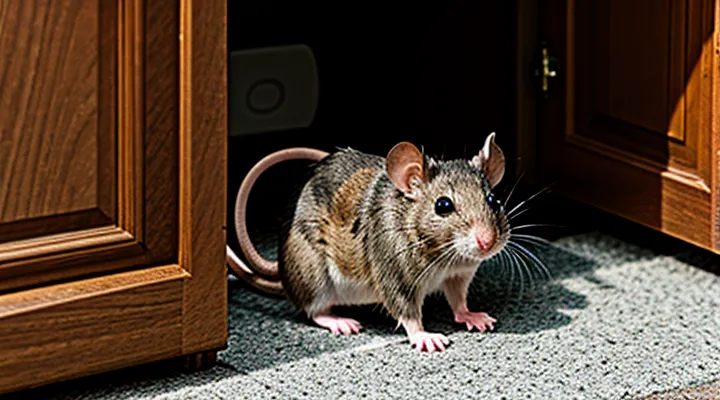
Understanding the Mouse Problem
Signs of an Infestation
Droppings and Urine Trails
Droppings and urine trails serve as primary indicators of mouse activity and directly affect the success of any eradication effort. Identifying fresh droppings—small, dark, pellet‑shaped deposits—allows you to pinpoint current foraging routes. Urine leaves invisible scent marks that guide rodents along established pathways; these marks persist despite visual cleaning.
To neutralize these chemical cues, follow a strict sanitation protocol:
- Wear disposable gloves and a mask before handling any material.
- Collect droppings with a damp paper towel; place them in a sealed plastic bag.
- Disinfect the area using a solution of at least 10 % bleach or a commercial enzymatic cleaner designed to break down urine proteins.
- Allow the disinfectant to remain on the surface for the manufacturer‑specified contact time, then rinse with clean water and dry thoroughly.
Removing scent trails eliminates the navigational map mice use to travel between food sources and nesting sites. After thorough cleaning, seal entry points identified by droppings and urine marks. Seal gaps with steel wool, copper mesh, or silicone caulk, ensuring no residual odor remains that could attract rodents back to the same location.
Incorporating these steps into a comprehensive mouse‑removal plan reduces the likelihood of re‑infestation and improves the efficacy of traps, baits, and exclusion measures. Regular monitoring of droppings and urine trails should continue for at least two weeks after treatment to verify that activity has ceased.
Gnaw Marks
Gnaw marks are a primary indicator of mouse activity and a critical factor when implementing removal strategies. Their presence confirms access points, feeding routes, and nesting sites, allowing targeted intervention.
Identifying gnaw marks:
- Look for shallow, V‑shaped bite impressions on wood, plastic, or insulation.
- Notice frayed edges and splintered material where the bite depth is consistent with rodent teeth.
- Observe repeated patterns along baseboards, cabinets, and behind appliances.
Interpreting gnaw marks:
- Multiple marks along a wall suggest a travel corridor; sealing the corridor prevents further movement.
- Marks on wiring or cables indicate a risk of electrical damage; immediate isolation and replacement are required.
- Gnawing on stored food containers reveals contamination; discard affected items and improve storage integrity.
Action steps based on gnaw marks:
- Map all observed bite sites to determine the most direct routes used by mice.
- Inspect adjacent structures for gaps larger than 1 cm; fill with steel wool, caulk, or metal flashing to block entry.
- Replace compromised materials (e.g., chewed insulation) to eliminate hiding places.
- Deploy snap traps or electronic devices at the mapped corridor ends, positioning bait near the most recent gnaw marks.
- Apply rodent‑repellent powders or ultrasonic emitters along the identified pathways, focusing on areas with dense bite activity.
- Conduct a follow‑up survey after 48 hours; any new gnaw marks indicate persistent entry points requiring additional sealing.
By systematically evaluating gnaw marks and responding with precise sealing, trapping, and deterrent measures, homeowners can reduce mouse presence efficiently and prevent future infestations.
Scratching Noises
Scratching noises are a reliable early warning of rodent activity. They typically occur behind walls, in ceiling voids, or beneath flooring where mice travel along concealed pathways. Detecting these sounds allows the homeowner to locate entry points and nesting sites before infestations become severe.
Distinguishing mouse scratches from other sources is straightforward. Mice produce rapid, high‑frequency scrapes that last a fraction of a second and repeat at irregular intervals. In contrast, insects generate a continuous rustle, and structural settling yields low‑tone thuds. Listening during quiet nighttime hours improves accuracy.
To convert scratching sounds into a deterrent, follow these actions:
- Identify the exact location by tracing the noise with a listening device or a smartphone recorder.
- Seal gaps within a 12‑inch radius of the source using steel wool, caulk, or copper mesh.
- Install ultrasonic emitters calibrated to the frequency range of mouse communication (20–50 kHz) near the affected area.
- Place snap‑traps or live‑catch traps directly along the inferred travel route, ensuring bait placement aligns with the scratch line.
- Maintain a clean environment by removing food residues and storing perishables in airtight containers, thereby reducing the incentive for mice to linger near the noise source.
Regular monitoring of scratching activity confirms the effectiveness of these measures. A decline in audible scrapes indicates successful disruption of rodent movement, while persistent sounds suggest the need for additional sealing or trap placement. By treating scratching noises as actionable data, homeowners can implement precise, evidence‑based tactics to expel mice from the residence.
Why Mice are a Problem
Health Risks
Mice living in residential spaces expose occupants to a range of medical threats. Their droppings, urine, and saliva contain pathogens capable of infecting humans through direct contact, inhalation of dust, or contamination of food and surfaces.
- Hantavirus pulmonary syndrome – transmitted by aerosolized droppings, causes fever, muscle aches, and potentially fatal respiratory failure.
- Salmonellosis – bacteria from feces contaminate food, leading to diarrhea, abdominal cramps, and fever.
- Leptospirosis – bacteria in urine enter the body through skin abrasions or mucous membranes, producing jaundice, kidney damage, and meningitis.
- Allergic reactions – rodent dander and shed hair trigger asthma attacks and chronic sinus inflammation.
- Secondary infections – bite wounds or scratches become portals for Staphylococcus aureus and Streptococcus species.
Pathogens survive for weeks in dry droppings, allowing prolonged exposure even after mice disappear. Inhalation of fine particles generated during cleaning or demolition releases viral particles deep into the lungs. Food storage areas are especially vulnerable because rodents gnaw packaging, spreading contaminants across multiple items.
Children, elderly individuals, and immunocompromised patients experience higher morbidity rates. Their developing or weakened immune systems struggle to contain bacterial or viral loads, increasing the likelihood of severe complications and hospitalization.
Immediate implementation of removal tactics reduces the duration of exposure, limits pathogen proliferation, and prevents escalation of health risks. Effective control measures—such as sealing entry points, deploying snap traps, and employing professional exclusion services—directly diminish the source of contamination and protect resident well‑being.
Property Damage
Mice infiltrate homes primarily in search of shelter and food, yet the most costly consequence of their presence is property damage. Their incisors continuously grow, prompting relentless gnawing on wood, plastic, and wiring. Damage to electrical cords creates short circuits, raises fire risk, and forces expensive repairs. Insulation material, drywall, and structural beams suffer holes and weakened integrity, which can compromise a building’s stability and increase heating‑cooling costs.
Contamination adds another financial burden. Mouse urine and feces deposit pathogens on countertops, pantry items, and fabrics, leading to spoilage and the need for professional cleaning or replacement of contaminated goods. Stored grain, pet food, and canned goods become unusable, generating waste and additional purchase expenses.
To protect assets while removing rodents, implement the following measures:
- Seal all exterior gaps larger than ¼ inch with steel wool, caulk, or hardware cloth; mice cannot bypass reinforced barriers.
- Install snap traps or electronic traps in high‑traffic zones; immediate capture prevents prolonged gnawing.
- Deploy ultrasonic repellents or natural deterrents (peppermint oil, dried lavender) near entry points; sustained exposure discourages nesting.
- Maintain a clean environment: store food in airtight containers, eliminate standing water, and regularly dispose of garbage.
- Conduct quarterly inspections of wiring, insulation, and structural components; early detection limits repair scope.
By combining preventative sealing, targeted trapping, and diligent maintenance, homeowners reduce the likelihood of costly repairs and preserve the integrity of their property.
Prevention: The First Line of Defense
Sealing Entry Points
Inspecting the Exterior
Inspecting the exterior of a residence provides the first line of defense against mouse intrusion.
Locate all potential entry points by walking around the building and examining the foundation, siding, roofline, and utility penetrations. Mice exploit gaps as small as a quarter‑inch, so visual inspection must include:
- Cracks in concrete or mortar
- Gaps around doors, windows, and garage doors
- Openings around pipes, vents, and cables
- Spaces beneath eaves, soffits, and decking
- Damaged or missing weatherstripping
Seal identified openings with appropriate materials: steel wool combined with caulk for small gaps, hardware cloth or metal flashing for larger voids, and expanding foam for irregular spaces. Ensure that repair products are durable and resistant to gnawing.
Maintain a clear perimeter by trimming vegetation, removing debris, and storing firewood at least two feet from the structure. Regularly check the exterior after severe weather or seasonal changes, as new gaps often appear.
A systematic exterior inspection, followed by immediate sealing and ongoing upkeep, eliminates the primary pathways mice use to enter homes.
Interior Gaps and Cracks
Sealing interior gaps and cracks is a critical step in any program aimed at removing mice from a residence. Small openings around baseboards, window frames, door jambs, and utility penetrations provide direct pathways for rodents to enter living spaces. Identifying these entry points early prevents re‑infestation after other control measures are applied.
First, conduct a systematic visual inspection. Look for:
- Gaps larger than ¼ inch along walls, floors, and ceilings.
- Openings around plumbing, electrical wiring, and HVAC ducts.
- Deteriorated caulking or weather‑stripping around windows and doors.
- Holes behind appliances, especially refrigerators and stoves.
Second, choose appropriate sealing materials. Use steel wool or copper mesh for the core of each opening, then apply a durable sealant such as silicone, polyurethane caulk, or expandable foam. For larger voids, install metal flashing or hardware cloth with mesh no larger than ¼ inch before applying sealant. These materials resist gnawing and maintain structural integrity.
Third, implement the sealing process methodically:
- Clean the area to remove dust and debris.
- Insert the metal barrier tightly into the gap.
- Apply sealant evenly, smoothing the surface to ensure full coverage.
- Allow the sealant to cure according to manufacturer instructions before exposing the area to traffic.
Finally, verify the work by conducting a follow‑up inspection after a few days. Check for signs of rodent activity, such as fresh droppings or gnaw marks, near previously sealed sites. If evidence persists, repeat the sealing procedure or consider installing additional barriers.
By eliminating interior gaps and cracks, you remove the most accessible routes for mice, thereby enhancing the effectiveness of traps, baits, and other deterrent methods used throughout the home.
Eliminating Food Sources
Proper Food Storage
Proper food storage eliminates the primary attractant that draws rodents into residential spaces. Sealed containers prevent scent diffusion, reduce visual cues, and deny access to nutritional sources.
- Use airtight, hard‑sided containers for grains, cereals, nuts, and pet food.
- Store dried goods on upper shelves, away from floor level and walls.
- Keep perishable items in the refrigerator or freezer; discard expired products promptly.
- Label containers with purchase dates to facilitate rotation and prevent accumulation of stale food.
Maintain cleanliness around storage areas. Wipe spills immediately, vacuum crumbs, and inspect containers for damage. Replace compromised seals without delay. Regularly audit pantry contents; remove items that have been opened for extended periods.
Implement a routine inspection schedule. Check for gnaw marks, droppings, or chew evidence on packaging. Address any breach before it becomes a permanent entry point. Consistent adherence to these practices reduces food availability, discouraging mice from establishing a presence in the home.
Regular Cleaning
Regular cleaning removes food residues and shelter that attract rodents, thereby reducing the likelihood of an infestation. Eliminating crumbs, spills, and waste denies mice access to the energy sources they need to survive inside a dwelling.
- Sweep and vacuum floors daily, paying special attention to kitchen edges, under appliances, and behind furniture.
- Wipe countertops, tables, and cabinet interiors after each meal preparation; use a disinfectant that leaves no sticky residue.
- Store dry goods in sealed, airtight containers; inspect packaging for tears before placement on shelves.
- Empty trash cans nightly; choose containers with tight‑fitting lids and keep them away from walls.
- Clean pet feeding areas after each use; rinse bowls and dry surfaces to prevent leftover morsels.
Maintain a cleaning schedule that aligns with household activity levels. High‑traffic areas require more frequent attention, while rarely used rooms can be serviced weekly. Inspect for droppings, gnaw marks, or nesting material during each cleaning cycle; early detection allows prompt intervention before mice establish a presence.
Reducing Hiding Places
Decluttering
Removing excess items eliminates hiding places and food sources that attract rodents. A tidy environment reduces the likelihood of mice establishing nests and makes it easier to detect any intrusion early.
- Clear floor space beneath appliances; vacuum regularly to remove crumbs.
- Store pantry goods in sealed containers; discard opened packages that are past their prime.
- Eliminate piles of newspaper, cardboard, and fabric; recycle or discard them promptly.
- Organize garage and storage sheds; keep boxes off the ground and away from walls.
- Trim vegetation and remove debris around the building’s perimeter; maintain a clear gap between siding and soil.
Consistent upkeep preserves the benefits of decluttering. Schedule monthly inspections of storage areas, re‑seal any compromised containers, and promptly address new clutter before it accumulates. This disciplined approach sustains a hostile environment for mice and supports broader pest‑control measures.
Landscaping Maintenance
Landscaping maintenance directly influences the likelihood of mice entering a residence. Overgrown shrubs, dense ground cover, and accumulated debris create shelter and travel routes that connect outdoor habitats to the home’s foundation.
- Trim trees and shrubs at least six inches from the house to eliminate climbing pathways.
- Keep grass mowed to a uniform height; short turf discourages nesting.
- Remove leaf piles, compost heaps, and woodpiles from the perimeter; these serve as food and shelter.
- Limit mulch depth to two inches and choose inorganic options near the foundation; excessive organic mulch retains moisture and attracts rodents.
- Seal cracks and gaps in siding, foundations, and utility openings before planting; a clean perimeter prevents entry.
Consistent pruning, debris removal, and proper mulching reduce available cover and food sources, forcing mice to seek alternative habitats away from the structure. Maintaining a tidy, well‑trimmed landscape therefore supports any indoor rodent‑control measures and minimizes re‑infestation risk.
Eradication Methods
Trapping Strategies
Snap Traps: Pros and Cons
Snap traps remain a common component of any program aimed at eliminating house mice. They function by delivering an instantaneous, high‑impact closure that kills the rodent upon contact with the trigger mechanism. Their simplicity allows placement in concealed areas such as wall voids, behind appliances, or along established runways.
Advantages
- Immediate result eliminates the pest without prolonged suffering.
- Low purchase price; a pack of ten traps typically costs under ten dollars.
- No ongoing maintenance after placement, aside from periodic inspection.
- No chemical residues left in the home environment.
Disadvantages
- Requires careful positioning to achieve a high capture rate; misplacement reduces effectiveness.
- Exposure of the dead mouse can cause unpleasant odors if not removed promptly.
- Potential safety hazard for children, pets, or non‑target wildlife if traps are not secured.
- May not be suitable for users who prefer a humane approach.
When integrating snap traps into an overall mouse‑removal plan, evaluate the layout of the infestation, the presence of vulnerable occupants, and the willingness to perform regular trap checks. Combining traps with exclusion measures—sealing entry points and maintaining a clean, food‑free interior—maximizes long‑term success.
Live Traps: Humane Options
Live traps capture mice without causing injury, allowing owners to remove pests without lethal measures. The devices consist of a enclosure that closes automatically when an animal enters, keeping the mouse alive for later release.
- Single‑catch cage traps: Small plastic or metal cages that shut a door when the mouse triggers a pressure plate.
- Multi‑catch cage traps: Larger cages with multiple entry points, capable of holding several mice before requiring emptying.
- Bucket traps: Wire mesh funnels guide mice into a bucket that tips a lid shut once the animal falls in.
Effective placement follows a pattern of locating traps along walls, behind appliances, and near known gnawing sites. Bait choices such as peanut butter, oats, or dried fruit increase capture rates. Position traps perpendicular to the wall, with the entry side facing the rodent’s travel route.
Check traps at least once daily; prolonged confinement raises stress and mortality risk. When a mouse is captured, transport the cage to a suitable release location at least one mile from the residence, preferably in a wooded or field area with natural cover. Wear gloves to prevent disease transmission and to avoid imprinting scent on the trap.
Live traps eliminate chemical exposure and reduce the chance of secondary poisoning. They comply with humane standards and allow owners to monitor rodent activity directly. Limitations include the need for regular inspection, potential escape if the mechanism fails, and the requirement to relocate captured animals responsibly. Combining live traps with exclusion techniques—sealing entry points and removing food sources—optimizes overall pest control effectiveness.
Electronic Traps: Modern Solutions
Electronic traps provide a fast, humane alternative to traditional rodenticides and snap devices. They detect mouse movement through infrared sensors or pressure plates and deliver a calibrated electric shock that kills instantly, eliminating the risk of unfinished injuries that can lead to disease transmission.
Key characteristics of modern electronic traps include:
- Battery or AC power options for continuous operation
- Adjustable sensitivity settings to target specific rodent sizes
- Built‑in safety locks that prevent accidental activation by children or pets
- Transparent chambers that allow visual confirmation of capture
- Low‑maintenance designs requiring only occasional cleaning and battery replacement
Installation guidelines ensure optimal performance:
- Position traps along walls, behind appliances, and near known gnawing sites, as mice prefer concealed routes.
- Keep surrounding areas free of clutter to maintain sensor accuracy.
- Test each unit after placement to verify proper activation before leaving it unattended.
Data from recent field studies indicate capture rates of 80‑95 % within 48 hours when traps are correctly deployed. The combination of rapid lethality, ease of monitoring, and reduced chemical exposure makes electronic traps a leading solution for homeowners seeking efficient rodent control.
Baits and Lures
Effective Bait Choices
Selecting the right attractant determines trap performance.
- Peanut butter: strong scent, high fat content, adheres to trap surfaces.
- Chocolate: sweet aroma, appeals to nocturnal foraging behavior.
- Dried fruit (e.g., raisins, apricots): concentrated sugars, low moisture, resists spoilage.
- Soft cheese: potent odor, high protein, effective when placed in sealed containers until use.
Commercial options provide standardized potency:
- Grain‑based rodent blocks: balanced protein‑carbohydrate ratio, pre‑shaped for snap traps.
- Synthetic pheromone lures: mimic mouse communication chemicals, increase trap visitation.
- Oil‑infused bait sticks: release volatile attractants over several days, reduce need for frequent replacement.
Effective deployment requires fresh bait, minimal exposure to air, and placement along established runways. Position bait at the rear of snap traps to force the mouse to contact the trigger. On glue boards, spread a thin layer to avoid excessive bulk that deters movement. Rotate bait types weekly to prevent habituation. Store unused bait in airtight containers at cool temperatures to maintain potency.
Placement Tips
Place snap or electronic devices directly against interior walls, where mice travel in tight corridors. Position baited stations at right angles to the wall, not in the middle of open floor space, to intersect natural running paths. Secure traps on a flat surface; uneven placement allows escape.
Locate entry points before deploying deterrents. Seal gaps around pipes, vents, and baseboards with steel wool and caulking. Install door sweeps on exterior doors to eliminate gaps larger than a quarter‑inch.
Use repellents strategically. Hang ultrasonic emitters at ceiling height in rooms with known activity; avoid placing them on low furniture where sound dissipates. Distribute peppermint‑oil cotton balls in cabinets and pantry corners, replacing them weekly to maintain potency.
Placement checklist
- Traps: adjacent to walls, perpendicular to travel routes
- Bait stations: at junctions of walls and baseboards
- Sealants: over all visible cracks and openings
- Repellents: ceiling level for emitters, hidden corners for oils
Maintain a clear line of sight between traps and potential pathways. Remove clutter that could provide alternative shelter. Regularly inspect and adjust locations based on observed mouse movement.
Repellents
Natural Repellents: Essential Oils
Essential oils provide a chemical barrier that deters Mus musculus from entering residential spaces. The volatile compounds irritate the rodents’ olfactory receptors, causing avoidance of treated areas.
- Peppermint oil – high menthol concentration, strong repellent effect.
- Eucalyptus oil – cineole content disrupts scent trails.
- Citronella oil – limonene and citronellal create an unpleasant aroma.
- Lavender oil – linalool interferes with mouse navigation.
- Clove oil – eugenol acts as a toxicant at low exposure levels.
Application methods:
- Soak cotton balls with 10‑15 drops of oil per ball, place them in concealed entry points, behind appliances, and along baseboards. Replace every 3‑4 days.
- Prepare a spray by mixing 1 part oil with 4 parts water and a teaspoon of mild detergent. Apply to cracks, door frames, and shelving. Reapply after cleaning or moisture exposure.
- Use a diffuser in rooms where activity is observed; run for 30 minutes twice daily. Ensure ventilation to prevent buildup.
Safety considerations:
- Dilute oils to avoid skin irritation; a 2‑3 % concentration is sufficient for most surfaces.
- Keep treated cotton balls out of reach of pets and children; some oils are toxic when ingested.
- Test a small area for material compatibility before extensive application.
When integrated with structural sealing and trap placement, essential‑oil strategies contribute to a comprehensive approach for eliminating mouse presence from the home.
Ultrasonic Devices: Efficacy Review
Ultrasonic repellents emit sound waves above 20 kHz, a range inaudible to humans but detectable by rodents. Laboratory tests show that exposure to frequencies between 30 kHz and 50 kHz can cause temporary disorientation in mice, reducing activity within a confined arena for 15–30 minutes. Field trials in residential settings report mixed outcomes: devices placed in a single room often lose efficacy after a week, while models with rotating frequency patterns maintain reduced mouse presence for up to three weeks.
Key factors influencing performance include:
- Coverage area: Effective radius typically 10–15 ft; gaps in walls or furniture create acoustic shadows where mice remain active.
- Frequency modulation: Fixed‑tone units tend to allow habituation; devices that cycle through multiple frequencies delay acclimation.
- Power source: Battery‑operated units may experience voltage drop, diminishing output and shortening active periods.
- Installation density: Overlapping zones increase overall sound pressure, improving deterrence in larger homes.
Limitations identified across studies:
- Mice quickly adapt to constant ultrasonic exposure, resuming normal foraging behavior after habituation.
- Sound does not penetrate solid barriers; infestations behind walls or in basements remain unaffected.
- Reported side effects on pets (e.g., stress in dogs and cats) are rare but documented in a minority of cases.
Current consensus recommends pairing ultrasonic devices with physical exclusion methods—sealing entry points, setting traps, and maintaining sanitation—to achieve reliable control of mouse populations in dwellings.
Post-Eradication and Long-Term Solutions
Cleaning and Sanitization
Disinfecting Contaminated Areas
Effective strategies for removing mice from residences require thorough sanitation after an infestation. Disinfecting contaminated zones eliminates pathogens left by rodents and reduces the likelihood of repeat activity.
Identify all areas with visible droppings, urine stains, or gnaw marks. Wear disposable gloves and a mask before handling any material. Remove debris with a damp paper towel; discard the towel in a sealed bag.
- Apply an EPA‑registered disinfectant that lists efficacy against hantavirus, salmonella, and leptospirosis. Follow the manufacturer’s contact time precisely.
- For porous surfaces, soak with a 1:10 bleach‑water solution (10 % household bleach) for at least five minutes, then rinse with clean water.
- For non‑porous surfaces, spray the disinfectant directly, ensure full coverage, and allow it to air‑dry.
- After treatment, launder any removable fabrics at 60 °C or higher; otherwise, discard them.
Ventilate the treated rooms for several hours to disperse residual chemicals. Repeat the disinfection process in adjacent rooms if signs of contamination spread. Proper sanitation completes the removal plan and creates an environment unattractive to remaining rodents.
Odor Removal
Effective odor control is essential when eliminating rodent incursions because mice rely heavily on scent cues to locate shelter and food. Removing lingering smells disrupts their ability to navigate back to previously occupied areas, increasing the likelihood that they will abandon the premises.
Identify the source of mouse odor. Common contributors include urine stains, fecal deposits, and nesting material. Clean all affected surfaces promptly with a detergent solution, then rinse thoroughly to prevent residue that can attract rodents.
Apply a neutralizing agent after cleaning. Options include:
- Enzymatic cleaners that break down organic compounds.
- Vinegar diluted 1:1 with water for mild decontamination.
- Commercial odor‑absorbing powders such as baking soda or activated charcoal.
For persistent odors in porous materials (carpet, insulation, upholstery), remove and replace the material when feasible. If replacement is impractical, treat the item with a steam cleaner followed by a spray of an enzymatic solution, then allow complete drying.
Ventilate the area continuously. Use fans or open windows to promote air exchange, reducing the concentration of volatile compounds that may signal mouse presence.
Seal entry points after odor removal. Fill gaps with steel wool, caulk, or expanding foam to prevent re‑infestation. Regularly inspect the sealed areas for signs of new activity and repeat the cleaning protocol if necessary.
By systematically eradicating scent traces and maintaining a clean, well‑ventilated environment, homeowners create conditions that deter mice from returning, complementing other exclusion and control measures.
Ongoing Monitoring
Regular Inspections
Regular inspections form the backbone of any effective mouse‑control program. Systematic visual checks reveal entry points, nesting sites, and activity indicators before infestations become severe.
- Examine the building envelope weekly: doors, windows, utility penetrations, and foundation cracks. Seal gaps with steel wool, caulk, or metal flashing.
- Inspect interior spaces monthly: kitchens, pantries, storage closets, and behind appliances. Look for droppings, gnaw marks, shredded material, and urine stains.
- Monitor traps and bait stations during each visit. Replace inactive devices, refresh bait, and record capture data to identify hotspots.
- Conduct seasonal reviews after heavy rains or temperature shifts, when mice are most likely to seek shelter indoors.
- Document findings in a logbook or digital record. Track dates, locations, and corrective actions to evaluate trends and adjust preventive measures.
Integrating a disciplined inspection schedule with exclusion techniques and trapping maintains a hostile environment for rodents, reduces population growth, and protects property integrity.
Maintenance Checks
Maintenance checks form a cornerstone of any program aimed at eliminating rodents from a dwelling. Regular inspections identify and close the pathways mice use to enter, reduce available food sources, and reveal early signs of infestation before populations expand.
- Examine exterior walls, foundation cracks, and utility penetrations; seal gaps with steel wool, caulk, or metal flashing.
- Inspect doors and windows for damaged weatherstripping; replace or repair to maintain a tight seal.
- Verify that all food containers are airtight; store pantry items in glass or heavy‑plastic bins.
- Clean behind appliances, under sinks, and in cabinets; remove crumbs, spills, and debris that attract foraging behavior.
- Check ventilation ducts and dryer vents; install mesh screens where appropriate.
- Review plumbing for leaks; repair drips that create damp environments conducive to nesting.
- Conduct quarterly visual sweeps for droppings, gnaw marks, and nesting material; document locations to guide targeted interventions.
Consistent execution of these checks reduces the likelihood of mouse entry, limits sustenance availability, and enables prompt response to any detected activity, thereby supporting long‑term rodent exclusion.
Professional Pest Control
When to Call an Expert
Professional assessment becomes necessary when mouse activity exceeds the limits of DIY control. Persistent droppings in multiple rooms, gnaw damage to structural components, or evidence of nesting within walls indicate a population that can compromise safety and sanitation. If traps and sealed entry points fail after several weeks, the infestation has likely reached a scale that requires specialized equipment and expertise.
A qualified pest‑management service should be engaged if any of the following conditions are present:
- Damage to electrical wiring, insulation, or plumbing that threatens fire risk or water leakage.
- Signs of disease vectors, such as urine stains near food preparation areas, that pose health hazards.
- Inaccessibility of infestation sites, for example deep within cavity walls, attics, or HVAC ducts.
- Legal or insurance requirements demanding documented eradication procedures.
Contacting an expert also ensures compliance with local regulations regarding pesticide application and provides a guarantee of long‑term monitoring. Prompt professional intervention limits property loss, reduces exposure to pathogens, and restores a secure living environment.
Benefits of Professional Services
Professional pest‑control services deliver measurable advantages when addressing rodent intrusions in residential settings. Trained technicians apply certified treatments that target mouse populations while complying with health‑safety regulations, eliminating the risk of improper chemical use.
- Accurate identification of entry points allows precise sealing, preventing future infestations.
- Specialized baiting systems reduce exposure to non‑target animals and children.
- Integrated monitoring provides real‑time data on activity levels, enabling timely adjustments.
- Warranty agreements guarantee continued effectiveness, reducing repeat expenses.
- Liability coverage protects homeowners from potential damages caused by DIY mishandling.
Moreover, licensed providers maintain detailed documentation required for insurance claims and property resale evaluations. Their expertise minimizes downtime, restores sanitary conditions, and safeguards structural integrity without the trial‑and‑error inherent in amateur attempts. The cumulative effect is a faster, safer resolution and long‑term prevention of mouse re‑entry.