
Capturing Charm: Essential Photography Techniques
Lighting for Tiny Subjects
Photographing miniature decorative rodents demands precise control of illumination. Small subjects react strongly to the direction, intensity, and quality of light, making careful lighting essential for clear, detailed images.
Key considerations include:
- Use a continuous light source with a diffuser to spread illumination evenly and reduce harsh shadows.
- Position a small LED panel close to the subject; proximity compensates for the limited size of the rodent and fills in fine details.
- Employ a macro flash or ring flash for short, intense bursts that freeze motion and highlight texture without overexposing the background.
- Add a white reflector opposite the main light to bounce soft light into shadowed areas, preserving the three‑dimensional form.
- Adjust the angle of light gradually; a 45‑degree offset often reveals surface contours while keeping the tiny ears and whiskers visible.
When selecting aperture, favor a moderate f‑stop (f/5.6–f/8) to balance depth of field with sharpness across the subject’s surface. Keep ISO low to minimize noise, especially in close‑up shots where grain becomes apparent.
A compact light tent can serve as a controlled environment, eliminating stray light and providing a neutral background that emphasizes the decorative mouse’s colors and patterns.
Consistent lighting setup, combined with careful positioning and appropriate modifiers, yields images that showcase the intricate craftsmanship of miniature rodent décor.
Posing and Composition
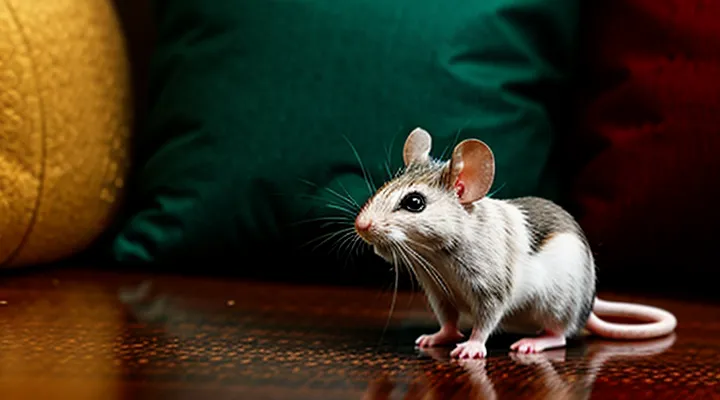
Capturing decorative rodents requires deliberate posing to highlight their unique features. Position the mouse so that the head and whiskers are clearly visible, while the body remains relaxed. Elevate the subject slightly above the surface to create a sense of lightness, and use a shallow depth of field to separate it from the background.
Effective composition follows several principles:
- Place the mouse off‑center according to the rule of thirds; this generates visual tension and guides the viewer’s eye.
- Align the line of the mouse’s tail with leading lines in the scene, such as a wooden grain or fabric folds, to reinforce directionality.
- Balance positive space occupied by the mouse with negative space that accentuates its form, preventing clutter.
- Incorporate complementary props—tiny books, miniature furniture, or natural elements—to provide context without overwhelming the subject.
Lighting contributes to both pose and composition. Soft, diffused light reduces harsh shadows on delicate fur, while a slight rim light can outline the silhouette and emphasize texture. Adjust the angle of illumination to sculpt the mouse’s contours and enhance three‑dimensional perception.
Color harmony strengthens the overall image. Choose background hues that contrast with the mouse’s coat while maintaining a cohesive palette. For instance, a muted teal backdrop accentuates a brown‑fur mouse, whereas a warm amber setting highlights a white‑patterned specimen.
«Balance between subject and background enhances visual appeal» and ensures that the decorative rodent remains the focal point. By applying these posing and compositional strategies, photographers produce compelling images that celebrate the charm of ornamental mice.
Macro Photography Tips
Macro photography of ornamental rodent figures requires precise control of depth of field, lighting, and detail rendering. Small subjects demand equipment that can focus at close distances without sacrificing sharpness.
- Select a lens with a focal length of 90 mm – 105 mm; such focal lengths provide comfortable working distance and minimal distortion.
- Set aperture between f/8 and f/11 to balance depth of field and diffraction, ensuring the entire figure remains in focus while preserving surface texture.
- Employ manual focus; autofocus may hunt on low‑contrast surfaces typical of porcelain or painted figurines.
- Use a sturdy tripod to eliminate camera shake, especially when employing longer exposure times for balanced illumination.
- Apply diffused light sources—softboxes, LED panels with diffusion panels, or natural window light behind a thin curtain—to reduce harsh shadows and highlight subtle details.
Background selection influences visual separation. Neutral, matte surfaces prevent unwanted reflections and color casts. Position the subject against a single‑tone fabric or a seamless paper backdrop; adjust the distance between subject and background to increase bokeh when a wider aperture is desired.
Post‑capture processing sharpens fine elements and corrects color fidelity. Apply selective sharpening to edges, increase contrast modestly to enhance texture, and perform white‑balance correction to match the original material hue. Export images in a lossless format for archival purposes before creating web‑ready versions.
Consistent application of these practices yields high‑resolution images that reveal the intricate craftsmanship of decorative mouse figurines, suitable for portfolios, catalogs, or exhibition displays.
Showcase of Exquisite Decorative Mice
Hand-painted Miniatures
Hand‑painted miniatures serve as the focal point of visual collections that showcase ornamental rodents. These tiny artworks combine precise brushwork with vivid pigments, producing figures that capture the delicate anatomy and playful character of stylized mice. The miniature format allows photographers to arrange multiple subjects within a single frame, creating compositions that emphasize texture, contrast, and scale.
Materials commonly employed include acrylic or enamel paints applied to polymer‑clay or resin bases. Acrylics dry quickly, enabling layered shading and fine detailing, while enamels provide a glossy finish that enhances reflective surfaces. Artists often prime the base with a neutral tone to ensure color accuracy, then build highlights and shadows through incremental glazing.
Key considerations for integrating hand‑painted miniatures into photographic presentations:
- Lighting: soft diffused light reduces glare on glossy surfaces and accentuates subtle brushstrokes.
- Background selection: neutral or textured backdrops complement the miniature without competing for visual attention.
- Depth of field: shallow focus isolates the subject, drawing the viewer’s eye to the intricate paintwork.
- Post‑processing: minimal adjustments preserve the authenticity of the hand‑crafted colors.
Collectors value these pieces for their rarity and the skill required to produce each figure. Limited editions, signed by the artist, often command higher market prices and become central items in curated displays. Preservation guidelines recommend storage in climate‑controlled environments and handling with lint‑free gloves to prevent pigment degradation.
The synergy between meticulous hand‑painting and expert photography results in compelling visual narratives that celebrate the charm of decorative mice while highlighting the craftsmanship behind each miniature.
Sculpted and Embellished Creations
Sculpted and embellished creations of ornamental rodent figures combine meticulous craftsmanship with decorative artistry. Artisans employ materials such as polymer clay, porcelain, bronze, and resin, applying techniques that include hand‑carving, molding, and surface gilding. Intricate patterns—floral motifs, geometric borders, and miniature accessories—enhance visual appeal while preserving structural integrity.
Photographic presentation emphasizes texture, contrast, and spatial context. Controlled lighting reveals relief depth and metallic sheen; soft‑box diffusion reduces harsh shadows, while backlighting highlights translucent elements. Macro lenses capture fine details, and shallow depth of field isolates the subject from distracting backgrounds. Color grading aligns palette tones with the decorative scheme, ensuring accurate representation of pigments and finishes.
Collectors and curators rely on these visual records for acquisition decisions, exhibition planning, and archival documentation. High‑resolution images support cataloguing, provenance verification, and digital promotion across platforms. Integration of sculpted rodent artworks into interior décor, themed installations, and museum displays benefits from precise photographic evidence that conveys both aesthetic and technical qualities.
Mice in Themed Settings
Decorative rodents arranged within carefully designed environments create visually striking compositions that emphasize texture, color harmony, and narrative depth. Photographers employ thematic backdrops to transform ordinary mice into focal points of artistic expression.
Typical settings include:
- Vintage interiors featuring aged wood, lace, and sepia tones;
- Seasonal displays incorporating holiday ornaments, foliage, or snow‑drift simulations;
- Culinary scenes with miniature kitchenware, spices, and food‑styled props;
- Literary motifs that reference classic stories through books, quills, and parchment;
- Minimalist arrangements that rely on monochrome palettes and geometric shapes.
Effective execution relies on controlled lighting, precise depth of field, and deliberate placement of supporting elements. Soft, diffused illumination highlights fur detail while shadow placement defines three‑dimensional form. Macro lenses capture intricate features, and selective focus isolates the subject from background distractions.
The resulting images attract collectors, interior designers, and branding specialists who seek distinctive visual assets. Consistent thematic integration enhances perceived value and facilitates incorporation into broader aesthetic projects.
Inspiration and Creative Approaches
Storytelling Through Images
Captivating images of ornamental rodents serve as a visual language that conveys narrative without words. Each photograph arranges color, texture, and composition to guide the viewer’s perception, establishing characters, settings, and plot progression. The small scale of decorative mice invites close inspection, allowing subtle details—such as patterned fur, crafted accessories, or surrounding décor—to function as symbolic cues that advance the story.
Key techniques that transform static pictures into narrative sequences include:
- Sequential arrangement – ordering images to suggest temporal development, from a solitary figure to a dynamic scene.
- Contrast manipulation – employing light and shadow to highlight moments of tension or resolution.
- Contextual framing – placing the subject within thematic environments that imply background and motive.
By integrating these methods, photographers create coherent visual tales that engage audiences, evoke emotion, and communicate complex ideas through the simple elegance of decorative mouse imagery.
Incorporating Props and Backgrounds
In decorative mouse photography, props and backgrounds define visual hierarchy and guide viewer attention. Selecting items that complement the subject’s scale, texture, and color palette creates cohesion and depth.
- Natural elements such as dried seed heads, miniature twigs, or soft moss provide organic contrast.
- Fabric swatches in muted tones act as neutral platforms, reducing distraction while enhancing texture.
- Miniature furniture pieces—tiny chairs, ladders, or cages—introduce narrative possibilities.
- Seasonal accessories, for example, tiny pumpkins for autumn or pine cones for winter, reinforce thematic context.
Background considerations include:
- Uniform surfaces (e.g., matte paper or fabric) eliminate unwanted patterns that compete with the mouse.
- Gradient backdrops transition smoothly from dark to light, emphasizing three‑dimensional form.
- Textured walls (e.g., plaster or wood grain) add subtle depth without overwhelming the subject.
- Light‑absorbing materials, such as black velvet, isolate the mouse and increase contrast.
Integrating props with background elements requires consistent lighting direction. Position light sources to cast soft shadows that anchor the mouse within the scene, while avoiding harsh highlights that reveal prop edges. Align color temperature across all components to maintain tonal harmony. Regularly review composition on a calibrated monitor to ensure that props enhance, rather than dominate, the visual narrative.
Post-processing for Enhanced Beauty
Post‑processing transforms raw captures of ornamental rodents into visually striking compositions. Precise color correction aligns hues with the intended mood, while selective saturation emphasizes decorative patterns without overwhelming the scene. Exposure adjustments recover detail in shadows and highlights, ensuring the subject remains the focal point.
Applying localized sharpening accentuates fur texture, and a subtle vignette draws attention toward the central figure. Background blur, achieved through mask‑based Gaussian diffusion, isolates the mouse and reinforces its decorative role.
Key techniques include:
- White‑balance fine‑tuning to maintain natural tones
- Curves manipulation for contrast control
- Layered masking for targeted edits
- Noise reduction preserving fine detail
- Export settings optimized for display resolution and color space
Consistent use of these methods yields images that retain artistic intent while meeting professional standards of visual appeal.