
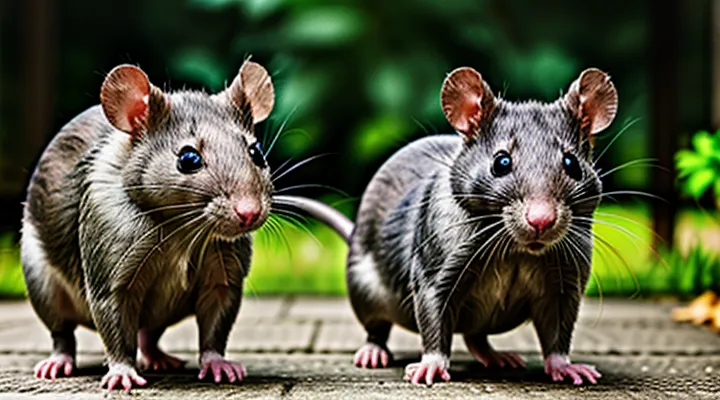
Understanding the Allure of Pet Rats
Why Choose a Pet Rat?
Intelligence and Trainability
Pet rats possess a high degree of cognitive capacity, making them suitable choices for owners who value mental engagement. Their ability to navigate mazes, solve simple puzzles, and remember pathways demonstrates a level of intelligence comparable to that of small mammals such as hamsters or guinea pigs.
Memory retention allows rats to associate specific cues with outcomes. For example, a consistent hand signal paired with a treat will be recognized after a few repetitions, and the animal will respond reliably. This associative learning forms the foundation for more complex training.
Training rats is straightforward when the following principles are applied:
- Use positive reinforcement (treats, gentle petting) immediately after the desired behavior.
- Keep sessions short (5‑10 minutes) to match the animal’s attention span.
- Maintain consistency in cues and rewards to prevent confusion.
- Introduce one new command at a time, allowing several repetitions before adding another.
Typical behaviors that rats can learn include:
- Coming when called.
- Navigating a small obstacle course.
- Performing a “spin” on command.
- Retrieving a lightweight object.
- Using a designated litter area.
Owners seeking a companion should establish a regular training routine, observe the rat’s response to cues, and adjust reinforcement schedules based on individual progress. Consistent practice strengthens the bond between pet and keeper while highlighting the rat’s intellectual abilities.
Social Nature and Affection
Pet rats thrive on interaction with their own species and with humans. A single rat placed alone often exhibits stress behaviors such as excessive grooming, reduced appetite, or withdrawal. Pairing or grouping rats satisfies their innate need for social contact, lowers cortisol levels, and promotes natural play.
Affection manifests through gentle nibbling, grooming, and the tendency to seek proximity to a caregiver’s hand. When a rat willingly climbs onto a palm, licks the fingers, or follows a person around the enclosure, these actions indicate trust and attachment. Observing such signals during a selection process helps identify individuals that are predisposed to bond with owners.
Key considerations for evaluating social nature and affection include:
- Group dynamics: Assess whether the rat interacts calmly with cage mates; harmonious groups suggest a stable temperament.
- Response to handling: Note the speed and steadiness of the rat’s approach when offered a hand; rapid, relaxed engagement reflects comfort.
- Grooming behavior: Frequent mutual grooming among rats signals strong social bonds and a propensity to extend similar care to humans.
- Vocal cues: Soft chirps or squeaks during close contact often accompany positive emotional states.
Selecting rats that display these characteristics increases the likelihood of a rewarding companionship, reduces the risk of loneliness‑related health issues, and ensures a mutually beneficial relationship.
Low Maintenance (Relative to Other Pets)
Pet rats require considerably less daily upkeep than most traditional companions. Their small size limits the living area to a modest cage, eliminating the need for extensive indoor or outdoor space. Daily tasks consist of brief cage cleaning, routine feeding, and occasional health observation.
Key maintenance factors:
- Housing: A standard 20‑gal cage accommodates a pair; cleaning involves spot‑cleaning debris and a full substrate change once a month.
- Grooming: Rats self‑groom; owners intervene only to trim overgrown nails or address occasional skin issues.
- Nutrition: Commercial rat pellets provide balanced diet; fresh vegetables and occasional treats supplement meals, with feeding sessions lasting a few minutes.
- Health monitoring: Visible signs of illness appear quickly; weekly checks for respiratory symptoms or coat condition suffice.
- Veterinary expenses: Routine examinations are infrequent and less costly than those for dogs or cats.
When selecting a rat as a companion, evaluate the owner’s schedule, living environment, and budget. The low‑maintenance profile suits apartments, busy professionals, and households seeking an engaging yet uncomplicated pet.
Debunking Common Misconceptions
Cleanliness and Odor
Maintaining a clean environment is essential for a healthy pet rat and for minimizing unpleasant smells. Rats produce waste frequently; regular removal prevents bacterial growth and odor accumulation. Spot‑cleaning should occur daily, while a complete cage overhaul is recommended weekly.
- Remove soiled bedding and droppings each day.
- Replace litter with absorbent, low‑dust material such as paper‑based or aspen chips.
- Wash food and water containers with hot, soapy water after each use.
- Disinfect cage surfaces with a rodent‑safe sanitizer once per week.
Diet influences odor. High‑protein foods increase ammonia in urine; balance protein with fresh vegetables and limit sugary treats. Provide fresh water daily to dilute waste compounds.
Ventilation reduces stale air. Position the cage away from enclosed spaces, ensure adequate airflow, and consider a small, silent fan if the room lacks natural circulation. These practices together sustain a pleasant habitat and support the rat’s well‑being.
Disease Transmission
When evaluating a potential pet rat, understanding how diseases can spread is essential for both the animal’s welfare and the owner’s health.
Rats can carry bacterial, viral, and parasitic agents that may affect other rodents or humans. Common pathogens include Salmonella (bacterial gastroenteritis), Streptobacillus moniliformis (causing rat‑bite fever), Mycoplasma pulmonis (respiratory infections), and various ectoparasites such as mites and lice. Some of these agents are zoonotic, meaning they can be transmitted from rats to people through bites, scratches, or contaminated surfaces.
Preventive measures reduce transmission risk:
- Quarantine new arrivals for at least two weeks; monitor for sneezing, nasal discharge, diarrhea, or lethargy.
- Perform a veterinary health check before integration; request screening for common infections and parasites.
- Maintain cage hygiene: clean bedding weekly, disinfect food dishes and water bottles, and replace soiled materials promptly.
- Use gloves when handling unfamiliar rats, and wash hands thoroughly with soap after contact.
- Keep other small‑animal species separate to avoid cross‑species infection.
Selecting a companion that has undergone health screening and adheres to these protocols minimizes disease spread, supports a stable colony, and protects the owner’s well‑being.
Lifespan Expectations
Pet rats typically live between two and three years, with some individuals reaching four years under optimal conditions. Longevity depends on genetics, nutrition, housing, and preventive veterinary care.
Key factors influencing lifespan:
- Genetic background: Inbred lines may have shorter lifespans; outbred rats often show greater vitality.
- Diet quality: Balanced commercial rat chow supplemented with fresh vegetables and occasional protein supports organ function.
- Environmental stability: Consistent temperature (18‑24 °C), low humidity, and a clean cage reduce stress‑related illnesses.
- Health monitoring: Regular checks for respiratory infections, tumors, and dental problems enable early intervention.
- Exercise opportunities: Safe enrichment, such as tunnels and climbing structures, promotes cardiovascular health.
Owners who manage these variables can expect their companion rats to achieve the upper range of the species’ natural lifespan.
Preparing for Your New Companion
Researching Breeders and Rescues
Ethical Breeding Practices
Ethical breeding of pet rats requires systematic health monitoring, genetic diversity management, and humane living conditions. Breeders must conduct regular veterinary examinations, screen for hereditary disorders, and avoid inbreeding by maintaining clear lineage records. Housing should provide adequate space, enrichment, and environmental stability to prevent stress and disease.
- Perform comprehensive health checks on all breeding stock.
- Document pedigree information to ensure genetic variability.
- Provide cages that meet size and ventilation standards.
- Supply nesting material, chew objects, and opportunities for exercise.
- Implement quarantine protocols for new or returning animals.
Breeders are responsible for socializing litters, exposing them to gentle handling, and offering guidance on diet, grooming, and behavioral cues. Transparent communication with buyers includes providing health certificates, detailed care instructions, and a guarantee of humane treatment throughout the breeding process.
Prospective owners should verify breeder credentials by requesting references, inspecting facilities, and confirming adherence to the outlined practices. Selecting a source that prioritizes animal welfare ensures a healthy, well-adjusted companion and supports the broader goal of responsible rat ownership.
Adopting from Shelters and Rescues
Adopting rats from shelters and rescue organizations provides a reliable source of healthy, socialized companions. Shelters typically screen rats for common health issues, ensuring that animals are free of serious infections before placement. Rescues often have experience with rat behavior, allowing them to match prospective owners with individuals whose temperament fits the household environment.
Prospective adopters should follow a structured process:
- Contact the organization to confirm available rats and request health records.
- Arrange a meeting to observe the rat’s activity level, grooming habits, and interaction with humans.
- Complete an adoption application that includes details about housing, diet, and enrichment plans.
- Review the organization’s post‑adoption support policy, which may cover veterinary referrals and behavioral guidance.
Adopting from a shelter reduces the demand for commercial breeders and contributes to population control. It also offers opportunities to rescue rats that have been abandoned or surrendered, giving them a chance for a stable home. Organizations often provide starter kits, including a cage, bedding, and basic supplies, lowering initial costs for the new owner.
After adoption, owners must maintain a clean habitat, provide a balanced diet of commercial pellets supplemented with fresh vegetables, and schedule regular veterinary check‑ups. Monitoring weight, coat condition, and social behavior helps detect health concerns early. Consistent handling and enrichment activities promote trust and prevent stress, ensuring a rewarding relationship with the pet rat.
Essential Supplies Checklist
Housing: Cages and Enclosures
Choosing an appropriate enclosure is essential for the health and well‑being of a pet rat. The cage must provide enough space for exercise, social interaction, and environmental enrichment.
A suitable cage should meet the following criteria:
- Minimum floor area of 2 sq ft per rat; larger groups require proportionally more space.
- Solid base with a removable tray for easy cleaning.
- Bar spacing no greater than ½ inch to prevent escapes.
- Durable, non‑toxic material such as stainless steel or powder‑coated metal.
- Adequate ventilation without drafts that could cause respiratory issues.
- Secure latch system that rats cannot manipulate.
Bedding choices influence hygiene and comfort. Paper‑based or aspen shavings absorb moisture, reduce odor, and are safe if ingested in small amounts. Avoid cedar or pine, which release aromatic oils harmful to respiratory systems.
Essential accessories include:
- A multi‑level platform or climbing structure to encourage natural foraging behavior.
- A hideaway or tunnel for privacy and stress reduction.
- A chewable object made of untreated wood or mineral blocks to maintain dental health.
- A water bottle with a stainless‑steel spout, inspected daily for leaks.
Placement of the enclosure affects temperature stability and mental stimulation. Position the cage away from direct sunlight, drafts, and loud appliances. Maintain ambient temperature between 65 °F and 75 °F; extreme fluctuations can lead to illness.
Regular maintenance prevents disease. Remove soiled bedding weekly, disinfect the tray and accessories with a mild, bleach‑free solution, and replace all food and water daily. Conduct a visual health check each time the cage is cleaned, looking for signs of injury, over‑grooming, or respiratory distress.
By adhering to these specifications, owners ensure a secure, hygienic, and stimulating environment that supports the longevity and happiness of their pet rats.
Bedding and Substrates
Choosing appropriate bedding directly impacts a rat’s health, comfort, and behavior. The substrate must provide a dry, odor‑controlling environment while allowing natural digging instincts.
Key criteria for selecting bedding include:
- Absorbency: High moisture retention prevents damp spots that can lead to skin infections.
- Dust level: Low‑dust formulations reduce respiratory irritation; avoid pine or cedar shavings, which release harmful volatile compounds.
- Safety: Materials should be non‑toxic, free of sharp edges, and unable to be ingested in large quantities.
- Ease of cleaning: Substrates that clump or separate cleanly simplify regular maintenance and reduce bacterial growth.
Commonly recommended options:
- Paper‑based pellets or shredded paper – excellent absorbency, minimal dust, biodegradable.
- Fleece liners – reusable, washable, provides a soft surface; requires a secondary absorbent layer beneath.
- Aspen shavings – low aromatic oils, moderate dust, suitable for short‑term use.
- Coconut fiber (coir) – natural, breathable, offers texture for burrowing; monitor for mold in humid conditions.
Maintenance practices:
- Replace the primary bedding weekly, or sooner if wet spots appear.
- Spot‑clean droppings and urine daily to limit ammonia buildup.
- Wash fleece liners at 60 °C with a mild detergent, rinse thoroughly, and dry completely before reuse.
- Store bulk substrates in sealed containers to maintain dryness and prevent pest infestation.
By adhering to these guidelines, owners create a hygienic habitat that supports the rat’s physical well‑being and encourages natural behaviors, contributing to a harmonious companionship.
Food and Water Provisions
A healthy diet and reliable water supply are essential for the well‑being of a pet rat. Provide a balanced mix of commercial rodent pellets, fresh vegetables, and occasional protein sources. Pellets should constitute the core of the diet, offering consistent nutrients and preventing selective eating. Fresh vegetables such as broccoli, carrots, and leafy greens add vitamins and fiber; introduce them in small quantities and remove uneaten portions after a few hours to avoid spoilage. Protein can be supplied through cooked eggs, plain yogurt, or small amounts of lean meat, limited to once or twice a week.
- Commercial pellets: 80 % of daily intake
- Fresh vegetables: 15 % of daily intake, varied each day
- Protein treats: ≤5 % of daily intake, no more than twice weekly
Water must be clean, fresh, and continuously available. Use a sipper bottle with a stainless‑steel or BPA‑free plastic nozzle; replace the bottle daily and disinfect it weekly with mild, non‑abrasive detergent. Check the nozzle for blockages before each refill. Provide a secondary bowl of fresh water as a backup, especially during cage cleaning or when the bottle is being serviced.
Monitor consumption by weighing food portions and measuring water intake. Sudden changes may indicate health issues and require veterinary consultation. Consistency in feeding times—typically morning and evening—supports routine and reduces stress.
Enrichment and Toys
Enrichment keeps pet rats mentally alert and physically active, reducing stress and preventing repetitive behaviors. A well‑designed environment mirrors the complexity of a rat’s natural habitat, encouraging exploration and problem‑solving.
Common enrichment items include:
- Chew blocks made of untreated wood or safe polymers to support dental health.
- Tunnels, PVC pipes, or cardboard tubes that create three‑dimensional pathways.
- Puzzle feeders that dispense treats when manipulated, fostering foraging instincts.
- Hanging hammocks or fabric platforms for resting above the cage floor.
- Natural materials such as dried grasses, pine shavings (non‑aromatic), or safe plant stems for scent exploration.
When selecting toys, follow these criteria:
- Materials must be non‑toxic, free of sharp edges, and resistant to gnawing.
- Size should allow the rat to enter, manipulate, and exit without difficulty.
- Construction should permit easy cleaning or replacement to maintain hygiene.
- Variety should rotate regularly; introduce new objects every few weeks to sustain interest.
Integrating a mix of chewable, climbing, and problem‑solving elements creates a balanced enrichment program. Regular observation reveals which items stimulate activity and which may be ignored, allowing adjustments that enhance the rat’s overall well‑being.
Selecting Your Beautiful Pet Rat
Health Indicators to Look For
Coat Condition and Cleanliness
A rat’s coat reveals its overall health and suitability as a companion. Healthy fur appears uniform, glossy, and free of bald spots or excessive shedding. The skin should be supple, without redness, scabs, or parasites such as mites or fleas. An odorless animal indicates proper grooming and diet, while a strong, unpleasant scent often signals neglect or illness.
- Even, dense fur covering the entire body
- Shine that reflects moisture and nutrition
- No visible mats, tangles, or clumped hair
- Absence of parasites, lesions, or discoloration
- Neutral scent, lacking ammonia or foul odors
Maintaining coat condition requires consistent hygiene. Clean the cage at least once a week, replace bedding, and remove soiled food promptly. Spot‑clean droppings daily to prevent buildup that can irritate the skin. Provide a soft brush for gentle grooming; regular brushing removes loose hair and distributes natural oils.
Schedule a brief grooming session two to three times a week, focusing on the back, tail, and hindquarters. Offer a shallow water dish for occasional dampening, but avoid full immersion unless advised by a veterinarian. Arrange periodic health checks to confirm the absence of ectoparasites and to assess skin integrity. These practices preserve a clean, vibrant coat and contribute to a long‑lasting, rewarding rat companionship.
Bright Eyes and Clear Nose
Bright eyes and a clear nose are primary health indicators for a prospective companion rat. Clear, glossy corneas without discoloration or cloudiness suggest proper ocular function and lack of infection. A steady, unobstructed nasal passage indicates good respiratory health; any nasal discharge, crust, or swelling signals potential disease.
When evaluating these traits, observe the following:
- Eyes: uniform brightness, smooth surface, no swelling or redness.
- Nose: moist but not wet, no mucus, no visible cracks or lesions.
- Breathing: quiet, regular rhythm without audible wheezing or labored effort.
Consistent observation of these signs reduces the risk of acquiring a rat with hidden ailments, supporting a successful partnership from the outset.
Active and Alert Behavior
Active and alert behavior distinguishes a rat that will engage with its owner from one that remains withdrawn. When evaluating potential companions, observe the animal’s responsiveness to environmental stimuli and its willingness to explore.
Typical indicators include rapid head movements, frequent grooming, frequent repositioning within the cage, and swift reactions to sounds or human presence. Rats that display these traits often exhibit higher energy levels and stronger social bonds.
- Quick, purposeful locomotion across the cage floor
- Frequent sniffing of new objects or bedding
- Immediate orientation toward voices or hand gestures
- Regular use of climbing structures and tunnels
- Consistent interaction with cage mates and humans
During the selection process, spend several minutes holding the rat and note its reaction when released. A rat that darts to a safe spot, then returns to investigate, demonstrates both confidence and curiosity. Preference should be given to individuals that maintain alertness without signs of excessive stress, such as frantic scrambling or persistent freezing. This balance predicts a lively, engaging pet capable of forming a lasting relationship.
Temperament and Socialization
Observing Interactions with Littermates
When evaluating a potential rat companion, watch how the animal behaves with its littermates. Social signals displayed during these interactions reveal temperament, confidence, and compatibility with humans.
Key observations include:
- Frequency of gentle grooming versus aggressive biting.
- Ability to share limited resources such as food or nesting material without excessive competition.
- Response to new members entering the group, indicating adaptability.
- Levels of vocalization during play, which can signal stress or excitement.
Consistent calmness, balanced sharing, and cooperative play suggest a rat that will adjust well to a household environment and form a stable bond with its owner.
Handling and Responsiveness to Humans
Handling pet rats requires consistent, gentle interaction to develop reliable responsiveness. Begin with brief, calm sessions; allow the rat to approach before initiating contact. Use a single hand, keeping fingers together to prevent accidental pinching. Maintain eye level to reduce intimidation and encourage forward movement.
Key factors influencing a rat’s willingness to engage:
- Soft, predictable voice tones during handling.
- Slow, deliberate movements that avoid sudden shadows.
- Regular exposure to human presence for at least ten minutes daily.
- Positive reinforcement, such as a small treat immediately after a successful approach.
Responsiveness improves when the rat perceives handling as a routine activity rather than a threat. Observe body language: ears flattened, tail twitching, or rapid foot stamping indicate stress and require a pause in interaction. Adjust the environment by providing a stable, clutter‑free surface and ensuring the rat’s cage is within easy reach for quick retrieval.
Training sessions should progress from short, static holds to brief periods of free roaming on a safe, padded area. Gradually increase the distance the rat travels while being guided by the handler’s hand. Consistent practice over several weeks establishes a clear communication channel, allowing the rat to respond reliably to cues such as a gentle tap or a soft verbal command.
Gender Considerations
Males vs. Females: Personality Traits
When selecting a pet rat, gender often correlates with distinct behavioral patterns that affect compatibility with owners and other rats.
-
Males typically display higher levels of curiosity, exploring new objects and environments with vigor.
-
They are more likely to exhibit territorial marking, especially when introduced to unfamiliar conspecifics.
-
Male rats tend to be more vocal during play, producing frequent squeaks and chirps.
-
Their social hierarchy role is pronounced; they frequently assume dominant positions within mixed groups.
-
Females generally show stronger nurturing instincts, engaging in grooming behaviors toward cage mates.
-
They maintain steadier activity cycles, with fewer spikes in aggression during daylight hours.
-
Female rats often form tighter pair bonds, preferring prolonged physical contact with a single companion.
-
Their response to handling is typically calmer, resulting in smoother training sessions.
Understanding these differences assists prospective owners in matching a rat’s temperament to lifestyle demands. If an owner seeks an active explorer that thrives on social hierarchy, a male may align better with those expectations. Conversely, an individual desiring a consistently gentle partner with strong affiliative tendencies may find a female more suitable. Evaluating personality traits alongside housing conditions and interaction goals ensures a harmonious and rewarding rat companionship.
Spaying and Neutering
When selecting a companion rat, spaying or neutering should be part of the decision‑making process. The procedure eliminates reproductive capability, reduces the risk of hormone‑driven diseases, and contributes to a stable temperament.
- Eliminates uterine and ovarian cancers in females.
- Reduces incidence of testicular tumors in males.
- Lowers chance of mammary tumors when performed before sexual maturity.
- Prevents unwanted litters, decreasing strain on shelter resources.
Neutered rats display fewer aggressive encounters and less territorial marking. Hormone‑driven mounting behavior declines, making group housing more harmonious. Social interactions become more predictable, easing daily handling.
Veterinarians recommend surgery between eight and twelve weeks of age, after confirming healthy weight and vaccination status. The operation requires general anesthesia, sterile technique, and precise suturing of the reproductive tract. Pre‑operative blood work assesses organ function and identifies potential anesthetic risks.
Post‑operative care includes monitoring for bleeding, swelling, or infection during the first 48 hours. Pain relief is administered according to veterinary guidelines. Soft bedding and a high‑calorie diet support recovery, while the cage should remain quiet and temperature‑controlled. Sutures typically dissolve within ten days; removal is unnecessary.
Spaying or neutering aligns with responsible pet ownership by preventing accidental breeding and minimizing the influx of stray rats. The practice safeguards individual health, promotes stable group dynamics, and contributes to overall welfare of the rat‑keeping community.
Bringing Your Rat Home and Beyond
Introduction to a New Environment
Acclimation Period
The acclimation period is the initial phase during which a newly acquired rat adjusts to its new environment, routine, and human contact. This stage determines how quickly the animal becomes comfortable and exhibits normal behavior.
A typical acclimation span ranges from three to seven days, but variations occur based on the rat’s age, previous handling experience, and the stability of its surroundings. Younger rats and those with limited prior exposure to humans often require a longer adjustment time.
Key actions during this phase include:
- Providing a secure, quiet cage with familiar bedding and hiding spots.
- Maintaining consistent feeding times and offering the same diet the rat received before adoption.
- Introducing gentle handling sessions that start with brief, non‑intrusive contact and gradually increase in duration.
- Limiting exposure to loud noises, sudden movements, and other pets to reduce stress.
Successful acclimation manifests as regular grooming, steady eating and drinking patterns, and calm exploration of the cage. Indicators of ongoing stress comprise excessive hiding, loss of appetite, or abnormal vocalizations. Monitoring these behaviors allows owners to modify the environment or handling approach promptly, ensuring a smooth transition to a stable companion relationship.
Initial Handling and Bonding
When you first bring a rat home, gentle handling establishes trust and reduces stress. Begin by allowing the animal to explore its cage undisturbed for several hours. During this period, keep the environment quiet and avoid sudden movements.
After the initial acclimation, introduce your hands slowly. Place a clean palm inside the cage, keeping fingers relaxed and parallel to the floor. Let the rat approach voluntarily; a tentative sniff indicates curiosity. If the rat retreats, withdraw the hand and try again after a short pause.
Repeat short, frequent sessions—three to five minutes each—several times per day for the first week. Consistency reinforces the association between human contact and safety. Gradually increase the duration of handling as the rat becomes more comfortable, moving from palm support to gentle cupping and, eventually, brief laps.
Key practices for successful bonding:
- Wash hands with mild soap before each session to remove scents that may alarm the rat.
- Use a soft, unscented cloth to dry hands, preventing residue that could irritate the animal’s skin.
- Maintain a calm voice; high‑pitched tones can startle the rat.
- Offer a small treat (e.g., a piece of fresh fruit) from the hand to create a positive reward loop.
- Avoid gripping or restraining; support the body evenly to prevent injury.
Observe the rat’s body language: relaxed ears, slow whisker movement, and a steady breathing pattern signify confidence. If signs of fear appear—raised fur, rapid breathing, or attempts to flee—reduce handling time and return to the initial approach stage.
By adhering to these steps, you lay a solid foundation for a lasting companion relationship, allowing the rat to view you as a reliable source of security and affection.
Ongoing Care and Health
Diet and Nutrition
A healthy diet is essential for rats kept as companions, influencing coat quality, activity level, and longevity.
Commercially formulated rat pellets provide a balanced foundation of protein, fiber, vitamins, and minerals. Select a brand that lists whole grains and animal protein as primary ingredients, and avoid formulations high in filler or artificial additives.
Fresh produce should complement pellets. Offer a daily assortment of leafy greens (e.g., romaine lettuce, kale), cruciferous vegetables (broccoli, cauliflower), and a small portion of fruit (apple slices, berries). Rotate selections to prevent nutrient gaps and to maintain interest.
Protein enrichment can be achieved with occasional servings of cooked egg, plain low‑fat yogurt, or small pieces of lean meat. These items supply essential amino acids without excess fat.
Water must be clean, fresh, and available at all times. Replace daily and clean the bottle or bowl to prevent bacterial growth.
Key nutrients and their sources:
- Protein: pellets, cooked egg, lean meat.
- Fiber: pellets, leafy greens, carrots.
- Calcium: fortified pellets, plain yogurt, small amounts of cheese.
- Vitamin C: bell peppers, strawberries, broccoli.
Avoid foods that can cause digestive upset or toxicity: sugary snacks, chocolate, caffeine, raw beans, onions, garlic, and high‑fat processed items. Limit citrus fruits and acidic vegetables, as they may irritate the gastrointestinal tract.
Feed small, measured portions two to three times daily. Monitor body condition; adjust quantities if the rat appears underweight or overweight. Regularly inspect teeth and coat for signs of nutritional deficiency, and consult a veterinarian experienced with rodents for any concerns.
Veterinary Care and Common Ailments
Veterinary care for pet rats centers on preventive measures and timely treatment of frequent health issues. Routine examinations should include weight monitoring, dental checks, and assessment of coat condition. Vaccinations are not required, but parasite control and a balanced diet are essential components of health maintenance.
Common ailments in companion rats include:
- Respiratory infections: characterized by sneezing, nasal discharge, and labored breathing; treatment involves antibiotics prescribed by a veterinarian and supportive care such as humidified environments.
- Skin lesions: often result from mites, wounds, or fungal infections; diagnosis requires skin scraping or culture, followed by appropriate topical or systemic medication.
- Dental overgrowth: rats’ incisors grow continuously; excessive length can cause feeding difficulties and oral wounds; regular trimming by a professional prevents complications.
- Gastrointestinal stasis: presents as reduced appetite, lethargy, and abdominal distension; immediate veterinary intervention with fluid therapy and motility agents is critical.
Preventive strategies reduce the incidence of these conditions. Maintain a clean cage, provide chewable enrichment to promote dental wear, and ensure fresh water and high‑quality protein‑rich food. Schedule veterinary visits at least twice yearly, or sooner if any abnormal signs appear. Early detection and professional treatment improve prognosis and extend the rat’s lifespan.
Enrichment and Mental Stimulation
Enrichment and mental stimulation are critical for the health and happiness of a pet rat. A well‑designed environment prevents boredom, reduces stress, and encourages natural behaviors such as foraging, climbing, and problem‑solving.
Providing a variety of stimuli keeps the rat’s brain active. Rotate objects weekly to maintain novelty; reuse familiar items after a short break to avoid habituation. Offer opportunities for tactile exploration, scent discrimination, and auditory challenges. Regular interaction with the owner strengthens the human‑rat bond and reinforces trust.
Practical enrichment options include:
- Foraging boxes: hide small food pieces in shredded paper or cardboard tunnels.
- Puzzle feeders: devices that release treats only after the rat manipulates a lever or rolls a ball.
- Climbing structures: wooden branches, rope ladders, or PVC tubes of varying diameters.
- Manipulable toys: chewable wooden blocks, natural twine, and safe plastic mazes.
- Sensory enrichment: introduce new, non‑toxic scents (e.g., herbs) or gentle background sounds.
- Training sessions: teach simple commands such as “come” or “target” using clicker conditioning.
Schedule short, daily enrichment periods of 10–15 minutes. Observe the rat’s preferences and adjust the mix of activities accordingly. Consistent mental challenges support cognitive development and contribute to a well‑adjusted companion.
Multiple Rats: A Social Necessity
Benefits of Same-Sex Pairs or Groups
Pairing or housing pet rats with same‑sex companions offers several measurable advantages for owners seeking a reliable companion.
- Social cohesion improves, as individuals of the same sex often establish clear hierarchies that reduce conflict.
- Aggression levels decline because competition for mates is absent, leading to calmer group dynamics.
- Health monitoring becomes simpler; veterinary records can focus on a single sex, aiding early detection of sex‑specific conditions.
- Breeding control is straightforward; same‑sex groups eliminate the risk of unintended litters, allowing owners to maintain a stable population without additional planning.
- Space utilization is efficient; groups of same‑sex rats can share cages with minimal territorial disputes, maximizing the use of available housing.
These factors contribute to a predictable, low‑maintenance environment, supporting the selection of a pet rat that provides consistent companionship and ease of care.
Introducing New Rats
When adding a new rat to a household, begin with health verification. Request a recent veterinary assessment that includes physical examination, parasite screening, and vaccination status. Separate the newcomer from existing rats for at least two weeks; this quarantine period allows observation of any latent illnesses and prevents transmission.
Prepare a neutral enclosure for the introduction phase. Choose a cage that offers ample space, solid flooring, and multiple hiding spots. Provide fresh bedding, water, and a balanced diet identical to that of the resident rats to reduce stress caused by dietary changes.
Introduce rats gradually. Follow a three‑step protocol:
- Scent exchange – swap bedding or place a cloth that has carried the scent of each group in the other's area for 24 hours.
- Visual contact – position the cages side‑by‑side with a transparent barrier, allowing the animals to see each other without physical interaction for several days.
- Supervised mingling – move both groups into a neutral, escape‑proof arena. Observe behavior closely; allow retreat to separate spaces if aggression appears.
Select companions based on temperament and size compatibility. Rats of similar age and weight tend to integrate more smoothly. Preference should be given to individuals that display calm, curious behavior during the scent and visual phases.
Maintain consistent routine after integration. Keep feeding times, cleaning schedules, and handling sessions regular to reinforce stability. Monitor weight, coat condition, and social interactions weekly for at least a month to confirm successful adaptation.