
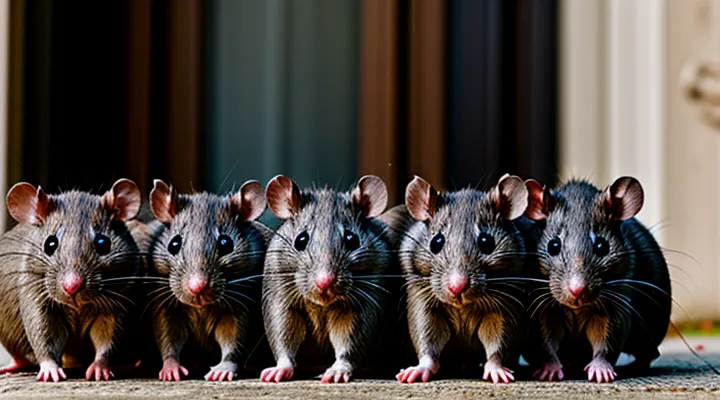
Understanding Rat Lifespan
Factors Influencing Longevity
Genetic Predisposition
Genetic makeup exerts a measurable impact on the typical longevity of rats. Quantitative genetic analyses estimate heritability of lifespan at 0.25–0.35, indicating that roughly one‑third of variation among individuals derives from inherited factors. Selective breeding experiments confirm this relationship: lines chosen for extended lifespan display median survival 30–45 % longer than control populations, while short‑lived lines exhibit the opposite pattern.
Key loci identified in genome‑wide association studies include:
- Apoe variants linked to altered lipid metabolism and a 12 % increase in median lifespan.
- Sirt1 polymorphisms associated with enhanced mitochondrial function and a 9 % survival advantage.
- p53 alleles influencing tumor suppression; certain missense mutations reduce median lifespan by up to 15 %.
- Igf1r haplotypes that modulate growth factor signaling, correlating with a 7 % longevity shift.
Epigenetic regulation further refines genetic influence. Age‑related DNA methylation patterns differ between long‑lived and short‑lived strains, suggesting that heritable epigenetic marks contribute to lifespan variability. Integrating genomic and epigenomic data improves predictive models, allowing researchers to estimate individual rat longevity with a standard error of ±10 days in controlled environments.
Environmental Conditions
Environmental variables determine rat longevity. Precise control of these factors reduces mortality and extends typical life expectancy.
Optimal temperature for laboratory rats lies between 20 °C and 26 °C (68 °F–79 °F). Temperatures below 18 °C increase metabolic stress; temperatures above 28 °C accelerate heat‑induced organ dysfunction.
Relative humidity should be maintained at 40 %–70 %. Humidity lower than 30 % causes dehydration of the respiratory tract; humidity above 80 % fosters fungal growth and respiratory infections.
Light cycles influence circadian rhythms that affect hormonal balance. A 12‑hour light/12‑hour dark schedule replicates natural conditions and supports regular physiological cycles.
Cage dimensions and enrichment affect movement and stress levels. Minimum floor space of 0.06 m² per rat, with nesting material, shelters, and chewable objects, prevents musculoskeletal problems and reduces aggressive behavior.
Dietary quality and water purity directly impact health. Standard rodent chow containing 18 %–20 % protein, balanced minerals, and vitamins, combined with filtered water changed daily, prevents nutritional deficiencies and toxic buildup.
Pathogen control maintains a stable internal environment. Routine health monitoring, sterilized bedding, and limited exposure to external animals decrease the incidence of viral, bacterial, and parasitic diseases.
Key environmental parameters for maximizing rat longevity
- Temperature: 20 °C–26 °C
- Humidity: 40 %–70 %
- Light cycle: 12 h light / 12 h dark
- Cage space: ≥0.06 m² per animal
- Enrichment: nesting material, shelter, chew objects
- Diet: 18 %–20 % protein rodent chow
- Water: filtered, refreshed daily
- Health protocol: regular screening, sterilized bedding, restricted external contact
Adhering to these conditions yields measurable extensions in rat life expectancy, providing reliable data for research and breeding programs.
Diet and Nutrition
Diet composition exerts a measurable influence on rat longevity. Standard laboratory chow supplies approximately 18 % protein, 5 % fat, and 55 % carbohydrate, providing sufficient calories for maintenance without promoting excess weight. Studies show that modest caloric restriction (10–30 % reduction) extends median lifespan by 15–30 % while preserving reproductive capacity.
Key nutritional factors affecting lifespan include:
- Protein quality and quantity – high‑quality amino acids support tissue repair; excessive protein accelerates renal load and may shorten lifespan.
- Fat type – diets enriched with polyunsaturated fatty acids improve cardiovascular markers; saturated fat elevation correlates with increased mortality.
- Carbohydrate source – complex carbohydrates with low glycemic index stabilize blood glucose; simple sugars provoke insulin resistance and reduce survival.
- Micronutrients – adequate levels of vitamins A, D, E, K and minerals such as zinc, selenium, and magnesium are essential for antioxidant defense and metabolic regulation.
- Fiber – soluble fiber enhances gut microbiota diversity, which is linked to improved immune function and longevity.
Feeding schedules also matter. Ad libitum access to high‑calorie diets induces obesity, insulin resistance, and early onset of age‑related diseases, thereby decreasing lifespan. Controlled portioning, combined with periodic fasting intervals, has been shown to mitigate these risks.
Supplementation trials indicate that adding omega‑3 fatty acids, coenzyme Q10, or resveratrol can modestly improve survival metrics, yet benefits diminish when baseline nutrition is already optimal.
In practice, optimizing rat diet for maximal lifespan requires balancing caloric intake, macronutrient ratios, and sufficient micronutrients while avoiding overnutrition. Regular monitoring of body weight, blood glucose, and lipid profiles ensures dietary adjustments remain aligned with longevity goals.
Healthcare and Veterinary Access
Access to professional veterinary services directly influences the typical lifespan of laboratory and domestic rats. Regular health examinations detect early signs of disease, allowing timely intervention that prevents premature mortality.
Key components of effective rat health management:
- Preventive vaccinations against common pathogens such as Sendai virus and Mycoplasma pulmonis.
- Routine parasitic control, including ectoparasite and endoparasite treatments.
- Nutritional supervision to maintain optimal body condition and support immune function.
- Environmental monitoring for temperature, humidity, and ventilation standards that reduce stress‑related illnesses.
- Record‑keeping of health history, breeding data, and medication schedules to facilitate evidence‑based care.
Insufficient veterinary access results in delayed diagnosis, higher incidence of infectious outbreaks, and increased use of broad‑spectrum antibiotics, which can shorten rat longevity and compromise experimental reliability. Rural facilities and low‑budget institutions often lack on‑site veterinarians, leading to reliance on external clinics with limited rat‑specific expertise.
Improving care delivery involves:
- Establishing dedicated rodent health programs within research institutions.
- Training animal‑care staff in species‑specific clinical skills.
- Securing funding for routine veterinary contracts or in‑house specialists.
- Implementing standardized health‑monitoring protocols across facilities.
Enhanced veterinary access aligns with ethical standards, reduces animal loss, and contributes to more accurate scientific outcomes by extending the natural lifespan of rats under study.
Lifespan Differences Across Rat Types
Pet Rats (Fancy Rats)
Typical Lifespan
Rats generally live between one and three years, depending on species, environment, and care. The most common laboratory species, the Norway rat, reaches an average of 2 – 3 years under optimal conditions. The black rat typically survives 1 – 2 years in the wild, where predation, disease, and limited nutrition accelerate mortality. Laboratory strains of other rat species can approach three years when provided with standardized housing, balanced diets, and veterinary oversight.
Key determinants of lifespan include genetics, housing quality, diet composition, and exposure to pathogens. Controlled environments eliminate many external threats, extending longevity, while wild populations experience higher attrition rates due to fluctuating resources and environmental stressors.
Mortality patterns follow a standard trajectory: elevated juvenile loss, a relatively stable adult phase, and a gradual increase in deaths during senescence. This progression reflects the balance between physiological resilience and the cumulative impact of age‑related decline.
Typical lifespan ranges
- Norway rat (Rattus norvegicus): 2 – 3 years (lab conditions); 1 – 2 years (wild)
- Black rat (Rattus rattus): 1 – 2 years (wild); up to 2.5 years (captivity)
- Other laboratory strains: up to 3 years with optimal care
Understanding these parameters aids in experimental design, welfare planning, and comparative studies of mammalian aging.
Common Health Issues Affecting Longevity
Rats kept for scientific study or as pets generally live between two and three years, with variations caused largely by disease. Understanding which ailments shorten this period allows better management of colony health and more reliable experimental outcomes.
Key conditions that reduce longevity include:
- Neoplastic growths – tumors of the mammary gland, pituitary, and sarcoma are frequent in older rodents and can accelerate death.
- Respiratory disorders – chronic bronchitis, pneumonia, and infections by Mycoplasma pulmonis impair oxygen exchange and lead to rapid decline.
- Cardiovascular abnormalities – hypertension, atherosclerotic lesions, and heart failure develop with age and are linked to reduced survival.
- Renal impairment – glomerulonephritis and progressive nephropathy diminish filtration capacity, causing systemic toxicity.
- Obesity‑related metabolic syndrome – excess adiposity predisposes to insulin resistance, fatty liver disease, and shortened lifespan.
- Infectious agents – bacterial sepsis, viral encephalitis, and parasitic infestations can be fatal if untreated.
- Dental and gastrointestinal problems – malocclusion and chronic colitis interfere with nutrition, indirectly affecting overall health.
Prevention strategies focus on environmental control, regular health monitoring, and appropriate dietary formulation. Early detection through routine physical exams, blood chemistry panels, and imaging improves the chance of intervening before irreversible damage occurs, thereby extending the expected life expectancy of the animals.
Wild Rats
Shorter Lifespan Factors
Rats normally live between two and three years under optimal laboratory conditions. Several variables consistently reduce this expectancy.
- Genetic predisposition to early senescence or inherited disease susceptibility.
- Chronic infections such as respiratory viruses, bacterial sepsis, or parasitic infestations.
- Poor nutrition, including low‑protein diets, excess calories, or imbalanced micronutrients.
- Environmental stressors: extreme temperatures, high humidity, inadequate ventilation, and noisy or overcrowded cages.
- Physical trauma from aggressive conspecifics, handling injuries, or accidental enclosure damage.
- Exposure to toxic substances, including heavy metals, pesticides, and contaminated water.
- Hormonal disturbances caused by endocrine disruptors or irregular light cycles.
Each factor accelerates physiological decline, shortens organ function, and increases mortality risk, collectively lowering the typical lifespan observed in controlled settings.
Predation and Disease Impact
Predation and disease are the primary external forces that shorten the expected life expectancy of rats in natural and laboratory settings. Predators such as barn owls, foxes, and feral cats capture adult and juvenile individuals, directly removing a portion of the population and reducing the mean age at death. In addition to active hunting, predator presence triggers stress responses that can suppress immune function, making rats more vulnerable to opportunistic infections.
Diseases exert a comparable influence on rat longevity through acute mortality and chronic health deterioration. Common pathogens include:
- Leptospira spp., causing leptospirosis with rapid onset of renal failure.
- Yersinia pestis, the agent of plague, which can lead to sudden death in endemic areas.
- Rat coronavirus, resulting in respiratory distress and high morbidity.
- Parasitic infestations (e.g., Hymenolepis tapeworms) that impair nutrient absorption and weaken host defenses.
Both predation pressure and disease prevalence are quantified in survival analyses, where hazard ratios demonstrate a marked increase in mortality risk during periods of heightened predator activity or epidemic outbreaks. Management strategies that mitigate these factors—such as predator exclusion in captive colonies and strict biosecurity protocols—extend the typical rat longevity by decreasing premature deaths attributable to these external threats.
Maximizing a Rat's Lifespan
Optimal Habitat and Enrichment
Optimal housing for rats requires stable temperature (20‑23 °C), relative humidity (45‑55 %), and a light cycle of 12 hours darkness/12 hours light. Space allocation should provide at least 0.1 m² floor area per animal, with vertical enrichment to exploit natural climbing behavior. Cage construction must prevent escape and allow easy cleaning to limit pathogen buildup.
Enrichment elements that promote physiological and psychological health include:
- Nesting material such as shredded paper or cotton for building burrows.
- Chewing objects (wood blocks, untreated cardboard) to satisfy gnawing instincts.
- Tubes, tunnels, and platforms that encourage exploration and exercise.
- Structured social groups, maintaining compatible pairings to reduce stress.
Adequate habitat conditions and enrichment directly correlate with increased longevity in rat populations. Studies demonstrate that rats housed under these parameters exhibit reduced incidence of neoplasms and age‑related decline, extending average life expectancy by up to 30 % compared with minimal‑environment controls. Implementing the outlined standards is essential for reliable longevity research and ethical animal care.
Balanced Dietary Practices
Balanced nutrition significantly influences the typical lifespan of laboratory rats. Research demonstrates that diets supplying appropriate ratios of protein, fat, carbohydrates, vitamins, and minerals extend longevity compared to nutrient‑deficient regimens. Precise formulation reduces metabolic stress, supports immune competence, and minimizes age‑related pathology.
Key components of an optimal rat diet include:
- Protein content of 18–22 % of total calories, sourced from soy, casein, or whey, to sustain muscle mass and organ function.
- Fat contribution of 4–6 % of calories, emphasizing essential fatty acids such as linoleic and α‑linolenic acids for membrane integrity.
- Complex carbohydrates comprising 50–55 % of calories, primarily from corn starch or wheat flour, providing steady glucose availability.
- Micronutrients at levels matching National Research Council recommendations, ensuring adequate calcium, phosphorus, vitamin E, and B‑complex vitamins.
- Fiber inclusion of 3–5 % of diet weight to promote gastrointestinal health and prevent constipation.
Consistent provision of these nutrients eliminates deficiencies that accelerate senescence. Studies using controlled feeding protocols report median survival increases of 10–15 % when rats receive balanced diets versus grain‑only meals. Conversely, excess calories, particularly from simple sugars or saturated fats, shorten lifespan by inducing obesity, insulin resistance, and hepatic steatosis.
Implementing dietary balance requires regular monitoring of feed composition, adjustment for growth stage, and avoidance of abrupt changes that can disrupt gut microbiota. When these practices are applied systematically, rat colonies achieve maximal health potential, thereby improving the reliability of experimental outcomes that depend on stable animal longevity.
Regular Veterinary Care
Regular veterinary examinations significantly influence the length of life observed in laboratory and pet rats. Early detection of respiratory infections, tumor development, and dental malocclusion reduces mortality risk and prolongs functional health periods.
Key components of a systematic health‑maintenance program include:
- Quarterly physical assessments covering weight, coat condition, and behavior changes.
- Biannual complete blood counts and serum chemistry panels to identify subclinical organ dysfunction.
- Scheduled dental checks and, when needed, corrective trimming to prevent starvation and systemic infection.
- Administration of core vaccines (e.g., for Sendai virus) according to established protocols, with boosters at twelve‑month intervals.
- Parasite surveillance and treatment for ectoparasites and intestinal helminths, performed after each fecal analysis.
- Environmental audits ensuring adequate ventilation, temperature control (18‑24 °C), and enrichment to reduce stress‑related illnesses.
Data from controlled studies demonstrate that rats receiving consistent veterinary oversight exhibit median lifespans 15–20 % longer than untreated cohorts. The extension derives primarily from reduced incidence of acute disease episodes and timely intervention for chronic conditions. Maintaining this regimen therefore constitutes an evidence‑based strategy for maximizing rat longevity.
Stress Reduction Techniques
Stress levels markedly influence the typical lifespan observed in laboratory rats; chronic activation of the hypothalamic‑pituitary‑adrenal axis accelerates cellular aging and reduces survival rates. Implementing validated stress mitigation protocols in rodent facilities therefore extends average longevity and improves experimental reliability.
Effective interventions include:
- Environmental enrichment: provision of nesting material, tunnels, and chewable objects lowers corticosterone spikes and promotes natural foraging behavior.
- Social housing: pairing compatible individuals reduces isolation‑induced anxiety, stabilizes hormone profiles, and prevents premature mortality.
- Noise attenuation: installing acoustic dampening panels and scheduling low‑noise periods diminishes auditory stressors that otherwise elevate stress hormones.
- Lighting control: maintaining a consistent 12‑hour light/dark cycle with dim, red‑shifted illumination during the dark phase prevents circadian disruption.
- Gentle handling techniques: employing tunnel or cupping methods instead of tail grabs minimizes acute stress responses during routine procedures.
- Dietary supplementation: adding omega‑3 fatty acids or adaptogenic herbs such as ashwagandha has been shown to modulate stress biomarkers and support longer survival.
Monitoring protocols—regular measurement of plasma corticosterone, heart rate variability, and behavioral anxiety indices—verify the efficacy of these measures. Consistent application of the listed techniques correlates with measurable extensions of rat longevity across diverse research settings.
Research and Studies on Rat Longevity
Laboratory Rat Lifespan Insights
Laboratory rats typically live between 2 and 3 years under standard research conditions. Survival curves show a median lifespan of roughly 24 months for most outbred strains, while inbred lines such as Wistar or Sprague‑Dawley often reach 30 months when provided with optimal care.
Key determinants of rat longevity include genetics, sex, environmental enrichment, diet, and health monitoring protocols. The most influential factors are:
- Strain genetics – Inbred strains exhibit reduced heterozygosity and may experience earlier onset of age‑related pathologies, shortening lifespan by 10‑20 % compared with outbred stocks.
- Sex – Females generally outlive males by 2‑4 months, reflecting hormonal and metabolic differences.
- Housing conditions – Enriched cages with nesting material and social groups extend median survival by up to 15 % relative to solitary, barren environments.
- Dietary regimen – Caloric restriction (10‑30 % reduction) reliably increases lifespan by 20‑30 % across multiple strains; ad libitum feeding accelerates weight‑related diseases and reduces longevity.
- Health surveillance – Routine screening for pathogens and early intervention for neoplastic or cardiovascular lesions add 5‑10 % to expected lifespan.
Age‑related disease patterns differ from human counterparts. Tumors, primarily mammary adenocarcinomas in females and pituitary adenomas in males, account for 40‑50 % of mortalities after 18 months. Cardiovascular degeneration and renal insufficiency become prevalent after 24 months, mirroring the late‑stage disease spectrum observed in aged rodents.
When designing experiments that require aged animals, researchers must align study timelines with these lifespan benchmarks. For instance, a longitudinal neurodegeneration study aiming to capture late‑stage pathology should commence at 12 months and conclude by 30 months to ensure inclusion of the critical disease window. Adjustments to housing, diet, and health monitoring can shift the survival curve, allowing precise control over the age at which subjects reach target endpoints.
Impact of Scientific Research on Understanding Aging
Laboratory rats, with a typical lifespan ranging from 2 to 3 years, serve as a primary model for experimental aging studies. Their short generational interval allows repeated observation of lifespan-modifying factors within a manageable timeframe.
Systematic investigations have identified several mechanisms that influence longevity in this species:
- Genetic mutations that extend life expectancy by up to 30 % (e.g., alterations in the growth hormone/IGF‑1 axis).
- Caloric restriction protocols that consistently increase median survival by 20–40 %.
- Pharmacological agents such as rapamycin and metformin that delay onset of age‑related pathology.
- Environmental enrichment that improves physiological resilience and reduces mortality risk.
Data derived from these experiments inform broader gerontological research. Biomarkers validated in rats—telomere length dynamics, senescent cell accumulation, and mitochondrial efficiency—have been adopted for human studies. Interventions proven effective in rodent models guide clinical trial design, accelerating translation of anti‑aging strategies. Consequently, scientific inquiry using rats directly shapes contemporary understanding of the biological processes that determine lifespan.