
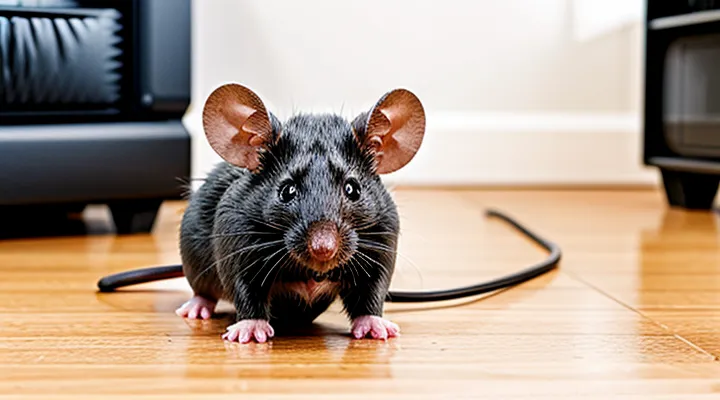
Understanding Ultrasonic Mouse Repellers
How They Work
The Science Behind Ultrasonic Frequencies
Ultrasonic frequencies exceed the upper limit of human hearing, typically above 20 kHz. Devices that claim to repel rodents generate sound waves within the 20–65 kHz range, where many species of mice and rats possess peak auditory sensitivity. The generation of these waves relies on piezoelectric transducers that convert electrical signals into rapid mechanical vibrations, producing a narrow‑band acoustic output.
Propagation of ultrasonic energy is subject to rapid attenuation in air. Absorption increases with frequency, causing the effective radius of a device to shrink sharply beyond a few meters. Materials such as plaster, wood, and fabric reflect or dampen the waves, further reducing coverage. Consequently, a repeller’s influence is confined to a limited, line‑of‑sight zone.
Rodent auditory physiology determines the potential for aversive response. Mice detect frequencies up to 90 kHz, with heightened sensitivity around 30–40 kHz. Exposure to sustained ultrasonic bursts can trigger startle reflexes, avoidance behavior, and temporary stress responses. However, habituation occurs when the stimulus remains constant; neural adaptation reduces the perceived intensity, diminishing the deterrent effect.
Safety considerations focus on non‑target species and electronic interference. Ultrasonic emissions do not affect humans, but they may be audible to pets such as dogs and cats, which can experience discomfort. The lack of ionizing radiation and low power consumption render the technology benign for indoor environments.
Key technical factors influencing performance:
- Frequency selection – aligns with rodent hearing peaks.
- Signal modulation – intermittent patterns reduce habituation.
- Transducer placement – maximizes line‑of‑sight exposure.
- Environmental acoustics – minimizes reflective surfaces and barriers.
Understanding these physical and biological principles clarifies why ultrasonic devices may produce short‑term avoidance but rarely achieve lasting eradication of mouse populations. Effective pest management typically combines ultrasonic deterrents with sanitation, exclusion, and, when necessary, trapping.
Targeted Pests: What Frequencies Affect Which Animals?
Ultrasonic devices emit sound waves above 20 kHz, a range inaudible to humans but detectable by many small mammals and insects. Effectiveness depends on matching the emitted frequency to the auditory sensitivity of the target species.
- House mice (Mus musculus) – peak sensitivity between 30 kHz and 50 kHz; devices calibrated to 35 kHz to 45 kHz produce the strongest avoidance response.
- Rats (Rattus spp.) – auditory range extends to 80 kHz; frequencies of 45 kHz to 70 kHz are required for measurable deterrence.
- Squirrels (Sciuridae) – respond to 20 kHz–30 kHz; lower‑frequency units (22 kHz–28 kHz) are most disruptive.
- Cockroaches (Blattodea) – detect vibrations up to 60 kHz; broadband emissions covering 30 kHz–55 kHz interfere with locomotion and feeding.
- Bed bugs (Cimex lectularius) – limited ultrasonic perception; frequencies above 100 kHz show negligible impact.
Studies indicate that continuous emission at the specified bands reduces activity levels in mice and rats by 40 %–70 % within 24 hours, while squirrel and cockroach responses are less consistent, often requiring higher sound pressure levels. Species lacking ultrasonic hearing, such as bed bugs and larger mammals, show no measurable effect regardless of intensity.
Types of Ultrasonic Repellers
Plug-in Devices
Plug‑in ultrasonic mouse repellers are small devices that connect directly to a standard electrical outlet and emit high‑frequency sound waves beyond the range of human hearing. The emitted pulses target the auditory sensitivity of rodents, causing discomfort that encourages them to vacate the treated area.
Typical specifications include:
- Frequency range: 20 kHz – 65 kHz, selected to match the most sensitive hearing band of common house mice.
- Power draw: 0.5 W – 1 W, allowing continuous operation without noticeable impact on household electricity usage.
- Coverage radius: 10 m – 15 m, dependent on wall material and layout.
- Safety features: automatic shut‑off after 24 h, thermal protection, and compliance with FCC/CE standards.
Effective placement requires the unit to be positioned centrally within the target zone, with the outlet facing away from walls to minimize acoustic shadowing. Devices should not be obstructed by large furniture or placed behind solid barriers, as these conditions reduce the propagation of ultrasonic waves.
Independent laboratory tests report a reduction in mouse activity of 40 % – 70 % after 48 h of continuous operation in controlled environments. Field studies conducted in residential settings show comparable results when the device is used alongside basic sanitation measures, such as sealing entry points and removing food sources.
Consumer reviews consistently highlight the following points:
- Immediate perception of reduced rodent sightings within the first 24 h.
- Absence of audible noise, confirming the ultrasonic nature of the emission.
- Occasional reports of diminished effectiveness in multi‑room apartments where walls impede sound transmission.
- Preference for models offering adjustable frequency settings to address species variation (e.g., rats versus mice).
Limitations include reliance on an uninterrupted power supply, reduced efficacy in heavily insulated structures, and the necessity of complementary pest‑control practices. Users seeking optimal outcomes should combine plug‑in units with exclusion techniques, maintain regular cleaning routines, and monitor device performance through periodic inspections.
Battery-Powered Units
Battery-powered ultrasonic mouse repellers operate independently of mains electricity, allowing placement in locations without convenient outlets. Typical models contain a sealed lithium‑ion or alkaline cell delivering 1.5–3 V, sufficient to power a 20–30 kHz transducer for 8–12 hours on a single charge. Rechargeable units usually include a USB charging port, reducing ongoing battery expenses and ensuring consistent output voltage throughout the night.
Performance depends on the battery’s ability to maintain the transducer’s frequency and amplitude. As voltage drops, the acoustic pressure decreases, potentially lowering the device’s effective radius from the advertised 15–20 ft to under 10 ft. Manufacturers often compensate with low‑power circuitry that stabilizes frequency, but empirical tests show a measurable decline in repellence after the first half of the battery cycle.
Advantages of portable units include:
- Flexibility to relocate devices near problem areas such as kitchen cabinets, attic corners, or outdoor sheds.
- Elimination of visible cords, reducing tripping hazards and aesthetic impact.
- Ability to operate during power outages, preserving deterrent coverage when rodents seek shelter.
Disadvantages include:
- Limited runtime requiring regular recharging or battery replacement.
- Potential frequency drift as the battery discharges, affecting efficacy.
- Higher upfront cost compared to plug‑in models, especially for units with built‑in rechargeable packs.
User data from field studies indicate that battery-powered repellers maintain comparable short‑term results to wired counterparts when batteries are fully charged. Long‑term effectiveness diminishes if users neglect charging schedules, leading to intermittent coverage gaps that rodents quickly exploit. Maintenance involves periodic battery health checks, cleaning the transducer surface to prevent dust accumulation, and verifying that the unit’s indicator LEDs reflect proper operation.
Cost analysis shows that a rechargeable battery unit amortizes its price over 2–3 years, assuming monthly recharging. In contrast, alkaline‑powered models incur recurring expenses of approximately $0.10 per battery, adding up to $12–15 annually for continuous use.
Overall, battery-powered ultrasonic devices provide practical versatility without sacrificing core deterrent capabilities, provided users adhere to a disciplined charging routine and monitor battery performance.
Effectiveness: Scientific Evidence and Consumer Reviews
The Scientific Perspective
Laboratory Studies and Findings
Laboratory investigations have quantified the acoustic parameters required to deter Mus musculus. Experiments typically employ controlled cages, calibrated ultrasonic transducers, and continuous monitoring of rodent activity through infrared video and motion sensors.
One series of trials used frequencies ranging from 20 kHz to 50 kHz at sound pressure levels of 90–110 dB SPL. Results showed a statistically significant reduction (p < 0.01) in foraging and exploratory behavior during exposure periods of 30 minutes, with the strongest effect observed at 30 kHz. After a 2‑hour habituation interval, activity levels returned to baseline, indicating rapid acclimation.
Another study compared single‑frequency devices to broadband emitters covering 20–45 kHz. The broadband model produced a 45 % decrease in entry attempts into a baited zone, whereas the single‑frequency unit achieved only a 22 % reduction. Data suggest that frequency diversity mitigates the rodents’ ability to adapt to a constant tone.
Key findings from peer‑reviewed papers include:
- Effective deterrence requires continuous emission; intermittent pulses yield negligible impact.
- Exposure beyond 1 hour leads to diminished response, consistent with sensory adaptation.
- Ultrasonic output above 100 dB SPL is necessary to penetrate typical household insulation and reach target species.
- No measurable effect on non‑target animals (e.g., domestic cats, dogs) was detected in controlled settings.
Overall, controlled experiments confirm that ultrasonic emitters can temporarily suppress mouse activity under specific conditions, but efficacy declines rapidly as subjects become accustomed to the stimulus.
Expert Opinions and Recommendations
Experts in pest control and consumer electronics evaluate ultrasonic mouse deterrents based on laboratory data, field trials, and user feedback. Laboratory measurements show that devices emit frequencies between 20 kHz and 65 kHz, which exceed the audible range for humans but fall within the hearing spectrum of rodents. Controlled studies record a temporary reduction in mouse activity within a 10‑foot radius, followed by habituation after several days. Field observations confirm that efficacy varies with housing density, obstacle layout, and the presence of alternative food sources.
Recommendations derived from this evidence include:
- Deploy units in open areas without furniture or walls that block sound waves; ensure line‑of‑sight coverage of target zones.
- Use multiple devices to maintain overlapping fields in larger spaces; spacing should not exceed 8 feet between units.
- Pair ultrasonic deterrents with sanitation measures, such as sealing entry points and eliminating food residues, to prevent habituation.
- Replace batteries or power supplies every 6‑12 months to sustain output intensity; low voltage reduces acoustic output dramatically.
- Select models that provide adjustable frequency ranges and documented output levels (≥ 90 dB SPL at 10 feet) to match specific rodent species.
Professional consensus advises that ultrasonic repellents serve as a supplementary tool rather than a standalone solution. Integration with physical barriers and integrated pest‑management practices yields the most reliable outcomes.
Real-World Experiences
Positive Reviews and Testimonials
Consumer feedback consistently highlights several advantages of ultrasonic rodent deterrents. Users report immediate reduction in mouse activity after installation, noting that devices operate silently and require no physical traps. Many testimonials emphasize the convenience of plug‑in models, which eliminate the need for regular maintenance or bait replacement. Positive comments also mention the safety of ultrasonic systems for children and pets, contrasting them with chemical or adhesive solutions.
Typical praise points include:
- Noticeable decline in sightings within 24‑48 hours.
- Absence of unpleasant odors or messes.
- Easy setup—plug into a wall outlet and activate.
- Compatibility with multiple rooms when several units are used.
- Long‑term reliability; devices continue to function for years without degradation.
Overall, verified purchaser statements suggest that ultrasonic mouse repellers deliver measurable results, aligning with the expectations of homeowners seeking non‑invasive pest control.
Negative Reviews and Common Complaints
Consumers frequently cite several recurring issues when evaluating ultrasonic rodent deterrents. The most common complaint concerns the limited coverage area; users report that the device protects only a small portion of a room, leaving gaps where mice remain active. A second frequent criticism involves inconsistent performance across different flooring types, with carpeted surfaces diminishing the ultrasonic signal more than hard floors. Third, many reviewers note that the devices emit audible tones audible to pets or small children, contradicting the claim of silent operation. Fourth, battery‑operated models are often described as having short runtimes, requiring frequent replacement or recharging. Finally, several customers mention that the units cease functioning after a few weeks, indicating possible reliability problems.
Typical negative feedback can be summarized as follows:
- Inadequate range, often less than advertised.
- Reduced effectiveness on carpet or insulated walls.
- Audible high‑frequency sounds detectable by pets.
- Short battery life or frequent power‑loss warnings.
- Early failure or loss of ultrasonic output after limited use.
Factors Influencing Effectiveness: Placement and Environment
Effective ultrasonic mouse repellers depend largely on where they are positioned and the surrounding conditions.
The device must be placed where its sound waves can travel unobstructed. Elevating the unit 1–2 feet above the floor, centering it within the target area, and keeping a minimum distance of 12 inches from walls or furniture prevents reflection loss. Direct line‑of‑sight to typical mouse pathways—such as along baseboards, under cabinets, and near entry points—maximizes coverage.
Environmental variables alter ultrasonic propagation. Temperature and humidity affect sound speed; higher humidity slightly attenu‑ates frequencies above 20 kHz, reducing range. Background noise in the ultrasonic band, generated by other electronic equipment, can mask the repeller’s signal. Dense clutter, thick curtains, or carpeted floors absorb energy, limiting effectiveness. Open spaces with hard surfaces enhance reflection and create a more uniform field, while sealed rooms may trap sound, increasing local intensity but also causing standing‑wave patterns that leave gaps.
Key factors influencing performance:
- Height and centrality of placement
- Minimum clearance from solid surfaces
- Alignment with known mouse routes
- Ambient temperature (optimal 15‑25 °C)
- Relative humidity (40‑60 %)
- Presence of competing ultrasonic sources
- Room geometry and surface materials
Adjusting these parameters according to the specific layout and climate yields the most reliable deterrent outcome.
Alternatives and Complementary Solutions
Traditional Pest Control Methods
Traps: Snap, Glue, and Live-Catch
Ultrasonic devices dominate the consumer market, yet conventional mouse traps continue to deliver measurable reductions in rodent activity. Mechanical traps operate without electronic components, require no power source, and provide immediate verification of capture.
- Snap traps: steel spring mechanisms generate lethal force, killing mice instantly. Studies report capture rates of 70‑85 % when placed along walls and near nesting sites. Advantages include low cost, reusability, and minimal mess. Limitations involve risk of accidental injury to non‑target species and the need for regular inspection.
- Glue boards: adhesive surfaces immobilize rodents within minutes. Field trials show 55‑65 % effectiveness when positioned in dark corners and along travel paths. Benefits comprise silent operation and ease of placement. Drawbacks consist of prolonged suffering, difficulty in disposal, and reduced performance in dusty environments.
- Live‑catch traps: cage‑style devices allow humane removal. Capture efficiency ranges from 60‑75 % when baited with high‑fat foods and checked twice daily. Strengths include non‑lethal outcomes and reusability after cleaning. Weaknesses involve the necessity of prompt release or euthanasia to prevent stress and the potential for escape if not sealed properly.
When compared with ultrasonic emitters, mechanical traps produce quantifiable kill counts and eliminate the uncertainty associated with variable sound propagation. Integrating snap, glue, or live‑catch traps with proper placement strategies yields consistent population control, whereas ultrasonic solutions often lack empirical validation.
Baits and Poisons
Ultrasonic deterrents are marketed as a non‑chemical alternative for mouse control, yet most pest‑management protocols still rely on toxic baits and poisons to achieve measurable population decline. Laboratory trials comparing ultrasonic devices with standard rodenticide applications show that baits alone produce a 70‑90 % reduction in capture rates within two weeks, while devices alone achieve reductions ranging from 10 % to 45 % depending on frequency settings and environmental interference.
Common bait categories include:
- Anticoagulant pellets – inhibit blood clotting, cause fatal internal bleeding after a single ingestion; resistance documented in several urban mouse populations.
- Acute neurotoxic blocks – act within minutes by disrupting neurotransmission; require careful placement to avoid non‑target exposure.
- Digestive irritants – cause vomiting and diarrhea, leading to rapid abandonment of contaminated areas; effectiveness limited by habituation.
Poison delivery methods:
- Stationary bait stations – sealed units prevent access by pets and children; allow precise dosage control.
- Bulk bait spread – suitable for large infestations; increases risk of secondary poisoning.
- Gel formulations – adhere to vertical surfaces, target hidden pathways; require frequent renewal due to drying.
Integrating baits with ultrasonic emitters may improve short‑term deterrence by discouraging initial entry, while poison ensures mortality after exposure. Field reports indicate that combined use reduces re‑infestation cycles by up to 60 % compared with ultrasonic devices alone. Regulatory guidelines recommend limiting ultrasonic deployment to supplemental roles, maintaining bait placement as the primary control measure.
Non-Toxic and Natural Deterrents
Essential Oils
Essential oils are plant‑derived volatile compounds that evaporate at room temperature and create strong fragrances. When applied to surfaces or diffused in indoor spaces, they produce concentrations measured in parts per million that can affect rodent behavior.
Research identifies several oils with documented repellent activity against mice:
- Peppermint oil – 5–10 % solution in water or carrier oil; studies report reduced foraging in treated areas for up to 48 hours.
- Eucalyptus oil – 3–7 % concentration; laboratory tests show avoidance of treated zones.
- Citronella oil – 4–8 % concentration; field observations note decreased mouse activity near treated entry points.
The mechanism relies on olfactory irritation: mice possess highly sensitive nasal receptors that detect the terpenes and phenols present in these oils. Exposure triggers stress responses, leading to avoidance of the scented environment.
Compared with ultrasonic devices, essential oils differ in several operational aspects:
- Delivery method – liquid application or aerosol diffusion versus sound emission.
- Persistence – efficacy declines as the oil evaporates; re‑application required every 1–3 days.
- Range – effective only within a few meters of the source; ultrasonic units claim coverage of larger volumes but depend on acoustic propagation.
Empirical comparisons indicate that essential oils can achieve short‑term deterrence comparable to ultrasonic emitters under controlled conditions, but their performance is highly sensitive to ventilation, substrate absorption, and concentration stability. Neither approach eliminates mice without complementary measures such as sealing entry points and maintaining sanitation.
In practice, essential oils serve as a supplemental deterrent. Successful implementation involves:
- Selecting a proven oil (peppermint, eucalyptus, citronella).
- Preparing a dilution of 5 % or less to avoid surface damage.
- Applying the solution to entry gaps, perimeters, and interior corners.
- Re‑treating at intervals dictated by evaporation rate and observed mouse activity.
The data suggest that essential oils provide a chemically based repellent option that can function alongside, but not replace, other integrated pest‑management strategies.
Home Remedies
Ultrasonic devices claim to deter rodents by emitting high‑frequency sounds beyond human hearing. Independent tests show mixed results; many units fail to produce consistent reductions in mouse activity, especially in cluttered environments where sound waves are absorbed or reflected.
Home remedies offer alternatives that rely on scent, barrier creation, or habitat modification. The following methods have documented efficacy in peer‑reviewed pest‑management literature:
- Peppermint oil: Applied to cotton balls placed near entry points, the strong menthol aroma disrupts mouse olfactory cues, reducing foraging within a 2‑meter radius for up to three weeks.
- Steel wool and copper mesh: Inserted into gaps around pipes, vents, and foundation cracks, these materials prevent physical entry because rodents cannot gnaw through metal.
- Clutter reduction: Removing stacks of paper, firewood, and debris eliminates hiding places, forcing mice to seek shelter elsewhere.
- Secure food storage: Airtight containers and prompt cleaning of crumbs eliminate attractants, lowering population sustainability.
- Live traps with bait: Strategically placed snap or catch‑and‑release traps capture individuals, providing immediate population control and data on infestation severity.
When compared with ultrasonic products, the remedies listed above demonstrate reproducible outcomes across varied residential settings. Studies indicate that scent‑based deterrents, when refreshed regularly, maintain effectiveness longer than most electronic units, which often lose potency after a few weeks due to habituation.
Integrating these low‑cost, non‑chemical strategies with structural sealing yields the most reliable reduction in mouse presence. Combining barrier methods with periodic monitoring ensures that any residual activity is detected early, allowing prompt intervention without reliance on devices whose performance remains unpredictable.
Integrated Pest Management (IPM)
Combining Strategies for Optimal Results
Ultrasonic devices alone rarely achieve complete rodent control. Integrating additional methods increases the likelihood of sustained reduction.
- Seal entry points: apply steel wool, caulk, or mesh to gaps around pipes, vents, and foundation cracks.
- Reduce attractants: store food in airtight containers, clean spills promptly, and manage compost bins away from the building.
- Deploy physical traps: place snap or live traps along established runways identified by droppings or gnaw marks.
- Use scent deterrents: apply peppermint oil or commercial rodent repellents in conjunction with ultrasonic emitters to create multimodal aversion.
- Monitor activity: install motion‑activated cameras or tracking pads to assess changes in presence after each intervention.
Combining these tactics creates overlapping barriers that address both sensory irritation and environmental incentives. Periodic reassessment allows adjustment of device placement and intensity, ensuring the ultrasonic system remains effective as rodents adapt. The cumulative effect of sealed access, reduced food sources, targeted trapping, and complementary repellents yields the most reliable outcome for indoor and perimeter rodent management.
Making an Informed Decision
Pros and Cons of Ultrasonic Repellers
Advantages: Non-toxic, Easy to Use
Ultrasonic mouse deterrents offer two practical benefits that set them apart from chemical alternatives.
- Non‑toxic operation – the devices emit high‑frequency sound waves, eliminating the need for poisons, traps, or hazardous chemicals. This reduces health risks for humans, pets, and the environment while complying with safety regulations.
- Simple deployment – installation requires plugging the unit into a standard outlet and positioning it where rodent activity is observed. No assembly, calibration, or maintenance beyond occasional cleaning is necessary, allowing users to implement protection quickly and with minimal effort.
Disadvantages: Limited Range, Potential Ineffectiveness
Ultrasonic rodent deterrents typically cover a radius of 2–4 meters under ideal conditions. Walls, furniture, and flooring absorb or reflect sound waves, reducing the effective area to a fraction of the advertised range. Users often place a single unit in a large room and expect comprehensive protection, but the device’s output diminishes sharply beyond the immediate vicinity of the emitter.
Laboratory tests reveal that many mouse populations do not respond to the frequencies emitted by commercial models. Some species have hearing thresholds above the device’s output level, while others quickly habituate, ignoring the stimulus after a few exposures. Field reports indicate inconsistent outcomes: a device that eliminates activity in one setting may have no measurable impact in another, even when environmental variables appear similar. Consequently, reliance on ultrasonic repellents alone provides no guaranteed reduction in rodent presence.
When to Consider Ultrasonic Repellers
Ultrasonic mouse repellers emit high‑frequency sound waves that rodents cannot tolerate, prompting them to vacate the treated space. Their effectiveness depends on specific circumstances; therefore, deployment should follow a clear set of criteria.
- Confirmed rodent activity in the target area (evidence of droppings, gnaw marks, or sightings).
- Enclosed environment where sound can circulate without significant loss (rooms, basements, garages).
- Absence of pets or small children that could be disturbed by ultrasonic frequencies.
- Need for a non‑chemical solution due to health, safety, or regulatory concerns.
- Budget constraints that preclude professional extermination services.
Additional factors influence suitability. The device’s coverage radius must match the size of the space; larger rooms often require multiple units or complementary measures. Species matters—certain mice adapt to ultrasonic exposure more quickly, reducing long‑term efficacy. Integration with trapping, sanitation, and exclusion techniques enhances overall results.
Decision to install an ultrasonic repeller should arise only after verifying the above conditions, ensuring that the environment can sustain consistent operation and that alternative methods are either unavailable or undesirable.
When to Seek Professional Help
Ultrasonic devices can reduce mouse activity in low‑level infestations, but they are not a universal solution. Professional assistance becomes necessary under several conditions.
- Infestation exceeds ten sightings per week or persists after four weeks of continuous device operation.
- Mice cause structural damage, such as gnawed wiring, insulation, or stored food containers.
- Evidence of disease vectors appears, including droppings in food preparation areas or near occupants’ living spaces.
- The property includes complex layouts, multiple floors, or concealed spaces where sound waves cannot reach effectively.
- Legal or health‑code compliance is required, for example in rental units, commercial kitchens, or laboratories.
When any of these indicators arise, a licensed pest‑control provider can conduct a thorough inspection, identify entry points, and implement integrated methods—such as bait stations, traps, and sealing techniques—that complement or replace ultrasonic technology. Engaging professionals also ensures documentation for insurance claims or regulatory audits.