
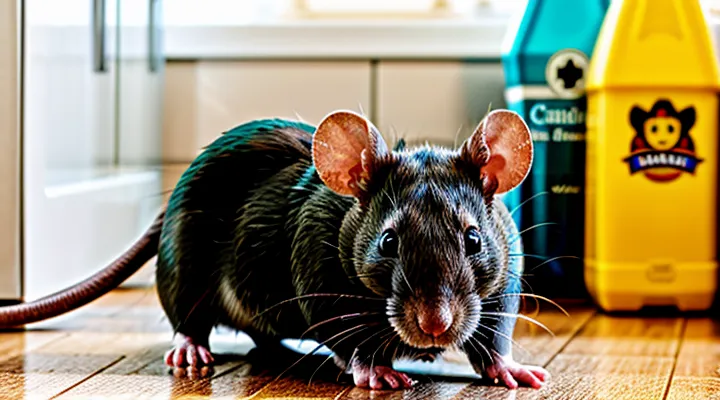
The Perception of Rats: A Cultural Overview
Historical Perspectives on Rats
Rats have appeared in human narratives for millennia, shaping perceptions of their hygiene. Archaeological findings reveal that ancient Mesopotamian tablets recorded rat infestations in grain storage, linking rodents to spoilage and disease. Egyptian tomb paintings depict rats among domestic animals, indicating coexistence rather than outright revulsion. Classical authors such as Pliny the Elder described rats as carriers of filth, reinforcing early negative associations.
During the medieval period, the Black Death intensified the belief that rats spread contagion. Contemporary chronicles blamed vermin for the pandemic, fostering a lasting image of rats as vectors of impurity. Scientific inquiry in the 19th century began to differentiate myth from fact. Louis Pasteur’s work on germ theory identified specific pathogens, yet did not confirm rats as primary transmitters of plague, which later research traced to fleas.
Modern research provides a nuanced view of rodent cleanliness. Studies of laboratory and wild populations demonstrate that rats engage in self‑grooming behaviors comparable to many mammals. Their fur can become contaminated in unsanitary environments, but grooming reduces ectoparasite loads and removes debris. The following timeline summarizes key developments:
- c. 3000 BC: Earliest written references to rats in Mesopotamian records.
- 5th century BC: Greek literature describes rats as pests in urban settings.
- 14th century: European chronicles associate rats with the Black Death.
- 1884: Alexandre Yersin isolates Yersinia pestis, shifting focus from rats to flea vectors.
- 20th century: Behavioral studies document extensive grooming routines in Rattus species.
- 21st century: Genomic analyses reveal rat microbiomes that can be balanced by regular grooming, contradicting the notion of inherent uncleanliness.
Historical attitudes have oscillated between vilification and acceptance, yet empirical evidence shows that rats possess intrinsic grooming mechanisms that mitigate dirt, challenging long‑standing myths about their lack of hygiene.
Modern Portrayals of Rats
Modern visual media frequently present rats as symbols of decay, disease, or urban neglect. Film and television often cast them as antagonists in horror or crime narratives, emphasizing aggressive behavior and unsanitary environments. Advertising occasionally exploits the same image to evoke disgust, using rats to represent contamination or poor hygiene. Literary works, particularly horror and dystopian genres, reinforce this association by describing rats as carriers of filth and pestilence, rarely mentioning their grooming habits or ecological roles.
Scientific documentaries and educational programs provide a contrasting perspective. These sources highlight rats’ meticulous grooming routines, their role in laboratory research, and their adaptability to varied habitats. By focusing on observable cleaning behaviors—such as frequent licking of fur and paws—these portrayals counteract the prevailing myth of inherent uncleanliness.
The discrepancy between popular and scientific representations shapes public attitudes. When audiences encounter rats primarily through sensationalized stories, they are more likely to assume that rats are intrinsically dirty. Conversely, exposure to factual content that documents grooming frequency and hygiene practices reduces the bias.
Common modern depictions include:
- Rats depicted in sewers or trash heaps, reinforcing a link to waste.
- Rats shown swarming in disease‑related scenes, suggesting transmission of pathogens.
- Rats portrayed as cunning thieves in crime dramas, emphasizing stealth rather than cleanliness.
- Rats featured in scientific footage performing self‑grooming, illustrating innate hygienic behavior.
Understanding these portrayals clarifies why misconceptions persist despite empirical evidence of rats’ regular grooming. Accurate representation in media can diminish unfounded fears and promote a more nuanced view of rat behavior.
Unpacking the Reality of Rat Hygiene
Natural Grooming Behaviors
Self-Grooming Frequency
Rats devote a substantial portion of their daily routine to personal hygiene. Observational studies report that a typical laboratory rat spends between 30 % and 40 % of its waking hours grooming, which translates to roughly 3–4 hours per day. The activity is distributed across several short bouts rather than a single prolonged session.
Key characteristics of the grooming pattern include:
- Frequency: 10–15 distinct grooming episodes per hour during active periods.
- Duration: Each episode lasts 10–20 seconds, occasionally extending to a minute when the animal encounters a contaminant.
- Sequence: Rats follow a stereotyped order—face cleaning, forelimb washing, body fur combing, and tail inspection—mirroring the grooming hierarchy observed in other rodents.
Physiological data indicate that grooming serves multiple functions: removal of debris, regulation of skin temperature, and reduction of ectoparasite load. Hormonal analysis shows elevated corticosterone levels preceding grooming bouts, suggesting a stress‑mitigating component.
Comparative research between wild‑caught and captive rats reveals similar grooming frequencies, confirming that the behavior is intrinsic rather than a product of laboratory conditions. Consequently, the notion that rats are inherently filthy lacks empirical support; their self‑maintenance schedule aligns with the hygiene standards of many small mammals.
Social Grooming Practices
Rats engage in frequent allo‑grooming, a behavior in which individuals clean each other’s fur, whiskers, and facial regions. This activity reduces parasite load, removes debris, and reinforces social bonds, thereby contributing to overall colony hygiene.
Observational studies document that a typical adult rat spends 5–10 % of its active time grooming conspecifics. The process follows a predictable sequence:
- Initial inspection of the partner’s body surface
- Use of forepaws to nibble loose hair and skin particles
- Application of saliva to soften stubborn debris
- Repeated strokes along the dorsal and ventral areas
Laboratory experiments demonstrate that rats denied access to grooming partners exhibit higher ectoparasite counts and increased skin lesions compared with groups allowed unrestricted allo‑grooming. These findings debunk the misconception that rats are inherently unclean; rather, their social grooming network functions as an effective sanitation mechanism.
The grooming exchange also serves as a conduit for chemical communication. During saliva transfer, pheromonal cues are shared, influencing dominance hierarchies and reproductive readiness. Consequently, social grooming integrates hygiene, health monitoring, and social signaling within rat communities.
Environmental Factors and Rat Cleanliness
Impact of Habitat on Health
The environment in which a rat lives determines the range of pathogens it encounters, the condition of its fur and skin, and the frequency of grooming behavior. In natural or urban settings, rats occupy spaces such as sewer tunnels, waste piles, and abandoned structures; in controlled settings, they reside in cages with regulated bedding, temperature, and ventilation. Each habitat presents distinct challenges to the animal’s physiological balance.
Sewer and waste‑filled habitats expose rats to high concentrations of bacteria, viruses, and parasites. Contaminated water and decaying organic matter increase the likelihood of gastrointestinal infections, respiratory ailments, and ectoparasite infestations. Limited access to clean surfaces reduces opportunities for self‑cleaning, leading to accumulated debris and odor‑producing secretions. Conversely, laboratory or pet environments provide sterilized bedding, filtered air, and regular health monitoring, which suppress disease vectors and promote regular grooming.
Key health impacts of habitat include:
- Pathogen load: Higher in unsanitary locations, fostering carriers of leptospirosis, salmonella, and hantavirus.
- Skin and fur condition: Dirt accumulation and parasite presence degrade coat quality, impairing natural insulation.
- Immune response: Chronic exposure to contaminants stresses the immune system, increasing susceptibility to secondary infections.
- Behavioral hygiene: Access to clean surfaces encourages frequent grooming; deprivation reduces grooming frequency and effectiveness.
The health status driven by habitat directly shapes public perception of rat cleanliness. Rats from contaminated environments exhibit visible signs of disease and odor, reinforcing the belief that they are inherently dirty. Rats maintained in hygienic conditions display clean fur and minimal odor, challenging that stereotype. Understanding the habitat‑health relationship clarifies that cleanliness is not an innate trait of the species but a consequence of environmental conditions.
Role of Food Sources in Hygiene
Rats that obtain nutrition from clean, stored commodities exhibit lower levels of external contamination than individuals forced to feed on decomposing waste. Access to dry grains, nuts, and processed foods reduces contact with soil‑borne microbes, limiting the transfer of pathogens to fur and saliva. Conversely, consumption of rotting organic matter introduces high bacterial and fungal loads, which persist on the animal’s coat and are expelled in feces.
Key effects of food source quality on rat hygiene:
- Gut microbiota composition: Diets rich in fermentable carbohydrates promote beneficial bacterial strains, while protein‑heavy, spoiled foods encourage opportunistic pathogens.
- Grooming frequency: Nutrient‑dense meals provide sufficient energy for regular self‑cleaning; nutrient deficiency leads to lethargy and reduced grooming.
- Dropping contamination: Clean food reduces the pathogen burden in excreta, decreasing environmental contamination in both wild and urban settings.
- Disease transmission risk: Rats feeding on contaminated refuse carry higher loads of Salmonella, Leptospira, and hantavirus, raising the probability of zoonotic spillover.
Studies comparing laboratory colonies fed sterile pellets with field populations scavenging garbage show a direct correlation between diet purity and surface bacterial counts on the animals. In storage facilities where rats encounter only sealed products, microbial presence on fur drops by up to 70 % relative to rats in open‑air refuse sites.
Therefore, the quality and origin of food directly influence rat hygiene, shaping both the animal’s internal microbial ecosystem and the external risk it poses to human environments.
Internal Cleanliness: Disease Transmission
Common Rat-Borne Diseases
Rats carry a range of pathogens that can affect humans through direct contact, contaminated food, or aerosolized particles. Understanding these agents clarifies the health risks often linked to rodent infestations.
- Leptospirosis – bacterial infection (Leptospira spp.) transmitted by urine‑contaminated water or soil; symptoms include fever, headache, muscle pain, and, in severe cases, kidney or liver failure.
- Hantavirus pulmonary syndrome – virus spread by inhalation of dried droppings, urine, or saliva; early signs are fever and muscle aches, progressing to respiratory distress and high mortality without prompt treatment.
- Salmonellosis – Salmonella bacteria transferred through food contaminated by rodent feces; causes abdominal cramps, diarrhea, and fever.
- Rat‑bite fever – bacterial disease (Streptobacillus moniliformis or Spirillum minus) entering the bloodstream via bites or scratches; produces fever, rash, and joint pain.
- Lymphocytic choriomeningitis virus (LCMV) – virus carried in rodent urine, saliva, and feces; may lead to meningitis, encephalitis, or congenital defects if transmitted to pregnant women.
- Plague – Yersinia pestis transmitted by fleas that feed on infected rats; presents as bubonic, septicemic, or pneumonic forms, each with rapid progression and high fatality if untreated.
Effective control relies on integrated measures. Maintain sealed food storage, eliminate standing water, and repair structural gaps to prevent entry. Deploy traps or professional extermination to reduce populations. In occupational settings, wear gloves and masks when handling waste or rodents, and disinfect surfaces with EPA‑approved agents. Prompt medical evaluation after exposure mitigates severe outcomes.
Mechanisms of Disease Spread
Rats are often perceived as tidy animals, yet their biology and behavior create multiple pathways for pathogens to move from rodents to humans and other species. Understanding these pathways clarifies why the myth of rat cleanliness does not protect public health.
Rats host a broad spectrum of microorganisms, including bacteria (e.g., Leptospira, Salmonella), viruses (e.g., hantavirus, Lassa virus), and parasites (e.g., Toxoplasma gondii). These agents spread through several distinct mechanisms:
- Fecal–oral transmission – contaminated droppings enter food, water, or surfaces; ingestion of even small amounts can initiate infection.
- Urinary shedding – infected urine contaminates soil and water sources, creating reservoirs for diseases such as leptospirosis.
- Aerosolization of dried excreta – dried feces or urine particles become airborne, allowing inhalation of pathogens like hantavirus.
- Ectoparasite vectors – fleas, mites, and ticks feed on rats and subsequently bite humans or domestic animals, transferring pathogens such as Yersinia pestis.
- Direct contact – handling rodents, their nests, or carcasses introduces pathogens through skin abrasions or mucous membranes.
- Environmental persistence – some agents survive for weeks in the environment, extending the risk period beyond the presence of the animal.
Each mechanism operates independently of a rat’s grooming habits. Even well-groomed individuals can shed pathogens through secretions that are not removed by self‑cleaning. Consequently, control measures must target sanitation, pest management, and personal protective practices rather than rely on assumptions of rodent cleanliness.
Direct Contact
Direct contact with rats provides a reliable source of data on their hygiene habits. Observations confirm that rats engage in self‑grooming as frequently as many domesticated mammals, removing debris and parasites from their fur. The grooming cycle occurs several times per day and includes licking of paws, tail, and facial area.
Key findings from laboratory and field studies:
- Saliva contains enzymes that break down oil and dirt, contributing to coat cleanliness.
- Grooming reduces ectoparasite load by up to 70 % in controlled environments.
- Contact with cage surfaces shows minimal residue; most particles are removed through regular grooming and urine marking.
Health implications for humans depend on the nature of the interaction. Hand washing with soap and water eliminates the majority of bacterial contaminants transferred during brief handling. Persistent exposure without proper hygiene can transmit pathogens such as Leptospira spp. or Salmonella spp., which survive on moist skin longer than on dry fur.
Practical guidelines for safe handling:
- Wear disposable gloves when handling unfamiliar rats.
- Wash hands immediately after glove removal.
- Disinfect surfaces that have been in direct contact with rat fur or saliva.
These measures align with established bio‑security protocols and maintain low risk while allowing accurate assessment of rat cleanliness through direct observation.
Indirect Transmission
Rats frequently serve as reservoirs for bacteria, viruses, and parasites that can reach humans without direct contact. Pathogens survive on surfaces such as countertops, storage containers, and building materials, allowing transmission when people handle contaminated objects or ingest food that has touched these surfaces. Rodent droppings, urine, and shed hair deposit infectious agents that remain viable for days under favorable conditions, creating a persistent risk in kitchens, warehouses, and residential spaces.
Common routes of indirect transmission include:
- Contaminated food supplies: grain, produce, or packaged goods exposed to rodent activity can harbor Salmonella, Leptospira, or hantavirus particles.
- Water sources: runoff from rodent waste may infiltrate drinking water or irrigation systems, spreading pathogens like Listeria.
- Fomites: tools, equipment, and clothing that contact rodent‑infested areas can transfer microbes to clean environments.
- Secondary vectors: fleas, mites, and ticks that feed on rats may later bite humans, conveying diseases such as plague or murine typhus.
Mitigation relies on strict sanitation, sealed storage, regular pest inspections, and prompt removal of rodent droppings using appropriate disinfectants. Reducing environmental contamination directly lowers the probability of indirect infection, reinforcing the need for comprehensive rodent‑control programs in both domestic and commercial settings.
Vector-Borne Transmission
Rats serve as reservoirs for numerous arthropod vectors that transmit pathogens to humans and other animals. Their close association with human habitats creates opportunities for ectoparasites to bridge the species gap.
- Fleas (Xenopsylla cheopis) – transmit Yersinia pestis, the bacterium responsible for plague.
- Ticks (Ixodes spp.) – can carry Borrelia burgdorferi, the agent of Lyme disease, and Rickettsia spp.
- Mites (Ornithonyssus bacoti) – transmit rickettsial agents and cause dermatitis.
- Lice (Polyplax spp.) – associated with Bartonella infections.
Rats groom frequently, yet grooming does not eliminate all ectoparasites. Infestations persist in dense colonies, especially where sanitation is poor. High parasite loads increase the probability that a vector will acquire and inoculate a pathogen during blood feeding.
Transmission cycles depend on vector competence, host density, and environmental conditions. When rats and vectors co‑occur in urban or rural settings, outbreaks of vector‑borne diseases become more likely. Effective control requires integrated pest management, habitat modification, and targeted vector control measures.
Differentiating Wild Rats from Domesticated Rats
Wild Rat Lifestyles and Health Risks
Wild rats inhabit sewers, fields, abandoned structures, and agricultural sites, moving freely between these environments in search of food and shelter. Their nocturnal activity pattern reduces direct contact with humans, yet their extensive range brings them into proximity with domestic spaces, waste containers, and water sources.
Rats live in hierarchical colonies that rely on constant grooming and communal nesting. Grooming removes parasites and debris from fur, but the practice does not eliminate external contaminants acquired from contaminated surfaces or infected conspecifics. Social contact accelerates the spread of pathogens within the group.
Diet consists of grain, fruit, insects, carrion, and refuse. Consumption of spoiled food, toxic chemicals, and rodent‑specific parasites introduces bacterial, viral, and parasitic agents into the rat’s system. Seasonal fluctuations in food availability drive opportunistic feeding on garbage, increasing exposure to anthropogenic hazards.
Health risks associated with wild rats include:
- Bacterial infections: Leptospira spp., Salmonella spp., Streptobacillus moniliformis.
- Viral diseases: Hantavirus, Lassa fever virus, Seoul virus.
- Parasitic infestations: Toxoplasma gondii, Trichinella spp., various helminths.
- Fungal pathogens: Histoplasma capsulatum spores carried on fur and droppings.
- Chemical contamination: Heavy metals and pesticide residues accumulated in tissues.
Human exposure occurs through inhalation of aerosolized droppings, direct contact with contaminated surfaces, bites, or ingestion of food tainted by rat secretions. Preventive measures focus on sanitation, exclusion of rodents from buildings, and prompt medical evaluation after suspected exposure.
Pet Rats: Bred for Cleanliness
Breeding for Temperament and Health
Breeding programs that prioritize temperament and health directly influence the perception of rodent hygiene. Selecting for calm, sociable individuals reduces stress‑induced grooming deficiencies, which can otherwise be misinterpreted as unclean behavior. Healthy offspring exhibit regular self‑cleaning habits, supporting the argument that well‑managed breeding mitigates myth‑based stigma.
Key criteria for responsible breeding include:
- Genetic markers linked to low aggression and high sociability.
- Absence of hereditary conditions such as respiratory infections, dental malocclusion, and skin disorders.
- Proven maternal care behaviors that encourage offspring grooming.
- Consistent body condition scores indicating optimal nutrition and immunity.
Implementing these standards requires systematic health screenings, pedigree analysis, and environmental enrichment. Controlled environments that provide nesting material, climbing structures, and regular handling reinforce positive behavioral traits, ensuring that rats maintain cleanliness through natural grooming cycles.
The outcome of such selective practices is a population of rats that display reliable self‑maintenance, reduced disease prevalence, and predictable, gentle temperaments. These attributes collectively dispel misconceptions about rodent filth and underscore the role of intentional breeding in shaping both health and behavior.
Owner Responsibilities for Pet Rat Hygiene
Pet rats require consistent hygiene practices to prevent disease and maintain a pleasant environment. Owners must establish a routine that addresses cage sanitation, personal grooming, nutrition, health monitoring, and safe handling.
- Clean the cage at least once a week: remove waste, replace bedding, and disinfect surfaces with a rodent‑safe solution. Spot‑clean daily to limit odor and bacterial growth.
- Provide nesting material that can be refreshed regularly; replace soiled material weekly to avoid mold and parasites.
- Trim nails and check fur weekly; excessive grooming or matting indicates health issues that need veterinary attention.
- Offer a balanced diet of commercial rat pellets, fresh vegetables, and limited treats; avoid sugary or fatty foods that can impair coat condition and digestive health.
- Schedule quarterly veterinary examinations; vaccinate against common pathogens and monitor for respiratory signs, skin lesions, or abnormal discharge.
- Wash hands before and after handling rats; use mild soap and dry hands thoroughly to reduce pathogen transmission.
- Store food and water containers in a clean area; replace water daily and clean dispensers weekly to prevent biofilm formation.
Adhering to these practices eliminates misconceptions about rat cleanliness and ensures the animal thrives in a hygienic setting.
Dispelling Common Myths
Myth 1: Rats Are Inherently Filthy
Rats spend several hours each day grooming, using their forepaws and teeth to remove debris from fur. This behavior reduces parasite load and keeps the coat relatively clean, comparable to many small mammals.
Key observations that contradict the notion of inherent filthiness:
- Laboratory studies show low levels of external dirt on well‑fed rats kept in standard cages.
- Wild rats maintain clean nests by removing waste and constructing separate latrine areas.
- Grooming frequency increases when rodents encounter contaminants, indicating an innate cleaning response.
Disease transmission often cited in the myth stems from rats living in unsanitary human environments, not from the animals themselves. When rats inhabit clean habitats, bacterial counts on their fur and skin decline sharply. Consequently, the label “filthy” reflects habitat conditions rather than an intrinsic characteristic of the species.
Myth 2: Rats Are Always Disease Carriers
Rats are often portrayed as universal vectors of disease, yet scientific evidence shows a more nuanced picture. Many pathogens can inhabit rodent populations, but infection rates vary with species, environment, and individual health. Consequently, a rat does not automatically carry harmful microbes.
Key factors influencing disease transmission:
- Species differences – Black rats (Rattus rattus) and brown rats (Rattus norvegicus) host distinct parasite communities; some strains are rarely pathogenic to humans.
- Habitat conditions – Rats living in clean, well‑maintained facilities exhibit lower bacterial loads than those in unsanitary settings.
- Diet and stress – Balanced nutrition and reduced stress diminish immune suppression, limiting pathogen shedding.
- Population density – Overcrowding facilitates spread, while sparse colonies reduce contact rates.
Research on laboratory rats demonstrates that, under controlled conditions, they remain largely free of zoonotic agents. In contrast, wild rats exposed to refuse and contaminated water show higher prevalence of Leptospira, Salmonella, and hantavirus. Human risk therefore correlates more with environmental hygiene and exposure patterns than with the mere presence of rats.
Preventive measures focus on limiting contact with high‑risk rat populations, securing food sources, and maintaining sanitation. Regular pest‑management programs, combined with public‑health monitoring, effectively reduce the chance of disease transmission without assuming every rat is a disease carrier.
Myth 3: All Rats Are the Same
Rats belong to a large genus that includes dozens of species, each adapted to specific environments. The domestic Norway rat (Rattus norvegicus) thrives in urban settings, while the black rat (Rattus rattus) prefers warmer, coastal areas. Asian house rats (Rattus tanezumi) and Himalayan field rats (Rattus nitidus) exhibit distinct fur colors, body sizes, and breeding cycles. These biological differences affect diet, activity patterns, and grooming habits.
- Norway rats often groom in groups, creating social cleaning rituals that reduce parasite loads.
- Black rats groom individually and display higher agility, allowing them to reach narrow spaces where dust accumulates.
- Asian house rats show a preference for moist habitats, leading to different microbial communities on their fur compared to drier-dwelling species.
- Himalayan field rats possess denser fur, which traps more debris but also provides insulation that influences their thermoregulation behavior.
Genetic variation among species influences immune responses. Some rats carry antibodies that neutralize specific pathogens, while others lack those defenses. Consequently, disease transmission risks differ between species and cannot be generalized across all rodents.
Laboratory studies demonstrate that environmental pressures shape cleaning behavior. Rats raised in clean cages develop more frequent grooming routines than those in polluted conditions, indicating that cleanliness is a response to surroundings rather than an inherent trait shared by every rat.
In summary, the assumption that all rats are identical overlooks species-specific anatomy, habitat preferences, and adaptive behaviors that directly affect their hygiene and health.
The Benefits of Rat Cleanliness
Survival Advantages
Rats possess several biological traits that directly enhance their ability to survive in diverse environments, countering widespread assumptions about their cleanliness. Their grooming behavior removes parasites and debris, reducing infection risk and maintaining efficient thermoregulation. This self‑maintenance is supported by a rapid skin turnover and a robust immune system that neutralizes many pathogens encountered in unsanitary settings.
Reproductive efficiency further strengthens survivability. Females reach sexual maturity within five weeks, produce litters of up to twelve offspring, and can breed throughout the year. High fecundity ensures rapid population recovery after predation, disease outbreaks, or habitat disruption. In addition, rats exhibit extraordinary dietary flexibility; they consume grains, fruits, insects, and waste material, allowing them to exploit food sources unavailable to more specialized species.
Key survival advantages include:
- Efficient grooming that limits parasite load.
- Accelerated skin regeneration and strong innate immunity.
- Early sexual maturity and continuous breeding cycles.
- Large litter sizes and short gestation periods.
- Omnivorous diet with capacity to digest toxins and low‑quality food.
- Adaptable social structures that facilitate cooperative foraging and nest building.
These characteristics collectively enable rats to thrive in both urban and rural habitats, demonstrating that perceived lack of cleanliness does not impede their ecological success.
Social Implications
Public perception of rodent hygiene shapes policy, housing standards, and community health initiatives. When rats are labeled as dirty, municipalities allocate resources to pest control, often prioritizing eradication over coexistence strategies. This allocation influences budget distribution, diverting funds from other public health programs.
Cultural narratives about rat filth affect educational curricula. Schools that present rats as inherently unclean reinforce stigma, discouraging scientific inquiry into their ecological roles. Consequently, students may avoid careers in veterinary science or urban ecology, limiting professional expertise in related fields.
Social dynamics within neighborhoods reflect these myths. Residents in high‑density housing report heightened anxiety about rat infestations, prompting collective action such as neighborhood watch groups or petitions for increased sanitation services. This communal response can strengthen local alliances but also exacerbate tensions with property owners who resist costly remediation measures.
Key social outcomes include:
- Allocation of municipal budgets toward extermination rather than research.
- Reinforcement of negative stereotypes in educational materials.
- Formation of community advocacy groups focused on rodent mitigation.
- Potential marginalization of residents in areas with frequent sightings.