
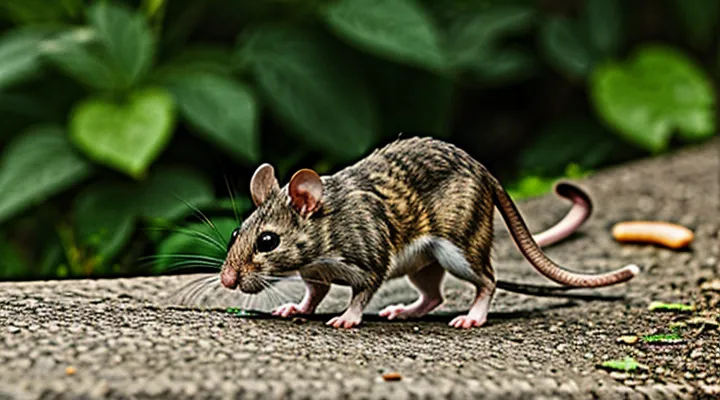
Understanding Mouse Diet: The Fundamental Question
What is an Omnivore?
Defining Dietary Classifications
Mice are frequently examined to determine whether they belong to the omnivore category. Understanding this classification requires a clear definition of dietary groups and the criteria used to assign species to them.
Dietary classifications are based on the predominant type of food an organism consumes and the physiological adaptations that support digestion. The primary categories include:
- Herbivores – consume mainly plant material; possess elongated digestive tracts and enzymes for cellulose breakdown.
- Carnivores – rely chiefly on animal tissue; exhibit short intestines, high stomach acidity, and proteolytic enzymes.
- Omnivores – incorporate both plant and animal matter; display intermediate gut length and a mixed enzyme profile.
- Specialized feeders – such as insectivores, granivores, and frugivores, which focus on specific food types but may still show omnivorous tendencies when opportunistic.
Classification criteria typically involve:
- Diet composition analysis – percentage of plant versus animal matter in natural and laboratory diets.
- Morphological assessment – dental structure, gut length, and stomach pH.
- Enzymatic profiling – presence of amylases for starch, proteases for protein, and cellulases for fiber.
- Behavioral observation – foraging patterns and food selection under varied environmental conditions.
Applying these criteria to mice reveals the following facts:
- Stomach acidity is moderate, allowing digestion of both protein and carbohydrate sources.
- Dental formula includes incisors for gnawing seeds and molars capable of grinding plant tissue.
- Field studies document consumption of grains, fruits, insects, and occasional carrion.
- Laboratory diets often combine cereals, soy protein, and occasional animal-derived supplements, reflecting natural flexibility.
The convergence of anatomical features, enzyme diversity, and observed feeding behavior places mice within the omnivore classification. Their ability to exploit a wide range of food resources confirms a dietary strategy that is neither exclusively herbivorous nor strictly carnivorous.
Examples of Omnivorous Animals
Mice consume both plant material and small invertebrates, placing them in the omnivore category according to dietary classifications used by mammalogists.
Other mammals that exhibit omnivorous feeding habits include:
- Raccoons (Procyon lotor) – eat fruits, nuts, insects, fish, and carrion.
- Badgers (Meles meles) – ingest earthworms, small mammals, roots, and berries.
- Bears (Ursidae family) – combine berries, nuts, fish, and meat in their diet.
- Opossums (Didelphis virginiana) – feed on fruits, insects, eggs, and small vertebrates.
- Humans (Homo sapiens) – consume grains, vegetables, meat, and dairy products.
Birds with documented omnivory comprise:
- Crows (Corvus spp.) – scavenge carrion, eat seeds, insects, and human food waste.
- Chickens (Gallus gallus domesticus) – ingest grains, insects, and small reptiles.
Reptiles and amphibians also demonstrate omnivorous behavior:
- Turtles (e.g., red‑eared slider, Trachemys scripta) – consume aquatic plants, algae, insects, and small fish.
- Frogs (e.g., green tree frog, Hyla cinerea) – eat algae, insects, and occasionally plant matter.
These examples illustrate the broad occurrence of omnivory across vertebrate classes, supporting the classification of mice as members of this dietary group.
The Mouse Diet: An In-Depth Look
Evidence for Omnivorous Tendencies
Natural Food Sources in the Wild
Mice living in natural habitats obtain sustenance from a diverse array of sources that reflect their flexible feeding strategy. Plant material dominates the diet; seeds, grains, and tender shoots provide carbohydrates, proteins, and essential micronutrients. Insects and other small invertebrates supplement this intake, delivering high‑quality protein and lipids. Occasional consumption of fungi, carrion, and bird eggs expands the nutritional profile during periods of scarcity.
Key wild food categories include:
- Seeds and grains – wheat, barley, grass seed heads, and stored kernels.
- Green vegetation – young leaves, stems, and tender roots of herbaceous plants.
- Invertebrates – beetles, larvae, spiders, and aphids.
- Fungal bodies – sporocarps of mushrooms and molds on decaying matter.
- Animal remnants – dead insects, small vertebrate carcasses, and eggs.
Seasonal fluctuations alter availability. Spring and summer favor abundant vegetation and insect populations, while autumn sees increased seed drops. Winter forces reliance on stored seeds, dried plant matter, and any accessible animal protein. This opportunistic foraging behavior underpins the classification of mice as omnivorous mammals.
Laboratory and Pet Mouse Diets
Laboratory mice receive a standardized chow formulated to meet precise nutritional requirements for growth, reproduction, and experimental consistency. The diet typically contains 18–20 % protein, 4–5 % fat, and a balanced mix of carbohydrates, vitamins, and minerals. Ingredients often include ground corn, soybean meal, wheat, and fortified vitamin–mineral premixes. Because the composition is tightly controlled, researchers can attribute physiological outcomes to experimental variables rather than dietary variation.
Pet mice are fed commercially available rodent pellets or mixes that emphasize palatability and variety. Protein levels range from 14–18 %, fat from 5–8 %, and fiber content is higher to support digestive health. Owners may supplement with fresh fruits, vegetables, and occasional protein treats such as boiled egg or mealworms, recognizing that mice will consume both plant and animal matter when offered. Over‑supplementation can lead to obesity, while insufficient protein may impair growth and reproductive performance.
Key differences between the two feeding regimes include:
- Formulation control: laboratory chow is batch‑tested; pet diets vary by brand and owner preferences.
- Nutrient density: laboratory feed prioritizes consistency; pet feed balances nutrition with taste.
- Supplement use: laboratory mice rarely receive extra foods; pet mice often get fresh produce and occasional insects.
Understanding these dietary patterns clarifies that mice naturally ingest both plant and animal sources, confirming their classification as omnivorous mammals.
Nutritional Needs and Adaptations
Mice consume a varied diet that includes seeds, grains, insects, and occasional plant material. Their digestive tract exhibits features suited for processing both carbohydrate‑rich and protein‑rich foods. Enzymes such as amylase break down starches, while proteases handle animal protein, indicating physiological capacity for omnivorous intake.
Energy requirements are met primarily through rapid metabolism of simple sugars, yet essential amino acids are obtained from insect prey and animal matter. Micronutrient balance relies on:
- Vitamin B complex from plant sources for nervous system function.
- Iron and zinc from arthropods for hematopoiesis and enzyme activity.
- Calcium from grains and bone fragments for skeletal development.
Adaptations supporting this dietary flexibility include:
- Highly sensitive olfactory epithelium that detects a wide range of volatile compounds, guiding mice toward both plant and animal foods.
- Incisor growth that enables gnawing of hard seeds and exoskeletons without wear.
- Seasonal foraging behavior that shifts emphasis toward insects during periods of low seed availability.
These physiological and behavioral traits collectively satisfy the nutritional demands of mice, confirming that they are capable of exploiting both plant and animal resources.
Distinguishing Mice from Pure Herbivores or Carnivores
How Mice Differ from Strictly Plant-Eating Animals
Mice consume both plant material and animal protein, whereas obligate herbivores rely exclusively on vegetation. This dietary breadth influences several physiological traits that set mice apart from strictly plant‑eating mammals.
- Dental structure: Mice have incisors that grow continuously and are adapted for gnawing a variety of foods, including seeds, insects, and carrion. Herbivores possess high‑crowned molars specialized for grinding fibrous plant tissue.
- Digestive enzymes: Salivary and pancreatic secretions in mice contain proteases and amylases capable of breaking down proteins and carbohydrates. Herbivores produce limited proteolytic activity, emphasizing cellulases and other polysaccharide‑digesting enzymes.
- Gut morphology: The mouse gastrointestinal tract includes a relatively short small intestine and a modest cecum, reflecting a need to process both digestible proteins and simple carbohydrates. Strict herbivores exhibit an enlarged cecum or foregut fermentation chamber to ferment cellulose and extract volatile fatty acids.
- Microbiota composition: Microbial communities in mice show a balance of proteolytic and saccharolytic species, supporting mixed diets. Herbivore microbiomes are dominated by cellulolytic bacteria and protozoa that specialize in fiber degradation.
- Nutrient requirements: Mice obtain essential amino acids, vitamins (e.g., B12), and minerals from animal sources, reducing reliance on plant synthesis pathways. Herbivores must synthesize or acquire these nutrients solely from plant matter, often requiring symbiotic microbial synthesis.
- Foraging behavior: Mice exhibit opportunistic feeding, scavenging insects, eggs, and small vertebrates when available. Herbivores display selective grazing or browsing patterns focused on specific plant parts.
These distinctions demonstrate that mice possess anatomical and biochemical adaptations for a flexible diet, contrasting sharply with the specialized herbivorous systems designed for exclusive plant consumption.
How Mice Differ from Strictly Meat-Eating Animals
Mice consume a varied diet that includes seeds, fruits, insects, and occasional animal protein. Their digestive systems feature a relatively long small intestine and a cecum populated by fermentative bacteria, enabling breakdown of plant carbohydrates and extraction of nutrients from both vegetal and animal sources. This anatomical arrangement contrasts sharply with obligate carnivores, whose gastrointestinal tracts are streamlined for rapid digestion of protein and fat.
Key physiological distinctions between mice and strictly meat‑eating species include:
- Enzyme profile: mice produce amylase and cellulase‑supporting microbes for starch and fiber digestion; carnivores rely predominantly on proteases and lipases.
- Stomach acidity: mouse gastric pH averages 3–4, sufficient for moderate protein breakdown; carnivores maintain pH near 1–2 to denature large amounts of meat protein quickly.
- Dental morphology: mice possess continuously growing incisors with sharp edges for gnawing plant material; carnivores have conical canines and carnassial teeth specialized for shearing flesh.
- Metabolic flexibility: mice can shift energy utilization between carbohydrates and lipids depending on food availability; obligate carnivores depend almost exclusively on lipid oxidation from animal tissue.
Behaviorally, mice exhibit opportunistic foraging, storing seeds and scavenging insects, whereas strict carnivores display hunting strategies and territorial patrols focused on prey capture. The combination of digestive anatomy, enzyme repertoire, dental structure, and foraging behavior defines the fundamental divergence between mice and animals that subsist solely on meat.
Factors Influencing Mouse Dietary Habits
Environmental Impact on Food Choices
Availability of Food Sources
Mice exhibit dietary flexibility that directly reflects the range of food resources present in their environment. When seeds, grains, and plant matter dominate, rodents consume these items as primary energy sources. In habitats where insects, carrion, or soft-bodied arthropods are accessible, they incorporate animal protein into their intake.
Typical natural food items include:
- Seeds and grains
- Fresh fruits and vegetables
- Nuts and legumes
- Invertebrates (worms, beetles, larvae)
- Fungal spores and mycelium
- Detritus and occasional carrion
Seasonal fluctuations alter resource availability. During harvest periods, abundant plant material reduces reliance on animal prey. Conversely, winter scarcity prompts increased foraging for insects, stored seeds, or human‑derived waste. This opportunistic behavior aligns with an omnivorous classification, as consumption shifts according to what is obtainable.
Laboratory studies confirm adaptability. Controlled diets ranging from exclusively plant‑based formulations to mixed protein‑carbohydrate rations sustain normal growth, demonstrating that mice can thrive on either source when provided.
The breadth of exploitable foods underpins the conclusion that mice are omnivores. Their consumption patterns expand or contract in response to the immediate supply of edible matter, reinforcing a classification based on dietary opportunism rather than strict specialization.
Seasonal Variations in Diet
Mice adjust their dietary intake according to the availability of resources that shift with the seasons. In spring and early summer, abundant seeds, fresh grasses, and emerging insects provide a protein‑rich component that supplements the plant matter normally consumed. During autumn, fallen nuts and fruits increase carbohydrate intake, while the decline of insect populations reduces animal protein sources. Winter imposes scarcity of both plant and animal foods; mice rely heavily on stored seeds, dried vegetation, and occasional carrion, demonstrating a flexible foraging strategy.
These seasonal patterns illustrate that mice are not strictly herbivores. Their ability to incorporate insects, small arthropods, and occasional vertebrate remains into the diet confirms an omnivorous classification. The proportion of animal versus plant material fluctuates:
- Spring: high insect consumption, moderate seeds.
- Summer: balanced mix of insects and vegetation.
- Autumn: increased fruit and nut intake, reduced insects.
- Winter: predominately stored seeds and plant debris, occasional carrion.
Such adaptability enables mice to maintain energy balance throughout the year, supporting growth, reproduction, and survival despite environmental fluctuations.
Species-Specific Dietary Nuances
Differences Among Mouse Species (e.g., House Mouse vs. Deer Mouse)
The house mouse (Mus musculus) and the deer mouse (Peromyscus maniculatus) illustrate how dietary classification varies among rodent species. Both consume plant and animal matter, yet the proportion and range differ markedly because of ecological adaptations.
The house mouse thrives in human‑occupied environments where grain, processed foods, and insect remains are abundant. Its diet consists of 60–80 % plant material, supplemented by arthropods, carrion, and occasional pet food. Digestive enzymes such as amylase and protease are expressed at high levels, enabling efficient processing of starches and proteins found in stored provisions.
The deer mouse inhabits grasslands, forests, and shrublands, where seeds, nuts, fruits, and green vegetation dominate the food supply. Animal intake is limited to insects, larvae, and occasional small vertebrate carrion, typically representing less than 20 % of its intake. Seasonal shifts increase reliance on high‑energy seeds during winter, while summer diets incorporate more insects.
Key distinctions:
- Habitat: urban/commensal vs. wild, open or forested ecosystems.
- Food source availability: human‑derived grains and waste vs. natural seeds and seasonal insects.
- Dietary proportion of animal matter: 20–40 % in house mice, under 20 % in deer mice.
- Morphological adaptations: larger molar surface area in house mice for grinding hard grains; longer hind limbs in deer mice for agile foraging among vegetation.
- Reproductive strategy: house mice produce larger litters more frequently, supported by high‑calorie human food; deer mice have smaller litters aligned with fluctuating natural resources.
These interspecific variations demonstrate that while both species meet the biological definition of omnivores, the house mouse exhibits a broader, more opportunistic diet driven by human environments, whereas the deer mouse maintains a diet skewed toward plant material with limited animal supplementation. Consequently, any assessment of mouse omnivory must consider species‑specific ecology rather than applying a uniform label across all murine taxa.
The Significance of Mouse Dietary Classification
Implications for Pest Control
Mice consume a wide range of foods, including grains, fruits, insects, and carrion. Their dietary flexibility directly shapes pest‑management practices.
- Bait selection must reflect omnivorous habits; protein‑rich and carbohydrate‑rich formulations attract mice equally, allowing rotation of bait types to prevent habituation.
- Seasonal diet shifts require timing adjustments; plant‑based foods dominate in spring and summer, while protein sources increase in colder months, influencing bait potency and placement.
- Habitat modification that eliminates both plant debris and insect harborage reduces food availability, lowering population pressure more effectively than targeting a single food class.
- Non‑target exposure rises when baits mimic common wildlife diets; precise placement and use of tamper‑resistant stations mitigate accidental consumption by birds or small mammals.
- Integrated pest management (IPM) benefits from combining dietary knowledge with physical barriers, trapping, and sanitation, producing durable control outcomes.
- Resistance monitoring should include bait preference assays, as omnivorous species can quickly develop aversion to specific ingredients.
Understanding mouse dietary breadth informs a comprehensive, adaptable approach to pest suppression, minimizing reliance on a single control tactic and enhancing long‑term efficacy.
Implications for Pet Mouse Care
Mice possess a diet that includes both plant material and animal protein, confirming their classification as omnivores. This dietary flexibility influences every aspect of captive care, from nutritional formulation to environmental enrichment.
A balanced diet for a pet mouse should contain:
- Commercial rodent pellets formulated to meet the species’ protein, fat, vitamin, and mineral requirements.
- Fresh vegetables such as carrots, broccoli, or leafy greens, offered in small quantities to provide fiber and phytonutrients.
- Occasional protein sources, including boiled egg, mealworms, or low‑fat cooked meat, limited to no more than 10 % of total intake.
- Clean water available at all times; water bottles with stainless‑steel tubing reduce contamination risk.
Feeding practices must reflect the mouse’s natural foraging behavior. Distribute food in multiple locations within the cage to encourage exploration and prevent monopolization by dominant individuals. Monitor body condition regularly; excessive weight gain signals over‑feeding, while weight loss may indicate insufficient protein or health issues.
Health management benefits from an omnivorous diet because it supports immune function, dental health, and reproductive performance. Nutrient deficiencies, such as lack of essential amino acids or vitamins A and D, manifest quickly and can be mitigated by adhering to the outlined dietary components. Regular veterinary check‑ups, combined with precise dietary control, optimize longevity and quality of life for pet mice.
Ecological Role of Mice in Ecosystems
Mice occupy a middle position in most food webs, consuming plant material, insects, and detritus while providing a consistent energy source for birds of prey, snakes, and small carnivores. Their consumption patterns influence the flow of nutrients from primary producers to higher trophic levels, linking primary productivity to predator populations.
Through foraging activity, mice transport and bury seeds, affecting plant regeneration and spatial distribution. The burial of seeds in shallow soil layers increases germination probability for many species, especially those with limited dispersal mechanisms.
Burrowing behavior modifies soil structure by creating tunnels and chambers. These modifications improve aeration, water infiltration, and organic matter mixing, which enhances microbial activity and nutrient cycling. The disturbed soil also creates microhabitats utilized by invertebrates and other small vertebrates.
Mice serve as reservoirs for a range of pathogens, including hantaviruses and bacterial agents. Their presence can alter disease dynamics within ecosystems, influencing the health of predator species and, indirectly, human populations in proximity to wild habitats.