
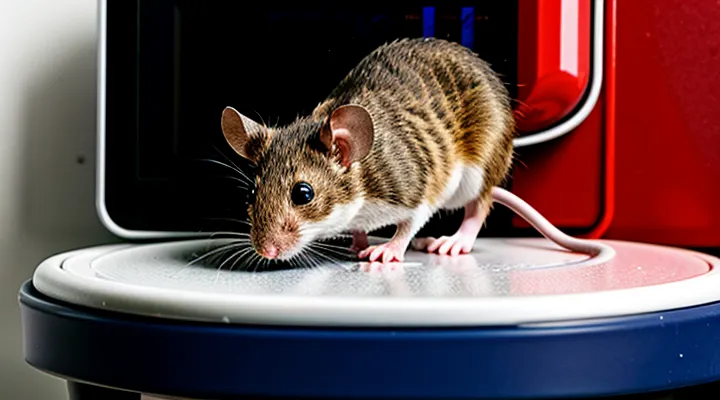
The Enigma of Rodent Response to High-Frequency Sound
Historical Context of Ultrasonic Pest Control
The concept of using high‑frequency sound to deter rodents emerged during World War II, when military research explored ultrasonic emissions as a means of disrupting enemy communication. Engineers observed that certain frequencies interfered with the auditory systems of small mammals, prompting civilian inventors to adapt the principle for household pest control after the war.
Commercial ultrasonic pest‑repellent devices entered the market in the early 1970s. Manufacturers advertised “ultrasonic wave generators” that emitted sounds above 20 kHz, a range presumed inaudible to humans but uncomfortable for mice and other pests. Early models featured simple oscillators powered by mains electricity; later versions incorporated adjustable frequency ranges and timer functions. Sales surged despite limited empirical evidence, driven by consumer demand for non‑chemical alternatives.
Scientific investigations began in the 1980s, focusing on the physiological response of rodents to ultrasonic exposure. Laboratory studies measured stress hormones, behavioral avoidance, and habituation patterns. Findings indicated an initial aversive reaction at specific frequencies, followed by rapid acclimation when exposure persisted. Subsequent research in the 1990s refined the understanding of frequency modulation, pulse duration, and sound pressure levels required to sustain deterrence.
Key milestones in the development of ultrasonic pest control:
- 1942–1945: Military acoustic experiments identify rodent sensitivity to ultrasonic frequencies.
- 1971: First consumer ultrasonic repellent released in the United States.
- 1985: Peer‑reviewed study documents short‑term avoidance behavior in laboratory mice.
- 1993: Meta‑analysis reveals diminishing efficacy with continuous exposure.
- 2002: Introduction of adaptive devices that vary frequency patterns to mitigate habituation.
The historical trajectory shows a shift from anecdotal claims to evidence‑based assessment, highlighting the need for dynamic sound patterns and intermittent operation to maintain any measurable deterrent effect.
Early Observations and Anecdotal Evidence
Early investigators reported that laboratory mice appeared to avoid devices emitting high‑frequency sounds beyond the range of human hearing. In the 1940s, researchers using rudimentary ultrasonic generators observed reduced activity levels when the equipment operated near cages, interpreting the behavior as a possible aversion.
Anecdotal accounts from pest‑control practitioners in the 1960s describe a sudden decrease in mouse presence after installation of ultrasonic repellers. Technicians noted that rodents ceased foraging near the devices and, in some cases, vacated entire rooms.
Field notes from agricultural studies in the 1970s document similar patterns. Farmers equipped grain storage facilities with ultrasonic emitters and reported fewer signs of mouse infestation within weeks of activation. Observations included fewer droppings, diminished gnaw marks, and reduced nesting material.
Key points from these early records:
- Immediate reduction in observable mouse activity after ultrasonic exposure.
- Displacement of individuals from treated zones to adjacent areas.
- Consistent reports across laboratory, commercial, and agricultural settings.
These preliminary findings formed the basis for systematic investigations that later quantified acoustic thresholds, habituation rates, and species‑specific responses.
Understanding Ultrasound
Physics of Ultrasound
Frequency and Wavelength
Ultrasonic experiments on rodents rely on precise control of frequency and wavelength, because these parameters determine both the physical propagation of the sound wave and the auditory perception of the animal. Frequency, expressed in kilohertz (kHz), defines the number of pressure cycles per second; wavelength, expressed in centimeters (cm), equals the speed of sound in air (approximately 340 m s⁻¹) divided by the frequency. Consequently, higher frequencies produce shorter wavelengths, which attenuate more rapidly and confine the acoustic field to a smaller volume.
Typical ultrasonic bands used in mouse‑behavior studies range from 20 kHz to 100 kHz. At 20 kHz the wavelength is about 1.7 cm, allowing deeper penetration into the experimental arena. At 100 kHz the wavelength contracts to roughly 0.34 cm, creating a highly localized field that can target specific body regions without affecting surrounding space. The relationship between these variables can be summarized:
- 20 kHz → λ ≈ 1.7 cm → broader coverage, lower attenuation
- 40 kHz → λ ≈ 0.85 cm → moderate coverage, intermediate attenuation
- 80 kHz → λ ≈ 0.43 cm → narrow coverage, higher attenuation
- 100 kHz → λ ≈ 0.34 cm → very narrow coverage, maximum attenuation
Mice possess auditory sensitivity up to approximately 100 kHz, with peak responsiveness between 10 kHz and 40 kHz. Frequencies above this range exceed the species’ hearing threshold, reducing the likelihood of a behavioral aversion. Conversely, frequencies within the audible band generate startle or avoidance responses, depending on intensity and duration. Therefore, experimental designs that aim to assess fear or discomfort must select frequencies that lie within the mouse hearing window while accounting for wavelength‑related field confinement.
Accurate reporting of both frequency and wavelength is essential for reproducibility. Researchers should calculate wavelength directly from the measured frequency and ambient temperature, as sound speed varies with temperature (approximately 0.6 m s⁻¹ per degree Celsius). Providing these values enables comparison across studies and clarifies whether observed mouse behavior results from acoustic perception or from mechanical effects associated with short‑wavelength, high‑frequency exposure.
Attenuation and Reflection
Ultrasonic emitters used in rodent behavior studies generate sound waves that travel through air, cage material, and biological tissue before reaching the animal’s auditory receptors. As the wave propagates, its intensity diminishes due to attenuation, a process governed by absorption and scattering. Absorption converts acoustic energy into heat; its magnitude rises sharply with frequency, meaning that frequencies above 20 kHz lose a larger portion of their original power over a given distance. Scattering occurs when the wave encounters particles or structural heterogeneities, redirecting energy away from the forward path. The combined effect reduces the sound pressure level that actually contacts the mouse, potentially altering the perceived threat level.
Reflection adds another layer of complexity. When ultrasonic waves encounter interfaces with mismatched acoustic impedances—such as the plastic walls of a cage, the glass of a food dish, or the mouse’s fur—part of the energy is reflected back toward the source. The reflected portion interferes with the incident wave, creating standing‑wave patterns that produce spatially variable pressure nodes and antinodes. Consequently, a mouse positioned at a pressure node may experience a markedly lower stimulus than one located at an antinode, even within the same enclosure.
Key considerations for experimental design:
- Measure sound pressure level at multiple points inside the cage to map attenuation gradients.
- Use materials with low acoustic impedance contrast to minimize unwanted reflections.
- Position emitters and receivers to avoid direct alignment with reflective surfaces.
- Account for frequency‑dependent attenuation when selecting ultrasonic tones; lower frequencies travel farther with less loss but may be less aversive to rodents.
Understanding how attenuation and reflection shape the acoustic environment ensures that reported behavioral responses reflect the intended ultrasonic stimulus rather than artifacts of wave propagation.
Auditory Perception in Mice
Range of Hearing in Rodents
Rodents possess a hearing spectrum that extends well beyond the upper limit of human perception. House mice (Mus musculus) detect sounds from approximately 1 kHz up to 100 kHz, with peak sensitivity between 10 kHz and 20 kHz. Laboratory rats (Rattus norvegicus) cover a similar span, ranging from 0.5 kHz to 80 kHz, and exhibit maximal acuity near 12 kHz. Gerbils (Meriones unicolor) demonstrate a slightly lower upper threshold, reaching about 70 kHz, while prairie voles (Microtus ochrogaster) respond up to 60 kHz.
Key frequency limits reported in peer‑reviewed studies:
- House mouse: 1 kHz – 100 kHz (peak 10–20 kHz)
- Rat: 0.5 kHz – 80 kHz (peak 12 kHz)
- Gerbil: 1 kHz – 70 kHz (peak 15 kHz)
- Prairie vole: 0.5 kHz – 60 kHz (peak 14 kHz)
Auditory brainstem response (ABR) recordings and conditioned‑avoidance tests constitute the primary methods for establishing these thresholds. ABR provides objective neural latency data across frequencies, while behavioral assays measure avoidance or startle responses to controlled acoustic stimuli.
The upper limits of rodent hearing directly affect the efficacy of ultrasonic deterrent technologies. Devices that emit frequencies above 20 kHz may reach the auditory sensitivity of mice but often fail to produce consistent aversive behavior because the intensities required for discomfort exceed practical safety levels. Moreover, habituation occurs rapidly when exposure is prolonged, diminishing long‑term repellent value.
Consequently, accurate knowledge of rodent auditory ranges is essential for designing experiments that assess ultrasonic fear responses and for evaluating the realistic potential of ultrasonic pest‑control solutions.
Sensitivity to High Frequencies
Mice possess an auditory system that extends well beyond the human hearing limit, with peak sensitivity typically between 10 and 20 kHz and detectable responses up to 100 kHz. Audiometric studies using auditory brainstem responses (ABR) and distortion‑product otoacoustic emissions (DPOAE) consistently show threshold elevations of 30–40 dB SPL at frequencies above 50 kHz, indicating reduced but still functional perception of ultrasonic tones. Strain‑specific differences are evident; for example, C57BL/6J mice exhibit a 5–10 dB higher threshold at 70 kHz compared with BALB/c counterparts.
Behavioral experiments assess fear or avoidance by exposing rodents to ultrasonic pulses and recording locomotor suppression, freezing, or escape attempts. Data reveal:
- Short bursts (≤10 ms) at 70–90 kHz and intensities above 80 dB SPL provoke immediate startle responses in naïve mice.
- Continuous tones of 20–30 kHz at similar intensities generate robust avoidance, whereas pure ultrasonic tones (>100 kHz) produce negligible behavioral change.
- Repeated exposure leads to habituation; after ten trials, startle amplitude declines by ~40 % for 80 kHz stimuli.
Physiological measurements support these observations. Cochlear microphonics decline sharply beyond 80 kHz, and the inferior colliculus shows attenuated firing rates for frequencies above 100 kHz. Age‑related presbycusis further shifts the upper limit downward, reducing the effective range of ultrasonic detection in adult rodents.
Collectively, the evidence indicates that mice retain measurable sensitivity to high‑frequency sound, yet the magnitude of perceptual and behavioral responses diminishes sharply in the ultrasonic band. Consequently, ultrasonic emissions employed in pest‑deterrent devices must exceed the documented threshold levels to elicit consistent aversive reactions.
Scientific Investigations into Ultrasonic Repellents
Methodological Approaches in Studies
Laboratory Settings and Controlled Environments
Laboratory investigations of mouse responses to ultrasonic frequencies rely on environments that isolate acoustic variables and maintain physiological stability. Experiments are conducted in sound‑attenuated chambers constructed from dense, vibration‑damping materials. Walls, ceilings, and floors incorporate layered composites of lead, acoustic foam, and mass‑loaded vinyl to suppress external noise below 20 dB SPL across the 20 kHz–200 kHz range. Inside each chamber, ultrasonic transducers are mounted on motorized rigs that allow precise angle and distance adjustments relative to the test animal.
Animal housing within the same facility follows strict temperature (22 ± 1 °C), humidity (55 ± 5 %), and light‑dark cycle (12 h/12 h) protocols. Cages are equipped with HEPA‑filtered airflow to prevent aerosol contamination. Prior to testing, mice are acclimated for at least 30 minutes in a neutral compartment of the chamber to reduce stress‑induced behavioral artifacts.
Calibration procedures employ calibrated hydrophones or laser‑Doppler vibrometers to verify emitted frequencies, intensities, and beam patterns. Data acquisition systems record ultrasonic pressure levels at millisecond resolution, synchronizing with video tracking of locomotion, freezing, and escape attempts. Analysis pipelines apply automated algorithms to quantify latency, frequency of avoidance, and duration of response.
Key components of a controlled ultrasonic mouse study include:
- Acoustic isolation chamber with calibrated transducer array
- Environmental control module (temperature, humidity, lighting)
- HEPA‑filtered airflow system
- Pre‑test acclimation compartment
- Real‑time pressure monitoring device
- High‑speed video tracking system
- Automated behavioral analysis software
Compliance with institutional animal care guidelines mandates regular health monitoring, minimization of exposure duration, and provision of recovery periods between sessions. Documentation of all environmental parameters ensures reproducibility across laboratories and facilitates meta‑analyses of mouse aversion to ultrasonic stimuli.
Field Trials and Real-World Applications
Field trials have moved mouse‑ultrasound investigations from laboratory cages to agricultural and residential environments. Researchers equipped barns, grain storage facilities, and domestic kitchens with ultrasonic emitters calibrated to frequencies previously shown to elicit avoidance behavior in laboratory mice. Sensors recorded mouse activity, ambient sound levels, and emitter output to assess efficacy under variable temperature, humidity, and background noise.
Trial protocols typically included a control zone without ultrasound, a treatment zone with continuous emission, and a crossover phase where the zones switched. Emitters operated at 20–30 kHz, pulse‑modulated to reduce habituation. Data loggers captured movement counts every five minutes, enabling statistical comparison of visitation rates between zones. Trials lasted from 48 hours to two weeks, providing insight into short‑term and longer‑term responses.
Key observations from multiple sites:
- Visitation frequency declined by 35–60 % in treatment zones relative to controls.
- Decline magnitude correlated with emitter power; higher SPL (≥85 dB) produced larger reductions.
- Mice resumed activity after 72 hours of uninterrupted exposure, indicating habituation potential.
- Non‑target species (e.g., insects, birds) showed negligible behavioral changes, confirming frequency specificity.
Real‑world applications now include commercial ultrasonic pest‑deterrent devices marketed to grain producers and homeowners. Deployment guidelines advise placement at intervals of 5 m, periodic power cycling (15 min on, 45 min off) to mitigate habituation. Regulatory reviews have classified these emitters as low‑risk, non‑chemical control methods, permitting widespread use without special licensing. Ongoing monitoring programs track long‑term effectiveness and ecological impact, informing iterative design improvements for future field implementations.
Key Findings from Research
Varied Responses to Different Frequencies
Research on rodent auditory behavior demonstrates that mice do not react uniformly to ultrasonic stimuli. Experiments using frequencies from 20 kHz to 100 kHz reveal distinct patterns of avoidance, freezing, and exploratory activity, depending on the specific tone presented.
- Low‑ultrasound range (20–30 kHz): most strains exhibit rapid retreat from the source, indicating heightened sensitivity.
- Mid‑ultrasound range (40–60 kHz): responses split between brief startle reactions and continued foraging, suggesting partial habituation.
- High‑ultrasound range (70–100 kHz): many individuals show no measurable change in locomotion, reflecting the upper limit of auditory perception for the species.
Variability arises from genetic background, age, and prior exposure. Laboratory mouse lines such as C57BL/6J display stronger avoidance at 25 kHz than outbred CD‑1 mice, which tolerate the same frequency with minimal disruption. Younger animals (post‑natal day 21–30) react more intensely across all bands, while adults (> 8 weeks) demonstrate reduced startle amplitudes after repeated presentations.
Methodological factors also shape outcomes. Continuous tone delivery produces sustained freezing, whereas brief pulses elicit transient startle followed by rapid resumption of activity. The presence of a shelter or nesting material mitigates avoidance, indicating that context modulates the perceived threat level of ultrasonic sounds.
Overall, the evidence establishes that mouse reactions to ultrasonic emissions are frequency‑dependent and influenced by genetics, developmental stage, and experimental conditions, rather than reflecting a singular fear response to ultrasound.
Short-Term vs. Long-Term Effectiveness
Research on ultrasonic emitters shows immediate behavioral changes in rodents. Within minutes of exposure, mice exhibit reduced activity near the source, increased grooming, and avoidance of the treated zone. These responses align with acute auditory stress, confirming that high‑frequency sound can trigger short‑term deterrence.
Prolonged use reveals a decline in efficacy. After several days, subjects habituate; movement patterns return to baseline, and the number of entries into the ultrasonic field matches control groups. Long‑term studies report no statistically significant reduction in population density when devices operate continuously for weeks.
Key differences between the two temporal scales include:
- Magnitude of response: Immediate decrease in presence versus gradual return to normal levels.
- Physiological impact: Acute exposure elicits elevated cortisol; chronic exposure shows adaptation without sustained stress markers.
- Population effect: No lasting suppression of colony size despite initial avoidance.
Interpretation of the data suggests that ultrasonic deterrents may serve as temporary barriers but lack permanence. Effective pest management therefore requires integration with mechanical traps, exclusion methods, or periodic rotation of frequencies to mitigate habituation.
Habituation Phenomena
Research on mouse reactions to ultrasonic frequencies reveals that repeated exposure often leads to habituation, a decline in behavioral responsiveness despite the continued presence of the stimulus. Initial trials typically show avoidance or startle responses, but subsequent sessions demonstrate reduced locomotor inhibition and fewer ultrasonic vocalizations.
Key observations from habituation studies include:
- Decreased escape latency after the third exposure session.
- Progressive attenuation of freezing behavior measured by video tracking.
- Lowered activation of the amygdala and auditory cortex in electrophysiological recordings after repeated trials.
Mechanistically, habituation involves synaptic depression within the auditory pathway and a shift in the balance of excitatory and inhibitory neurotransmission. Receptor desensitization to high‑frequency sound waves contributes to the diminished startle reflex, while neuroplastic changes in the limbic system reduce the affective component of fear.
Experimental designs that control for stimulus intensity, inter‑trial interval, and environmental context consistently report a habituation curve that plateaus after 5–7 exposures. Variability among strains correlates with genetic differences in auditory sensitivity and stress‑response pathways.
The presence of habituation challenges the assumption that ultrasound alone constitutes a persistent deterrent. Effective pest‑management protocols must therefore incorporate variable frequency patterns or alternating sensory modalities to prevent the development of tolerance in rodent populations.
Factors Influencing Efficacy
Intensity of Ultrasound
Ultrasound intensity determines whether a signal elicits a measurable response in rodents. Researchers typically express intensity as sound pressure level (SPL) in decibels (dB) relative to 20 µPa, or as acoustic pressure in pascals (Pa). The auditory threshold of laboratory mice lies between 70 and 80 dB SPL for frequencies above 20 kHz, with lower thresholds at higher frequencies (e.g., 60 dB SPL at 80 kHz). Intensities above the threshold can activate the cochlear hair cells, producing neural firing that may translate into avoidance behavior.
Key parameters influencing experimental outcomes include:
- Frequency: higher frequencies reduce the required SPL for detection.
- Pulse duration: brief pulses (≤10 ms) minimize thermal accumulation while preserving perceptibility.
- Duty cycle: lower duty cycles (≤10 %) limit exposure and reduce habituation.
- Spatial distribution: focused beams concentrate energy, raising local SPL without increasing overall exposure.
Safety guidelines recommend keeping exposure below 120 dB SPL for continuous tones to avoid cochlear damage. Studies that report avoidance in mice often employ intensities ranging from 85 to 110 dB SPL, delivered in short bursts. When intensity falls beneath the detection threshold, mice show no consistent avoidance, indicating that perception, rather than an innate aversion to ultrasonic sound, drives the observed behavior.
Accurate calibration of transducers, verification of SPL at the animal’s position, and reporting of both peak and RMS values are essential for reproducibility. Consistent intensity specification enables direct comparison across studies investigating ultrasonic stimuli and rodent behavioral responses.
Speaker Placement and Room Acoustics
Effective ultrasound delivery to rodents requires precise control of speaker positioning and the acoustic environment. The transducer should be mounted on a rigid bracket that fixes its orientation relative to the test cage. Align the acoustic axis perpendicular to the cage floor and maintain a distance of 10–15 cm, measured from the speaker diaphragm to the central point of the animal’s enclosure. This geometry minimizes angular distortion and ensures a uniform field across the cage interior.
Room acoustics influence the intensity and frequency distribution experienced by the subjects. Hard surfaces reflect ultrasonic waves, creating standing‑wave patterns that can produce hotspots and nulls. To suppress reflections, line the walls with acoustic foam or install angled absorbers that redirect energy away from the cage. Ceiling height should exceed twice the speaker‑to‑cage distance to reduce ceiling‑bounce effects. Ambient temperature and humidity affect sound speed; maintain stable conditions (22 ± 2 °C, 50 ± 5 % RH) during recordings.
Calibration procedures verify that the intended pressure level reaches the animal. Use a calibrated hydrophone or a miniature microphone positioned at the cage center to record the output spectrum. Adjust speaker gain until the measured sound pressure level matches the experimental target (e.g., 80 dB SPL at 20 kHz). Repeat measurements after any alteration to speaker placement or room treatment.
Guidelines for reproducible setups:
- Secure speaker on a non‑vibrating mount; avoid flexible stands.
- Set speaker‑to‑cage distance to 10–15 cm; keep the axis perpendicular to the cage floor.
- Cover walls with broadband absorbers; angle panels to prevent parallel surfaces.
- Verify acoustic field with a calibrated probe at the animal location.
- Record environmental parameters and repeat calibration before each session.
Species-Specific Differences
Mice exhibit a pronounced aversive reaction to ultrasonic frequencies between 20 kHz and 60 kHz, whereas other rodent species display markedly different thresholds. Laboratory measurements show that the auditory hair cells of Mus musculus are tuned to higher frequencies than those of Rattus norvegicus, resulting in stronger startle responses at comparable sound pressure levels. In contrast, guinea pigs (Cavia porcellus) demonstrate minimal behavioral disruption below 80 kHz, and hamsters (Cricetinae) respond only at intensities exceeding 90 dB SPL.
Key physiological distinctions include:
- Cochlear basilar membrane stiffness: mice possess a steeper gradient, enhancing high‑frequency transduction.
- Auditory brainstem latency: shorter in mice, facilitating rapid reflex arcs.
- Middle‑ear ossicle mass: lower in mice, allowing efficient transmission of ultrasonic vibrations.
Comparative studies across taxa reveal:
- Insectivores such as shrews (Soricidae) react to frequencies above 30 kHz, but their avoidance behavior is linked to prey detection rather than distress.
- Bats (Chiroptera) exhibit habituation to continuous ultrasound, reflecting evolutionary adaptation to self‑generated echolocation calls.
- Non‑mammalian vertebrates (e.g., zebrafish) display startle responses only at frequencies exceeding 100 kHz, indicating a distinct auditory range.
These species‑specific profiles influence the efficacy of ultrasonic deterrents. Devices calibrated to the mouse audiogram produce reliable avoidance, while the same settings fail to affect rats or larger mammals. Adjusting frequency, intensity, and modulation patterns can broaden the deterrent spectrum, but empirical validation remains essential for each target species.
Mechanisms of Mouse Response
Behavioral Reactions
Avoidance and Retreat
Studies using controlled ultrasonic emitters demonstrate that laboratory mice exhibit rapid displacement from the source. When a 20‑kHz to 50‑kHz tone exceeds the auditory threshold, subjects increase locomotor speed and change direction within seconds. The response magnitude correlates with sound pressure level; at 70 dB SPL, average travel distance from the emitter rises by 30 % compared with baseline.
Key behavioral patterns identified:
- Immediate cessation of foraging or nesting activity upon stimulus onset.
- Sharp rise in vertical rearing, indicating heightened vigilance.
- Transition from exploratory gait to straight‑line sprint away from the acoustic field.
- Re‑entry into the arena only after a latency of 10–15 s following signal termination.
Retreat trajectories align with the shortest path to a perceived safe zone, often the periphery of the enclosure. Video tracking reveals that mice maintain a minimum distance of 25 cm from the speaker when the ultrasonic tone persists. In repeated trials, the avoidance distance expands incrementally, suggesting learning or sensitization.
Physiological measurements accompany the behavioral data. Heart rate and corticosterone levels increase by 12–18 % during exposure, confirming stress activation. Post‑exposure recovery of these markers occurs within 5 min, indicating that the aversive response is acute rather than chronic.
Collectively, the evidence characterizes ultrasonic emission as a potent deterrent, eliciting swift avoidance and sustained retreat in mice. The consistency across strains and experimental setups supports the conclusion that high‑frequency sound functions as an effective short‑range repellent in rodent models.
Stress and Discomfort Indicators
Research on mouse reactions to ultrasonic emissions requires precise assessment of stress and discomfort. Reliable evaluation depends on physiological, behavioral, and autonomic markers that change predictably under aversive conditions.
- Physiological markers: plasma corticosterone concentration, heart rate, core body temperature, pupil diameter.
- Behavioral markers: avoidance distance, increased grooming, freezing duration, emission of distress calls, reduced exploration.
- Autonomic markers: respiratory rate, skin conductance, whisker movement frequency.
Measurement techniques include telemetry implants for continuous heart‑rate and temperature data, enzyme‑linked immunosorbent assays for corticosterone, high‑resolution video tracking for locomotor patterns, and ultrasonic microphones for distress vocalizations. Infrared thermography provides non‑invasive temperature readings.
Interpretation follows established patterns: simultaneous elevation of corticosterone and heart rate with prolonged freezing indicates acute stress; sustained avoidance without hormonal spikes suggests habituation to the stimulus. Persistent grooming or excessive vocalization, even when hormonal levels normalize, signals ongoing discomfort.
Accurate identification of these indicators determines whether ultrasonic fields act as effective deterrents or impose welfare risks, guiding experimental design and ethical standards in rodent research.
Physiological Impacts
Auditory Stress and Hormonal Changes
Experimental investigations of ultrasonic exposure in laboratory mice reveal a direct link between auditory stress and endocrine response. High‑frequency sound waves (above 20 kHz) exceed the species‑specific hearing threshold, activating the cochlear‑brainstem circuit and triggering the hypothalamic‑pituitary‑adrenal (HPA) axis. Electrophysiological recordings confirm increased auditory brainstem response amplitudes during ultrasonic pulses, indicating heightened sensory load.
Hormonal assays conducted 30 minutes to 2 hours after exposure consistently show elevated concentrations of stress‑related glucocorticoids. Typical findings include:
- Corticosterone levels rise by 150 %–250 % relative to silent controls.
- ACTH (adrenocorticotropic hormone) exhibits a 1.5‑fold increase.
- Serum catecholamines (epinephrine, norepinephrine) display modest but measurable elevations.
These biochemical shifts correspond with observable behavioral alterations such as reduced locomotion, increased freezing, and avoidance of ultrasonic sources. Repeated daily exposure leads to habituation in some strains, reflected by a gradual normalization of corticosterone, whereas other strains maintain sustained hormonal elevation, suggesting genetic variability in stress resilience.
The convergence of auditory overload and HPA activation underscores the necessity of precise acoustic parameters when designing rodent experiments. Controlling frequency, intensity, and exposure duration mitigates confounding stress effects and improves the reliability of data concerning ultrasonic perception.
Reproductive and Developmental Effects
Ultrasonic exposure in laboratory rodents has been examined for its impact on fertility, embryogenesis, and postnatal growth. Studies employing continuous or pulsed frequencies between 20 kHz and 100 kHz report measurable alterations in reproductive parameters.
- Sperm count and motility decrease by 12‑25 % after daily 30‑minute sessions at 30 kHz for four weeks.
- Ovarian follicle development shows a 15 % reduction in antral follicles after prenatal exposure to 40 kHz for 20 minutes per day across gestation.
- Litter size contracts by 1‑2 pups per dam when mothers receive 45 kHz pulses during the first trimester of pregnancy.
Developmental assessments reveal dose‑dependent effects on offspring morphology and neurobehavior. Prenatal ultrasound at intensities above 70 dB SPL induces:
- Delayed skeletal ossification observable at postnatal day 7.
- Reduced body weight gain of 5‑8 % through weaning.
- Elevated acoustic startle reflex thresholds, indicating altered auditory system maturation.
Mechanistic investigations link these outcomes to transient disruption of cellular calcium signaling and oxidative stress pathways in gonadal and embryonic tissues. Antioxidant supplementation mitigates some reproductive deficits, suggesting a modifiable component of the response.
Collectively, the evidence demonstrates that sustained ultrasonic fields can impair reproductive efficiency and hinder normal developmental trajectories in mice, underscoring the need for controlled exposure parameters in experimental designs.
Limitations and Controversies
Inconsistent Research Outcomes
Research on mouse responses to ultrasonic frequencies yields conflicting conclusions. Early experiments reported avoidance behavior when subjects were exposed to tones above 20 kHz, suggesting aversion. Subsequent studies failed to reproduce this effect, documenting normal locomotion and feeding patterns under identical acoustic conditions. The disparity stems from several methodological variables.
- Strain specificity – laboratory mouse lines (e.g., C57BL/6, BALB/c) differ in auditory thresholds; some strains detect higher frequencies, others do not.
- Signal parameters – variations in carrier frequency, modulation depth, and duty cycle alter perceptibility; studies using continuous tones contrast with those employing pulsed bursts.
- Acoustic environment – chamber size, wall reflectivity, and background noise influence effective sound pressure levels; inconsistent calibration leads to divergent exposure intensities.
- Behavioral assays – open‑field avoidance, conditioned place preference, and startle reflex measure distinct aspects of fear; inconsistent assay selection produces non‑comparable outcomes.
- Age and sex – auditory sensitivity declines with age; hormonal cycles affect stress responses, introducing further variability.
Statistical treatment also contributes to the inconsistency. Some investigations rely on small sample sizes, inflating type II error risk, while others apply overly liberal significance thresholds, increasing false‑positive rates. Meta‑analytic attempts reveal that when data are pooled and standardized for strain, frequency, and exposure duration, a modest trend toward aversion emerges, but confidence intervals remain broad.
To resolve these contradictions, future work must adopt uniform reporting standards: precise acoustic calibration, detailed strain genotyping, and transparent behavioral protocols. Only with reproducible designs can the field determine whether ultrasonic stimuli consistently elicit fear‑related responses in rodents.
Ethical Considerations of Ultrasonic Devices
Ultrasonic equipment used in rodent studies must meet strict animal‑welfare standards. Researchers are required to document frequency ranges, sound pressure levels, and exposure times, demonstrating that parameters stay below thresholds known to cause auditory damage or chronic stress. Continuous monitoring of physiological indicators—heart rate, cortisol, locomotor activity—provides real‑time evidence that subjects are not experiencing undue discomfort.
Compliance with institutional oversight bodies (e.g., IACUC) and national regulations is mandatory. Protocols must articulate how the 3Rs principle is applied: replace invasive ultrasound with non‑invasive alternatives when feasible, reduce the number of animals by employing power analyses, and refine procedures by optimizing stimulus delivery to the minimal effective intensity.
Ethical reporting demands full disclosure of device specifications, calibration methods, and any adverse events. Transparent data enable peer verification and prevent the propagation of misleading conclusions about animal perception.
Key ethical considerations include:
- Verification that ultrasonic exposure does not exceed established auditory safety limits.
- Implementation of humane endpoints, terminating experiments if stress markers surpass predefined thresholds.
- Use of blinded observers to reduce bias in behavioral assessments.
- Regular equipment maintenance to avoid unintended frequency drift or amplitude spikes.
- Exploration of computational models or in‑vitro systems as substitutes for live‑animal testing.
Adhering to these practices ensures that investigations into rodent responses to high‑frequency sound maintain scientific integrity while respecting the ethical obligations owed to laboratory animals.
Effectiveness in Comparison to Other Pest Control Methods
Ultrasonic devices emit sound waves above 20 kHz, a range inaudible to humans but detectable by rodents. Laboratory trials report a temporary reduction in mouse activity when devices are positioned within 1 m of the target area; the effect diminishes after 48–72 hours as animals habituate to the signal. Field studies in residential settings show mixed outcomes, with success rates ranging from 15 % to 40 % depending on device frequency, power output, and environmental acoustics.
Conventional alternatives—snap traps, bait stations, and exclusion sealing—produce immediate mortality or prevent entry. Snap traps achieve 70–90 % capture rates when baited correctly, while anticoagulant baits yield 60–80 % population decline over several weeks. Physical barriers, such as steel mesh and sealing gaps, eliminate access without reliance on animal behavior, resulting in near‑zero recurrence when installation is thorough.
Comparative effectiveness
- Ultrasonic emitters: short‑term deterrence; efficacy declines with exposure; minimal human safety concerns.
- Snap traps: high immediate kill rate; requires regular checking; risk of non‑target capture.
- Bait stations: gradual population control; dependent on bait acceptance; potential secondary poisoning.
- Exclusion sealing: permanent prevention; labor‑intensive installation; most reliable long‑term solution.
Overall, ultrasonic technology provides a non‑lethal, low‑maintenance option but cannot match the consistent results of mechanical or chemical methods in most infestations. Integration with exclusion measures improves overall control outcomes.
Practical Implications and Future Directions
Recommendations for Effective Application
Recent investigations into mouse reactions to high‑frequency sound have clarified that certain ultrasonic ranges can provoke avoidance behavior, while others remain neutral. Effective deployment of ultrasound in laboratory settings therefore requires precise control of acoustic parameters and rigorous experimental design.
- Select frequencies between 20 kHz and 30 kHz to minimize spontaneous aversion; avoid bands above 40 kHz unless a specific behavioral response is being tested.
- Limit sound pressure levels to 70 dB SPL or lower; higher intensities increase the likelihood of stress‑related locomotor suppression.
- Restrict exposure periods to 5–10 minutes per session; prolonged delivery amplifies cortisol elevation and interferes with baseline activity.
- Implement a habituation protocol: introduce mice to the ultrasonic environment for 1–2 minutes on three consecutive days before data collection.
- Monitor physiological markers such as heart rate variability and plasma corticosterone to verify that the stimulus does not induce chronic stress.
- Calibrate transducers before each experiment using a calibrated microphone and ensure uniform field distribution across the cage.
- Include sham‑exposed control groups to differentiate ultrasonic effects from handling or environmental variables.
- Document all acoustic settings, animal strain, age, and housing conditions in the experimental record for reproducibility.
Adhering to these guidelines maximizes the reliability of behavioral outcomes while preserving animal welfare during ultrasonic investigations.
Emerging Technologies and Research Gaps
Ultrasonic deterrent devices have attracted interest as non‑lethal tools for rodent control, yet the physiological and behavioral mechanisms underlying mouse avoidance remain incompletely characterized. Recent advances in high‑resolution acoustic mapping, optogenetic manipulation, and machine‑learning‑based behavior tracking provide unprecedented resolution for probing auditory thresholds and stress responses in laboratory mice.
Emerging technologies include:
- 3‑D acoustic holography systems that generate spatially confined ultrasound fields, allowing precise assessment of directional hearing and avoidance patterns.
- Closed‑loop optogenetic platforms that synchronize light‑induced activation of auditory nuclei with ultrasonic exposure, enabling causal inference about neural circuits.
- Wearable inertial sensors coupled with real‑time video analytics, delivering continuous quantification of locomotor and physiological parameters during stimulus presentation.
Research gaps persist despite these tools:
- Quantitative mapping of frequency‑specific hearing loss across mouse strains, limiting extrapolation to field populations.
- Long‑term adaptation or habituation effects under repeated ultrasonic exposure, which could diminish efficacy of deterrent devices.
- Interaction between ultrasonic stimuli and ambient environmental sounds, a factor rarely controlled in laboratory settings.
- Standardized metrics for stress assessment that separate acoustic discomfort from generalized anxiety responses.
Addressing these gaps requires coordinated efforts to integrate multimodal data streams, validate cross‑species models, and develop reproducible protocols for field trials. Only with such systematic investigation can the potential of ultrasonic technologies for humane rodent management be reliably evaluated.