
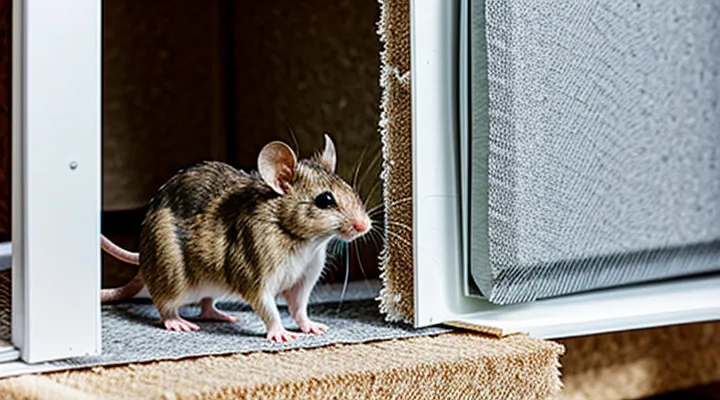
Understanding Mouse Behavior and Fiberglass Insulation
What Attracts Mice to Homes?
Food Sources
Mice are attracted to environments where food is readily available, regardless of the presence of fiberglass insulation. The material itself offers no nutritional value, but its placement often coincides with structural gaps that permit access to stored provisions.
Typical food sources that draw rodents into insulated spaces include:
- Grain products such as cereal, rice, and flour.
- Processed snacks containing sugars or fats.
- Pet food left unattended in cabinets or under appliances.
- Organic waste, including fruit peels and vegetable scraps.
- Insect infestations that provide a secondary protein source.
When food supplies are abundant near insulation, mice may disregard any potential discomfort caused by the fibrous material. Conversely, the absence of accessible nourishment reduces the likelihood of rodent activity in insulated cavities, even if the structure provides shelter. Effective pest management therefore prioritizes sealing entry points and eliminating nearby food sources to limit mouse presence in insulated areas.
Shelter and Warmth
Mice require secure, thermally stable sites for nesting and survival. Cavities within walls and ceilings offer protection from predators and external temperature fluctuations, while insulating materials can enhance warmth and reduce energy expenditure.
Fiberglass insulation presents a combination of high thermal resistance and a fibrous surface. The material’s low conductivity retains heat, creating a micro‑environment favorable for small mammals. Simultaneously, the fine glass fibers can cause dermal irritation, prompting avoidance behavior in some individuals.
Observed mouse responses to fiberglass include:
- Preference for adjacent, non‑fibrous voids when available;
- Construction of nests using alternative materials such as shredded paper or cotton;
- Increased activity at the periphery of insulated zones, indicating discomfort;
- Reduced occupancy rates in fully insulated cavities compared with untreated spaces.
These patterns suggest that while fiberglass can improve ambient warmth, its irritant properties may deter mice from establishing primary nests within the material itself. Effective pest management should consider providing alternative, non‑irritating shelter options to redirect rodent activity away from critical structural components.
Entry Points
Mice locate and exploit structural weaknesses to reach interior spaces where fiberglass insulation is installed. Common access routes include:
- Cracks in foundation walls or slab edges
- Gaps surrounding utility penetrations such as plumbing, electrical wiring, and HVAC ducts
- Openings around vent pipes, chimney flues, and exhaust fans
- Unsealed roof eaves, soffits, and attic hatch doors
- Damaged or missing siding, soffit panels, and flashing
- Openings at garage doors, crawl‑space entries, and foundation vents
Each breach provides a direct pathway to the attic or wall cavities containing insulation material. Once inside, rodents encounter fiberglass fibers, which may trigger avoidance behavior due to tactile irritation. Sealing identified entry points with durable materials—steel wool, hardware cloth, expanding foam, or cement‑based caulk—reduces the likelihood of mouse intrusion and limits exposure to insulation. Regular inspection of the building envelope, especially after weather events, helps maintain a barrier that prevents rodents from reaching insulated zones.
The Nature of Fiberglass Insulation
Composition and Properties
Fiberglass insulation consists primarily of glass fibers produced by drawing molten silica sand, soda ash, and limestone at high temperature. The fibers are bonded with a resin binder, typically a phenolic or urea‑formaldehyde polymer, to create a cohesive mat. Additives such as fire retardants, anti‑mold agents, and insect‑repellent chemicals may be incorporated during manufacturing.
Key properties influencing rodent interaction include:
- Density: ranges from 1.5 to 3 kg m⁻³, providing a lightweight yet structurally stable barrier.
- Thermal resistance: measured by R‑value, typically 2.5–3.8 per inch, indicating effective heat retention.
- Surface texture: a rough, jagged fiber matrix that can cause mechanical irritation upon contact.
- Chemical composition: alkaline pH and presence of formaldehyde derivatives create an environment unfavorable to many small mammals.
These characteristics generate a combination of physical discomfort and chemical deterrence, which together shape the behavioral response of mice when encountering fiberglass insulation.
Irritant Qualities
Fiberglass insulation presents a combination of physical and chemical irritants that affect rodent sensory systems. The material’s composition includes fine glass fibers, binders, and dust particles, each contributing to discomfort for small mammals.
- Sharp, microscopic glass fibers cause skin abrasion and ocular irritation.
- Surface texture is rough, generating tactile discomfort when rodents attempt to gnaw or crawl.
- Residual binders release volatile organic compounds that provoke respiratory irritation.
- Dust generated during installation remains airborne, leading to nasal and pulmonary irritation.
These irritant properties trigger avoidance behavior in mice. Tactile pain from fibers discourages nesting within insulation cavities. Respiratory distress from inhaled particles reduces prolonged exposure. Consequently, mice display a measurable preference for alternative shelter materials that lack such irritant characteristics.
Thermal Insulation
Thermal insulation reduces heat transfer between interior spaces and external environments. Fiberglass consists of fine glass fibers arranged in a mat, creating air pockets that impede conduction, convection, and radiation. The material’s low density and high surface area make it an effective barrier for temperature regulation in residential and commercial structures.
Rodent sensory systems detect tactile, thermal, and acoustic cues. Fiberglass fibers present a rough, abrasive surface that can irritate whiskers and footpads. The material’s temperature remains close to ambient conditions; however, its low thermal conductivity prevents rapid heat loss, reducing the likelihood of cold spots that might attract mice seeking warmth. Additionally, the mat’s structure dampens sound transmission, limiting auditory signals that rodents use for navigation.
Empirical observations indicate that mice tend to avoid areas densely packed with fiberglass. Reactions include hesitancy to enter insulated cavities, increased grooming behavior after brief contact, and preference for alternative pathways offering smoother surfaces. The aversion appears linked to the combination of tactile discomfort and the material’s inability to retain localized heat that rodents might exploit for nesting.
For pest management, incorporating fiberglass insulation can serve as a passive deterrent. Placement of insulation around entry points, voids, and concealed spaces creates an environment less favorable to rodent colonization. Complementary measures—such as sealing gaps, maintaining low moisture levels, and eliminating food sources—enhance the overall effectiveness of the insulation barrier.
Do Mice Avoid Fiberglass?
Sensory Perception of Mice
Olfactory Cues
Mice possess an acute olfactory system capable of detecting volatile compounds at concentrations far below human thresholds. Receptor neurons in the nasal epithelium transmit chemical signals to the olfactory bulb, influencing navigation, foraging, and avoidance behaviors.
Fiberglass insulation releases a mixture of organic vapors originating from binding resins, fire retardants, and manufacturing by‑products. Typical constituents include phenolic compounds, formaldehyde, styrene, and solvent residues. These volatiles persist for weeks after installation, creating a distinct scent profile within confined spaces.
Experimental observations using binary choice arenas demonstrate that mice exposed to air drawn from freshly installed insulation exhibit reduced time spent in the scented zone compared with control air. In Y‑maze assays, the majority of subjects select the unscented arm when presented with a choice between insulation‑derived odor and a neutral baseline. Repeated trials confirm a statistically significant aversion, though some individuals display habituation after prolonged exposure.
Key olfactory cues identified in insulation emissions:
- Phenolic compounds – strong, acrid odor, known deterrent for rodents.
- Formaldehyde – irritant vapour, triggers avoidance in small mammals.
- Solvent residues – volatile organic compounds contributing to overall repellent effect.
The presence of these cues suggests that fiberglass insulation can function as a chemical barrier, reducing the likelihood of mouse intrusion in newly treated structures. However, efficacy diminishes as volatiles dissipate, and complete exclusion of rodents typically requires integration with physical sealing and sanitation measures.
Tactile Sensations
Mice rely heavily on their whiskers and foot pads to evaluate surrounding materials. When they encounter fiberglass insulation, the coarse glass fibers create a sharp, uneven surface that triggers mechanoreceptors. This tactile feedback often leads to rapid withdrawal, suggesting an instinctive avoidance of potentially harmful textures.
The sensory cells in the vibrissae detect minute pressure changes, while Merkel discs in the pads register texture roughness. Fiberglass’s irregular geometry produces high‑frequency vibration and localized pain signals, which differ markedly from the smooth surfaces of typical building materials. The resulting neural response is immediate and pronounced, influencing the animal’s decision to retreat.
Experimental observations confirm that tactile discomfort, rather than visual or olfactory cues, dominates the mouse’s reaction to fiberglass. The physical properties of the insulation—rigidity, abrasiveness, and temperature conductivity—combine to generate a distinctly aversive tactile experience, reinforcing the animal’s natural tendency to avoid such environments.
Direct Interactions with Fiberglass
Nesting Habits
Mice construct nests to regulate temperature, protect offspring, and conceal themselves from predators. Fiberglass insulation offers a stable, warm environment that aligns with these requirements, encouraging incorporation of the material into nest structures. The loose fibers provide insulation without compromising structural integrity, allowing mice to create compact, layered chambers within wall cavities.
Typical nesting components include shredded paper, fabric, plant matter, and soft debris. When fiberglass is present, it frequently appears alongside these traditional materials, forming a hybrid composition. The resulting nests display:
- Increased thermal retention compared to nests lacking insulation.
- Enhanced durability due to the interlocking nature of fibers.
- Reduced detection risk because the material masks scent and sound signatures.
Behavioral observations indicate that mice do not exhibit avoidance of fiberglass when constructing nests. Instead, they exploit the material’s properties to improve nest performance. The presence of insulation does not trigger stress responses; rather, it supports normal nesting cycles, including breeding and rearing phases.
Consequently, the integration of fiberglass into murine nests demonstrates adaptability rather than fear. This adaptability contributes to the persistence of mice in structures where insulation is installed, underscoring the necessity of complementary pest‑management strategies.
Chewing Behavior
Mice possess a natural propensity to gnaw on materials that can be penetrated with their incisors. This behavior serves three primary purposes: dental wear regulation, nest construction, and acquisition of nutrients from embedded contaminants. When confronted with fiberglass insulation, the texture and composition influence the extent of gnawing. The glass fibers present a coarse, abrasive surface that can cause discomfort to oral tissues, reducing the likelihood of sustained chewing. Nevertheless, occasional nibbling occurs when insulation is exposed at entry points or when alternative food sources are scarce.
Key factors governing chewing activity on fiberglass include:
- Availability of accessible edges or loose fibers.
- Presence of scent cues from stored food or urine markings.
- Ambient temperature, which may drive mice to seek insulation for warmth.
- Structural integrity of surrounding building materials; gaps facilitate contact.
Repeated chewing can compromise the integrity of the insulation, creating channels for air leakage and increasing the risk of secondary infestations. However, the inherent irritation caused by the fibrous composition generally discourages extensive damage, distinguishing fiberglass from softer substrates such as wood or cardboard that are more readily consumed.
Observed Reactions to Irritants
Observations of rodent interactions with irritating building materials reveal consistent avoidance patterns. Experiments exposing laboratory‑bred mice to fiberglass batts demonstrated rapid retreat from contact zones, increased locomotor activity, and frequent grooming of exposed fur. Control groups presented with neutral substrates showed no comparable displacement.
Key behavioral responses recorded:
- Immediate withdrawal from surfaces coated with fiberglass fibers.
- Elevated rearing and exploratory movements along perimeter walls.
- Intensive grooming bouts directed at paws and whiskers within seconds of contact.
- Emission of high‑frequency vocalizations associated with distress.
Physiological measurements indicated heightened cortisol levels and accelerated heart rate during exposure, confirming acute stress activation. Comparative trials with alternative irritants (e.g., pepper spray, ammonia) produced analogous avoidance and stress markers, supporting the hypothesis that tactile irritation triggers innate defensive mechanisms.
The data suggest that fiberglass insulation functions as an effective deterrent through mechanical irritation, prompting rapid escape and stress responses. Integration of such material into structural barriers may reduce rodent ingress without reliance on chemical agents.
Potential Dangers of Fiberglass to Mice
Respiratory Issues
Mice that encounter fiberglass insulation are exposed to fine glass fibers and dust that can be inhaled during nesting or foraging activities. The primary health concern involves the respiratory tract, where deposited particles provoke irritation and inflammation.
Fiberglass particles possess the following characteristics that affect pulmonary health:
- Diameter ranging from 2 µm to 10 µm, enabling deep penetration into alveolar spaces.
- Sharp edges that disrupt epithelial integrity.
- Persistence in the environment, leading to prolonged exposure.
When inhaled, fibers trigger a cascade of physiological responses:
- Mucosal edema and increased mucus production.
- Recruitment of neutrophils and macrophages, resulting in oxidative stress.
- Development of granulomatous lesions in lung tissue.
Research conducted on laboratory rodents demonstrates measurable outcomes:
- Elevated bronchoalveolar lavage fluid protein concentration within 48 hours of exposure.
- Histopathological evidence of peribronchial fibrosis after two weeks of continuous contact.
- Decreased tidal volume and respiratory rate observed in plethysmography recordings.
Mitigation measures focus on reducing fiber aerosolization and limiting rodent access:
- Installation of sealed barriers around insulation cavities.
- Application of low‑dust, encapsulated insulation products.
- Regular monitoring of rodent activity using motion‑sensitive traps.
These interventions lower the likelihood of respiratory compromise, thereby protecting both animal welfare and structural integrity.
Skin and Eye Irritation
Fiberglass insulation consists of fine glass fibers that can detach from the material during handling or when rodents gnaw at it. When mice come into contact with these fibers, the particles may embed in the skin or irritate the ocular surface. The mechanical nature of the glass strands produces micro‑abrasions, leading to localized inflammation and heightened sensitivity.
Typical manifestations of dermal irritation include:
- Redness and swelling at the point of contact
- Itching or rubbing behavior that can cause secondary lesions
- Formation of small papules or vesicles where fibers penetrate the epidermis
Ocular irritation presents as:
- Watery discharge and tearing
- Conjunctival redness
- Reflexive blinking or pawing at the eye, which may exacerbate tissue damage
The physiological response arises from the body’s immediate defense mechanisms. Nerve endings detect the sharp fibers, triggering histamine release and vasodilation. In the eye, the corneal epithelium reacts similarly, producing a protective tear film to flush out the irritant. Prolonged exposure can compromise the integrity of the skin barrier and ocular surface, potentially increasing susceptibility to infection.
Research indicates that mice exposed to fiberglass exhibit increased grooming and avoidance of insulated areas, suggesting that discomfort from skin and eye irritation contributes to behavioral aversion. Mitigation strategies for laboratory or residential settings include sealing insulation seams and providing alternative nesting materials to reduce direct contact with the fibers.
Ingestion Risks
Mice that gnaw on fiberglass insulation encounter several ingestion hazards. The material consists of fine glass fibers bound with resin, both of which can cause physical and chemical injury when swallowed.
Key health effects include:
- Mechanical irritation of the gastrointestinal tract, leading to ulceration or perforation.
- Formation of fiber clumps that obstruct the digestive passage.
- Exposure to resin components such as phenol-formaldehyde, which may produce toxic metabolites.
- Potential for secondary respiratory complications if fibers migrate from the gut to the airway.
Research indicates that rodents lack the enzymatic mechanisms to break down synthetic resins, increasing the likelihood of prolonged exposure. Chronic ingestion can result in weight loss, reduced reproductive success, and heightened mortality rates.
Mitigation strategies focus on eliminating access points, applying rodent‑proof barriers, and selecting insulation alternatives lacking glass fibers. Regular inspection of attics and crawl spaces helps identify early signs of gnawing and allows timely intervention.
Alternative Pest Control and Prevention
Sealing Entry Points
Sealing entry points provides a direct barrier that prevents rodents from reaching insulation, thereby eliminating the need to rely on the material’s perceived deterrent effect.
Common penetration sites include gaps around plumbing and electrical conduits, vent openings, foundation cracks, utility penetrations, and roof eave spaces. Each opening offers a pathway for small mammals to infiltrate structural cavities where fiberglass is installed.
Effective sealing materials comprise steel wool, copper mesh, silicone‑based caulk, low‑expansion polyurethane foam, and hardware cloth with mesh sizes no larger than ¼ inch. Application techniques vary: insert steel wool into narrow gaps, overlay with caulk for a weather‑tight seal, and secure larger openings with hardware cloth fastened by screws or staples.
- Inspect exterior and interior surfaces for openings larger than ¼ inch.
- Clean debris from each gap to ensure adhesion.
- Pack steel wool or copper mesh tightly into the void.
- Apply caulk or foam to cover the packed material, smoothing the surface.
- Attach hardware cloth over larger apertures, securing edges with fasteners.
Periodic evaluation reinforces barrier integrity. Conduct visual inspections after severe weather, during seasonal transitions, and whenever signs of rodent activity appear. Replace degraded sealants promptly to maintain a continuous obstruction.
By eliminating access routes, sealing entry points removes the primary incentive for rodents to encounter fiberglass insulation, rendering the question of their aversion to the material moot.
Trapping and Removal
Mice that encounter fiberglass insulation often seek alternative pathways, making prompt trapping and removal essential for preventing structural damage and health risks. Effective control begins with selecting appropriate devices: snap traps provide rapid mortality, while live‑capture cages allow relocation when humane handling is required. Glue boards capture without injury but generate disposal challenges; they are best reserved for confined areas where immediate removal is feasible.
Placement strategies maximize capture rates. Position traps along walls, behind appliances, and near identified gnaw marks, aligning devices perpendicular to travel routes. Bait selection influences success; high‑protein items such as peanut butter or dried meat outperform grain mixtures. Rotate bait types weekly to prevent habituation.
Safety considerations protect both the operator and occupants. Wear gloves when handling traps, seal captured rodents in plastic bags, and disinfect surfaces after each removal. Dispose of dead specimens according to local regulations, avoiding direct contact with insulation fibers.
After eliminating the current infestation, seal entry points to deter re‑entry. Use steel wool, caulk, or expanding foam to close gaps larger than a quarter inch. Regular inspection of insulation layers reveals new breaches, enabling timely intervention before populations expand.
Repellents and Deterrents
Repellents and deterrents target mouse activity around fiberglass insulation by creating unfavorable conditions, emitting disruptive signals, or establishing physical barriers.
Chemical agents include scent‑based sprays that contain ammonia, naphthalene, or synthetic pheromones. These substances mask the odor of insulation and trigger avoidance behavior. Application requires thorough coverage of exposed surfaces; re‑application is necessary after cleaning or moisture exposure.
Ultrasonic devices generate frequencies above 20 kHz, which rodents perceive as distressing. Effectiveness declines when obstacles block sound propagation; placement near entry points maximizes coverage.
Natural deterrents rely on volatile compounds such as peppermint oil, eucalyptus, or predator urine. Direct contact with insulation fibers enhances diffusion, but potency diminishes within hours, demanding frequent renewal.
Physical barriers prevent entry and movement. Options include:
- Stainless‑steel mesh with openings no larger than ¼ inch.
- Steel wool packed into gaps around pipe penetrations.
- Closed‑cell foam sealant applied to fissures adjacent to insulation.
Barrier integrity must be inspected regularly to address wear or displacement caused by building settlement.
Environmental safety considerations: chemical repellents may pose toxicity risks to humans and pets; ultrasonic units emit negligible electromagnetic fields; natural oils are biodegradable but can irritate skin and mucous membranes.
Integrated pest‑management protocols combine at least two deterrent categories, monitor activity with tracking stations, and adjust interventions based on observed mouse presence. This layered approach reduces reliance on any single method and improves long‑term protection of fiberglass insulation.
Best Practices for Homeowners
Inspecting Insulation for Pests
Inspecting insulation for rodent activity requires systematic observation of material condition and surrounding structure. Fiberglass panels, widely used for thermal efficiency, present a physical barrier that may deter or attract small mammals depending on accessibility and environmental factors.
Key indicators of infestation include:
- Presence of gnaw marks on insulation edges or surrounding framing;
- Accumulation of droppings, urine stains, or shredded fibers;
- Unusual odors, such as ammonia or musty smells;
- Visible nests or burrows within wall cavities.
Effective inspection combines visual and tactile techniques. Begin with exterior wall assessment to locate potential entry points—gaps around pipes, vents, or foundation seams. Employ a flashlight and mirror to examine interior cavity surfaces through removable panel sections. Use a calibrated moisture meter to detect elevated humidity, which often correlates with nesting activity. If available, deploy a low‑frequency ultrasonic detector to identify movement within concealed spaces.
Remediation follows detection. Seal identified openings with steel wool, caulk, or metal flashing. Replace compromised insulation sections to restore thermal integrity. Implement regular monitoring schedules, documenting any recurrence of the listed indicators. Continuous vigilance minimizes the likelihood of rodents exploiting fiberglass insulation as a habitat.
Professional Pest Management
Professional pest management practitioners assess rodent behavior toward building materials to determine effective control strategies. Fiberglass insulation, composed of tightly packed glass fibers, presents a physical barrier that can deter small mammals. Field observations indicate that mice encounter difficulty navigating dense fiber layers, often retreating when contact results in discomfort or impaired mobility.
Key considerations for pest managers include:
- Inspection of insulation integrity to identify gaps or compression that allow rodent entry.
- Evaluation of insulation type, as loose-fill variants may provide easier passage than dense batts.
- Implementation of exclusion techniques, such as sealing entry points with steel mesh or expanding foam, to complement the deterrent effect of the material.
When mice do attempt to breach fiberglass, they typically exhibit rapid withdrawal, increased grooming, and reduced foraging activity in the affected area. These behavioral responses suggest an aversive reaction to the tactile irritation caused by the fibers. Consequently, integrating insulation assessment into a comprehensive pest management plan can reduce infestation risk without reliance on chemical controls.
Monitoring protocols should document rodent activity levels before and after insulation modification. Data collection enables verification of the material’s impact on mouse presence and informs adjustments to exclusion measures. Continuous evaluation ensures that the chosen approach remains effective across seasonal variations and structural changes.
Maintaining a Pest-Free Environment
Mice often encounter fiberglass insulation during attempts to enter walls or ceilings. The material’s texture and temperature can provoke avoidance, yet reliance on insulation alone does not guarantee exclusion. A comprehensive pest‑free environment integrates multiple barriers to reduce attraction and access.
Effective pest management incorporates the following elements:
- Seal gaps larger than ¼ inch with steel‑wool, caulk, or expanding foam.
- Remove food sources by storing grain, pet food, and waste in sealed containers.
- Maintain low clutter and eliminate nesting sites such as cardboard boxes or fabric piles.
- Install monitoring stations to detect early activity and guide targeted interventions.
- Combine insulation with physical deterrents, for example, metal mesh or copper foil, to reinforce resistance.
When fiberglass is part of the building envelope, its rough fibers and low moisture retention create an uncomfortable surface for rodents. However, mice may still gnaw through or circumvent the material if alternative entry points exist. Therefore, integrating insulation with proper sealing, sanitation, and monitoring yields a robust strategy that minimizes the likelihood of infestation.