
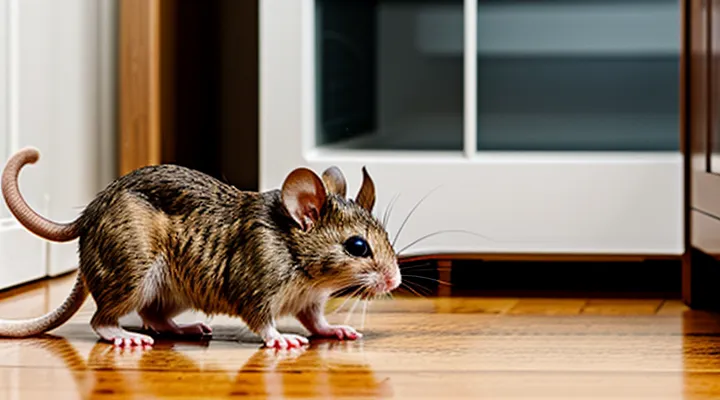
Understanding the Problem: Why Mice Enter Homes
Common Entry Points
Gaps in Foundations and Walls
Mice exploit any opening that connects interior spaces with the exterior. Gaps in foundations and walls create direct pathways for rodents, especially when cracks exceed ¼ inch. Moisture, soil movement, and settling of the structure enlarge these openings over time, allowing mice to infiltrate living areas and storage spaces.
Typical sources of gaps include:
- Cracks around utility penetrations (pipes, cables, vents)
- Unsealed joints between foundation footings and slab
- Deteriorated mortar or brickwork in exterior walls
- Gaps around door and window frames that have shifted
Detecting these openings requires visual inspection of the perimeter, probing with a thin rod, and monitoring for mouse droppings or gnaw marks near suspected entry points.
Preventive actions:
- Seal all cracks with appropriate material (e.g., polyurethane foam, cement‑based mortar, or metal flashing).
- Install stainless‑steel mesh or hardware cloth over larger openings before applying sealant.
- Ensure weatherstripping on doors and windows remains intact; replace damaged sections promptly.
- Maintain a clear gap of at least two inches between the soil surface and the foundation exterior to discourage nesting.
- Conduct periodic inspections, especially after heavy rain or seasonal temperature changes, to identify new gaps before mice can exploit them.
By eliminating structural openings, homeowners remove the primary route for mouse intrusion, reducing the likelihood of infestation and associated damage.
Unsealed Pipes and Utility Openings
Unsealed pipes and utility openings provide direct pathways for mice to enter residential structures. Gaps around water, gas, and electrical lines often remain after installation or renovation, creating voids that rodents can exploit without detection.
Mice locate these entry points by following scent trails, temperature gradients, and vibrations. The size of a typical house mouse allows it to pass through openings as small as one‑quarter inch, meaning even minor cracks or poorly fitted sleeves constitute viable access routes.
Preventive measures focus on eliminating or securing these vulnerabilities:
- Inspect all pipe penetrations in walls, floors, and ceilings; replace damaged sleeves with metal or rigid PVC collars.
- Apply fire‑rated caulk or steel wool combined with sealant to gaps around pipe joints.
- Install mesh or metal flashing over utility conduits that pass through exterior walls.
- Verify that vent caps, dryer exhausts, and other utility outlets have tight-fitting covers with no cracks.
- Conduct a systematic survey after construction or major repairs to confirm that all openings are sealed.
Regular maintenance, such as checking for new cracks after settling or weather events, reinforces the barrier against rodent intrusion. By addressing unsealed pipes and utility openings promptly, the likelihood of mouse presence inside the home diminishes substantially.
Damaged Screens and Vents
Damaged window screens and ventilation openings are common entry points for rodents. Small tears, loose fittings, or missing sections create gaps that mice can exploit without detection. The size of a mouse allows it to pass through openings as narrow as ¼ inch, making even minor deterioration a significant risk.
Inspection should focus on the integrity of all mesh and vent components. Look for signs of wear such as frayed fibers, rusted frames, or displaced fasteners. Verify that screens close fully and latch securely; any misalignment can leave an opening large enough for a mouse to squeeze through.
Repair and reinforcement actions include:
- Replacing torn sections with metal or fine‑mesh material rated for pest resistance.
- Securing frames with corrosion‑resistant screws and applying weather‑proof sealant around edges.
- Installing fine stainless‑steel mesh over existing vents, ensuring a tight fit without gaps.
- Adding self‑closing hinges or latch mechanisms to doors and windows that lack proper closure.
Preventive maintenance reduces the likelihood of future damage. Schedule regular checks, especially after severe weather or construction activity, and address any deterioration promptly. Maintaining robust barriers on screens and vents removes a primary pathway for mouse intrusion, supporting overall household pest control efforts.
Open Doors and Windows
Open doors and windows provide the most direct route for mice to enter residential spaces. Rodents locate entry points by following scent trails, heat signatures, and movement of air; an unlocked door or an ajar window creates a gap large enough for a mouse to squeeze through. Seasonal changes often increase the frequency of openings, especially during warmer months when occupants are more likely to ventilate rooms, thereby raising the risk of infestation.
Preventive measures focus on eliminating these access points and reducing attractants near them. Effective actions include:
- Installing self‑closing hinges or door sweeps on all exterior doors.
- Adding fine mesh screens to windows, ensuring they are free of tears or gaps.
- Securing vents and utility openings with steel wool or metal flashing.
- Maintaining a clear perimeter by trimming vegetation and removing debris that could shelter rodents near entryways.
- Conducting regular inspections for signs of wear, damage, or misalignment in door and window frames, and repairing any deficiencies promptly.
By treating open doors and windows as primary vulnerability points and applying the listed controls, homeowners can substantially lower the likelihood of mouse intrusion.
Factors Attracting Mice
Food Sources
Mice enter residential spaces primarily in search of nourishment. Their diet adapts to what is readily available, making unsecured food the most common lure.
- Crumbs, spills, and open containers of cereal, grains, or flour provide immediate energy.
- Pet food left out overnight offers high‑protein content that supports rapid breeding.
- Fruit, nuts, and seeds, especially when stored in unsealed packages, attract foraging behavior.
- Sweet items such as candy, chocolate, or syrups supply carbohydrates that mice favor.
- Garbage, compost, and recycling bins that are not tightly sealed emit odors that draw rodents from outside.
Preventive measures focus on eliminating these attractants. Store dry goods in airtight containers made of metal or heavy‑wall plastic. Clean countertops and floors after each meal, removing residue that could serve as a food source. Keep pet feeding areas restricted to a limited timeframe and remove uneaten portions promptly. Dispose of waste in bins with secure lids and transfer garbage to outdoor containers regularly. By denying access to consumable materials, the incentive for mice to infiltrate the home diminishes significantly.
Improper Food Storage
Improper food storage creates accessible nutrient sources that attract mice to residential environments. Unsealed packages, uncovered pantry shelves, and food left on countertops provide scent cues and easy entry points for rodents seeking sustenance.
Mice locate food through olfactory detection; even minimal exposure can draw individuals from neighboring walls or attics. Once a single food item is exposed, the probability of repeated visits increases, leading to population growth and potential contamination of stored goods.
Preventive actions focus on eliminating food-based incentives:
- Store all dry goods in airtight containers made of metal or heavy‑wall plastic.
- Transfer leftovers to sealed dishes and refrigerate within two hours of preparation.
- Clean countertops, floors, and cabinet interiors daily to remove crumbs and spills.
- Inspect pantry shelves for damaged packaging; discard or repackage compromised items.
- Rotate stored foods regularly to avoid long‑term exposure of stale products.
By maintaining strict control over food availability, homeowners remove a primary driver of rodent intrusion, reducing the likelihood of mouse activity throughout the dwelling.
Pet Food Accessibility
Pet food left within easy reach creates a reliable food source for rodents that enter residential spaces. Mice are attracted to the scent of protein‑rich kibble, wet food, and treats; even small crumbs can sustain a breeding population. When food is stored in open containers or placed on the floor, it provides continuous nourishment, reducing the time mice need to search elsewhere and increasing the likelihood of a permanent presence.
- Keep dry food in airtight, metal or heavy‑plastic containers with sealed lids.
- Store wet food in the refrigerator and discard leftovers immediately.
- Feed pets at scheduled times and remove bowls after meals.
- Clean feeding areas daily to eliminate spills and crumbs.
- Use child‑proof locks on pantry doors to restrict rodent access.
Secure storage eliminates the primary attractant, forcing mice to seek alternative habitats that are less suitable for survival. Combined with regular sanitation, these measures lower the probability of rodent entry and support long‑term prevention of infestations.
Crumbs and Spills
Crumbs and spills create a reliable food source that draws mice into residential spaces. Even minute residues on countertops, floors, or appliances provide enough nutrition for rodents to establish a foothold, especially when other food supplies are scarce.
Persistent exposure to these attractants increases the likelihood of mouse activity. Rodents use scent trails to locate food, and scattered crumbs reinforce these trails, encouraging repeated visits and eventually breeding sites.
Effective control focuses on eliminating the availability of edible debris:
- Clean surfaces immediately after meals; wipe down tables, counters, and stovetops.
- Sweep or vacuum floors daily to remove fallen particles.
- Promptly mop liquids and sugary spills; avoid leaving damp areas that can ferment.
- Store dry goods in sealed containers; use airtight packaging for cereals, grains, and snacks.
- Dispose of waste in bins with tight‑fitting lids; empty them regularly to prevent buildup.
By maintaining a consistently clean environment, the primary incentive for mice to enter a home is removed, reducing both the occurrence and severity of infestations.
Water Sources
Mice enter homes seeking reliable water, making any accessible moisture a direct invitation. Leaking pipes, dripping faucets, and condensation on windows create persistent damp zones that support mouse activity.
Typical indoor water sources include:
- Leaky plumbing joints and pipe seams
- Faulty dishwasher or washing‑machine hoses
- Overfilled pet water bowls left unattended
- Damp basements or crawl spaces with poor drainage
- Condensation pools on cold surfaces such as metal radiators or glass doors
These moisture points provide hydration without forcing mice to travel far from shelter, increasing the likelihood of infestation. Persistent dampness also softens building materials, facilitating gnawing and nest construction.
Preventive actions focus on eliminating standing water and reducing humidity:
- Repair all leaks promptly; inspect under sinks, behind appliances, and in wall cavities.
- Install drip‑catch trays beneath faucets and regularly empty them.
- Use sealed, heavy‑base containers for pet water, refilling only as needed.
- Employ a dehumidifier in basements and crawl spaces; maintain indoor humidity below 50 %.
- Ensure proper ventilation in kitchens and bathrooms to disperse steam and condensation.
Removing reliable water sources deprives mice of a critical survival need, markedly lowering the chance of their appearance and establishing a hostile environment for any that attempt to enter.
Leaky Faucets and Pipes
Leaking faucets and pipes create a persistent source of moisture that attracts mice seeking water and shelter. The constant drip raises humidity levels near cabinets, under sinks, and along baseboards, providing an environment conducive to nesting. Moisture also softens building materials, making it easier for rodents to gnaw through wood, drywall, or insulation.
Key ways leaks facilitate mouse activity include:
- Continuous water supply eliminates the need for mice to forage elsewhere.
- Damp conditions weaken structural components, opening pathways into walls and crawl spaces.
- Accumulated condensation encourages the growth of mold and insects, which serve as additional food sources.
Preventive actions focus on eliminating the water source and sealing entry points:
- Inspect all faucets, showerheads, and pipe joints weekly for drips; repair or replace faulty components promptly.
- Use water‑tight seals around sink basins and countertop edges to block hidden gaps.
- Install pipe insulation to reduce condensation on cold‑water lines.
- Apply steel wool or copper mesh to any openings discovered during repair work, then caulk with a rodent‑resistant sealant.
- Maintain low humidity in kitchens and bathrooms by using exhaust fans and dehumidifiers.
By removing the moisture that sustains mouse populations and reinforcing potential ingress sites, homeowners can significantly reduce the likelihood of rodent intrusion.
Condensation
Condensation occurs when warm, moist indoor air contacts cooler surfaces, causing water droplets to form. High indoor humidity, inadequate ventilation, and thermal bridges such as uninsulated pipes or windows create the conditions for this phenomenon.
Moisture from condensation creates an environment that supports mouse activity. Damp areas foster mold growth and attract insects, providing a supplemental food source. Wet insulation and wood soften, making it easier for mice to gnaw and construct nests. Persistent moisture also signals a reliable water supply, encouraging rodents to establish a foothold in the home.
- Maintain indoor relative humidity below 50 % using dehumidifiers or proper HVAC settings.
- Ensure adequate ventilation in kitchens, bathrooms, and basements; install exhaust fans where needed.
- Insulate cold surfaces (pipes, walls, windows) to eliminate temperature differentials that generate condensation.
- Seal gaps, cracks, and openings around utility penetrations, vents, and foundation walls.
- Repair leaks promptly and monitor areas prone to moisture buildup, such as under sinks and behind appliances.
- Use moisture‑absorbing products (e.g., silica gel, desiccant packs) in enclosed storage spaces.
Neglecting condensation control increases the likelihood of mouse infestation, leading to structural damage, contamination, and health risks. Effective moisture management removes a critical factor that makes residential spaces attractive to rodents.
Shelter and Nesting Materials
Mice seek out locations that provide protection from predators and environmental extremes, and they require suitable materials to construct nests. In residential settings, these needs are met by a variety of structural features and household items.
Typical sources of shelter include gaps around doors, windows, utility penetrations, and unsealed openings in walls, floors, and ceilings. Attics, basements, crawl spaces, and closets often contain clutter, insulation, or stored items that create hidden compartments. When such spaces are left undisturbed, they become long‑term refuges for rodent activity.
Nesting materials are readily available in most homes. Soft fabrics, shredded paper, cardboard, dried plant matter, and loose insulation are frequently gathered by mice to line their nests. Food packaging, pet bedding, and even discarded clothing provide additional resources that reduce the effort required for nest construction.
Effective prevention focuses on eliminating both shelter and nesting supplies:
- Seal all exterior and interior gaps larger than ¼ inch with steel wool, caulk, or appropriate metal flashing.
- Install door sweeps and weather stripping to block entry points.
- Reduce clutter in storage areas; store items in sealed plastic containers rather than cardboard boxes.
- Replace damaged insulation and repair torn fabric or paper products.
- Keep pantry goods in airtight containers and promptly clean up food spills.
- Conduct regular inspections of attics, basements, and crawl spaces to identify and remediate new openings.
By removing accessible refuge and depriving mice of the raw materials needed for nest building, the likelihood of rodent intrusion diminishes markedly.
Clutter and Debris
Clutter creates hiding places and food sources that encourage mice to enter residential spaces. Piles of newspaper, cardboard boxes, and stored fabrics provide insulation against cold and predators, allowing rodents to establish nests undisturbed. Accumulated debris often contains crumbs, pet food remnants, and organic waste, which supply the nutrients mice need to survive and reproduce. When clutter is situated near entry points such as doors, windows, or utility openings, it shortens the distance rodents must travel to reach shelter, increasing the likelihood of infestation.
Preventive actions focus on eliminating the conditions that attract mice:
- Remove all unnecessary items from floors, shelves, and corners; store essential belongings in sealed containers.
- Dispose of packaging materials, shredded paper, and old fabric promptly.
- Keep pet feeding stations clean; store dry food in airtight containers.
- Sweep and vacuum regularly to eliminate food particles and dust.
- Position storage units away from walls and potential entry routes to reduce contact points.
- Conduct routine inspections for hidden debris behind appliances, under furniture, and in basements or attics.
By maintaining a tidy environment, the opportunities for mice to find shelter and sustenance diminish, reducing the risk of their presence in the home.
Warm, Secluded Areas
Warm, hidden spaces inside a residence create ideal conditions for mouse habitation. Elevated temperatures reduce the energy mice need to maintain body heat, while limited exposure to light and human activity lowers stress and predation risk. Such areas often accumulate food particles, insulation material, and nesting debris, providing both nourishment and building material for colonies. Structural features—behind appliances, within wall cavities, under floorboards, or inside unused closets—offer easy entry points and long‑term shelter.
Preventing infestations requires eliminating the attractiveness of these zones. Effective actions include:
- Sealing cracks, gaps, and openings larger than a quarter inch with steel wool, caulk, or metal mesh.
- Removing stored items, boxes, and fabrics that can serve as nesting material; keep only essential belongings in closed containers.
- Cleaning residual food, crumbs, and grease from behind appliances and in pantry corners; vacuum regularly.
- Maintaining indoor temperatures that discourage rodents, avoiding localized heating devices left unattended.
- Installing snap traps or electronic devices in concealed locations where mouse activity is detected, checking and resetting them frequently.
Consistent application of these measures reduces the suitability of warm, secluded areas, thereby lowering the likelihood of mouse presence throughout the home.
Prevention and Control Strategies
Sealing Entry Points
Inspecting and Repairing Exterior
Inspecting the building envelope is the first line of defense against rodent intrusion. Cracks, gaps, and deteriorated materials provide direct pathways for mice to enter from the surrounding environment. A systematic exterior assessment identifies these vulnerabilities before they become active entry points.
Begin each inspection by walking the perimeter at ground level. Look for openings larger than ¼ inch, especially around utility penetrations, vent pipes, and foundation joints. Examine siding, brickwork, and stucco for missing pieces, loose mortar, or water‑damaged sections. Pay particular attention to the roof eaves, soffits, and fascia, where mice often exploit damaged flashing or unsealed vents. Record each defect with its exact location to prioritize repairs.
Repair actions follow the identified list:
- Seal gaps with steel‑wool or copper mesh, then apply a durable caulk or expanding foam rated for rodent exclusion.
- Replace cracked or rotted siding, trim, and soffit panels; use pressure‑treated lumber or composite materials where moisture exposure is high.
- Re‑mortar or replace damaged brick and mortar joints, ensuring a tight seal around the foundation.
- Install metal flashing around vent pipes, chimney stacks, and utility conduits; verify that all seams overlap correctly.
- Fit rodent‑proof mesh over vent openings and ensure that any access doors close securely.
After repairs, conduct a secondary walk‑through to confirm that all seals are intact and that no new gaps have emerged during the work. Maintain a schedule for quarterly exterior checks, especially after severe weather, to detect emerging damage promptly. Consistent inspection and timely remediation reduce the likelihood of mouse presence inside the residence.
Reinforcing Doors and Windows
Mice enter homes through openings around doors and windows that are too wide, misaligned, or lack proper sealing. These entry points provide a direct route from exterior environments to interior spaces where food and shelter are available.
Effective reinforcement eliminates the pathways that mice exploit. Common measures include:
- Installing door sweeps that extend to the floor and cover the gap beneath exterior doors.
- Applying continuous weatherstripping around door and window frames to close cracks.
- Fitting steel or copper mesh over ventilation openings, vents, and larger gaps.
- Adding latch plates or reinforcement bars to weak points on doors and windows.
Materials selected for reinforcement must resist chewing and corrosion. Hardened steel mesh (minimum 1 mm gauge) withstands gnawing pressure. Silicone‑based weatherstripping adheres securely and remains flexible in temperature fluctuations. Aluminum or PVC door sweeps provide durability while maintaining a low profile.
Installation follows a precise sequence: measure each gap, cut reinforcement material to size, attach using corrosion‑resistant screws or adhesive, and verify that doors and windows open and close without obstruction. Sealant should be applied around fasteners to prevent moisture ingress.
Regular inspection ensures continued effectiveness. Check for signs of wear, detached strips, or new gaps after settlement or renovation work. Replace compromised components promptly to maintain a barrier against rodent intrusion.
Sealing Utility Gaps
Utility openings that accommodate plumbing, electrical, and HVAC systems provide direct pathways for mice to enter residential structures. These penetrations are often left uncovered or only partially sealed, creating gaps as small as a quarter‑inch that rodents can exploit. Because mice can compress their bodies to fit through extremely narrow spaces, any unfilled void around pipes, conduit, or vent ducts constitutes a viable entry point.
Common utility gaps include:
- Spaces surrounding water supply lines where the pipe passes through walls or floors.
- Openings around electrical conduit bundles that emerge from exterior walls.
- Gaps around dryer vents, furnace exhaust pipes, and air‑conditioning condensate lines.
- Unsealed holes left after installation of satellite dishes, cable TV lines, or telephone jacks.
Effective sealing requires materials that resist gnawing and maintain integrity under temperature fluctuations. Recommended actions are:
- Inspect each utility penetration visually and with a flashlight, noting any visible cracks or gaps.
- Apply stainless‑steel mesh or copper flashing to wrap around pipes and conduit, securing the material with corrosion‑resistant staples.
- Fill residual spaces with expanding polyurethane foam formulated for pest control, ensuring the foam expands enough to close the gap without exerting pressure on the utility.
- Cover the outer surface of the mesh or flashing with a layer of silicone caulk or a cement‑based sealant to create a weather‑tight barrier.
- Perform a final integrity check after the sealant cures, confirming that no openings remain.
Regular maintenance, including periodic re‑inspection of sealed utility gaps, prevents deterioration that could reestablish access routes for mice. Implementing these measures reduces the likelihood of rodent intrusion and supports broader efforts to control household pest populations.
Eliminating Attractants
Food Management
Effective food management directly reduces the likelihood of mouse activity inside residential spaces. Proper storage eliminates accessible food sources, discouraging rodents from establishing foraging routes.
- Store dry goods in airtight containers made of metal or heavy‑wall plastic.
- Keep pantry shelves clear of spills; clean surfaces after each use.
- Place pet food in sealed bins and remove leftovers promptly.
- Dispose of food waste in bins equipped with tight‑fitting lids; empty them daily.
- Position garbage cans away from entry doors and windows, and keep lids closed.
Regular cleaning routines reinforce these measures. Sweep floors, vacuum carpets, and wipe countertops to remove crumbs that attract mice. Inspect kitchen appliances for hidden food residues, especially behind refrigerators and stoves.
Sealing potential entry points complements food control. Apply steel wool or silicone caulk to gaps around pipes, vents, and cabinetry. Repair damaged screens and weather stripping to block rodent pathways.
Monitoring supplies ongoing protection. Conduct weekly visual checks for gnaw marks, droppings, or food tampering. Adjust storage practices immediately if signs of intrusion appear.
By integrating secure storage, diligent waste handling, thorough cleaning, and structural sealing, households minimize food availability for mice, thereby preventing infestations.
Airtight Containers
Airtight containers are essential tools for safeguarding stored food from rodent intrusion. Their sealed design eliminates gaps through which mice can access crumbs, grains, or pet food, thereby removing a primary attractant within a residence.
When selecting containers, consider the following criteria:
- Material: heavy‑duty plastic or stainless steel provides durability and resistance to gnawing.
- Seal mechanism: silicone gasket or locking latch ensures a complete closure.
- Size: choose dimensions that accommodate typical household quantities without excess empty space.
- Transparency: clear walls allow visual inventory checks without opening the lid.
Proper use maximizes effectiveness. Place containers on stable, elevated surfaces to reduce easy access. Store them away from walls and corners where mice may hide. Clean the interior regularly to prevent residue buildup that could compromise the seal. Inspect seals periodically for wear or damage and replace compromised units promptly.
Integrating airtight containers with other preventive measures—such as sealing entry points and maintaining a clean environment—creates a comprehensive barrier that significantly reduces the likelihood of mouse activity in the home.
Regular Cleaning
Regular cleaning directly reduces the availability of food and shelter that attract mice to residential spaces. By removing crumbs, spills, and waste promptly, the environment becomes hostile to foraging rodents.
Key cleaning actions include:
- Sweeping and vacuuming floors, especially under appliances and in corners, at least daily.
- Wiping countertops, tables, and shelves after each meal preparation or consumption.
- Storing dry goods in sealed containers; disposing of opened packages in airtight bins.
- Cleaning pet feeding areas and removing leftover food before the next feeding.
- Emptying trash cans regularly and using lids that close tightly.
Bathrooms and laundry rooms require the same diligence; damp fabrics and standing water can serve as nesting sites. Weekly deep cleaning of closets, basements, and attics eliminates hidden debris and potential burrow locations.
Implementing a schedule that combines daily surface maintenance with weekly thorough inspections ensures that no food residue or clutter accumulates unnoticed. Consistent adherence to this regimen significantly lowers the likelihood of mouse intrusion and supports broader pest‑control strategies.
Securing Pet Food
Securing pet food is a direct method for reducing the attraction of rodents to a household. Mice locate food sources by scent and visual cues; contaminated or exposed pet provisions provide a reliable supply that supports their presence and reproduction.
Pet owners should implement the following controls:
- Store dry kibble in airtight containers made of metal or heavy‑wall plastic. Containers must seal completely after each use.
- Keep wet food in the refrigerator and discard leftovers within two hours. Do not leave bowls on countertops or floors overnight.
- Position feeding stations away from walls, cabinets, and other areas where mice can hide or travel.
- Clean feeding areas after each meal. Remove crumbs and spills promptly with a damp cloth or vacuum.
- Use feeder designs that incorporate a lockable lid or a weighted gate that closes when the animal steps away.
Additional precautions reinforce these measures:
- Rotate stored food supplies regularly to prevent stale odors that attract rodents.
- Inspect storage containers for cracks, worn seals, or damage; replace compromised units immediately.
- Maintain a regular schedule for cleaning pet dishes, ensuring no residue remains between feedings.
By eliminating accessible food, the environment becomes less favorable for mouse activity, decreasing the likelihood of an infestation and supporting overall household hygiene.
Water Management
Mice are drawn to moisture; leaks, condensation, and standing water create environments where food sources remain viable and shelter is readily available. Persistent dampness softens building materials, allowing easy entry through small gaps, while humid conditions support the growth of insects that serve as supplemental food for rodents.
Effective water management reduces these attractions:
- Inspect roofs, walls, and foundations for cracks; seal openings promptly.
- Repair dripping faucets, pipe joints, and appliance hoses within 24 hours of detection.
- Install and maintain functional drainage systems to prevent water pooling around the foundation.
- Use dehumidifiers in basements, crawl spaces, and other low‑ventilation areas to keep relative humidity below 50 %.
- Ensure proper ventilation in kitchens, bathrooms, and laundry rooms to disperse excess moisture.
Regular monitoring of plumbing fixtures and building envelopes, combined with prompt repair of identified issues, sustains a dry interior environment that discourages mouse activity and supports long‑term prevention.
Fixing Leaks
Leaks create moisture that attracts rodents, providing a reliable water source and softening building materials for easier entry. Eliminating leaks removes one of the primary incentives for mice to establish a presence inside a dwelling.
Typical residential leak sources include:
- Cracked or loose pipe joints in kitchens and bathrooms.
- Faulty faucet seals and showerheads.
- Roof or gutter leaks that seep into attic spaces.
- Leaking appliances such as dishwashers, washing machines, and refrigerators.
Detecting leaks requires systematic inspection. Turn off water supply, examine exposed piping for drips, and use a moisture meter to identify hidden saturation in walls or ceilings. Observe for water stains, rust, or mold growth, which indicate chronic seepage.
Repair procedures depend on the leak type. Replace damaged pipe sections with appropriate fittings, tighten or reseal connections using plumber’s tape, and install new faucet cartridges where wear is evident. For roof infiltration, replace compromised shingles, seal flashing, and ensure gutters direct runoff away from the foundation. Appliance leaks often require gasket replacement or hose tightening; consult manufacturer guidelines for specific parts.
After repairs, implement preventive actions. Install a water‑shut‑off valve with a leak‑detection alarm, schedule regular visual checks of plumbing fixtures, and maintain proper ventilation to keep humidity low. Seal gaps around pipes, vents, and utility openings with silicone caulk or steel wool to block rodent entry points.
By addressing moisture sources promptly and maintaining a dry interior environment, homeowners significantly reduce the likelihood of mouse activity and the associated damage it can cause.
Addressing Moisture Issues
Moisture creates an environment that supports mouse activity by softening building materials, increasing food availability, and providing shelter. Detecting and eliminating excess humidity therefore reduces the likelihood of rodent intrusion.
Common sources of indoor moisture include leaking pipes, roof defects, condensation on cold surfaces, and inadequate ventilation in bathrooms, kitchens, and basements. Visual signs such as water stains, mold growth, musty odors, and warped flooring indicate persistent dampness that may attract mice.
Effective remediation follows a systematic approach:
- Inspect all plumbing fixtures, joints, and appliances for drips or corrosion; repair or replace faulty components promptly.
- Seal roof penetrations, gutters, and downspouts to prevent water infiltration; ensure proper grading away from the foundation.
- Install or upgrade exhaust fans in high‑humidity areas; maintain a minimum airflow rate of 15 cfm per square foot of bathroom or kitchen space.
- Use a dehumidifier to keep relative humidity below 50 % in basements and crawl spaces; monitor levels with a calibrated hygrometer.
- Apply waterproofing membranes or sealants to basement walls and floors, especially in areas prone to seepage.
- Remove standing water from pet bowls, plant trays, and cleaning buckets; store them in dry, sealed containers.
After moisture sources are controlled, reinforce the building envelope to block entry points. Caulk gaps around utility penetrations, install metal flashing over foundation cracks, and replace damaged insulation that can retain dampness. Regular maintenance checks—monthly for visible leaks and quarterly for humidity readings—ensure conditions remain unfavorable for mice.
Decluttering and Organization
Mice infestations frequently originate from disorganized spaces where debris, unused items, and food remnants accumulate. Clutter supplies shelter, conceals entry routes, and creates reservoirs of sustenance that attract rodents.
Excess material stored in basements, attics, closets, or under appliances forms nesting sites. Open boxes, shredded paper, and stacked fabrics conceal droppings and gnaw marks, allowing mouse populations to expand unnoticed. Food particles left on surfaces or inside poorly sealed containers provide a reliable energy source, encouraging repeated visits.
Effective decluttering reduces these attractants through a systematic approach:
- Remove all items that have not been used for more than six months; donate, recycle, or discard them.
- Store essential belongings in sealed plastic containers with tight‑locking lids; avoid cardboard boxes that rodents can penetrate.
- Keep countertops, floors, and shelves free of crumbs; clean spills immediately.
- Organize pantry goods by placing them on low shelves, away from walls, and label each container to prevent overstocking.
- Inspect storage areas regularly for signs of gnawing or droppings; eliminate any discovered material promptly.
Sustained organization requires routine checks. Schedule monthly inspections of storage zones, verify that containers remain intact, and maintain a clean environment. Consistent application of these practices diminishes habitat suitability, directly limiting the likelihood of mouse presence.
Reducing Hiding Spots
Reducing the number of places where mice can conceal themselves directly limits their ability to establish a foothold inside a residence.
Clutter provides ready-made nests and escape routes. Removing unnecessary items from basements, attics, garages, and closets eliminates potential shelters. Store seasonal belongings in sealed plastic containers rather than cardboard boxes, and keep stored food in airtight metal or glass vessels.
Structural gaps serve as entry points and hideouts. Inspect walls, floors, and ceilings for openings larger than a quarter inch; seal them with steel wool, caulk, or expanding foam. Install door sweeps and weatherstripping on exterior doors and windows to block low‑level access.
Exterior vegetation creates continuous cover that mice use to approach the building. Trim back shrubs, vines, and tree branches so they do not touch the roof or walls. Keep firewood stacked away from the house and elevate it off the ground.
Utility and plumbing areas often contain voids. Insulate pipe penetrations, wrap cable bundles, and use metal mesh to cover openings around vents and dryer exhausts.
Regular maintenance reinforces these measures. Conduct quarterly walkthroughs to identify new debris, damaged sealants, or vegetation growth. Promptly address any deficiencies to maintain a hostile environment for rodents.
Storing Items Properly
Proper storage of food, waste, and other attractants is a fundamental barrier against rodent intrusion in residential environments. When items are sealed, elevated, and organized, mice lose easy access to nutrition and shelter, reducing the likelihood of establishing a presence.
Key practices include:
- Use airtight containers made of metal or heavy‑walled plastic for all dry goods, pet food, and pantry items.
- Store bulk items on shelves or in cabinets that are at least six inches above the floor to prevent gnawing on lower surfaces.
- Keep garbage in bins with tight‑fitting lids and remove waste from the home daily or at least every 24 hours.
- Maintain a regular cleaning schedule that eliminates crumbs, spills, and residue from countertops, floors, and appliances.
Secondary measures reinforce primary storage habits. Inspect storage units for gaps larger than a quarter‑inch and seal openings with steel wool or caulking. Rotate stock to use older products first, preventing spoilage that can attract rodents. Ensure outdoor sheds, garages, and basements follow the same sealing and organization standards, as these areas often serve as entry points.
Consistent application of these storage protocols deprives mice of essential resources, directly limiting their ability to enter and thrive within the home.
Repellents and Trapping
Natural Repellents
Natural repellents provide a non‑chemical option for deterring mice from entering living spaces. Their effectiveness relies on odors, tastes, or textures that rodents find unpleasant, creating an environment that discourages foraging and nesting.
Common natural agents include:
- Peppermint oil: concentrated extract applied to cotton balls or sprayed along entry points; strong menthol scent overwhelms mouse olfactory receptors.
- Cayenne or chili powder: sprinkled in cracks, behind appliances, or on stored food; capsaicin irritates mucous membranes, prompting avoidance.
- Clove or eucalyptus oil: similar to peppermint, these volatile oils disrupt scent trails and mask food aromas.
- Steel wool mixed with shredded paper: placed in gaps; physical barrier combined with a rough texture that mice cannot gnaw through.
- Dryer sheets or scented sachets: emit chemicals that interfere with mouse pheromone communication; useful for short‑term placement in cabinets or drawers.
Application guidelines:
- Identify potential entry points such as gaps around pipes, vents, and door frames.
- Clean surfaces to remove food residues that could mask repellent odors.
- Apply a few drops of essential oil to cotton pads, replace every 2–3 days, and position them near identified openings.
- Reapply powdered spices after cleaning or when moisture reduces potency.
- Combine physical barriers (steel wool) with scent deterrents for maximum protection.
Limitations: natural repellents do not eradicate established colonies; they reduce attraction and may prevent new incursions. Effectiveness varies with concentration, ventilation, and rodent habituation. For persistent problems, integrate repellents with structural sealing and, if necessary, professional pest control.
Humane Traps
Humane traps provide a live‑capture solution for managing mouse activity inside residential spaces. They capture rodents without killing them, allowing owners to release the animals away from the property.
Common designs include:
- Snap‑free cage traps that close when a mouse pulls a trigger lever.
- Multi‑capture models that hold several individuals before requiring emptying.
- Box traps with a hinged door activated by a bait‑scented platform.
Benefits of live‑capture devices are threefold: they eliminate the health risks associated with rodenticides, they comply with animal‑welfare standards, and they prevent secondary contamination caused by dead pests.
Effective selection depends on several factors:
- Interior dimensions that accommodate adult mice without allowing escape.
- Sensitive trigger mechanisms that respond to minimal pressure.
- Compatibility with preferred baits such as peanut butter, chocolate, or grain.
- Simple release mechanisms that minimize stress to the captured animal.
- Durable construction that resists damage from repeated use.
Placement strategy maximizes capture rates. Position traps along walls where mice travel, directly beneath known entry points, and in dark corners near food storage. Space individual traps 2–3 feet apart to cover typical foraging paths. Avoid placing traps in high‑traffic human areas to reduce accidental contact.
Regular maintenance is essential. Inspect traps at least twice daily; remove captured mice promptly, release them at least one mile from the residence, and disinfect the device before redeployment. Replace worn bait or damaged components to preserve effectiveness.
Humane traps function best when combined with broader exclusion measures. Seal cracks, gaps, and utility openings; store food in airtight containers; and maintain clean surfaces free of crumbs. Together, these actions reduce attractants, limit ingress, and sustain a mouse‑free environment without resorting to lethal methods.
Professional Pest Control
Professional pest control services specialize in diagnosing, eliminating, and preventing rodent infestations in residential environments. Technicians apply standardized protocols, leverage industry‑approved products, and follow regulatory guidelines to ensure effective and safe outcomes.
Mice enter homes due to several predictable factors: structural gaps larger than ¼ inch, unsealed utility penetrations, accumulation of food debris, water sources, and clutter that offers shelter. Seasonal temperature shifts often increase movement from exterior burrows to interior spaces, especially when outdoor shelters become inhospitable.
The control process begins with a comprehensive inspection. Inspectors identify entry points, map activity zones, and assess population density. Based on findings, they implement exclusion measures such as sealing cracks, installing door sweeps, and reinforcing vent covers. Physical barriers are prioritized to eliminate future access.
When exclusion alone is insufficient, targeted treatment follows. Certified professionals deploy bait stations, snap traps, or electronic devices calibrated to local regulations. Bait formulations contain anticoagulant or non‑anticoagulant rodenticides, positioned to maximize contact while minimizing exposure to non‑target species. All devices are monitored and replenished according to a predefined schedule.
Long‑term prevention relies on routine maintenance. Homeowners should:
- Conduct quarterly visual checks of foundation, attic, and crawl spaces.
- Keep food storage airtight and promptly clean spills.
- Manage waste in sealed containers and remove standing water.
- Trim vegetation away from the building envelope to reduce rodent pathways.
Engaging qualified pest control providers ensures that mouse incursions are addressed with scientifically validated methods, reducing health risks and property damage while maintaining compliance with safety standards.