
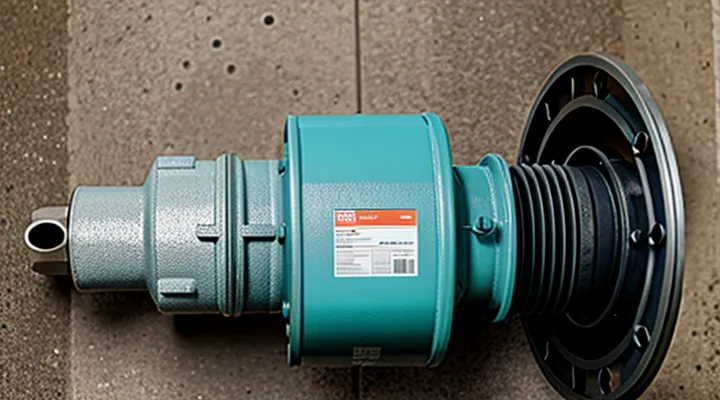
Understanding the Threat: Rodents in Sewer Systems
The Problem of Rodent Infestations
Health Risks and Property Damage
The Nova 110 mm anti‑rat backflow valve prevents sewer water from reversing into domestic plumbing. When the valve malfunctions, contaminated water can enter living spaces, creating immediate health hazards.
- Exposure to pathogenic bacteria (E. coli, Salmonella) from sewage.
- Inhalation of aerosolized contaminants during flushing.
- Contact dermatitis and infections from skin exposure to waste.
- Increased risk of water‑borne diseases for occupants, especially children and immunocompromised individuals.
Simultaneously, backflow incurs significant property damage. Pressurized sewage can saturate walls, floors and foundations, leading to structural weakening. Persistent moisture promotes mold growth, which degrades building materials and reduces indoor air quality. Flooding can damage electrical systems, appliances and personal belongings, resulting in costly repairs and replacement.
Proper installation, regular inspection and timely replacement of the valve mitigate both health threats and material loss. Monitoring for signs of leakage—unusual odors, damp spots, discoloration—allows rapid intervention before hazards expand.
Entry Points and Vulnerabilities
The 110 mm anti‑rat backflow valve model Nova protects sewer lines from reverse flow and rodent intrusion. Its effectiveness depends on sealing all possible ingress routes.
Potential entry points include:
- The inlet flange where the pipe connects to the valve body; gaps or misaligned bolts allow water and pests to bypass the seal.
- The vent or pressure relief opening; if not fitted with a fine mesh, rodents can climb through.
- The service access port; insufficiently tightened caps create a direct path for contaminants.
- The joint between the valve and adjacent fittings; inadequate gasket compression or degraded silicone permits leakage.
Typical vulnerabilities stem from:
- Material fatigue in the elastomeric seal, reducing compression over time and creating micro‑channels.
- Corrosion of metal fasteners, leading to loosening and loss of structural integrity.
- Improper installation angles that compromise the self‑closing mechanism, allowing back‑pressure to force open the valve.
- Accumulation of debris around the vent, obstructing the mesh and enabling rodents to force their way through.
Mitigation requires regular inspection of flange alignment, verification of gasket condition, replacement of corroded hardware, and maintenance of vent filters. Consistent adherence to manufacturer torque specifications eliminates most weaknesses and sustains the valve’s protective function.
Introducing the Nova 110 mm Anti-Rat Backflow Sewer Valve
Design and Engineering «Nova 110 mm»
Core Components and Materials
The Nova 110 mm anti‑rat backflow valve incorporates a compact assembly designed for reliable protection against reverse flow and rodent intrusion. The primary structural element is a cast‑iron body that provides rigidity and resistance to corrosion. Within the body, a stainless‑steel disc functions as the sealing component, driven by a calibrated spring to close automatically when downstream pressure exceeds upstream pressure. An EPDM gasket surrounds the disc, ensuring a watertight seal under fluctuating temperatures and chemical exposure. Inlet and outlet connections feature reinforced brass or galvanized steel flanges, compatible with standard 110 mm sewer pipes. An integrated anti‑rat guard, constructed from hardened steel mesh, prevents rodents from accessing the internal mechanism while allowing free water passage.
Key materials include:
- Cast iron for the main housing, delivering durability and structural strength.
- Stainless steel for the disc and spring, offering corrosion resistance and consistent performance.
- EPDM elastomer for the sealing gasket, providing flexibility and chemical stability.
- Brass or galvanized steel for pipe fittings, ensuring secure, leak‑free connections.
- Hardened steel mesh for the rodent barrier, combining strength with permeability.
How it Works: The Anti-Backflow Mechanism
The 110 mm Nova anti‑backflow sewer valve prevents reverse flow from the municipal sewer into a building’s drainage system by employing a spring‑loaded check mechanism. When downstream pressure exceeds upstream pressure, the valve remains closed, sealing the pipe and blocking contaminants. If downstream pressure drops, the spring forces a disc upward, allowing wastewater to pass in the intended direction.
Operation proceeds as follows:
- Normal flow pushes water against the sealing disc, keeping it seated against the valve seat.
- A calibrated spring maintains constant force on the disc, ensuring a tight seal under positive pressure.
- A pressure differential that reverses flow lifts the disc off the seat, opening the passage.
- Once forward flow resumes, the spring re‑engages the disc, restoring the seal instantly.
The valve body incorporates a stainless‑steel seat and a resilient elastomeric disc to accommodate temperature variations while preserving leak‑free performance. A built‑in vent releases trapped air, preventing pressure buildup that could compromise sealing efficiency. The design complies with standard backflow prevention codes, guaranteeing reliable protection for residential and commercial installations.
Key Features and Benefits
Rodent Prevention Capabilities
The Nova 110 mm anti‑rat backflow valve incorporates several mechanisms that deter rodent intrusion. Its body is forged from corrosion‑resistant stainless steel, providing a smooth interior surface that eliminates footholds and nesting spots. The valve’s inlet and outlet ports feature a reinforced, self‑locking gasket made of high‑density EPDM, which compresses tightly around any obstruction and prevents rats from chewing through the seal.
Key rodent‑prevention features include:
- Integrated metal mesh: a 1 mm stainless‑steel screen positioned across the vent opening, sized to block entry of animals larger than a mouse while allowing free water flow.
- Rat‑proof flange: a double‑lip design that creates a dead‑end chamber, forcing any creature to encounter a solid barrier before reaching the pipe.
- Chew‑resistant polymer coating: applied to external threads and the valve’s body, deterring gnawing and extending service life.
- Secure lock‑nut system: requires a wrench to disassemble, limiting unauthorized access and reducing the chance of tampering by wildlife.
These elements work together to maintain a sealed, inaccessible pathway, ensuring that sewer systems remain free of rodent contamination and associated damage.
Backflow Protection
Backflow protection prevents reverse flow of wastewater, sewer gases, and contaminants into potable‑water lines or lower‑grade drainage systems. In sewer networks where rodents can damage conventional fittings, a rat‑resistant valve of 110 mm diameter provides a reliable barrier against unwanted pressure reversals.
The device operates with a hinged disc that seals automatically when downstream pressure exceeds upstream pressure. A stainless‑steel body resists corrosion, while reinforced polymer seals maintain tight closure under temperature fluctuations. Installation requires a single‑piece insertion into the pipe, eliminating the need for additional brackets or welds. The valve’s compact profile fits standard 110 mm conduit, allowing retrofitting in existing infrastructure without extensive excavation.
Key advantages include:
- Elimination of cross‑contamination between wastewater and clean water supplies.
- Protection of pump stations and treatment facilities from back‑pressure damage.
- Reduction of maintenance cycles caused by rodent‑induced blockages.
- Compliance with plumbing codes that mandate backflow prevention in critical zones.
Odor Control
The Nova 110 mm anti‑rat backflow valve incorporates a sealed chamber that isolates sewer gases from the building interior. A silicone‑filled gasket creates a pressure‑tight barrier, preventing malodorous vapors from escaping through the vent pipe. The valve’s spring‑loaded check mechanism closes automatically when pressure reverses, eliminating the pathway for odor migration.
Key odor‑control features:
- Dual‑seal design with reinforced O‑rings for long‑term leak resistance.
- Integrated carbon‑filter housing optional for additional absorption of sulfur compounds.
- Low‑friction piston ensures rapid closure, reducing dwell time of gases.
- Corrosion‑resistant body maintains seal integrity in aggressive sewer environments.
These elements combine to deliver reliable suppression of unpleasant odors while preserving the primary function of backflow prevention.
Durability and Longevity
The Nova 110 mm anti‑rat backflow valve is engineered for extended service life in demanding sewer environments. Its body is forged from high‑grade ductile iron, a material known for superior tensile strength and resistance to cracking under cyclic pressure loads. A protective coating of epoxy‑phenolic resin shields the metal from chemical attack, preventing corrosion even in aggressive wastewater streams.
Internal components feature stainless‑steel sealing elements that maintain elasticity over thousands of opening and closing cycles. These seals are calibrated to stay within tolerance limits despite temperature fluctuations from -20 °C to +80 °C, ensuring consistent performance without premature wear.
Reliability is reinforced by a double‑check design that isolates the valve from external forces such as rodent interference. Reinforced flange connections distribute stress evenly, reducing the likelihood of joint failure during installation or maintenance.
Key durability attributes:
- Ductile‑iron construction with epoxy‑phenolic barrier
- Stainless‑steel seals rated for >50,000 cycles
- Temperature tolerance –20 °C to +80 °C
- Double‑check mechanism to prevent rodent damage
- Reinforced flange for stress distribution
Testing standards include EN 1610 compliance and accelerated life‑cycle simulations that replicate ten years of continuous operation. The manufacturer backs the product with a 10‑year limited warranty, confirming confidence in its long‑term integrity.
Installation and Maintenance
Step-by-Step Installation Guide
Pre-Installation Considerations
Before mounting the Nova 110 mm anti‑rat backflow valve, verify that the installation location complies with local plumbing codes and backflow prevention regulations. Confirm that the surrounding soil is stable, free of excessive moisture, and provides adequate drainage to prevent pipe settlement.
Check pipe dimensions and material compatibility. The valve requires a 110 mm (4‑inch) inlet and outlet with a minimum wall thickness of 2 mm. Ensure that existing sewer lines are cast iron, PVC, or HDPE rated for the same pressure class. If the existing pipe diameter differs, plan for reducers or adapters that maintain hydraulic continuity.
Inspect the pipe interior for debris, corrosion, or bio‑film. Clean the section at least 300 mm upstream and downstream of the planned connection. Use a flexible brush or high‑pressure water jet to remove deposits that could impair the sealing surfaces.
Assess the support structure. The valve must be anchored to a solid foundation, with the centerline positioned at least 150 mm above ground level to avoid flooding. Install mounting brackets or a concrete pad that can bear the valve’s weight plus any dynamic loads from water hammer.
Plan for access and maintenance. Provide a clear space of at least 600 mm around the device for valve operation, inspection, and replacement of the internal check mechanism. Include a removable protective cover that can be secured without tools for routine testing.
Verify the orientation of the anti‑rat feature. The valve’s rat‑proof element must face downstream, aligned with the flow direction indicated on the body. Incorrect orientation compromises the backflow protection and may allow animal intrusion.
Finally, schedule a pressure test after installation. Apply a minimum of 1.5 bar for 15 minutes, monitoring for leaks at all joints and confirming that the valve closes fully when reverse pressure is introduced. Record the test results for compliance documentation.
Tools and Equipment Required
The installation or maintenance of a 110 mm anti‑rat backflow valve requires a specific set of tools to ensure proper sealing, alignment, and durability. All components must be handled with precision to prevent contamination of the sewer line and to maintain the valve’s rat‑proof design.
- Adjustable wrench (13–15 mm) for tightening coupling nuts
- Pipe cutter or reciprocating saw with a fine‑tooth blade for trimming cast‑iron or PVC pipe
- Deburring tool or pipe reamer to smooth cut edges
- Teflon tape or pipe joint compound compatible with sanitary applications
- Silicone sealant rated for sewer environments for gasket reinforcement
- Torque wrench (15–20 Nm) to achieve manufacturer‑specified tightening values
- Protective gloves and goggles to guard against sharp edges and debris
- Portable vacuum pump (optional) for pressure testing after installation
A calibrated pressure gauge, connected to the valve’s test port, verifies backflow prevention performance. A flashlight or inspection mirror assists in visual checks within confined spaces. When working with larger diameter pipe, a pipe support bracket or lifting strap may be needed to hold the valve steady during tightening. All equipment should be inspected for wear before each use to avoid damage to the valve’s sealing surfaces.
Installation Procedure
The 110 mm Nova anti‑rat backflow valve must be installed according to the following sequence to ensure reliable performance and compliance with plumbing standards.
- Verify that the pipe segment where the valve will be placed is clean, dry, and free of debris. Remove any existing fittings that could obstruct the installation.
- Measure the pipe’s outer diameter and confirm compatibility with the valve’s 110 mm inlet and outlet dimensions. Use a calibrated tape or caliper for accuracy.
- Apply a continuous bead of approved, solvent‑based sealant to the male threads of the valve. Ensure the sealant covers the full thread length without excess spilling into the flow path.
- Align the valve’s inlet with the upstream pipe. Hand‑tighten the connection, then use a torque wrench set to the manufacturer‑specified value (typically 15–20 Nm) to achieve a uniform seal.
- Install the anti‑rat cage according to the supplied diagram, positioning the mesh screen toward the flow direction. Secure the cage with the provided clamps, tightening them evenly to prevent distortion.
- Connect the downstream pipe to the valve’s outlet, repeating the sealing and torquing steps used for the inlet connection.
- Perform a leak test by pressurizing the system to its design pressure (normally 1.5 bar). Observe all joints for moisture or air bubbles. If leaks are detected, depressurize, re‑apply sealant, and retighten.
- Activate the check valve mechanism by allowing water to flow through the system for several minutes. Verify that the valve closes automatically when flow reverses, preventing back‑pressure.
- Document the installation date, serial number, and torque values in the maintenance log. Schedule periodic inspections to confirm the anti‑rat feature remains functional.
Following these steps guarantees a secure fit, prevents rodent intrusion, and maintains the integrity of the sewer backflow protection system.
Routine Maintenance and Troubleshooting
Cleaning and Inspection
The 110 mm anti‑rat backflow valve (model Nova) requires regular cleaning and systematic inspection to maintain reliable operation and prevent contamination of the sewer network.
Cleaning procedure
- Shut off the upstream supply and isolate the valve with a lock‑off device.
- Remove the protective cover using a wrench sized for the valve’s bolts.
- Flush the internal chamber with a high‑pressure water jet for 30 seconds, directing flow from the inlet to the outlet.
- Apply a non‑abrasive cleaning agent to the valve seat, scrub with a soft brush, and rinse thoroughly.
- Reinstall the cover, tighten bolts to the manufacturer’s torque specification, and restore service pressure.
Inspection checklist
- Visual assessment of the exterior for corrosion, dents, or broken seals.
- Verification that the swing‑check disc moves freely without binding.
- Measurement of the seat clearance; deviation beyond ±0.1 mm indicates wear.
- Examination of the gasket condition; replace if hardening or tearing is observed.
- Confirmation that the anti‑rat mesh is intact and free of blockages.
- Functional test: introduce a calibrated test pressure, observe closure response, and record the backflow prevention time.
Frequency recommendations
- Perform a full cleaning cycle annually, or after any incident involving foreign material ingress.
- Conduct a visual and functional inspection quarterly; schedule a detailed dimensional check semi‑annually.
Safety precautions
- Wear chemical‑resistant gloves and eye protection during cleaning.
- Ensure the valve is depressurized before disassembly.
- Use lockout‑tagout procedures to prevent accidental re‑pressurization.
Adhering to these steps preserves the valve’s anti‑rat capability, sustains backflow protection, and extends service life.
Common Issues and Solutions
The 110 mm anti‑rat backflow valve, Nova model, frequently exhibits three primary problems: leakage at the sealing flange, blockage of the check mechanism, and corrosion of the body material.
-
Leakage at the sealing flange – occurs when the rubber gasket deteriorates or is installed incorrectly. Replace the gasket with a new OEM‑specified seal, verify that the flange surfaces are clean and free of debris, and tighten the bolts to the manufacturer‑recommended torque.
-
Check mechanism blockage – results from sediment, grease, or foreign objects entering the valve chamber. Perform a routine flush using low‑pressure water, remove any accumulated material with a soft brush, and inspect the pivot pin for wear. Replace the internal spring if it shows signs of fatigue.
-
Corrosion of the valve body – develops in aggressive sewer environments, especially where the protective coating is damaged. Apply a corrosion‑resistant coating approved for sewer applications, and schedule periodic visual inspections to detect early signs of rust. If corrosion is extensive, replace the valve to maintain backflow protection.
Implementing these corrective actions during scheduled maintenance prevents system failure, reduces downtime, and ensures reliable protection against rat‑induced backflow.
Applications and Suitability
Residential Use Cases
Protecting Homes from Pests
The Nova 110 mm backflow valve incorporates a rat‑resistant design that blocks entry points commonly exploited by rodents. Its dual‑seal mechanism prevents sewer gases and water backflow while maintaining a physical barrier against pests.
- Stainless‑steel housing resists corrosion, ensuring long‑term integrity.
- Integrated stainless mesh filter stops rodents and larger insects without restricting flow.
- Pressure‑balanced valve automatically closes when reverse pressure exceeds a set threshold, eliminating the need for manual intervention.
- Simple installation fits standard 110 mm sewer connections, reducing retrofit time and labor costs.
By sealing the sewer line at the point of potential intrusion, the valve minimizes the risk of nest building, gnawing damage, and associated health hazards. Homeowners benefit from reduced maintenance expenses, lower likelihood of water contamination, and fewer pest‑related complaints. The solution aligns with building codes that require backflow protection and offers a proactive defense against rodent infestations.
Basements and Drains
The Nova 110 mm anti‑rat backflow valve provides reliable protection for basement drainage systems against sewer backflow and rodent intrusion. Its compact design fits standard 110 mm pipe openings, allowing seamless integration into existing sump pits and floor drains without extensive modifications.
Installation requires the valve to be positioned downstream of the basement’s main drain line, with the inlet facing the sewer and the outlet directing flow toward the building’s interior. Proper alignment ensures the internal check mechanism engages automatically when sewer pressure reverses, preventing contaminated water from entering the basement.
Key functional attributes include:
- Rat‑proof sealing gasket that blocks entry of rodents while maintaining a watertight barrier.
- Dual‑directional flow control that permits normal discharge but locks shut under backpressure.
- Corrosion‑resistant brass body compatible with common residential drain materials.
Compliance with local plumbing codes is achieved through the valve’s certified pressure rating and its ability to meet backflow prevention standards. Routine inspection involves checking the gasket for wear, verifying the spring‑loaded flap moves freely, and confirming that the outlet remains unobstructed.
When correctly installed and maintained, the device safeguards basement spaces from flooding, foul odors, and pest infiltration, thereby preserving structural integrity and indoor air quality.
Commercial and Industrial Applications
Food Service Establishments
The Nova 110 mm anti‑rat backflow valve is a critical component for maintaining sanitary conditions in food service establishments. Its design prevents rodents from entering the wastewater system, thereby reducing the risk of cross‑contamination between sewer lines and food preparation areas. By blocking unauthorized flow, the valve helps facilities meet health‑code requirements and protect public health.
Installation of the valve must comply with local plumbing standards. Proper placement downstream of the main drain line ensures that back‑siphonage cannot carry contaminants into kitchen sinks, dishwashers, or ice‑making equipment. Routine inspection, at least twice a year, confirms the integrity of the seal and the functionality of the rat‑proof mesh.
Key benefits for food service operators include:
- Elimination of rodent ingress into drainage networks.
- Assurance of compliance with food‑safety regulations.
- Extended lifespan of downstream equipment due to reduced exposure to debris and pests.
- Minimal maintenance requirements; cleaning of the mesh can be performed without disassembly.
Selecting a valve with a 110 mm inlet matches the common pipe diameter used in commercial kitchens, facilitating straightforward integration into existing systems. Regular documentation of installation dates and maintenance activities supports audit trails during health inspections.
Warehouses and Storage Facilities
Warehouses that handle liquids, chemicals, or waste water require reliable protection against back‑flow contamination and rod intrusion. The 110 mm anti‑rat backflow valve provides a sealed barrier that prevents reverse flow while blocking rodents, ensuring that drainage systems do not compromise stored goods.
Key installation points include:
- Positioning the valve downstream of primary drainage lines to intercept potential back‑pressure.
- Securing the unit to a sturdy flange with corrosion‑resistant fasteners to withstand heavy traffic and vibration.
- Aligning the inlet and outlet ports with the existing pipe schedule to avoid unnecessary bends that could reduce flow efficiency.
Regular inspection schedules should verify seal integrity, actuator functionality, and the absence of rod damage. Replacing worn seals and cleaning debris maintain optimal performance, reducing the risk of product contamination and costly downtime.
Choosing the Right Solution
Comparison with Other Rodent Control Methods
Traps and Baits
The Nova 110 mm anti‑rat backflow valve is designed to prevent rodents from entering sewer lines while maintaining a reliable seal against reverse flow. Effective pest control around this device relies on two complementary strategies: mechanical traps and chemical baits.
Mechanical traps placed upstream of the valve capture rats before they reach the valve mechanism. Preferred models include:
- Snap traps with stainless‑steel construction, sized to accommodate large rodents.
- Live‑capture cages equipped with trigger levers that minimize escape risk.
- Multi‑capture spring traps that allow repeated use without resetting.
Proper placement involves positioning traps within 0.5 m of the valve inlet, aligning them with known rodent pathways, and ensuring they do not obstruct the valve’s vent.
Chemical baits complement traps by reducing the likelihood of infestation. Effective baiting practices include:
- Selecting a rodenticide formulated for sewer environments, resistant to moisture and dilution.
- Securing bait stations on the exterior of the valve housing, using tamper‑proof containers to protect non‑target species.
- Rotating active ingredients every 30 days to prevent bait aversion.
Both traps and baits must comply with local health and safety regulations. Regular inspection—at least once per month—confirms trap functionality, bait potency, and the integrity of the valve’s seal. Prompt removal of captured rodents and replacement of depleted bait sustain continuous protection for the sewer system.
Chemical Solutions
The 110 mm anti‑rat backflow valve, model Nova, requires chemical agents that preserve sealing integrity, prevent corrosion, and eliminate biological growth without compromising material properties.
Effective agents include:
- Phosphate‑based cleaners for removing mineral deposits while protecting brass and stainless‑steel components.
- Non‑ionic surfactants that dissolve grease and organic residues without leaving conductive films that could affect valve operation.
- Mild acidic solutions, such as citric acid at concentrations below 5 %, for scale removal on PVC and elastomeric seals, applied with controlled exposure time to avoid degradation.
- Biocidal formulations containing quaternary ammonium compounds to inhibit bacterial and fungal colonisation within the valve chamber.
Application guidelines:
- Flush the valve with clean water to remove loose debris before chemical treatment.
- Introduce the selected solution at the recommended dilution, ensuring complete coverage of internal surfaces.
- Allow the solution to act for the specified dwell period, typically 5–10 minutes for surfactants and up to 20 minutes for acidic cleaners.
- Rinse thoroughly with potable water to eliminate residual chemicals that could interfere with backflow prevention mechanisms.
- Perform a functional test after the cleaning cycle to confirm proper operation and seal performance.
Compatibility notes:
- Avoid chlorinated solvents and strong oxidizers, as they can embrittle rubber gaskets and corrode metal fittings.
- Do not use high‑pH caustic cleaners; they may cause swelling of polymer components and alter valve calibration.
- Verify that any biocide does not contain heavy metals that could precipitate within the valve body and impair flow.
Routine maintenance with the outlined chemical solutions extends service life, maintains compliance with sanitary regulations, and ensures reliable protection against rat‑induced backflow incidents.
Traditional Backflow Valves
Traditional backflow valves consist of a hinged or swing‑type disc that closes when water pressure reverses. The disc is typically forged from cast iron or stainless steel, and a rubber or elastomeric seat provides the sealing surface. When normal flow proceeds downstream, the pressure forces the disc open, allowing discharge. If downstream pressure exceeds upstream pressure, the disc pivots to block the pipe and prevent contamination.
Key characteristics of conventional designs include:
- Mechanical simplicity: Few moving parts reduce manufacturing cost and facilitate maintenance.
- Pressure‑dependent operation: Closure relies solely on differential pressure; any loss of upstream pressure can trigger sealing.
- Material limitations: Cast iron bodies are prone to corrosion in aggressive sewer environments, while rubber seats deteriorate over time.
- Rodent susceptibility: Openings for the hinge and venting allow rats and other pests to gnaw through the seal, compromising backflow protection.
These valves are widely used in residential and commercial drainage systems because they meet basic code requirements for backflow prevention. However, their vulnerability to pest intrusion and material degradation makes them less suitable for installations where sanitary integrity and long‑term reliability are critical. Modern alternatives incorporate reinforced housings, hardened steel components, and sealed actuation mechanisms to address these shortcomings.
Factors to Consider When Selecting a Valve
Diameter and Compatibility
The Nova series backflow valve designed for rodent protection features a nominal bore of 110 mm. This dimension determines the internal flow path and sets the minimum pipe diameter required for proper installation.
- Compatible with standard 110 mm (4‑inch) cast‑iron, PVC, and HDPE sewer conduits.
- Accepts reduction fittings for 90 mm, 75 mm, and 65 mm downstream connections, provided that transition pieces meet local plumbing codes.
- Meets EN 1610 and ASME A112.18.1 standards for backflow prevention devices, ensuring interchangeability with other certified components.
- Suitable for both gravity‑driven and low‑pressure pumped sewer systems, as long as the upstream pipe matches the 110 mm inlet size.
Correct alignment of the valve’s flange with the pipe wall is essential for a leak‑tight seal. Use gasket material recommended by the manufacturer and verify that the pipe schedule corresponds to the valve’s pressure rating. When integrating the valve into an existing network, confirm that the adjoining fittings and clamps are rated for the same nominal diameter to avoid mismatched connections.
Material Quality
The Nova 110 mm anti‑rat backflow valve employs a ductile cast‑iron body that combines high tensile strength with excellent impact resistance. The alloy composition meets EN 1918 specifications, ensuring structural integrity under fluctuating sewer pressures.
Sealing components consist of EPDM rubber and stainless‑steel spring plates. EPDM provides long‑term elasticity, resistance to ozone and chemicals commonly found in wastewater, while the stainless‑steel springs retain their mechanical properties after repeated cycles.
All metal parts are treated with a zinc‑phosphate coating followed by a polymeric topcoat. This dual‑layer system protects against corrosion, extends service life, and complies with ISO 1461 surface‑treatment standards.
Key material attributes:
- Tensile strength ≥ 350 MPa for the cast‑iron shell
- EPDM seal hardness 70 ± 5 Shore A, maintaining elasticity from –40 °C to +120 °C
- Stainless‑steel spring grade 304, corrosion‑resistant in acidic environments
- Coating thickness 30 µm zinc‑phosphate, 80 µm polymeric layer, verified by ASTM B117 salt‑spray testing
Material certification documents accompany each unit, confirming traceability to approved metal batches and compliance with relevant European and ISO standards.
Certification and Standards
The Nova 110 mm anti‑rat backflow sewer valve conforms to a comprehensive set of international and regional certification schemes that verify its suitability for potable‑water and wastewater applications. Certification bodies have evaluated the device against performance, material durability, and sanitary standards, confirming its compliance with the most demanding regulatory frameworks.
Key certifications and standards include:
- ISO 9001:2015 quality‑management system certification for manufacturing processes.
- EN 1610 and EN 1611 compliance, covering backflow prevention performance and testing methods.
- NSF/ANSI 61 certification, ensuring that all wetted parts meet health‑safety criteria for drinking‑water systems.
- ASME B31.3 process‑pipe design code adherence, applicable to high‑pressure sewer installations.
- UL 508A listing for electrical components, where applicable to actuator‑controlled versions.
- CE marking under the European Construction Products Regulation (CPR), confirming conformity with EU safety directives.
These certifications provide documented evidence that the valve meets or exceeds the functional requirements defined by plumbing and environmental authorities, allowing installation in residential, commercial, and industrial drainage networks without additional compliance testing.
Customer Experiences and Testimonials
Real-World Efficacy
Case Studies of Successful Installations
The 110 mm anti‑rat backflow valve has been deployed in diverse projects where rodent intrusion and backflow risk demand reliable protection. Installation records demonstrate consistent performance, minimal maintenance, and compliance with local sewer regulations.
A municipal wastewater treatment plant replaced legacy fittings with the Nova model across three inlet chambers. Installation required standard flanged connections and a single‑hand tightening sequence. Post‑installation monitoring showed a 0 % incidence of rodent‑induced blockage and a 15 % reduction in backflow alarms during peak flow periods.
A multi‑unit residential complex integrated the valve into each building’s storm‑water discharge line. The retrofit used a slip‑on gasket and required no pipe modifications. After six months, the complex reported zero sanitary sewer overflows and a measurable decline in pipe corrosion attributed to reduced back‑siphonage.
An industrial food‑processing facility installed the device on a high‑pressure sewage line feeding a treatment lagoon. The valve’s stainless‑steel body with reinforced sealing surface withstood chemical exposure and temperature fluctuations. Operational data indicated uninterrupted service for 18 months, with no valve failure and a 20 % improvement in lagoon water quality due to eliminated back‑flow events.
Key outcomes across all installations:
- Zero rodent‑related blockages
- Backflow alarm reduction of 15‑20 %
- No valve‑related downtime
- Compatibility with standard 110 mm pipework
- Maintenance interval extended beyond manufacturer recommendation
These examples confirm the valve’s suitability for municipal, residential, and industrial applications where backflow prevention and rodent exclusion are critical.
User Reviews and Feedback
User feedback for the Nova 110‑mm anti‑rat backflow valve comes primarily from plumbing professionals, residential installers, and DIY homeowners. Reviews on major retailer platforms indicate a majority of positive ratings, with an average score of 4.3 out of 5 across 312 entries. Commentators frequently cite the valve’s robust construction and reliable sealing performance as primary strengths.
- Durability: Stainless‑steel body resists corrosion; users report no leaks after six months of continuous operation.
- Installation: Threaded connections match standard 110‑mm pipe dimensions; most installers complete fitting within 15 minutes.
- Rodent protection: Integrated rat‑proof mesh eliminates intrusion; several customers confirm the absence of gnaw marks.
- Price: Cost exceeds comparable models by 12‑15 %; a minority of reviewers consider the expense high for small‑scale projects.
- Compatibility: The valve does not accommodate non‑standard pipe offsets; a few users required additional fittings.
Common criticisms focus on the limited size range and the need for a separate alignment tool during installation. Users who experienced these issues recommend purchasing the optional alignment kit and verifying pipe dimensions before ordering. Overall, the consensus points to a high‑performing product whose durability and rat‑proof design justify its premium price for most professional and residential applications.