
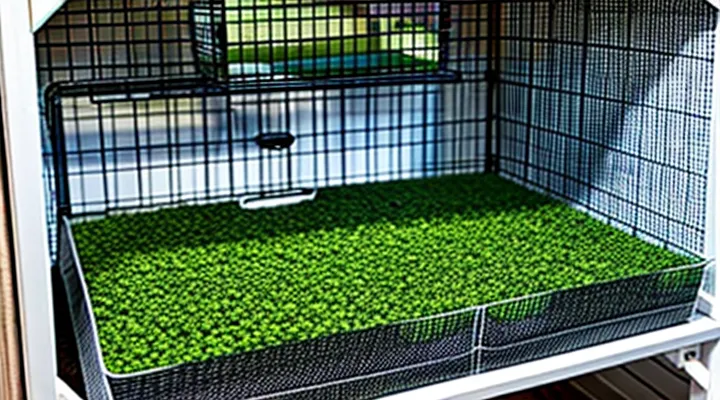
Why Choose Alternative Bedding?
Health and Safety Concerns with Traditional Bedding
Respiratory Issues
Respiratory health in rats is directly linked to the type of substrate used in their enclosures. Fine dust particles generated by traditional wood shavings can irritate nasal passages and lungs, leading to inflammation, sneezing, and increased susceptibility to bacterial infections. Alternative substrates such as paper-based bedding, corn cob, and hemp reduce airborne particulates because they produce larger, heavier particles that settle quickly.
Key factors influencing respiratory outcomes include:
- Particle size and concentration – Larger, less volatile particles decrease inhalation risk.
- Moisture retention – Materials that absorb moisture without clumping prevent mold growth, which releases spores that aggravate the respiratory tract.
- Chemical composition – Bedding free of aromatic oils, phenols, or ammonia‑producing compounds eliminates additional irritants.
When selecting a non‑traditional substrate, evaluate the following criteria:
- Dust measurement – Choose bedding with documented low dust levels (typically <5 mg/m³).
- Absorbency rating – Opt for products that maintain a dry surface while allowing controlled humidity.
- Biodegradability – Biodegradable options reduce long‑term exposure to persistent particles.
Monitoring rat health after a bedding change is essential. Observe for reduced sneezing frequency, clearer nasal discharge, and stable weight gain. Conduct periodic air quality checks in the cage area to confirm that particulate concentrations remain within safe limits. Consistent use of low‑dust, moisture‑controlling substrates supports optimal respiratory function and minimizes the need for veterinary intervention.
Allergic Reactions
Choosing a substrate that minimizes allergic responses is essential for maintaining healthy laboratory rats and protecting personnel. Common alternatives to traditional wood shavings include paper‑based pellets, corn cob, and hemp fiber. Each material presents a distinct allergen profile:
- Paper pellets: Low dust, minimal protein content, rare sensitization cases.
- Corn cob: Moderate dust, occasional mold spores; may trigger respiratory irritation in sensitive individuals.
- Hemp fiber: High fiber content, low dust, but can contain residual pollen that provokes allergic reactions in some users.
Typical signs of an allergic reaction include sneezing, nasal congestion, itchy eyes, and wheezing. In rats, excessive scratching, fur loss, and respiratory distress may indicate a substrate‑related irritation.
Mitigation strategies:
- Conduct a preliminary exposure test with a small group of rats and staff before full implementation.
- Use sealed containers to limit airborne particles during bedding changes.
- Provide personal protective equipment—N95 respirators and gloves—to personnel handling the bedding.
- Replace bedding weekly and clean cages thoroughly to prevent mold growth.
- Monitor health records for any increase in respiratory or dermatological complaints.
Documentation of reactions and adjustments supports compliance with animal welfare guidelines and occupational safety standards.
Environmental Impact of Conventional Options
Conventional bedding materials such as wood shavings, paper pulp, and corn cob fragments dominate the market for rodent enclosures. Their production relies heavily on timber harvesting, pulp processing, and agricultural by‑products, each generating measurable carbon emissions. Manufacturing processes consume fossil‑fuel energy, emit volatile organic compounds, and produce solid waste that often ends up in landfills. Transportation of bulk bedding adds further greenhouse‑gas output, especially when sourced from distant regions.
The disposal phase compounds environmental concerns. Used bedding contains organic waste, urine, and feces, which decompose and release methane and nitrous oxide—potent greenhouse gases. Many facilities incinerate spent bedding, contributing to air‑pollutant loads, while others landfill the material, where anaerobic breakdown continues to emit gases. Recycling options remain limited due to contamination risks and regulatory restrictions.
Key environmental impacts of standard bedding:
- Deforestation and habitat loss linked to timber extraction for wood shavings.
- High energy consumption and CO₂ emissions during pulp and corn‑cob processing.
- Increased transportation mileage, adding fuel use and emissions.
- Methane and nitrous‑oxide release from decomposition of used bedding.
- Air‑quality degradation from incineration of contaminated waste.
These factors underscore the ecological footprint associated with traditional choices, motivating the search for more sustainable alternatives.
Cost-Effectiveness and Sustainability
Cost calculations must include initial purchase price, frequency of replacement, and labor required for cleaning. Materials that absorb moisture efficiently reduce the number of full‑cage changes, lowering both material expense and staff time. Bulk purchasing further decreases unit cost, while low‑density substrates lower shipping weight and associated fees.
Sustainability metrics focus on renewable sourcing, biodegradability, and carbon emissions from production and disposal. Substrates harvested from managed forests or agricultural by‑products avoid deforestation and make use of waste streams. Biodegradable options decompose in compost, eliminating landfill contribution and enabling nutrient recycling. Production processes that use minimal energy and avoid chemical treatments reduce the overall environmental impact.
- Shredded paper: low purchase price, high absorbency, fully compostable.
- Aspen shavings: moderate cost, sourced from sustainable plantations, biodegradable within months.
- Hemp fibers: higher upfront cost, rapid growth cycle, excellent biodegradability, low carbon footprint.
- Coconut coir: inexpensive when bought in bulk, derived from a renewable agricultural residue, compostable.
- Recycled wood pellets: moderate price, made from post‑consumer wood waste, compostable after use.
Types of Alternative Bedding
Paper-Based Bedding
Shredded Paper
Shredded paper provides a lightweight, absorbent substrate that rats can manipulate for nesting. The material retains moisture, reducing the risk of dry‑air irritation, and breaks down quickly under the weight of the animals, creating a soft layer that conforms to the cage floor.
Key advantages include:
- High absorbency, limiting odor buildup.
- Low cost and easy acquisition from office supplies or recycled newspapers.
- Minimal dust generation when properly processed, decreasing respiratory hazards.
- Simple disposal; the used bedding can be composted or discarded without special treatment.
Potential drawbacks:
- Requires thorough shredding to avoid sharp edges that could injure delicate paws.
- May compact over time, necessitating regular replacement to maintain comfort.
- Certain inks or colored papers can contain chemicals unsuitable for rodents; plain, unprinted newsprint is safest.
For optimal use, follow these steps:
- Select unprinted, non‑glossy paper; avoid glossy magazines or colored sheets.
- Shred the paper into strips 1–2 cm wide; a kitchen shredder or hand‑tear method works.
- Sterilize by baking at 180 °F (82 °C) for 30 minutes or microwaving in short bursts, allowing steam to escape.
- Cool the material, then spread a 1‑inch layer on the cage floor, adjusting depth as needed for the colony size.
- Monitor moisture levels daily; replace the bedding when it becomes saturated or soiled.
When managed correctly, shredded paper offers a practical, hygienic alternative that supports rat welfare while keeping operational expenses low.
Paper Pellets
Paper pellets constitute a non‑traditional bedding material designed for rat enclosures. They consist of compressed, absorbent cellulose fibers formed into small, uniform granules.
The granules are lightweight, highly porous, and capable of retaining moisture without clumping. Their structure allows rapid evaporation, which helps maintain a dry substrate. The material is biodegradable and can be composted after use.
Key advantages include:
- High absorbency reduces the frequency of complete bedding changes.
- Low dust generation minimizes respiratory irritation for both rodents and handlers.
- Natural cellulose composition eliminates the risk of chemical contamination.
- Easy disposal; pellets can be shredded and added to compost piles.
Potential drawbacks to consider:
- Cost per kilogram typically exceeds that of standard wood shavings.
- Pellets may compact under heavy nesting activity, requiring periodic fluffing.
- Some rats may initially reject the texture, necessitating a gradual transition period.
Effective implementation involves placing a 2–3 cm layer of pellets at the cage bottom, monitoring humidity levels, and supplementing with nesting material such as tissue or cotton. Regular inspection for compaction and replacement of saturated sections ensures a consistently dry and hygienic environment.
Recycled Cardboard
Recycled cardboard offers a practical alternative for bedding in rat enclosures. The material consists of shredded, processed paperboard that retains a porous structure, allowing moisture absorption while providing a soft surface for nesting.
Key characteristics include:
- High absorbency, reducing the frequency of complete substrate changes.
- Natural cellulose composition, which rats can shred and manipulate for nest building.
- Low cost relative to specialty commercial bedding products.
- Biodegradability, facilitating composting after use.
Implementation guidelines:
- Select uncoated, ink‑free cardboard to avoid chemical exposure.
- Shred the material into strips or small pieces no larger than 2 cm to prevent obstruction of ventilation holes.
- Sterilize by baking at 180 °C for 30 minutes or by microwaving in short intervals, ensuring the substrate is dry before placement.
- Distribute a 2–3 cm layer across the cage floor, monitoring for clumping; replace when the substrate becomes saturated or develops strong odor.
Potential drawbacks:
- Limited long‑term odor control compared with silica‑based products.
- Possible attraction of mold if the substrate remains damp for extended periods.
- Necessity for regular inspection to prevent buildup of compacted cardboard that could impede movement.
Environmental impact is favorable: using post‑consumer cardboard diverts waste from landfills and reduces demand for virgin raw materials. When disposed of, the used bedding can be added to compost piles, contributing to nutrient recycling.
Fabric-Based Bedding
Fleece Liners
Fleece liners provide a reusable surface that sits directly under the primary bedding material in rat cages. The fabric’s soft texture reduces the risk of foot injuries while allowing easy removal for cleaning. Because fleece does not absorb moisture as quickly as wood shavings, it helps maintain a drier environment, which can lower the incidence of respiratory problems.
Key advantages of fleece liners include:
- Durability: Tensile strength withstands repeated washing without tearing.
- Absorbency control: Wicks liquid away from the cage floor, keeping the underlying substrate dry.
- Thermal regulation: Retains warmth during colder months, reducing the need for supplemental heating.
- Cost efficiency: One liner can serve multiple cages for years, decreasing overall bedding expenses.
Implementation guidelines recommend layering the liner over a thin base of low‑dust substrate, such as paper pellets, then adding a top layer of absorbent material like hemp or coconut fiber. The liner should be laundered in hot water with a mild detergent, rinsed thoroughly, and dried completely before reuse to prevent mold growth.
When integrated with other bedding alternatives, fleece liners contribute to a cleaner, more comfortable habitat while simplifying maintenance routines for laboratory or pet rat owners.
Old T-Shirts and Towels
Old cotton T‑shirts and bath towels provide a dense, absorbent layer that can replace commercially available bedding in rodent enclosures. The material retains moisture, reduces dust, and can be shredded into strips that fit standard cage dimensions.
Preparation involves washing the garments at 60 °C, drying completely, and cutting them into 1–2 cm strips. Strips should be loosely packed to allow airflow while maintaining a cushioning depth of 2–3 cm. Regular inspection for damp spots prevents mold growth.
Advantages
- High absorbency limits odor buildup.
- Low dust concentration protects respiratory health.
- Reusable after washing, reducing long‑term costs.
- Soft texture minimizes skin irritation.
Limitations
- Bulkier than paper or wood shavings, requiring larger cage volume.
- Potential for bacterial proliferation if not dried thoroughly.
- May retain odors longer if not changed frequently.
Cleaning protocol: remove soiled strips weekly, launder at 60 °C with a mild detergent, and dry in a tumble dryer on low heat. Replace any strips showing discoloration or foul smell. Ensure cages remain ventilated to prevent humidity accumulation.
Overall, repurposed cotton textiles offer a practical, cost‑effective bedding alternative when prepared and maintained according to these guidelines.
Plant-Based Bedding
Aspen Shavings
Aspen shavings provide a lightweight, low‑dust substrate suitable for rat enclosures. The fibers are soft enough to prevent foot injuries while offering high absorbency that reduces moisture buildup. Natural scent is minimal, limiting odor accumulation when the bedding is changed regularly.
Key characteristics:
- Absorbency: retains up to 1.5 times its weight in liquid, supporting dry bedding conditions.
- Dust level: particles measured below 10 mg m⁻³, decreasing respiratory irritation risk.
- Chemical safety: free of pine‑derived phenols that can irritate mucous membranes.
- Cost efficiency: bulk pricing averages $0.30 per pound, comparable to wood‑chip alternatives.
- Replacement interval: typical change every 5–7 days maintains hygiene without excessive waste.
When selecting a non‑traditional bedding for rat habitats, consider the balance between moisture control, animal comfort, and ease of maintenance. Aspen shavings meet these criteria, making them a viable option for facilities seeking reliable, low‑maintenance substrates.
Hemp Bedding
Hemp bedding offers a plant‑based option for rat enclosures, composed of shredded fibers from industrial hemp stalks. The material is biodegradable, renewable, and can be processed without chemical additives.
The fibers exhibit high absorbency, retaining moisture while limiting surface wetness. Odor is reduced through natural antimicrobial compounds present in hemp. Dust levels remain low, decreasing the likelihood of respiratory irritation for rodents.
Health effects stem from the combination of absorbent capacity and minimal particulate matter. Rats experience fewer nasal and lung issues compared to traditional wood shavings. The inherent antimicrobial activity helps control bacterial growth in the substrate.
Practical aspects include a moderate price point, availability through specialty pet suppliers, and a recommended replacement cycle of two to three weeks in standard housing conditions. Cleaning involves removing clumped material and adding fresh hemp fibers to maintain depth.
Key points
- High moisture retention, low surface dampness
- Natural odor suppression
- Minimal dust content
- Biodegradable and renewable source
- Moderate cost, replace every 2‑3 weeks
Considerations
- Bulkier than some alternatives, requiring larger storage space
- Initial purchase may be higher than conventional wood shavings
- Needs regular monitoring to ensure sufficient depth for nesting
Overall, hemp bedding presents a sustainable, health‑focused choice for rat owners seeking non‑traditional substrate solutions.
Coconut Fiber
Coconut fiber, often marketed as coir, provides a natural, absorbent substrate for rodent enclosures. The material consists of the husk’s fibrous network, which retains moisture while remaining dry to the touch, reducing the risk of damp spots that can foster bacterial growth.
Key characteristics include:
- High water‑holding capacity (up to 10 times its weight) without becoming soggy.
- Low dust emission, minimizing respiratory irritation for both animals and handlers.
- Biodegradability; the fiber breaks down into compostable matter within a few months.
- Neutral pH, preventing skin irritation or urinary tract disturbances.
When used as bedding, coconut fiber offers several practical benefits. Its bulk allows for deep layers, promoting natural burrowing behavior and insulating the cage floor against cold surfaces. The fiber’s texture is soft enough to avoid foot injuries yet sturdy enough to maintain shape under repeated use.
Potential drawbacks require consideration. The material can compact over time, diminishing airflow; regular stirring or replacement every 2–3 weeks maintains optimal conditions. Some batches may contain residual salts from processing, which should be rinsed before placement to avoid electrolyte imbalance.
Overall, coconut fiber stands as an effective, eco‑friendly option that meets the hygiene and comfort requirements of laboratory and pet rat habitats. Proper maintenance—periodic fluffing, routine replacement, and pre‑use rinsing—maximizes its performance and longevity.
Other Innovative Options
Kiln-Dried Pine Shavings
Kiln‑dried pine shavings provide a low‑dust, absorbent substrate suitable for rat enclosures that require a clean environment. The drying process reduces volatile organic compounds, minimizing respiratory irritation while preserving the natural absorbency of pine fibers.
Key characteristics:
- Moisture‑binding capacity of approximately 1.5 g water per gram of dry shavings.
- Particle size ranging from 2 mm to 5 mm, preventing ingestion hazards.
- Shelf life extending beyond twelve months when stored in airtight containers.
Advantages include rapid odor control, ease of removal, and compatibility with standard cage cleaning routines. The material’s structural integrity supports nesting behavior without excessive fragmentation.
Potential drawbacks:
- Higher cost relative to recycled paper products.
- Limited availability in regions without local timber processing facilities.
- Slightly alkaline pH, which may affect water‑based enrichment items.
Handling recommendations:
- Allow shavings to cool to ambient temperature before placement to avoid condensation.
- Distribute a layer 2–3 cm deep to balance absorbency and comfort.
- Replace the substrate weekly or when moisture content exceeds 30 % of the original dry weight.
Health considerations:
- Low particulate emission reduces the risk of allergic reactions and respiratory distress.
- Absence of aromatic oils eliminates the possibility of liver toxicity associated with untreated pine.
Cost analysis shows a price range of $0.15–$0.25 per liter, translating to an estimated monthly expense of $3–$5 for a standard double‑deck cage. Procurement from reputable suppliers ensures consistent kiln‑drying standards and eliminates contamination with mold spores.
Overall, kiln‑dried pine shavings represent a viable alternative bedding choice for rat habitats that prioritize hygiene, animal welfare, and ease of maintenance.
Hay and Straw (with caveats)
Hay and straw are common alternatives to paper‑based or wood‑chip bedding in rat enclosures. Both materials provide natural texture, encourage nesting behavior, and can assist with humidity regulation, yet each carries specific limitations that must be managed.
Hay, typically timothy or oat, offers a soft substrate that rats readily manipulate for building nests. Its high fiber content can aid digestion when rats chew it, reducing dental wear. However, hay decomposes quickly, generating odor and mold if not replaced regularly. Moist environments accelerate spoilage, so a thin layer—no more than one inch—should be spread over a dry base and monitored daily.
Straw, derived from wheat or barley stalks, is coarser and less attractive for nesting but provides excellent absorbency. It can trap urine and feces, limiting direct contact with the cage floor. The primary drawback is the potential for splintering, which may cause minor injuries to paws or teeth. Selecting low‑dust, cleanly cut straw reduces respiratory irritation. Like hay, straw must be refreshed every few days to prevent bacterial growth.
Key considerations for using these substrates include:
- Ventilation: Ensure cage airflow is sufficient to disperse ammonia and prevent mold.
- Cleaning schedule: Replace bedding at least twice weekly; increase frequency in humid climates.
- Health monitoring: Observe rats for signs of respiratory distress or skin irritation; adjust bedding type if symptoms appear.
- Layering strategy: Combine a thin straw base with a modest hay top layer to balance absorbency and nesting material.
When implemented with diligent maintenance, hay and straw can serve as viable, cost‑effective bedding choices for rat habitats, provided their inherent drawbacks are addressed through regular inspection and proper cage management.
Factors to Consider When Selecting Bedding
Absorbency
Absorbency determines how quickly a substrate retains moisture from urine and spilled water, directly influencing cage cleanliness and animal welfare. High‑absorbency materials reduce the frequency of spot cleaning, limit ammonia buildup, and maintain a dry environment that discourages bacterial growth.
Typical alternatives and their absorbency performance:
- Paper pulp pellets – absorb up to 10 times their weight; rapid wicking creates a dry surface layer.
- Hemp shavings – moderate capacity, holding approximately 5 times their weight; retains moisture evenly throughout the bedding.
- Corn cob granules – low to moderate absorbency, about 3 times their weight; suitable for short‑term use when cost is a priority.
- Coconut fiber (coir) – high capacity, similar to paper pulp; excellent for long‑term moisture management.
- Recycled wood chips – variable absorbency, generally 4–6 times weight; dependent on particle size and processing.
Effective moisture control relies on matching absorbency to cage size and animal density. Substrates that hold more liquid per unit weight allow longer intervals between complete bedding changes, reducing labor and disturbance to the rats. Insufficient absorbency leads to localized wet spots, increased ammonia emission, and heightened risk of respiratory irritation.
When selecting a bedding material, prioritize:
- Measured absorbency rating relative to expected urine output.
- Stability of absorbency after repeated wetting and drying cycles.
- Compatibility with filtration systems if used in conjunction with cage ventilation.
Choosing a high‑absorbency alternative enhances hygiene, minimizes odor, and supports a healthier environment for laboratory or pet rodents.
Odor Control
Effective odor management is a primary consideration when selecting bedding alternatives for rat enclosures. The material’s capacity to absorb moisture, bind volatile compounds, and resist microbial growth determines the overall smell level within the cage.
- Paper‑based substrates (e.g., shredded paper, kiln‑dried pulp) provide high absorbency, limiting urine splash and reducing ammonia release.
- Hemp fibers combine absorbency with natural antimicrobial properties, slowing bacterial proliferation that contributes to odor.
- Corncob pellets offer low dust and moderate moisture uptake; their porous structure traps scent particles.
- Recycled wood shavings, when kiln‑treated, minimize volatile organic compounds while delivering adequate absorption.
Maintenance practices amplify the bedding’s intrinsic odor‑control features. Daily spot cleaning removes fresh droppings before they decompose. Weekly full substrate replacement prevents cumulative buildup of ammonia and bacterial metabolites. Monitoring humidity levels and ensuring proper ventilation further diminish scent accumulation.
Choosing a bedding option with proven absorbency, low dust, and inherent antimicrobial activity, coupled with consistent cleaning protocols, yields a stable environment with minimal odor impact on both animals and handlers.
Dust Levels
Dust emitted by bedding directly influences respiratory health of rats and laboratory personnel, and alters indoor air quality within enclosures. Elevated particulate concentrations increase the risk of airway irritation, allergic reactions, and compromised experimental outcomes.
Typical dust output for frequently used alternatives (average concentration measured in a standard 30‑cm³ cage over 24 h) is:
- Paper‑based pellets: 0.3 mg m⁻³
- Aspen shavings: 1.2 mg m⁻³
- Coconut husk fiber: 0.6 mg m⁻³
- Hemp bedding: 0.4 mg m⁻³
- Corn cob granules: 0.9 mg m⁻³
Measurement protocols commonly applied include:
- Gravimetric collection on pre‑weighed filters, followed by mass determination.
- Real‑time optical particle counting for particles 0.5–10 µm.
- Compliance checks against occupational exposure limits (e.g., OSHA 5 mg m⁻³ for total dust).
Effective dust control strategies:
- Prioritize bedding with measured concentrations below 0.5 mg m⁻³.
- Ensure cage ventilation rates exceed 30 air changes per hour.
- Replace bedding at intervals that prevent accumulation beyond 2 g per cage.
- Employ dust‑absorbing liners or secondary substrates to trap loose particles.
Adhering to these parameters maintains a low‑dust environment, supporting animal welfare and experimental reliability.
Availability and Cost
The market offers several non‑traditional substrates for laboratory and pet rat enclosures, each with distinct supply chains and price structures.
Commercially produced paper‑based products, such as shredded cellulose or compressed pads, are distributed by major laboratory supply firms and pet‑store chains. Bulk orders reduce unit cost to approximately $0.10–$0.15 per square foot, while small‑pack retail sizes range from $2.50 to $4.00 per package.
Wood‑derived alternatives, including aspen shavings and kiln‑dried pine pellets, are sourced from lumber mills and agricultural cooperatives. Prices fluctuate with seasonal timber availability; typical rates are $0.08–$0.12 per square foot for shavings and $0.05 per pound for pellets. Regional shortages can raise costs by up to 30 %.
Corn‑based bedding, such as corn cob granules, relies on grain processing facilities. Supply is generally stable, with pricing around $0.07 per square foot for bulk bags and $3.00 per small bag. Seasonal corn harvests may cause minor price swings.
Reusable options, like silicone mats or washable fleece liners, are manufactured by specialty pet‑product companies. Initial purchase price ranges from $15 to $30 per unit, with negligible recurring expense after cleaning.
Key considerations for budgeting:
- Bulk purchasing lowers per‑unit cost across all categories.
- Shipping fees add 5–10 % to total expense for lightweight paper products; heavier wood shavings incur higher freight charges.
- Local availability influences price more than material type; sourcing from nearby distributors reduces both cost and delivery time.
Overall, selection should balance material performance with the financial impact of procurement frequency, transportation, and long‑term replacement cycles.
Rat Preferences and Safety
Rats show clear preferences for bedding that provides softness, absorbency, and the ability to dig. Natural fibers such as shredded paper and untreated wood shavings meet these criteria, allowing rodents to create tunnels and nests without excessive dust. Synthetic options like fleece blankets offer warmth and low maintenance but lack the tactile feedback rats use for burrowing, which can reduce enrichment.
Safety considerations focus on respiratory health, ingestion risk, and chemical exposure. Dust‑free materials minimize the chance of aerosolized particles that can irritate the nasal passages and lungs. Non‑toxic, pesticide‑free substrates prevent gastrointestinal upset if the animal gnaws or ingests small amounts. Regular monitoring for mold or moisture buildup is essential, as damp bedding can foster bacterial growth.
Key points for selecting an alternative substrate:
- Absorbency: Must retain urine efficiently to keep the cage dry.
- Low dust: Particle count below 5 mg/m³ reduces respiratory stress.
- Non‑chewable: Harder fibers discourage ingestion while still allowing digging.
- Easy to clean: Materials that can be removed in bulk and sterilized simplify husbandry.
Implementing these guidelines ensures that the bedding supports natural behaviors while maintaining the health and wellbeing of laboratory or pet rats.
How to Introduce New Bedding
Gradual Transition
When introducing a new substrate into a rat habitat, a stepwise approach reduces stress and prevents health issues. Begin with a small proportion of the novel material mixed into the existing bedding. Maintain this blend for 3‑5 days while monitoring the animals for signs of discomfort, such as excessive scratching or changes in nesting behavior.
If the rats accept the mixture, increase the proportion of the new substrate by roughly 25 % every 2‑3 days. Continue to observe fecal consistency, weight, and respiratory condition; any deterioration should prompt a pause or a return to the previous ratio.
Complete replacement is achieved when the novel bedding constitutes at least 90 % of the floor covering. At this stage, remove the remaining old material to avoid cross‑contamination.
Key considerations for each phase:
- Material compatibility – ensure the new substrate is absorbent, low‑dust, and free of toxic oils.
- Environmental stability – keep temperature and humidity within the species’ optimal range to prevent condensation or drying of the bedding.
- Cleaning schedule – adjust spot‑cleaning frequency to match the absorption rate of the introduced material.
A gradual transition minimizes disruption of the rats’ microbiome, supports consistent grooming habits, and facilitates reliable data collection in research settings.
Monitoring Your Rats’ Reaction
When introducing a new substrate into a rodent habitat, observable responses provide the most reliable assessment of suitability. Direct measures include changes in activity patterns, grooming frequency, and nest construction. An abrupt decline in exploration or increased hiding indicates discomfort, while consistent use of the material for burrowing suggests acceptance.
Physiological signals complement behavioral data. Monitor weight stability, coat condition, and fecal consistency; sudden weight loss, dull fur, or diarrhea may reveal irritation or allergic reactions. Record any respiratory signs such as sneezing or labored breathing, which can signal dust or ammonia buildup from the bedding.
Collect quantitative data over a minimum of seven days to differentiate temporary curiosity from sustained preference. Use a simple log:
- Daily time spent on the new bedding (minutes)
- Number of nests built incorporating the material
- Incidence of self‑grooming versus over‑grooming
- Any visible skin irritation or lesions
- Weight and coat rating at the start and end of the observation period
Compare these metrics against baseline values obtained with the previous substrate. Consistent or improved scores confirm compatibility; persistent negative trends warrant replacement with an alternative material.
Cleaning and Maintenance of Alternative Bedding
Effective sanitation of non‑traditional substrates in rat enclosures requires a systematic approach. Begin each cleaning cycle by removing all loose material, placing it in a sealed container to prevent odor escape. Inspect the cage for urine stains, fecal buildup, and any mold‑prone areas; treat affected spots with a diluted, chlorine‑free disinfectant and allow a minimum of five minutes of contact time before rinsing.
After the substrate is cleared, wash the cage interior with hot water (≥60 °C) and a mild enzymatic cleaner. Use a soft brush to scrub corners and mesh panels, then rinse thoroughly to eliminate residual chemicals. Dry the cage completely; moisture retention accelerates bacterial growth and compromises the next bedding layer.
When re‑adding alternative bedding, follow these guidelines:
- Measure the substrate to a depth of 2–3 cm; excessive depth retains waste and hinders drying.
- Distribute evenly to avoid clumping, which creates anaerobic zones.
- Incorporate a small quantity of absorbent material (e.g., shredded paper) if the primary substrate is low‑absorbency.
Schedule full substrate replacement every 2–4 weeks, depending on colony size and bedding type. Perform spot changes weekly: sift out soiled portions, replace with fresh material, and record the date of each change for traceability.
Maintain a log that records:
- Date of full clean.
- Disinfectant used and concentration.
- Depth of bedding applied.
- Observations of odor, moisture, or discoloration.
Regular monitoring of the log enables early detection of hygiene issues, reduces disease risk, and extends the usable life of alternative bedding options.