
Unique Characteristics of Albino Rats
Physical Traits
White Fur and Red Eyes
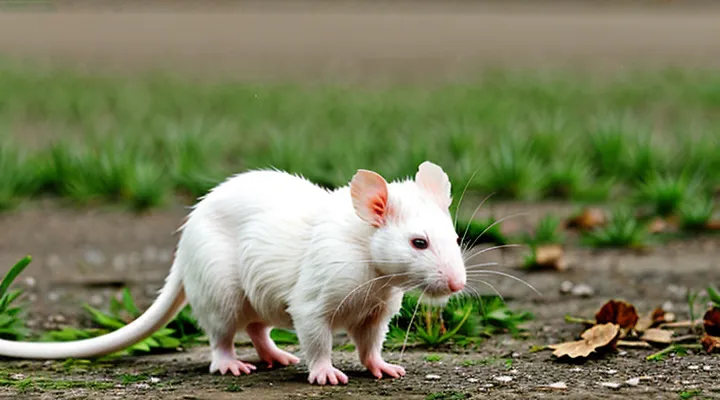
Albino rats display a uniform coat of white fur that lacks pigment. The hair shafts contain no melanin, resulting in a bright, almost luminous appearance. The fur is typically soft and dense, providing insulation comparable to pigmented counterparts, but the lack of coloration makes the animal highly visible against most backgrounds.
Red eyes are a defining characteristic of albinism in rats. The absence of melanin in the iris allows blood vessels to show through, producing a vivid pink‑red hue. This ocular condition is associated with increased light sensitivity; the retina receives unfiltered light, which can affect visual acuity.
- White fur: complete lack of pigment, bright appearance, normal insulation.
- Red eyes: visible blood vessels, heightened light sensitivity, potential impact on vision.
Absence of Pigmentation
The lack of pigmentation in an albino rat results from a mutation that disables the enzyme tyrosinase, which is essential for melanin synthesis. Without functional melanin, the animal’s skin, fur, and eyes remain uncolored, giving a completely white coat and pinkish or red irises that reveal underlying blood vessels.
Genetically, the condition follows an autosomal recessive inheritance pattern; two copies of the defective allele are required for the phenotype to appear. The mutation can be identified through molecular testing of the tyrosinase gene or by observing the characteristic visual traits.
Key consequences of absent melanin include:
- Increased sensitivity to bright light due to the lack of protective pigment in the retina.
- Higher susceptibility to ultraviolet‑induced skin damage, requiring reduced exposure to intense lighting.
- Potential for auditory and visual anomalies linked to broader developmental effects of the mutation.
Proper husbandry—low‑intensity lighting, UV‑filtered environments, and regular health monitoring—mitigates these risks and supports the well‑being of the animal.
Behavioral Peculiarities
Vision and Light Sensitivity
Albino rats lack ocular melanin, resulting in a transparent retinal pigment epithelium that permits excess light to reach photoreceptors. This anatomical condition produces heightened photoreceptor activation, causing pronounced sensitivity to bright environments. The absence of pigment also reduces light scattering within the eye, sharpening visual acuity under low‑intensity illumination but amplifying glare at higher intensities.
Key physiological effects include:
- Increased pupil dilation: Reduced retinal pigmentation prevents normal constriction, allowing larger pupil apertures that admit more photons.
- Elevated retinal oxidative stress: Unfiltered light generates reactive oxygen species, accelerating photoreceptor degeneration in aged individuals.
- Behavioral photophobia: Albino rats demonstrate avoidance of illuminated zones, preferring dim or shaded areas during exploration tasks.
- Altered circadian entrainment: Enhanced light detection modifies melatonin suppression patterns, leading to shifts in activity cycles compared to pigmented counterparts.
Experimental observations confirm that exposure to moderate light (≈500 lux) triggers rapid pupil reflex latency and sustained retinal swelling, whereas exposure below 50 lux maintains stable retinal morphology. Protective measures, such as low‑intensity lighting and opaque housing, mitigate these effects and preserve visual function over the animal’s lifespan.
Auditory Acuity and Olfactory Senses
Albino rats exhibit heightened auditory acuity compared with pigmented counterparts. The absence of melanin in the inner ear does not impair hair cell function; instead, frequency detection extends to 80 kHz, surpassing the typical 70 kHz range of standard laboratory rats. Auditory brainstem responses reveal lower thresholds (≈10 dB SPL) across mid‑high frequencies, indicating superior sensitivity to ultrasonic vocalizations used in social communication.
Olfactory capabilities of albino rats remain robust despite visual deficiencies. The olfactory epithelium displays increased receptor density, measured at approximately 1.2 × 10⁶ receptors per square centimeter, facilitating detection of odorants at parts‑per‑trillion concentrations. Behavioral assays demonstrate rapid discrimination of chemically similar compounds, with response times under 250 ms. Key olfactory attributes include:
- Expanded repertoire of odorant‑binding proteins.
- Accelerated signal transduction in the olfactory bulb.
- Enhanced cortical processing speed for scent identification.
Combined, these sensory adaptations compensate for reduced visual input, allowing albino rats to navigate complex environments, locate food sources, and maintain social hierarchies with precision.
Caring for Albino Rats
Housing Requirements
Cage Size and Enrichment
Albino rats require cages that accommodate their active nature and provide space for natural behaviors. Minimum floor area should be 450 cm² per adult, with a height of at least 30 cm to allow climbing. Larger enclosures improve air circulation and reduce stress, especially when housing multiple individuals.
Enrichment items support physical health and mental stimulation. Recommended elements include:
- Multi‑level platforms or ramps to encourage vertical movement.
- Solid chew blocks made of safe wood or compressed hay to promote dental wear.
- PVC tubes, cardboard tunnels, or woven hammocks for exploratory activity.
- Hanging toys with adjustable height to vary reach and promote agility.
- Nesting material such as shredded paper or aspen shavings for building burrows.
Regular rotation of enrichment objects prevents habituation. Maintenance routines should involve weekly cleaning of cage surfaces, replacement of soiled bedding, and inspection of chew items for wear. Providing a balanced environment with adequate space and diverse stimuli contributes to the well‑being and longevity of albino rats.
Bedding and Substrate
Choosing appropriate bedding and substrate directly influences the health and comfort of albino rats. Ideal materials combine absorbency, low dust, and non‑toxic composition. Aspen shavings, paper‑based pellets, and coconut fiber meet these criteria; they provide moisture control while minimizing respiratory irritation. Avoid pine or cedar, which release aromatic oils that can damage sensitive respiratory tissues.
Key considerations for substrate selection include:
- Absorbency: Materials should retain urine and moisture to keep the enclosure dry and reduce bacterial growth.
- Dust level: Low‑dust options prevent inhalation of fine particles that may cause respiratory distress.
- Durability: Substrate must withstand chewing and nesting behavior without disintegrating into harmful fragments.
- Ease of cleaning: Loose, lightweight bedding simplifies removal and replacement during routine cage maintenance.
Routine management of bedding involves weekly full changes and spot cleaning of soiled areas daily. After each change, inspect the enclosure for residual moisture, as lingering dampness encourages mold development. Replace any bedding that becomes compacted or overly soiled, as compression reduces its absorbent capacity.
When providing nesting material, supplement the primary substrate with soft, untreated fibers such as shredded paper or cotton. These items support natural nest‑building instincts without introducing allergens. Ensure all supplemental materials are free from dyes, fragrances, or chemical treatments.
Proper substrate selection and diligent upkeep create a hygienic environment, promote normal respiratory function, and encourage natural behaviors in albino rats.
Nutritional Needs
Balanced Diet Recommendations
Albino rats require a diet that supports their distinctive pigmentation and high metabolic rate. A balanced regimen supplies adequate protein, fiber, essential vitamins, and minerals while maintaining proper hydration.
- Protein sources: high‑quality rodent pellets (minimum 18 % protein), cooked lean meat, boiled egg whites.
- Fiber: plain cooked vegetables such as carrots, broccoli, and leafy greens; small amounts of whole‑grain oats or barley.
- Vitamins and minerals: fortified pellets provide vitamin A, D, E, and B‑complex; supplement with occasional fresh fruit (e.g., apple slices) for vitamin C.
- Calcium and phosphorus: crushed eggshell or commercial calcium powder, balanced with phosphorus‑rich foods like fish flakes.
- Water: fresh, clean water available at all times; replace daily to prevent bacterial growth.
Feeding schedule should consist of two measured portions per day, each offering 1–2 % of the rat’s body weight in food. Avoid sugary treats, high‑fat snacks, and raw beans, which can cause digestive upset and metabolic strain. Regularly monitor body condition and adjust portions to maintain a lean, healthy physique.
Water Access
Albino rats require constant access to clean water to maintain physiological balance. Dehydration quickly affects renal function, ocular clarity, and skin condition, which are especially noticeable in photographic records of these animals.
Typical water delivery methods include:
- Stainless‑steel bottles with droplet valves; prevent contamination and allow precise monitoring of consumption.
- Ceramic dishes with weighted bases; reduce spillage and are easy to clean.
- Automated dispensers linked to data loggers; provide continuous flow and record intake for research documentation.
Water quality directly influences fur translucency and eye brightness. Chlorine‑free, filtered water minimizes irritants that could alter the appearance captured in images. Regular replacement—at least every 24 hours—prevents biofilm formation and bacterial growth.
Monitoring intake is essential for accurate assessment of health status. A drop in daily consumption of 10 % or more signals potential illness, stress, or environmental changes that may affect the rat’s visual traits. Prompt investigation and correction of water‑related issues preserve both the animal’s well‑being and the integrity of photographic observations.
Health and Longevity
Common Ailments
Albino rats, lacking melanin, exhibit a distinct set of health challenges that differ from pigmented counterparts. Their pale skin and eyes provide visual cues for identifying symptoms early, making photographic documentation valuable for caretakers and researchers.
Common ailments include:
- Respiratory infections – frequent in densely housed colonies; symptoms are sneezing, nasal discharge, and labored breathing. Prompt antimicrobial treatment reduces mortality.
- Dermatological lesions – skin appears thin and vulnerable; ulcerations often arise from abrasions or fungal growth. Topical antiseptics and barrier creams aid recovery.
- Ocular disorders – lack of pigment predisposes to conjunctivitis and corneal ulcers; redness, discharge, and cloudiness signal infection. Veterinary ophthalmic care is essential.
- Dental malocclusion – incisors grow continuously; misalignment leads to difficulty eating and weight loss. Regular gnawing materials and periodic trimming prevent severe deformities.
- Gastrointestinal disturbances – diarrhea and constipation result from dietary imbalances or parasitic load. Adjusted fiber content and deworming protocols restore normal function.
- Parasitic infestations – mites and pinworms thrive in humid environments; visible itching and weight decline indicate infestation. Broad‑spectrum ectoparasitic treatments are effective.
Monitoring visual signs, maintaining optimal housing conditions, and implementing routine veterinary examinations constitute the core strategy for managing these health issues in albino rats.
Preventive Care and Veterinary Visits
Albino rats require a structured preventive program to maintain health and longevity. Regular veterinary examinations allow early detection of common conditions such as respiratory infections, skin lesions, and dental overgrowth. Veterinarians experienced with small rodents can assess weight, coat condition, and behavior, providing guidance on diet adjustments and environmental enrichment.
Key components of preventive care include:
- Balanced nutrition with high‑quality rodent pellets, fresh vegetables, and limited treats to prevent obesity and nutritional deficiencies.
- Clean, dry bedding changed weekly to reduce bacterial and fungal growth.
- Adequate ventilation and temperature control to discourage respiratory problems.
- Routine dental checks to monitor incisor length and prevent malocclusion.
- Parasite control using veterinarian‑approved products for mites and ectoparasites.
- Scheduled health screenings every three to six months, with additional visits if signs of illness appear.
Consistent record‑keeping of weight, litter box observations, and any behavioral changes supports accurate veterinary assessment and timely intervention, ensuring the albino rat remains healthy and active.
The Albino Rat in Culture and Science
As Pets and Companions
Temperament and Socialization
Albino rats exhibit a calm yet inquisitive temperament. They tend to explore new environments cautiously, displaying brief bouts of activity followed by periods of stillness. Their pale coloration does not affect behavioral patterns, but it can make them more sensitive to bright lighting, prompting a preference for dimmer areas.
Key aspects of their social behavior include:
- Group dynamics: Prefer small colonies (2‑4 individuals) to reduce stress and maintain stable hierarchies.
- Interaction style: Engage in gentle grooming and brief nose‑to‑nose contacts; aggressive displays are rare when space and resources are adequate.
- Adaptability: Quickly adjust to routine handling, showing reduced fear responses after consistent, gentle contact.
- Play behavior: Participate in light chasing and tunneling activities, especially when provided with enrichment objects such as tunnels, wheels, and chewable materials.
Effective socialization strategies involve daily short handling sessions, gradual introduction of new cage mates, and maintaining consistent lighting levels to accommodate their visual sensitivity. Providing structured enrichment supports natural exploratory instincts and reinforces positive social interactions.
Training and Interaction
Albino rats respond well to consistent, positive reinforcement. Short, frequent sessions keep attention focused and reduce stress. Begin with a simple cue—such as a gentle tap on the cage floor—and reward the animal immediately with a small piece of fruit or a favorite seed. Repeat the cue‑reward pairing until the rat anticipates the treat on hearing the sound.
Interaction should prioritize safety for both handler and animal. Wash hands before contact to prevent transmission of odors that could alarm the rat. Hold the rat with both hands, supporting the torso and hindquarters, allowing the animal to grip the fingers with its forepaws. Avoid squeezing or restraining the neck, which can cause injury.
Effective training incorporates environmental enrichment:
- Provide tunnels, climbing structures, and chewable toys to stimulate natural foraging behavior.
- Rotate objects weekly to maintain novelty and encourage exploration.
- Use scent markers (e.g., a dab of vanilla extract) on preferred pathways to guide movement during target training.
Socialization improves temperament. Introduce new stimuli—such as a soft brush or a different surface—gradually, observing the rat’s reaction. Positive exposure to human voices and gentle petting leads to reduced fear responses and increased willingness to cooperate during handling.
Monitoring progress involves recording response latency, success rate, and any signs of stress (e.g., excessive grooming or vocalization). Adjust session length and reward size based on observed performance. Consistent documentation enables refinement of techniques and promotes reliable outcomes in training albino rats for research, educational demonstrations, or companionship.
Role in Research
Genetic Studies
Albino rats provide a clear visual marker for genetic investigations because the absence of melanin produces a uniformly white coat and pink eyes, traits that can be documented with high‑resolution photography. Researchers exploit this phenotype to verify genotype‑phenotype correlations in breeding programs and experimental manipulations.
The albino condition results from a loss‑of‑function mutation in the tyrosinase (TYR) gene. The mutation follows an autosomal recessive inheritance pattern; homozygous individuals display the characteristic lack of pigment, while heterozygotes retain normal coloration. Molecular analysis confirms the presence of point mutations or deletions that disrupt enzyme activity required for melanin synthesis.
Photographic records serve as a non‑invasive method for phenotype assessment. Images captured under standardized lighting allow quantitative comparison of coat reflectance and ocular pigmentation, supporting automated image‑analysis pipelines that assign phenotypic scores aligned with genotypic data.
Genetic studies employing albino rats focus on several objectives:
- Mapping of TYR mutations across laboratory strains.
- Evaluation of CRISPR‑Cas9 mediated correction of the albino allele.
- Generation of transgenic lines that restore pigment production to assess rescue efficiency.
- Investigation of melanin‑related pathways in neurodevelopment and vision research.
These approaches integrate phenotypic imaging with DNA sequencing, enabling precise tracking of allele frequency, off‑target effects, and phenotypic restoration in successive generations. The combination of visual documentation and molecular techniques makes the albino rat a robust platform for elucidating gene function and testing therapeutic strategies.
Behavioral Psychology
Albino rats, distinguished by their pink eyes and white fur, serve as a standard model in behavioral psychology due to their predictable sensory processing and consistent baseline activity. Their lack of pigmentation eliminates visual cues that might influence experimental outcomes, allowing researchers to isolate variables such as learning, memory, and stress responses.
Observations reveal several characteristic behaviors:
- Rapid habituation to novel environments, indicating strong exploratory drive.
- High sensitivity to auditory and tactile stimuli, facilitating studies of conditioned fear and startle responses.
- Consistent performance in maze navigation tasks, providing reliable data on spatial learning and memory retention.
- Pronounced stress reactivity measurable through corticosterone levels, useful for evaluating anxiety-modulating interventions.
These traits make the albino rat an essential subject for experiments that require controlled sensory input and reproducible behavioral metrics, supporting the development of theories on learning mechanisms, motivation, and emotional regulation.
Medical Testing
Albino laboratory rats, distinguished by their white coat and pink‑to‑red eyes, provide a consistent genetic background for biomedical investigations. Their lack of pigmentation simplifies visual assessments in imaging studies, while their well‑characterized physiology supports reproducible results across laboratories.
In preclinical research, these rodents serve several specific purposes:
- Toxicology screening: rapid detection of organ‑specific toxicity through blood chemistry and histopathology.
- Pharmacokinetic profiling: measurement of drug absorption, distribution, metabolism, and excretion using standardized dosing regimens.
- Neurological modeling: evaluation of behavioral responses and electrophysiological activity in models of neurodegeneration and pain.
- Immunological assays: assessment of innate and adaptive immune responses, including cytokine production and antibody generation.
- Genetic manipulation: creation of transgenic or knockout lines for studying disease mechanisms.
Their uniform appearance also aids photographic documentation, allowing clear visualization of phenotypic changes, lesion development, and treatment effects. The combination of visual clarity and physiological stability makes the white‑furred rat a preferred organism for rigorous medical testing.