
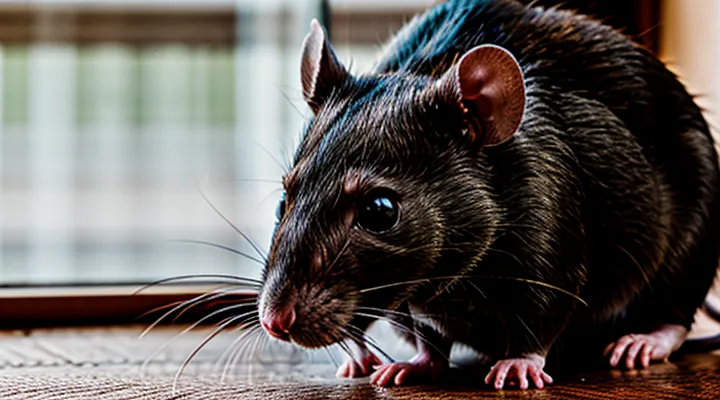
Understanding Rat Health
Recognizing Signs of Illness
Behavioral Changes
Diseases in rats frequently manifest as alterations in activity, social interaction, and feeding patterns. Neurological infections such as viral encephalitis produce tremors, loss of coordination, and reduced exploratory behavior. Respiratory infections often lead to lethargy and decreased grooming. Gastrointestinal disturbances cause pica, reduced food intake, and abnormal nesting.
Behavioral observations serve as early indicators of underlying pathology. Typical signs include:
- Hyperactivity or frantic pacing preceding seizures
- Withdrawal from cage mates and avoidance of communal areas
- Excessive scratching or self‑mutilation linked to dermatological conditions
- Repetitive circling or head tilting associated with inner‑ear infections
Therapeutic interventions directly influence these manifestations. Antimicrobial regimens that resolve systemic infections restore normal locomotion within 48 hours. Anticonvulsant therapy reduces seizure‑related hyperactivity, allowing gradual return to standard foraging. Analgesics alleviate pain‑induced aggression, improving social cohesion. Environmental enrichment combined with pharmacological treatment accelerates recovery of normal nesting and grooming.
Monitoring behavioral trends throughout treatment provides quantitative feedback on efficacy. Persistent abnormalities after a full course of medication suggest secondary complications or drug resistance, prompting adjustment of the therapeutic protocol.
Physical Symptoms
Rats manifest disease through distinct physical changes that aid rapid identification and intervention. Observable alterations include:
- Labored breathing, audible wheezing, or nasal discharge indicating respiratory infection or pneumonia.
- Noticeable weight loss or reduced body condition despite unchanged food availability, suggesting metabolic, gastrointestinal, or parasitic disorders.
- Dull, coarse fur, hair loss, or excessive grooming, often linked to dermatological infections, ectoparasites, or systemic illness.
- Ocular abnormalities such as conjunctival redness, discharge, or cloudiness, commonly associated with viral eye disease or bacterial keratitis.
- Diarrhea, loose stools, or blood in feces, reflecting enteric pathogens, dysbiosis, or intestinal parasites.
- Lethargy, decreased activity, or reluctance to explore, which may accompany severe infection, anemia, or neurological impairment.
- Tremors, ataxia, or seizures, indicative of neurotoxic exposure, viral encephalitis, or metabolic disturbances.
- Swelling or palpable masses in the abdomen or subcutaneous tissues, pointing to neoplasia, abscess formation, or organomegaly.
These signs provide a practical framework for clinical assessment, enabling targeted diagnostics such as radiography, hematology, or microbiological culture. Early recognition of physical manifestations shortens disease progression and improves therapeutic outcomes.
Common Respiratory Ailments
Mycoplasma pulmonis
Symptoms of Mycoplasmosis
Mycoplasma infection in rats presents a distinct clinical picture that aids diagnosis and guides therapeutic decisions. Clinical observation reveals respiratory distress, characterized by labored breathing, audible wheezing, and nasal discharge that may progress from serous to purulent. Gastrointestinal signs include reduced feed intake, weight loss, and occasional diarrhea, reflecting systemic involvement. Neurological manifestations appear as ataxia, tremors, or hindlimb paresis, indicating possible central nervous system infiltration. Ocular involvement manifests as conjunctival redness and exophthalmia, often accompanying severe systemic disease. Skin lesions may develop as alopecia patches or ulcerative dermatitis, especially in immunocompromised individuals.
Typical symptom set:
- Rapid, shallow respiration with audible wheeze
- Nasal or ocular discharge, sometimes blood‑tinged
- Decreased appetite and progressive weight loss
- Diarrhea or soft feces
- Ataxia, tremors, or hindlimb weakness
- Conjunctival hyperemia and exophthalmia
- Focal alopecia or ulcerative skin lesions
Acute cases may show fever and lethargy, while chronic infection often results in intermittent respiratory signs and gradual decline in body condition. Early recognition of these signs enables prompt antimicrobial therapy and supportive care, reducing morbidity and mortality in affected colonies.
Treatment Approaches for Mycoplasmosis
Mycoplasma infection in laboratory rats presents as respiratory distress, weight loss, and reduced fertility. Prompt therapeutic intervention limits morbidity and preserves colony stability.
Effective regimens combine antimicrobial agents with supportive care. Antimicrobials with proven activity include:
- Tylosin (10–20 mg/kg, oral, daily for 7–10 days)
- Enrofloxacin (5–10 mg/kg, subcutaneous, every 24 h for 5 days)
- Doxycycline (5 mg/kg, oral, twice daily for 10 days)
Selection depends on susceptibility testing, drug availability, and potential impact on concurrent studies. Fluoroquinolones are preferred for severe cases because of rapid bactericidal action; macrolides provide an alternative when resistance to quinolones is documented.
Supportive measures reduce secondary complications. Provide heated, humidified environments, ensure adequate hydration, and supply high‑energy diets. Monitor body weight, respiratory rate, and clinical signs daily; adjust treatment if clinical response is inadequate.
Preventive strategies complement therapy. Maintain specific‑pathogen‑free status, implement strict quarantine for incoming animals, and employ routine PCR screening of colony bedding. Environmental decontamination with agents effective against cell‑wall‑deficient organisms (e.g., 0.1 % sodium hypochlorite) reduces environmental load and limits reinfection.
Other Respiratory Infections
Bacterial Infections
Bacterial infections represent a frequent health challenge in laboratory and pet rats, often leading to rapid morbidity if untreated. Pathogens typically encountered include:
- Streptococcus pneumoniae – respiratory colonizer, causes pneumonia and otitis.
- Salmonella enterica – gastrointestinal invader, produces diarrhea and systemic septicemia.
- Pseudomonas aeruginosa – opportunistic skin and wound contaminant, may progress to septic arthritis.
- Klebsiella pneumoniae – induces bronchopneumonia and abscess formation.
Clinical manifestations vary with the infecting species but commonly feature:
- Nasal discharge, sneezing, or labored breathing.
- Loose, watery feces, occasional blood streaks.
- Swollen limbs, joint stiffness, or ulcerated skin lesions.
- Lethargy, reduced food intake, and weight loss.
Accurate diagnosis relies on:
- Physical examination and observation of characteristic signs.
- Bacterial culture from respiratory secretions, feces, or tissue biopsies.
- Polymerase chain reaction (PCR) or serological testing for rapid pathogen identification.
- Radiographic or ultrasonographic imaging when internal abscesses are suspected.
Effective treatment protocols generally comprise:
- Empirical broad‑spectrum antibiotics (e.g., enrofloxacin, doxycycline) pending culture results.
- Targeted antimicrobial therapy based on susceptibility testing, typically administered orally or via subcutaneous injection.
- Supportive care, including fluid therapy, nutritional supplementation, and analgesics for pain management.
- Isolation of affected individuals to prevent cross‑infection within colonies.
Preventive measures focus on environmental control and husbandry practices:
- Regular cage cleaning, disinfection with agents effective against gram‑negative organisms, and proper bedding management.
- Quarantine of new arrivals for at least two weeks, with health monitoring and prophylactic screening.
- Maintenance of optimal temperature, humidity, and ventilation to reduce stress‑induced susceptibility.
- Vaccination programs where available, particularly for Salmonella spp. in high‑risk research facilities.
Viral Infections
Viral infections are a principal cause of morbidity and mortality in laboratory and pet rats, influencing research outcomes and animal welfare.
- Rat coronavirus (RCV) – causes sialodacryoadenitis, characterized by swelling of lacrimal and salivary glands.
- Sendai virus – induces respiratory distress, nasal discharge, and pneumonia.
- Rat parvovirus (RPV) – leads to enterocolitis, weight loss, and lethargy.
- Hantavirus – associated with hemorrhagic fever with renal syndrome in wild rodents, occasional spill‑over to captive colonies.
- Rat adenovirus – produces conjunctivitis and keratoconjunctivitis.
Clinical signs vary with the pathogen but commonly include:
- Nasal or ocular discharge
- Labial or facial swelling
- Respiratory difficulty, coughing, or wheezing
- Diarrhea, dehydration, and reduced food intake
- Lethargy, fever, and weight loss
Accurate diagnosis relies on laboratory techniques:
- Polymerase chain reaction (PCR) for viral genome detection
- Serology (ELISA, immunofluorescence) to identify specific antibodies
- Virus isolation in cell culture for confirmatory testing
Treatment is primarily supportive; specific antivirals are limited:
- Broad‑spectrum antivirals (e.g., ribavirin) may be employed for severe cases, guided by veterinarian judgment
- Fluid therapy to correct dehydration and electrolyte imbalance
- Antibiotics to prevent secondary bacterial infections
- Analgesics and anti‑inflammatory agents for pain and fever control
Prevention strategies focus on biosecurity and colony management:
- Strict quarantine of new arrivals, with PCR screening before integration
- Regular health monitoring and serological surveys of existing populations
- Use of barrier cages, HEPA filtration, and disinfection protocols with agents effective against non‑enveloped viruses
- Vaccination where commercially available (e.g., for sialodacryoadenitis virus)
- Personnel training on hygiene and personal protective equipment to reduce cross‑contamination
Implementing these measures reduces viral incidence, safeguards experimental integrity, and promotes the overall health of rat colonies.
Skin Conditions
Mites and Lice
Identification of Parasites
Accurate detection of parasitic infections is essential for managing rat health problems and preventing spread to other animals or humans. Identification relies on recognizing characteristic morphological features, molecular markers, or clinical signs associated with each parasite.
Common rat parasites include:
- Hymenolepis nana (dwarf tapeworm): segments visible in feces, proglottids with a rostellum.
- Trichuris muris (whipworm): slender eggs with bipolar plugs.
- Syphacia muris (pinworm): elongated eggs with a smooth surface.
- Coccidia (Eimeria spp.): oocysts with specific size and shape.
- Giardia duodenalis: pear‑shaped trophozoites, flagellated.
Diagnostic methods employed in laboratory and field settings are:
- Fecal flotation – saturated salt or zinc sulfate solution concentrates eggs and oocysts for microscopic examination.
- Direct smear – fresh feces examined for motile trophozoites and larval stages.
- Polymerase chain reaction (PCR) – amplifies parasite DNA, providing species‑level resolution.
- Necropsy – visual inspection of gastrointestinal tract, liver, and lungs, followed by histological staining.
Interpretation of results guides therapeutic decisions. Positive identification of tapeworms or nematodes typically prompts anthelmintic treatment with praziquantel or ivermectin, respectively. Coccidial infections require anticoccidial agents such as sulfonamides, while giardiasis is managed with metronidazole or fenbendazole. Monitoring post‑treatment fecal samples confirms clearance and informs biosecurity measures to limit reinfection.
Treatment for Parasitic Infestations
Parasitic infestations are a frequent health problem in laboratory and pet rats, requiring prompt identification and targeted therapy to prevent morbidity and spread within colonies.
Effective treatment begins with accurate diagnosis. Fecal flotation or sedimentation detects intestinal helminths; direct wet mounts reveal protozoan cysts; skin scrapings or tape impressions identify ectoparasites. Once the parasite species is confirmed, specific pharmacological agents are administered according to the parasite’s biology and the animal’s weight.
Pharmacologic options
-
Nematodes (e.g., pinworms, roundworms)
- Fenbendazole, 50 mg/kg orally once daily for three consecutive days.
- Pyrantel pamoate, 10 mg/kg orally, single dose; repeat after 14 days if eggs persist.
- Ivermectin, 0.2 mg/kg subcutaneously, single dose; may be repeated after 7 days for resistant strains.
-
Cestodes (tapeworms)
- Praziquantel, 5 mg/kg orally, single dose; follow with a second dose after 7 days.
-
Protozoa (e.g., Giardia, Tritrichomonas)
-
Ectoparasites (mites, fleas, lice)
- Selamectin, 0.2 mg/kg topically, applied to the dorsal neck region; repeat after 30 days.
- Fipronil, 0.05 % solution, applied to the skin; repeat after 14 days.
- Pyrethrin‑based sprays, applied according to label instructions; limit exposure to avoid dermal irritation.
Supportive measures
- Provide a protein‑rich diet to aid recovery.
- Maintain a clean cage environment: replace bedding, disinfect surfaces with a 1 % chlorhexidine solution, and control humidity to deter mite proliferation.
- Isolate treated rats for at least 48 hours to prevent cross‑contamination.
- Re‑examine fecal samples or skin scrapings two weeks post‑treatment to confirm eradication.
Resistance management
- Rotate anthelmintic classes annually when feasible.
- Avoid sub‑therapeutic dosing; calculate doses precisely based on individual body weight.
- Document treatment outcomes to identify patterns of drug failure.
Adhering to these protocols minimizes the impact of parasitic diseases on rat populations and supports overall colony health.
Fungal Infections
Symptoms of Fungal Dermatitis
Fungal dermatitis in rats manifests as cutaneous infection caused by opportunistic molds or yeasts. The condition progresses rapidly when humidity, poor hygiene, or immunosuppression compromise the skin barrier.
- Erythema or localized redness, often with well‑defined margins
- Scaling or flaking of the epidermis, producing a dry, rough texture
- Crusting and formation of adherent plaques that may darken with time
- Pruritus leading to self‑trauma; rats frequently scratch or gnaw affected areas
- Pustules or vesicles that rupture, leaving moist, oozing lesions
- Hair loss (alopecia) surrounding the infected site, sometimes extending beyond the visible margin
- Secondary bacterial infection signs, such as foul odor or exudate, when the fungal burden is high
Lesions commonly appear on the ears, tail base, dorsal neck, and ventral abdomen, where moisture accumulates. Early identification of these clinical signs enables prompt antifungal therapy and environmental remediation, reducing morbidity and preventing spread within a colony.
Antifungal Treatments
Fungal infections constitute a frequent health problem in laboratory and pet rodents, with species such as Aspergillus, Candida, and dermatophytes causing cutaneous lesions, respiratory distress, and systemic disease.
Accurate diagnosis relies on microscopic examination of skin scrapings or respiratory samples, culture on selective media, and, when available, polymerase chain reaction identification of the pathogen.
Effective antifungal therapy in rats includes:
- Itraconazole (10 mg/kg orally once daily) – broad‑spectrum activity, suitable for systemic mycoses.
- Voriconazole (15 mg/kg orally twice daily) – high potency against Aspergillus spp.; requires liver function monitoring.
- Fluconazole (25 mg/kg orally once daily) – effective for Candida infections; minimal renal toxicity.
- Terbinafine (30 mg/kg orally once daily) – indicated for dermatophytosis; limited systemic absorption.
- Topical clotrimazole 1 % cream – applied twice daily to localized skin lesions.
Therapeutic regimens generally extend for 2–4 weeks, with extension based on repeat cultures or clinical improvement. Dosages must be adjusted for juvenile or compromised animals, and concurrent use of hepatotoxic agents should be avoided. Monitoring includes weekly weight checks, observation for gastrointestinal upset, and periodic serum biochemistry.
Preventive measures encompass strict cage sanitation, regular bedding replacement, avoidance of mold‑contaminated feed, and quarantine of new arrivals for at least two weeks with fungal screening. Implementing these practices reduces the incidence of mycotic disease and supports overall colony health.
Digestive System Disorders
Diarrhea and Constipation
Causes of Gastrointestinal Upset
Gastrointestinal upset in laboratory rats arises from a limited set of predictable factors. Identifying these causes enables targeted prevention and rapid therapeutic response.
- Infectious agents – bacterial pathogens (e.g., Clostridium perfringens, Salmonella spp.), viral infections (e.g., Sendai virus), and protozoal parasites (Giardia, Eimeria) disrupt mucosal integrity and provoke diarrhea or constipation.
- Dietary imbalances – excessive fiber, sudden changes in nutrient composition, and contamination with mycotoxins or spoiled feed introduce irritants that alter gut motility and microbial balance.
- Stressors – overcrowding, abrupt temperature shifts, and handling without acclimatization activate the hypothalamic‑pituitary‑adrenal axis, increasing cortisol release and impairing gastric secretions.
- Chemical toxins – exposure to heavy metals, pesticides, or improperly administered pharmaceuticals can damage epithelial cells and provoke inflammation.
- Physiological conditions – obstruction from foreign bodies, neoplasia, or congenital malformations produce mechanical blockage and secondary dysbiosis.
Each factor exerts a distinct pathophysiological effect, but they frequently interact, amplifying clinical severity. Accurate diagnosis requires correlating clinical signs with laboratory findings such as fecal culture, blood chemistry, and imaging. Prompt elimination of the inciting cause, combined with supportive care—fluid therapy, probiotic supplementation, and appropriate antimicrobial agents—restores gastrointestinal function and minimizes experimental variability.
Dietary and Medical Interventions
Dietary strategies constitute the first line of defense against prevalent rat disorders. High‑quality protein sources, such as casein or soy isolate, support immune competence and tissue repair. Balanced amino‑acid profiles reduce susceptibility to hepatic and renal pathology. Fiber enrichment with insoluble cellulose or oat bran promotes gastrointestinal motility, limiting constipation and cecal dysbiosis. Inclusion of prebiotic compounds— inulin, fructooligosaccharides— fosters beneficial microbiota, decreasing incidence of enteric infections. Antioxidant supplementation, employing vitamin E, selenium, or curcumin, mitigates oxidative stress linked to respiratory and cardiovascular ailments. For metabolic disorders, low‑glycemic carbohydrates and controlled caloric intake prevent obesity‑related insulin resistance.
Medical interventions complement nutritional measures. Broad‑spectrum antibiotics (e.g., enrofloxacin, ampicillin) are reserved for confirmed bacterial infections, with dosage calibrated to body weight and renal function. Antiviral agents, such as ribavirin, address paramyxovirus outbreaks when viral load is verified. Antiparasitic treatments— ivermectin for nematodes, praziquantel for cestodes— are administered according to fecal egg counts. Supportive therapy includes subcutaneous fluids containing lactated Ringer’s solution for dehydration, and analgesics like buprenorphine to alleviate pain from musculoskeletal or postoperative conditions. Immunomodulators, exemplified by recombinant interferon‑α, enhance resistance to viral challenges in immunocompromised colonies. Regular health monitoring guides timely adjustment of both diet and pharmacological protocols, ensuring optimal disease control in laboratory and pet rat populations.
Megacolon
Symptoms and Diagnosis
Rats exhibit distinct clinical signs that guide early detection of disease. Observable changes include sudden weight loss, ruffled fur, lethargy, and reduced grooming. Respiratory involvement manifests as nasal discharge, audible wheezing, or labored breathing. Gastrointestinal disturbances appear as diarrhea, abdominal distension, or constipation. Neurological impairment may present as tremors, ataxia, circling, or seizures. Cutaneous lesions range from ulcerated sores to alopecia, often indicating parasitic or bacterial infection.
Diagnostic evaluation begins with a thorough physical examination, followed by targeted laboratory procedures. Common approaches are:
- Hematology: complete blood count to identify anemia, leukocytosis, or eosinophilia.
- Biochemistry: serum chemistry panel to assess organ function and electrolyte balance.
- Microbiology: culture of swabs, feces, or tissue for bacterial, fungal, or mycobacterial pathogens.
- Parasitology: fecal flotation and direct smear for helminths and protozoa.
- Molecular testing: polymerase chain reaction for viral agents such as rat coronavirus or hantavirus.
- Serology: enzyme‑linked immunosorbent assay to detect specific antibodies.
- Imaging: radiography or ultrasound to visualize pulmonary infiltrates, organ enlargement, or abdominal masses.
- Histopathology: tissue sections stained and examined for cellular changes, granulomas, or neoplasia.
Integration of observed signs with laboratory and imaging results enables accurate disease identification, informs therapeutic choices, and supports epidemiological monitoring within laboratory and pet rat populations.
Management Strategies
Effective control of rat health problems requires an integrated management plan that combines prevention, early detection, targeted therapy, and systematic evaluation.
Preventive actions reduce disease incidence and limit pathogen spread. Key components include:
- Strict quarantine of new arrivals for a minimum of two weeks, with observation for clinical signs.
- Controlled access to animal rooms, employing personal protective equipment and footbaths.
- Regular cleaning and disinfection of cages, bedding, and feed containers using agents proven effective against common rodent pathogens.
- Optimization of diet to provide balanced nutrients, vitamins, and minerals that support immune function.
- Implementation of vaccination protocols where vaccines are available, following manufacturer dosing schedules.
Monitoring protocols detect illness before it becomes severe. Recommended practices are:
- Daily visual inspection of coat condition, activity level, respiratory pattern, and gastrointestinal output.
- Weekly weight measurement to identify subtle weight loss.
- Periodic collection of fecal samples for parasitological examination.
- Scheduled serological testing for agents such as Sendai virus, Mycoplasma pulmonis, and lymphocytic choriomeningitis virus.
When infection is confirmed, therapeutic measures focus on efficacy and minimizing resistance. Guidelines include:
- Selection of antimicrobials based on culture and sensitivity results; avoid empirical use of broad‑spectrum agents whenever possible.
- Administration of doses calculated per kilogram of body weight, with adjustments for age and renal function.
- Provision of supportive care such as fluid therapy, analgesics, and nutritional supplementation.
- Monitoring of treatment response through clinical scoring and repeat laboratory testing; discontinue ineffective drugs promptly.
Comprehensive record‑keeping underpins continuous improvement. Essential documentation comprises:
- Individual animal identification, health status, and treatment history.
- Dates and results of quarantine, diagnostic tests, and vaccinations.
- Details of therapeutic regimens, including drug names, dosages, and duration.
- Outcome assessments that feed back into protocol revisions and staff training.
By adhering to these structured strategies, facilities can maintain robust rat colonies, safeguard experimental validity, and reduce animal welfare concerns.
Tumors and Cancers
Mammary Tumors
Early Detection
Early detection of disease in laboratory and pet rats reduces morbidity, shortens treatment duration, and improves experimental reliability. Subclinical changes often precede overt symptoms; vigilant observation and routine screening capture these early indicators.
Physical examination focuses on weight trends, grooming behavior, respiratory rate, and ocular discharge. Sudden weight loss exceeding 5 % of baseline, excessive barbering, or nasal secretions signal possible infection or metabolic disturbance. Temperature measurement using rectal probes identifies fever before lethargy becomes apparent.
Diagnostic tools for pre‑clinical identification include:
- Serial body weight recording – automated scales provide daily data, enabling statistical detection of abnormal trends.
- Non‑invasive imaging – high‑frequency ultrasound visualizes organ enlargement or fluid accumulation without anesthesia.
- Blood sampling – small-volume tail nick draws plasma for complete blood count and biochemical panels; leukocytosis or elevated liver enzymes appear early in many pathologies.
- Molecular assays – quantitative PCR on fecal or nasal swabs detects viral, bacterial, or parasitic genomes before clinical disease manifests.
- Environmental monitoring – humidity and ammonia sensors reveal conditions that predispose respiratory infections, prompting preventive action.
Implementing a schedule of weekly weight checks, bi‑weekly blood work, and monthly imaging establishes a baseline for each colony. Deviations trigger immediate confirmatory testing, allowing therapeutic intervention at the earliest feasible stage.
Surgical and Medical Options
Rats frequently suffer from infections, neoplasms, gastrointestinal obstructions, and respiratory disorders. Effective management relies on two principal intervention strategies: surgery and pharmacotherapy.
Surgical options address conditions that cannot be resolved with medication alone. Common procedures include:
- Exploratory laparotomy – evaluates intra‑abdominal pathology and permits removal of obstructive masses or foreign bodies.
- Tumor excision – isolates malignant growths with clean margins, often followed by histopathologic assessment.
- Thoracotomy – provides access for lung abscess drainage or pleural cavity debridement.
- Orthopedic fixation – stabilizes fractures using pins, plates, or external fixators, ensuring proper alignment and load distribution.
Post‑operative care emphasizes analgesia, infection control, and wound monitoring. Analgesic regimens typically combine non‑steroidal anti‑inflammatory drugs with opioid agents, adjusted for the animal’s size and metabolic rate.
Medical treatment complements surgery and serves as primary therapy for many ailments. Pharmacologic categories include:
- Antibiotics – broad‑spectrum agents (e.g., enrofloxacin, amoxicillin‑clavulanate) for bacterial infections; culture‑directed therapy when available.
- Antifungals – itraconazole or terbinafine for systemic mycoses; topical clotrimazole for cutaneous lesions.
- Antiparasitics – ivermectin or fenbendazole to eradicate nematodes, cestodes, and protozoa.
- Anti‑inflammatory drugs – corticosteroids (dexamethasone) for severe inflammatory responses, administered cautiously to avoid immunosuppression.
- Supportive agents – fluid therapy, electrolytes, and nutritional supplements to maintain homeostasis during recovery.
Selection of a specific regimen depends on pathogen identification, disease severity, and the rat’s physiological status. Combination therapy often yields superior outcomes, particularly when surgical intervention removes the primary disease focus while medication prevents secondary infection and promotes healing.
Pituitary Tumors
Clinical Signs
Rats presenting with disease exhibit distinct clinical manifestations that guide diagnosis and therapeutic decisions. Observable alterations include:
- Lethargy or reduced activity levels
- Anorexia or marked weight loss
- Respiratory distress such as rapid, shallow breathing, nasal discharge, or audible wheezes
- Ocular abnormalities, including conjunctival redness, corneal opacity, or exophthalmia
- Dermatologic lesions: alopecia, crusted or ulcerated skin, erythema, and pruritus
- Gastrointestinal signs: diarrhea, constipation, abdominal distension, or palpable masses
- Neurological deficits: tremors, ataxia, seizures, or paralysis of limbs
- Urinary changes: polyuria, dysuria, hematuria, or flank swelling indicative of renal involvement
- Fever detectable by rectal temperature exceeding normal range (≈38 °C)
Additional findings may emerge from laboratory evaluation, such as leukocytosis, elevated liver enzymes, or altered blood glucose. Recognizing these patterns promptly enables targeted treatment and improves prognosis.
Palliative Care
Palliative care for laboratory and pet rats focuses on relieving suffering when curative treatment is unavailable or impractical. The approach prioritizes comfort, symptom control, and quality of life while minimizing invasive procedures.
Key components include:
- Analgesic regimens tailored to rodent metabolism, employing agents such as buprenorphine, meloxicam, or tramadol at species‑appropriate doses.
- Anti‑emetic and anti‑nausea medications (e.g., ondansetron) to mitigate gastrointestinal distress.
- Fluid therapy administered subcutaneously or intravenously to correct dehydration and maintain electrolyte balance.
- Nutritional support through palatable, high‑calorie diets, syringe feeding, or gavage when oral intake declines.
- Environmental modifications: soft bedding, temperature regulation, reduced noise, and gentle handling to lower stress.
- Regular assessment of pain, weight, respiratory rate, and behavior using validated rodent scoring systems.
- Humane endpoints defined by objective criteria such as sustained weight loss >20 %, inability to eat or drink, or unrelieved severe pain.
Implementation requires coordination among veterinarians, technicians, and caretakers to ensure consistent monitoring and timely adjustment of interventions. Documentation of all measures supports ethical review and facilitates reproducibility in research settings.
Other Notable Conditions
Dental Problems
Malocclusion and Overgrowth
Malocclusion in rats refers to misalignment of the incisors that prevents normal tooth wear, while overgrowth denotes excessive elongation of the incisors due to inadequate abrasion. Both conditions arise from genetic predisposition, dietary insufficiency of hard materials, or prolonged confinement that limits natural gnawing behavior. Prevalence increases in laboratory colonies where standard pelleted diets replace fibrous components.
Clinical presentation includes drooping lips, difficulty grasping food, weight loss, and observable protrusion of the incisors beyond the normal length. Rats may exhibit reduced activity, oral ulcerations, and secondary infections caused by food accumulation around the enlarged teeth.
Diagnosis relies on visual inspection, measurement of incisor length relative to the mandible, and radiographic confirmation of root integrity. Palpation of the dental arcade assesses mobility and detects fractures. Laboratory analysis of oral swabs identifies bacterial species involved in secondary infections.
Treatment protocol:
- Anesthetize the animal with an appropriate inhalant or injectable agent.
- Trim overgrown incisors using a rotary dental burr, maintaining a 45‑degree angle to preserve natural curvature.
- Polish the cut surfaces to reduce roughness and prevent mucosal irritation.
- Provide a high‑fiber diet or wooden chew blocks to promote continual tooth wear.
- Administer analgesics (e.g., meloxicam) and, if infection is present, a broad‑spectrum antibiotic (e.g., enrofloxacin) for 5‑7 days.
- Re‑evaluate incisors weekly for the first month, then monthly, adjusting dietary enrichment as needed.
Preventive measures include routine dental checks, inclusion of abrasive feed items, and environmental enrichment that encourages gnawing behavior. Consistent monitoring reduces the incidence of severe malocclusion and associated morbidity.
Corrective Procedures
Corrective procedures for rat health problems focus on restoring physiological balance, eliminating pathogen load, and preventing recurrence. Surgical techniques address organ-specific lesions such as intestinal obstruction, ovarian cysts, and neoplastic growths. Standard practices include aseptic laparotomy, precise excision of affected tissue, and suturing with absorbable material. Post‑operative analgesia typically involves buprenorphine or meloxicam administered at species‑appropriate doses.
Pharmacological correction targets bacterial, viral, and parasitic infections. Empirical therapy begins with broad‑spectrum antibiotics (e.g., enrofloxacin, ampicillin) pending culture results; once susceptibility is known, treatment narrows to the most effective agent. Antiviral regimens rely on interferon‑inducing compounds, while antiparasitic protocols employ ivermectin or fenbendazole, adjusted for weight and severity.
Supportive measures supplement primary interventions. Fluid therapy restores electrolyte balance using isotonic solutions delivered subcutaneously or via catheter. Nutritional support includes high‑protein, easily digestible diets and, when necessary, forced feeding through gastric tube. Temperature regulation employs warming pads or heated enclosures to maintain a stable core temperature.
Environmental correction reduces stress‑induced disease exacerbation. Cage sanitation follows a schedule of daily spot cleaning and weekly full disinfection with a 10 % bleach solution. Bedding material is replaced regularly to prevent fungal growth. Enrichment items are inspected for wear and replaced to avoid injury.
Rehabilitation protocols ensure functional recovery after invasive treatment. Gradual re‑introduction to exercise involves treadmill sessions at low speed, progressing to normal activity levels over 7–10 days. Monitoring includes daily assessment of weight, grooming behavior, and wound integrity; any deviation prompts immediate veterinary reassessment.
Kidney Disease
Recognizing Renal Failure
Renal failure in laboratory and pet rats manifests through distinct clinical and laboratory indicators that allow early detection and intervention.
Typical signs include reduced water intake, decreased urine output, lethargy, weight loss, and abdominal distension. Additional observations such as pale or yellowish mucous membranes, anorexia, and abnormal grooming behavior may accompany the condition.
Diagnostic evaluation relies on:
- Blood urea nitrogen (BUN) and serum creatinine measurements – elevated levels confirm impaired filtration.
- Urinalysis – presence of protein, blood, or low specific gravity suggests nephron dysfunction.
- Imaging – abdominal radiographs or ultrasonography reveal enlarged kidneys, altered echogenicity, or obstructive lesions.
- Histopathology – definitive assessment of glomerular sclerosis, tubular necrosis, or interstitial fibrosis when tissue sampling is feasible.
Therapeutic strategies focus on supportive care and mitigation of underlying causes:
- Fluid therapy – isotonic crystalloids administered intravenously to correct dehydration and maintain perfusion.
- Dietary modification – low‑protein, reduced phosphorus diets lessen metabolic burden on the kidneys.
- Pharmacologic agents – antihypertensives (e.g., ACE inhibitors) to lower renal vascular pressure; diuretics for fluid overload; antioxidants to counter oxidative stress.
- Management of comorbidities – antibiotics for secondary infections, analgesics for pain, and anti‑emetics for nausea.
Prognosis improves markedly when renal impairment is identified before severe azotemia develops. Routine monitoring of weight, water consumption, and urine output, combined with periodic blood chemistry, provides a practical framework for early recognition and timely treatment of renal failure in rats.
Supportive Care
Supportive care addresses the physiological needs of diseased rats while specific therapies target the underlying pathology. It minimizes secondary complications, stabilizes vital functions, and facilitates recovery.
Key components include:
- Temperature regulation: maintain ambient temperature within the species‑specific thermoneutral zone to prevent hypothermia or hyperthermia.
- Hydration management: administer sterile isotonic fluids subcutaneously or via oral gavage when drinking is insufficient.
- Nutritional support: provide energy‑dense, easily digestible diets or enteral formulas; supplement with vitamins and minerals as indicated.
- Analgesia and sedation: use appropriate doses of NSAIDs or opioid analgesics to control pain and reduce stress.
- Respiratory assistance: apply humidified oxygen or nebulized bronchodilators for pulmonary compromise.
- Wound care: clean lesions with antiseptic solutions, apply sterile dressings, and monitor for infection.
- Environmental enrichment: limit isolation stress by offering nesting material and safe chew objects.
- Clinical monitoring: record body weight, temperature, respiratory rate, and behavior at least twice daily; adjust interventions based on trends.
Implementing these measures alongside disease‑specific treatments improves outcome metrics such as survival rate, weight gain, and time to remission.
General Treatment Methods
Veterinary Consultation
Importance of Professional Diagnosis
Professional diagnosis provides accurate identification of pathogenic agents, distinguishes between primary infections and secondary complications, and determines the appropriate therapeutic protocol. Laboratory confirmation through culture, PCR, or serology eliminates reliance on ambiguous clinical signs that often overlap among rodent diseases.
Key benefits of expert evaluation include:
- Precise pathogen detection, enabling targeted antimicrobial or antiparasitic therapy.
- Assessment of disease stage, which guides dosage, duration, and need for supportive care.
- Early recognition of zoonotic threats, protecting laboratory personnel and other animal colonies.
- Documentation of findings for epidemiological tracking and future reference.
Without qualified assessment, misdiagnosis leads to ineffective treatment, increased morbidity, and potential spread of contagious conditions within breeding or research facilities. Accurate veterinary input therefore safeguards animal welfare and preserves experimental integrity.
Medication Administration
Oral Medications
Oral medications constitute a primary route for managing bacterial, parasitic and metabolic disorders in laboratory and pet rats. Formulations are typically delivered as tablets, capsules, suspensions or medicated feeds, allowing precise dosing and rapid systemic absorption.
Common oral agents include:
- Antibiotics – enrofloxacin, amoxicillin‑clavulanate, doxycycline; used for respiratory infections, septicemia and gastrointestinal pathogens.
- Antiparasitics – praziquantel, fenbendazole, ivermectin; effective against cestodes, nematodes and ectoparasites.
- Anti‑inflammatory drugs – meloxicam, carprofen; reduce pain and edema associated with musculoskeletal injury or post‑surgical recovery.
- Metabolic regulators – insulin glargine, metformin; employed for diabetes mellitus and insulin resistance.
- Supportive supplements – vitamin E, B‑complex, probiotic blends; aid recovery from malnutrition or dysbiosis.
Dosage determination relies on body weight (g kg⁻¹) and disease severity. Accurate measurement requires calibrated syringes or micro‑pills, and administration should occur at consistent intervals to maintain therapeutic plasma concentrations. Palatability enhancers (e.g., flavored syrups) improve acceptance, while forced gavage remains a fallback for non‑cooperative individuals.
Safety considerations:
- Verify drug stability in the chosen vehicle; some antibiotics degrade in acidic solutions.
- Monitor for adverse reactions such as gastrointestinal upset, hepatotoxicity or hypersensitivity.
- Record treatment duration; prolonged exposure increases risk of resistance, especially with broad‑spectrum antibiotics.
When oral therapy fails or is contraindicated, alternative routes (subcutaneous, intraperitoneal) may be employed, but oral delivery remains the most practical and least invasive option for routine management of rat health conditions.
Injections
Injections constitute a primary route for delivering therapeutic agents to laboratory and pet rats suffering from bacterial, viral, parasitic, or neoplastic conditions. Sterile preparation, accurate dosing, and proper restraint minimize stress and reduce the risk of tissue damage.
Common injectable formulations include:
- Antibiotics (e.g., enrofloxacin, ampicillin) for systemic bacterial infections.
- Antiparasitics (e.g., ivermectin) targeting nematodes and ectoparasites.
- Antivirals (e.g., ribavirin) employed in experimental viral models.
- Analgesics and anti‑inflammatories (e.g., buprenorphine, meloxicam) for post‑procedural pain control.
- Chemotherapeutic agents (e.g., doxorubicin) for tumor regression studies.
Selection of the injection site follows anatomical guidelines: subcutaneous injections are placed over the scruff or dorsal neck; intraperitoneal delivery utilizes the lower abdomen; intramuscular administration targets the quadriceps or hindlimb muscles. Volume limits correspond to body weight (approximately 0.1 ml/10 g for subcutaneous, 0.5 ml/10 g for intraperitoneal).
Safety protocols require aseptic technique, verification of needle gauge (typically 25–27 G for small volumes), and observation of rats for adverse reactions such as erythema, swelling, or respiratory distress. Documentation of drug name, concentration, administered dose, and route ensures reproducibility and compliance with veterinary standards.
Environmental Management
Cage Hygiene
Maintaining a clean cage environment directly reduces the incidence of bacterial, parasitic, and fungal infections in laboratory and pet rats. Contaminated bedding, food debris, and urine pools provide growth media for pathogens that commonly cause respiratory, gastrointestinal, and skin disorders.
Effective hygiene protocols include:
- Daily removal of soiled bedding and uneaten food.
- Weekly complete cage cleaning: discard all substrate, scrub surfaces with a detergent solution, rinse thoroughly, and apply an approved disinfectant.
- Use of rodent‑safe disinfectants with proven efficacy against Staphylococcus, Salmonella, Klebsiella, and Pseudomonas species; allow required contact time before rinsing.
- Regular inspection of water bottles and feeding devices for biofilm formation; replace or sterilize weekly.
- Implementation of a rotation schedule for enrichment items; clean or replace them at least every two weeks to prevent mite and mite‑borne pathogen buildup.
Monitoring parameters such as ammonia levels, moisture content, and visible waste accumulation provides early warning of hygiene lapses. Maintaining ammonia below 25 ppm and keeping relative humidity between 40–60 % limits respiratory irritation and secondary infections.
Consistent application of these practices minimizes stress, supports immune function, and lowers the need for antimicrobial interventions.
Stress Reduction
Stress is a primary modifier of disease susceptibility in rodent colonies. Elevated corticosterone levels correlate with increased incidence of respiratory infections, gastrointestinal ulcers, and neoplastic growths, thereby complicating therapeutic protocols.
Neuroendocrine activation drives immunosuppression. Repeated activation of the hypothalamic‑pituitary‑adrenal axis suppresses lymphocyte proliferation, impairs macrophage function, and alters gut microbiota composition. These changes accelerate pathogen colonization and diminish response to antimicrobial agents.
Effective stress mitigation requires systematic husbandry adjustments:
- Provide nesting material and chewable objects to encourage natural behaviors.
- Maintain stable group composition; avoid prolonged isolation unless scientifically justified.
- Implement gentle, consistent handling techniques; use tunnel or cup transfer instead of tail grasping.
- Regulate ambient conditions: temperature 20‑24 °C, humidity 45‑55 %, 12 h light/dark cycle with dim lighting during the dark phase.
- Reduce acoustic and vibrational disturbances by locating racks away from high‑traffic areas and using sound‑absorbing barriers.
- Allow a habituation period of at least 48 h after cage changes before initiating experimental procedures.
Consistent application of these measures lowers baseline corticosterone, improves immune competence, and enhances the reliability of disease models. Reduced stress translates into clearer clinical endpoints and more predictable outcomes for pharmacological interventions.
Nutritional Support
Specialized Diets
Specialized diets constitute a primary strategy for managing rat health problems. Formulations are designed to address specific pathological conditions, modify disease progression, and support therapeutic interventions.
Dietary regimens commonly employed include:
- High‑fiber chow for gastrointestinal dysbiosis and constipation; cellulose content ranges from 5 % to 10 % of dry matter.
- Low‑protein, low‑phosphorus feed for chronic kidney disease; protein limited to 12 %–14 % with added omega‑3 fatty acids to reduce inflammation.
- Reduced‑calorie, high‑protein pellets for obesity and metabolic syndrome; caloric density limited to 2.5 kcal/g, supplemented with L‑carnitine.
- Antioxidant‑enriched diet for respiratory infections; includes vitamin E (200 IU/kg), selenium (0.2 ppm), and N‑acetylcysteine.
- Iron‑deficient feed for anemia associated with chronic blood loss; iron content lowered to 30 ppm, with vitamin C to enhance absorption of the limited iron.
Implementation guidelines:
- Initiate diet transition over 3–5 days to prevent stress‑induced anorexia.
- Monitor body weight, food intake, and relevant clinical parameters (e.g., serum creatinine for renal support) weekly.
- Adjust portion size according to calculated maintenance energy requirements: 30 kcal × body weight (kg) × 1.2 for mildly ill rats, up to 1.5 for severe disease.
- Re‑evaluate diet composition after 2 weeks; modify macronutrient ratios if clinical markers show insufficient response.
Special considerations:
- For rats undergoing chemotherapy, incorporate sterile, low‑microbial diets to reduce infection risk.
- In cases of hepatic insufficiency, provide medium‑chain triglycerides as an energy source while limiting long‑chain fatty acids.
- Pregnant or lactating females require increased calcium (1.5 % of diet) and vitamin D3 (2,500 IU/kg) to support fetal development and milk production.
Properly selected and administered specialized feeds improve disease outcomes, reduce reliance on pharmacological agents, and facilitate recovery in laboratory and pet rat populations.
Hydration
Hydration directly influences the health of laboratory rats and the progression of disease states. Adequate water intake maintains plasma volume, supports renal clearance of toxins, and stabilizes body temperature. Insufficient fluid consumption predisposes animals to renal insufficiency, gastrointestinal stasis, and exacerbates respiratory and cardiovascular disorders commonly observed in experimental models.
Typical indicators of inadequate fluid balance include reduced skin turgor, sunken eyes, dry mucous membranes, elevated hematocrit, and weight loss exceeding expected growth rates. Laboratory monitoring should record daily water consumption, body weight, and urine output; deviations trigger immediate corrective action.
Effective hydration strategies comprise:
- Provision of fresh, filtered water in bottles or automated dispensers, refreshed at least twice daily.
- Inclusion of electrolyte‑balanced solutions for animals with increased losses (e.g., diarrhea, heat stress).
- Use of palatable additives such as low‑concentration sucrose or gelatin to encourage intake in reluctant subjects.
- Implementation of subcutaneous or intraperitoneal isotonic fluid administration for severe dehydration, following dosage guidelines based on body weight.
Regular assessment of fluid status, combined with prompt intervention, reduces morbidity and improves the reliability of disease models in rat research.