
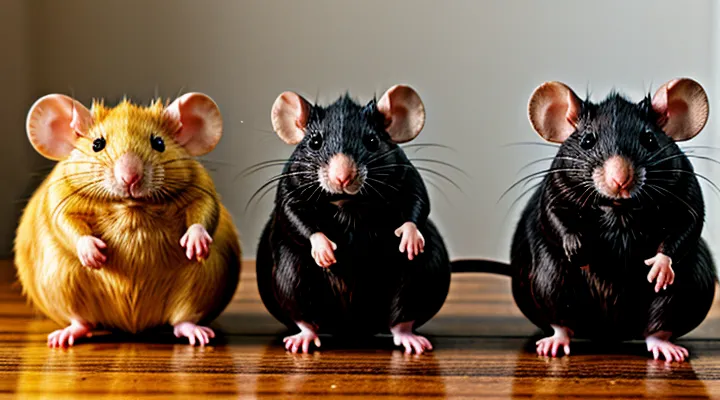
Understanding Adult Rat Weight
Why Rat Weight Matters
Weight serves as the primary metric for assessing the physiological condition of adult laboratory rats. Deviations from established weight ranges indicate malnutrition, disease, or stress, prompting immediate intervention. Accurate weight measurement ensures that animals receive appropriate care and that experimental outcomes remain reliable.
In pharmacological studies, dosage calculations depend directly on body mass. An underweight subject receives a lower drug quantity, potentially producing subtherapeutic effects, while an overweight animal may encounter toxicity. Consistent weight monitoring eliminates dosing errors and supports reproducible results.
Weight correlates with metabolic and hormonal status. Researchers use body mass to predict energy expenditure, glucose regulation, and endocrine function. Shifts in weight reveal alterations in these systems, allowing early detection of metabolic disorders.
Animal welfare protocols require regular weight checks to verify that subjects meet ethical standards. Documentation of weight trends provides evidence of humane treatment and fulfills regulatory requirements.
Key reasons for tracking rat weight:
- Health assessment: identifies illness, dehydration, or overfeeding.
- Dose accuracy: aligns drug amounts with individual body mass.
- Experimental consistency: reduces variability across study groups.
- Phenotypic characterization: links weight to genetic or environmental factors.
- Welfare compliance: satisfies institutional and legal guidelines.
Maintaining precise weight records underpins scientific integrity, ethical responsibility, and the validity of conclusions drawn from adult rat research.
Factors Influencing Normal Weight
Genetics and Strain
Genetic composition establishes the baseline weight for adult rats, and each strain exhibits a characteristic weight spectrum that researchers use as a reference point.
Heritable factors influencing weight include single‑gene mutations (e.g., leptin deficiency), quantitative trait loci identified through genome‑wide association studies, and polygenic networks that regulate metabolism, growth hormone activity, and adipose deposition.
- Sprague‑Dawley: 300–500 g (male), 250–400 g (female)
- Wistar: 280–480 g (male), 230–380 g (female)
- Long‑Evans: 310–530 g (male), 260–420 g (female)
- Fischer 344: 250–350 g (male), 200–300 g (female)
Weight deviations arise when breeding programs introduce alleles that alter appetite regulation, energy expenditure, or skeletal development. Transgenic lines expressing human disease genes often display reduced or increased body mass relative to the parental strain. Spontaneous mutations and genetic drift can shift the expected range by 10–20 % across generations.
Accurate reporting of strain identity and genetic background is essential for reproducibility. Experimental designs that control for strain‑specific weight norms reduce confounding variables and improve the interpretation of physiological or pharmacological outcomes.
Sex Differences
Male adult rats typically weigh more than females of the same strain and age. In commonly used laboratory strains, such as Sprague‑Dawley, average body mass falls within 300–350 g for males and 250–300 g for females. Variability among strains can shift these intervals by ±20 g, but the sex‑based hierarchy remains consistent.
- Typical weight ranges
- Males: 280–380 g
- Females: 230–330 g
- Underweight thresholds
- Males: < 260 g
- Females: < 210 g
- Overweight thresholds
- Males: > 400 g
- Females: > 350 g
Weight deviations often signal metabolic or health disturbances. Underweight individuals may exhibit reduced feed intake, impaired growth, or endocrine imbalance. Overweight rats frequently present increased adiposity, insulin resistance, and elevated circulating lipids. Sex‑specific patterns emerge: males are more prone to obesity‑related hyperlipidemia, whereas females display higher susceptibility to diet‑induced hormonal disruptions.
Experimental protocols must account for these differences. Dosage calculations based on body mass should reference sex‑adjusted norms to avoid systematic bias. Housing density, cage enrichment, and feeding schedules influence weight trajectories differently in each sex; monitoring should be performed weekly to detect departures from expected ranges promptly.
Age-Related Changes
Adult rats exhibit a predictable trajectory of body mass as they progress from sexual maturity to senescence. Early adulthood (approximately 8–12 weeks) is characterized by rapid weight gain, with most laboratory strains reaching 250–300 g. By 6 months, weight stabilizes; typical values range from 300 to 350 g, depending on strain, sex, and housing conditions. Between 12 and 18 months, a gradual decline may appear, with averages falling 5–10 % below the 6‑month plateau. Rats older than 24 months often display pronounced weight loss, sometimes dropping below 250 g, reflecting decreased muscle mass and metabolic efficiency.
Key factors influencing age‑related weight patterns:
- Genetic background – inbred strains such as Sprague‑Dawley differ from outbred strains in peak mass and rate of decline.
- Sex – males generally maintain higher absolute weights, while females exhibit earlier onset of age‑related loss.
- Dietary regimen – caloric restriction can delay the onset of weight reduction; excess calories may mask early signs of decline.
- Health status – chronic disease, neoplasia, or organ dysfunction accelerates weight loss and may produce deviations from expected norms.
Deviations from the described pattern warrant investigation. Persistent weight gain beyond 350 g after 6 months suggests obesity, increasing risk for metabolic syndrome and cardiovascular strain. Conversely, unexplained weight loss exceeding 10 % of the 6‑month average in a healthy adult rat signals possible pathology, requiring clinical assessment and laboratory diagnostics.
Monitoring body mass at regular intervals (e.g., biweekly) provides a reliable metric for assessing physiological aging and detecting abnormal trajectories. Accurate records, combined with awareness of strain‑specific baselines, enable early identification of health issues and inform experimental design decisions.
Diet and Nutrition
Adult rat body‑weight standards are closely linked to dietary composition, caloric density, and nutrient balance. Adequate protein intake sustains lean tissue growth, while excess carbohydrates promote adiposity and weight deviation. Energy provision should match the rat’s activity level and metabolic rate; typical maintenance diets contain 300–350 kcal per 100 g of feed.
Key nutritional components influencing weight:
- Protein (18–22 % of diet): Essential amino acids such as lysine, methionine, and tryptophan support muscle mass; deficiencies trigger lean‑mass loss and reduced body weight.
- Fat (4–6 % of diet): Provides concentrated energy and facilitates absorption of fat‑soluble vitamins; excessive fat raises body‑fat percentage and elevates weight beyond normative ranges.
- Carbohydrates (55–60 % of diet): Serve as primary energy source; high‑glycemic carbohydrates can accelerate weight gain if not balanced with protein and fiber.
- Fiber (3–5 % of diet): Promotes gastrointestinal motility, prevents constipation, and modulates nutrient absorption, contributing to stable weight.
- Vitamins and minerals: Adequate levels of calcium, phosphorus, vitamin D, and B‑complex vitamins are required for bone development and metabolic efficiency; imbalances may affect growth curves and final adult weight.
Adjustments for specific weight outcomes:
- Weight maintenance: Provide a diet meeting the rat’s calculated daily energy requirement (approximately 15–20 kcal per 100 g body weight) with balanced macronutrients.
- Weight gain: Increase caloric density by adding modest amounts of lard or soybean oil, raise protein to 24 % while keeping fiber constant to prevent excess fat deposition.
- Weight loss: Reduce overall caloric intake by 10–15 % relative to maintenance, increase fiber to 7 % to enhance satiety, and maintain protein at 20 % to preserve lean tissue.
Monitoring feed intake, body‑weight trends, and body‑condition scores enables precise dietary modulation, ensuring adult rats remain within expected weight parameters and reducing the incidence of deviation caused by nutritional excess or deficiency.
Environment and Activity Level
Environmental conditions exert measurable effects on adult rodent body mass. Ambient temperature influences basal metabolic rate; cooler environments increase caloric expenditure, often resulting in lower steady‑state weight, whereas warm settings reduce energy demand and may permit higher adiposity. Housing density alters stress levels, with overcrowding linked to elevated corticosterone and subsequent weight fluctuation. Ventilation quality affects respiratory efficiency, indirectly modifying activity capacity and thus body composition.
Physical activity directly modulates weight through energy balance. Voluntary wheel access typically raises daily locomotor distance by 5–10 km, producing a 10–15 % reduction in fat mass compared with sedentary controls. Forced exercise protocols (treadmill, swimming) generate predictable increases in lean tissue when intensity exceeds 30 % of maximal oxygen uptake. Sedentary cages, lacking enrichment, correlate with accelerated weight gain, especially in genetically predisposed strains.
Key interactions between habitat and movement:
- Temperature extremes amplify or mitigate exercise‑induced weight changes.
- High‑density housing combined with limited enrichment intensifies stress‑related weight loss.
- Improved ventilation supports sustained activity, stabilizing lean mass.
Understanding these variables enables precise prediction of weight norms and identification of deviations attributable to environmental or behavioral factors.
Normal Weight Ranges for Adult Rats
General Guidelines
When assessing weight parameters in mature laboratory rats, researchers must follow a consistent protocol to ensure data reliability and comparability across studies.
- Use calibrated digital scales with a precision of at least 0.1 g. Verify scale accuracy daily with certified weight standards.
- Record weight at the same time of day for each animal, preferably during the light phase, to minimize diurnal variation.
- Allow rats to acclimate to the weighing environment for a minimum of five minutes before measurement, reducing stress‑induced fluctuations.
- Conduct measurements on a minimum of three consecutive days before establishing a baseline, then average the values to obtain a stable reference point.
- Maintain ambient temperature between 20 °C and 24 °C and humidity at 45–55 % throughout the weighing process, as environmental extremes can affect body mass.
Data handling requires strict documentation. Enter each measurement into a secure electronic log, noting animal identification, sex, age, and any health observations. Apply outlier detection methods such as the interquartile range rule; exclude values that deviate beyond 1.5 × IQR unless justified by a documented physiological event.
Statistical analysis should employ parametric tests when the sample distribution approximates normality; otherwise, use non‑parametric alternatives. Report central tendency (mean or median) alongside dispersion metrics (standard deviation or interquartile range) to convey the full scope of weight variation.
Ethical compliance mandates that handling procedures minimize discomfort. Use gentle restraint techniques, avoid anesthesia solely for weighing, and monitor animals for signs of distress after each session. Document any adverse events and adjust protocols accordingly.
Adhering to these guidelines yields weight data that accurately reflect the physiological status of adult rats, facilitating meaningful interpretation of deviations from established norms.
Strain-Specific Norms
Common Laboratory Strains
Adult rats display strain‑specific body‑mass patterns that influence dosing calculations, cage density, and interpretation of physiological endpoints. Recognizing the typical weight ranges for each common laboratory strain is essential for identifying abnormal growth or loss.
- Wistar – males: 300–350 g; females: 250–300 g.
- Sprague‑Dawley – males: 350–450 g; females: 250–300 g.
- Long‑Evans – males: 300–400 g; females: 250–300 g.
- Fischer 344 – males: 250–300 g; females: 200–250 g.
- Brown Norway – males: 250–300 g; females: 200–250 g.
- Harlan (Charles River) CD/IGS – males: 280–340 g; females: 220–280 g.
Weight deviations arise from several controllable factors. Age beyond the typical adult window (post‑natal day 90+) produces gradual weight increase, while premature termination yields lower values. Nutritional regimens, including high‑fat or restricted diets, shift the mean by 10–20 %. Health status—particularly infections, tumors, or endocrine disorders—generates rapid loss or gain exceeding 15 % of expected weight. Environmental variables such as temperature, humidity, and bedding density also affect energy expenditure and thus body mass.
Accurate assessment requires comparison with strain‑specific reference ranges. Statistical outlier detection (e.g., Grubbs’ test) applied to a cohort’s weight distribution flags individuals that deviate beyond the 95 % confidence interval. When deviations are identified, investigators should verify health status, review husbandry conditions, and adjust experimental dosing accordingly.
Pet Rat Breeds
Pet rat owners rely on breed‑specific weight benchmarks to assess health and detect problems early. Recognizing normal adult weight ranges for each variety enables timely intervention when an animal deviates from expected values.
- Standard (Fancy) Rat – 300–500 g; males typically 10–15 % heavier than females.
- Dumbo Rat – 350–550 g; larger ear cartilage adds modest body mass.
- Hairless (Satin) Rat – 280–460 g; reduced fur lowers insulation, slightly affecting weight.
- Rex Rat – 300–520 g; curly coat does not alter core mass.
- Manx (Tailless) Rat – 310–520 g; tail reduction has negligible impact on overall weight.
Weight below the lower limit often signals malnutrition, parasitic load, or chronic disease. Excess weight above the upper limit correlates with reduced mobility, joint stress, and increased cardiovascular risk. Deviations may arise from:
- Genetic predisposition – some lines inherit larger or smaller frames.
- Diet composition – high‑calorie treats accelerate gain; insufficient fiber promotes obesity.
- Activity level – limited cage enrichment reduces energy expenditure.
- Sex and reproductive status – pregnant or lactating females gain 15–20 % body mass.
Accurate weighing at least monthly, combined with visual inspection of body condition, provides a reliable metric for health monitoring. Adjustments to feed quantity, nutrient balance, and environmental enrichment restore weight to breed‑appropriate norms. Consistent documentation of measurements supports veterinary assessment and long‑term welfare of pet rats.
How to Measure and Monitor Weight
Accurate assessment of adult rodent body mass is a fundamental component of health surveillance, disease research, and experimental consistency. Precise measurements enable detection of nutritional deficiencies, metabolic disorders, and the impact of interventions.
Essential tools include:
- Analytical balance with a capacity of at least 500 g and a readability of 0.01 g.
- Small, clean weighing container or platform.
- Tare weights for cages or bedding if weighing without removal.
- Data‑logging sheet or electronic database for longitudinal records.
Procedure:
- Allow the rat to acclimate to the weighing area for several minutes to reduce stress‑induced weight fluctuations.
- Place the empty container on the balance, press the tare button, then add the animal.
- Record the displayed mass immediately; avoid repeated readings that could introduce handling variation.
- Return the rat to its home cage, clean the container, and store the measurement in the log.
Monitoring schedule should align with experimental goals. For baseline health checks, weigh weekly; during rapid growth phases or treatment periods, increase frequency to three times per week. Consistent timing—preferably the same hour each day—minimizes circadian influences.
Interpretation requires comparison with established adult rat weight ranges, which differ by strain, sex, and age cohort. Values consistently below the lower threshold suggest undernutrition, chronic illness, or excessive stress. Measurements above the upper limit indicate obesity, fluid retention, or hormonal imbalance. Plotting individual trajectories alongside reference bands highlights trends and flags deviations promptly.
Regular documentation, standardized methodology, and immediate analysis together ensure reliable weight monitoring and support accurate conclusions about rodent health and experimental outcomes.
Deviations from Normal Weight
Underweight Rats: Causes and Concerns
Malnutrition and Dietary Deficiencies
Adult rats typically maintain a body mass between 250 g and 350 g when fed a balanced laboratory diet. Deviations from this range often signal nutritional problems. Insufficient intake of macronutrients reduces lean tissue, leading to weight loss that can fall below 200 g. Conversely, excess calories without adequate protein may increase adiposity, pushing weight above 400 g while masking underlying deficiencies.
Key dietary shortcomings that influence adult rat weight include:
- Protein deficiency: Low‑protein diets cause muscle wasting, reduced growth plate thickness, and diminished body weight despite normal caloric intake.
- Essential fatty acid shortage: Lack of omega‑3 and omega‑6 fatty acids impairs membrane integrity, reduces food efficiency, and may produce slight weight gain due to fluid retention.
- Vitamin scarcity: Deficits in vitamins A, D, and E disrupt metabolism, leading to stunted weight gain or progressive loss.
- Mineral insufficiency: Inadequate calcium, phosphorus, or magnesium compromises bone density and can cause weight fluctuations associated with skeletal fragility.
Chronic malnutrition triggers hormonal alterations, such as decreased leptin and insulin levels, which further depress appetite and metabolic rate. These endocrine changes perpetuate low body mass and increase susceptibility to disease. In contrast, diets high in simple sugars but deficient in micronutrients may produce overweight animals with hidden deficits, obscuring health assessments based solely on weight.
Accurate interpretation of adult rat body mass requires consideration of dietary composition. Weight measurements should be paired with feed analysis to differentiate between genuine obesity, caloric excess, and concealed nutrient shortages. Monitoring both parameters enables reliable evaluation of health status and informs corrective feeding strategies.
Illness and Disease
Adult rats typically maintain a stable body mass that reflects their genetic background, diet, and environment. When an animal’s weight falls outside the established range, clinicians and researchers often consider underlying pathology as a primary factor.
Weight loss in mature rodents frequently signals metabolic or infectious disease. Common conditions associated with reduced mass include:
- Rodenticide poisoning – rapid catabolism leading to severe emaciation.
- Chronic gastrointestinal infections – malabsorption and nutrient depletion.
- Systemic bacterial sepsis – catabolic response and loss of lean tissue.
- Neoplastic processes – cachexia driven by tumor metabolism.
Conversely, excessive weight gain may indicate endocrine disruption or fluid accumulation. Typical causes are:
- Hypothyroidism – decreased basal metabolic rate and adipose accumulation.
- Cushing‑like syndrome – glucocorticoid excess promoting fat deposition.
- Ascites or edema – fluid retention secondary to hepatic or cardiac failure.
Accurate interpretation of weight deviations requires integrating clinical signs, laboratory data, and necropsy findings. For example, a 30 % reduction from the median adult mass, coupled with alopecia and lethargy, strongly suggests a severe infectious process, whereas a 20 % increase with polyuria points toward endocrine imbalance.
In experimental settings, weight monitoring serves as a non‑invasive indicator of disease progression. Researchers often set thresholds—such as a 15 % loss or a 25 % gain—to trigger humane endpoints or additional diagnostic procedures. Maintaining records of individual weight trajectories enables early detection of subtle health changes that might otherwise compromise study validity.
Understanding how illness and disease manifest through alterations in adult rat body mass enhances both animal welfare and the reliability of scientific outcomes.
Stress and Environmental Factors
Stress exposure alters body mass in mature laboratory rodents through neuroendocrine activation and metabolic disruption. Acute restraint or chronic unpredictable stressors elevate circulating corticosterone, suppress appetite, and increase catabolic protein turnover, leading to weight loss relative to established adult rat weight baselines. Conversely, mild psychosocial stress can stimulate hyperphagia and adipose accumulation, producing values above typical ranges.
Environmental variables exert comparable influence. Ambient temperature below thermoneutrality raises basal metabolic rate, prompting caloric deficit and reduced body weight. Elevated temperature reduces energy expenditure, facilitating weight gain. Housing density affects social hierarchy; dominant individuals often attain higher weights, while subordinates exhibit chronic stress‑induced hypophagia and lower mass. Light‑dark cycle manipulation disrupts circadian feeding patterns, resulting in irregular weight trajectories.
Key factors to monitor when assessing deviations from normal adult rat weight:
- Stress type: acute vs. chronic, physical vs. psychological
- Temperature: deviation from 30 °C thermoneutral zone
- Cage density: number of rats per square foot
- Light schedule: length of exposure to light and darkness
- Noise level: sustained auditory disturbances above 70 dB
Accurate interpretation of weight data requires simultaneous recording of these parameters. Adjusting experimental conditions to align with standard adult rat weight expectations minimizes confounding effects and clarifies the relationship between physiological stress, environmental context, and body mass outcomes.
Consequences of Being Underweight
Underweight adult rats exhibit a range of physiological and functional impairments that compromise health and experimental reliability.
- Reduced muscle mass and weakened skeletal structure increase susceptibility to fractures and limit locomotor performance.
- Impaired thermoregulation leads to lower core temperature, heightened energy expenditure, and greater dependence on external heat sources.
- Diminished adipose reserves disrupt hormone balance, causing altered leptin and insulin signaling, which can affect glucose metabolism and appetite control.
- Suppressed immune function manifests as lower leukocyte counts, delayed wound healing, and increased mortality when exposed to pathogens.
- Reproductive capacity declines; females display fewer estrous cycles, reduced litter size, and higher offspring mortality, while males show decreased sperm count and motility.
- Cognitive and behavioral changes include heightened anxiety, reduced exploratory activity, and impaired learning in maze tests.
- Overall lifespan shortens, with earlier onset of age‑related pathologies such as hepatic steatosis and renal degeneration.
These effects underscore the necessity of maintaining appropriate body weight in adult rats to ensure valid research outcomes and animal welfare.
Overweight and Obese Rats: Causes and Risks
Excessive Calorie Intake
Excessive calorie consumption directly alters the weight profile of mature rats, pushing measurements beyond established norms. When dietary energy surpasses metabolic demand, adipose tissue expands, leading to measurable increases in body mass that deviate from species‑specific reference ranges.
Key physiological consequences include:
- Accelerated fat deposition in visceral and subcutaneous compartments.
- Elevated serum leptin and insulin levels, indicating disrupted energy homeostasis.
- Reduced lean muscle proportion as adiposity supplants protein stores.
- Increased susceptibility to metabolic disorders such as glucose intolerance and hepatic steatosis.
Quantitative impact can be expressed as a percentage rise over baseline weight. Studies report average weight gains of 15‑30 % after four weeks of a 20 % caloric surplus, with some individuals exceeding 40 % above normal adult values. Such deviations correlate with altered feeding behavior, decreased activity, and hormonal imbalances.
Mitigation strategies focus on caloric moderation and nutrient balance. Implementing controlled feeding schedules, reducing energy density of the diet, and monitoring body composition through periodic weighing and body‑condition scoring are essential for maintaining weight within accepted limits.
Lack of Physical Activity
Physical inactivity in mature rats directly influences body mass trends, often shifting measurements beyond established weight ranges. Reduced locomotor engagement lowers energy expenditure, prompting a positive energy balance when caloric intake remains constant. Consequently, adipose tissue accumulates, and average body weight rises above typical values for healthy adults.
Key effects of sedentary behavior include:
- Elevated fat-to-lean mass ratio, detectable through body composition analysis.
- Increased prevalence of weight outliers exceeding upper limits of normal weight charts.
- Altered metabolic markers such as heightened insulin and leptin concentrations, which correlate with excess mass.
- Greater susceptibility to comorbid conditions that further exacerbate weight gain.
Experimental observations confirm that rats confined to limited movement environments gain 10–20 % more weight over a 12‑week period compared with active counterparts. This gain is not solely attributable to dietary factors; controlled feeding studies demonstrate that activity restriction alone produces statistically significant weight elevation.
Mitigation strategies focus on reinstating regular exercise routines. Implementing wheel access or structured treadmill sessions restores energy output, normalizes weight trajectories, and reduces the frequency of measurements falling outside accepted norms. Monitoring weight alongside activity levels provides early detection of deviation patterns, facilitating timely intervention.
Genetic Predisposition
Genetic factors account for a substantial portion of the variation observed in the body mass of mature rats. Studies that compare laboratory strains with wild‑derived populations consistently reveal that average adult weights differ according to inherited traits, while environmental conditions remain constant.
Key loci associated with weight regulation have been mapped in several rat models. Frequently cited genes include:
- Lepr (leptin receptor) – mutations produce hyperphagia and increased adiposity.
- Fto (fat mass‑ and obesity‑associated protein) – allelic variation correlates with higher body mass index.
- Mc4r (melanocortin‑4 receptor) – loss‑of‑function variants lead to pronounced weight gain.
- Pparγ (peroxisome proliferator‑activated receptor gamma) – polymorphisms affect adipocyte differentiation and storage capacity.
Quantitative genetic analyses estimate heritability of adult rat weight between 0.30 and 0.55, indicating that roughly one‑third to one‑half of the phenotypic variance derives from additive genetic effects. Selective breeding experiments confirm this range: lines selected for high body mass reach 20–30 % greater weights than control lines after ten generations, whereas low‑weight lines show comparable reductions.
Understanding genetic predisposition refines experimental design. Researchers can match control and test groups by genotype to isolate treatment effects, avoid confounding weight‑related variables, and choose appropriate strains for metabolic or toxicological studies. Genetic screening also enables the creation of models that mimic human obesity phenotypes, improving translational relevance.
Health Implications of Obesity
Obesity in adult rats, defined as body mass exceeding established normative ranges, produces a cascade of physiological disturbances that compromise experimental validity and animal welfare. Excess adipose tissue increases circulating lipids, leading to hyperlipidemia and accelerating atherosclerotic plaque formation. Elevated insulin resistance frequently accompanies weight gain, predisposing subjects to type 2‑like diabetes and impairing glucose tolerance tests. Cardiac output declines as myocardial workload rises, resulting in hypertrophy and reduced ejection fraction. Respiratory function deteriorates due to diaphragmatic fat infiltration, causing diminished tidal volume and increased susceptibility to hypoxia.
Key health outcomes associated with rat obesity include:
- Hepatic steatosis and subsequent fibrosis
- Impaired wound healing and prolonged inflammatory response
- Altered gut microbiota composition, affecting nutrient absorption
- Reduced locomotor activity, exacerbating musculoskeletal degeneration
- Shortened lifespan and heightened mortality in longitudinal studies
These effects distort baseline measurements, inflate variability, and limit the translational relevance of data. Controlling body weight within species‑specific norms mitigates confounding factors and supports reproducible research outcomes.
Managing Rat Weight
Promoting Healthy Weight in Pet Rats
Optimal Diet Strategies
Optimal diet strategies for adult rats must align with established weight standards and address deviations promptly. Nutrient balance, caloric density, and feeding schedule form the core of effective weight management.
Protein provision should range from 18 % to 22 % of total calories, supporting lean tissue maintenance and preventing muscle loss in under‑weight specimens. Excess protein (>25 %) can increase nitrogen waste without improving growth, potentially aggravating obesity‑related metabolic strain.
Fat content influences energy intake; 5 %–7 % of calories from fat maintains essential fatty acid supply while limiting excess caloric surplus. Diets exceeding 10 % fat commonly precipitate rapid weight gain in already overweight individuals.
Carbohydrate sources must be highly digestible, comprising 55 %–65 % of calories. Complex carbohydrates such as corn starch provide sustained energy, whereas simple sugars should be restricted to under 5 % to avoid spikes in blood glucose and subsequent adiposity.
Fiber inclusion at 3 %–5 % of the diet promotes gastrointestinal motility and satiety, assisting in weight control for both overweight and under‑weight rats. Insoluble fiber (e.g., cellulose) improves fecal bulk, while soluble fiber (e.g., oat β‑glucan) moderates nutrient absorption rates.
Water availability remains critical; unrestricted access to clean water prevents dehydration‑induced weight fluctuations and supports metabolic processes.
Feeding schedule influences energy balance. Recommended practices include:
- Provide measured portions twice daily to stabilize intake and reduce binge‑eating.
- Record daily consumption; adjust portions by 5 %–10 % if weight deviates more than 5 % from target range.
- Incorporate a limited number of low‑calorie treats (≤2 % of total daily calories) for enrichment without compromising weight goals.
Monitoring protocols should involve weekly weighing, body condition scoring, and periodic assessment of feed conversion efficiency. Early detection of weight trends enables timely dietary modification, preserving health and experimental consistency.
Exercise and Enrichment
Exercise influences the body mass of mature laboratory rats by increasing energy expenditure. Structured running wheels, treadmill sessions, and intermittent sprint intervals raise caloric output, often preventing weight gain beyond established norms for adult specimens. When daily activity exceeds 30 minutes of moderate intensity, average body weight tends to align with the lower end of the expected range (approximately 250–300 g for standard strains), reducing the likelihood of obesity‑related deviations.
Environmental enrichment modifies feeding behavior and stress levels, both of which affect weight stability. Enrichment items such as nesting material, chew blocks, and puzzle feeders promote natural foraging patterns, leading to more consistent caloric intake. The following practices support weight regulation:
- Rotate chewable objects weekly to sustain interest.
- Provide foraging devices that require manipulation to access food.
- Include shelters that allow voluntary withdrawal, decreasing chronic stress markers.
- Maintain a varied substrate that encourages locomotion and tactile stimulation.
Combined, regular physical activity and appropriate enrichment produce a synergistic effect: rats exhibit steadier weight trajectories, reduced incidence of excess adiposity, and improved lean‑mass proportion. Monitoring protocols should record weekly body mass, activity duration, and enrichment usage to detect deviations promptly. Adjustments to exercise intensity or enrichment complexity can correct emerging trends before they diverge from the normative weight spectrum.
Regular Health Checks
Regular health examinations supply objective data on adult rat body mass, enabling early detection of weight abnormalities. Consistent measurement of body weight, combined with assessment of coat condition, activity level, and food intake, creates a comprehensive health profile.
Key components of each check include:
- Weighing the rat on a calibrated scale to the nearest gram.
- Recording the animal’s age, sex, and strain for reference to species‑specific weight standards.
- Inspecting for signs of edema, muscle wasting, or abnormal fat deposits.
- Evaluating appetite by offering a measured amount of feed and noting consumption within a set period.
- Observing behavior for lethargy, hyperactivity, or changes in grooming.
Frequency recommendations:
- Weekly weighing for breeding colonies, research cohorts, or newly acquired individuals.
- Bi‑weekly checks for stable, long‑term populations with established weight baselines.
- Immediate assessment after any health event, surgical procedure, or dietary alteration.
Interpretation guidelines:
- Compare recorded weights against established adult rat weight ranges for the specific strain; deviations of more than 10 % from median values warrant further investigation.
- Persistent weight loss exceeding 5 % over two consecutive measurements suggests possible pathology, prompting diagnostic testing.
- Rapid weight gain beyond expected growth curves may indicate fluid retention, hormonal imbalance, or overfeeding.
Documentation practices:
- Log each measurement in a centralized database with timestamps, observer initials, and any noted anomalies.
- Maintain trend graphs to visualize weight trajectories and identify patterns quickly.
- Archive photographic records of coat and body condition to support visual assessments.
Implementing these systematic checks ensures that weight deviations are identified promptly, supporting animal welfare and the integrity of experimental outcomes.
Addressing Weight Deviations
When to Consult a Veterinarian
Weight fluctuations in mature rats demand prompt professional assessment. Normal adult rat mass typically ranges from 250 g to 350 g, varying by strain and sex. Deviations beyond this spectrum, whether loss or gain, may signal underlying pathology.
Consult a veterinarian if any of the following occur:
- Sudden weight loss exceeding 10 % of baseline within a week.
- Persistent weight gain surpassing 15 % of expected range, especially with reduced activity.
- Visible abdominal distension, fluid accumulation, or palpable masses.
- Persistent diarrhea, vomiting, or refusal to eat for more than 48 hours.
- Lethargy, respiratory distress, or abnormal grooming behavior accompanying weight changes.
- Signs of pain or discomfort when handling, indicating possible musculoskeletal or internal issues.
Routine health examinations remain essential even in the absence of overt symptoms. Regular monitoring of body condition scores, feed intake, and coat quality provides early detection of subtle deviations.
Early veterinary intervention improves prognosis for metabolic disorders, gastrointestinal disease, neoplasia, and endocrine dysfunctions that affect body mass. Timely diagnosis and treatment reduce the risk of irreversible damage and support optimal longevity.
Dietary Adjustments for Underweight Rats
Underweight adult rats require targeted nutritional strategies to restore body mass without compromising health. Energy density should be increased by incorporating high‑calorie ingredients such as powdered laboratory rodent chow, soybean oil, or corn oil. A typical supplement adds 10–15 % extra calories to the base diet, delivered in small, frequent portions to encourage consistent intake.
Protein levels must rise to support lean tissue growth. Elevate crude protein to 20–25 % of the diet using casein, whey, or soy protein isolates. Monitor nitrogen balance weekly; a positive balance indicates effective protein utilization.
Micronutrient sufficiency prevents secondary deficiencies that could hinder weight gain. Ensure adequate levels of B‑complex vitamins, zinc, and selenium by adding a balanced vitamin‑mineral premix at manufacturer‑recommended concentrations.
Fluid intake influences digestion and nutrient absorption. Provide palatable water sources, such as electrolyte‑enhanced solutions, to maintain hydration and stimulate appetite.
Implement a structured feeding schedule:
- Offer a baseline diet at the usual time.
- Add a calorie‑rich supplement 30 minutes later.
- Provide a high‑protein treat in the evening.
Track body weight daily; adjust caloric and protein content by 5 % increments if gain plateaus for more than three days. Maintain environmental conditions—temperature 22 ± 2 °C, humidity 50 ± 10 %—to reduce metabolic stress and support efficient weight restoration.
Weight Management Programs for Overweight Rats
Effective weight management for overweight rats requires a structured program that addresses nutrition, activity, environment, and health monitoring. The following components constitute a comprehensive approach.
- Dietary adjustment: Replace high‑calorie pellets with a formulated low‑energy diet; limit treats to less than 5 % of total caloric intake; provide measured portions based on body weight and target reduction rate.
- Physical stimulation: Introduce daily wheel access, climbing structures, and foraging toys; schedule at least 30 minutes of active exploration per day.
- Environmental enrichment: Rotate bedding and hideouts to encourage movement; maintain temperature within the optimal range (18‑22 °C) to prevent metabolic slowdown.
- Health assessment: Conduct baseline weight measurement and body condition scoring; schedule weekly weigh‑ins; perform blood glucose and lipid panels quarterly to detect metabolic disturbances.
- Veterinary oversight: Involve a veterinarian experienced in rodent medicine for diagnostic imaging, hormone evaluation, and prescription of appetite suppressants when dietary measures fail.
Implementation steps:
- Record initial weight and calculate ideal body weight using species‑specific standards.
- Establish a caloric deficit of 10‑15 % relative to maintenance needs.
- Adjust feed composition and volume accordingly.
- Monitor weight weekly; modify calorie restriction if loss exceeds 2 % per week.
- Re‑evaluate body condition and metabolic markers after eight weeks; adjust program components based on results.
Consistent application of these measures promotes gradual, sustainable weight loss while preserving muscle mass and overall health.