
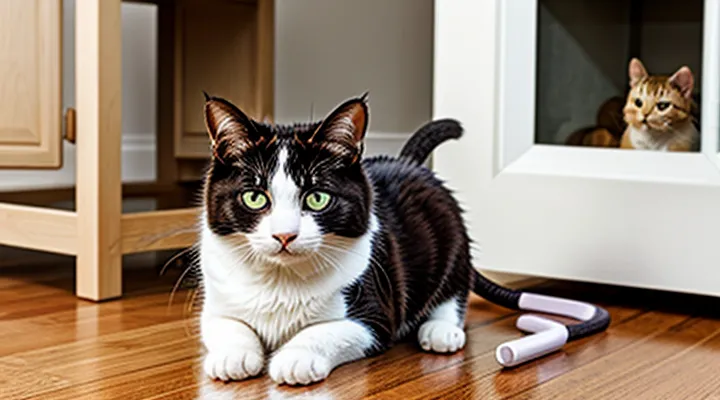
Understanding Your Cat's Hunting Instincts
The Evolution of Feline Hunting Behavior
Wild Ancestors and Prey Drive
Domestic cats retain a hunting instinct forged in their wild ancestors, animals that survived by stalking and killing small prey. This inherited prey drive shapes their behavior even when food is provided by humans.
- Ancestral hunting required acute vision, rapid reflexes, and a strong bite; modern cats still possess these traits, but indoor environments often lack the sensory cues that trigger them.
- The instinct to chase is directed toward moving objects; stationary rodents may not elicit a response if the cat does not perceive them as viable prey.
- Evolution favored opportunistic killing, not sustained pursuit. A brief pounce satisfies the drive, after which the cat may lose interest if the mouse does not present immediate struggle.
Understanding this lineage explains why many indoor cats appear apathetic toward mice. To encourage hunting behavior, owners can recreate elements of the wild setting:
- Introduce toys that mimic erratic mouse movements, stimulating visual and auditory triggers.
- Provide safe, enclosed spaces where a mouse‑like object can dart, allowing the cat to practice stalking without risk.
- Use scent markers or cat‑appealing herbs to make the environment more reminiscent of outdoor hunting grounds.
By aligning the indoor habitat with the cat’s ancestral expectations, the likelihood of successful mouse capture increases.
Domesticated Cats: A Shift in Needs
Domesticated cats receive consistent nutrition, removing the physiological necessity to hunt. Regular meals suppress the hunger-driven impulse that once motivated wild ancestors to pursue prey.
Living exclusively indoors limits exposure to rodents, diminishing opportunities to practice predatory skills. The absence of chase stimuli leads to a gradual decline in the neural pathways associated with hunting behavior.
Comfortable surroundings reduce perceived threats, encouraging sedentary habits. When safety is guaranteed, the risk‑assessment mechanisms that trigger pursuit of moving targets become less active.
Practical measures to restore hunting instincts
- Provide interactive toys that mimic the erratic motion of small mammals.
- Schedule brief, supervised outdoor sessions in secure enclosures to reintroduce live prey cues.
- Rotate feeding times to create mild periods of hunger, encouraging natural foraging drives.
- Incorporate puzzle feeders that require paw manipulation, reinforcing predatory choreography.
Implementing these strategies reactivates the instinctual cascade that underlies mouse capture, aligning a cat’s modern lifestyle with its ancestral predatory framework.
Why Your Cat Might Not Be Hunting Mice Indoors
Environmental Factors
Availability of Food and Water
Cats often ignore indoor rodents when a reliable source of food and water is present. Domestic felines receive regular meals, which eliminates the need to hunt for sustenance. The constant availability of nutrients reduces the drive to chase, capture, and kill mice that wander into the home.
When food is plentiful, a cat’s predatory instincts shift from survival to play. The animal may still pounce on moving objects, but the behavior lacks the urgency that motivates a true hunt. Similarly, easy access to fresh water satisfies basic physiological demands, leaving little incentive to seek out prey for hydration.
Practical steps to encourage hunting behavior despite abundant provisions:
- Offer a timed feeding schedule with smaller portions, prompting the cat to experience brief periods of hunger that can reactivate predatory motivation.
- Provide high‑protein, low‑carbohydrate meals that more closely mimic the nutritional profile of natural prey.
- Install multiple water stations, including shallow dishes, to stimulate exploratory drinking without making water overly convenient.
- Introduce interactive toys that replicate mouse movements, reinforcing the chase response and linking it to reward.
- Rotate feeding locations or use puzzle feeders that require the cat to work for food, reinforcing problem‑solving and hunting-like activities.
By adjusting the consistency and presentation of food and water, owners can restore a degree of hunting drive, increasing the likelihood that a cat will engage with mice that enter the residence.
Lack of Stimulating Environment
A cat that spends most of its time in a monotonous, quiet room receives few sensory cues that trigger the hunting sequence. Without moving objects, varying textures, or unpredictable sounds, the animal’s predatory circuitry remains under‑activated, and the instinct to chase rodents fades.
Indoor spaces typically lack the visual and olfactory stimuli found in a yard or alley. Absence of rustling leaves, shifting shadows, and the scent of small mammals means the cat does not practice stalking, pouncing, or killing behaviors. Over time, the neural pathways that support these actions weaken, reducing the likelihood that the cat will respond to a mouse that appears in the house.
To restore hunting motivation, provide a structured enrichment program:
- Rotate toys that mimic prey (feather wands, motorized mice) every few days.
- Install climbing structures and hideaway boxes to create vertical and concealed routes.
- Scatter scent pads or dried herbs that attract rodents, allowing the cat to investigate realistic odors.
- Schedule short, high‑intensity play sessions twice daily, focusing on chase‑and‑pounce patterns.
- Offer supervised outdoor access or a secure enclosure where the cat can encounter live insects and small critters.
Consistent exposure to varied, stimulating elements reengages the cat’s predatory drive, increasing the probability that it will detect and capture mice inside the home.
Presence of Other Pets or People
Cats often abandon hunting when other animals share the same space. The presence of dogs, other cats, or even small household pets can create a hierarchy in which the cat feels less compelled to chase rodents. Dogs may intimidate the cat, while additional cats can compete for the same prey, reducing each individual’s motivation. Small pets such as rabbits or guinea‑guinea may distract the cat’s attention, leading it to focus on play rather than predation.
Human activity also influences feline hunting. Frequent foot traffic, loud noises, and regular handling can cause stress, making the cat reluctant to engage in high‑energy pursuits like mouse hunting. When people constantly intervene—closing doors, moving objects, or using deterrents—the cat receives mixed signals about the safety and reward of catching prey.
Typical causes
- Dominance or fear induced by larger pets (e.g., dogs)
- Competition with other cats for food and territory
- Distraction from small companion animals that occupy the cat’s play instinct
- Continuous human presence that creates a perceived threat or reduces privacy
Practical solutions
- Provide a dedicated, quiet area where the cat can hunt without interruption
- Limit direct interaction between the cat and larger pets during hunting periods
- Separate small pets from the cat’s hunting zone to avoid competition for attention
- Reduce unnecessary human traffic in the cat’s hunting space, especially during peak activity times (early evening)
Implementing these adjustments restores the cat’s confidence and encourages natural predatory behavior, increasing the likelihood that it will resume catching mice inside the home.
Behavioral and Psychological Reasons
Age and Health Status
Cats that no longer catch mice indoors often show a clear correlation with their stage of life and physical condition. As felines age, natural physiological changes diminish the skills required for successful predation.
- Muscle mass declines, reducing the ability to pounce quickly.
- Vision and hearing deteriorate, impairing detection of small, fast‑moving prey.
- Joint flexibility lessens, limiting the range of motion needed for agile jumps.
- Energy reserves drop, leading to shorter periods of sustained activity.
Health problems produce similar setbacks. Common issues that interfere with hunting include:
- Arthritis or other joint disorders, which cause pain during rapid movements.
- Dental disease, making it uncomfortable to bite or hold struggling prey.
- Obesity, adding excess weight that hinders speed and balance.
- Chronic illnesses such as kidney disease or hyperthyroidism, which affect stamina and coordination.
- Vision loss from cataracts or retinal degeneration, eliminating visual cues essential for tracking.
Addressing age‑related and health‑related barriers can restore a cat’s willingness and capacity to hunt. Practical measures are:
- Schedule regular veterinary examinations to detect and treat underlying conditions early.
- Implement a balanced diet and controlled feeding to achieve and maintain an optimal weight.
- Provide low‑impact exercise options, such as gentle climbing structures and interactive toys that encourage movement without stressing joints.
- Use supplemental joint support supplements or prescribed medications for arthritis management.
- Ensure dental health through routine cleanings and appropriate chew toys.
- Adjust the indoor environment—place prey‑like toys at ground level and use soft lighting—to compensate for reduced sensory acuity.
By systematically managing age‑associated decline and health impairments, owners can improve the likelihood that their indoor cat will resume effective mouse‑catching behavior.
Early Life Experiences and Socialization
Early experiences determine whether a cat develops effective hunting behavior. Kittens raised in environments where live prey is visible or simulated learn to track, stalk, and strike. Absence of such exposure during the critical socialization window (approximately two to seven weeks of age) leaves the predatory sequence underdeveloped, so the animal rarely attempts to catch rodents later in life.
Domestic cats that spend most of their infancy in human‑focused settings receive abundant food and limited opportunity to practice predation. Regular feeding reduces the motivational drive to hunt, while a lack of play that mimics prey movement fails to reinforce the motor patterns needed for successful capture. Consequently, the animal may recognize a mouse but lack the confidence or technique to pursue it.
Human interaction also shapes the cat’s perception of risk. Gentle handling and constant proximity teach the feline that humans provide safety, diminishing the instinct to engage with potentially dangerous prey. Over‑socialized cats often prefer passive observation over active hunting, especially when indoor environments offer few challenges.
Practical steps to strengthen hunting competence:
- Introduce interactive toys that replicate mouse behavior (quick darts, erratic pauses) during daily play sessions.
- Schedule short, high‑intensity play periods that encourage pouncing and claw use, reinforcing the capture sequence.
- Gradually expose the cat to safe, live prey simulators (e.g., small, contained insects) under supervision to rebuild confidence.
- Reduce reliance on automatic feeders; offer food after successful play to associate hunting effort with reward.
Implementing these measures during the kitten stage, or as early as possible in an adult cat’s life, can reverse the deficit created by early deprivation and increase the likelihood that the animal will catch house mice.
Stress and Anxiety
Cats that appear indifferent to mice often suffer from stress‑related inhibition. Elevated cortisol levels suppress the hunting drive, making prey seem uninteresting or threatening. Common stressors in a home environment include loud noises, frequent visitor traffic, abrupt changes in routine, and insufficient hiding places. When a cat perceives the indoor space as unsafe, it redirects energy toward vigilance rather than predation.
Anxiety manifests as excessive grooming, reduced appetite, and avoidance of typical hunting zones such as kitchens or basements. The cat may also display hyper‑reactivity to minor stimuli, further diminishing confidence in stalking or pouncing. These behaviors signal that the animal’s nervous system prioritizes self‑preservation over instinctual chase.
To mitigate stress and restore hunting motivation, consider the following steps:
- Provide multiple secluded spots (covered beds, cat trees, under‑furniture shelters) where the cat can retreat and feel secure.
- Establish a predictable daily schedule for feeding, play, and cleaning to reduce environmental unpredictability.
- Use white‑noise machines or soft background music to mask sudden sounds that trigger anxiety.
- Introduce short, high‑intensity play sessions with feather wands or laser pointers to simulate prey capture and rebuild confidence.
- Gradually desensitize the cat to specific stressors by exposing it to low‑level versions of the trigger (e.g., recorded doorbell sounds) while rewarding calm behavior.
If anxiety persists despite environmental adjustments, consult a veterinarian for possible behavioral medication or pheromone therapy. Addressing the underlying stress restores the cat’s natural predatory instincts, increasing the likelihood that it will engage with mice when they appear indoors.
Fear or Disinterest
Cats often avoid hunting indoors because the environment triggers fear. Bright lights, unfamiliar sounds, and confined spaces can make a mouse seem more threatening than prey. When a cat perceives a risk, it will stay hidden or retreat instead of pursuing the rodent.
A lack of interest also prevents indoor hunting. Domestic cats that receive regular meals, toys, and human interaction may not feel the need to hunt. Their natural predatory drive diminishes when food is readily available and stimulation comes from other sources.
To address fear, create a low‑stress hunting zone:
- Dim lighting near entry points where mice appear.
- Reduce sudden noises by covering vents and sealing gaps.
- Provide safe retreat spots, such as a cardboard box or a covered bed, so the cat can observe without feeling trapped.
To stimulate interest, encourage natural predatory behavior:
- Offer live‑prey simulations, like feather wands or motorized toys that mimic mouse movements.
- Schedule short, frequent play sessions that focus on stalking and pouncing.
- Gradually introduce controlled exposure to real prey in a safe, supervised setting to rebuild confidence.
Consistent application of these measures can transform fear into curiosity and restore the cat’s instinctive hunting response inside the home.
Breed-Specific Tendencies
Breeds with Stronger Prey Drives
Cats with a pronounced hunting instinct are more likely to pursue rodents indoors. Breeds such as the Abyssinian, Bengal, Egyptian Mau, Maine Coon, and Siamese exhibit heightened prey drives, reflected in faster reflexes, sharper visual acuity, and stronger territorial instincts. These genetic traits predispose the animals to stalk, pounce, and capture small mammals when the opportunity arises.
When a cat’s breed aligns with a strong predatory instinct, environmental factors often determine whether mouse capture occurs. Access to outdoor hunting grounds, availability of stimulating toys, and regular feeding schedules can either reinforce or diminish the natural urge to hunt. Indoor cats lacking these stimuli may suppress their instinct, resulting in reduced mouse‑catching behavior.
To encourage effective rodent control, owners of high‑drive breeds should:
- Provide interactive play sessions that mimic hunting (feather wands, laser pointers).
- Install safe indoor “hunt zones” with hidden tunnels and movable prey replicas.
- Offer a diet rich in protein to sustain energy for active pursuits.
- Allow supervised outdoor access when feasible, reinforcing natural hunting patterns.
Breeds with stronger prey drives, when supported by appropriate enrichment, are more capable of addressing mouse infestations within the home.
Breeds Bred for Companionship
Cats selectively bred for companionship often exhibit reduced predatory drive. Genetic emphasis on docility, affection, and tolerance of human presence diminishes instinctual hunting behaviors, especially in indoor environments where prey cues are scarce. Consequently, many house cats do not pursue or capture rodents, even when mice are present.
- Ragdoll – calm temperament, high sociability, low aggression.
- British Shorthair – steady disposition, preference for human interaction.
- Persian – gentle nature, limited activity levels.
- Exotic Shorthair – quiet, people‑oriented, minimal drive to chase.
- Maine Coon (when bred for show) – friendly, less inclined to hunt than working lines.
- Scottish Fold – affectionate, often content with lap time rather than prey.
- Burmese – people‑focused, low independence, reduced instinctual chase.
To mitigate the lack of mouse control, provide alternative outlets for predatory instincts. Offer interactive toys that mimic prey movement, schedule regular play sessions that encourage stalking and pouncing, and introduce puzzle feeders that require problem‑solving. Environmental enrichment restores some hunting motivation, helping companion‑bred cats contribute to rodent management despite their genetic predisposition toward placid behavior.
Solutions and Strategies to Encourage Hunting Behavior
Enriching the Indoor Environment
Interactive Toys and Play Sessions
Interactive toys stimulate a cat’s predatory instincts without requiring live prey. When a cat engages with moving objects, neural pathways associated with stalking, pouncing, and biting are activated, providing the physical and mental outlet that hunting would otherwise fulfill. Consequently, the cat’s drive to capture rodents diminishes because the need for practice is satisfied by the toy.
Regular play sessions reinforce this effect. Structured activity lasting 10–15 minutes, two to three times daily, maintains muscle tone, sharpens reflexes, and prevents boredom. Consistency ensures the cat associates play time with reward, reducing the impulse to seek real mice inside the home.
Practical options include:
- Battery‑operated wand toys that mimic erratic mouse movements.
- Puzzle feeders that require manipulation before releasing food.
- Motorized balls that roll unpredictably across the floor.
- Laser pointers paired with a tangible catch‑object to avoid frustration.
Implementation steps:
- Select a toy that matches the cat’s size and hunting style (e.g., stalk‑oriented vs. chase‑oriented).
- Introduce the toy during a calm period; allow the cat to investigate before initiating motion.
- Alternate between toys to prevent habituation; rotate items weekly.
- End each session with a brief treat or praise to solidify the positive association.
By providing consistent, varied stimulation, owners replace the natural hunting drive with safe, controlled outlets. The result is a lower likelihood that the cat will attempt to capture mice within the house, while the animal remains physically fit and mentally engaged.
Perches and Hiding Spots
Cats that ignore mouse activity often lack adequate vertical and concealed spaces. A well‑designed environment supplies perches that allow a cat to observe the floor from a height, while hiding spots give a sense of security needed for stalking. When these elements are missing, a cat may feel exposed and reluctant to engage in predatory behavior.
Elevated platforms should be positioned near windows, doorways, or areas where rodents are likely to travel. Materials such as sturdy wood or carpeted shelves provide grip and comfort. Placement at varying heights encourages a cat to move between levels, sharpening its ability to gauge distance and timing—essential skills for a successful pounce.
Concealed retreats support the cat’s natural ambush tactics. Boxes, fabric tunnels, or low‑profile furniture with cut‑out spaces let a cat wait unseen until prey passes. The retreat should be quiet, dim, and insulated from household traffic to prevent stress that discourages hunting.
Practical steps to improve perches and hiding spots:
- Install three to five shelves spaced 12‑18 inches apart, covering the room’s perimeter.
- Add a large, sturdy cat tree with multiple platforms and a covered cubby.
- Place a soft, enclosed carrier or a cardboard box with a small opening near known rodent routes.
- Use a window‑sill perch with a padded surface to combine observation and comfort.
- Rotate or rearrange the items monthly to keep the environment stimulating.
By ensuring that a cat has accessible high‑ground viewpoints and secure, hidden launch points, owners increase the likelihood that the animal will engage in natural hunting sequences, thereby reducing the chance that mice remain unchecked inside the home.
Puzzle Feeders
Puzzle feeders are devices that require a cat to work for its food, often by manipulating compartments, rolling balls, or solving simple mechanical challenges. By turning mealtime into a problem‑solving activity, these feeders engage the feline’s natural predatory instincts while the animal remains indoors.
When a cat fails to catch mice inside a home, several factors typically contribute:
- Limited tactile stimulation from static bowls.
- Predictable feeding schedules that do not mimic the effort needed to capture prey.
- Boredom caused by a monotonous environment.
- Overreliance on dry kibble that provides little sensory feedback.
Puzzle feeders address each of these issues directly. The effort required to extract kibble or treats replicates the chase and capture phases of hunting, reinforcing the cat’s instinctual sequence of stalk‑pounce‑capture. Regular use also diversifies the cat’s daily routine, reducing the likelihood that it will ignore real rodents.
Implementing puzzle feeders as part of a broader strategy involves:
- Selecting a feeder with adjustable difficulty to match the cat’s skill level.
- Introducing the device gradually, starting with easy settings and increasing complexity as the cat adapts.
- Rotating different feeder models or puzzle types to maintain novelty.
- Pairing feeder sessions with short play periods using wand toys or laser pointers to further simulate hunting behavior.
Consistent application of these steps enhances a cat’s motivation to engage with moving targets, increasing the probability that it will respond to actual mice in the house. The result is a more active, mentally stimulated feline that retains its natural hunting drive despite a fully indoor lifestyle.
Addressing Behavioral Issues
Reducing Stressors
Cats rely on a calm environment to maintain their natural hunting instincts. When stress disrupts their sense of security, the drive to chase and capture prey diminishes, often resulting in a lack of mouse captures inside the home.
Typical stressors include:
- Loud or sudden noises (vacuum cleaners, alarms, loud music)
- Inconsistent feeding schedules or unpredictable food availability
- Overcrowded living spaces or limited access to hideaways
- Frequent changes in household routines or furniture layout
- Presence of unfamiliar animals or people
Mitigating these factors restores confidence and encourages predatory behavior. Provide a dedicated quiet zone equipped with a comfortable bed and accessible escape routes. Establish a regular feeding timetable and keep food dishes in the same location. Arrange furniture to create clear pathways and safe perches for observation. Introduce low‑intensity play sessions using feather wands or laser pointers to simulate hunting scenarios without overwhelming the cat. Finally, limit exposure to abrupt sounds by using white‑noise machines or soft background music. Consistent application of these measures reduces anxiety, enabling the cat to resume effective mouse hunting within the house.
Gradual Introduction to Hunting-Like Games
Cats that live exclusively indoors often lack the experience needed to recognize a mouse as prey. Without exposure to chase‑and‑pounce scenarios, their natural hunting instincts remain dormant. Introducing hunting‑like play gradually can reactivate these skills, making it more likely that a cat will respond to a real rodent.
Begin with low‑intensity activities that mimic the movements of a mouse. Use a wand toy with a feather or small fabric pouch, dragging it slowly across the floor to simulate a timid creature. Allow the cat to observe, stalk, and make brief contact before withdrawing the toy. This establishes a visual and tactile cue that a moving object is worth pursuing.
Progress to faster, erratic motions. Increase the speed of the toy, add sudden changes in direction, and incorporate brief pauses that resemble a mouse’s hesitations. Encourage the cat to pounce by rewarding successful jumps with a treat or a brief session of petting. Repetition solidifies the association between rapid movement and reward.
Introduce three‑dimensional challenges. Place the toy under a lightweight blanket, inside a cardboard tube, or behind a piece of furniture. The cat must figure out how to access the hidden target, reinforcing problem‑solving abilities that translate to real‑world hunting.
Maintain a consistent schedule. Short sessions—five to ten minutes—performed two to three times daily prevent fatigue and keep the cat’s interest high. Rotate toys to avoid habituation and ensure the cat encounters varied textures and sounds.
Steps for a gradual introduction:
- Start with slow, linear dragging of a feather wand.
- Add speed bursts and unpredictable direction changes.
- Incorporate brief pauses that mimic prey hesitation.
- Use concealment devices (blankets, tubes) for hidden targets.
- Reward successful pounces with treats or brief affection.
- Keep sessions brief and frequent; vary toys regularly.
By following this structured progression, owners provide indoor cats with the sensory and motor experiences necessary to develop effective hunting behavior, increasing the likelihood that a cat will intervene when a mouse appears inside the home.
Positive Reinforcement
Positive reinforcement offers a practical method for increasing a domestic cat’s willingness to chase and capture mice inside the home. When a cat receives an immediate, desirable reward after displaying a target behavior—such as stalking a toy that mimics a mouse—the brain associates the action with pleasure, strengthening the likelihood of repetition.
Effective reinforcement requires three elements: timing, consistency, and relevance. Reward delivery must occur within seconds of the desired action; delayed reinforcement fails to create a clear link. The same reward type—favorite treat, brief play session, or verbal praise—should be used each time to avoid confusion. Rewards must be appealing enough to outweigh the cat’s natural reluctance to engage with real prey in a safe indoor environment.
To apply the technique, follow these steps:
- Choose a high‑value incentive (e.g., soft‑texture morsel or a short laser‑pointer chase).
- Present a realistic mouse‑like toy and allow the cat to initiate the hunt.
- As soon as the cat pounces, swat, or captures the toy, deliver the reward.
- Repeat the sequence in short, frequent sessions, gradually reducing the toy’s visibility to emulate a live mouse.
- After several successful trials, introduce a live, harmless mouse under controlled conditions and reinforce any approach or capture behavior.
By systematically rewarding hunting actions, owners can counteract indoor factors that suppress instinctual predation—limited exposure to prey, lack of practice, and perceived safety. The result is a more engaged cat that is more likely to intervene when a mouse appears, reducing the need for chemical or punitive deterrents.
Consulting a Professional
Veterinary Check-up
A veterinary examination is essential when a cat shows little interest in hunting house mice. Health problems can suppress predatory drive, reduce mobility, or cause sensory deficits that prevent effective capture.
During the visit, the veterinarian will:
- Assess vision and hearing, because impairment of these senses limits a cat’s ability to locate prey.
- Evaluate musculoskeletal health, checking for arthritis, injuries, or muscle weakness that hinder swift movements.
- Perform blood work to detect anemia, thyroid imbalance, or infections that can diminish energy and motivation.
- Review vaccination and parasite status, as internal parasites may cause lethargy and reduced appetite for hunting.
- Discuss nutrition, ensuring the diet supplies adequate protein and essential nutrients that support natural hunting behavior.
If any condition is identified, treatment may involve medication, physical therapy, dietary adjustments, or surgery. Resolving underlying health issues often restores the cat’s instinctual drive to chase and capture rodents, improving both the pet’s wellbeing and the household’s pest control.
Feline Behaviorist Consultation
A feline behaviorist consultation focuses on diagnosing and modifying the factors that prevent a cat from displaying natural hunting behavior within a domestic setting. The specialist evaluates the animal’s history, current environment, and health status to pinpoint obstacles to predatory activity.
Typical obstacles include inadequate stimulation, excessive feeding, medical issues, and a lack of exposure to prey cues. During the session, the behaviorist conducts a structured interview with the owner, observes the cat’s routine, and, if necessary, recommends veterinary assessment to rule out pain or sensory deficits. The professional also examines the household layout, identifying areas where hunting opportunities are limited or unsafe.
The intervention proceeds through three phases: assessment, plan development, and implementation. Assessment gathers data on diet, play habits, and previous training. The plan outlines environmental enrichment, dietary adjustments, and targeted exercises. Implementation involves gradual introduction of prey‑simulation toys, scent trails, and controlled outdoor access, with progress monitored at follow‑up appointments.
Practical recommendations often include:
- Scheduling multiple short play sessions daily using feather wands or laser pointers that mimic mouse movement.
- Introducing puzzle feeders that require paw manipulation, encouraging problem‑solving skills akin to hunting.
- Placing low‑profile hideaways and tunnels to create ambush opportunities.
- Using synthetic mouse scent or small, safe prey replicas to trigger predatory instincts.
- Adjusting feeding portions to maintain a slight hunger drive without compromising health.
By systematically addressing the identified barriers, a feline behaviorist helps the cat regain its innate hunting capacity, reducing the likelihood of missed prey in the home and enhancing overall welfare.
Preventing Mouse Infestations Through Other Means
Securing Food Sources
Cats often ignore mice when a reliable food supply is readily available inside the home. Domestic felines quickly learn that their owners provide regular meals, reducing the incentive to hunt. The presence of easily accessible kibble, wet food, or treats satisfies nutritional needs, making the effort of tracking, catching, and killing a mouse unnecessary.
Key factors that diminish a cat’s hunting drive include:
- Consistent feeding schedule that meets caloric requirements.
- High‑protein commercial diets that mimic the nutritional profile of prey.
- Frequent offering of small, frequent meals that prevent hunger spikes.
- Availability of food in multiple locations, reducing the need to search.
To encourage natural predatory behavior, owners can adjust feeding practices:
- Reduce portion sizes slightly while maintaining health, creating a mild hunger cue.
- Offer meals at irregular intervals to simulate the unpredictability of wild prey availability.
- Provide enrichment toys that mimic mouse movement, allowing the cat to practice stalking and pouncing.
- Limit easy access to food bowls during certain periods, prompting the cat to explore alternative food sources.
By managing the domestic food environment, owners can restore a cat’s motivation to hunt, increasing the likelihood that the animal will engage with mice present in the house.
Sealing Entry Points
Cats often fail to control indoor rodent populations because mice can enter through unnoticed gaps, bypassing the cat’s hunting range. Preventing access points removes the source of the problem and reduces the need for the cat to chase elusive prey.
Sealing entry points involves identifying and closing openings that allow rodents to slip into walls, floors, and rooms. Effective sealing creates a barrier that limits mouse movement, making the environment less attractive to pests and easier for the cat to patrol.
- Inspect the exterior for cracks around foundations, utility pipes, and vents; fill with caulk or expanding foam.
- Check doors and windows for gaps; install weatherstripping or replace damaged frames.
- Examine interior walls, especially near baseboards and cabinets; use steel wool or copper mesh before applying sealant to prevent chewing.
- Repair damaged screens on vents and chimneys; use metal mesh that rodents cannot gnaw through.
- Seal gaps around electrical outlets and light fixtures with silicone sealant or metal plates.
- Maintain a regular inspection schedule to detect new openings caused by settlement or wear.
By systematically eliminating these pathways, the indoor environment becomes inhospitable to mice, allowing the cat to focus on visible targets and improving overall pest control.
Maintaining Cleanliness
Maintaining a clean environment directly influences a cat’s willingness to hunt indoors. Residual food crumbs, spilled liquids, and clutter create a scent‑rich landscape that masks the natural odor of rodents. When these competing smells dominate, a cat’s olfactory focus shifts away from potential prey, reducing its motivation to chase and capture mice. Additionally, littered surfaces harbor insects and small arthropods that distract the cat, further diminishing hunting interest.
A tidy household also prevents mice from establishing safe hideouts. Clear floor space eliminates dark corners and gaps where rodents can nest. Regular vacuuming and sweeping remove fur, dander, and debris that could conceal mouse tracks, making it harder for a cat to detect movement. Consistent waste disposal eliminates food sources that attract mice, decreasing their population and the need for feline intervention.
Practical steps to improve cleanliness and support indoor hunting:
- Sweep and vacuum high‑traffic areas daily to remove dust and stray particles.
- Clean food bowls after each meal; store pet food in sealed containers.
- Dispose of trash in sealed bins and empty them regularly.
- Declutter closets, under‑furniture spaces, and storage boxes to reduce concealment zones.
- Perform weekly deep cleaning of carpets and upholstery to eliminate embedded odors.
By eliminating competing scents and hiding places, a cat can rely on its natural instincts, increasing the likelihood of successfully catching mice within the home.