
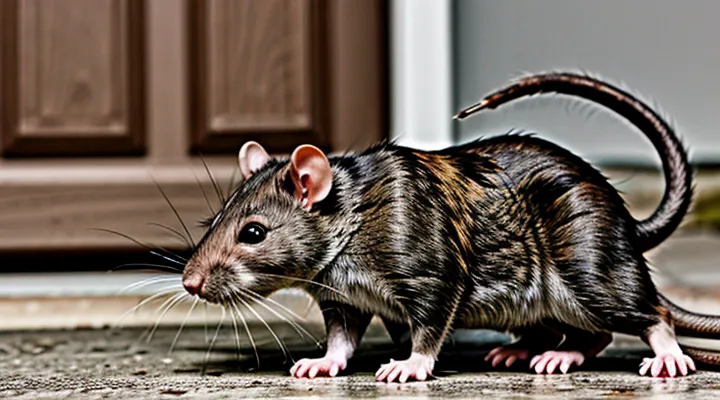
Understanding Rat Scratching Behavior
Natural Instincts and Grooming
Rats exhibit frequent scratching as a direct expression of innate grooming behavior. The act serves to remove debris, maintain fur integrity, and control ectoparasites. When the skin or coat encounters irritants—such as dust, damp bedding, or mite infestation—the animal instinctively scrapes the affected area with its hind limbs. This response is hard‑wired; it enables rapid removal of harmful particles and reduces the risk of infection.
Key drivers of the scratching response include:
- Fur condition – oily or matted coat hampers natural shedding, prompting additional scraping.
- Environmental moisture – high humidity fosters fungal growth and skin maceration, increasing irritation.
- Bedding quality – abrasive or chemically treated materials irritate sensitive skin.
- Parasite load – mites, fleas, and lice stimulate sensory nerves, triggering vigorous scratching.
Effective mitigation relies on supporting the rat’s natural grooming cycle while eliminating external triggers:
- Provide a balanced diet rich in omega‑3 fatty acids to promote healthy skin and coat.
- Use low‑dust, absorbent bedding such as paper or aspen shavings; replace it regularly.
- Maintain humidity between 40 % and 60 % to prevent fungal proliferation.
- Conduct routine health examinations; administer approved anti‑parasitic treatments when necessary.
- Offer grooming accessories—soft brushes or chewable toys—to satisfy the animal’s instinctual need for self‑care without excessive skin trauma.
By aligning husbandry practices with the rat’s evolutionary grooming mechanisms, owners can reduce the frequency of scratching episodes and preserve overall health.
Communication and Social Interactions
Rats use scratching as a communicative signal that conveys social status, territorial claims, and emotional state. When an individual perceives a hierarchy challenge or experiences crowding, it increases self‑grooming and skin‑scratching to release tension and broadcast its position to conspecifics. Repeated scratching often indicates unresolved conflicts within the group or insufficient opportunities for natural interaction.
Effective prevention focuses on optimizing the social environment:
- Maintain stable group composition; avoid frequent introductions or removals that disrupt hierarchy.
- Provide ample space per animal to reduce competition for territory.
- Supply enrichment items (tunnels, nesting material, chew toys) that encourage cooperative play and reduce stress‑induced scratching.
- Implement regular, gentle handling sessions to habituate rats to human contact, lowering anxiety levels.
- Monitor group dynamics daily; intervene promptly when aggression or dominance disputes emerge.
By addressing the communicative function of scratching through structured social conditions, caretakers can markedly decrease the frequency of this behavior and promote overall welfare.
Underlying Health Issues
Skin Irritations and Parasites
Rats develop intense scratching behavior when their skin is compromised by irritation or infestation. Common irritants include dry fur, allergic reactions to bedding materials, and contact with abrasive surfaces. Parasites such as mites, fleas, and lice attach to the integument, feed on blood, and provoke inflammatory responses that manifest as persistent scratching.
Effective control measures focus on eliminating the underlying causes:
- Conduct regular visual inspections of the coat and skin; remove debris and check for visible parasites.
- Implement a strict cleaning schedule for cages, using disinfectants that are safe for rodents.
- Apply veterinarian‑approved ectoparasitic treatments (topical, oral, or injectable) according to the recommended dosage and interval.
- Maintain optimal humidity (45‑55 %) to prevent skin dryness; supplement the diet with omega‑3 fatty acids to support epidermal health.
- Replace bedding with low‑dust, hypoallergenic materials to reduce contact dermatitis.
By addressing both irritation and parasitic load, the frequency of scratching diminishes, leading to healthier rodents and reduced risk of secondary infections.
Nutritional Deficiencies
Rats develop excessive scratching when their diet lacks essential nutrients that maintain skin integrity and immune function. Deficiencies in the following nutrients commonly trigger pruritus:
- Vitamin E – insufficient antioxidant protection leads to oxidative damage of skin cells, causing inflammation and itching.
- Essential fatty acids (Omega‑3, Omega‑6) – low levels reduce skin barrier lipids, allowing moisture loss and irritant penetration.
- Zinc – inadequate zinc impairs keratinocyte proliferation and wound healing, resulting in rough, itchy skin.
- Biotin (Vitamin H) – deficiency weakens hair follicles, producing brittle fur and dermatitis that provoke scratching.
- Protein – insufficient amino acids limit collagen synthesis, compromising skin strength and increasing susceptibility to parasites.
Preventive measures focus on correcting dietary gaps and supporting overall dermal health:
- Provide a balanced rodent pellet formulated to meet the National Research Council’s nutrient specifications for rats.
- Supplement the diet with a high‑quality source of vitamin E (e.g., wheat germ oil) at 30 IU per kilogram of feed.
- Add a calibrated blend of fish oil or flaxseed oil to supply 1 % of total calories as omega‑3 fatty acids.
- Ensure zinc intake of 30 mg per kilogram of diet, using zinc sulfate or zinc methionine as a stable source.
- Include a biotin supplement delivering 0.5 mg per kilogram of feed.
- Maintain a protein level of at least 18 % of the diet, using casein or soy protein isolates.
- Regularly monitor body condition and coat quality; adjust supplementation if fur becomes dull or skin shows lesions.
Addressing these nutritional shortfalls reduces skin irritation, lowers scratching frequency, and promotes overall welfare in laboratory and pet rats.
Stress and Anxiety
Stress and anxiety trigger excessive grooming in rats, which often manifests as frequent scratching. Elevated cortisol levels alter skin sensitivity and increase itch perception. Anxious rodents may also develop compulsive grooming patterns, leading to self‑inflicted lesions.
Key physiological and behavioral indicators include:
- Rapid, repetitive scratching motions
- Reddened or raw skin around the ears, neck, and tail base
- Decreased activity levels and heightened vigilance
- Elevated corticosterone measured in urine or blood samples
Preventive actions focus on minimizing environmental and social stressors while supporting dermal health:
- Provide stable cage conditions: consistent temperature, low noise, and regular light cycles.
- Enrich the habitat with nesting material, tunnels, and chewable objects to reduce boredom.
- Maintain appropriate group sizes; monitor hierarchy to prevent aggression.
- Offer a balanced diet rich in omega‑3 fatty acids and vitamin E to strengthen skin barrier function.
- Implement routine health checks; treat parasitic infestations promptly.
- Use gentle handling techniques to lower handling‑induced fear responses.
By addressing the underlying anxiety and reinforcing skin integrity, the incidence of excessive scratching can be substantially reduced.
Identifying Excessive Scratching
Recognizing Abnormal Frequencies
Rats normally scratch a few times per hour while grooming. Any deviation from this baseline may indicate stress, skin disease, or parasite infestation. Accurate assessment requires systematic observation and record‑keeping.
Track each individual’s scratching events for at least 24 hours. Note the time of day, duration of each episode, and accompanying behaviors such as excessive grooming, biting, or lethargy. Compare the collected data against the following thresholds:
- Less than 3 scratches per hour – typical for healthy adults.
- Between 3 and 6 scratches per hour – may reflect mild irritation or seasonal shedding.
- More than 6 scratches per hour – suggests abnormal frequency that warrants further investigation.
When the count exceeds the upper limit, examine the rat’s skin for lesions, erythema, or crusts. Perform a visual inspection for ectoparasites and collect a skin swab for laboratory analysis if infection is suspected. Environmental factors such as high humidity, poor ventilation, or abrasive bedding can also elevate scratching rates and should be evaluated concurrently.
Implement corrective measures promptly: replace coarse substrate with soft, dust‑free material; maintain humidity between 40 % and 60 %; ensure regular cage cleaning to reduce allergen buildup. If parasites are confirmed, administer an appropriate acaricide according to veterinary guidelines. For dermatological conditions, apply prescribed topical treatments and monitor the scratching frequency daily to verify improvement.
Continuous documentation of scratching patterns enables early detection of health issues and supports timely intervention, reducing the risk of secondary infections and improving overall welfare.
Observing Accompanying Symptoms
Skin Lesions and Hair Loss
Rats develop skin lesions when the epidermis is compromised by parasites, bacterial infections, or excessive grooming. Lesions appear as raised, reddened areas that may ulcerate or discharge fluid. Persistent irritation leads to hair loss around the affected site, creating bald patches that further expose skin to environmental stressors.
Common causes of lesions and alopecia include:
- Mites and fleas: Bite skin, provoke inflammation, and trigger intense scratching.
- Dermatophyte fungi: Invade keratinized tissue, causing circular hair loss and scaly plaques.
- Allergic reactions: Food, bedding, or environmental allergens elicit pruritus and secondary wounds.
- Nutritional deficiencies: Lack of essential fatty acids and vitamins weakens skin integrity, accelerating hair shedding.
Prevention strategies focus on eliminating irritants and supporting skin health:
- Conduct regular health checks; isolate and treat any animal showing early signs of irritation.
- Maintain a clean habitat; replace bedding weekly and disinfect cages to reduce parasite load.
- Implement a balanced diet rich in omega‑3 fatty acids, vitamin E, and high‑quality protein.
- Apply veterinarian‑approved topical antiseptics or barrier creams to vulnerable areas.
- Use prophylactic antiparasitic treatments according to a schedule recommended by a professional.
Monitoring for early lesion development and intervening promptly reduces scratching frequency and preserves fur coverage, thereby improving overall welfare.
Behavioral Changes
Rats that scratch repeatedly often signal an alteration in their normal behavior pattern. Increased grooming, aggression toward cage mates, or avoidance of specific areas typically precedes excessive scratching. Such shifts may arise from environmental stressors, parasitic infestations, skin irritation, or nutritional deficiencies.
Observing a rat’s activity schedule can reveal the root cause. A sudden reduction in exploration, heightened alertness, or repetitive movements indicates discomfort. Consistent changes in social interaction, such as increased isolation or dominance displays, also correlate with heightened scratching.
Preventive actions focus on stabilizing behavior through environmental and dietary adjustments:
- Provide a varied enrichment program: tunnels, chew blocks, and climbing structures reduce boredom‑related stress.
- Maintain a clean cage: weekly full cleaning and spot cleaning of soiled bedding prevent parasite buildup.
- Offer a balanced diet rich in essential fatty acids and vitamins to support skin health.
- Implement a consistent handling routine: gentle, regular interaction lowers anxiety and reinforces trust.
- Monitor temperature and humidity; extreme conditions exacerbate skin dryness and irritability.
Regular health checks complement behavioral management. Early detection of ectoparasites, dermatitis, or underlying illness allows prompt treatment, preventing the escalation of scratching behavior. By aligning habitat conditions with the rat’s natural instincts, owners can mitigate the behavioral triggers that lead to frequent scratching.
Strategies for Preventing Excessive Scratching
Environmental Enrichment
Appropriate Cage Setup
An inadequate cage environment often triggers excessive scratching in rats, which can lead to skin injury and stress. Proper enclosure design reduces the stimulus for compulsive grooming and provides a secure, comfortable habitat.
- Minimum floor area: at least 2 sq ft per animal to allow movement without crowding.
- Solid base: avoid wire flooring; use a solid platform covered with suitable substrate.
- Bedding: choose low‑dust, absorbent material such as paper pulp or aspen shavings; replace regularly to maintain dryness.
- Enrichment: include tunnels, chew blocks, and climbing structures to satisfy natural exploratory behavior.
- Nesting zone: provide a separate, insulated corner with soft nesting material for rest and thermoregulation.
- Ventilation: ensure steady airflow without drafts; avoid direct exposure to cold or heat sources.
- Cleaning schedule: perform full cage cleaning weekly and spot‑clean daily to prevent odor buildup and parasite proliferation.
Consistent monitoring of these elements—size, flooring, substrate, enrichment, nesting area, ventilation, and hygiene—creates a stable environment that diminishes the urge to scratch excessively, supporting healthier skin and overall well‑being.
Enrichment Toys and Activities
Rats that scratch excessively often do so because they lack mental stimulation and opportunities to express natural foraging and gnawing behaviors. Providing a variety of enrichment toys and structured activities redirects the urge to scratch toward constructive tasks, thereby reducing skin irritation and potential injuries.
- Wood chew blocks with varying textures allow gnawing and satisfy dental maintenance.
- Puzzle feeders conceal treats, encouraging problem‑solving and prolonging foraging time.
- Tubular tunnels and climbing ladders create vertical space, promoting exploration and muscle use.
- Nesting material bundles give a substrate for building nests, fulfilling instinctive gathering behavior.
- Interactive balls with ridged surfaces stimulate tactile engagement while promoting gentle paw movement.
Implement enrichment consistently: rotate items every few days to prevent habituation, position toys at different cage levels to encourage movement, and monitor the rat’s interaction to ensure safety. Replace damaged objects promptly to avoid sharp edges that could trigger further scratching. A balanced schedule of play sessions, brief handling, and supervised free‑range time outside the cage enhances overall well‑being and diminishes the frequency of self‑inflicted scratching.
Dietary Management
Balanced Nutrition
Balanced nutrition directly impacts a rat’s skin health and the frequency of scratching. Deficiencies in essential fatty acids, vitamins, and minerals weaken the epidermal barrier, increase dryness, and promote irritation that triggers excessive grooming.
Key dietary components that support skin integrity include:
- Omega‑3 and omega‑6 fatty acids: improve cell membrane flexibility and reduce inflammation.
- Vitamin E: acts as an antioxidant, protecting skin cells from oxidative damage.
- Zinc: essential for keratin formation and wound healing.
- Biotin (vitamin B7): promotes healthy fur and reduces brittleness.
- High‑quality protein: supplies amino acids necessary for collagen synthesis.
Implementing a diet that meets the recommended daily allowances for these nutrients minimizes dermal problems. Commercial rodent pellets formulated to contain balanced levels of the listed ingredients provide a reliable baseline. Supplementation should be limited to precise amounts; excess fat or minerals can lead to obesity and urinary issues, which indirectly increase stress‑related scratching.
Monitoring feed intake and body condition scores allows early detection of nutritional imbalances. Adjustments—such as adding a small proportion of fresh vegetables rich in vitamin C or a calibrated fish oil supplement—should be made under veterinary guidance. Consistent provision of nutritionally complete food reduces the underlying causes of frequent scratching and supports overall rat welfare.
Supplementation When Necessary
Rats often develop excessive scratching when nutritional gaps affect skin integrity, coat condition, or immune response. Targeted supplementation can correct these deficiencies, reducing irritation and the need for behavioral interventions.
Key nutrients implicated in dermatological health include:
- Omega‑3 fatty acids – improve skin barrier function and lessen inflammation.
- Vitamin E – serves as an antioxidant, protecting epidermal cells from oxidative damage.
- Biotin (vitamin B7) – supports keratin synthesis, promoting a resilient coat.
- Zinc – essential for wound healing and immune regulation; deficiency may trigger pruritus.
- Probiotic strains – balance gut microbiota, indirectly influencing skin immunity.
Supplementation should be introduced only after confirming a deficit. Diagnostic steps involve:
- Laboratory analysis of blood or feather samples to quantify relevant vitamins and minerals.
- Observation of coat quality, lesion distribution, and scratching frequency to correlate clinical signs with test results.
- Consultation with a veterinarian experienced in rodent nutrition to select appropriate formulations and dosages.
Dosage recommendations must align with established rodent guidelines; excessive intake can cause toxicity, leading to secondary issues such as hepatic stress or altered behavior. Regular re‑evaluation—every 4–6 weeks—ensures that levels remain within optimal ranges and that scratching behavior declines.
When supplementation is combined with environmental hygiene, parasite control, and appropriate bedding, the overall incidence of scratching drops markedly, supporting healthier, less stressed rats.
Regular Veterinary Check-ups
Early Detection of Health Problems
Rats that exhibit persistent scratching often signal underlying health disturbances. Detecting these problems early prevents escalation and reduces the need for intensive treatment.
Key indicators of emerging ailments include:
- Persistent itching or grooming beyond normal levels
- Visible sores, crusts, or hair loss on the skin
- Sudden changes in activity, appetite, or social interaction
- Unexplained weight reduction or fluid loss
When any of these signs appear, a systematic veterinary assessment should follow. Physical examination combined with skin scrapings, fecal analysis, and blood work provides a comprehensive health profile. Early identification of parasites, dermatological infections, or metabolic disorders enables targeted therapy before symptoms become severe.
Preventive measures reinforce early detection. Maintain a clean cage environment, rotate bedding regularly, and monitor humidity to discourage mite proliferation. Implement a routine health check schedule, documenting behavior and physical condition weekly. Promptly isolate individuals showing abnormal scratching to limit contagion.
By integrating vigilant observation with routine diagnostics, caretakers can intervene at the first stage of disease, preserving the well‑being of the colony and minimizing the frequency of scratching episodes.
Parasite Control and Treatment
Rats frequently scratch due to ectoparasites that irritate the skin and stimulate nerve endings. Mites, fleas, lice, and the sarcoptic mange agent attach to fur, feed on blood, or burrow into the epidermis, causing inflammation and intense pruritus. Infestations spread quickly in crowded colonies, especially where hygiene is poor.
Effective control requires a systematic approach:
- Identify the parasite through visual inspection, skin scrapings, or laboratory analysis. Accurate diagnosis distinguishes between mite species, which determines the appropriate medication.
- Apply a licensed acaricide or insecticide directly to the animal’s coat. Products containing selamectin, ivermectin, or fipronil provide rapid relief and reduce reproduction of the parasite.
- Treat the environment simultaneously. Clean bedding, replace nesting material, and disinfect cages with a solution of 0.5 % sodium hypochlorite or a veterinary‑approved disinfectant. Vacuuming removes eggs and larvae from surfaces.
- Implement routine health monitoring. Weekly checks for excessive grooming, hair loss, or crusted lesions allow early intervention before an outbreak escalates.
- Reduce exposure by limiting contact with wild rodents and controlling vector populations in the surrounding area. Traps, bait stations, and habitat modification lower the risk of reinfestation.
When infestations persist despite chemical treatment, consider a veterinary‑supervised rotation of drug classes to prevent resistance. In severe cases, systemic therapy combined with topical applications may be necessary to eradicate deep‑tissue stages of the parasite.
Maintaining a clean, low‑stress environment, coupled with regular veterinary oversight, minimizes the stimulus for scratching and protects rat health.
Stress Reduction Techniques
Maintaining a Consistent Routine
A predictable daily schedule directly influences a rat’s skin health. Regular timing for feeding, cleaning, and interaction creates an environment where stress‑induced scratching diminishes.
Consistent feeding times stabilize metabolism and prevent nutritional gaps that can trigger dermal irritation. Fixed cleaning intervals remove debris and moisture that foster bacterial growth, reducing the likelihood of itch‑inducing infections. Routine handling acclimates the animal to human contact, lowering anxiety‑driven grooming excesses.
- Feed at the same hour each day; use balanced pellets and fresh water.
- Clean cage, replace bedding, and sanitize accessories on a set schedule (e.g., every 24 hours).
- Conduct brief health checks at consistent intervals; note any skin changes immediately.
- Provide scheduled enrichment (toys, tunnels) to occupy the rat and prevent compulsive scratching.
- Maintain steady lighting cycles to support circadian rhythm.
Implementing these steps creates a stable physiological baseline, making scratching episodes less frequent and easier to manage. The result is healthier skin and reduced need for medical intervention.
Gentle Handling and Socialization
Gentle handling reduces stress‑induced scratching in rats. Calm, steady movements prevent sudden spikes in adrenaline that trigger skin irritation. When a rat feels secure, its grooming behavior becomes regular rather than excessive.
Effective handling techniques:
- Approach from the side, not from above, to avoid threatening posture.
- Support the body with both hands, allowing the animal to relax without clinging.
- Use brief sessions of 2–3 minutes, gradually extending duration as the rat adapts.
- Incorporate soft vocal tones to reinforce a non‑aggressive environment.
Socialization complements handling by providing consistent positive contact with conspecifics and humans. Regular group interaction lowers hierarchical tension, which otherwise manifests as increased scratching.
Key socialization practices:
- Introduce new rats in neutral cages, monitoring behavior for signs of dominance.
- Rotate cage mates monthly to prevent long‑term territorial disputes.
- Offer enrichment items that encourage cooperative play, such as tunnels and chew toys.
- Schedule daily supervised handling sessions for each rat, reinforcing familiarity with human touch.
Combined, these methods create a stable emotional baseline, directly decreasing the frequency of self‑induced skin damage.
When to Seek Professional Help
Persistent Scratching Despite Interventions
Rats may continue to scratch even after standard measures such as topical ointments, cage cleaning, or dietary changes. This persistence often signals that the underlying cause has not been fully addressed, which can lead to skin damage, infection, and reduced welfare.
Common factors that sustain scratching despite intervention include:
- Parasites: Mites, fleas, or lice that survive initial treatment because of resistance or incomplete application.
- Dermatitis: Allergic reactions to bedding material, food additives, or environmental chemicals that remain present in the habitat.
- Nutritional deficiencies: Insufficient essential fatty acids or vitamins that impair skin barrier function.
- Stress‑induced grooming: Overcrowding, lack of enrichment, or abrupt routine changes that trigger compulsive scratching behavior.
- Secondary infection: Bacterial or fungal colonization that develops after initial skin irritation and requires targeted antimicrobial therapy.
Effective resolution requires a systematic protocol: conduct a comprehensive health assessment, including parasitological examination and allergy testing; adjust the diet to meet complete nutritional requirements; replace all potential irritants in the cage (e.g., replace cedar bedding with paper or aspen); implement environmental enrichment to reduce stress; apply appropriate antiparasitic or antimicrobial agents based on laboratory confirmation; and monitor the rat’s condition daily for at least two weeks to verify cessation of scratching. Continuous documentation of observations and treatment responses enables rapid modification of the plan if symptoms persist.
Worsening Skin Conditions
Rats develop heightened scratching when their integumentary health declines. Damage to the epidermal barrier, inflammation, and pruritic mediators create a feedback loop that intensifies the urge to scratch, often leading to self‑inflicted wounds and secondary infections.
Typical dermatological problems that exacerbate this behavior include:
- Allergic dermatitis caused by bedding or food allergens.
- Fungal infections such as ringworm.
- Parasitic infestations (mites, lice, fleas).
- Bacterial skin infections following minor injuries.
Compromised skin integrity permits irritants to penetrate, activating nerve fibers that transmit itch signals. Persistent scratching further disrupts the barrier, amplifies cytokine release, and promotes tissue degradation.
Preventive measures focus on maintaining skin health and interrupting the itch‑scratch cycle:
- Use low‑dust, hypoallergenic bedding; replace it regularly.
- Provide a balanced diet rich in essential fatty acids and vitamins A, E, and D to support epidermal repair.
- Conduct routine examinations for parasites; apply appropriate acaricides when necessary.
- Keep the enclosure clean, control humidity, and avoid excessive moisture that favors fungal growth.
- Apply veterinarian‑approved topical emollients or barrier creams to restore moisture and protect against irritants.
Implementing these practices reduces the likelihood of skin condition deterioration, thereby decreasing the frequency of scratching and improving overall rat welfare.
Changes in Overall Health
Rats experience increased scratching when systemic health declines. Nutritional deficiencies, such as low protein or essential fatty acids, weaken skin integrity and reduce the efficacy of the protective lipid barrier. Metabolic disorders, including diabetes and obesity, elevate blood glucose levels, which can impair immune function and promote bacterial or fungal overgrowth on the skin. Respiratory or gastrointestinal infections trigger stress responses that release cortisol, a hormone known to exacerbate dermal inflammation and itching. Age‑related changes, like reduced grooming efficiency and slower tissue regeneration, also contribute to heightened scratching behavior.
Addressing these health shifts reduces the need for self‑induced irritation. Effective interventions include:
- Balanced diet rich in high‑quality protein, omega‑3 fatty acids, and vitamins A, E, and D.
- Regular health screenings to detect and manage metabolic conditions early.
- Prompt treatment of infections with appropriate antimicrobial or antifungal agents.
- Environmental enrichment that encourages natural grooming and reduces chronic stress.
- Routine veterinary examinations to monitor age‑related physiological changes.
Implementing these measures stabilizes overall health, thereby decreasing the frequency of scratching episodes in pet rats.