
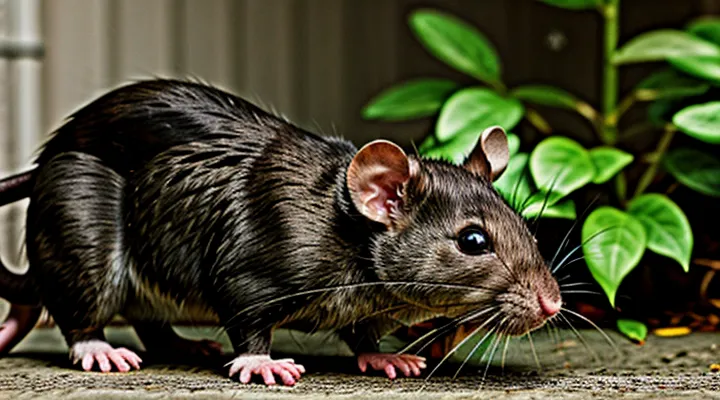
«Understanding Rat Respiration»
«Normal Respiratory Rate in Rats»
Rats at rest normally breathe between 70 and 150 breaths per minute. The exact value depends on species, age, body weight, and ambient temperature. Adult laboratory rats (200–300 g) typically exhibit rates near the lower end of this interval when housed at 22 °C, while younger or lighter individuals tend toward higher frequencies.
Factors that shift the baseline include:
- Temperature: each 1 °C rise above thermoneutral conditions increases respiratory rate by roughly 5–10 %.
- Body mass: smaller rodents display faster breathing; a 100 g rat may breathe 120–150 times per minute.
- Time of day: nocturnal activity peaks cause transient elevations of 10–20 % above resting values.
- Acclimation to handling: animals accustomed to routine handling show less variability than naïve subjects.
Measurement techniques such as whole‑body plethysmography, tethered spirometry, or video‑based thoracic motion analysis provide comparable results when calibrated correctly. Calibration against a known gas flow and accounting for chamber volume are essential to avoid systematic error.
Understanding the normal respiratory range establishes a reference point for interpreting rapid breathing episodes associated with stressors, disease, or experimental manipulations. Deviations exceeding 20 % of the baseline range generally indicate a physiological response requiring further investigation.
«Physiology of Rat Breathing»
«Diaphragmatic Respiration»
Diaphragmatic respiration is the primary mechanism by which rats expand their thoracic cavity during inhalation. Contraction of the diaphragm creates a negative pressure gradient, drawing air into the lungs. This process is highly efficient under normal conditions, allowing adequate oxygen uptake with minimal muscular effort.
When rats encounter stressful stimuli—such as predator cues, overcrowding, or sudden environmental changes—the autonomic nervous system triggers a surge in sympathetic activity. The resulting physiological cascade includes:
- Increased catecholamine release, which accelerates heart rate and elevates metabolic demand.
- Enhanced excitatory input to the respiratory centers in the brainstem, prompting a higher respiratory drive.
- Amplified diaphragmatic contractions, producing deeper and more frequent breaths.
The intensified diaphragmatic movements directly contribute to the rapid breathing pattern observed during stress. Faster cycles of contraction and relaxation reduce the time available for gas exchange per breath, but the overall ventilation volume rises, meeting the heightened oxygen requirement and facilitating carbon dioxide removal.
Understanding the link between stress-induced neural activation and diaphragmatic mechanics clarifies why rats commonly exhibit elevated respiratory rates in threatening situations.
«Accessory Muscle Involvement»
Rats increase respiratory rate under stress by engaging muscles that normally assist only when ventilation demands exceed the capacity of the diaphragm and intercostal muscles. The sternocleidomastoid, scalenes, and the upper fibers of the pectoralis major become active, elevating the rib cage and expanding the thoracic cavity beyond the primary inspiratory effort. This recruitment reduces the work required of the diaphragm, allowing faster airflow while maintaining oxygen delivery.
Key points of accessory muscle involvement:
- Sternocleidomastoid contracts to lift the sternum, increasing anterior‑posterior chest dimension.
- Scalene muscles pull the first two ribs upward, widening the upper thorax.
- Pectoralis minor and major assist in elevating the rib cage when the forelimbs are fixed, providing additional expansion.
- Intercostal muscles shift from a primarily stabilizing role to active elevation of the ribs, complementing the primary inspiratory muscles.
The activation pattern follows a hierarchical sequence: primary inspiratory muscles initiate the breath, stress‑induced hyperventilation triggers accessory muscles, and sustained rapid breathing maintains their involvement. Electromyographic studies confirm heightened activity in these muscles during acute stressors such as predator exposure or sudden temperature changes. The result is a measurable increase in tidal volume and respiratory frequency, reflecting the physiological adaptation that enables rats to meet the metabolic demands of a fight‑or‑flight response.
«Stress-Induced Tachypnea in Rats»
«Physiological Mechanisms of Stress Response»
«Sympathetic Nervous System Activation»
Rats increase their breathing rate when exposed to stressors because the sympathetic branch of the autonomic nervous system becomes active. Activation triggers the release of norepinephrine and epinephrine, which bind to adrenergic receptors in the respiratory centers of the brainstem. This stimulation enhances the excitability of neurons that control the diaphragm and intercostal muscles, resulting in faster, shallower breaths.
The cascade includes several physiological steps:
- Catecholamine surge raises heart rate and blood pressure, demanding greater oxygen delivery.
- Chemoreceptor sensitivity to carbon dioxide rises, prompting the medullary respiratory drive to accelerate.
- Bronchial smooth muscle relaxes under β‑adrenergic influence, reducing airway resistance and facilitating rapid airflow.
These mechanisms collectively produce the characteristic tachypnea observed in laboratory rats during experimental or environmental stress conditions.
«Hormonal Release: Cortisol and Adrenaline»
Rats exhibit increased respiratory rate when confronted with stressors, a response driven largely by the surge of stress hormones. The adrenal glands release cortisol and adrenaline almost simultaneously, each influencing the respiratory system through distinct mechanisms.
- Adrenaline: rapidly binds to β‑adrenergic receptors in airway smooth muscle, causing bronchodilation and enhancing oxygen intake. It also stimulates the central respiratory centers, raising the frequency and depth of breaths.
- Cortisol: modulates gene expression in lung tissue, increasing the synthesis of surfactant proteins that improve alveolar compliance. It sustains the heightened ventilation by preventing inflammatory narrowing of the airways and by supporting metabolic demands of the fight‑or‑flight response.
Together, these hormones create a physiological environment that prioritizes oxygen delivery, explaining why stressed rats breathe more rapidly.
«Types of Stressors Leading to Rapid Breathing»
«Environmental Stressors»
Rapid respiration in rats frequently signals exposure to adverse environmental conditions. Physiological monitoring consistently links elevated breathing rates to external stressors that disrupt homeostasis.
Common environmental stressors include:
- Temperature extremes – heat or cold provoke thermoregulatory effort, increasing oxygen demand.
- Acoustic overload – loud, unpredictable noises trigger sympathetic activation, accelerating ventilation.
- Overcrowding – limited space raises social tension, leading to heightened respiratory drive.
- Predator cues – odor or visual signals associated with predators elicit fear responses, reflected in faster breathing.
- Bright or flickering light – intense illumination stimulates stress pathways, raising respiratory frequency.
- Chemical irritants – airborne toxins or strong odors irritate respiratory mucosa, prompting rapid breaths.
- Frequent handling – repeated physical contact induces stress hormones, which accelerate respiration.
Each factor imposes a physiological load that the rat’s autonomic nervous system counteracts by increasing tidal volume and respiratory rate. Persistent exposure can amplify stress hormone levels, sustain tachypnea, and affect experimental outcomes. Recognizing and mitigating these environmental stressors is essential for accurate interpretation of respiratory data in rodent research.
«Temperature Extremes»
Temperature extremes constitute a potent physiological stressor for rats, directly influencing respiratory rate. Exposure to high ambient temperatures elevates metabolic heat production, prompting vasodilation and increasing the demand for heat dissipation through the respiratory tract. The resulting rise in alveolar ventilation accelerates oxygen intake and carbon‑dioxide removal, manifesting as rapid breathing.
Conversely, low ambient temperatures trigger thermogenic responses such as shivering and non‑shivering brown‑fat activation. These processes raise metabolic demand for heat generation, which in turn elevates oxygen consumption. To meet this demand, rats increase tidal volume and respiratory frequency, producing a similar pattern of tachypnea.
Typical manifestations observed under temperature‑induced stress include:
- Elevated resting respiratory rate compared with thermoneutral conditions.
- Increased minute ventilation driven by higher tidal volume and/or frequency.
- Enhanced heart rate and peripheral vasomotor adjustments accompanying respiratory changes.
- Rapid normalization of breathing patterns once ambient temperature returns to the thermoneutral zone.
Understanding the impact of thermal stress on rat respiration is essential for experimental design. Researchers must control ambient temperature or account for its effects when interpreting respiratory data, as temperature‑driven tachypnea can confound assessments of other stressors or pharmacological interventions.
«Loud Noises»
Loud noises trigger a swift increase in rat respiration through activation of the auditory stress pathway. Sudden or continuous high‑intensity sounds stimulate the cochlear nerve, which relays signals to the amygdala and hypothalamus. These regions coordinate the release of catecholamines and corticotropin‑releasing hormone, prompting the sympathetic nervous system to elevate heart rate and ventilation.
Key physiological responses include:
- Rapid expansion of tidal volume to meet heightened oxygen demand.
- Increased respiratory frequency driven by brainstem respiratory centers.
- Enhanced alveolar ventilation resulting from bronchodilation mediated by adrenergic receptors.
- Elevated blood carbon dioxide clearance to counteract stress‑induced metabolic acidosis.
Collectively, these mechanisms explain why exposure to loud acoustic environments consistently produces accelerated breathing patterns in laboratory and wild rats.
«Unfamiliar Environments»
Rats increase their respiratory rate when placed in settings that lack familiar cues. Novel odors, unfamiliar lighting, and unexpected sounds trigger the sympathetic nervous system, releasing catecholamines that accelerate heart and lung activity. The resulting hyperventilation supplies oxygen to muscles prepared for potential escape or defensive actions.
Physiological responses to a new environment include:
- Elevated cortisol levels that influence metabolic demand.
- Stimulation of the hypothalamic‑pituitary‑adrenal axis, promoting rapid gas exchange.
- Activation of mechanoreceptors in the nasal cavity, heightening alertness and breathing depth.
- Increased body temperature regulation effort, which raises ventilatory drive.
Behavioral factors also contribute. Exposure to unknown objects or handling by an unfamiliar caretaker induces anxiety, prompting the animal to adopt a heightened arousal state. This state sustains a faster breathing pattern until the rat perceives safety or adapts to the surroundings.
Mitigation relies on gradual habituation. Introducing new elements incrementally, providing nesting material, and maintaining consistent cage placement reduce stress intensity. Over time, the respiratory rate normalizes as the rat forms a mental map of the environment and the sympathetic response diminishes.
«Social Stressors»
Rats exhibit increased respiratory rate when exposed to social stressors that disrupt normal group dynamics. Such stressors trigger autonomic responses, elevating heart and breathing frequencies to prepare the animal for potential threats.
Common social stressors include:
- Overcrowding, which forces individuals into constant proximity and competition for limited resources.
- Hierarchical pressure, where subordinate rats experience recurring aggression from dominant peers.
- Social isolation, removing the animal from its colony and eliminating normal tactile and olfactory cues.
- Unpredictable group composition, introducing unfamiliar conspecifics that provoke territorial disputes.
- Repeated exposure to hostile encounters, leading to chronic activation of the hypothalamic‑pituitary‑adrenal axis.
Physiological mechanisms involve heightened sympathetic nervous activity, release of catecholamines, and cortisol-like glucocorticoids. These mediators increase alveolar ventilation to meet the elevated metabolic demand generated by stress. Prolonged exposure may cause maladaptive changes, such as persistent tachypnea and impaired gas exchange.
Experimental observations confirm that rats subjected to these social conditions display measurable spikes in respiratory rate within minutes of stress onset. Control groups maintained in stable, low‑density colonies show stable breathing patterns, underscoring the specific impact of social disruption on respiratory physiology.
«Overcrowding»
Overcrowding creates a persistent social stress that triggers physiological responses in rats. The limited space forces frequent encounters with conspecifics, intensifying competition for resources such as food, water, and nesting sites. Continuous exposure to these competitive interactions elevates circulating catecholamines, which stimulate the respiratory centers in the brainstem, resulting in a higher breathing frequency.
The crowded environment also disrupts normal circadian rhythms. Light and noise levels rise as the group size increases, leading to fragmented sleep patterns. Sleep deprivation reduces the threshold for stress‑induced tachypnea, so rats breathe faster even during periods of rest.
Key mechanisms linking high population density to accelerated respiration include:
- Elevated cortisol and adrenaline levels that directly increase respiratory drive.
- Reduced oxygen availability in densely packed cages, prompting compensatory hyperventilation.
- Heightened irritant exposure (e.g., ammonia from urine) that irritates the airway mucosa and provokes rapid breathing.
- Impaired thermoregulation caused by limited airflow, causing metabolic heat production and a subsequent rise in respiratory rate.
Behavioral observations support these physiological findings. Rats housed in groups exceeding recommended densities display increased grooming, aggression, and vocalizations—behaviors associated with heightened arousal and faster breathing. Conversely, when individuals are moved to lower‑density conditions, both stress hormone concentrations and respiratory rates decline within days.
In experimental settings, controlling population density is essential for accurate interpretation of respiratory data. Researchers must standardize cage occupancy, monitor environmental parameters, and consider overcrowding as a confounding variable when evaluating the relationship between stress and breathing patterns in rats.
«Dominance Hierarchies»
Rats organized into social ranks experience distinct physiological responses when their position is challenged. Subordinate individuals exhibit elevated cortisol levels, heightened sympathetic activity, and increased respiratory rate. These changes arise because lower‑ranking rats constantly monitor dominant conspecifics, triggering anticipatory stress that manifests as rapid breathing.
Key mechanisms linking hierarchical status to respiratory acceleration include:
- Threat perception: Visual, olfactory, and auditory cues from dominant rats activate the amygdala, driving a surge in catecholamines that accelerate ventilation.
- Hormonal modulation: Chronic exposure to elevated corticosterone reduces lung compliance, forcing higher breathing frequency to maintain oxygen uptake.
- Autonomic imbalance: Dominance disputes shift the autonomic balance toward sympathetic dominance, shortening the inspiratory–expiratory cycle.
Dominant rats, by contrast, display relatively stable respiratory patterns. Their access to resources and reduced exposure to aggression lower baseline stress hormones, allowing normal breathing rates. Consequently, the structure of the social hierarchy directly shapes the frequency of rapid respiration observed in laboratory rat colonies.
«Physical Stressors»
Rats exhibit tachypnea when exposed to physical stressors that disrupt homeostasis. Sudden temperature changes, both hyperthermia and hypothermia, trigger rapid breathing to regulate body heat. Direct handling, restraint, or forced locomotion increase muscular activity and elevate oxygen demand, prompting an immediate rise in ventilation rate. Painful stimuli, such as needle insertion or tissue injury, activate nociceptive pathways that amplify respiratory drive. Environmental vibrations, excessive crowding, and reduced ambient oxygen concentration also impose mechanical or metabolic challenges, resulting in accelerated respiration.
- Extreme ambient temperature (heat or cold)
- Physical restraint or handling
- Forced exercise or excessive movement
- Painful or invasive procedures
- Mechanical vibration or noise stress
- High-density housing or crowding
- Hypoxic air conditions
The underlying physiology involves sympathetic nervous system activation, catecholamine surge, and heightened metabolic rate. These responses increase cardiac output and tissue oxygen consumption, compelling the respiratory centers to boost tidal volume and breathing frequency. Pulmonary chemoreceptors detect elevated carbon‑dioxide levels and reduced oxygen, reinforcing the ventilatory response.
In experimental settings, uncontrolled physical stressors can confound measurements of respiratory parameters, hormonal profiles, and behavioral outcomes. Mitigating these factors—by maintaining stable temperature, minimizing handling, providing adequate space, and ensuring proper ventilation—reduces baseline tachypnea and improves data reliability.
«Pain or Injury»
Painful stimuli trigger a cascade of physiological reactions that accelerate respiration in rats. Nociceptors detect tissue damage and send signals to the spinal cord and brainstem, activating the sympathetic nervous system. The resulting release of catecholamines increases heart rate and expands alveolar ventilation to meet heightened oxygen demand. Concurrently, the hypothalamic–pituitary–adrenal axis releases cortisol, which further modulates respiratory centers.
Injury‑related metabolic changes also contribute to rapid breathing. Hemorrhage or severe tissue trauma lowers blood pH, prompting chemoreceptors in the carotid and aortic bodies to stimulate hyperventilation. The elevated ventilation expels excess carbon dioxide, helping to restore acid‑base balance.
Key mechanisms linking pain or injury to increased respiratory rate include:
- Activation of peripheral nociceptors → central sympathetic outflow.
- Catecholamine surge → elevated cardiac output and lung ventilation.
- Hormonal stress response → modulation of brainstem respiratory nuclei.
- Metabolic acidosis from tissue damage → chemoreceptor‑driven hyperventilation.
Understanding these pathways clarifies why rats exhibit accelerated breathing when subjected to painful or injurious conditions.
«Restraint»
Rapid breathing in laboratory rats frequently signals an acute stress response. Physical confinement, commonly referred to as restraint, triggers activation of the sympathetic nervous system, elevating heart rate and respiratory frequency. The stimulus is perceived as a threat, prompting the release of catecholamines that increase oxygen demand and drive faster tidal volumes.
Restraint can be implemented in several standardized forms:
- Tube restraint: a clear acrylic cylinder limits movement while allowing visual monitoring.
- Harness restraint: a padded harness secures limbs without compressing the torso.
- Head‑fixation: a metal bar fixes the skull, often used in neurophysiological recordings.
Each method imposes differing degrees of mechanical pressure and sensory deprivation, influencing the magnitude of the respiratory response.
Physiological data show that restraint‑induced tachypnea correlates with elevated plasma cortisol and adrenaline levels. Repeated exposure leads to habituation, reducing the respiratory spike, whereas novel or prolonged restraint maintains high breathing rates. Mitigation strategies—gradual acclimation, environmental enrichment, and brief restraint intervals—effectively lower stress‑related hyperventilation without compromising experimental integrity.
«Behavioral Manifestations of Stress-Induced Tachypnea»
«Increased Activity Levels»
Rats exhibit accelerated breathing when metabolic demands rise sharply, a response commonly observed during heightened locomotor or exploratory behavior. The rapid ventilation matches increased oxygen consumption and carbon‑dioxide clearance required to sustain muscular activity.
Elevated activity triggers several physiological adjustments: cardiac output climbs, peripheral vasodilation improves tissue perfusion, and respiratory drive intensifies via chemoreceptor stimulation. These changes collectively shorten the respiratory cycle, producing the characteristic tachypnea.
- Exploratory runs – sudden bursts of movement through unfamiliar environments raise oxygen uptake, prompting faster breaths.
- Escape attempts – frantic locomotion driven by perceived threats elevates sympathetic tone, accelerating ventilation.
- Aggressive encounters – combat or dominance displays involve rapid, repetitive motions that increase metabolic load.
- Intense grooming – prolonged, vigorous self‑cleaning generates muscular effort comparable to moderate exercise, leading to heightened breathing rates.
Experimental data show that rats placed in open‑field arenas or subjected to brief predator cues increase both locomotor speed and respiratory frequency within seconds. Monitoring these patterns allows researchers to differentiate stress‑induced tachypnea from baseline activity‑related ventilation, improving the interpretation of physiological measurements in behavioral studies.
«Grooming Changes»
Rats exposed to stressful conditions often show an increase in respiratory rate accompanied by noticeable alterations in self‑maintenance behaviors. Elevated breathing reflects activation of the sympathetic nervous system, which simultaneously modifies the neural circuits that control grooming. When stress intensifies, the balance between exploratory grooming and maintenance grooming shifts, leading to observable changes in frequency, duration, and pattern of cleaning activities.
Key grooming modifications associated with heightened respiration include:
- Reduced overall grooming time; rats allocate less time to fur maintenance.
- Fragmented grooming bouts; sequences of licking and scratching become shorter and more sporadic.
- Preference for rapid, localized cleaning rather than thorough, whole‑body grooming.
- Increased occurrence of abnormal grooming, such as repetitive pawing or excessive facial washing.
- Delayed initiation of grooming after a stressor; latency to the first grooming episode lengthens.
These behavioral adjustments arise from stress‑induced neurotransmitter release, particularly norepinephrine and corticotropin‑releasing factor, which suppress the hypothalamic‑pituitary‑adrenal axis feedback that normally promotes regular grooming cycles. The suppression alters the dorsal striatum and basal ganglia pathways, decreasing the motivational drive for comprehensive self‑care. Consequently, the rat’s grooming pattern becomes a reliable indicator of the physiological state that also drives rapid breathing. Monitoring grooming changes provides researchers with a non‑invasive metric for assessing stress severity and its impact on respiratory dynamics.
«Vocalization Patterns»
Rats emit a range of vocalizations that correlate with physiological stress and increased respiration. High‑frequency ultrasonic calls (≥ 20 kHz) appear during acute stressors such as predator exposure or restraint, often preceding or accompanying rapid breathing. These calls serve as immediate alarm signals and are measurable with ultrasonic detectors. Mid‑frequency calls (10–20 kHz) emerge during social tension, for example when dominant individuals confront subordinates; they accompany a modest rise in respiratory rate. Low‑frequency vocalizations (≤ 10 kHz) are rare in stressed rats but may occur during prolonged anxiety, reflecting sustained tachypnea.
Key observations linking vocal output to breathing patterns:
- Ultrasonic alarm calls: onset within seconds of stress, peak amplitude coincides with maximal respiratory frequency.
- Mid‑frequency distress calls: frequency of calls increases proportionally with breathing rate during social confrontations.
- Temporal coupling: each vocal burst is typically followed by a brief surge in inspiratory effort, suggesting a shared neural drive from the brainstem’s periaqueductal gray and respiratory centers.
- Pharmacological modulation: anxiolytic agents suppress both rapid breathing and high‑frequency vocalizations, confirming a common stress pathway.
Monitoring vocalization patterns provides a non‑invasive proxy for assessing the intensity of stress‑induced tachypnea in laboratory rats.
«Differentiating Stress from Other Causes of Rapid Breathing»
«Medical Conditions Causing Tachypnea»
«Respiratory Infections»
Respiratory infections constitute a direct physiological stressor that frequently triggers rapid breathing in rats. The presence of pathogenic agents in the respiratory tract provokes inflammatory responses, increases metabolic demand, and often leads to fever, all of which elevate the ventilatory rate.
Common infectious agents include:
- Viral pathogens such as Sendai virus and hantavirus.
- Bacterial agents including Streptococcus pneumoniae, Klebsiella pneumoniae, and Mycoplasma pulmonis.
- Fungal organisms like Aspergillus fumigatus and Pneumocystis carinii.
Mechanistic pathways involve:
- Airway inflammation that narrows bronchioles, reducing airflow and prompting compensatory hyperventilation.
- Pulmonary edema caused by increased vascular permeability, impairing gas exchange and stimulating a rise in respiratory frequency.
- Systemic fever that elevates basal metabolic rate, demanding greater oxygen uptake and carbon‑dioxide elimination.
In laboratory settings, infected rats display tachypnea accompanied by nasal discharge, audible wheezes, and reduced exercise tolerance. Accurate identification of infection‑related respiratory acceleration is essential for interpreting experimental data, preventing confounding stress effects, and ensuring animal welfare.
«Cardiac Issues»
Rats exhibit accelerated breathing when subjected to stressful conditions, and cardiac dysfunction frequently underlies this physiological response. Impaired heart performance reduces arterial oxygen delivery, prompting the respiratory centers to increase ventilation in order to maintain tissue oxygenation.
When cardiac output declines, the body compensates by elevating respiratory rate to offset diminished blood flow. Elevated heart rate, irregular rhythm, and reduced myocardial contractility each generate metabolic demands that trigger hyperventilation. The feedback loop between circulatory insufficiency and respiratory drive accelerates breathing patterns observed in experimental settings.
- Tachycardia: rapid heartbeats raise metabolic rate, increasing carbon‑dioxide production and stimulating ventilation.
- Arrhythmias: irregular electrical activity disrupts efficient blood circulation, leading to episodic hypoxia and breath rate spikes.
- Heart failure: compromised pump function lowers systemic oxygen transport, causing sustained rapid breathing.
- Myocardial ischemia: restricted blood supply to cardiac tissue elevates sympathetic output, which simultaneously drives cardiac stress and respiratory acceleration.
Research consistently shows that interventions targeting cardiac stability—such as beta‑adrenergic blockers or vasodilators—moderate the respiratory surge in stressed rats. These findings underscore the direct link between heart pathology and the heightened breathing response, informing both experimental design and the interpretation of stress‑related physiological data.
«Allergies»
Allergies provoke immune activation that can elevate respiratory rate in laboratory rats. When an allergen contacts the nasal mucosa or skin, mast cells release histamine and other mediators, causing airway inflammation and bronchoconstriction. The resulting reduction in airway caliber forces the animal to increase ventilation to maintain oxygen intake.
The inflammatory cascade also stimulates the hypothalamic–pituitary–adrenal axis. Corticotropin‑releasing hormone and subsequent cortisol release amplify sympathetic output, which further accelerates breathing. This physiological response mirrors the general stress‑induced tachypnea observed in rodents exposed to challenging conditions.
Key allergy‑related factors that contribute to rapid respiration include:
- Environmental allergens (dust, mold spores, pollen) that persist in cage bedding or ventilation systems.
- Food additives (soy protein, wheat gluten) known to trigger hypersensitivity in susceptible strains.
- Chemical irritants (formaldehyde, cleaning agents) that provoke acute airway irritation.
Monitoring allergen exposure and maintaining low‑allergen housing conditions reduce the incidence of stress‑linked hyperventilation, improving experimental reliability and animal welfare.
«Observational Cues for Stress Assessment»
«Body Posture and Tension»
Rats exhibit elevated breathing rates when their musculoskeletal system signals tension. A forward‑leaning torso, flattened ears, and a rigid spine indicate a defensive posture that activates sympathetic pathways, increasing respiratory drive.
The neck muscles contract to stabilize the head, limiting chest expansion. This restriction forces the diaphragm to work faster to meet oxygen demand, producing rapid, shallow breaths.
Key postural signs associated with accelerated respiration include:
- Elevated shoulders and scapular retraction
- Tightness in the intercostal muscles
- Lowered hind‑limb stance with weight shifted forward
- Tail held rigid and elevated
When these tension patterns persist, the autonomic nervous system maintains a heightened state, sustaining the rapid breathing response until the posture relaxes or the threat subsides.
«Changes in Appetite and Thirst»
Rats experiencing acute stress commonly exhibit a marked increase in respiratory rate. This physiological response is accompanied by distinct alterations in feeding and drinking behavior.
Stress‑induced rapid breathing triggers sympathetic activation, which suppresses hunger signals while enhancing thirst mechanisms. Consequently, rats often reduce food intake and increase water consumption within a short timeframe.
Typical patterns include:
- Decreased solid food consumption, sometimes by 30‑50 % compared to baseline.
- Elevated liquid intake, frequently rising 20‑40 % in the same period.
- Preference for easily digestible, high‑energy liquids such as sucrose solutions.
- Shortened intervals between drinking events, reflecting heightened osmotic drive.
These behavioral shifts serve to conserve metabolic resources for immediate survival while maintaining hydration necessary for heightened cardiovascular activity. Monitoring appetite and thirst provides a reliable indicator of stress severity and can inform interventions aimed at stabilizing respiratory and overall physiological function.
«Mitigating Stress to Improve Rat Welfare»
«Environmental Enrichment Strategies»
«Providing Hiding Places»
Providing rats with secure hiding places reduces environmental stress, which directly lowers the incidence of accelerated breathing. When a rodent can retreat to a concealed area, the perception of threat diminishes, leading to a calmer physiological state.
A well‑designed shelter should:
- Be located in a quiet corner away from frequent human traffic.
- Offer darkness or low‑light conditions, mimicking natural burrows.
- Include multiple entry points to prevent bottlenecks and allow quick escape.
- Contain soft bedding that absorbs sound and limits visual exposure.
Research shows that rats housed with adequate concealment exhibit lower heart rates and fewer episodes of tachypnea compared to those kept in open, exposed enclosures. The reduction in sympathetic activation stems from the animal’s ability to regulate its exposure to stressors.
Implementing these measures in laboratory or pet settings ensures that rapid breathing patterns are less likely to arise from avoidable anxiety, supporting healthier respiratory function and overall welfare.
«Novel Objects and Stimuli»
Rapid respiration in rats serves as an immediate indicator of acute stress. Exposure to unfamiliar objects or sensory cues activates the sympathetic nervous system, elevating heart rate and oxygen demand. The resulting surge in catecholamine release accelerates pulmonary ventilation to meet metabolic needs.
Novel items introduce unpredictability, which the rodent’s hypothalamic‑pituitary‑adrenal axis interprets as a threat. Sensory processing centers register the new stimulus, prompting a cascade that includes:
- Sudden visual changes (e.g., brightly colored objects)
- Novel auditory tones or sudden noises
- Unfamiliar textures or tactile surfaces
- Unexpected olfactory compounds
Each element can provoke a spike in respiratory frequency within seconds of detection.
Repeated presentation of the same novel stimulus leads to habituation; the respiratory response diminishes as the rat learns that the object poses no real danger. Consequently, experimental designs that assess stress‑induced breathing must control for novelty by either standardizing exposure or allowing sufficient acclimation periods.
In summary, novel objects and stimuli function as potent stressors that trigger rapid breathing through sympathetic activation, hormone release, and heightened metabolic demand. Managing their presence is essential for accurate interpretation of respiratory data in rodent research.
«Social Management Techniques»
«Appropriate Group Housing»
Appropriate group housing reduces environmental stress that triggers elevated respiratory rates in laboratory rats. When rats are housed with compatible conspecifics, social buffering minimizes the activation of the hypothalamic‑pituitary‑adrenal axis, which in turn lowers catecholamine release and prevents tachypnea.
Effective group housing requires attention to several parameters:
- Cage size: Provide at least 500 cm² per animal to allow movement and avoidance behaviors.
- Enrichment: Include nesting material, tunnels, and chewable objects to satisfy natural exploratory drives.
- Population density: Maintain groups of 3–5 individuals, avoiding overcrowding that can provoke aggression.
- Sex and age matching: Separate males from females unless breeding is intended; keep age ranges narrow to prevent dominance hierarchies.
- Ventilation and temperature: Ensure consistent airflow and ambient temperature between 20–24 °C to prevent thermal stress that compounds respiratory changes.
Monitoring protocols should record respiratory frequency at baseline and after any housing alteration. Sudden increases beyond 120 breaths per minute signal potential stress, prompting immediate review of cage conditions, social compatibility, and enrichment adequacy.
Implementing these standards creates a stable social environment, directly mitigating the physiological stressors that cause rapid breathing in rats.
«Monitoring Social Dynamics»
Monitoring social dynamics among laboratory rats provides essential data for interpreting stress‑induced tachypnea. Group composition, hierarchy formation, and interaction frequency directly affect physiological responses, including respiratory rate. Precise observation of these variables enables researchers to distinguish between innate metabolic acceleration and stress‑related hyperventilation.
Effective monitoring combines continuous video tracking with automated behavior analysis. Typical metrics include:
- Dominance index derived from aggressive encounters
- Proximity scores measured by time spent within a defined radius of conspecifics
- Social grooming frequency recorded as a proxy for affiliative behavior
These quantitative indicators correlate with hormonal markers such as corticosterone, allowing a multi‑modal assessment of stress impact on breathing patterns.
Integrating behavioral data with respiratory measurements clarifies causal pathways. For instance, a rise in dominance disputes often precedes a measurable increase in breath frequency, suggesting that social tension contributes to the observed rapid respiration. Conversely, stable hierarchies correspond with baseline breathing rates, supporting the hypothesis that social stability mitigates stress‑driven hyperventilation.
By maintaining rigorous documentation of social interactions, investigators can control for extraneous variables, improve reproducibility, and refine interpretations of rapid breathing as a stress response in rodent models.