
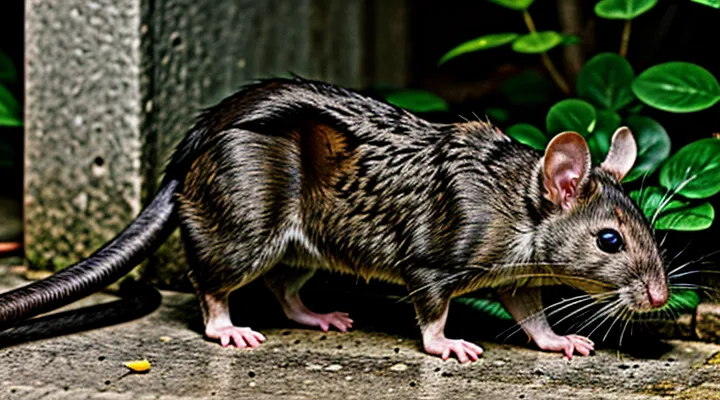
Understanding Rat Communication
The Auditory Landscape of Rodents
Beyond Squeaks and Chirps
Rats communicate through a range of vocalizations that extend far beyond the familiar squeaks and chirps heard in laboratory settings. Grunting, a low‑frequency sound produced by rapid diaphragmatic contraction, serves distinct functions that differ from high‑pitched calls.
The primary contexts in which grunting occurs include:
- Social hierarchy enforcement: dominant individuals emit short, repetitive grunts to assert status and deter challenges.
- Stress response: prolonged, louder grunts accompany exposure to predators, crowding, or abrupt environmental changes.
- Maternal interaction: nursing mothers generate soft, rhythmic grunts to maintain proximity with offspring during feeding.
Acoustic analysis reveals that grunting frequencies typically range between 300 and 600 Hz, allowing transmission through dense bedding and underground tunnels where higher frequencies attenuate rapidly. This low‑frequency band also aligns with the auditory sensitivity of conspecifics, facilitating effective detection even at modest sound pressure levels.
Physiological mechanisms underlying grunt production involve coordinated activation of the laryngeal muscles and increased intrathoracic pressure. Hormonal fluctuations, particularly elevated corticosterone during stress, amplify both the intensity and duration of the sound. Conversely, oxytocin release during maternal care correlates with reduced grunt amplitude, reflecting a calmer physiological state.
Understanding these nuances expands the interpretation of rat vocal behavior, highlighting that grunting conveys complex social and emotional information not captured by simple squeaks or chirps alone.
Proximate Causes of Grunting
Physiological Mechanisms
Diaphragmatic Contractions
Rats produce grunting sounds primarily through rapid, forceful movements of the diaphragm. When the muscle contracts, it increases intra‑thoracic pressure, forces air through the glottis, and creates a low‑frequency acoustic signal characteristic of a grunt.
The diaphragm in rodents consists of a thin, dome‑shaped sheet of skeletal muscle, innervated by the phrenic nerve. Its fibers contract synchronously with each respiratory cycle, allowing swift adjustments of lung volume. The same muscular action can be exaggerated during non‑respiratory activities, generating audible vibrations.
During a contraction, the sudden expulsion of air interrupts the normal airflow pattern, producing a brief, sharp pulse of sound. The amplitude and frequency of the grunt correlate with the strength and speed of the diaphragmatic movement, making the sound a reliable indicator of muscular effort.
Typical scenarios in which «diaphragmatic contractions» produce grunts include:
- Rapid running or climbing, where increased oxygen demand accelerates breathing.
- Exposure to mild stressors, prompting heightened ventilation rates.
- Social encounters that involve physical exertion, such as dominance displays.
- Respiratory challenges, for example, obstruction or low oxygen environments.
Monitoring the occurrence and characteristics of these grunts enables researchers to assess physiological stress, respiratory function, and the intensity of physical activity without invasive procedures.
Vocal Cord Vibrations
Rats emit low‑frequency grunts through rapid vibration of the laryngeal folds, commonly referred to as «vocal cords». When air expelled from the lungs passes through the narrowed glottis, the folds are forced into oscillation, producing a sound pulse each time they return to the resting position. The oscillation rate is controlled by the tension of the folds, the length of the vibrating segment, and the pressure of the airflow beneath the glottis.
The acoustic characteristics of the grunt reflect the physiological state of the animal. Increased tension yields higher‑pitched sounds, whereas relaxed folds generate deeper, more resonant pulses. Subglottic pressure, the force of the exhaled breath, directly influences amplitude and duration of each vibration cycle.
Grunts serve as communicative signals within rat colonies. Short, abrupt pulses often accompany defensive postures, indicating heightened arousal. Prolonged, rhythmic grunts accompany grooming or affiliative interactions, signaling a relaxed condition. The precise pattern of vibration conveys information about the emitter’s emotional and physical status, enabling conspecifics to respond appropriately.
Factors that modify vocal‑cord vibration:
- Tension of the folds
- Length of the vibrating segment
- Subglottic pressure
- Health of the respiratory tract
Understanding the biomechanics of «vocal cord» vibration clarifies the functional significance of rat grunting, linking observable sound patterns to underlying physiological mechanisms.
Environmental Triggers
Social Interactions
Rats emit low‑frequency grunts during encounters that convey information about social rank, reproductive intent, and threat level. Dominant individuals produce short, repetitive grunts when approaching subordinates, reinforcing hierarchical order without physical confrontation. Subordinate rats respond with softer, intermittent grunts that signal acknowledgment and reduce the likelihood of aggression.
Grunting also facilitates mating communication. Males increase grunt rate during courtship displays, providing females with auditory cues of vigor and genetic fitness. Females emit distinct, higher‑pitched grunts when receptive, prompting male approach and synchronizing copulatory behavior.
In group settings, grunts serve as a coordination mechanism for foraging and nesting. When a rat discovers food, a brief grunt can attract nearby conspecifics, promoting collective exploitation of resources. During nest construction, coordinated grunts synchronize digging actions, enhancing efficiency and maintaining group cohesion.
Stressful or threatening situations trigger prolonged grunting bouts. Prolonged vocalizations alert group members to potential danger, prompting collective vigilance and retreat. The intensity of the grunt correlates with the perceived level of threat, allowing members to assess risk rapidly.
Key observations regarding social interaction and grunting:
- Dominance reinforcement: short, repetitive grunts from high‑ranking rats.
- Submission signaling: softer, intermittent grunts from lower‑ranking rats.
- Reproductive exchange: increased grunt frequency in males, receptive grunts in females.
- Resource coordination: brief grunts to recruit conspecifics for food or nesting tasks.
- Threat communication: prolonged grunts indicating heightened danger.
Understanding these vocal patterns clarifies how acoustic signals shape rat societies, influencing hierarchy maintenance, mating strategies, cooperative behavior, and collective response to risk. «Grunting functions as a concise, reliable medium for transmitting social information within rodent colonies».
Stress and Discomfort
Rats emit low‑frequency grunts when they encounter conditions that threaten homeostasis. Elevated cortisol and adrenaline levels accompany the vocalization, indicating activation of the hypothalamic‑pituitary‑adrenal axis. The sound functions as an involuntary signal of physiological strain.
Typical stressors include:
- Overcrowding or sudden changes in group composition
- Exposure to unfamiliar odors or loud noises
- Presence of predators or simulated threats
- Inadequate nesting material or temperature fluctuations
When discomfort arises, muscular tension in the thoracic region intensifies, producing the characteristic grunt. The vocalization often precedes observable behaviors such as grooming cessation, reduced exploration, and increased vigilance. Laboratory observations confirm that pharmacological suppression of stress hormones diminishes grunt frequency, reinforcing the link between endocrine stress response and acoustic output.
In experimental settings, grunting serves as a reliable, non‑invasive indicator of welfare status. Continuous monitoring enables early detection of adverse conditions, allowing prompt environmental adjustments to mitigate stress and improve overall health.
Ultimate Meaning of Rat Grunts
Expressing Emotional States
Contentment and Pleasure
Rats emit low‑frequency grunts when they experience a state of ease. These vocalizations arise during activities that indicate satisfaction, such as prolonged grooming, consumption of preferred foods, or resting in a secure nest. The sound serves as a self‑reinforcing signal, confirming that the environment meets basic comfort requirements.
Grunts associated with pleasure appear in contexts of reward and social interaction. When a rat receives a palatable treat, anticipates a food delivery, or engages in play with conspecifics, the vocal output intensifies. The acoustic pattern conveys a positive affective valuation, reinforcing behaviors that enhance survival and reproductive success.
Typical situations that trigger contentment or pleasure grunts include:
- Continuous grooming of the fur or whiskers
- Ingestion of high‑energy or novel food items
- Occupancy of a familiar, insulated burrow
- Participation in reciprocal play bouts
- Anticipation of a predictable reward in conditioning experiments
The acoustic signature of these grunts differs from alarm calls, displaying a lower pitch and shorter duration. This distinction enables researchers to infer the underlying affective state of the animal without invasive measures.
Fear and Aggression
Rats produce low‑frequency grunts when confronted with threats or when asserting dominance. The sounds serve as immediate signals that influence the behavior of nearby conspecifics.
Fear‑induced grunting arises from rapid activation of the sympathetic nervous system. Elevated cortisol and adrenaline increase vocal fold tension, generating a short, guttural noise. The emission alerts group members to danger, prompting freezing or escape responses.
Aggression‑related grunting occurs during territorial disputes or competition for resources. Muscular contraction in the larynx, paired with heightened testosterone, creates a louder, harsher grunt. The acoustic cue functions as a warning, often preventing physical escalation.
Key aspects of these vocalizations:
- Triggered by acute stressors (predator presence, unfamiliar intruder).
- Mediated by hormonal spikes (cortisol for fear, testosterone for aggression).
- Communicate threat level to peers, influencing group cohesion and hierarchy.
- Adjusted in intensity according to the perceived severity of the situation.
Understanding the link between emotional states and rat grunts clarifies how these mammals coordinate defensive and competitive behaviors without visual cues.
Facilitating Social Cohesion
Warning Signals
Rats use short, low‑frequency vocalizations that function as «warning signals» for conspecifics. These sounds appear when an individual perceives a threat, encounters an intruder, or experiences heightened arousal. Acoustic analysis shows that warning grunts have a rapid onset, a dominant frequency around 300–600 Hz, and a duration of 0.1–0.3 seconds, features that facilitate quick detection by nearby rats.
The primary purposes of these vocal warnings include:
- Alerting group members to the presence of predators or hazardous conditions.
- Signaling aggressive intent toward a rival or unfamiliar animal.
- Marking a breach of established territory, prompting defensive behavior.
- Coordinating collective flight or freeze responses to minimize individual risk.
Physiological studies link the emission of warning grunts to activation of the amygdala and periaqueductal gray, brain regions associated with fear and defensive actions. Elevated cortisol levels accompany frequent production of these signals, indicating a stress‑related response. Observational data confirm that rats receiving warning grunts reduce foraging activity and increase vigilance within seconds of the call.
Overall, rat grunting serves as an efficient acoustic alarm system, enabling rapid communication of danger and facilitating group cohesion under threat.
Mating Calls
Rats emit low‑frequency grunts during reproductive interactions, a vocalization identified as «mating calls». These sounds arise from physiological and social triggers that align with breeding cycles.
- Hormonal surge in males activates laryngeal muscles, producing rhythmic grunts that accompany mounting attempts.
- Female estrus increases auditory sensitivity, prompting receptive individuals to emit brief grunts that signal readiness.
- Competitive environments amplify grunt intensity, allowing dominant males to assert status without physical confrontation.
- Seasonal changes modulate call frequency, synchronizing breeding activity across populations.
The acoustic pattern conveys specific information: grunt pitch correlates with male vigor, while call duration reflects female receptivity. Listeners interpret these parameters to adjust courtship behavior, reducing unnecessary aggression and enhancing reproductive efficiency.
Distinguishing Grunts from Other Sounds
Frequency and Amplitude Analysis
Ultrasonic Vocalizations
Rats emit ultrasonic vocalizations (USVs) in frequencies above human hearing, typically ranging from 20 to 100 kHz. These sounds accompany a variety of behaviors, including the low‑frequency grunts commonly observed during social interaction, exploration, and stress responses. USVs serve as a rapid communication channel that conveys emotional state and intent without attracting predators that detect audible frequencies.
Key contexts in which USVs accompany grunting include:
- Male‑female courtship – high‑frequency calls synchronize with approach and mounting, while simultaneous low‑frequency grunts signal readiness.
- Territorial encounters – brief ultrasonic bursts accompany aggressive grunts, reinforcing dominance cues.
- Maternal care – pups emit ultrasonic cries that trigger maternal grunts, facilitating retrieval and nursing.
- Pain or discomfort – nociceptive stimuli elicit a combination of high‑frequency calls and audible grunts, indicating heightened distress.
Physiological mechanisms involve activation of the laryngeal muscles and specialized vocal folds capable of producing both audible and ultrasonic frequencies. Neural pathways linking the periaqueductal gray, amygdala, and brainstem coordinate these vocal outputs, allowing simultaneous emission of multiple frequency bands.
Detection of USVs requires specialized equipment such as ultrasonic microphones and spectrographic analysis. Researchers use this technology to decode the emotional valence of grunting episodes, correlating specific call patterns with behavioral outcomes. The integration of ultrasonic and audible vocalizations provides a comprehensive acoustic signature that enhances intra‑species communication while minimizing external detection.
Teeth Chattering
Rats often produce a low‑frequency grunt accompanied by rapid movement of the incisors. This behavior, known as «teeth chattering», serves several physiological and communicative functions.
The primary triggers include:
- Sudden temperature decline, which activates the thermoregulatory reflex causing the mandible to vibrate rapidly.
- Heightened emotional arousal, such as fear or aggression, that stimulates the sympathetic nervous system.
- Social interaction, where chattering signals submission or attempts to de‑escalate confrontation.
The acoustic component of the grunt aligns with the mechanical noise generated by the incisors. When the jaw muscles contract, the teeth strike each other at a frequency that produces a distinctive rumble audible to conspecifics. This sound conveys information about the individual's internal state, allowing listeners to assess threat level or stress.
In addition to communication, «teeth chattering» aids in maintaining dental health. Continuous grinding prevents overgrowth of the continuously erupting incisors, ensuring proper bite alignment. Consequently, the phenomenon integrates both survival and social signaling mechanisms within the broader pattern of rat vocalizations.
The Role of Context in Interpretation
Behavioral Observations
Body Language Cues
Rats often accompany low‑frequency grunts with distinct body language that conveys emotional state and intent. A tense posture, characterised by a hunched back and lowered head, signals heightened arousal or aggression. An elevated tail, held rigid and sometimes curled, indicates alertness and readiness to confront a threat. Erect ears, rotated forward, reflect focused attention on a stimulus, while flattened ears suggest submission or fear. Whiskers positioned forward enhance tactile exploration and are typical during investigative behavior; whiskers drawn back accompany defensive postures. Rapid, shallow breathing paired with small, repetitive foot taps denotes agitation, whereas slow, rhythmic breathing with a relaxed gait reflects contentment. The combination of these visual cues with grunting provides a multimodal communication system that informs conspecifics of the rat’s internal condition and potential actions.
Environmental Factors
Presence of Conspecifics
Rats emit low‑frequency grunts during social interactions, and the mere presence of other rats strongly influences this vocal behavior. When a conspecific is within a few centimeters, grunt production rises sharply, reflecting heightened sensory monitoring of nearby individuals.
- Grunts increase during direct nose‑to‑nose contact, signaling acknowledgment of proximity.
- During hierarchical disputes, dominant rats produce rapid, repetitive grunts, while subordinates emit softer, intermittent sounds.
- In mating contexts, both sexes generate longer‑duration grunts that accompany courtship displays.
- Exposure to an unfamiliar conspecific triggers a burst of grunts accompanied by elevated cortisol, indicating acute stress.
These acoustic patterns serve as a concise channel for conveying identity, emotional state, and intent. Researchers can infer social rank, familiarity, and stress levels by analyzing grunt frequency, duration, and amplitude in group settings. Understanding the impact of conspecific presence on rat grunting enhances the interpretation of behavioral assays and improves the design of experiments that rely on vocal communication as a measurable outcome.
Perceived Threats
Rats emit low‑frequency grunts when they detect stimuli that signal potential danger. The sound functions as an early warning system, alerting conspecifics and preparing the individual for rapid defensive actions.
Common sources of perceived threat include:
- Sudden movements or shadows that suggest a predator’s approach.
- Unexpected vibrations transmitted through the floor or walls, often caused by larger animals or human activity.
- Olfactory cues such as the scent of a carnivore or the presence of unfamiliar urine.
- Direct visual contact with an unfamiliar species, especially when the observer exhibits predatory posture.
When these cues are recognized, the autonomic nervous system triggers a burst of vocalization. The grunt serves to synchronize group vigilance, enabling nearby rats to adopt protective postures, seek shelter, or flee. The acoustic signal also conveys the intensity of the threat; louder, more frequent grunts correspond to higher perceived risk. «The presence of a novel predator odor can increase grunt frequency by up to threefold», illustrating the direct link between sensory assessment and vocal output.
Implications for Rat Welfare
Identifying Distress Signals
Monitoring Health
Monitoring the health of laboratory rats provides essential data for interpreting their grunting vocalizations. Grunt frequency, intensity, and timing correlate with physiological states such as pain, hypoxia, and stress. Accurate health assessment eliminates ambiguous conclusions about the causes of these sounds.
Key physiological parameters linked to vocal output include:
- Respiratory rate and pattern, which influence air‑flow‑generated sounds.
- Heart rate variability, reflecting autonomic balance and stress levels.
- Circulating cortisol or corticosterone concentrations, indicating endocrine responses.
- Body temperature, affecting metabolic rate and vocal muscle function.
Effective health monitoring employs several techniques:
- Continuous audio‑visual recording synchronized with physiological sensors.
- Implantable telemetry devices measuring heart rate, respiration, and temperature.
- Non‑invasive infrared thermography for rapid temperature assessment.
- Periodic blood sampling for hormone analysis, performed with minimal handling stress.
Integrating health metrics with acoustic data enables precise attribution of grunt patterns to specific biological conditions. This approach refines experimental design, supports reproducibility, and advances understanding of rodent communication mechanisms.
Improving Human-Rat Interaction
Understanding Needs
Rats emit low‑frequency grunts when physiological or psychological requirements are unmet. The sound functions as an immediate indicator that an essential need demands attention.
- Nutritional deficit – Hunger triggers brief, repetitive grunts that precede foraging behavior.
- Pain or discomfort – Acute injury or dental problems produce sharper, sustained grunts accompanying protective postures.
- Respiratory strain – Reduced oxygen availability or airway obstruction elicits grunts synchronized with breathing cycles.
Social dynamics also generate vocalizations. Dominance disputes often involve short, aggressive grunts that reinforce hierarchical status. During courtship, males emit softer, rhythmic grunts to attract females and signal reproductive readiness. Territorial encroachment prompts louder, repetitive grunts that serve as auditory boundaries.
Environmental conditions shape vocal output as well. Exposure to cold temperatures induces low‑intensity grunts linked to thermoregulatory stress. Inadequate shelter or overcrowding leads to persistent grunting, reflecting heightened anxiety and the need for safe nesting sites.
Recognizing the specific contexts of grunting enables precise assessment of rat welfare. Monitoring vocal patterns provides a non‑invasive method to identify unmet needs, guide environmental enrichment, and refine experimental protocols.