
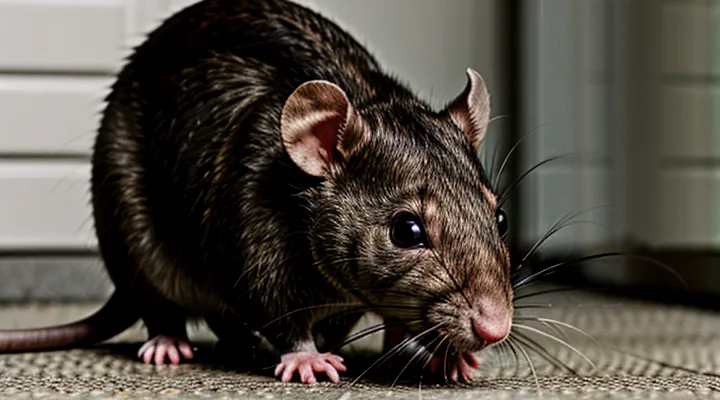
Understanding Normal Rat Nasal Secretions
The Role of Porphyrin
Composition and Origin
Rats frequently develop nasal discharge, a condition observable in laboratory and wild populations. The fluid that emerges from the nostrils is not merely water; it consists of a defined mixture of biological substances.
- Mucins – high‑molecular‑weight glycoproteins that give mucus its viscous character.
- Electrolytes – sodium, potassium, chloride, and bicarbonate ions that maintain osmotic balance.
- Proteins – immunoglobulins (IgA, IgG), lysozyme, and lactoferrin, which provide antimicrobial activity.
- Cellular debris – shed epithelial cells and leukocytes that appear during inflammatory responses.
- Water – the primary solvent, facilitating transport of the other components.
The origin of this secretion lies in the nasal epithelium and associated glands. Under normal conditions, goblet cells and submucosal seromucous glands produce a thin, protective layer that traps dust and pathogens. When irritants, infectious agents, or allergic stimuli encounter the respiratory tract, the following mechanisms activate:
- Stimulated goblet cell hypersecretion – increased mucin output expands mucus volume.
- Vascular leakage – inflammatory mediators raise capillary permeability, allowing plasma proteins and fluid to enter the lumen.
- Immune cell recruitment – neutrophils and macrophages infiltrate the mucosa, releasing enzymes that contribute to the debris component.
- Neurogenic reflexes – sensory nerve activation triggers glandular secretion and enhances mucus flow.
Both physiological regulation and pathological disruption contribute to the observable runny nose in rats. Understanding the precise composition and source of the discharge informs experimental design, disease monitoring, and therapeutic intervention in rodent models.
Healthy Production Levels
Rodent nasal discharge often signals an imbalance in physiological output. When mucus‑secreting glands and immune pathways operate within normal ranges, the respiratory tract remains clear and protective functions are preserved.
Healthy production levels refer to the baseline rates at which mucus, antibodies, and inflammatory mediators are generated. These rates sustain moisture, trap particulates, and neutralize pathogens without overwhelming the nasal passages.
Elevated secretion exceeds the clearance capacity of cilia, leading to visible fluid accumulation. Conversely, insufficient output compromises barrier integrity, allowing irritants to provoke inflammation and secondary fluid release. Both extremes disrupt the equilibrium that normally prevents persistent dripping.
Key factors that support optimal output include:
- Adequate hydration, which maintains glandular fluid balance.
- Stable ambient temperature, reducing stress‑induced hypersecretion.
- Proper nutrition, supplying amino acids and micronutrients essential for mucus synthesis.
- Controlled exposure to allergens, preventing chronic inflammatory activation.
Maintaining these conditions aligns production with physiological demand, minimizing the likelihood of continuous nasal discharge in laboratory and pet rodents.
Causes of Excessive Nasal Discharge
Respiratory Infections
Rats frequently develop nasal discharge as a direct result of infections affecting the upper respiratory tract. The most common agents are viral pathogens such as Sendai virus and murine coronavirus, and bacterial species including Streptococcus pneumoniae, Klebsiella pneumoniae, and Mycoplasma pulmonis. These microorganisms invade the nasal epithelium, disrupt mucociliary clearance, and trigger inflammation that produces excess fluid.
Key characteristics of rat respiratory infections:
- Clinical signs: watery or purulent nasal secretions, sneezing, labored breathing, and reduced activity.
- Transmission routes: aerosolized droplets, direct contact with contaminated bedding, and fomites.
- Diagnostic methods: nasal swab culture, PCR assays for viral RNA, and histopathological examination of lung tissue.
- Therapeutic options: targeted antibiotics for bacterial isolates, supportive care with humidified environments, and, when indicated, antiviral agents under experimental protocols.
- Preventive measures: quarantine of new arrivals, regular sanitation of cages, use of HEPA filtration, and vaccination where available (e.g., for Sendai virus).
Understanding the pathogen spectrum and implementing strict biosecurity reduce the incidence of nasal discharge in laboratory and pet rat populations.
Bacterial Infections
Bacterial infections are a primary factor behind nasal discharge in laboratory and pet rats. Pathogenic microorganisms colonize the upper respiratory tract, breach mucosal defenses, and stimulate inflammation that produces excess fluid.
Common bacterial agents include:
- Streptococcus pneumoniae: Gram‑positive cocci that adhere to epithelial cells and release toxins.
- Pasteurella multocida: Gram‑negative rods associated with chronic rhinitis and secondary pneumonia.
- Klebsiella pneumoniae: Opportunistic Gram‑negative bacillus that thrives in crowded, humid environments.
- Bordetella bronchiseptica: Aerobic Gram‑negative bacterium that spreads rapidly through aerosol droplets.
Infection initiates an inflammatory cascade. Bacterial adhesion triggers cytokine release, vascular permeability increases, and serous exudate accumulates in the nasal passages. The resulting fluid is often clear or slightly mucoid, distinguishing it from the thicker secretions caused by fungal or allergic conditions.
Observable signs comprise sneezing, whisker staining, and intermittent nasal wetness. Definitive diagnosis relies on culture of nasal swabs, polymerase chain reaction assays for species‑specific DNA, and histopathological evaluation of nasal tissue when necropsy is performed.
Effective management combines antimicrobial therapy with environmental control. Broad‑spectrum antibiotics such as enrofloxacin or doxycycline, selected based on sensitivity testing, reduce bacterial load. Concurrent measures—regular cage cleaning, reduced humidity, and isolation of symptomatic individuals—prevent reinfection and limit colony spread.
Prompt identification and targeted treatment of bacterial rhinitis eliminate excess nasal secretions and safeguard the overall health of rat populations.
Viral Infections
Viral infections are a leading cause of nasal discharge in rats. Respiratory epithelium infection triggers inflammation, ciliary dysfunction, and excess mucus secretion, resulting in a runny nose.
- Sendai virus – paramyxovirus, acute upper‑respiratory disease.
- Rat coronavirus – causes pneumonitis and rhinitis.
- Hantavirus – can produce hemorrhagic fever with respiratory symptoms.
- Rat parvovirus – occasionally associated with nasal secretions.
The infection process begins when viral particles attach to epithelial receptors, replicate within cells, and damage the mucosal barrier. Cytokine release increases vascular permeability, while impaired ciliary clearance prevents mucus removal. The combined effect produces watery, often serous, nasal exudate.
Observable signs include continuous nasal flow, sneezing, mild fever, and reduced activity. Severity varies with viral strain, host age, and immune status. Young rats display more pronounced symptoms and higher mortality rates.
Transmission occurs through aerosolized droplets, direct nose‑to‑nose contact, and contaminated bedding or feed. Virus stability on surfaces prolongs indirect spread, especially in crowded housing.
Control measures comprise strict quarantine of new arrivals, regular cage cleaning, HEPA filtration of air, and, where available, vaccination against specific strains. Supportive therapy—hydration, warmth, and anti‑inflammatory agents—mitigates symptom severity while the immune system clears the infection.
Mycoplasmosis
Mycoplasma infection, commonly called mycoplasmosis, is a frequent cause of serous nasal discharge in laboratory and wild rats. The organism lacks a cell wall, enabling it to colonize the respiratory epithelium without triggering a strong inflammatory response. Colonization disrupts mucociliary clearance, leading to persistent watery rhinorrhea.
Transmission occurs through direct contact, aerosolized droplets, and contaminated bedding. Stressors such as overcrowding, temperature fluctuations, or immunosuppression increase susceptibility. After an incubation period of 3–7 days, affected animals exhibit:
- Clear to slightly cloudy nasal exudate
- Sneezing or mild labored breathing
- Mild weight loss or reduced activity
Diagnosis relies on polymerase chain reaction or culture of respiratory secretions, supplemented by serology to confirm exposure. Histopathology reveals epithelial hyperplasia and occasional inflammatory infiltrates, distinguishing mycoplasmosis from bacterial pneumonia, which typically produces purulent discharge.
Therapeutic options include tetracycline-class antibiotics administered in drinking water for 7–10 days. Resistance monitoring is essential, as Mycoplasma spp. can acquire macrolide resistance. Supportive care—maintaining optimal humidity and providing nutrition—enhances recovery.
Prevention emphasizes strict biosecurity: quarantine new arrivals, sterilize cages and equipment, and monitor colony health through regular PCR screening. Reducing stressors and maintaining stable environmental conditions diminish outbreak risk, thereby limiting the prevalence of nasal discharge linked to mycoplasma infection.
Allergies and Irritants
Rats frequently develop nasal discharge as a direct response to allergic sensitization or exposure to environmental irritants. When airborne proteins, dust, mold spores, or chemical fumes contact the nasal epithelium, immune cells release histamine and other mediators, causing vasodilation, increased mucus production, and tissue swelling. The resulting secretions appear as a clear or slightly cloudy runny nose.
Common allergens and irritants include:
- Rodent feed dust and grain particles
- Bedding materials such as pine shavings or straw
- Household mold spores (e.g., Aspergillus spp.)
- Cleaning agents containing ammonia or phenols
- Perfumes, aerosols, and tobacco smoke
The physiological cascade begins with IgE‑mediated activation of mast cells, followed by recruitment of eosinophils and neutrophils. These cells amplify inflammation, disrupt ciliary function, and impair mucus clearance, which prolongs the discharge. Chronic exposure can lead to secondary bacterial colonization and sinus inflammation.
Effective management requires elimination of the identified trigger, replacement of bedding with low‑dust alternatives, and, when necessary, administration of antihistamines or corticosteroids under veterinary supervision. Regular monitoring of nasal secretions helps differentiate allergic reactions from infectious etiologies.
Environmental Factors
Rats frequently exhibit nasal discharge when exposed to adverse environmental conditions. Moisture imbalance, airborne contaminants, and suboptimal housing directly affect the respiratory mucosa, leading to excess secretions.
- High relative humidity (>70 %) promotes bacterial and fungal growth, irritating nasal passages.
- Low humidity (<30 %) dries the mucosal lining, triggering compensatory mucus production.
- Elevated temperature fluctuations stress thermoregulatory mechanisms, increasing vascular permeability in the nasal tract.
- Dust, bedding particles, and ammonia from urine accumulate in poorly ventilated enclosures, acting as mechanical irritants.
- Chemical vapors, such as disinfectants or scented oils, can provoke inflammatory responses in the nasal epithelium.
- Seasonal changes in outdoor air quality, when cages are not sealed, introduce pollen and pollutants that exacerbate mucosal irritation.
These factors disrupt the balance between mucus secretion and clearance. Irritation of ciliated cells reduces their beating efficiency, while inflammation enlarges glandular output. The resulting excess fluid overwhelms the limited drainage capacity of the narrow nasal passages, producing observable runny noses.
Mitigation requires controlling temperature and humidity within recommended ranges (22–26 °C, 40–60 % RH), ensuring adequate airflow, using low-dust bedding, and limiting exposure to volatile chemicals. Regular cleaning reduces ammonia buildup, and periodic health monitoring detects early signs of respiratory distress, allowing prompt intervention.
Dietary Sensitivities
Dietary sensitivities can provoke nasal discharge in rats by triggering inflammatory reactions within the upper respiratory tract. When a rat consumes an ingredient it cannot tolerate, the immune system often reacts with histamine release, leading to swelling of nasal mucosa and excess mucus production.
Common food allergens identified in laboratory and pet rat populations include:
- Dairy products (lactose intolerance)
- Soy protein
- Wheat and other gluten‑containing grains
- High‑fat commercial feeds
- Spices or flavor additives (e.g., garlic, onion powders)
These substances may breach the intestinal barrier, allowing antigens to enter circulation and reach the nasal epithelium. The resulting immune response increases vascular permeability, encouraging fluid leakage into nasal passages and producing a runny nose.
Management relies on elimination diets and careful ingredient monitoring. A baseline feed composed of plain, low‑protein rodent chow, free of the listed allergens, should be introduced for a minimum of two weeks. Observation of nasal secretions during this period determines whether the diet is the primary factor. If symptoms subside, gradual re‑introduction of individual ingredients, one at a time, isolates the specific trigger.
Regular assessment of body condition and weight ensures that nutrient deficiencies do not arise from restrictive feeding. Supplementation with vitamin C, calcium, and essential fatty acids compensates for any gaps while the rat adapts to a hypoallergenic regimen.
Environmental Stress
Rats exposed to adverse environmental conditions often develop nasal discharge. Stressors such as temperature fluctuations, low humidity, airborne irritants, and overcrowding stimulate the mucosal lining of the nasal passages. The physiological response includes increased secretion of mucus, vasodilation, and activation of inflammatory pathways, all of which contribute to a runny nose.
Key environmental factors:
- Temperature extremes: Sudden heat or cold triggers reflexive secretory activity in the nasal epithelium.
- Humidity imbalance: Dry air desiccates mucosal surfaces, prompting compensatory fluid production; excessive moisture fosters microbial growth that irritates the nasal lining.
- Airborne pollutants: Dust, ammonia, and chemical fumes directly irritate the respiratory tract, inducing hypersecretion.
- Population density: High stocking levels elevate stress hormones, suppressing immune regulation and promoting mucosal edema.
- Handling and confinement stress: Acute psychological stress raises corticosterone levels, which modulate nasal gland activity.
The cascade begins with sensory receptors detecting irritants or thermal changes, followed by autonomic signaling that enhances glandular output. Prolonged exposure maintains elevated mucus flow, resulting in persistent nasal discharge. Mitigating these stressors—by stabilizing temperature, maintaining optimal humidity, improving ventilation, and reducing crowding—reduces the incidence of rhinorrhea in laboratory and captive rat populations.
Poor Ventilation
Poor air exchange creates a humid environment that encourages nasal secretions in rodents. Stagnant air raises ambient moisture, softening mucosal membranes and prompting excess fluid production. Elevated carbon dioxide levels and volatile organic compounds accumulate when ventilation is insufficient, irritating the respiratory tract and triggering a watery discharge.
Key mechanisms linking inadequate airflow to nasal discharge:
- Increased humidity: Moisture condensation on surfaces raises the humidity index, swelling nasal epithelium and stimulating mucus glands.
- Chemical irritants: Accumulated gases and particulates irritate nasal passages, inducing reflexive secretion.
- Temperature fluctuations: Poor circulation leads to localized warm spots, altering vapor pressure and causing fluid exudation.
- Reduced pathogen clearance: Limited air movement impedes removal of airborne microbes, prompting an immune response that includes mucus production.
Mitigation requires enhancing ventilation rates, filtering incoming air, and maintaining consistent temperature and humidity levels. These measures directly reduce the physiological triggers that cause rats to develop runny noses.
Ammonia Buildup
Ammonia accumulation in rodent housing creates a humid, irritant environment that directly affects the nasal mucosa of rats. Elevated ammonia levels result from the breakdown of urine and feces, especially when bedding is insufficiently changed or ventilation is poor. The gas dissolves in the moist lining of the nasal passages, increasing epithelial permeability and stimulating mucus production.
The physiological response includes:
- Hypersecretion of serous fluid to dilute and expel the irritant.
- Ciliary dysfunction, reducing clearance of mucus and particles.
- Inflammation of the nasal epithelium, leading to edema and further discharge.
Chronic exposure can progress to secondary infections, as the compromised mucosal barrier allows opportunistic bacteria to colonize. Laboratory data show a correlation between air ammonia concentrations above 25 ppm and a measurable rise in nasal discharge frequency among colony rats.
Mitigation strategies focus on maintaining ammonia below 10 ppm through regular bedding replacement, adequate airflow, and the use of absorbent litter. Monitoring devices provide real‑time readings, enabling timely adjustments to ventilation rates.
By controlling ammonia buildup, researchers reduce a primary irritant that provokes persistent nasal drainage, thereby improving animal welfare and experimental reliability.
Dental Problems
Dental problems are a frequent source of nasal discharge in rats. Overgrown incisors press against the nasal passages, causing irritation and fluid accumulation. When incisors or molars develop abscesses, bacterial invasion spreads through the maxillary bone to the nasal cavity, producing purulent secretions.
Common dental conditions that lead to rhinorrhea include:
- Malocclusion resulting in continuous grinding and tissue trauma.
- Incisor overgrowth that contacts the nasal turbinates.
- Periapical abscesses originating from infected tooth roots.
- Osteomyelitis of the maxilla secondary to chronic dental infection.
The anatomical proximity of the rat’s upper dentition to the nasal cavity facilitates rapid transmission of inflammation. Pressure from misaligned teeth disrupts normal mucociliary clearance, allowing mucus to pool and drip from the nostrils. Infections of the dental pulp extend into adjacent sinuses, converting a localized oral issue into a respiratory symptom.
Effective management requires prompt dental examination, trimming of overgrown teeth, and treatment of any bacterial infection. Regular monitoring of oral health reduces the incidence of nasal discharge and prevents secondary respiratory complications.
Root Impingement
Root impingement, a condition in which a rat’s incisor or molar contacts surrounding bone or soft tissue, can precipitate nasal discharge. The continuous growth of rodent teeth creates pressure on the maxillary alveolar ridge. When this pressure exceeds normal limits, the root may protrude into the nasal cavity or compress adjacent sinus walls. The resulting irritation stimulates mucus production and may lead to chronic watery secretions from the nostrils.
The physiological cascade includes:
- Mechanical irritation of the nasal mucosa by the displaced tooth root.
- Inflammatory response with increased vascular permeability.
- Overproduction of serous fluid to protect damaged epithelium.
- Drainage of excess fluid through the nasal passages, manifesting as a runny nose.
Secondary effects often accompany root impingement. Bacterial colonization of the irritated mucosa can exacerbate discharge, while chronic inflammation may cause tissue remodeling that further impairs normal airflow. Dental examination of affected rats typically reveals:
- Over‑grown incisors with uneven wear patterns.
- Palpable hardness or swelling along the maxillary ridge.
- Radiographic evidence of root extension into the nasal cavity.
Management focuses on correcting the dental abnormality. Trimming over‑grown teeth, providing appropriate chew objects, and, when necessary, surgical removal of the impinging root restore normal anatomy and reduce mucus secretion. Monitoring post‑treatment shows rapid decline in nasal discharge, confirming root impingement as a primary contributor to the condition.
Abscesses Affecting Sinuses
Abscess formation within the sinus cavities directly compromises the integrity of the mucosal barrier in rats. Bacterial invasion initiates localized inflammation, leading to pus accumulation that elevates pressure on adjacent nasal passages. The resulting tissue edema forces excess fluid to exit through the nostrils, producing the observable nasal discharge.
The pathophysiological sequence proceeds as follows:
- Bacterial colonization of sinus epithelium
- Inflammatory cell infiltration and cytokine release
- Pus buildup creating a sinus abscess
- Increased intraluminal pressure and mucosal leakage
Clinical observation confirms that rats with sinus abscesses exhibit persistent watery or purulent nasal secretions, reduced appetite, and facial swelling. Radiographic imaging frequently reveals opaque sinus regions, supporting the diagnosis of suppurative sinusitis.
Effective management requires prompt antimicrobial therapy combined with surgical drainage when abscess size exceeds the capacity for spontaneous resolution. Early intervention limits tissue damage, restores normal nasal airflow, and eliminates the chronic discharge associated with sinus abscesses.
Tumors and Polyps
Nasal discharge in rats often signals underlying pathology, and two frequent contributors are neoplastic growths within the upper respiratory tract. Tumors, whether malignant or benign, can obstruct nasal passages, impair mucociliary clearance, and provoke inflammation that increases fluid production. Common tumor types include adenocarcinomas of the nasal epithelium and sarcomas arising from connective tissue; both create pressure gradients that force mucus toward the nostrils.
Polyps represent another source of chronic rhinorrhea. These mucosal protrusions develop from persistent irritation, infection, or inflammatory conditions. By occupying space in the nasal cavity, polyps disrupt airflow, hinder drainage, and stimulate serous secretion from surrounding glands. In laboratory rats, nasal polyps are frequently associated with allergic sensitization or chronic exposure to irritants such as dust or volatile compounds.
Key mechanisms linking neoplastic lesions to runny noses include:
- Mechanical blockage of the nasolacrimal duct and adjacent sinuses, leading to fluid accumulation.
- Release of cytokines and growth factors from tumor cells, which increase vascular permeability and glandular output.
- Secondary bacterial colonization facilitated by impaired clearance, further aggravating mucus production.
Recognition of tumors and polyps as primary drivers of nasal discharge guides diagnostic protocols. Imaging (e.g., micro‑CT) identifies mass lesions, while histopathology confirms tissue type. Early detection enables targeted interventions—surgical excision, chemotherapy, or anti‑inflammatory therapy—reducing morbidity associated with persistent rhinorrhea in rat colonies.
Differentiating Normal from Concerning Discharge
Visual Cues and Characteristics
Color and Consistency
Rats commonly exhibit nasal discharge, and the observable characteristics of that fluid provide essential clues about underlying causes.
The hue of the secretion varies with pathological conditions:
- Clear or watery: typically associated with allergic reactions, environmental irritants, or early viral infection.
- Yellow or straw‑colored: indicates the presence of neutrophils and suggests a bacterial infection or secondary inflammation.
- Green or dark green: reflects higher concentrations of dead white blood cells and bacterial pigments, often signifying a more advanced bacterial process.
- Blood‑tinged or pink: points to mucosal irritation, trauma, or severe inflammation that has compromised vascular integrity.
Consistency further refines diagnosis:
- Thin, runny fluid: aligns with mild irritation or early-stage infection, allowing rapid drainage.
- Thick, mucoid or gelatinous material: denotes increased mucin production, commonly seen in chronic sinusitis or fungal involvement.
- Pus‑laden, clumpy discharge: signals purulent infection, where immune cells aggregate within the mucus.
Evaluating both color and texture together enables veterinarians and researchers to differentiate between allergic, viral, bacterial, and traumatic origins of nasal discharge in rodents, guiding appropriate therapeutic interventions.
Frequency and Volume
Rats exhibit nasal discharge with a measurable pattern that reflects underlying physiological and environmental factors. Researchers record two primary parameters: the number of episodes per day (frequency) and the amount of fluid expelled during each episode (volume). Precise quantification enables differentiation between transient irritation and chronic pathology.
Typical observations in laboratory colonies include:
- Frequency: 1–3 episodes per day in healthy adults; 4–8 episodes in animals exposed to allergens, pathogens, or high humidity.
- Volume: 0.1–0.3 ml per episode for mild irritation; up to 1 ml per episode when upper‑respiratory infection is present.
Frequency increases markedly during the acute phase of viral or bacterial infection, often peaking within 48 hours of inoculation. Volume correlates with the severity of mucosal inflammation; higher protein and cellular content produces thicker, more copious discharge.
Long‑term monitoring of these metrics provides early indicators of disease progression, informs treatment efficacy, and supports welfare assessments in research facilities. Continuous data collection, combined with environmental monitoring (temperature, humidity, bedding quality), allows precise attribution of nasal discharge to specific causative agents.
Associated Symptoms to Monitor
Changes in Breathing
Rats exhibiting nasal discharge often show altered respiratory patterns. Increased tidal volume and rapid shallow breaths elevate airflow across the nasal mucosa, stimulating secretory glands. The resulting turbulence enhances mucosal irritation, prompting excess fluid production.
Key physiological changes include:
- Elevated respiratory rate: Accelerates mucosal drying, followed by compensatory hypersecretion.
- Reduced airway resistance: Facilitates higher airflow, increasing mechanical stress on nasal epithelium.
- Enhanced sympathetic activity: Triggers vasodilation of nasal vessels, promoting plasma leakage into the nasal passages.
These breathing adaptations arise from environmental stressors, infections, or allergenic exposure. The combination of heightened airflow and vascular responses creates conditions favorable for persistent nasal runoff in rats.
Lethargy and Appetite Loss
Nasal discharge in rats frequently appears alongside reduced activity and diminished food consumption, indicating a broader physiological disturbance rather than an isolated symptom.
Inflammatory responses in the upper respiratory tract increase mucus production, which can obstruct nasal passages and impair olfactory function; the resulting sensory deficit discourages feeding, while cytokine release and fever contribute to lethargy.
Typical agents that provoke both rhinorrhea and systemic debilitation include:
- Viral agents such as Sendai virus
- Bacterial pathogens like Streptococcus pneumoniae and Klebsiella spp.
- Mycoplasma infections
- Parasitic infestations (e.g., Mycoplasma pulmonis)
These organisms elicit mucosal edema, exudate, and systemic inflammation, creating a feedback loop where discomfort reduces movement and appetite, which in turn weakens immune defenses and prolongs the disease course.
Persistent lethargy and appetite loss exacerbate weight loss, delay recovery, and increase mortality risk; early detection of these signs allows timely therapeutic intervention.
Effective management involves daily monitoring of activity levels and food intake, immediate veterinary assessment upon observation of persistent nasal discharge, and targeted antimicrobial or supportive therapy based on diagnostic results.
Paw Soiling from Grooming
Rats that experience nasal discharge often transfer moisture to their paws while grooming. The secretions coat the fur around the muzzle, and when the animal licks its face, the fluid spreads to the front limbs. Repeated licking creates a thin film of moisture on the pads, which mixes with natural oils and debris, resulting in visible soiling.
Key mechanisms:
- Capillary action: Moisture travels along whisker follicles to the snout, then onto the tongue and finally to the paws.
- Self‑cleaning behavior: Rats groom continuously; each grooming cycle spreads nasal fluid across the body surface.
- Pad absorption: The keratinized pads absorb liquid, darkening the fur and leaving a residue that can be observed as paw soiling.
Consequences include increased risk of bacterial growth on the pads and potential irritation of the skin. Monitoring paw condition provides a practical indicator of the severity of nasal discharge, allowing early intervention with environmental control or veterinary treatment.
When to Seek Veterinary Care
Recognizing Emergency Situations
Rats that develop sudden, profuse nasal discharge often indicate an acute health crisis. Immediate recognition of this symptom prevents disease escalation and reduces mortality risk.
Key indicators of an emergency situation include:
- Rapid increase in mucus volume, especially if mixed with blood.
- Labored breathing or audible wheezing.
- Lethargy, loss of coordination, or failure to groom.
- Fever measured by a rectal thermometer above 39 °C (102.2 °F).
When these signs appear, follow a structured response:
- Isolate the affected animal to limit pathogen spread.
- Record the onset time, discharge characteristics, and accompanying symptoms.
- Contact a veterinary professional within the hour; provide the recorded data.
- Initiate supportive care—maintain ambient temperature, ensure hydration, and monitor respiratory rate.
- Prepare for possible diagnostic testing (e.g., nasal swab, radiography) as directed by the veterinarian.
Prompt detection and systematic action mitigate the underlying cause of the nasal discharge, whether infection, toxin exposure, or traumatic injury. The protocol safeguards colony health and maintains experimental reliability.
Diagnostic Procedures
Physical Examination
Physical examination provides the primary data for diagnosing nasal discharge in laboratory rats. The examiner begins with a visual assessment, noting the color, consistency, and volume of the secretion. Clear, watery fluid suggests irritation or viral infection, whereas thick, purulent material points to bacterial involvement.
Palpation of the facial region identifies swelling of the nasal turbinates or sinus cavities. Firm, localized masses may indicate neoplastic growth, while diffuse tenderness often correlates with inflammatory processes. The examiner should also feel the cervical lymph nodes; enlargement signals systemic response.
An otoscopic inspection of the external auditory canal and tympanic membrane reveals any concurrent middle‑ear infection, a frequent source of secondary nasal discharge. If available, a small‑diameter endoscope can visualize the nasal passages, allowing detection of mucosal edema, ulceration, or foreign bodies.
Auscultation of the thorax assesses respiratory sounds. The presence of crackles or wheezes suggests lower‑airway involvement, which can exacerbate nasal secretions. Temperature measurement confirms fever, supporting an infectious etiology.
Laboratory support follows the physical findings. Swab samples from the nostrils are cultured to identify bacterial pathogens, while PCR assays detect viral genomes. Hematology and serum chemistry provide additional clues about systemic inflammation.
Key components of the examination:
- Visual inspection of discharge (color, consistency)
- Palpation of nasal and sinus structures
- Assessment of cervical lymph nodes
- Otoscopic/endoscopic evaluation of ear and nasal cavities
- Thoracic auscultation for respiratory abnormalities
- Body temperature measurement
- Collection of samples for microbiological analysis
Each step contributes specific information that narrows the differential diagnosis and guides subsequent therapeutic decisions.
Imaging Techniques
Imaging modalities provide direct observation of the physiological and pathological processes that generate nasal secretions in laboratory rats. High‑resolution magnetic resonance imaging (MRI) captures soft‑tissue edema in the nasal cavity and surrounding sinuses, allowing quantification of fluid accumulation over time. Micro‑computed tomography (micro‑CT) delivers three‑dimensional reconstructions of bony structures and airway patency, revealing obstruction or remodeling that may trigger discharge.
Positron emission tomography (PET) combined with radiolabeled tracers highlights metabolic activity of inflammatory cells within the nasal mucosa. Optical imaging techniques, such as bioluminescence and fluorescence, enable real‑time tracking of cytokine expression and vascular permeability using reporter genes or labeled antibodies. Confocal and multiphoton microscopy provide cellular‑level detail of epithelial integrity, ciliary function, and mucus production in ex‑vivo tissue sections.
Intravital microscopy, performed through surgically implanted windows, records dynamic changes in blood flow and leukocyte trafficking directly in the living animal. Ultrasound imaging, particularly Doppler modes, assesses mucosal blood perfusion and can detect early inflammatory hyperemia.
Key advantages of these techniques include:
- Non‑invasive longitudinal monitoring of disease progression.
- Quantitative metrics for fluid volume, tissue swelling, and cellular activity.
- Ability to correlate imaging findings with behavioral and physiological data.
Together, these imaging approaches generate a comprehensive dataset that elucidates the mechanisms underlying nasal discharge in rats, supporting the development of targeted therapeutic interventions.
Laboratory Tests
Laboratory investigations provide the empirical basis for identifying the agents and mechanisms responsible for nasal discharge in rodents. Precise diagnostics enable differentiation between infectious, allergic, and toxic origins, guiding appropriate management strategies.
- Bacterial and fungal cultures from nasal swabs or lavage fluid isolate viable pathogens. Selective media and incubation conditions target common respiratory microbes such as Streptococcus spp., Pasteurella spp., and Aspergillus spp. Colony morphology, Gram staining, and biochemical profiling confirm identity.
- Aerobic and anaerobic culture sets capture a broad spectrum of organisms, reducing false‑negative rates in polymicrobial infections.
Molecular techniques complement culture results by detecting non‑culturable agents and quantifying microbial load.
- Polymerase chain reaction (PCR) assays amplify species‑specific DNA fragments from nasal samples, confirming the presence of viruses (e.g., rat coronavirus, Sendai virus) and atypical bacteria (e.g., Mycoplasma spp.).
- Real‑time quantitative PCR provides cycle threshold values that correlate with pathogen burden, facilitating severity assessment.
Immunological tests evaluate host responses that may contribute to mucosal exudate.
- Enzyme‑linked immunosorbent assays (ELISA) measure IgG and IgA antibodies against identified pathogens, indicating recent or chronic exposure.
- Cytokine panels (e.g., IL‑1β, TNF‑α, IL‑6) derived from serum or nasal lavage reflect inflammatory activity and can distinguish infectious from allergic processes.
Histopathology and imaging reveal structural and cellular changes underlying the symptom.
- Formalin‑fixed nasal tissue sections stained with hematoxylin‑eosin and special stains (e.g., PAS) expose epithelial degeneration, goblet cell hyperplasia, and inflammatory infiltrates.
- Immunohistochemistry localizes specific antigens within the nasal mucosa, confirming pathogen invasion.
- High‑resolution micro‑CT scans visualize sinus opacification and bone remodeling without invasive dissection.
Data integration across these modalities produces a comprehensive etiological profile. Correlating culture positivity, molecular detection thresholds, antibody titers, cytokine concentrations, and tissue pathology determines whether the nasal discharge originates from infection, hypersensitivity, or toxic exposure, thereby informing targeted therapeutic interventions.