
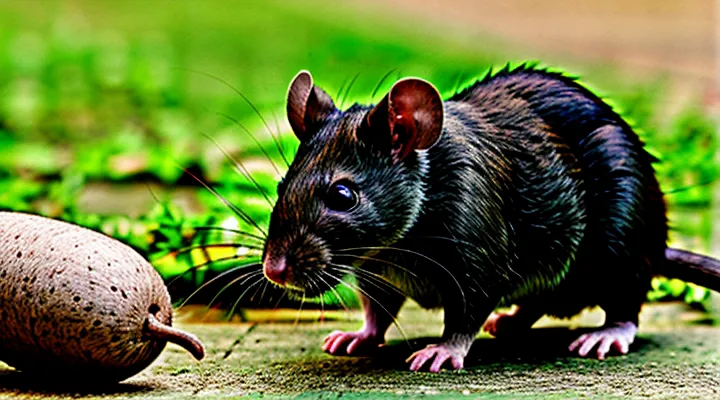
General Anatomy of the Male Rat
Testis Size: An Overview
Testis size refers to the mass and volume of the paired male gonads, measured in grams or cubic centimeters. Variation in size occurs across mammals, birds, and reptiles, reflecting differences in reproductive strategies, hormonal regulation, and developmental pathways.
Key determinants of testis size include:
- Genetic programming that sets baseline organ growth during embryogenesis.
- Hormonal signals, primarily testosterone and luteinizing hormone, that stimulate post‑natal enlargement.
- Nutritional status, where adequate protein and energy intake support tissue expansion.
- Environmental pressures such as mating system dynamics; species with intense sperm competition often evolve larger testes to increase sperm output.
In rodents, the testes are proportionally larger than in many other mammals. This enlargement correlates with high breeding frequency, short gestation periods, and the need to produce large quantities of sperm rapidly. Anatomical studies show that rat testes possess an expanded seminiferous epithelium and a higher density of Sertoli cells, both contributing to elevated spermatogenic capacity.
Comparative data illustrate that testis mass scales with body mass according to an allometric relationship (approximately mass^0.75). Rats deviate upward from this trend, indicating selective pressure for enhanced reproductive output rather than a simple scaling effect.
Understanding testis size provides insight into the evolutionary pressures shaping male reproductive anatomy, informs biomedical research on fertility, and aids in interpreting physiological adaptations among species with divergent mating systems.
Evolutionary Perspectives on Testis Size
Sperm Competition Hypothesis
The sperm competition hypothesis explains the evolution of oversized testes in rats by linking testicular size to the intensity of post‑copulatory sexual rivalry. In species where females mate with multiple partners within a short breeding cycle, males increase sperm production to outcompete rival ejaculates. Larger testes provide a higher daily sperm output, raising the probability that a male’s sperm will fertilize ova during simultaneous inseminations.
Empirical support includes:
- Comparative studies showing a positive correlation between mating system promiscuity and relative testis mass across murine taxa.
- Direct measurements of sperm counts revealing that rats with larger testes deliver substantially more motile sperm per ejaculate than conspecifics with smaller organs.
- Experimental manipulations of male competition levels that induce rapid testicular hypertrophy, demonstrating phenotypic plasticity driven by sperm competition pressure.
Physiological mechanisms involve elevated Leydig and Sertoli cell activity, which expand seminiferous tubule volume and increase spermatogenic efficiency. Hormonal regulation, particularly heightened luteinizing hormone pulses, sustains the accelerated spermatogenesis required for sustained high sperm production.
Consequently, the enlarged testes observed in rats represent an adaptive response to frequent polyandrous mating, ensuring that individual males maximize reproductive success when confronted with intense sperm competition. This interpretation aligns anatomical observations with evolutionary theory, reinforcing the central role of post‑copulatory selection in shaping rodent reproductive morphology.
Mate Choice and Testicular Investment
Rats allocate a disproportionate amount of reproductive tissue to the testes, a pattern that reflects intense selection pressures on male mating strategies. Female rats frequently encounter multiple potential partners within a breeding colony, creating a competitive environment where the quantity of sperm delivered can directly influence fertilization success. Consequently, males that invest heavily in testicular mass produce larger ejaculates, increasing the probability of outcompeting rival sperm during the brief interval between copulation and ovulation.
Experimental studies demonstrate that males with enlarged testes achieve higher paternity rates when females are allowed to mate with several partners in rapid succession. The relationship between testicular size and sperm output is linear, allowing researchers to predict reproductive advantage based on organ dimensions alone. This correlation supports the hypothesis that testicular enlargement functions as an adaptive response to sperm competition rather than a byproduct of other physiological processes.
Female choice further reinforces testicular investment. Observations of courtship behavior reveal that females exhibit increased receptivity toward males displaying vigorous mounting attempts and prolonged copulatory bouts, both of which are associated with greater seminal fluid transfer. In species where females can assess male vigor, the propensity to select partners capable of delivering abundant sperm aligns with the observed evolution of oversized testes.
Trade‑offs accompany this reproductive strategy. Energy diverted to testicular growth reduces resources available for somatic maintenance, potentially shortening lifespan. Nevertheless, the reproductive payoff—enhanced fertilization probability in a polyandrous system—outweighs the cost under typical rat population dynamics.
Key points summarizing the connection between mate selection and testicular allocation:
- High female promiscuity generates strong sperm competition.
- Larger testes produce greater sperm numbers, boosting competitive fertilization.
- Female receptivity correlates with male copulatory vigor, indirectly favoring males with more extensive testes.
- Energetic trade‑offs limit testicular growth, but selection maintains the balance that maximizes reproductive success.
Anatomical Adaptations for Sperm Production
Seminiferous Tubules and Spermatogenesis
The seminiferous tubules constitute the functional core of the male reproductive organ, providing the environment where germ cells progress from spermatogonia to mature spermatozoa. Their highly coiled architecture maximizes surface area within a limited volume, allowing a dense population of Sertoli cells to support multiple stages of development simultaneously. Sertoli cells form a tight blood‑testis barrier, regulate nutrient delivery, and secrete factors that direct cell differentiation.
Spermatogenesis proceeds through three distinct phases:
- Mitotic proliferation – spermatogonia divide to expand the germ cell pool.
- Meiotic division – primary spermatocytes undergo meiosis I and II, producing haploid spermatids.
- Spermiogenesis – spermatids remodel into streamlined spermatozoa, acquiring motility structures and condensed nuclei.
Each phase occurs in specific segments of the tubule, creating a spatial gradient that enhances efficiency. The high turnover rate demands continuous renewal of Sertoli cells and sustained hormonal signaling, chiefly by testosterone and follicle‑stimulating hormone. In rats, the enlarged testes accommodate an expanded network of seminiferous tubules, thereby increasing the total output of sperm cells and supporting the species’ reproductive strategy.
Epididymis: Maturation and Storage
Rats possess exceptionally large testes to generate a high volume of sperm; the epididymis must accommodate this output through efficient maturation and prolonged storage. The organ is divided into three regions—head (caput), body (corpus), and tail (cauda)—each specialized for distinct phases of sperm development.
In the head, immature sperm acquire motility and undergo biochemical modifications, including alterations of the plasma membrane lipid composition and activation of specific enzymes. The body continues these changes, preparing sperm for the final functional state required for fertilization. The tail stores mature sperm in a quiescent condition, maintaining low metabolic activity and protecting them from oxidative stress.
Key functions of the epididymis in rats:
- Maturation – progressive acquisition of motility and fertilization capacity.
- Transport – regulated movement of sperm from testis through the ductal system.
- Storage – preservation of viable sperm for extended periods until ejaculation.
- Protection – secretion of antioxidant proteins and maintenance of an acidic environment to prevent premature activation.
The elongated epididymal duct in rats reflects adaptation to their prolific spermatogenesis, providing sufficient surface area for extensive maturation processes and ample storage volume. This anatomical configuration ensures that the large testicular output is effectively processed and retained until reproductive demand arises.
Physiological Mechanisms Supporting Large Testes
Hormonal Regulation of Testicular Function
Rats exhibit unusually large testes relative to body size, a condition sustained by precise endocrine control of testicular growth and function. The hypothalamic‑pituitary‑gonadal axis orchestrates this regulation through a limited set of hormones that act directly on Leydig and Sertoli cells.
- Luteinizing hormone (LH) binds receptors on Leydig cells, triggering steroidogenic enzymes that convert cholesterol to testosterone. Elevated testosterone levels promote the expansion of seminiferous tubules and increase interstitial tissue mass, both contributors to overall testicular volume.
- Follicle‑stimulating hormone (FSH) targets Sertoli cells, enhancing the production of androgen‑binding protein and inhibin B. These factors sustain spermatogenic activity and provide negative feedback to the pituitary, fine‑tuning FSH secretion.
- Testosterone itself exerts autocrine and paracrine actions, stimulating Sertoli cell proliferation during postnatal development and maintaining the structural integrity of the tubules.
- Inhibin B, released by Sertoli cells, suppresses pituitary FSH output, preventing excessive stimulation that could disrupt the balance between germ cell proliferation and maturation.
The interplay of these hormones creates a feedback loop that adjusts testicular size to meet the high sperm output required by rat reproductive strategies. Disruptions in any component—such as reduced LH signaling or altered inhibin feedback—result in measurable decreases in testicular mass, confirming the centrality of hormonal regulation in the anatomical adaptation of rat testes.
Blood Supply and Thermoregulation
Rats possess testes that are proportionally larger than those of many other mammals, a condition sustained by specialized vascular and thermal mechanisms.
The arterial network delivers a continuous, high‑volume blood stream to the testes. The testicular artery branches directly from the abdominal aorta, enters the spermatic cord, and divides into numerous arterioles that permeate the seminiferous tubules. Venous return occurs through the pampiniform plexus, a dense mesh of veins that surrounds the arterial vessels. This arrangement creates a counter‑current flow, allowing heat exchange between arterial and venous blood before the blood reaches the germinal epithelium.
Thermal regulation relies on the same vascular architecture. The proximity of veins to arteries in the plexus transfers excess heat from arterial blood to the cooler venous return, reducing the temperature of blood entering the testes. Additional cooling arises from the large surface area of the testicular capsule and the thinness of the tunica albuginea, which facilitate heat loss to the surrounding peritoneal cavity. Behavioral adjustments, such as selecting cooler nesting sites, further assist in maintaining the temperature range optimal for spermatogenesis.
Key vascular and thermal features supporting large testes in rats include:
- Direct aortic origin of the testicular artery, providing high perfusion pressure.
- Dense pampiniform plexus enabling efficient counter‑current heat exchange.
- Thin, highly vascularized tunica albuginea that maximizes heat dissipation.
- Integration of physiological and behavioral strategies to keep testicular temperature below core body temperature.
Together, robust blood supply and precise thermoregulatory mechanisms allow rats to sustain the metabolic demands of extensive spermatogenic tissue, explaining the persistence of their unusually large testes.
Comparative Anatomy: Rats Versus Other Species
Inter-species Variation in Testis Size
Inter‑species variation in testis size reflects differing reproductive pressures and mating systems. Species that engage in intense sperm competition, such as many rodents, typically possess testes that constitute a larger proportion of body mass. In contrast, monogamous mammals often exhibit relatively small testes because the need to outcompete rival sperm is reduced.
Comparative data illustrate the range of testicular investment:
- High‑competition species (e.g., Norway rats, house mice): testes can represent 2–5 % of total body weight.
- Moderate‑competition species (e.g., some carnivores, primates): testes usually account for 0.5–1 % of body weight.
- Low‑competition species (e.g., many ungulates, solitary carnivores): testes often fall below 0.5 % of body weight.
Phylogenetic analyses reveal that testis size correlates with mating frequency, ejaculate volume, and sperm morphology. Species with frequent multiple matings per estrus tend to evolve larger testes to sustain high sperm production rates. Conversely, species with seasonal breeding or single‑mating strategies allocate fewer resources to gonadal tissue.
Environmental factors also modulate testicular dimensions. Seasonal breeders may exhibit rapid testicular growth during reproductive periods, followed by regression during off‑season phases. Nutritional status influences testis development; adequate protein intake supports larger gonads, while scarcity can suppress growth.
The anatomical architecture of the testes adapts to these demands. Species with enlarged testes often display increased seminiferous tubule volume, higher Sertoli cell density, and expanded interstitial tissue to facilitate elevated spermatogenic output. These structural modifications enable efficient sperm generation without compromising systemic physiology.
Overall, testis size variation across mammals provides a measurable indicator of reproductive strategy, ecological context, and evolutionary history.
Factors Influencing Testicular Volume
Rats exhibit unusually large testes compared with many other mammals. Testicular volume in these rodents is determined by a combination of intrinsic and extrinsic factors that act throughout development and adulthood.
Genetic determinants set the baseline size of the gonads. Specific alleles governing Sertoli‑cell proliferation and Leydig‑cell activity correlate with increased organ mass. Selective breeding experiments have shown that lines with high reproductive output consistently produce larger testes, confirming a heritable component.
Hormonal influences modulate growth after birth. Elevated levels of luteinizing hormone (LH) stimulate Leydig cells to produce testosterone, which in turn promotes spermatogenic expansion. Follicle‑stimulating hormone (FSH) enhances Sertoli‑cell function, directly affecting the tubular architecture that occupies most of the testicular volume.
Nutritional status provides essential substrates for rapid cell division. Diets rich in protein and specific micronutrients (zinc, selenium, vitamin E) support spermatogenesis and increase seminiferous tubule diameter. Caloric restriction reduces gonadal size, indicating a direct link between energy availability and testicular growth.
Environmental cues shape reproductive investment. Seasonal changes in photoperiod alter melatonin secretion, which indirectly adjusts gonadotropin release. High population density and increased competition trigger neuroendocrine pathways that elevate testosterone, leading to larger testes as a competitive adaptation.
Physical activity and stress levels affect testicular morphology. Chronic stress elevates glucocorticoids, suppressing LH and FSH release, thereby limiting testicular expansion. Regular locomotor activity promotes circulation and hormone delivery, supporting sustained growth.
Key factors influencing testicular volume can be summarized:
- Genetic background: allelic variation, selective breeding.
- Endocrine regulation: LH, FSH, testosterone, and their feedback loops.
- Nutrient intake: protein, zinc, selenium, vitamin E, overall caloric balance.
- Environmental signals: photoperiod, population density, competition.
- Physiological condition: stress hormones, activity levels.
Understanding the interaction of these variables explains why rats develop proportionally large testes relative to body size, reflecting an integrated biological strategy for maximizing reproductive success.
Genetic and Environmental Influences
Heritability of Testis Size
Rat testicular dimensions display considerable variation across laboratory and wild populations, reflecting both genetic and environmental inputs. Quantitative analyses consistently attribute a substantial portion of this variation to additive genetic effects, with heritability coefficients (h²) ranging from 0.35 to 0.60 in outbred colonies. These values indicate that more than one‑third of the phenotypic disparity in testis size can be traced to inherited factors.
Selective‑breeding experiments illustrate the predictive power of heritability estimates. When breeders paired individuals with the largest testes over successive generations, mean testis mass increased by approximately 20 % after five generations, whereas lines selected for small testes showed a comparable decline. Such directional response confirms that the trait responds to artificial selection in proportion to its genetic variance.
Modern genomic approaches refine the genetic architecture underlying testicular growth. Genome‑wide association studies have identified several quantitative trait loci (QTL) on chromosomes 1, 4, and 13 that together explain roughly 15 % of the observed variance. Candidate genes within these regions include Gdnf, Fshb, and Sox9, all implicated in spermatogenic regulation and somatic cell proliferation.
The genetic predisposition for enlarged testes aligns with anatomical adaptations that facilitate high sperm output. Rats exhibiting greater inherited testis size also possess proportionally expanded seminiferous tubules and enhanced vascularization, structural features that support accelerated spermatogenesis. Consequently, the heritable component of testis size directly contributes to the morphological traits that underlie reproductive efficiency.
Key points:
- Heritability of testis size in rats: h² ≈ 0.35–0.60.
- Selective breeding yields measurable changes in testis mass within a few generations.
- QTL mapping reveals multiple loci accounting for a modest fraction of variance; candidate genes regulate germ cell development.
- Genetic enlargement correlates with anatomical enhancements—longer tubules, increased capillary density—optimizing sperm production.
Understanding the hereditary basis of testicular dimensions provides a framework for interpreting the anatomical strategies rats employ to achieve high reproductive output.
Nutritional and Environmental Factors
Rats that develop unusually large testes often exhibit distinct dietary and habitat patterns. Research indicates that specific nutrients and environmental conditions directly influence testicular growth and function.
- High‑protein diets increase circulating testosterone, which stimulates spermatogenic tissue expansion.
- Elevated dietary fat, especially polyunsaturated fatty acids, enhances steroidogenesis, supporting testicular enlargement.
- Micronutrients such as zinc, selenium, and vitamin E maintain Leydig cell activity and protect germ cells from oxidative damage.
- Phytoestrogen‑rich feed can suppress gonadal development, leading to reduced testicular size in contrast to protein‑rich formulations.
- Caloric excess accelerates overall body growth, often accompanied by proportional testicular expansion.
Environmental variables exert comparable effects:
- Ambient temperature below the thermoneutral zone prompts scrotal contraction, reducing testicular mass; sustained cooler environments favor larger, less contracted testes.
- Photoperiod length modulates melatonin secretion, which in turn regulates hypothalamic–pituitary–gonadal signaling pathways impacting testis size.
- High population density increases social stress, elevating cortisol levels that can suppress gonadal growth; low‑density housing typically correlates with larger testes.
- Exposure to endocrine‑disrupting chemicals (e.g., bisphenol A, phthalates) interferes with hormone synthesis, causing either hypertrophy or atrophy depending on dose and timing.
- Enrichment of the cage environment, including nesting material and structural complexity, reduces chronic stress and promotes normal reproductive organ development.
Collectively, nutrient composition and habitat characteristics shape the physiological trajectory of rat testes. Adjustments in diet and living conditions provide reliable means to influence testicular dimensions, offering a practical framework for experimental design and animal welfare management.