
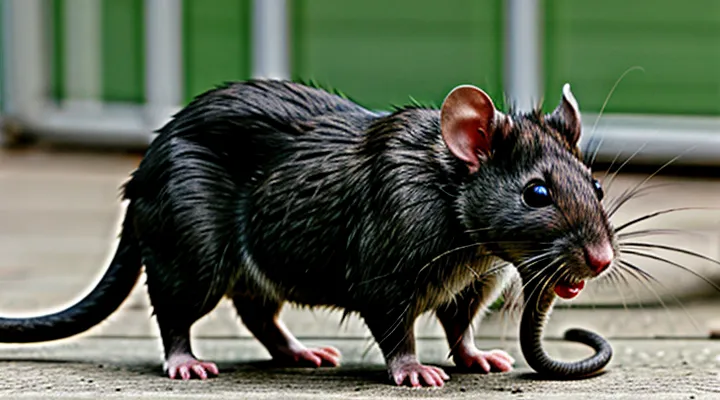
What is Bruxism?
Voluntary vs. Involuntary Bruxism
Rats exhibit two distinct patterns of tooth‑grinding that influence the rate of dental attrition. The first pattern, often termed «voluntary bruxism», occurs when animals deliberately gnaw on objects such as cage bars, food pellets, or nesting material. This behavior serves exploratory and manipulative functions, providing sensory feedback and facilitating the acquisition of resources. Muscular activity is consciously initiated, and the grinding frequency correlates with the availability of chewable items.
The second pattern, «involuntary bruxism», manifests without external prompting. It arises from neuromuscular dysregulation, stress‑induced hormonal shifts, or pathological conditions affecting the trigeminal nerve. Episodes appear during sleep or periods of heightened autonomic activity, producing continuous, low‑amplitude grinding that contributes to progressive enamel loss.
Key distinctions between the two patterns are:
- Initiation: deliberate action versus automatic physiological response.
- Frequency: episodic and variable versus persistent and rhythmic.
- Functional role: environmental interaction versus internal homeostatic imbalance.
- Dental impact: localized wear on contact surfaces versus generalized attrition across the occlusal plane.
Understanding the balance between these mechanisms clarifies the primary drivers of rodent tooth wear and informs strategies for habitat enrichment, stress mitigation, and veterinary intervention.
Reasons for Teeth Grinding
Dental Health
Rats possess incisors that grow continuously throughout life. The enamel on the front surface is harder than the dentin behind, creating a self‑sharpening edge when the teeth are worn down by grinding activity.
Grinding serves several dental‑health functions. It limits overgrowth that could impede chewing, reduces the formation of sharp points that may cause oral trauma, and promotes proper alignment of the dental arcade. Failure to achieve sufficient wear often results in malocclusion, food ingestion difficulties, and secondary infections.
Factors influencing grinding frequency include:
- Hardness of available food items; fibrous or crunchy materials increase wear.
- Presence of gnawable objects such as wood blocks, cardboard, or chew toys.
- Environmental stressors; heightened arousal can amplify gnawing behavior.
- Age; younger rats exhibit more vigorous grinding as incisors develop rapidly.
Maintaining a diet that incorporates abrasive components and providing appropriate gnawing materials are essential strategies for supporting optimal dental health in laboratory and pet rat populations.
Overgrown Teeth
Rats possess continuously growing incisors; without regular abrasion, the teeth extend beyond functional length. Overgrowth interferes with food intake, causes malocclusion, and may lead to facial deformities. Dental wear is achieved through gnawing on hard objects, which naturally limits length and maintains a sharp edge.
Key physiological consequences of unchecked dental growth include:
- Impaired chewing efficiency, resulting in weight loss.
- Tissue damage from sharp edges contacting oral mucosa.
- Increased susceptibility to infection due to ulcerated gums.
Research indicates that environmental enrichment, such as providing chewable materials, reduces the incidence of excessive incisor length. Laboratory observations show that rats with access to wooden blocks or mineral rods maintain optimal tooth length and display normal grooming behavior. «Rats lacking appropriate gnawing substrates develop overgrown incisors within two weeks of isolation».
Malocclusion
Malocclusion in rodents describes a misalignment between the upper and lower incisors that prevents proper occlusion. In rats, continuous eruption of the incisors requires constant wear; any deviation from the natural angle disrupts this balance.
Typical contributors include:
- Genetic predisposition that alters tooth growth patterns.
- Inadequate fiber content in the diet, reducing natural abrasion.
- Insufficient access to gnawing objects, limiting mechanical wear.
When malocclusion develops, incisors may overgrow, leading to cheek ulceration, difficulty ingesting food, and heightened gnawing activity as the animal attempts to alleviate discomfort. The increased grinding behavior often appears as a compensatory response to restore functional contact between the teeth.
Preventive and corrective measures focus on:
- Providing chewable materials such as wooden blocks or mineral rods to promote even wear.
- Ensuring a diet rich in roughage to facilitate natural abrasion.
- Conducting routine dental examinations and, when necessary, trimming overgrown incisors under veterinary supervision.
Effective management reduces abnormal grinding, improves oral health, and supports overall well‑being.
Emotional and Psychological Factors
Rats commonly display dental chattering, a behavior that signals heightened emotional arousal and stress. The activity serves as a non‑vocal expression of discomfort, anxiety, or agitation, providing researchers with a measurable indicator of the animal’s internal state.
- Exposure to unfamiliar environments or sudden changes in cage configuration
- Social tension arising from overcrowding, dominance disputes, or isolation
- Anticipation of handling, transport, or experimental procedures
- Chronic noise, vibration, or lighting fluctuations that disrupt circadian rhythms
- Nutritional deficiencies that provoke compulsive chewing as a self‑soothing mechanism
These factors activate the limbic system, increasing sympathetic output and triggering rhythmic jaw movements. Persistent bruxism can lead to dental wear, malocclusion, and secondary health complications, thereby affecting experimental outcomes and animal welfare. Mitigation strategies—environmental enrichment, stable social groupings, consistent husbandry routines, and gradual habituation to handling—reduce emotional strain and consequently diminish the frequency of tooth grinding.
Stress and Anxiety
Rats respond to psychological stress by increasing mandibular activity, which manifests as rapid, repetitive tooth grinding. Elevated corticosterone levels accompany acute stress, stimulating the central nervous system and lowering the threshold for motor patterns associated with gnawing. Chronic anxiety maintains heightened arousal, causing persistent activation of the trigeminal motor nucleus and reinforcing the grinding behavior.
Key stressors that trigger this response include:
- Sudden changes in cage environment
- Overcrowding or limited nesting material
- Frequent handling by unfamiliar personnel
- Exposure to predators or predator odors
These factors elevate sympathetic output, producing muscular tension in the jaw. The resulting occlusal movements serve as a self‑soothing mechanism, releasing pent-up nervous energy and preventing the buildup of excessive muscular strain. Similar to human bruxism, the activity may also aid in regulating body temperature through increased heat production.
Neurochemical studies reveal that serotonin dysregulation correlates with intensified gnawing episodes, indicating that anxiety‑related neurotransmitter imbalances contribute directly to the motor pattern. Interventions that reduce environmental stress—such as enrichment devices, stable social groups, and consistent handling routines—demonstrably decrease the frequency and intensity of tooth grinding.
In summary, stress and anxiety act as primary drivers of mandibular hyperactivity in rats, linking hormonal, autonomic, and neurochemical pathways to the observable grinding behavior. Effective management of these psychological factors mitigates the dental wear and associated health risks.
Pain and Discomfort
Rats maintain constant tooth wear through incessant grinding, a behavior directly linked to the avoidance of dental pain. When incisors become overgrown, the pressure exerted during gnawing compresses the pulp, generating sharp sensations that can impair feeding and lead to infection. Continuous abrasion reduces the risk of pulp exposure, thereby mitigating acute discomfort.
The primary physiological drivers of this activity include:
- Mechanical stimulation of periodontal receptors, which signals the nervous system to modulate bite force and prevent excessive pressure.
- Release of endorphin-like compounds within the oral cavity, providing a natural analgesic effect during prolonged gnawing sessions.
- Maintenance of optimal occlusal alignment, ensuring even distribution of forces across the teeth and minimizing localized strain.
Secondary factors influencing the intensity of grinding involve environmental hardness and dietary composition. Coarse materials increase abrasive action, offering greater relief from emerging soreness, while softer foods may prompt more frequent gnawing to achieve comparable comfort levels.
Failure to engage in regular dental wear results in heightened sensitivity, reduced appetite, and potential secondary infections. Consequently, the grinding habit functions as a self‑regulating mechanism that preserves oral health by alleviating pain and preventing chronic discomfort.
Contentment and Relaxation
Rodent incisor abrasion occurs frequently in environments where animals experience low stress levels. When muscular tension diminishes, jaw muscles operate with a steady, low‑intensity rhythm that promotes continuous tooth contact with surrounding surfaces. This pattern often coincides with periods of calm, indicating that grinding can serve as a physiological expression of well‑being rather than solely a distress signal.
Factors linking a state of ease to dental activity include:
- Consistent access to soft bedding that encourages gentle gnawing without urgency.
- Enrichment objects that invite exploratory chewing in a relaxed posture.
- Stable social hierarchies that reduce aggressive encounters, allowing sustained, low‑force grinding.
- Regular feeding schedules that eliminate hunger‑driven anxiety, permitting calm mastication.
Observations of these conditions suggest that tooth grinding may function as a behavioral indicator of contentment, reflecting the animal’s capacity to engage in routine oral activity without heightened arousal.
Social Communication
Rats produce a characteristic chattering sound by grinding their incisors, a behavior that conveys information to conspecifics. The acoustic pattern varies with emotional state, allowing individuals to assess aggression, submission, or contentment without visual cues.
During group interactions, teeth grinding functions as a non‑vocal alarm, signaling the presence of predators or environmental disturbances. Recipients modify movement speed, shelter selection, or vigilance levels in response to the signal’s intensity and rhythm.
Key communicative functions include:
- Establishing dominance hierarchies; higher‑frequency grinding correlates with assertive individuals.
- Coordinating foraging activities; synchronized grinding precedes collective exploration of food sources.
- Reinforcing social bonds; low‑amplitude grinding occurs during grooming and nest‑building sessions.
Understanding this acoustic channel enhances interpretations of rodent social structure and informs the design of enrichment protocols that reduce stress‑induced grinding. Accurate assessment of grinding patterns provides a reliable metric for welfare monitoring in laboratory and captive settings.
Dominance and Submission
Dental grinding in rats frequently reflects the structure of their social hierarchy. Dominant individuals engage in frequent gnawing to demonstrate control, maintain weapon-like incisors, and signal readiness to defend resources. Subordinate members exhibit increased grinding when exposed to aggression, indicating heightened stress and an attempt to self‑soothe.
Key aspects of hierarchy‑related grinding:
- Dominants: frequent, rhythmic gnawing; performed in the presence of peers; associated with territorial marking.
- Subordinates: intermittent, high‑frequency grinding; triggered by visual or olfactory cues of dominance; accompanied by reduced exploratory behavior.
- Transitional status: rats shifting between ranks display variable grinding patterns, often intensifying during periods of uncertainty.
The correlation between social rank and dental activity underscores the importance of monitoring gnawing behavior as an indicator of group dynamics and welfare. Adjusting housing conditions to reduce hierarchical tension can moderate excessive grinding and improve overall health.
Warning Signals
Rats exhibit specific observable cues when they engage in dental grinding, which serve as early warning signals for potential health issues. Audible chattering, often described as a rapid clicking noise, indicates active gnawing and can be heard without direct visual contact. Visible wear on incisors, such as flattened or shortened edges, signals excessive grinding and may precede malocclusion. Changes in feeding behavior, including reduced food intake or preference for softer textures, reflect discomfort associated with dental stress. Unusual aggression or heightened irritability frequently accompanies chronic tooth wear, providing behavioral evidence of underlying pain. Sudden weight loss, coupled with a decline in grooming activity, further confirms that dental grinding has escalated to a physiological concern. Monitoring these indicators enables timely veterinary intervention, preventing progression to severe oral pathology.
When to Be Concerned
Excessive Grinding
Rats often exhibit continuous tooth wear that exceeds normal gnawing patterns. Excessive grinding appears when incisors contact each other with greater force or frequency than required for routine food processing. The behavior can be observed in laboratory colonies and wild populations alike, indicating a physiological response rather than an isolated anomaly.
Common drivers of heightened grinding include:
- Dental malocclusion that forces the animal to compensate by increasing bite pressure.
- Nutritional deficiencies, particularly low‑fiber diets, which reduce natural chewing activity.
- Environmental stressors such as overcrowding or abrupt changes in lighting cycles.
- Neurological disorders that alter motor control of the jaw muscles.
Persistent over‑grinding leads to enamel erosion, shortening of the incisors, and potential difficulty in food intake. Preventive measures focus on providing adequate chewable materials, balanced diets rich in fiber, and stable housing conditions. Regular dental examinations allow early detection of abnormal wear, enabling timely intervention before severe impairment occurs. «Early identification of excessive grinding reduces the risk of long‑term oral pathology», notes a recent veterinary study.
Associated Symptoms
Rats grind their teeth as a normal maintenance activity, yet persistent or audible grinding often signals underlying health problems. Observation of this behavior should be accompanied by a systematic assessment of related clinical signs.
Typical associated symptoms include:
- Visible overgrowth of incisors or misalignment of teeth.
- Difficulty acquiring or processing food, leading to reduced intake.
- Weight loss despite unchanged food availability.
- Facial swelling or discharge around the jaw region.
- Excessive salivation or drooling.
- Audible grinding sounds, especially during rest periods.
- Signs of pain such as reduced mobility, grooming neglect, or aggression when the mouth is handled.
These manifestations frequently indicate dental malocclusion, infections of the oral cavity, or systemic stressors that exacerbate gnawing activity. Prompt veterinary evaluation is essential to identify the precise cause and implement corrective measures.